
REVIEW · PARIS
Paris: Montmartre Walking Tour with Sacré-Cœur Entry Option
Book on GetYourGuide →Operated by Global Tours And Tickets · Bookable on GetYourGuide
Montmartre packs surprises into one short walk. This 90-minute guided stroll links Abbesses, the Je t’aime wall (in 250 languages), Bateau-Lavoir tied to Picasso, and a finish at Sacré-Cœur with optional panorama tickets. I love how the guide turns street corners into stories you can remember, and I love that the walk is built around photo-worthy sights with a clear end point.
The main consideration is effort. This route includes inclines and stairs, so if your legs are touchy, plan for a slower pace and wear solid shoes.
In This Review
- Key Things to Know Before You Go
- Montmartre in 90 minutes: a plan for first-time wandering
- Meeting at Abbesses Station Line 12: the art starts immediately
- Je t’aime wall: the quick stop that feels like a love letter
- Bateau-Lavoir: where art history feels personal
- Dalida’s legacy: celebrity homes without the cheesy tour vibe
- Moulin de la Galette: Montmartre’s rustic past in one view
- Place du Tertre, Le Passe-Muraille, and Maison Rose: the Montmartre mix
- Sacré-Cœur finish: optional panorama and the climb reality
- Price and value: what $58 buys you (and what it doesn’t)
- How to manage timing: walking pace, starts, and guide swaps
- What to bring: the small list that saves your legs
- Who should book this Montmartre walk
- Should you book this Montmartre tour with Sacré-Cœur panorama?
- FAQ
- Where do I meet the guide?
- How long is the tour?
- What’s included if I choose the Sacré-Cœur entry option?
- What are the main stops on the route?
- What should I bring?
- Can I cancel for a full refund?
Key Things to Know Before You Go
- Abbesses Art Nouveau start: you meet at the Line 12 exit, right where the neighborhood’s character begins
- Je t’aime wall stop: the love mural in 250 languages is a quick, memorable photo break
- Bateau-Lavoir and Picasso’s orbit: you get context for why this area matters to modern art
- Dalida focus: you’ll see her former-home area details and a bust tied to her legacy
- Moulin de la Galette and Place du Tertre: Montmartre’s past and present sit side by side
- Optional Sacré-Cœur panorama: tickets are included only if you choose the option
Montmartre in 90 minutes: a plan for first-time wandering
Montmartre is one of those places where you can easily get lost in a pretty way, then realize you missed the big stops. This tour keeps you moving through the neighborhood’s most recognizable landmarks, with a guide adding the meaning behind what you’re seeing. If you want a “see the highlights and understand them” pace, this format works well.
At $58 per person for about 90 minutes, you’re paying for three things: guidance, a tight route through multiple sites, and (if you select it) entry to the Sacré-Cœur panorama. That can be good value if you’d otherwise spend time figuring out where to go, especially on a day when your energy is limited.
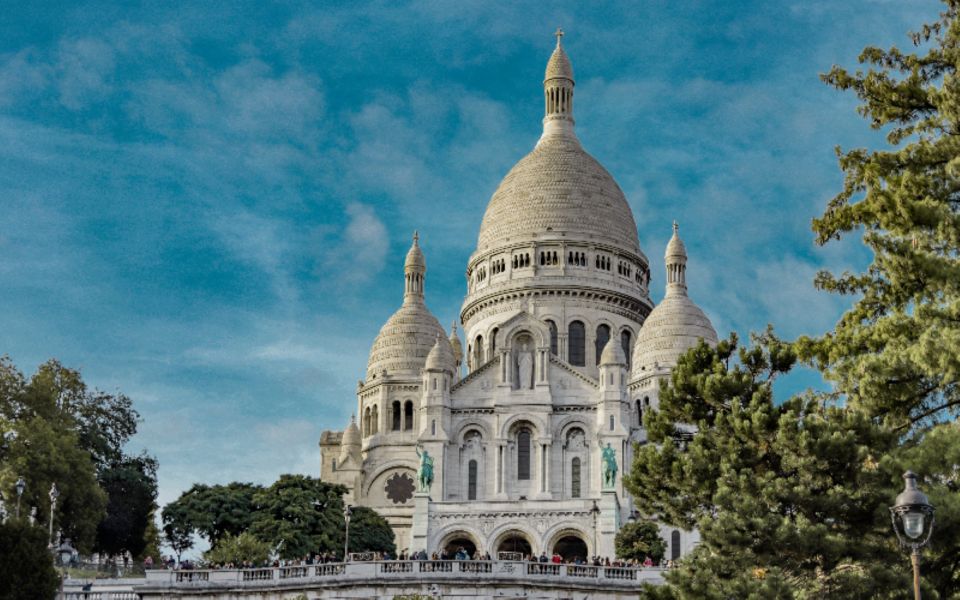
One more practical note: the tour finishes at Sacré-Cœur. That matters because you’re ending right where the views are, instead of trying to time your climb later after you’re already tired.
You can also read our reviews of more walking tours in Paris



Meeting at Abbesses Station Line 12: the art starts immediately

Your tour begins at Abbesses Metro Station, Line 12 exit. You’ll look for the company’s white flag right at the metro exit, and the exact meeting info plus a flag picture is sent by email one day before your date.
Why this start is useful: Abbesses isn’t just a transit stop. It’s one of Montmartre’s most famous entrances, known for its Art Nouveau design. So you’re not warming up in boring space—you’re stepping into the style of the neighborhood right away.
Timing wise, I’d treat this like a “show up early” appointment. One mismatch happens easily in Montmartre because there are multiple tour groups and lots of exits nearby. If you arrive a little early, you avoid the stress.
Je t’aime wall: the quick stop that feels like a love letter
A major early highlight is the Je t’aime wall, a mural celebrating love in 250 languages. It’s compact, easy to find on the walk, and it delivers that Montmartre “romance and art” feeling fast.
This stop also works for photos. You’ll have a short window to frame it without running around the neighborhood for an hour first. Even if you don’t care about murals in general, this one tends to click because it’s playful, readable, and clearly Montmartre.
If you’re traveling with a camera-heavy habit, remember that this tour is designed around brief pauses. Bring your camera ready, not buried in a bag.
Bateau-Lavoir: where art history feels personal
Next up is Bateau-Lavoir, tied to Montmartre’s artistic roots. The key connection here is that Picasso once worked there. That single detail changes how you perceive the area. You’re not just looking at streets; you’re walking through a place that fed modern art ideas.
Bateau-Lavoir is the kind of stop that benefits from a guide. Without context, it can feel like a normal neighborhood spot. With context, it becomes a chapter in the story of why Montmartre drew artists in the first place.
Also, this portion tends to be a good stretch-break moment. Your tour includes opportunities for brief rest and photography, and the Bateau-Lavoir segment usually fits those needs.
Dalida’s legacy: celebrity homes without the cheesy tour vibe
The tour also includes a look at the homes of famous figures, with a specific stop connected to Dalida. You’ll see details tied to her former residence area and also her bust.
Why I like this stop for visitors: it adds a French pop-culture layer to a neighborhood that’s often described only through painters and poets. Dalida’s connection helps you see Montmartre as more than just a museum neighborhood. It’s also a place that stayed culturally relevant long after the early art wave.
This segment is also a good reminder that Montmartre’s charm isn’t only aesthetic. It’s tied to real people living real lives here, which makes the walking more human.






Moulin de la Galette: Montmartre’s rustic past in one view
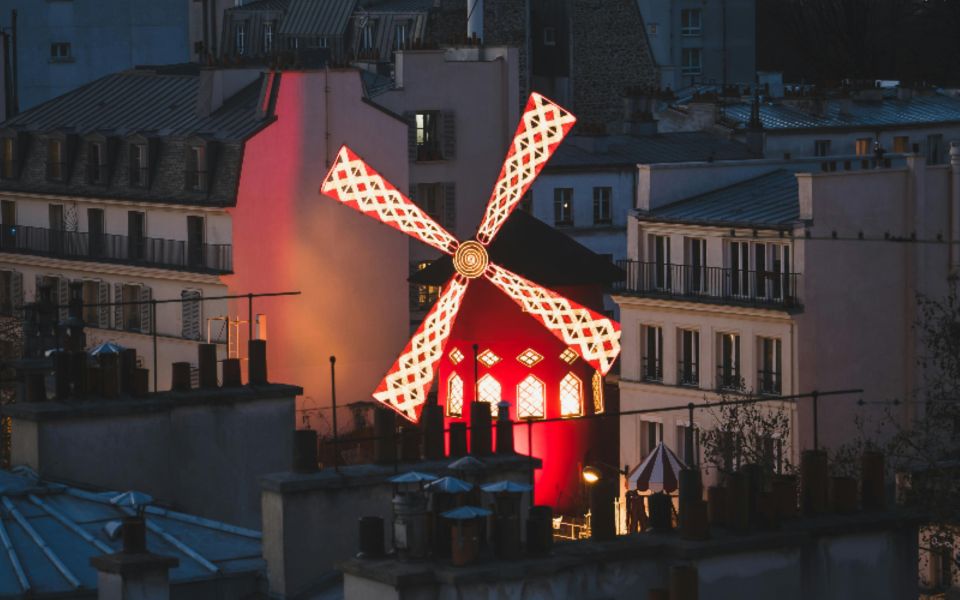
You’ll reach the Moulin de la Galette, which serves as a reminder of Montmartre’s earlier, more rural atmosphere. It’s a visual anchor. Even when the neighborhood around it changes, this landmark keeps the area’s older character in sight.
What makes this stop valuable on a guided walk is interpretation. A windmill can look like a “photo prop” if you’re not told what it meant locally. With the guide’s history and culture focus, you start to understand why it became so tied to Montmartre’s identity.
If you’re the type who likes your photos with context, this is one you’ll appreciate. If you’re not, at least it gives you a recognizable landmark to orient yourself through the rest of the neighborhood.
Place du Tertre, Le Passe-Muraille, and Maison Rose: the Montmartre mix
As you move through Montmartre’s heart, you’ll hit a few playful, very “this is Paris” spots.
You’ll see Place du Tertre, an artistic meeting point where the neighborhood’s creative energy is on display. This is also where you’ll likely get the sense that Montmartre is built for performance, art, and conversation.
You’ll also pass Le Passe-Muraille statue in Place Marcel Aymé. It’s whimsical, and it adds a bit of storytelling flavor to the route. Moments like this are why walking tours feel better than reading about a place. You actually get to react to it in the moment.
And then there’s Maison Rose, a pink house that has been turned into a café. Even if you don’t sit down, it’s a perfect “okay, this is why people love Montmartre” visual stop. It’s also a useful pause point if you need a quick breather before the climb toward Sacré-Cœur.
Sacré-Cœur finish: optional panorama and the climb reality
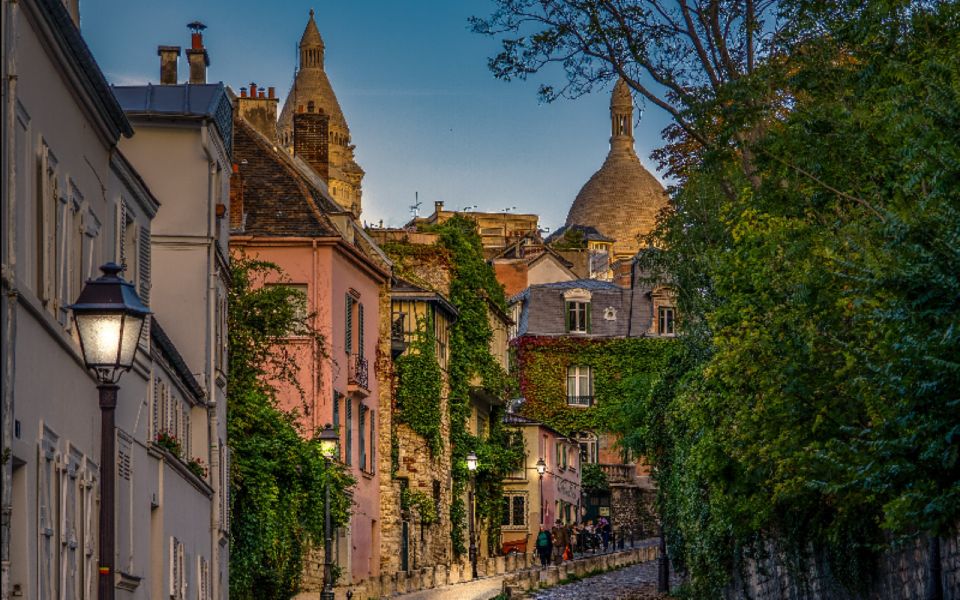
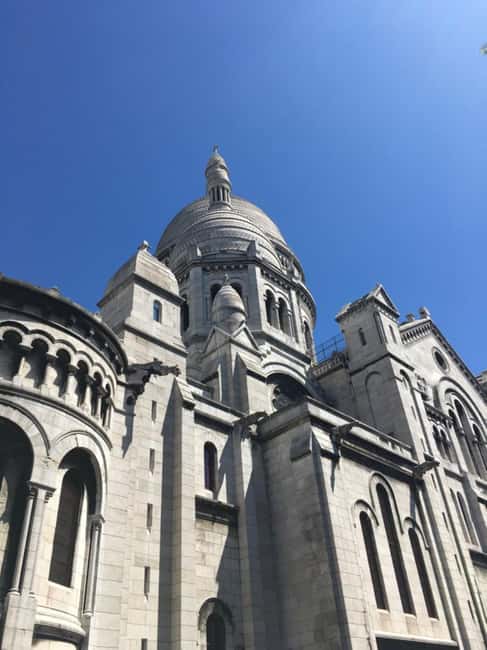
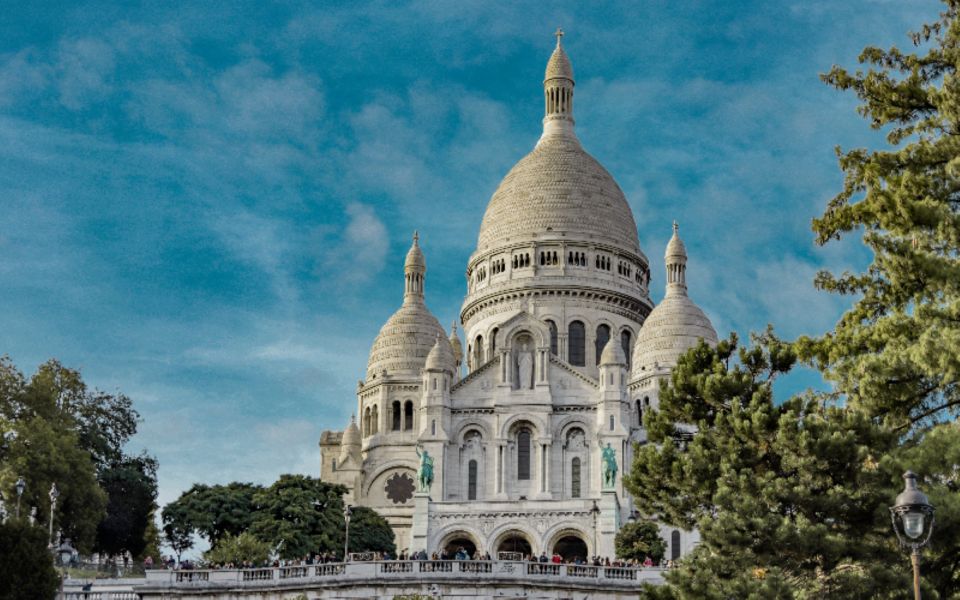
The tour ends at Sacré-Cœur Basilica, and this is where the pay-off happens. If you chose the option, you’ll get Sacré-Cœur panoramic view entry tickets. Your guide delivers those tickets to you if you selected that add-on.
Two things to keep in mind. First, the route has stairs and inclines, so your legs should be ready for a final push. Second, the panorama option is about getting views beyond what you’d see at street level. If your main goal is photos and wide city sightlines, that option is worth it.
One practical note from what’s been shared: the basilica area itself is often free, while the panorama has ticketed access. Since your option here is specifically the panoramic entry, you’re paying for the view level, not just the general building entry.
If you hate stairs, you can still enjoy the destination without taking the panorama option. But if you like skyline photos, the panoramic views are the reason many people book this ending.
Price and value: what $58 buys you (and what it doesn’t)
Let’s talk value, because Montmartre can get expensive fast if you mix and match things.
You’re paying $58 for a guided 90-minute experience that hits multiple major sights: Abbesses, Je t’aime wall, Bateau-Lavoir, Dalida-related stops, Moulin de la Galette, Place du Tertre, and the Sacré-Cœur finish. You’re also not paying for transport or meals here. Transportation and personal expenses are on you, and entrance fees to private properties aren’t included.
What you are getting that you can’t easily DIY in the same time: a guide who explains the history and culture of each site. That explanation is the difference between “I saw a bunch of landmarks” and “I get why they matter.”
If you select the Sacré-Cœur panorama option, your ticket is included and handed to you by the guide. That reduces friction at the end of the walk when you’re most likely to be tired.
Also, with an average rating of 4.3 out of 5 across 11 bookings, the overall pattern is solid, with a few operational hiccups showing up for some dates. More on that next.
How to manage timing: walking pace, starts, and guide swaps
This is a moderate walking tour. Expect stairs and inclines, and plan around that reality. The guide may adjust pacing for different groups, and you’ll be glad you came in with comfortable shoes.
One operational detail matters: you meet right at the Abbesses Line 12 exit and look for the white flag. The tour info and flag picture are sent by email one day ahead. That’s your best defense against the common confusion of too many similar tour groups.
In the past, guides associated with this tour have included names like Khan, Asahn, and Aidea, and they’ve been described as kind, patient, and able to explain clearly in English, sometimes even matching a slower walking pace. Your exact guide can vary, but this gives you a sense that clear communication is part of what you should look for.
If your trip is tight and you care about getting to Sacré-Cœur at a specific time, try to avoid rushing. Even small start delays can change your energy level by the time you reach the stairs.
What to bring: the small list that saves your legs
This tour keeps things simple, and you should too.
Bring:
- Comfortable shoes (non-negotiable on inclines)
- Camera (there are multiple photo-ready stops)
- Water
- Weather-appropriate clothing
A good trick: pack water where you can access it quickly. You’ll appreciate it more than you think, especially if you’re doing this on a warmer day.
If rain is in the forecast, bring a light layer you can pull on fast. The tour lasts 90 minutes, so weather can change faster than you expect.
Who should book this Montmartre walk
This is a great match if:
- You’re visiting Montmartre for the first time and want the main landmarks in one go
- You like art and want context for the neighborhood’s big names and symbols
- You care about panoramic views enough to choose the Sacré-Cœur option
- You want a guided route that ends in a meaningful place instead of stopping mid-hill
It’s less ideal if:
- You struggle with stairs and inclines and don’t want to deal with them at the end
- You prefer fully independent exploring and would rather build your own itinerary
The sweet spot is people who like structure but still want that walking-tour freedom.
Should you book this Montmartre tour with Sacré-Cœur panorama?
Book it if you want the Montmartre highlights with explanations, and you’re okay with moderate walking. For most first-timers, it’s one of the most efficient ways to see the Je t’aime wall, Bateau-Lavoir, and the Moulin de la Galette area without spending half the day hunting them down. The Sacré-Cœur panorama option is the best reason to add the ticket, if you want skyline photos and not just a simple finish.
Skip it or rethink the panorama add-on if stairs are a deal-breaker for you. You can still enjoy the neighborhood, but the end of the route is where the effort stacks up.
Also, do yourself a favor: arrive a few minutes early at Abbesses Line 12 and watch for the white flag. That one small habit helps you avoid the rare but stressful scenario of missing the guide.
If you time it well and wear the right shoes, this walk is a satisfying Montmartre sampler: art, love, celebrity culture, old-world landmarks, and a final view that makes the climb feel worth it.
FAQ
Where do I meet the guide?
Meet at Abbesses Station Metro Line 12 exit. Look for the company’s white flag at the metro exit. The meeting location and the flag picture are emailed to you one day before your tour.
How long is the tour?
The tour lasts 90 minutes.
What’s included if I choose the Sacré-Cœur entry option?
If you select it, the Sacré-Cœur panoramic view entry tickets are included and your guide will deliver them to you.
What are the main stops on the route?
You’ll cover Montmartre’s key landmarks, including Abbesses, the Je t’aime wall, Bateau Lavoir, the homes of famous figures like Dalida (including her bust), Moulin de la Galette, Place du Tertre, and you finish at Sacré-Cœur.
What should I bring?
Bring comfortable shoes, a camera, water, and clothing appropriate for the weather.
Can I cancel for a full refund?
Yes. You can cancel up to 24 hours in advance for a full refund.