REVIEW · PARIS
Art nouveau Paris tour
Book on GetYourGuide →Operated by Paris in person private tours · Bookable on GetYourGuide
Paris has a style for people who love details.
This Art Nouveau Paris tour pairs pretty façades with real meaning—symbols, myths, and the social world that shaped the look. I really like how the walk takes you from the movement’s early roots to its mature period, instead of just snapping photos. I also love the guide’s way of connecting Art Nouveau to big Paris landmarks like the Eiffel Tower. One thing to consider: it’s a 2-hour stroll focused on exterior architecture, so if you’re hoping for lots of museum time or inside-the-buildings access, plan something extra.
You’ll start in a practical spot and finish right where you began, which makes this easy to plug into a day of sightseeing. It’s also a private group, so the pacing stays gentle and questions stay welcome—especially when you’re curious about why certain shapes, motifs, and symbols show up again and again.
In This Review
- Key highlights worth showing up for
- Entering the Art Nouveau world in just 2 hours
- Meeting at Franprix: fast start, easy finish
- Setting the roots: early Art Nouveau symbolism and where it came from
- Ceramic Hotel: when Art Nouveau turns the street into art
- Avenue Rapp and Jules Lavirotte: flamboyant, but with logic
- Theosophic society of Paris building: symbolism becomes the main character
- Art Nouveau’s links to the Eiffel Tower
- Picasso’s drinking dens and the Belle Époque angle
- Price and value: what $171 buys you
- What kind of traveler this Art Nouveau tour suits
- The “should I book it?” checklist
- FAQ
- How long is the Art Nouveau Paris tour?
- How much does it cost per person?
- Is the tour private?
- What languages are offered?
- Where do we meet the guide?
- How do I recognize the guide?
- What’s included in the price?
- Are food and drinks included?
- Where does the tour end?
- Is free cancellation available?
- FAQ
- How do I find the starting times?
- Can I reserve now and pay later?
- Do I need to worry about the walk being too long or tiring?
- Which stops are part of the tour?
- Is this activity in Paris specifically?
Key highlights worth showing up for
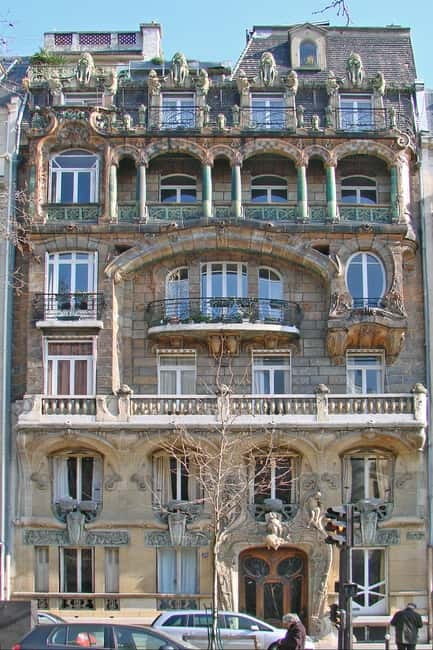
- Ceramic Hotel façade: one of the most beautiful Art Nouveau exteriors you’ll see on the route
- Avenue Rapp with Jules Lavirotte: a stretch of architecture that feels almost theatrical
- Theosophic society of Paris building: where symbolism turns into stone-and-stucco storytelling
- Eiffel Tower links: learn how Art Nouveau thinking ties into what Paris was building and celebrating
- Picasso’s favorite drinking dens: a Belle Époque side that goes beyond just architecture
Entering the Art Nouveau world in just 2 hours
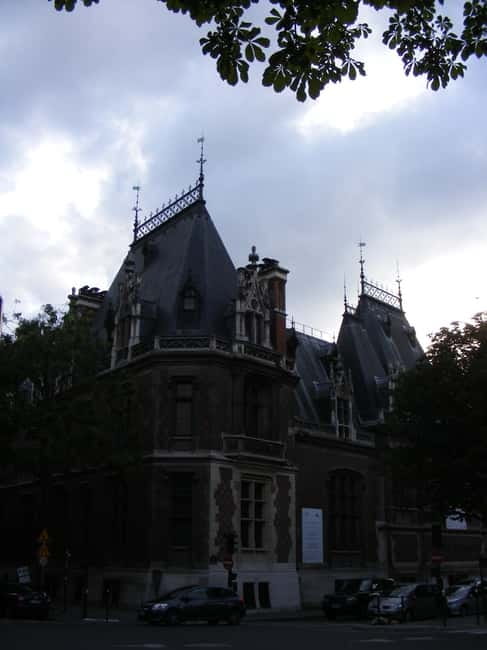
Art Nouveau in Paris isn’t just decoration. It’s a whole mindset, tied to the turn of the 19th and 20th centuries, the Belle Époque, and the wealthy who wanted beauty that looked new, not recycled. On this tour, you don’t just see buildings—you learn how the style works: the symbolism, the inspiration sources, and how the ideas evolved.
The timing matters. At 2 hours, you’ll cover enough ground to feel like you got the point, but not so long that you’ll hate your shoes. The walk is described as not strenuous, so it’s a good fit if you want something more interesting than a quick drive-by.
The best part is that the route is built to show the range of Art Nouveau in Paris. You move from the early roots of the movement toward more mature expressions, with a stop pattern that makes the change over time feel obvious instead of confusing.
You can also read our reviews of more tours and experiences in Paris.


Meeting at Franprix: fast start, easy finish
The tour starts at the Franprix store at the corner of rue de l’Université and avenue de la Bourdonnais. Meet your guide out front and look for the person carrying a red canvas tote bag.
You end back at the meeting point. That may sound small, but it’s a big deal in Paris. You’re not hunting for a last stop, and it’s easier to stack this with something else nearby.
Private group also changes the feel. You can keep moving at a pace that works for you, and you’re not stuck listening to a one-size-fits-all script while everyone else shuffles ahead.
Setting the roots: early Art Nouveau symbolism and where it came from
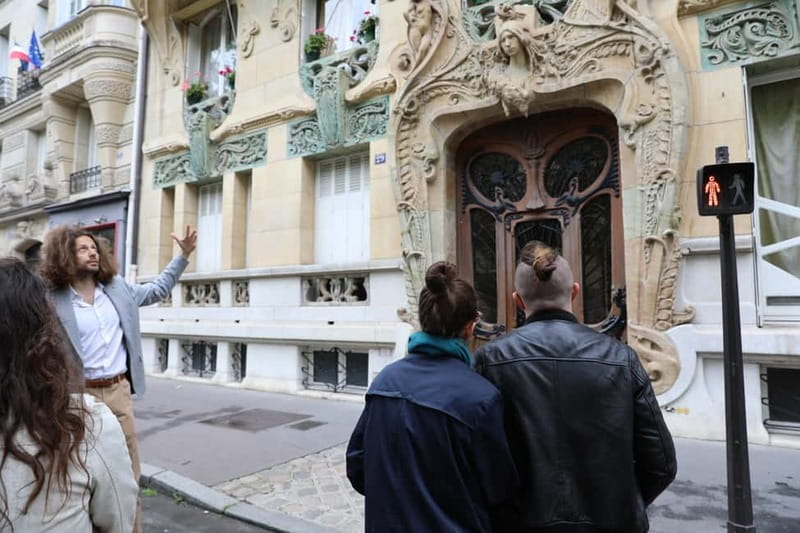
The tour begins at the roots of the Art Nouveau movement. That’s important, because Art Nouveau doesn’t come out of nowhere. It draws from earlier currents, and the guide frames the style as a response to what came before.
One of the most praised parts of the tour is how the guide explains the ideas behind the façades, not just what the buildings look like. In particular, the explanation connects Art Nouveau’s development to new Gothic architecture and to broader social issues of the time. That is exactly the kind of context that turns Art Nouveau from pretty to meaningful.
If you like architecture but often feel like you’re missing the story, this is the kind of tour that helps you read the city. You start seeing patterns: flowing lines, ornament that feels symbolic, and motifs that aren’t random decoration.
Ceramic Hotel: when Art Nouveau turns the street into art
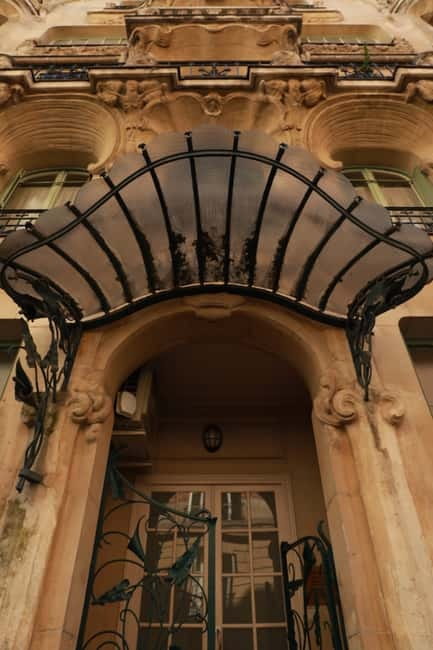
Next up is the Ceramic Hotel, famous in this route for one of the most beautiful façades in Paris. You’ll pause to take it in properly, because with Art Nouveau, the whole point is the front you’re looking at—details on the surface, the way forms wrap around windows, and the way the materials contribute to the mood.
Why this stop works: it gives you a visual anchor early enough that you can understand everything else you’ll see afterward. Once you’ve stood in front of a standout façade, the later buildings make more sense. You’re no longer wondering, Is this style just fancy? You start noticing the rules.
What to watch for: focus on the façade as a designed whole. Look at how different elements relate—how the ornament connects across the building instead of acting like separate decorations.
A possible drawback: if you’re the kind of person who wants hands-on museum exhibits or long interior tours, this kind of stop can feel too exterior. But if you enjoy close viewing, it’s a satisfying payoff for the price of admission: you’re spending your time where Art Nouveau is at its loudest.
Avenue Rapp and Jules Lavirotte: flamboyant, but with logic
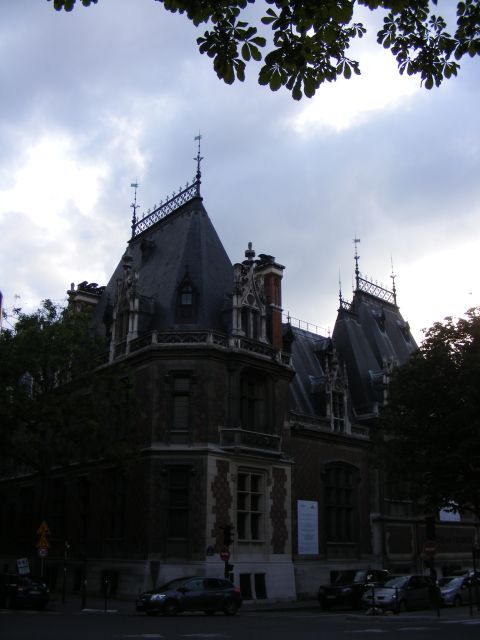
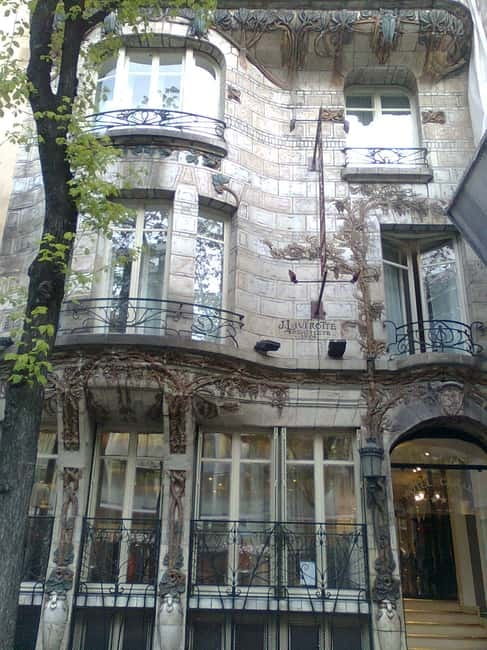
Then you walk down Avenue Rapp to see houses by architect Jules Lavirotte. This is where the style shifts into something bolder. The street is basically a lesson in how Art Nouveau used line, form, and ornament to make buildings feel alive.
Lavirotte is a name you’ll hear again if you keep exploring Paris architecture, and this stop helps you understand why. The houses here don’t feel like safe, traditional buildings. They feel designed to impress, even when you’re just passing by at walking speed.
Why I like this part of the tour: it’s not just “look at pretty stuff.” The guide’s job is to show you what those features mean in the Art Nouveau language—how the expression fits the moment, and how the style aimed at refinement while still pushing boundaries.
Tip for you: slow down at the façade. Give yourself a few minutes per building rather than rushing from one photo to the next. Art Nouveau rewards patience.
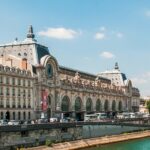
Theosophic society of Paris building: symbolism becomes the main character
One of the most fascinating stops is the Theosophic society of Paris building. Art Nouveau overlaps with ideas that were floating around at the time—belief systems, spiritual curiosity, and symbolism-heavy thinking. The tour makes that connection without turning it into a lecture you have to decode.
This is also where the guide style matters. Past tours have highlighted that the guide can place Art Nouveau in a bigger cultural and philosophical context. That matters here, because the building’s meaning isn’t obvious from distance.
What you should expect: more than just surface ornament. You’ll hear how symbolic motifs fit into the mindset of the era and how that mindset influenced architecture and design.
Possible consideration: if you prefer purely aesthetic explanations with zero philosophy, this stop may feel more conceptual than you expected. Still, it’s a strong example of why Art Nouveau is often called both elegant and inventive.
Art Nouveau’s links to the Eiffel Tower
Yes, there’s a connection between Art Nouveau and the Eiffel Tower—and the guide makes room for it here. This isn’t a random add-on. The tour treats the Eiffel Tower as part of the larger Paris story at the time, and you’ll learn how Art Nouveau thinking relates to what Paris was celebrating and building.
Why this matters for you: it prevents Art Nouveau from feeling like a small niche. Instead, you see how it fits into the broader national and city pride of the period, including the fascination with modern engineering and the idea that Paris was shaping the future.
What to do on this stop: listen for the explanation of links rather than just taking in the view. The tower can steal attention, but the tour’s value is the interpretation.
Picasso’s drinking dens and the Belle Époque angle
The tour doesn’t stay trapped in architecture. You’ll also discover Picasso’s favorite drinking dens and other Belle Époque connections along the way.
This is a smart pairing. Art Nouveau grew in a world of salons, social life, and stylish living. If you only see buildings, you miss the human scale of the era. If you only do bar stories, you miss the design side. This tour tries to connect both.
Think of it like this: the buildings show you what the wealthy wanted people to notice. The places show you how the artistic crowd actually spent time in the same cultural orbit.
A practical note: since food and drinks aren’t included, treat the drinking-den part as context and inspiration, not a built-in snack stop. You can always grab something after the tour.
Price and value: what $171 buys you
This tour is priced at $171 per person for about 2 hours with a live guide. There’s no food or drinks included, so the value comes from interpretation and site selection—not from a pre-planned meal.
For that cost, I’d evaluate it on three things:
1) How well the guide explains meaning. The best feedback emphasizes that guides, including someone named Boris in one account, explain principles and evolution of the style, not just facts.
2) How representative the route feels. You’re not only seeing one type of façade—you get ceramic detail, Lavirotte houses on Avenue Rapp, a symbolism-heavy building, and Paris landmarks that tie the story together.
3) How much you can absorb in a short window. Two hours is a good “taste test” for Art Nouveau. You’ll leave with enough context to keep spotting the style on your own.
If your goal is to understand Art Nouveau quickly and correctly, this is a sensible use of time. If your goal is a long architectural marathon with multiple neighborhoods and plenty of stops, you might want a longer or multi-day plan.
What kind of traveler this Art Nouveau tour suits
This tour fits you if you like:
- architecture with meaning, not just photo ops
- learning how styles develop over time—from roots to maturity
- Paris history connected to art culture, including the Belle Époque
- a guided pace that isn’t a grind
It may not be perfect if you want:
- lots of indoor access
- hands-on experiences
- a tour that turns into a full day of stop after stop
The “should I book it?” checklist
Book this tour if you want a guided walk that teaches you how to read Art Nouveau in Paris—Ceramic Hotel, Avenue Rapp and Jules Lavirotte, the Theosophic society of Paris building, plus the Eiffel Tower connection and Picasso’s drinking-den context. The private format and the emphasis on explanations make it a smart choice for anyone who hates being left with a pile of pretty photos and no story.
Skip it (or pair it with more) if you’re expecting a long itinerary with lots of interior visits, or you need built-in food and drinks. In that case, use this as a strong architectural primer, then plan the rest of your day around your preferred style of sightseeing.
FAQ
How long is the Art Nouveau Paris tour?
The tour lasts about 2 hours.
How much does it cost per person?
It costs $171 per person.
Is the tour private?
Yes, it’s a private group tour.
What languages are offered?
The guide can run the tour in English or French.
Where do we meet the guide?
Meet your guide in front of the Franprix store at the corner of rue de l’Université and avenue de la Bourdonnais.
How do I recognize the guide?
Look for the guide carrying a red canvas tote bag.
What’s included in the price?
The guide is included.
Are food and drinks included?
No, food and drinks are not included.
Where does the tour end?
The tour ends back at the meeting point.
Is free cancellation available?
Yes, you can cancel up to 24 hours in advance for a full refund.
FAQ
How do I find the starting times?
Starting times depend on availability, so you’ll need to check what’s offered when you book.
Can I reserve now and pay later?
Yes, the option to reserve now & pay later is available.
Do I need to worry about the walk being too long or tiring?
The walking pace is described as not strenuous, and the tour is only about 2 hours.
Which stops are part of the tour?
You’ll see the Ceramic Hotel façade, homes by Jules Lavirotte on Avenue Rapp, the Theosophic society of Paris building, and you’ll also discover links to the Eiffel Tower and Picasso’s favorite drinking dens.
Is this activity in Paris specifically?
The tour takes place in the Paris area (Ile-de-France), focused on Paris landmarks and neighborhoods.