REVIEW · PARIS
NoDietClub – A selection of the best Japanese food in Paris
Book on GetYourGuide →Operated by NO DIET CLUB · Bookable on GetYourGuide
Five bites, five reasons to grin. This 3-hour Japanese food tour in Paris is built around grab-and-go tastings and a guide who breaks down what you’re eating (and why it matters). I like the small group size, and how it turns a food hunt into a social night out with people from everywhere. One thing to consider: it’s mostly outdoors, so you’ll want to dress for walking and cool weather.
You get five different stops focused on the classics: gyoza, takoyaki, onigiri, karaage, and mochi, with tastings that can shift by season. The vibe is fun over formal, with room for jokes and chat, not long speeches or history lessons.
If you come expecting a museum-style tour, you might feel slightly shortchanged. But if your idea of Paris is good food, easy conversation, and collecting addresses for later, this fits well.
In This Review
- Key things to know before you go
- The 3-hour “eat-and-walk” rhythm in Paris
- Small-group fun, not a lecture
- What you actually eat: gyoza, takoyaki, onigiri, karaage, mochi
- Stop one: gyoza and the first crunch
- Stop two: takoyaki and the gooey center
- Stop three: onigiri for the handheld meal feeling
- Stop four: karaage and the fried-chicken payoff
- Stop five: mochi to close strong
- Guides like Rachel, Nathalie, and Flavie: why the explanations matter
- Outdoors, take-away, and how to make it feel effortless
- Vegetarians are welcome, but ask what fits best
- Seasonal variation: why your menu might differ
- Price and value: is $53 worth it?
- Who should book this Japanese food crawl
- Should you book NoDietClub’s Japanese food tour in Paris?
- FAQ
- How long is the Japanese food tour in Paris?
- How many people are in the group?
- What Japanese foods are included?
- Is the food served to eat immediately, or is it take-away?
- Where does the tour take place?
- Are vegetarians welcome?
- What languages are available for the live guide?
- Is the tour mostly indoors or outdoors?
- Can the tastings change by season?
Key things to know before you go
- Take-away tastings are the point: you eat as you go and leave with addresses to repeat the good stuff
- Small group (up to 8) keeps it social and makes questions easy
- Five Japanese food stops cover comfort snacks to sweet finishes
- Friendly English/French guides share food stories and practical recommendations
- Vegans aren’t listed, but vegetarians are welcome too, so it’s worth asking what works best for you
- Seasonal swaps can happen, so the exact menu may vary
The 3-hour “eat-and-walk” rhythm in Paris
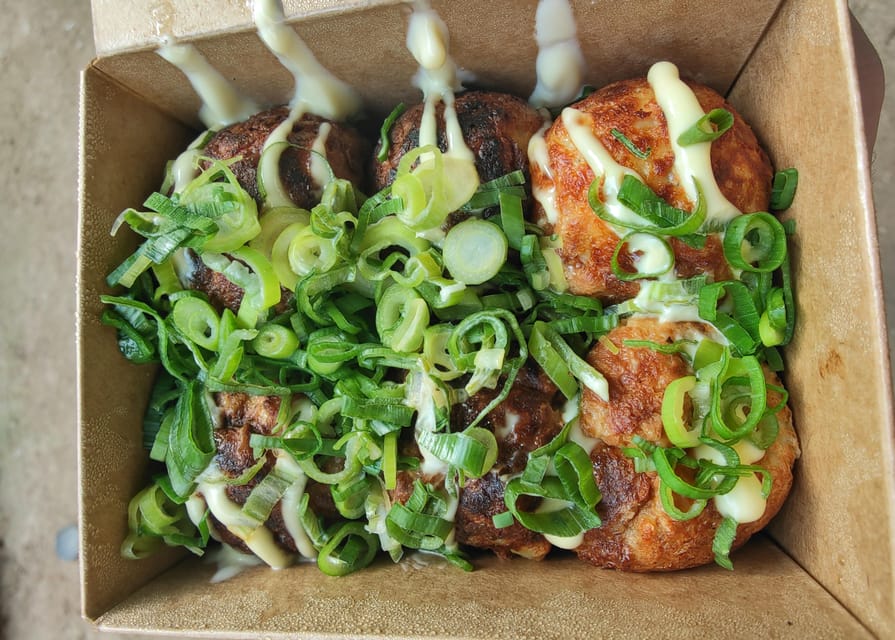
This tour is short on paper, but it moves at a nice pace in real life. You spend about 3 hours jumping between five Japanese food spots, and the tastings are designed for sharing. I like that you’re not forced into one long seated meal; you get small portions that let you compare flavors and textures.
The format is very practical: much of what you eat is mainly take-away. That means you’ll likely be eating while standing, walking, or finding quick spots to slow down. Bring a light layer, wear comfortable shoes, and you’ll feel in control instead of rushed.
Paris in winter (or even shoulder season) can change the experience fast. Since it’s mainly outdoors, your comfort level depends on weather and your clothing. If you’re the type who hates being cold mid-snack, dress for it.
You can also read our reviews of more food & drink experiences in Paris



Small-group fun, not a lecture
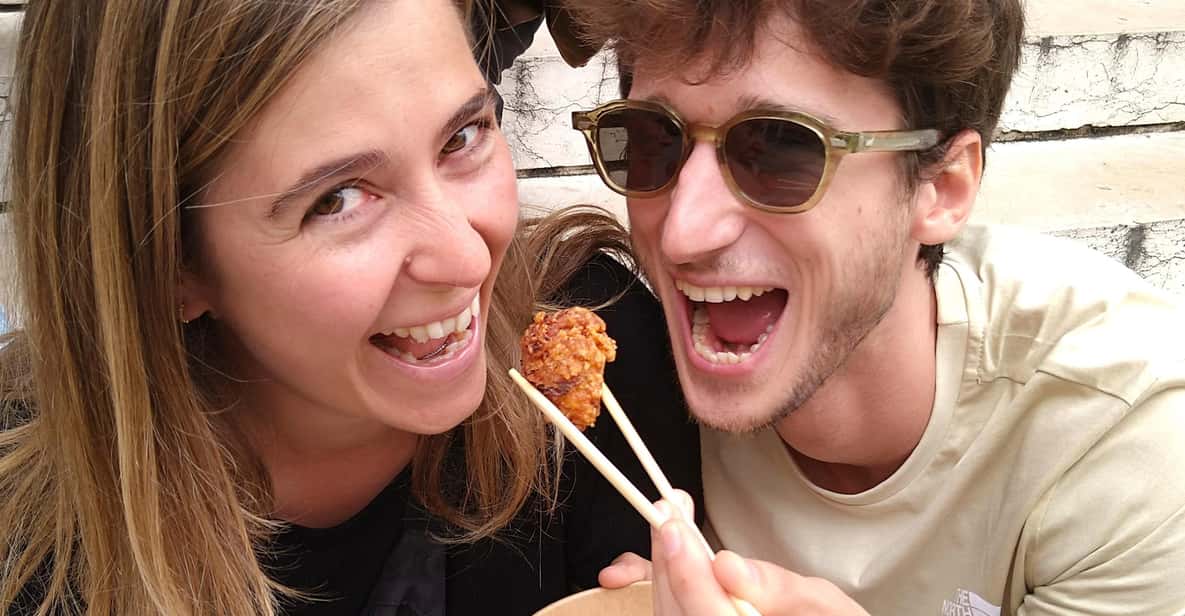
One of the strongest reasons this works is the group size. With a maximum of 8 participants, you get that rare sweet spot where you meet people without feeling like you’re stuck in a crowd. Several guides are known for making the conversation easy and upbeat, and the tour attracts people from multiple countries.
I also appreciate the tone: it’s not a heavy historical lecture, and it’s not about explaining Japanese culture with long speeches. Instead, you get a mix of serious food talk plus silly jokes (even the bad ones). That combination keeps the energy light while you’re learning enough to order confidently later.
If you’re traveling solo, the social setup is a big plus. If you’re traveling with friends, you’ll still have an excuse to talk, compare bites, and trade recommendations at each stop.
What you actually eat: gyoza, takoyaki, onigiri, karaage, mochi
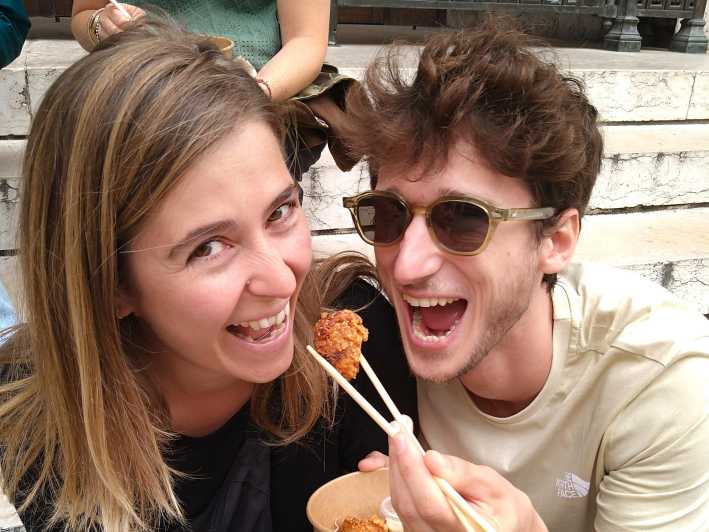
This tour is built around the idea that Japanese food isn’t one thing—it’s a whole range of textures: crisp, gooey, fried, warm, and sweet. You’re not just checking items off a list. You’re tasting how Japanese cooking handles contrast.
Stop one: gyoza and the first crunch
Gyoza is often the entry point because it’s familiar enough to be comforting and special enough to be worth focusing on. You’ll get to try these dumplings in a way that feels street-food casual, and that’s part of the charm.
Why it’s worth paying attention to: gyoza is all about the wrapper and the filling balance. When it’s done well, you get a crisp outside plus a tender bite inside. A good guide will point out what to notice so you’re not just eating fast.
Potential drawback: since the tour is “many tastings,” the first stop can set a high bar. If you’re expecting one huge meal, you might feel like you’re still hungry at the start. But that’s also why the tour keeps moving.
Stop two: takoyaki and the gooey center
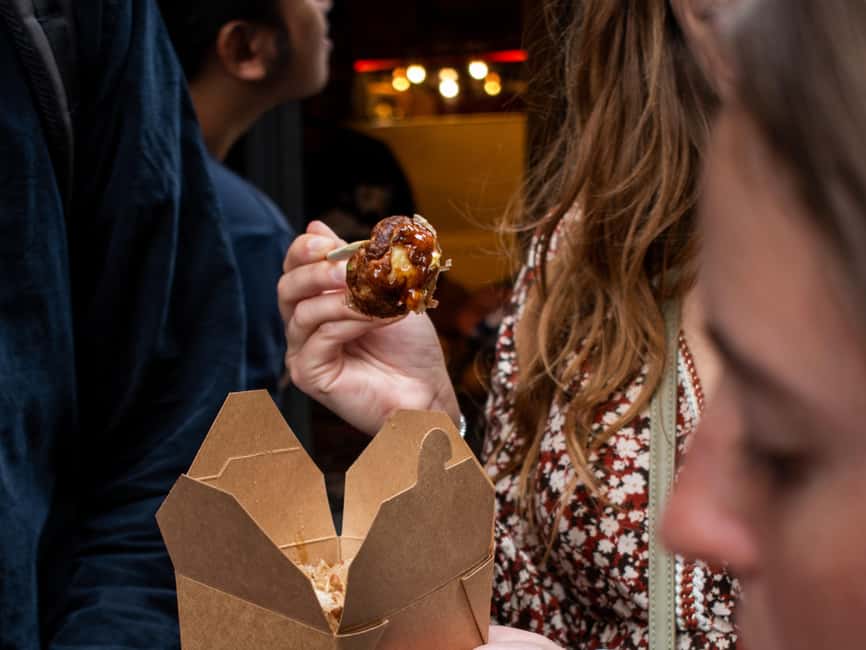
Takoyaki is one of the most fun foods to eat on a walking tour. The balls are warm, the outside has a nice set, and the inside can be gloriously soft. The description calls them delicious and gooey—and that tracks with why people love this stop.
I like how takoyaki teaches you to judge balance: the toppings matter, and so does how the batter cooks. If you’ve only had takoyaki once before, this stop gives you a baseline for what “good” feels like.
Consideration: takoyaki is a snack you’ll eat quickly. If you’re sensitive to hot food or messy toppings, plan to eat carefully and keep napkins handy.
You can also read our reviews of more tours and experiences in Paris





Stop three: onigiri for the handheld meal feeling
Onigiri is the kind of food that makes a walking tour feel practical. It’s warm or comforting, easy to hold, and built for grab-and-go eating. One of the best parts of this stop is how it changes the tone: after fried and gooey bites, you get something that feels steadier and more meal-like.
Why it’s valuable: onigiri gives you a different texture profile—firm rice, flavorful filling, and sometimes seaweed that brings a salty hit. You’ll taste how Japanese quick meals can be satisfying without being heavy.
Potential drawback: rice-based snacks can fill you up faster than you expect. If you tend to get full early, pace yourself so you still have room for the later fried and sweet stops.
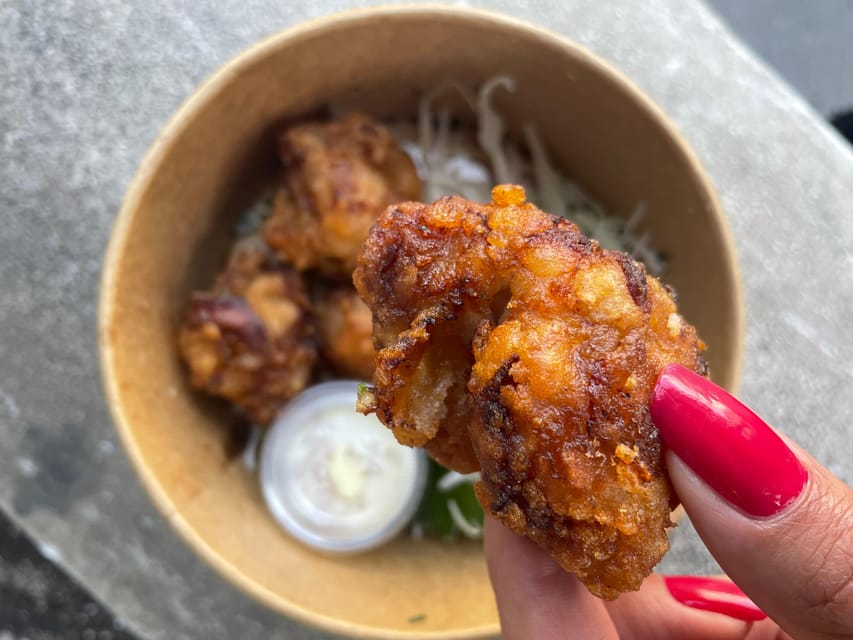
Stop four: karaage and the fried-chicken payoff
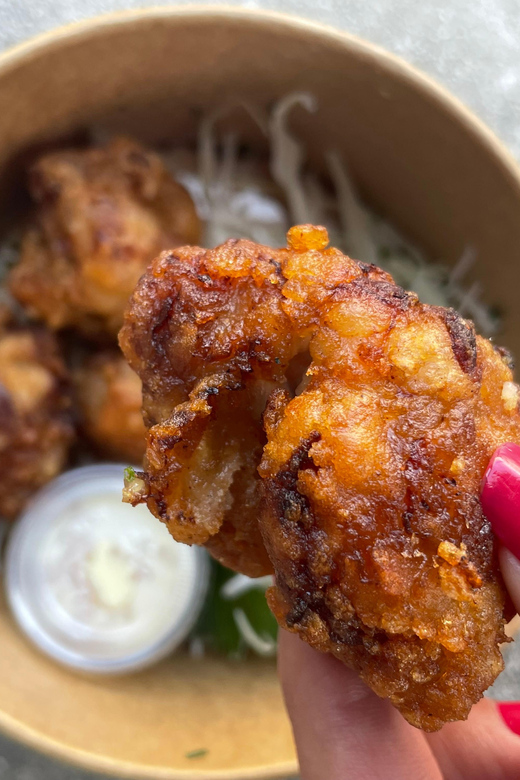
Karaage is where comfort food lovers get happy. It’s crunchy, hot, and usually has that satisfying savory depth that makes you want one more bite. This stop is often the most “Paris-at-night” tasting because it feels like a snack you’d seek out again.
What I like here is the contrast. Karaage sits in a different category than dumplings and ball snacks. It teaches your palate to compare seasoning style and crunch level across Japanese staples.
One thing to consider: if you’re watching how much fried food you eat, you’ll want to be mindful. The tour includes multiple tastings, and karaage can be a standout. It’s not a problem, just know your own limits.
Stop five: mochi to close strong
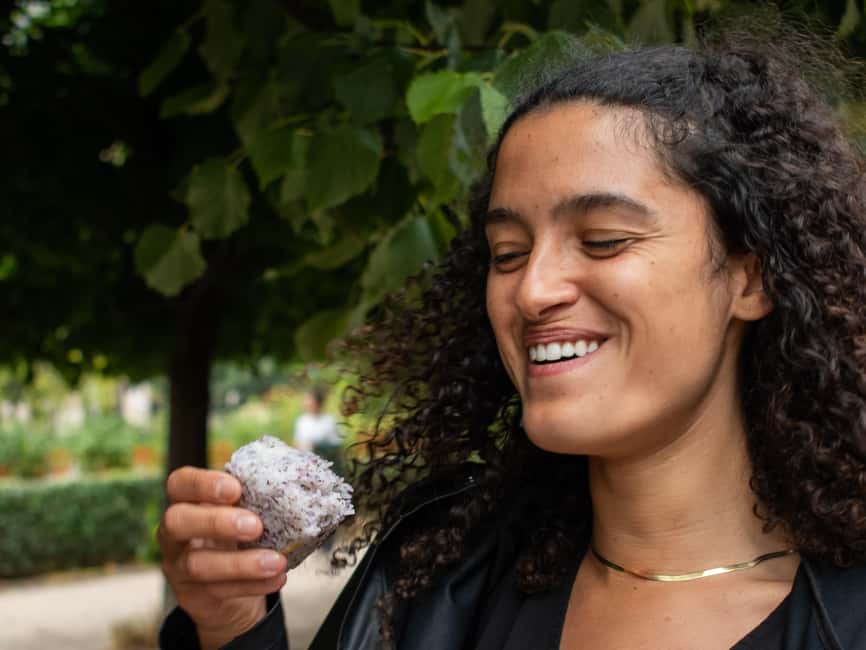
Mochi is the sweet finish that makes the whole tour feel rounded. Even if you’re not a dessert person, mochi often wins people over because it’s chewy and usually hits that comforting rice-cake texture.
I like that mochi is also a good “final comparison” bite. By the last stop, you’ve had savory snacks across multiple textures, so the sweetness doesn’t feel out of place—it feels like closure.
Consideration: dessert portions can vary by season. The tour notes tastings may change with the seasons, so your exact sweet finish might not be identical every departure.
Guides like Rachel, Nathalie, and Flavie: why the explanations matter
The guide experience is a major reason this tour consistently scores well. Guides such as Rachel, Nathalie, and Flavie are described as warm and focused on sharing what makes each dish special. You don’t just hear what to eat. You learn what to notice, plus small context that helps you order the right things later.
You’ll also get a list of serious recommendations in Paris. That’s a practical perk. It turns the tour from one night of fun into a plan you can actually use for future meals.
And yes, the “funny bad jokes” are part of the package. They’re not there to impress. They’re there to keep the group relaxed so you can ask questions instead of feeling rushed.
Outdoors, take-away, and how to make it feel effortless
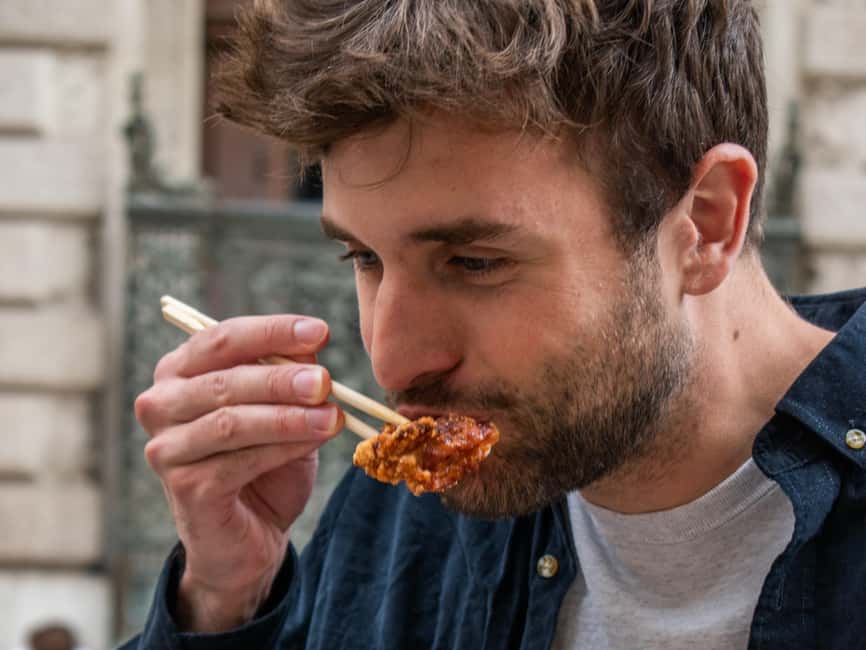
Because the tour takes place mainly outdoors and much of the food is take-away, your comfort setup matters. I recommend you travel like you’re doing a short street-food night out, not like you’re attending a formal dinner.
Bring:
- Comfortable shoes for walking between spots
- A light jacket or layer for temperature swings
- Small basics like napkins and water if you tend to get thirsty
The other “how to” tip is pacing your bites. These are tasty portions designed to move quickly. If you’re too eager and eat every tasting instantly, you’ll miss the comparison the tour is trying to create.
Vegetarians are welcome, but ask what fits best
The tour specifically says vegetarians are welcome. That’s a strong signal that the team plans for non-meat options.
Still, because the exact seasonal tastings can vary, I’d treat it like this: the tour is generally friendly for vegetarians, but you should check with the guide (or confirm in advance) about the specific items and what’s included on your departure.
If you eat vegetarian most of the time, you’ll likely feel comfortable. If you have strict dietary needs, bring clarity early so you don’t have surprises mid-walk.
Seasonal variation: why your menu might differ
Tastings may vary with the seasons. That’s not a downside—it’s part of how food tours stay real. You’ll likely still get the core lineup of Japanese favorites, but specific versions, toppings, or the sweet finish could change.
From a value perspective, seasonal variation helps you experience what’s currently best instead of relying on a rigid script. It also means you’re getting more than just one generic “Japanese food in Paris” set meal.
Price and value: is $53 worth it?
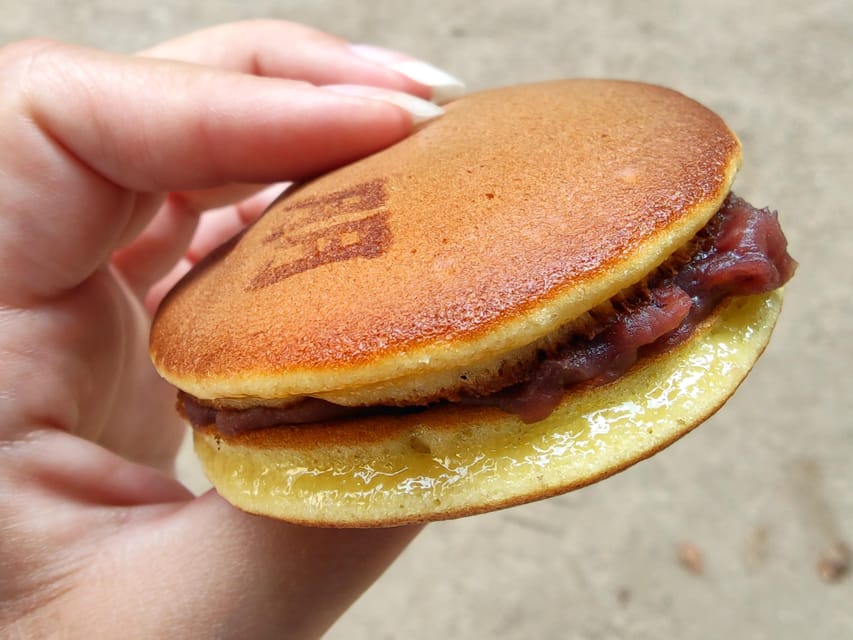
At $53 per person for a 3-hour small-group tour, the value comes from two things: multiple included tastings and guidance that helps you go back to better places later.
You’re not paying for one dish and a casual walk. You’re paying for:
- Five Japanese food stops
- Several complimentary tastings (including gyoza, takoyaki, onigiri, karaage, and mochi)
- A live guide in English or French
- A list of recommendations you can use after the tour
- A group size small enough to feel personal
In Paris, even one “good” casual meal can add up quickly once you factor in drinks and side choices. Here, you get multiple bites that let you taste a range of dishes without having to gamble on what each place will serve.
So yes, I think it’s priced like a proper experience, not a cheap discount snack route.
Who should book this Japanese food crawl
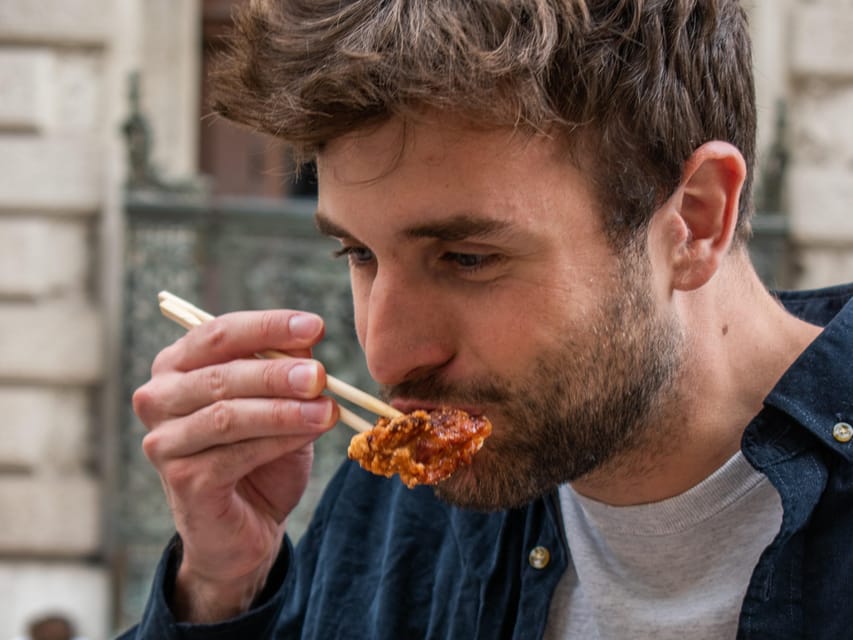
This tour is a great match if you:
- Want real food stops instead of only branded tourist meals
- Like small-group social time and meeting new people
- Prefer walking and eating over formal sit-down dining
- Want Japanese classics, not a lecture
- Want addresses and serious food recommendations to use later
It might be less ideal if you:
- Want a history-heavy tour
- Get uncomfortable in cool outdoor weather
- Prefer one big seated meal with a long pace
Should you book NoDietClub’s Japanese food tour in Paris?
If your goal is to eat your way through Japanese comfort food with a friendly guide and leave with a stack of recommendations, I’d book it. The big win is the combination of five tastings, a small group vibe, and guides like Rachel, Nathalie, and Flavie who focus on sharing what you’re eating in a way that sticks.
Just dress for the outdoors, come hungry (but not overly full from lunch), and be ready for take-away bites instead of a plated dinner. If that’s your style, you’ll likely have one of the more memorable food nights in Paris.
FAQ
How long is the Japanese food tour in Paris?
The tour lasts 3 hours.
How many people are in the group?
The group is small, limited to 8 participants.
What Japanese foods are included?
The tastings include gyoza, takoyaki, onigiri, karaage, and mochi.
Is the food served to eat immediately, or is it take-away?
The tastings are mainly take-away, so you can also pick up addresses afterward.
Where does the tour take place?
It’s in Ile-de-France, France (Paris area).
Are vegetarians welcome?
Yes, vegetarians are welcome.
What languages are available for the live guide?
The live tour guide is available in English and French.
Is the tour mostly indoors or outdoors?
The tour takes place mainly outdoors.
Can the tastings change by season?
Yes, tastings may vary with the seasons.