REVIEW · PARIS
Paris : French wine tasting in Montmartre
Book on GetYourGuide →Operated by LES PIQUEURS · Bookable on GetYourGuide
Sacré Coeur makes the wine lesson feel personal. This Montmartre tasting takes place right by the basilica area, and you get a guided look at how French wines actually differ on the glass, not just in wine ads. I also love the 5-wine structure (2 whites, 2 reds, 1 sparkling) because it keeps the learning focused in just one hour.
One thing to consider: this is a short session, not a long, food-and-wine evening—so if you want hours of wandering and a big meal, plan something else around it. Also, it’s not suitable for kids under 18 or for pregnant women.
In This Review
- Key highlights worth your attention
- Montmartre at Sacré Coeur: why the location matters
- Meeting Les Piqueurs: small-cave energy and a private group pace
- Your 5-wine tasting path through French terroirs in one hour
- Step 1: Two white wines
- Step 2: Two red wines
- Step 3: One sparkling finish (Champagne or similar)
- The regions you’ll talk about (and why it’s valuable)
- What you’ll learn: not just wine facts, but tasting skills
- Small bites and palate sanity checks
- Can you buy wine after the tasting?
- Price and value: is $81 per person a fair deal?
- Who this Montmartre wine tasting suits best
- Should you book this French wine tasting in Montmartre?
- FAQ
- How long is the wine tasting in Montmartre?
- What wines are included in the tasting?
- Where does the experience meet?
- Is this a private group experience?
- What languages are offered?
- How much does the tour cost?
- Is it suitable for children?
- Is it suitable for pregnant women?
- Can I cancel for a refund?
- Do I have to pay immediately to reserve?
- Can I request different start times?
Key highlights worth your attention
- Foot-of-Sacré Coeur setting that makes the whole experience feel instantly “Paris.”
- 5 wines in 1 hour: 2 white, 2 red, then a sparkling finish.
- Bilingual guide (French and English) in a private-group format.
- A guided tour of major French wine regions, including Burgundy, Bordeaux, Rhône, and the Loire.
- Clear, talk-friendly explanations that encourage questions, not just listening.
Montmartre at Sacré Coeur: why the location matters
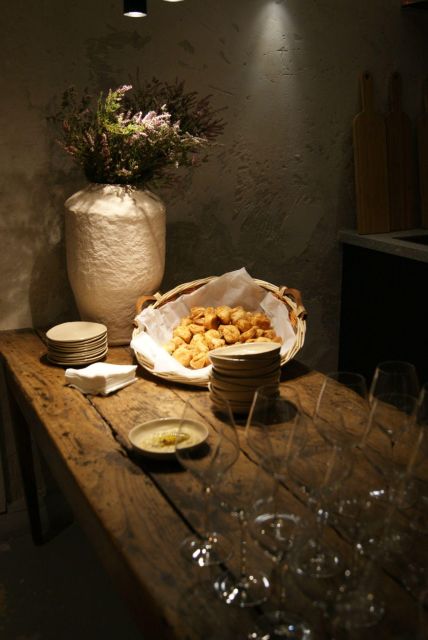
Montmartre is famous for views, but this tasting adds a different kind of romance: the kind you can taste. Being at the foot of Sacré Coeur puts you in the middle of the neighborhood’s mood—stone, stairs, and that big Paris “I’m really here” feeling.
That setting does something practical too. It helps you drop into the experience fast. You’re not trying to connect wine jargon to a random room. You’re learning in the same district where people go for sunsets, street scenes, and the classic Paris postcard moments.
And because you’re in a small cave wine spot (more on that next), the vibe stays relaxed. You can enjoy the walk up to Montmartre, then switch gears into a calm, focused hour.
You can also read our reviews of more food & drink experiences in Paris


Meeting Les Piqueurs: small-cave energy and a private group pace
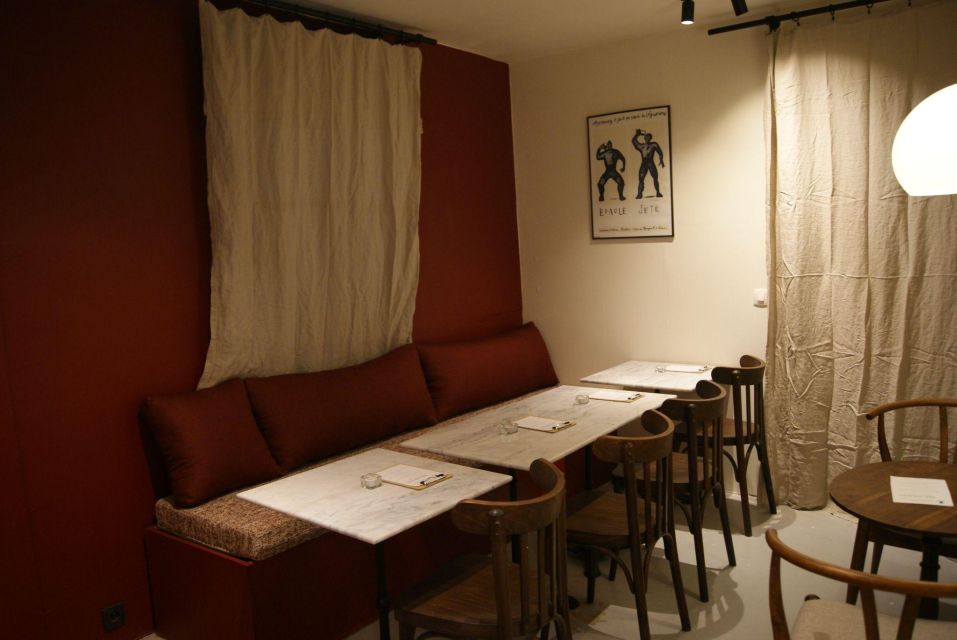
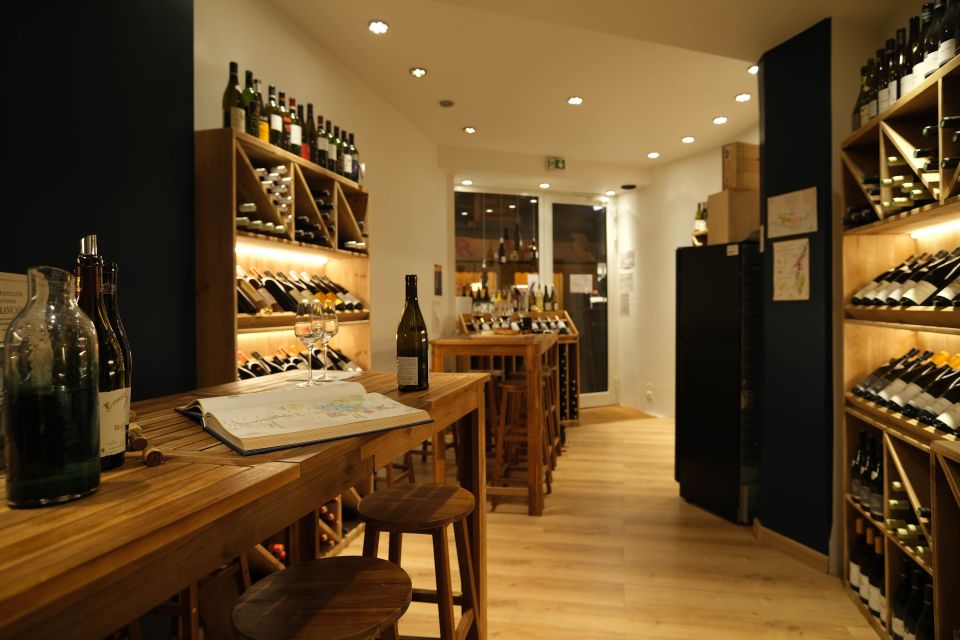
The tasting meets at Les Piqueurs, with the rendez-vous pointed to the cave itself. There’s also a start location noted at 6 Rue Tardieu, which is handy if you like to confirm your route before you climb.
This isn’t a giant group bus-tour situation. It’s set up as a private group experience, which usually means you’ll spend more time actually talking and less time waiting for the next thing. The guide works in French and English, so you should be able to follow the commentary without translating in your head.
I like this format for two reasons. First, wine tasting gets better when you can ask questions in plain language. Second, a smaller setting makes it easier to pay attention to differences between styles—especially when you’re moving from whites to reds to sparkling.
Your 5-wine tasting path through French terroirs in one hour
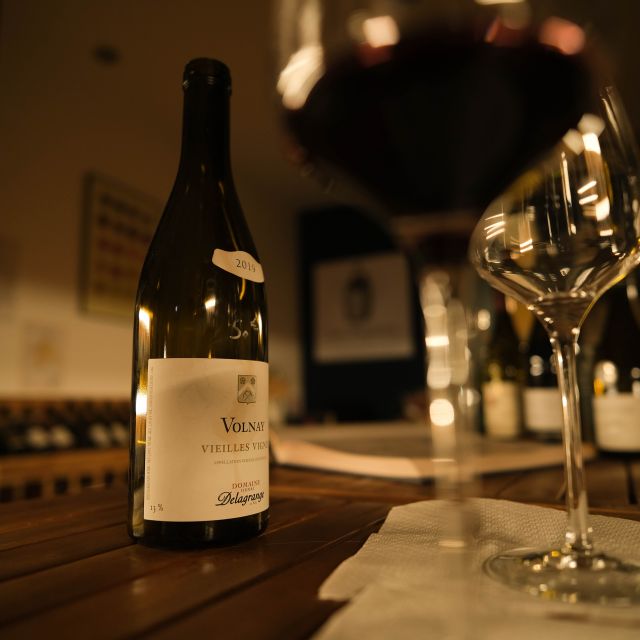
The heart of the experience is the tasting itself: 2 white wines, 2 red wines, and 1 sparkling wine. The commentary connects what you smell and taste to where the wine comes from, so you’re not just drinking five glasses—you’re building quick intuition about French terroirs.
Here’s how the flow typically feels.
Step 1: Two white wines
You start with two white pours, which is a smart opening. Whites tend to be the easiest way to pick up contrast fast: acidity, fruit style, and how the wine feels on the palate. It’s also the moment when many people realize they’re either a fresh-acid person or a fuller-texture person—or sometimes both.
This is where regional identity starts to click. You’ll learn about different approaches tied to major parts of French wine country. Even if you’re not a hardcore wine nerd, you can understand the logic quickly: grapes, climate, and winemaking choices change how a wine tastes.
Step 2: Two red wines
Then you switch to reds. This is where many people pay attention more closely, because reds can cover a wide range of styles—dryness, tannin, spice, and how the fruit shows up.
The guide ties these reds to big French regions such as Bordeaux and the Rhône valley, and also connects the dots with other styles like Burgundy and the Loire valley in the overall session. The goal isn’t to memorize a chart. It’s to help you taste with a purpose: what to look for, what to notice, and how to describe what you’re feeling.
You can also read our reviews of more wine tours in Paris



Step 3: One sparkling finish (Champagne or similar)
Finally, you close with sparkling wine—something like Champagne or a Crémant from Burgundy or Loire Valley. A sparkling finish makes sense because it resets your palate. After reds, bubbles give you a clean, lively end point, and that makes the earlier wines feel easier to compare.
It’s also a fun way to end without turning the session into a heavy, sleepy finale. You leave with a sense of variety, not just one style of wine.
The regions you’ll talk about (and why it’s valuable)
You’ll discover secrets tied to France’s major wine areas, including:
- Burgundy
- Bordeaux
- Rhône valley
- Loire valley
Why is that valuable? Because it gives you a practical mental map. After one hour, you’re more likely to recognize what you like and to seek similar profiles later—whether you’re ordering in a Paris restaurant or grabbing a bottle at a shop.
What you’ll learn: not just wine facts, but tasting skills
The best part of this kind of tasting isn’t the five labels. It’s the mental toolkit you take home.
In this session, the guide spends time on the subtleties—how different wines can feel different even when they’re all “white” or all “red.” You also learn how to taste more intentionally: what to notice first, how to avoid judging everything too quickly, and how to connect your reactions to the region-style ideas you’re hearing.
I also appreciate that the hosts seem built for conversation. Names like Jean-Luc and Roman show up in past experiences, and the vibe described around them is that they’re friendly and easy to talk with. If you’re the type who asks questions—good. This tour works best when you do.
If you’re more quiet, that’s fine too. The pace is designed for an easy back-and-forth, not a lecture you have to survive.
Small bites and palate sanity checks
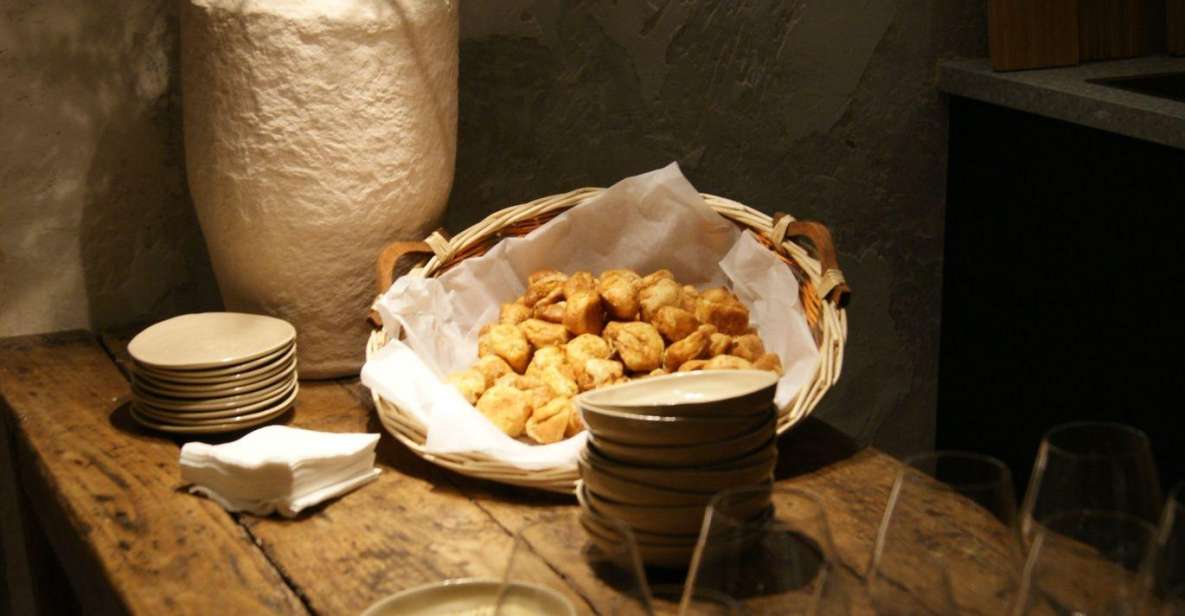
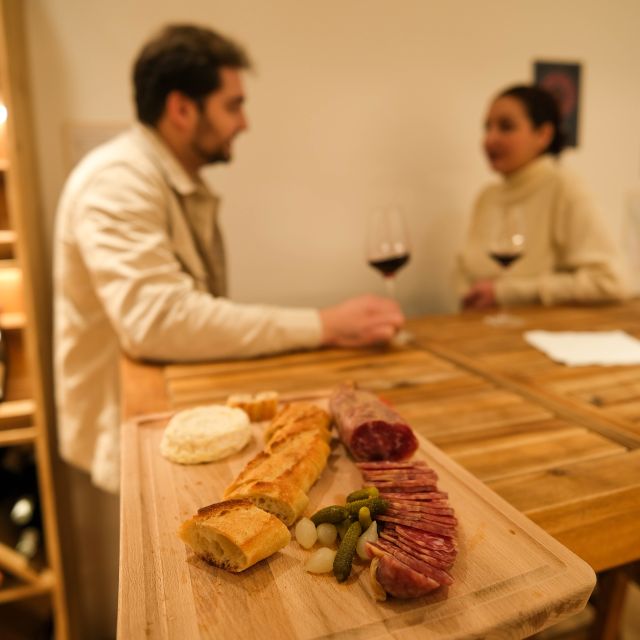
You may get nibbles alongside the wines. That matters more than it sounds. Wine tasting can be intense if you’re truly hungry, and small bites can keep you comfortable so you can actually focus on the differences between pours.
Even if the snacks are minimal, the point is the same: they help your palate reset between wines. That makes the session feel smoother—and it reduces the chance that one stronger wine dominates your memory of the hour.
Tip: if you’re curious, ask the guide what pairs best with each style. You’ll learn faster that way.
Can you buy wine after the tasting?
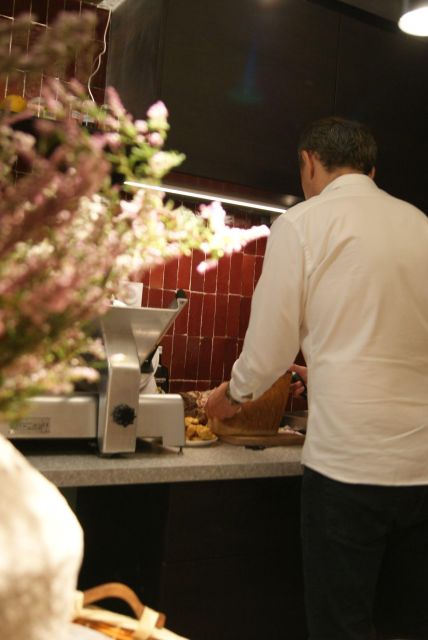
Often in a cave tasting setup, the experience naturally leads to purchases. In at least one experience, the tasting felt good enough that wine was bought to take away.
So yes, you should expect the option to bring something home if a bottle clicks. Just keep your focus on what you liked, not what sounds fancy on the label. The tasting is your cheat sheet.
Price and value: is $81 per person a fair deal?
For $81 per person and a 1-hour experience, you’re paying for more than the wine. You’re paying for:
- A curated set of five wines
- A guided explanation in French or English
- A relaxed setting in central Montmartre near Sacré Coeur
- A format that stays focused instead of stretching into a long event
A quick way to judge value: you’re not just buying wine by the glass. You’re getting a structured lesson that helps you interpret what you taste. If you like the idea of learning fast—and tasting enough styles to figure out your preferences—this price starts to make sense.
If you already know exactly what you like and you just want a casual drink, you might find cheaper tastings elsewhere. But if you want guided comparisons across key regions, this is priced like a purposeful experience, not like a casual bar stop.
Who this Montmartre wine tasting suits best
This experience fits best if you:
- Want a short, high-impact wine lesson in Paris
- Like learning through tasting, not reading
- Enjoy the idea of comparing wines tied to Burgundy, Bordeaux, Rhône, and the Loire
- Want a guide who can answer questions in English or French
- Prefer a private-group pace over a crowded tour
It’s not suitable for children under 18 or pregnant women, so check that before you book.
Also, if you’re planning your day around Montmartre, this pairs nicely with nearby sightseeing. The timing is tight enough that you can still do stairs, viewpoints, and a meal afterward.
Should you book this French wine tasting in Montmartre?
I’d book it if you want a focused, elegant wine hour with a real sense of place. Sacré Coeur makes the experience feel special, and the 5-wine progression gives you variety without dragging on. The guide-led explanations—especially from friendly hosts like Jean-Luc or Roman mentioned in past experiences—seem built for people who ask questions and people who just want to understand what they’re tasting.
I’d skip it if:
- You’re looking for a long wine-and-food evening
- You dislike structured tastings and prefer unguided wandering
- You want to pick specific producers or vintages in advance (this session is designed around a tasting set, not a pick-your-own list)
If your goal is to leave Montmartre with better taste instincts and a bottle-worthy memory, this is a strong bet.
FAQ
How long is the wine tasting in Montmartre?
It lasts 1 hour.
What wines are included in the tasting?
You’ll taste 2 white wines, 2 red wines, and 1 sparkling wine.
Where does the experience meet?
The rendez-vous is directly at cave Les Piqueurs. A start location is listed as 6 Rue Tardieu.
Is this a private group experience?
Yes, it’s described as a private group.
What languages are offered?
The live guide speaks French and English.
How much does the tour cost?
The price is $81 per person.
Is it suitable for children?
No. It’s not suitable for children under 18 years.
Is it suitable for pregnant women?
No. It’s not suitable for pregnant women.
Can I cancel for a refund?
Yes. Free cancellation is available up to 24 hours in advance for a full refund.
Do I have to pay immediately to reserve?
No. You can reserve now & pay later.
Can I request different start times?
The activity lists starting times. You’ll need to check availability for what’s offered.