
REVIEW · PARIS
Paris: Montmartre Private Walking Tour
Book on GetYourGuide →Operated by Paris in person private tours · Bookable on GetYourGuide
Montmartre feels like a backstage pass to Paris. This private 2-hour walk mixes famous landmarks with the neighborhood’s scrappy, artistic legends, from Can-Can origins to the painters’ streets. I like the private pace and clear focus on art history you can actually see, plus the payoff stops like Place du Tertre and Lapin Agile cabaret. The one thing to consider: it runs rain or shine, and it does not include food or drinks.
You start at the exit of Metro Blanche where your guide carries a red canvas tote bag, and you finish back at the same spot. I also like that the tour supports English, French, and Serbo-Croatian, so you’re not forced into a single language vibe. It’s built for small attention: a private group where your guide can slow down for questions and still keep you moving.
If you want a Montmartre experience that’s more than postcard stops, this is a solid way to do it. You’ll cover the slopes, iconic sites, and the quieter corners where stories stick. Just wear shoes for uneven sidewalks and plan on a steady walking rhythm.
In This Review
- Key things that make this Montmartre tour work
- Starting at Metro Blanche, then letting Montmartre talk
- Rue Lepic and the walk up to Sacré-Cœur without feeling rushed
- Moulin Rouge, Moulin de la Galette, and the Can-Can legends
- Place du Tertre: the village square inside a real metropolis
- Vigne de Montmartre vineyards and Lapin Agile’s artist-world pull
- Two hours and a private guide: what you gain (and what you don’t)
- Price and value: what $171 buys you in Montmartre time
- Rain or shine, and why that’s actually good to know
- How to get the most out of this private walk
- Should you book this Montmartre Private Walking Tour?
- FAQ
- How long is the Montmartre Private Walking Tour?
- What is the meeting point for the tour?
- Where does the tour end?
- Is this tour private or group-based?
- What languages are the guides available in?
- What’s included in the price?
- Are food and drinks included?
- Does the tour run in bad weather?
- Is there a cancellation policy?
- Can I book without paying immediately?
- What time does the tour start?
Key things that make this Montmartre tour work
- Metro Blanche to the Moulin Rouge zone: you get the quick context before you hit the big sights
- Rue Lepic climb: one of the best streets for feeling how Impressionism spread through Paris
- Can-Can storytelling at the cabarets: your guide ties the drama to what you’re seeing on the street
- Place du Tertre village-in-the-city feel: street artists and the square’s classic charm
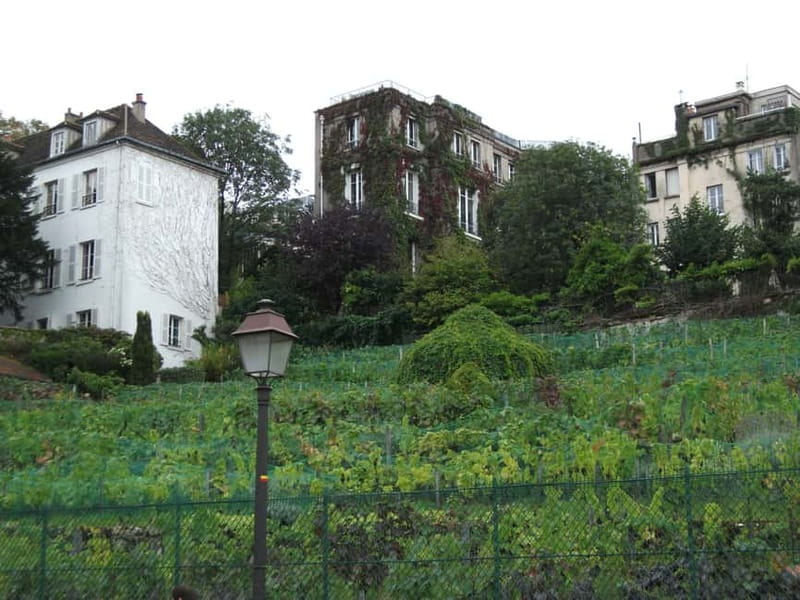
- Vigne de Montmartre: vineyards here aren’t just a photo op, they explain the neighborhood’s identity
- Lapin Agile cabaret: an art-world hangout tied to names like Picasso and Modigliani
Starting at Metro Blanche, then letting Montmartre talk
You kick off right by Metro Blanche, at the exit where your guide holds a red canvas tote bag. It’s a smart beginning because Blanche isn’t just a transport stop. It’s tied to old Montmartre references (the venue name Maison Blanche comes up), so you start with context before your brain fills in the blanks with modern Paris.
From there, the tour quickly turns into “stories in motion.” Your guide walks you past major landmarks and also pauses to explain what made the area controversial, fashionable, and creative in different eras. That mix matters: Montmartre isn’t one neat chapter in a guidebook. It’s a patchwork of nightlife, art, and neighborhood legend—and a private guide helps you connect those pieces without feeling lost.
This is also where the private format shows up in a practical way. You can ask for clarification mid-walk, and your guide can steer you toward the sights that matter most to your group. Guides you may see leading these tours include Boris and Isabella, and both are praised for strong English and the ability to keep kids interested—handy if you’re traveling with younger teens.
You can also read our reviews of more walking tours in Paris



Rue Lepic and the walk up to Sacré-Cœur without feeling rushed
Rue Lepic is one of those Paris streets where walking feels like reading. The tour includes a walk along this ancient street, known for the way it reflects how Paris art movements grew and spread in the 1800s. You’re not just passing it—you’re getting the “why” behind it, so it doesn’t become a random climb.
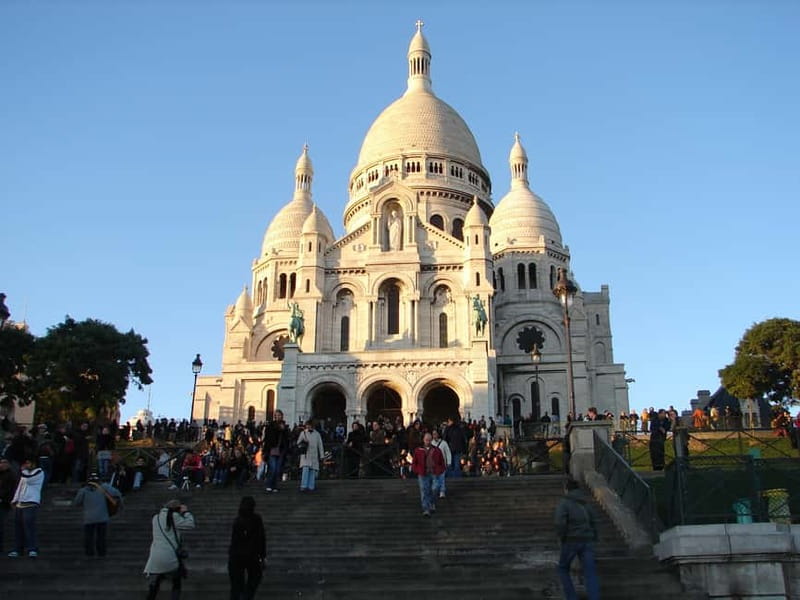
This section is also a turning point physically. You move toward the slope where Montmartre’s streets start to feel steeper and more cinematic. The goal is to reach views that make sense of why Sacré-Cœur became such a defining sight.
As you approach the Sacré-Cœur area, you’ll see the white façade, which stands out against the rest of Montmartre’s textures. Even if you’re familiar with the basilica from photos, seeing it from the street level—while your guide explains the neighborhood’s transformation—lands differently. You start understanding that Montmartre’s beauty isn’t only architecture. It’s the whole setting of hills, cabarets, artists, and shifting reputations.
A small reality check: if you dislike inclines, this part will ask for a bit of effort. But because it’s a private walk, your guide can generally pace you to match your group.
Moulin Rouge, Moulin de la Galette, and the Can-Can legends
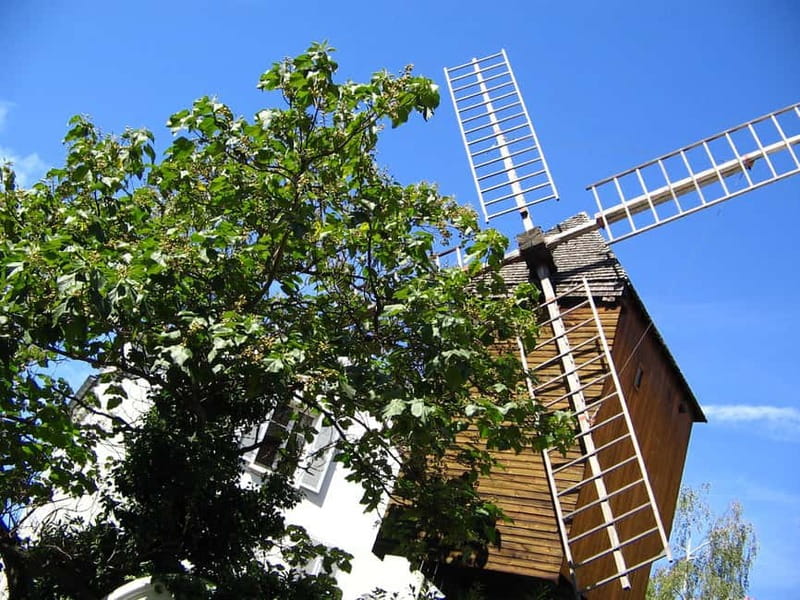
After Rue Lepic, the tour shifts from painters’ streets to cabaret Paris. You’ll see the Moulin Rouge and also Moulin de la Galette, which matters because these places aren’t just iconic buildings. They’re linked to the neighborhood’s entertainment culture and the evolution of the Can-Can.
Your guide weaves in the kind of details that make this area feel human rather than museum-like. You’ll hear stories about illegal alcohol and the early reputation of Can-Can dancers, including the rough-and-tumble side of what people considered obscene at the time. Whether you love the history angle or you just like a good story, this approach keeps the walking lively.
One tip: when your guide brings up something controversial or scandal-adjacent, stop for a second and look around. These sites are close enough that the street details are visible, and you’ll get more out of the explanation when you can connect it directly to what you’re seeing.
This section is also great for photos, but don’t let your phone win. Keep your eyes up for façades and street alignments, not only for the big brand-name views. Montmartre rewards people who look at the “in-between” areas.
Place du Tertre: the village square inside a real metropolis
Place du Tertre is one of those places where Montmartre’s reputation becomes physical. The tour includes time here to experience that village-in-the-city feel. Street artists work in the square, and you can sense why the area became a magnet for creativity.
What I like about a guided visit to Place du Tertre is the way it turns the scene into meaning. Instead of treating it like a single attraction, your guide helps you see it as part of the neighborhood’s long link to artists and audiences. The square’s charm isn’t just visual. It’s social—the idea of people watching people create.
This stop also makes the tour easy to calibrate. If you want to spend a little extra time watching drawing and painting in action, you can. If you’d rather keep moving, your guide can shift quickly to the next section without making it feel like you missed the point.
Because Place du Tertre sits in a tourist-heavy area, the private format again helps. Your guide can suggest the spots where you’ll feel the atmosphere without losing time to constant stopping and starting.
Vigne de Montmartre vineyards and Lapin Agile’s artist-world pull
One of the most memorable parts of this walk is the inclusion of Vigne de Montmartre. Vineyards inside a Paris neighborhood sound like a marketing line until you experience the reality of it. Your guide uses this stop to explain how Montmartre didn’t only become known for entertainment and nightlife—it also had agricultural roots that helped shape its identity.
If you like seeing how cities layer over time, this is a standout moment. You’re literally in the same neighborhood that later becomes famous for painters, cabarets, and creative circles. That shift is the point: Montmartre didn’t reinvent itself overnight. It kept evolving.
Then the tour heads to Lapin Agile, the cabaret included on the itinerary. This is a key stop because Lapin Agile represents the less-polished side of artistic Paris. Your guide tells you how it was favored by struggling artists and writers, and how it connects with names like Picasso and Modigliani.
Even if you don’t know the artists’ timelines, the story helps you understand why a place like this mattered. Cabarets and small venues were where ideas could circulate without needing official approval. It’s easy to imagine the buzz: someone with a sketch, someone sharing a draft, someone talking up a show. You’re not just looking at a venue—you’re learning why it could become a magnet.
Practical note: cabaret stops can get lively, so keep an eye on your footing and be ready to stand and walk a bit more than you expect. It’s a walking tour, not a bus ride with guaranteed seating.
You can also read our reviews of more private tours in Paris






Two hours and a private guide: what you gain (and what you don’t)
At 2 hours, this tour stays focused. That’s a strength for most people. You get a solid Montmartre “through-line” from landmark zones to art streets, and you still have time to continue exploring on your own afterward.
The private group format is also a major value driver. It changes the rhythm. Instead of being one of many people listening in forced proximity, you get a personal guide who can keep your route aligned with your interests. Reviews mention guides like Boris and Isabella doing well with both adults and kids, which is a good sign if your group has mixed ages.
Here’s the other side: because it’s only two hours, you won’t get a deep, slow-study tour of every single site. Think of it as a high-quality orientation plus storytelling tour. If you want hours of museum time or long stops inside major buildings, plan that separately.
Price and value: what $171 buys you in Montmartre time
At $171 per person, this isn’t the cheapest way to see Montmartre. But the value is in what’s included and how it’s delivered.
You’re paying for:
- A private walking experience (not a group shuffle)
- A live guide who tells stories tied to what you’re seeing
- A route that covers multiple “Montmartre pillars” in two hours: Rue Lepic, Sacré-Cœur area views, Moulin Rouge, Place du Tertre, Vigne de Montmartre, and Lapin Agile
Also, you’re not buying time. You’re buying clarity. With a guide, you’re less likely to wander into the wrong streets or miss the connections between neighborhood history and today’s landmarks.
What’s not included is food and drinks. That matters for budgeting. If you plan to make this a full outing, I’d set aside a small amount for a snack break afterward—especially if you’ll be walking during a time when hunger hits.
One more financial note that actually helps: the tour offers reserve now and pay later. It makes it easier to lock in a time window when your day in Paris is still evolving.
Rain or shine, and why that’s actually good to know
This tour runs rain or shine. That’s both a warning and a reassurance.
The warning: Montmartre’s streets can get slippery. You’ll want shoes with grip and clothes that handle mist. The reassurance: you’re not stuck waiting for weather changes or left scrambling to find another plan.
If it’s rainy, your guide’s storytelling becomes even more important. Streets and façades can look different in wet weather, and having someone explain what you’re seeing helps the walk feel rewarding even when it’s not sunny.
If you hate rain walking, consider booking a slot when showers are less likely—but don’t count on perfect skies. Paris rarely plays along.
How to get the most out of this private walk
I’d go into this tour with two simple goals: good questions and comfortable shoes.
First, wear shoes you trust on uneven pavement. Montmartre isn’t flat, and you’ll be climbing and descending during the Rue Lepic and Sacré-Cœur approach. Second, bring water, even though drinks aren’t included. It makes the pacing easier.
Then think about questions before you reach the big stops. For example:
- Why did Montmartre go from notorious reputation to fashionable bohemian center?
- What connections do the cabarets have to the evolution of the Can-Can?
- How do the vineyards change the way you picture the neighborhood?
A strong private guide will answer these in a way that maps onto the streets you’re walking. And based on the feedback for guides like Boris and Isabella, it’s clear they do well at explaining in a way kids and adults can follow.
Should you book this Montmartre Private Walking Tour?
Book it if you want an efficient, story-driven Montmartre walk with a personal guide, not a basic checklist tour. This is especially worth it if you care about Impressionism and the art-life connections behind Montmartre’s landmarks—Rue Lepic, cabarets, Place du Tertre, and Lapin Agile all feed that theme.
Skip it if you’d rather spend more time in museums, prefer a mostly indoor itinerary, or you need food and drinks included to make the day work. Also skip if steep hills are a deal-breaker for your group.
If your ideal Paris day includes wandering with meaning—street-level history, not textbook history—this 2-hour private route is a strong choice.
FAQ
How long is the Montmartre Private Walking Tour?
It lasts 2 hours.
What is the meeting point for the tour?
Meet your guide by the exit of Metro Blanche. They will be carrying a red canvas tote bag.
Where does the tour end?
The tour ends back at the meeting point.
Is this tour private or group-based?
It is a private group tour.
What languages are the guides available in?
The live guide is available in English, French, and Serbo-Croatian.
What’s included in the price?
The guide is included.
Are food and drinks included?
No, food and drinks are not included.
Does the tour run in bad weather?
Yes. It takes place rain or shine.
Is there a cancellation policy?
Yes. You can cancel up to 24 hours in advance for a full refund.
Can I book without paying immediately?
Yes. It offers reserve now & pay later, so you can book and pay nothing today.
What time does the tour start?
Starting times vary, so you’ll need to check availability for the exact slot.