REVIEW · PARIS
Paris Montmartre: 2-Hour City Tour in German
Book on GetYourGuide →Operated by HelpTourists · Bookable on GetYourGuide
Montmartre feels different when a guide helps you read it. I like the German-speaking storytelling that turns landmarks into real neighborhood moments, and I like the promise of hidden corners away from the crowds. The main catch: the tour is only available in German, so if you don’t read or speak German comfortably, you’ll miss part of the value.
In a tight 2 hours, you’ll follow the hill’s artsy path from the Moulin Rouge area up toward the Sacré-Cœur zone, with stops such as Moulin de la Galette, Place du Tertre, and Lapin Agile. I also like the practical meeting setup: you start at Blanche, right by the Moulin Rouge cabaret area, so you get your bearings fast.
In This Review
- Key things that make this Montmartre tour worth your time
- Montmartre’s hilltop personality: why this walk feels special
- The German guide advantage (and the one limitation)
- Price and value: is $91 per person fair for 2 hours?
- Meeting at Blanche: the easiest way to start without stress
- Stop-by-stop walkthrough: what each part of the route is really for
- 1) Starting area: Place Blanche (near the Moulin Rouge cabaret)
- 2) Moulin Rouge
- 3) Moulin de la Galette
- 4) Place du Tertre
- 5) Sacré-Cœur Basilica
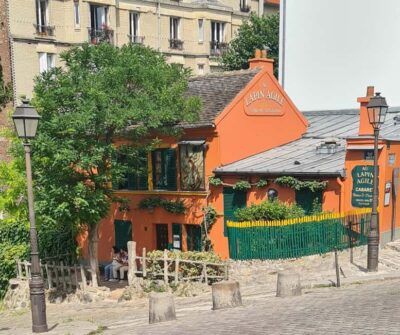
- 6) Lapin Agile
- 7) Vigne du Clos Montmartre, Paris
- How the route helps you avoid Montmartre overload
- Time, walking style, and what to wear
- Who should book this German Montmartre tour
- Should you book it? My practical take
- FAQ
- Is the tour offered in German?
- How long is the Montmartre tour?
- Is this a walking tour?
- What landmarks are included on the route?
- Where do I meet the guide?
- Where does the tour end?
- Are food and drinks included?
- Are entrance fees included?
- Can children join, and is there a fee?
- Can I cancel or reserve with flexibility?
Key things that make this Montmartre tour worth your time
- German-only guide who brings the neighborhood to life with stories and details about everyday Paris.
- Quick hit (2 hours) that still covers the “big names” plus quieter side streets.
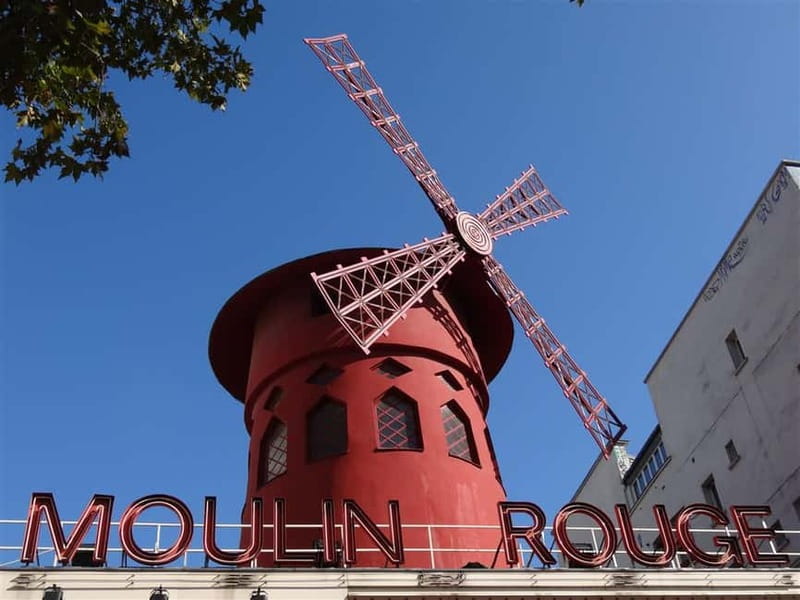
- Artist-quarter route that includes Moulin Rouge, Place du Tertre, Sacré-Cœur, and Lapin Agile.
- Montmartre off-the-main-path moments, not just the postcard stops.
- Start at Place Blanche (M2) with an easy-to-spot guide carrying a HelpTourists bag.
- Private-group format, so the pace feels more like a walk with a local than a rushed checklist.
Montmartre’s hilltop personality: why this walk feels special
Montmartre is famous for a reason, but what makes it click on a guided walk is the way the neighborhood changes as you go higher. This hill started as a rural retreat just outside the city gates. Then, in the early 1900s, it became a bohemian center. You can still feel that shift in the winding, cobbled streets and the romantic atmosphere you’ll keep encountering as you move from stop to stop.
On this tour, you’re not just being handed photos of the area. You’re moving through it like it’s a living neighborhood with a creative past. The tour frames Montmartre as a place shaped by artists such as Picasso, Renoir, and Toulouse-Lautrec. That matters because it gives you a lens for what you’re seeing around you—cafés, studios, and the general vibe of the arts quarter.
You’ll also be able to connect the icons with the quieter texture of the neighborhood. The tour explicitly includes hidden corners off the beaten track, plus stories meant to give you insight into the rhythm of everyday life in Paris. That’s a big reason this isn’t just “see famous spots” tourism.
You can also read our reviews of more city tours in Paris



The German guide advantage (and the one limitation)
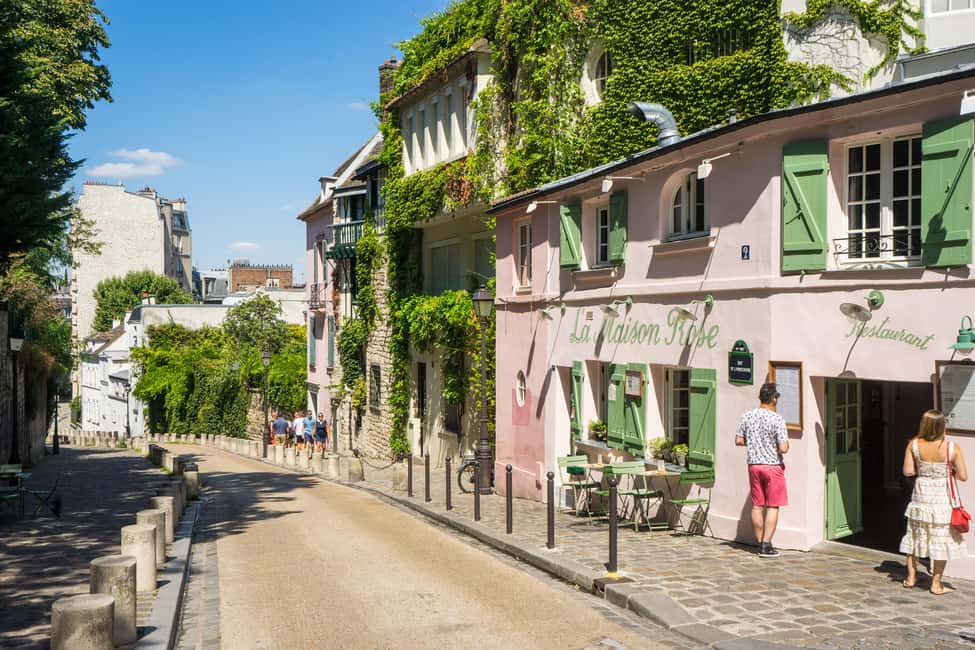
The strongest part of the experience is the guide format: it’s a live German-language walking tour with German-speaking guides who know the city well and have lived in Paris for a long time. That usually means two things for you: better explanations and fewer awkward pauses where you’re trying to translate on the fly.
You’ll get more than basic facts. The tour promises curious details and fascinating stories, and it aims to show you Paris in a more personal way—our Paris, with unusual facets and fewer crowds. When you’re walking Montmartre, that sort of guiding makes a real difference, because the streets can look similar unless someone gives you context while you’re standing right there.
The limitation is simple and worth stating clearly: the tour is only available in German. If you’re visiting with someone who speaks little German, plan ahead. If German is your comfort zone, this tour’s value gets much stronger.
Price and value: is $91 per person fair for 2 hours?
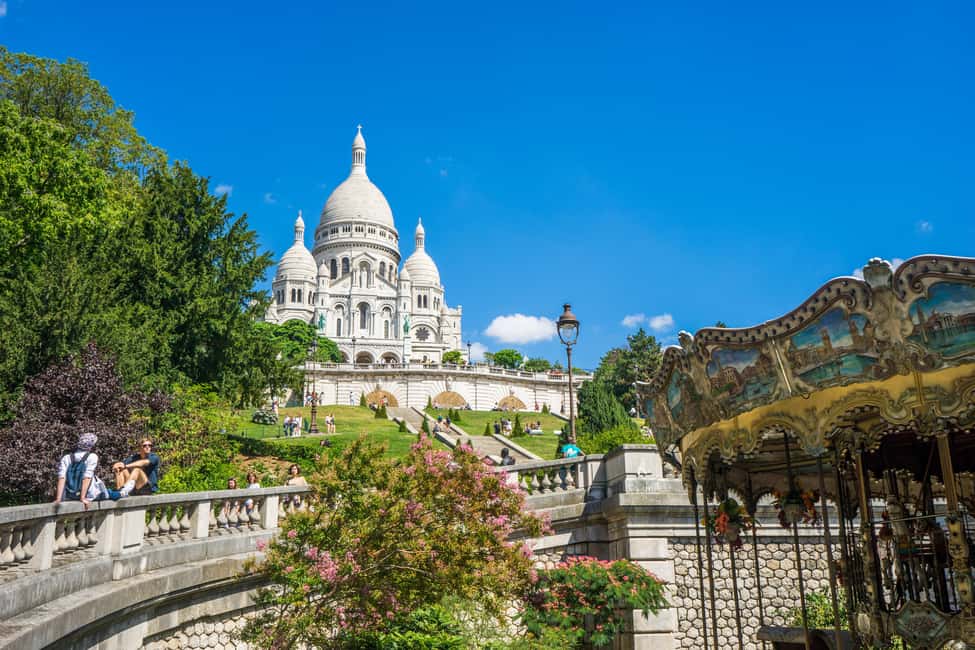
At $91 per person for a 2-hour walking tour, you’re paying for a structured route plus a live tour guide (that’s what’s included). There’s no mention of food or drinks, and entrance fees aren’t included either, so think of this as a guided walk and neighborhood orientation more than a ticketed “attractions package.”
So what are you getting that justifies the spend?
- You’re covering major Montmartre landmarks in a short time: Moulin Rouge, Place du Tertre, and Sacré-Cœur.
- You’re also including additional named stops like Moulin de la Galette, Lapin Agile, and the Vigne du Clos Montmartre—places that help the walk feel more complete than the usual top-three sprint.
- You’re doing it with a German-speaking local guide who will explain what you’re seeing and point out details beyond the main flow of tourists.
If your priority is maximum Montmartre in minimal time—with context in your own language—this pricing can make sense. If your priority is self-guided wandering with no explanation, you might feel you could do it cheaper on your own. The difference is whether you want the stories and hidden corners guided for you.
Meeting at Blanche: the easiest way to start without stress
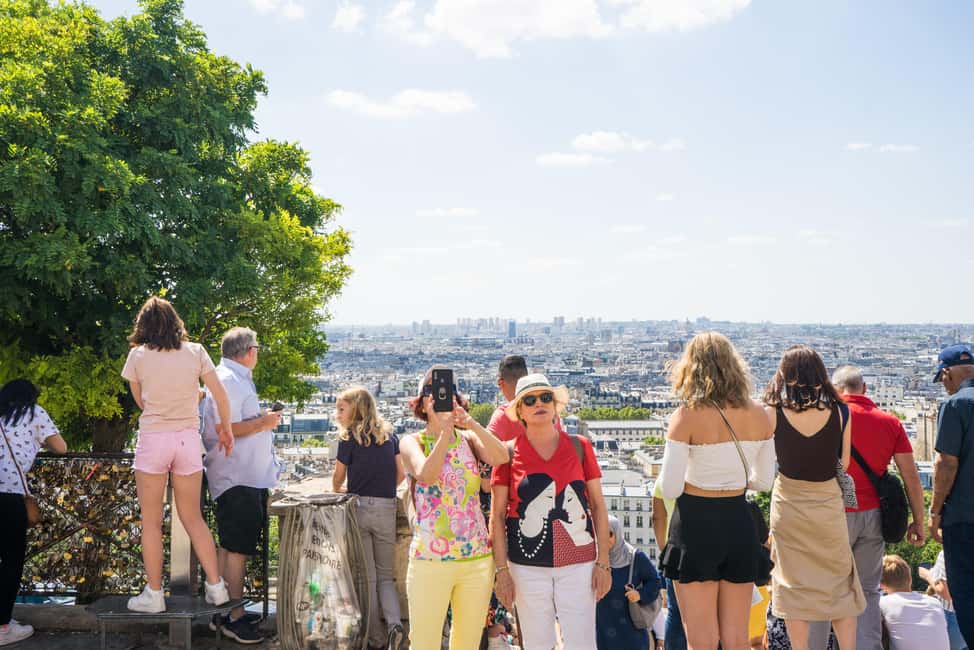
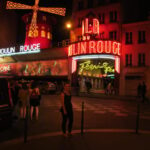
You’ll meet at 1 Pl. Blanche, at the Blanche metro station (M2), specifically on the small traffic island in front of the Moulin Rouge cabaret area. Look for the guide holding a bag with the HelpTourists logo.
That’s a practical setup. Montmartre is busy and confusing, especially around the Moulin Rouge zone, so having a clear meeting point reduces the “where are they” scramble. It also helps that the tour starts near the area you’ll want to see anyway.
From there, the tour is a walking route. The itinerary is designed so you progress uphill through the artists’ quarter rather than bouncing around the map.
Stop-by-stop walkthrough: what each part of the route is really for
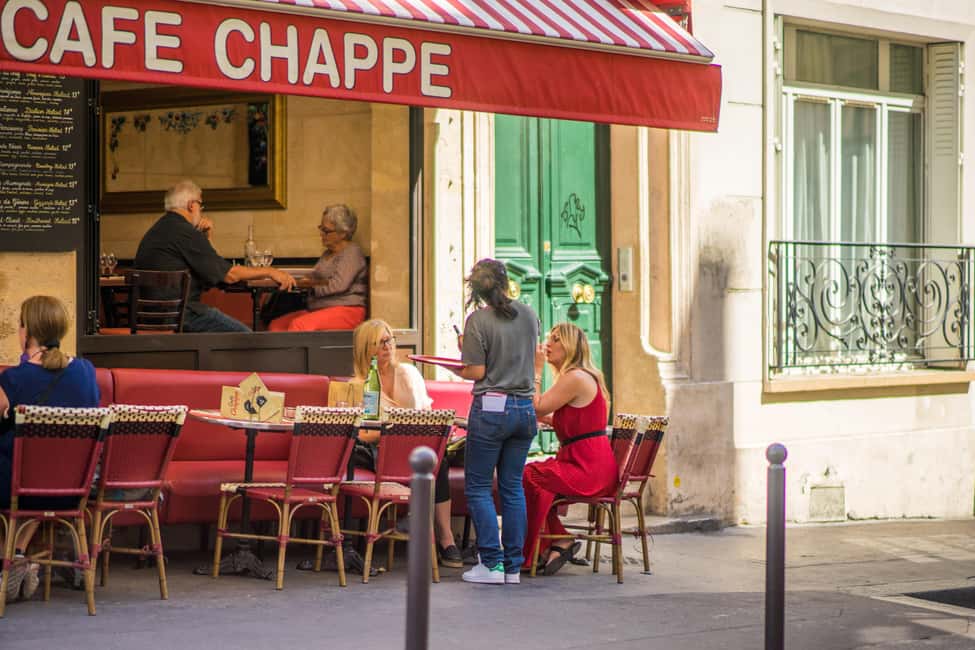
Here’s how the 2 hours typically unfold and what each stop is for.
You can also read our reviews of more tours and experiences in Paris






1) Starting area: Place Blanche (near the Moulin Rouge cabaret)
You begin in the Blanche area, right by the Moulin Rouge cabaret. This is a smart warm-up point because you’re already in the Montmartre “showbiz” orbit, so it sets the tone quickly.
Even before you reach the classic hilltop views, you get oriented. You’ll be able to see where your walk is heading and understand the logic of the route: you’re moving from the famous entertainment edge toward the more iconic Sacré-Cœur viewpoint area.
2) Moulin Rouge
Next up is Moulin Rouge for sightseeing. This stop works as a recognizable anchor. It tells you that the tour isn’t only about quiet corners—it includes the Montmartre landmarks most people come to see.
Because you’re with a guide, you’re less likely to spend your time hunting for the best angle or wondering what’s worth noticing. You can focus on looking, listening, and moving.
3) Moulin de la Galette
Then you head to Moulin de la Galette. This is one of those stops that helps the walk feel like a true neighborhood route instead of a straight line from one famous photo spot to another.
It also adds texture: it’s a named Montmartre location that supports the tour’s arts-and-atmosphere theme. If you’re coming to Montmartre to understand why it became a hub for artists, this kind of stop matters.
4) Place du Tertre
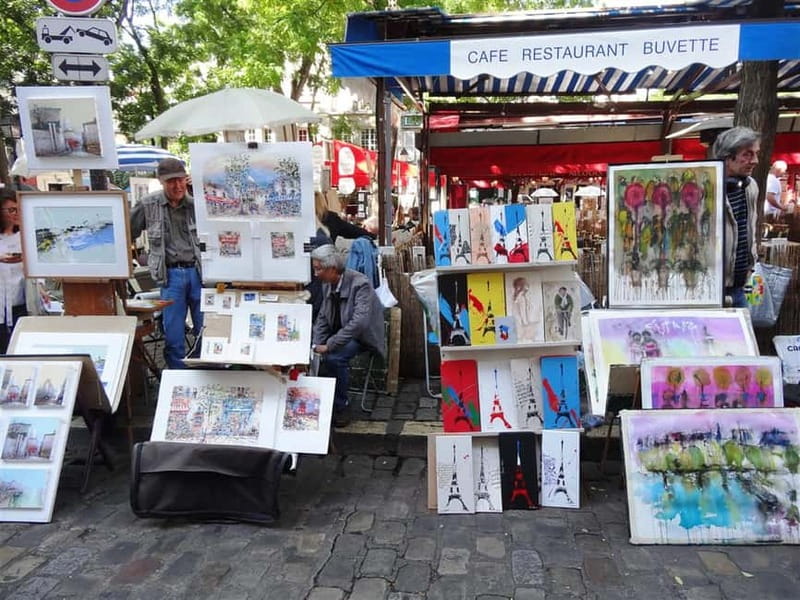
Place du Tertre is next, also for sightseeing. This is the kind of square that draws people in because it looks like “Montmartre” in a single frame.
On a guided walk, the advantage is that you don’t just look at the place—you get the stories and details that explain why it became so central to the neighborhood’s artistic reputation.
5) Sacré-Cœur Basilica
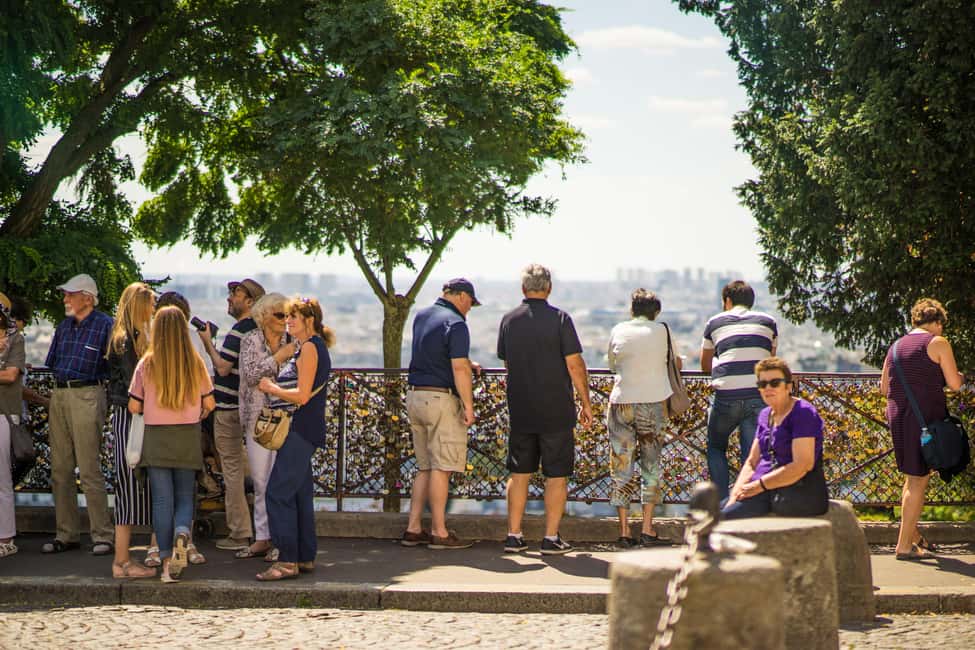
Next comes the big visual finish: Sacré-Cœur Basilica sightseeing. This is the gleaming white landmark Montmartre is known for, and seeing it as part of a moving route helps. You’re not arriving “cold.” You’ve been walking through the area’s artists-quarter atmosphere already, so the basilica feels like the logical top of the story.
The tour is built so you experience the iconic view after you’ve had time to absorb the hilltop context. That usually makes the final sight more satisfying.
6) Lapin Agile
You’ll also visit Lapin Agile for sightseeing. This is a great example of why this tour isn’t only about the headline icons. A stop like this adds character and keeps the experience from turning into a standard postcard shuffle.
7) Vigne du Clos Montmartre, Paris
Then there’s the Vigne du Clos Montmartre stop. Including a vineyard spot is a nice reminder that Montmartre isn’t only about entertainment and artists’ legend—it’s also about the hill’s distinct identity and the everyday life signals that make neighborhoods feel real.
Even without diving into extra details not covered on the tour, you’ll feel the tour’s intention: to show you “real Paris away from the tourist crowds,” not just the most photographed corners.
How the route helps you avoid Montmartre overload
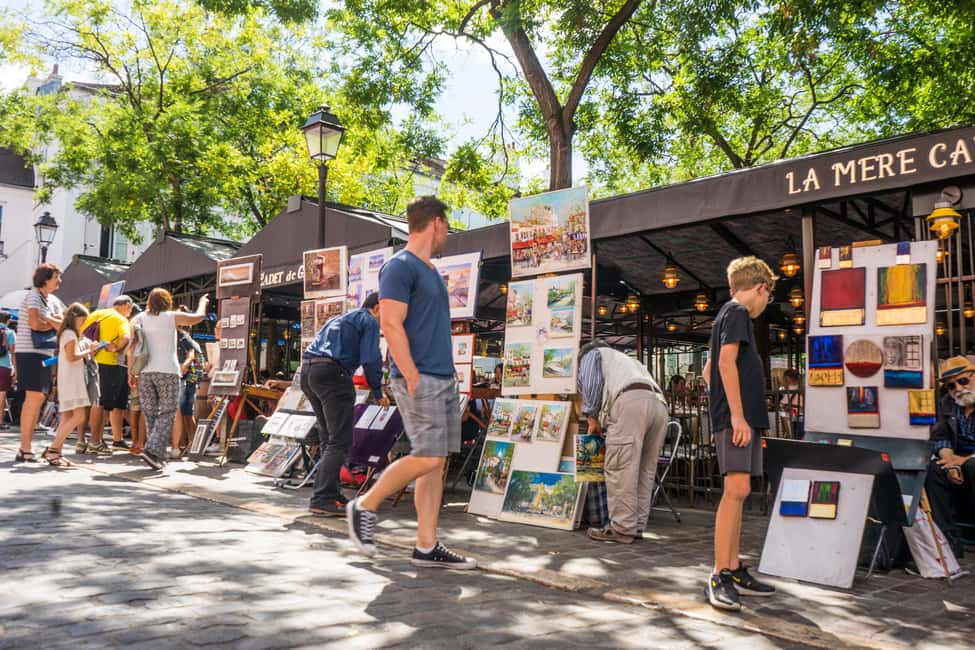
Montmartre can feel like a theme park if you’re doing it solo without a plan—especially near the Moulin Rouge and Place du Tertre zones. This tour counters that by building in two things:
1) A guided pace across multiple named locations
2) Time for the guide to point out hidden corners off the beaten track
That combination matters. You still get the well-known sights—Moulin Rouge, Place du Tertre, and Sacré-Cœur—so you won’t feel like you “missed the point.” But you also get detours in the form of less obvious spots and stories meant to help you read the area.
If you want Montmartre with less friction, this is the kind of route that gives you structure while still leaving room for those small surprises.
Time, walking style, and what to wear
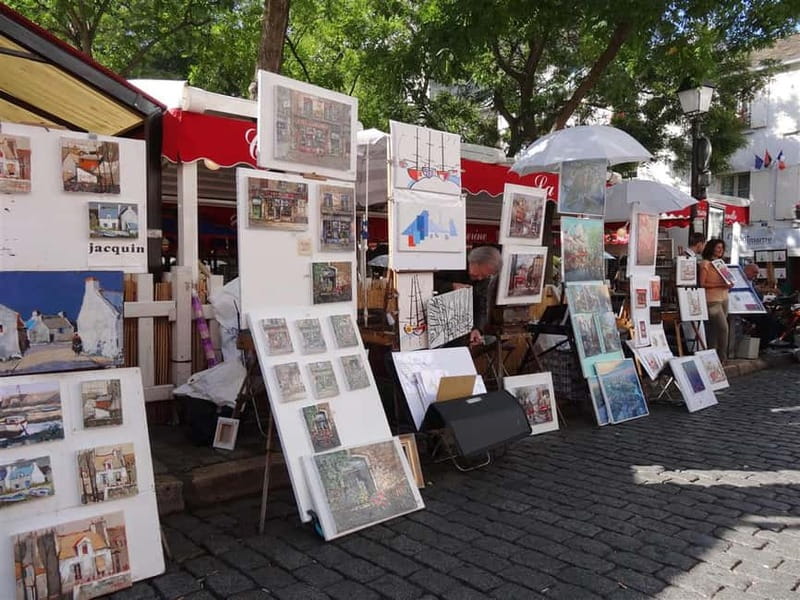
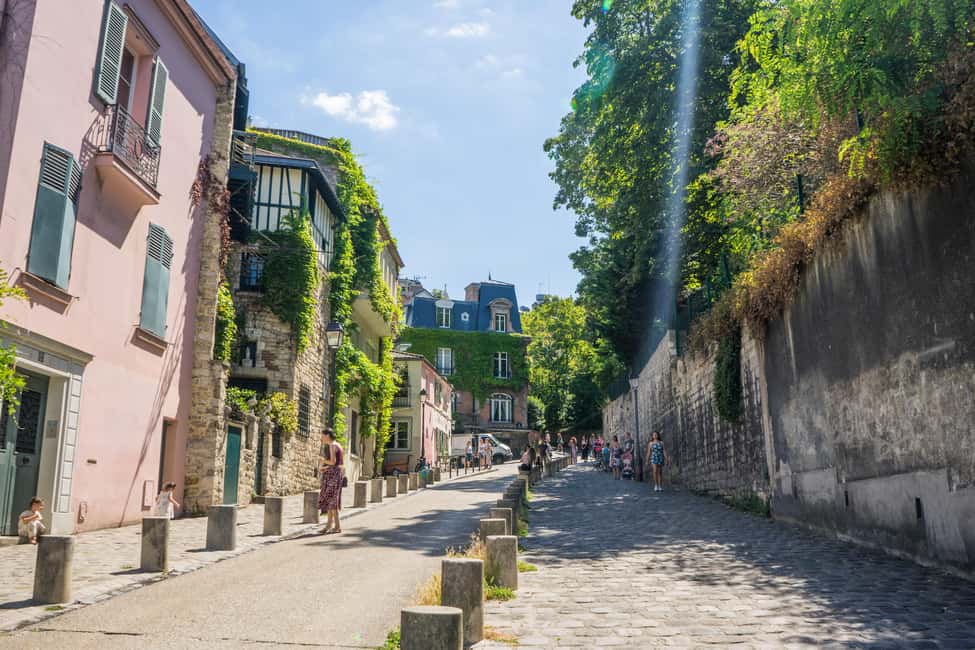
This is a 2-hour walking tour. That sounds simple, but in Montmartre it really means: expect steady walking, cobbled streets, and uphill segments as you move toward the Sacré-Cœur area.
So I’d plan for comfort over style for this day. You’ll enjoy it more if your shoes are comfortable on uneven surfaces. Bring a light layer if weather is changeable, since hilltop areas can feel cooler.
Food, drinks, and entrance fees aren’t included, so plan to either grab a snack after or carry water if you tend to get thirsty while walking.
Who should book this German Montmartre tour
This tour is a strong fit if:
- You want a German-speaking guide and you don’t want to translate your way through Montmartre.
- You want a compact overview that still includes more than the top three stops.
- You like walking tours that include stories about artistic legends like Picasso, Renoir, and Toulouse-Lautrec and how the neighborhood developed.
- You’re okay with a walking pace and want to see the area as a route, not a collection of separate taxi stops.
It may be less ideal if you need an English-only guide or if you’re only interested in a single “must-see” view and don’t care about the side stops.
Should you book it? My practical take
Book this tour if you value a guided Montmartre route in German that hits both icons and lesser-seen stops. At $91 for 2 hours, you’re paying for a live guide and a thoughtfully built path that includes Moulin Rouge, Moulin de la Galette, Place du Tertre, Sacré-Cœur, Lapin Agile, and the Vigne du Clos Montmartre. That’s a lot of named landmarks for a short walking window.
Skip it (or at least reconsider) if you won’t benefit from a German-language explanation. In that case, you could still see the sights on your own, but you’d lose the main advantage: the guide-led stories, the details, and the “real Paris away from crowds” framing.
If German is your language, this is the kind of tour where the payoff comes fast—within the first minutes you’re in, not after.
FAQ
Is the tour offered in German?
Yes. This activity is only available in German.
How long is the Montmartre tour?
The duration is 2 hours.
Is this a walking tour?
Yes. It’s a walking tour with a tour guide.
What landmarks are included on the route?
You’ll see Moulin Rouge, Moulin de la Galette, Place du Tertre, Sacré-Cœur Basilica, Lapin Agile, and the Vigne du Clos Montmartre, among others.
Where do I meet the guide?
Meet at Blanche metro station (M2) at 1 Pl. Blanche, on the small traffic island in front of the Moulin Rouge cabaret. Look for the guide carrying a bag with a HelpTourists logo.
Where does the tour end?
It ends back at the meeting point area, after the sightseeing around Sacré-Cœur.
Are food and drinks included?
No. Food and drinks aren’t included.
Are entrance fees included?
No. Entrance fees aren’t included.
Can children join, and is there a fee?
Children up to 8 years can participate for free.
Can I cancel or reserve with flexibility?
Free cancellation is available up to 24 hours in advance for a full refund, and there’s a reserve now & pay later option.