REVIEW · PARIS
Montmartre en chansons: tour with a professional singer
Book on GetYourGuide →Operated by Montmartre en chansons · Bookable on GetYourGuide
A cappella singing turns Montmartre into a story. This tour by professional singer Anne-Sophie uses street performances to connect classic French songs with the real corners of the Butte, from Abbesses up toward Sacré-Cœur.
I love the a cappella format because it makes the neighborhood feel like it’s breathing—people pause, listen, and the vibe changes in seconds.
Two things I especially like: you’ll hear big-name classics such as La Vie en Rose, L’hymne à l’amour, and La Bohème, and you’ll also get guided visits through key Montmartre addresses tied to artists like Édith Piaf, Charles Aznavour, Jacques Brel, and Dalida. The route is more than sightseeing; it’s anecdotes, cabarets, and little details that make the names you know feel local.
One consideration: this is a walking tour and it’s not suitable for people with mobility impairments, so bring your most comfortable walking shoes and be ready for hilly, uneven streets. If you’re looking for a mostly seated, low-effort outing, this may not be your best fit.
In This Review
- Key highlights to know before you go
- Why Montmartre en chansons feels like street-level Paris
- Meeting at Place des Abbesses and navigating the Butte in 2 hours
- Stop-by-stop: Wall of Love, Moulin de la Galette, La Maison Rose, and Sacré-Cœur
- Wall of Love and the start of the mood
- Rue Lepic: where the neighborhood changes gear
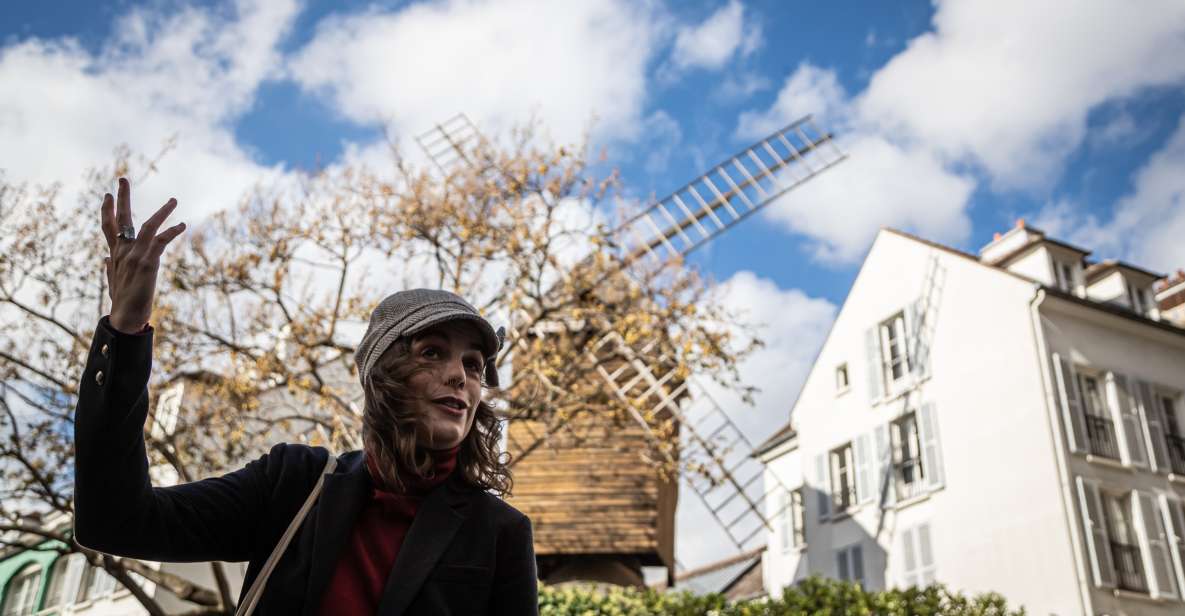
- Moulin de la Galette: a cabaret stop with real visual power
- Maison de Dalida and the Dalida statue
- Théâtre Lepic: stage energy in a real street setting
- La Maison Rose: color, character, and the performer vibe
- Clos Montmartre: a quieter walk break with a song moment
- Au Lapin Agile and La Bonne Franquette
- Place du Tertre: the artist square before Sacré-Cœur
- Sacré-Cœur: the final views and the closing note
- A pro singer turns French classics into something you can feel
- Cabarets, bohemians, and the Montmartre spirit
- Practical stuff that keeps the experience smooth
- Wear for the streets
- Light pack
- Bring essentials for weather
- Know who it suits
- Price and value for a $34, 2-hour Montmartre experience
- Should you book Montmartre en chansons?
- FAQ
- Where is the meeting point?
- How long is the tour?
- Where does the tour end?
- What languages are offered?
- Is there live music?
- What songs can I expect to hear?
- What should I bring?
- Is the tour suitable for people with mobility impairments?
- Are backpacks or bikes allowed?
- Is food and drink included?
Key highlights to know before you go
- Professional street singing, a cappella style that stops foot traffic (in a good way)
- Montmartre through songs, with classics tied to the neighborhood’s creative past
- Local insight from Anne-Sophie, including anecdotes about Piaf, Brel, Aznavour, Dalida, and the cabarets
- Iconic spots plus off-the-radar addresses, so you get photos and context
- 2 hours that move at a human pace, with short stops for music and explanations
- Clear practical rules (no bikes, oversize luggage, backpacks, or electric wheelchairs)
Why Montmartre en chansons feels like street-level Paris
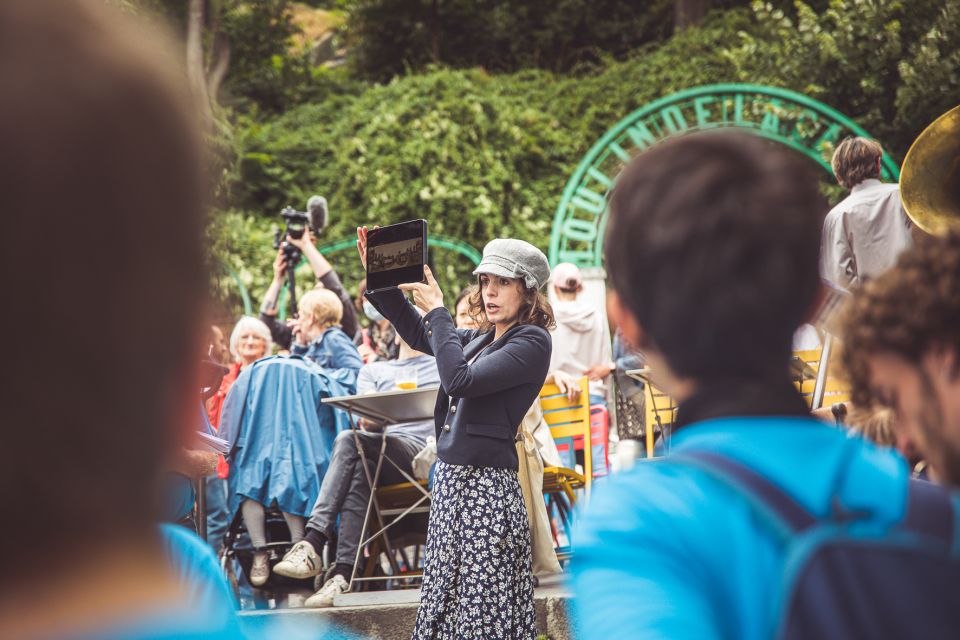
If you think you know Montmartre from photos, this tour helps you feel what’s behind the postcard. The big twist is simple: you’re not just hearing about famous artists. You’re hearing them—through a professional singer—right where the stories took place.
Anne-Sophie’s performances are designed like old-school street singing. The sound carries, the timing lands, and the emotional effect is immediate. When she sings, the street gets quiet for a moment, and you understand why Montmartre earned its reputation for bohemians, performers, and late-night energy.
You also get something that’s harder to find in standard walking tours: a tight link between songs and place. The tour’s repertoire includes well-known French classics such as La Vie en Rose, L’hymne à l’amour, and La Bohème, so the neighborhood becomes a soundtrack. Even if you don’t know every lyric, you’ll recognize the feeling—and you’ll know which corners connect to which legends.
You can also read our reviews of more tours and experiences in Paris.



Meeting at Place des Abbesses and navigating the Butte in 2 hours
The tour starts at Place des Abbesses, behind the exit of the subway station Abbesses. It’s a handy meeting point because you can arrive by Metro and then get going right away.
It lasts 2 hours, which is just long enough to see a lot without turning into a marathon. The stops are brief, and the walking is real—this is Montmartre, with slopes and cobblestones, not a flat stroll in a park.
Before you go, I’d plan your clothing around comfort and weather:
- Hiking shoes are a smart call.
- Bring water and plan for a steady walk.
- Umbrella and a sun hat make sense depending on the day.
Also, note the rules: no bikes, no oversize luggage, no backpacks, and no electric wheelchairs. If you travel with a daypack, you’ll likely want to switch to something smaller or plan to keep your load minimal.
Stop-by-stop: Wall of Love, Moulin de la Galette, La Maison Rose, and Sacré-Cœur
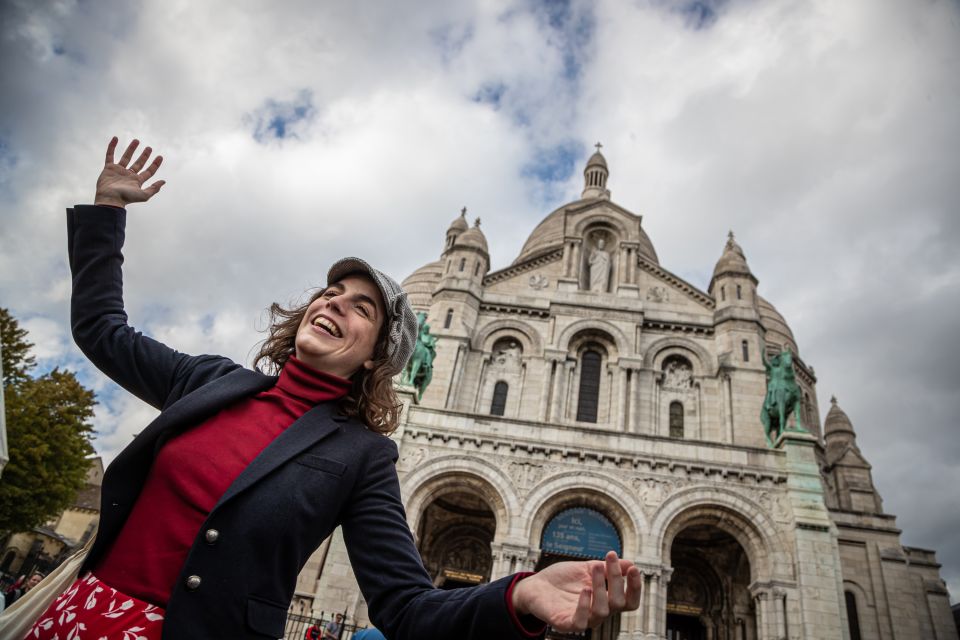
This route mixes major landmarks with places that matter in the artists’ orbit. You’re basically walking the “how it felt” map of Montmartre—cabarets, terraces, and artist corners—while you learn the stories behind them.
Wall of Love and the start of the mood
You begin with the Wall of Love (Wall of je t’aime). It’s one of those Montmartre visuals that instantly grounds you in the neighborhood’s romance-and-artside energy. It’s also a good early stop because it sets the tone before the tour climbs into the deeper singer-country.
Rue Lepic: where the neighborhood changes gear
Next comes Rue Lepic, a classic Montmartre street that helps you understand the scale of the neighborhood—tight lanes, old facades, and the sense that artists could work and mingle right on the street.



Moulin de la Galette: a cabaret stop with real visual power
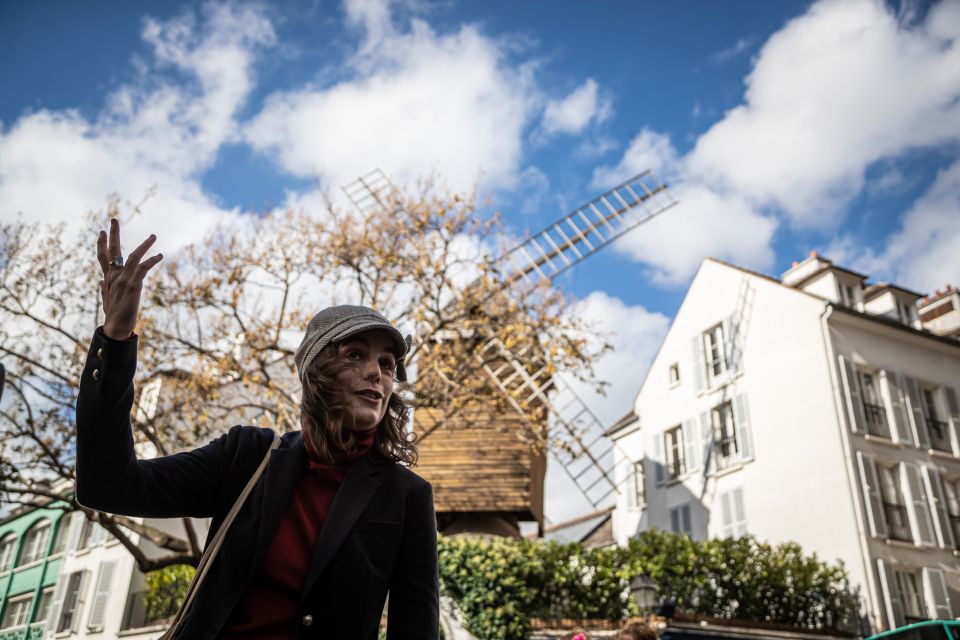
Then you reach Moulin de la Galette. This is a stop built for attention: you get a guided look and then a short singing moment. It’s also a natural place for the music to connect to Montmartre’s cabaret identity, since this area is tightly associated with performance culture.
Maison de Dalida and the Dalida statue
You’ll visit Maison de Dalida, then later see the Dalida statue. The tour is designed to keep famous names from floating in the abstract. Here, you’re looking at the physical landmarks while the guide shares anecdotes tied to Dalida and her Montmartre connections.
Théâtre Lepic: stage energy in a real street setting
Théâtre Lepic is another artist-centered stop. Even if you’re not a theater buff, the location helps you understand why Montmartre always felt like it had a stage in every corner.
La Maison Rose: color, character, and the performer vibe
You’ll also make time at La Maison Rose (the restaurant known for its iconic look). This kind of stop matters because it’s one thing to hear about bohemia; it’s another to see where people would actually gather, eat, talk, and watch the neighborhood’s characters pass by.
Clos Montmartre: a quieter walk break with a song moment
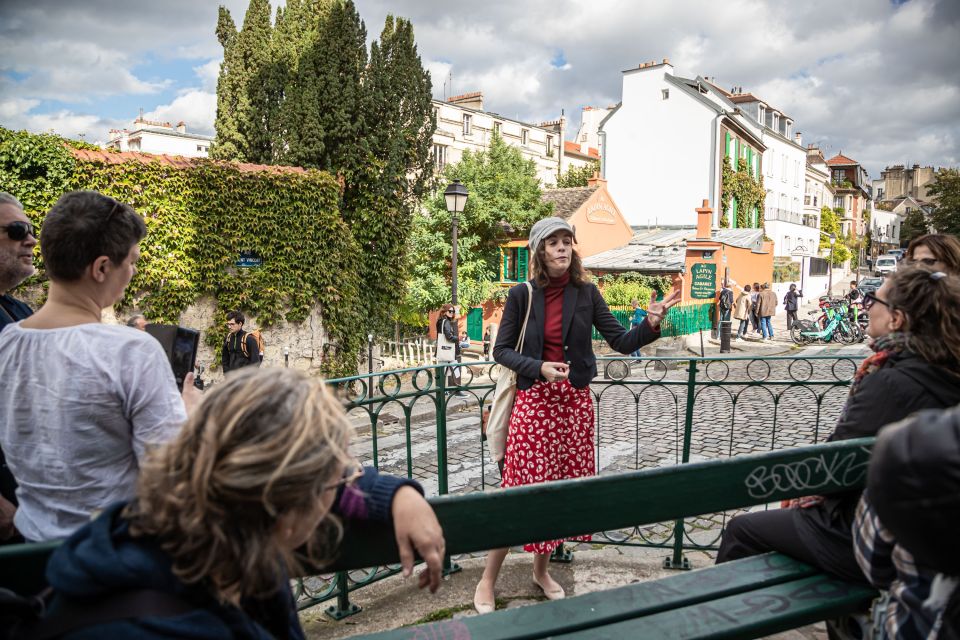
The route includes Vigne du Clos Montmartre. Even with a short stop, this offers a change of pace—one more reminder that Montmartre isn’t only about nightlife; it also has this working, lived-in side that artists could romanticize.
Au Lapin Agile and La Bonne Franquette
Two of the best-known cabaret stops show up here: Au Lapin Agile and La Bonne Franquette. They’re perfect moments for a cappella singing because you’re standing in the kind of place that historically made performers part of daily life, not separate from it.
Place du Tertre: the artist square before Sacré-Cœur
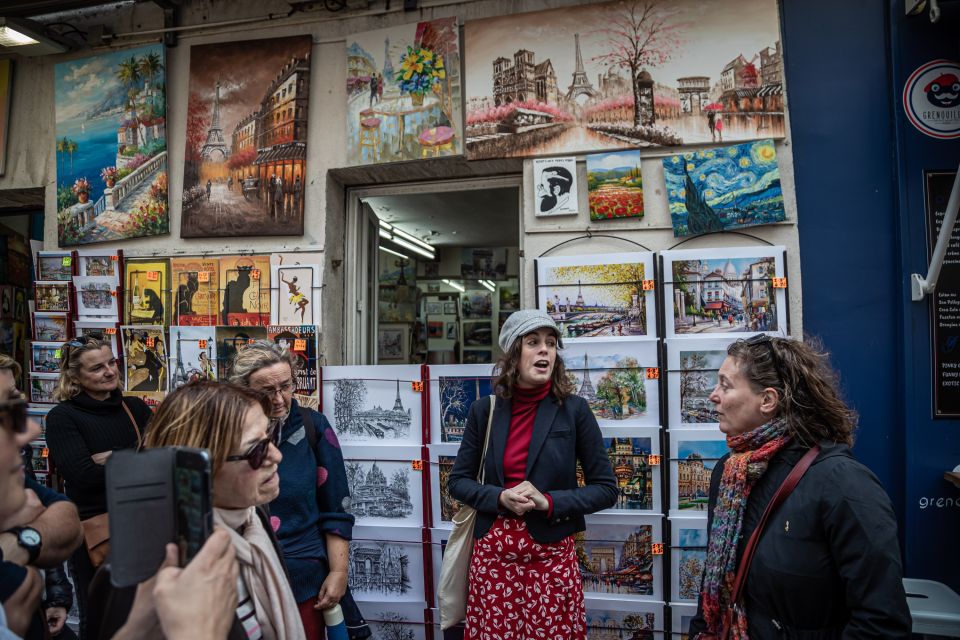
You’ll finish with Place du Tertre, a Montmartre centerpiece for art and street creativity. By this point, the tour has already connected names and songs to exact corners—so when you reach this crowded, creative square, it feels less like a tourist stop and more like the living “why” behind the neighborhood.
Sacré-Cœur: the final views and the closing note
The tour ends at Parvis du Sacré-Cœur. You get the Montmartre payoff: a big end point with wide views and the sense you’ve climbed through the layers of the neighborhood’s show-business past. It’s a clean landing after the walking and music.
A pro singer turns French classics into something you can feel
The strongest part of this experience is that it isn’t just knowledge. It’s performance.
Anne-Sophie sings the best French songs and ties them to the artists and places that shaped Montmartre’s artistic identity. Expect songs like La Vie en Rose, L’hymne à l’amour, and La Bohème, plus more tracks connected to the neighborhood’s famous names.
What I like about this approach is that it makes the stories easier to hold onto. When a guide shares anecdotes about Piaf, Aznavour, Brel, and Dalida, you’re not storing information in your head—you’re connecting it to sound. That combo sticks.
And because the singing happens in the street, not a theater, it feels like the tradition is alive. The guide’s energy matters here too. The vibe is often described as bubbly and smiling, which matters because this kind of tour lives on momentum, not lectures.
Cabarets, bohemians, and the Montmartre spirit
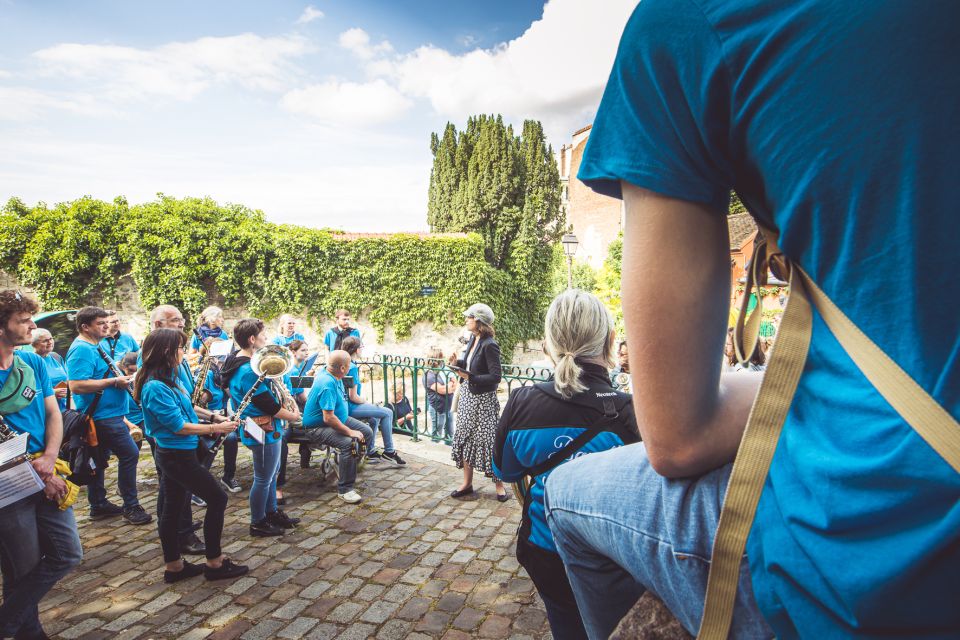
This isn’t a silent museum walk. It’s a “sharing” style experience. You can feel the bohemian spirit in how the guide frames the stops: cabarets, street singers, artists hanging out, and the sense that Montmartre has always been a place where performance and everyday life overlap.
The tour includes anecdotes about famous French singers and their connection to Montmartre, plus stories about the Butte’s cabarets. That matters because it gives context beyond fame. You start to understand how a neighborhood becomes a character—built from venues, voices, and the people who keep returning.
Also, the route includes “hidden” or less obvious addresses tied to the famous singers, not just the most famous photo targets. That’s where the tour earns its value: it helps you walk away with Montmartre that feels personal, not generic.
Practical stuff that keeps the experience smooth
A few details will help you enjoy this more and stress less.
Wear for the streets
Hiking shoes are the move. Montmartre is uneven and sloped, and you’ll be walking enough that comfort matters.
Light pack
Backpacks aren’t allowed. If you’re traveling with one, plan ahead so you aren’t turned around at the start. Also avoid oversize luggage—this is a neighborhood walk, not a baggage-friendly route.
Bring essentials for weather
The tour suggests you bring water, an umbrella, and a sun hat. Take that seriously. Two hours can feel long if you’re overheated or you didn’t plan for a quick downpour.
Know who it suits
This is a great fit if you love:
- French music
- street performance energy
- getting stories tied to specific corners
- a guided walk with a strong emotional component
If you want a quiet, strictly visual itinerary—or you need step-free access—this may be tough because it’s not suitable for people with mobility impairments.
Price and value for a $34, 2-hour Montmartre experience
At about $34 per person for 2 hours, the value comes from three things you don’t usually get together: a professional singer, a guided story-rich walk, and a route built around iconic Montmartre stops plus artist-connected addresses.
A standard walking tour might give you facts. A music experience might give you sound. This combines both in the specific places where the legends live. If that’s your kind of travel—hands-on, emotional, and place-based—you’ll feel like you got your money’s worth quickly.
And since the tour runs in small, guided sessions (with public departures on Saturdays, mostly Sundays, and Fridays, plus private options on weekdays and some Sundays), it’s also an easy way to add something different without committing to a full day.
Should you book Montmartre en chansons?
Book it if you want Montmartre with a soundtrack and you like learning through art. This is the kind of tour where the singer’s voice makes the neighborhood feel like it has a pulse, and the anecdotes make famous names feel tied to real streets.
Skip it if you need a low-walking, low-stair, or step-free experience, since it’s not suitable for people with mobility impairments. Also skip it if you’re looking for a food tour or a museum-style deep dive—there’s no food included, and the focus is music plus walking.
If you’re on the fence, think about your own travel style: if you enjoy street scenes, French classics, and local stories you can carry home, this one is a strong match.
FAQ
Where is the meeting point?
You’ll meet behind the exit of the subway station Abbesses.
How long is the tour?
The tour lasts 2 hours.
Where does the tour end?
It finishes at the Parvis du Sacré-Cœur.
What languages are offered?
The tour is available in English and French.
Is there live music?
Yes. You’ll hear songs performed by a professional singer, including a cappella singing in the street.
What songs can I expect to hear?
The tour includes popular French songs such as La Vie en Rose, L’hymne à l’amour, and La Bohème.
What should I bring?
Bring hiking shoes, water, an umbrella, and a sun hat.
Is the tour suitable for people with mobility impairments?
No. The tour is not suitable for people with mobility impairments.
Are backpacks or bikes allowed?
No. Bikes, oversize luggage, backpacks, and electric wheelchairs are not allowed.
Is food and drink included?
No. Food and drinks are not included.