REVIEW · PARIS
Paris: Montmartre Food Tasting Walking Tour with Secret Dish
Book on GetYourGuide →Operated by Essor · Bookable on GetYourGuide
Montmartre smells like dessert and warm bread, but it is the food stops that make this walk worth it. You’ll move at a relaxed pace through classic neighborhood lanes while learning what Parisians grab when they want quality without the fuss. I like that the tour is built around real local shops (chocolate, bread, cheese, butcher, and sweets) and I also like the small group size that keeps the vibe friendly even when you’re hopping between tastings. One thing to consider: it is rain or shine, and you’ll be on your feet for the full 3 hours.
This is also a tour where you’ll actually understand what you’re eating. The guide walks you through the differences between items like crêpes vs galettes, and the tastings come with food pairing logic, not just random samples. If you prefer your food tours super-light on wine or want lots of vegetables, this may feel a bit heavy on dairy, meat, and sweets.
In This Review
- Key Highlights You’ll Care About
- How Montmartre Food Tastings Feel Different From Typical Paris Tours
- Finding the Meeting Point: Anvers in the Day, Abbesses at Night
- Chocolates and Macarons First: Why Starting Sweet Works
- Crêpe and Galette Lesson: Turning a Snack Into an Ordering Skill
- Boulangerie Stops and French Bread That Actually Tastes Like Bread
- Fromage Time: The Cheese Counter as a Food School
- Butcher Stop: Cured Sausages and Hams With Real Pairing Logic
- The Secret Final Stop: Your Collected Foods Plus Wine Pairing
- Price and Value: What $148 Buys You (And Why It May Be Worth It)
- Who This Tour Suits Best (And Who Might Want Something Else)
- Should You Book This Montmartre Food Tasting Walk?
- FAQ
- How long is the Montmartre food tasting walking tour?
- Where do we meet for the tour?
- What food is included?
- Are alcoholic drinks included?
- Is the tour vegetarian-friendly?
- What should I bring?
- Is hotel pickup included?
- How big is the group?
- Is the tour wheelchair accessible?
- Is there free cancellation?
- What language is the tour guide?
Key Highlights You’ll Care About
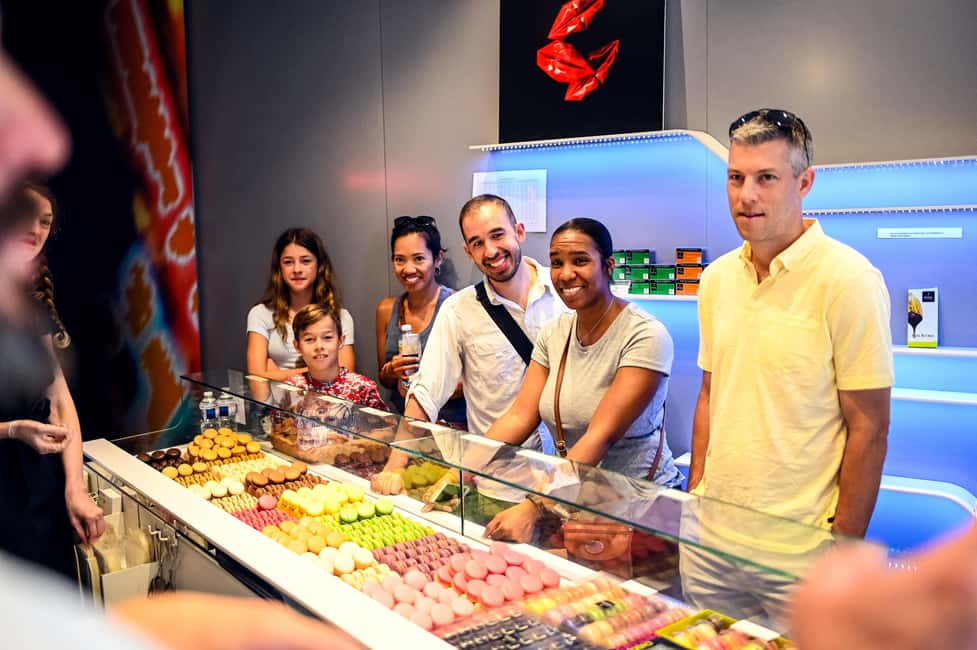
- Small-group pacing (up to 10 people) keeps tastings relaxed and questions easy to ask
- Orange-umbrella guide meetups at Anvers or Abbesses make it easier to find the start
- A mix of sweet and savory shops: chocolate, macarons, crêpe, bread, cheese, cured meats
- Crêpe vs galette explanation helps you order with confidence later
- A secret final stop with the feast you built all tour, plus wine pairing
- Rain or shine tour means you’ll plan for comfy walking, not good weather luck
How Montmartre Food Tastings Feel Different From Typical Paris Tours
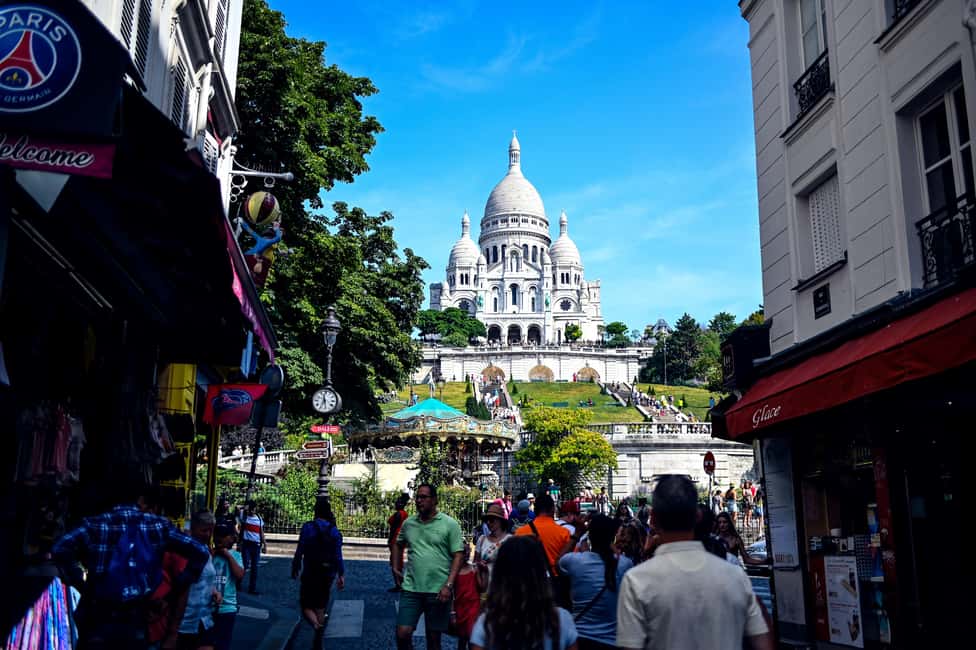
Montmartre is famous for postcard views, but food here is what turns a photo stop into a memory. The neighborhood still has that lived-in feel: people pop in and out of small shops, grab what they need, and keep moving. This tour borrows that logic. You’re not just eating in places; you’re seeing how a Parisian meal actually gets assembled—one ingredient at a time.
I like the balance of the tastings because it mirrors how locals think about a proper meal. You start with sweet treats like artisanal chocolate and macarons, then you move into bread and cheese, and eventually you hit cured meats. By the end, you’re not just full—you’ve built a food story in your head.
You’ll also walk through some of the neighborhood’s charm without the pressure of fitting in museums or landmarks. The focus stays on flavor, technique, and local habits, so you come away with a better sense of how Montmartre works day-to-day.
You can also read our reviews of more walking tours in Paris


Finding the Meeting Point: Anvers in the Day, Abbesses at Night
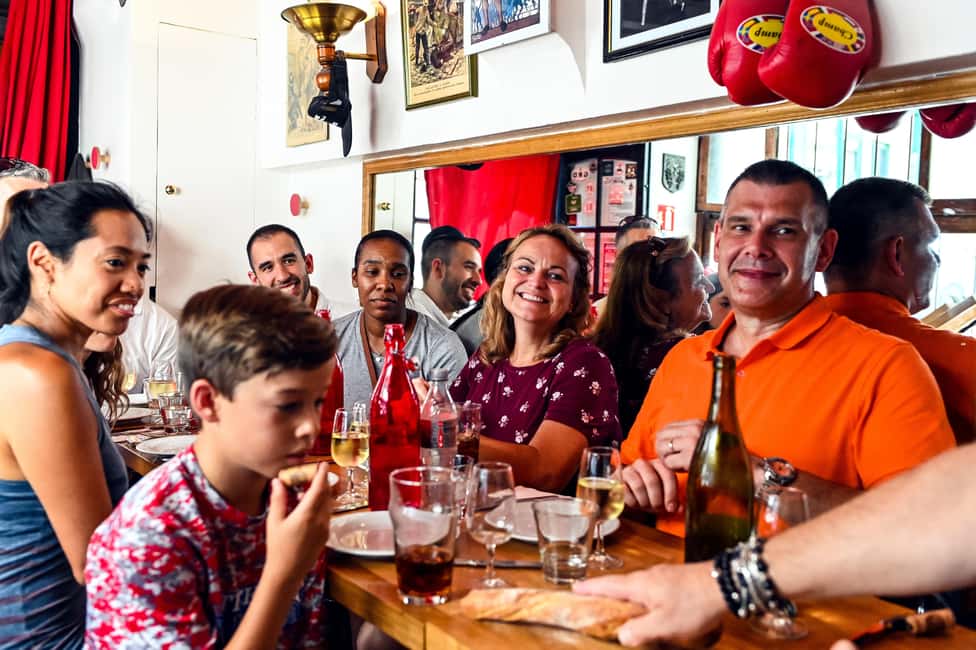
Logistics matter on any walking tour, and this one has two different start points depending on the day and time. The good news is the organizer makes it simple: you’re looking for an orange umbrella.
What to do in practice
- For Mondays to Fridays (tours from 10:30am to 5:30pm): meet outside metro Anvers, Line 2 at the subway entrance.
- For Saturday, Sunday, and tours starting at 6:00pm: meet at Abbesses Station, Line 12 at the subway entrance.
- The tour ends back at the meeting point, so you’re not left wondering how to get home.
Two practical tips:
- Arrive a few minutes early. The meeting place changes by time slot, so double-check your schedule before you head underground.
- Wear comfortable shoes. Even if the tour is only around 3 hours, Montmartre is a neighborhood where your legs do the talking—especially when you’re moving between shops.
Chocolates and Macarons First: Why Starting Sweet Works
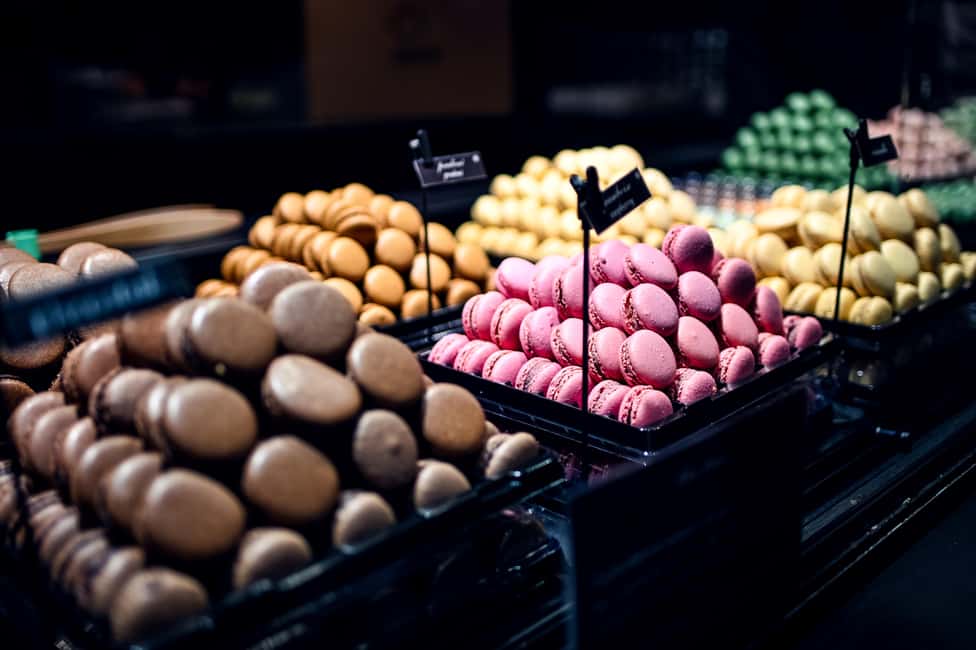
Many food tours begin with savory, because salt feels more impressive. This one starts with artisanal chocolate and macarons, and I get why. Early on, your taste buds are fresh, so you can actually notice texture and flavor differences instead of just chasing sugar.
At the first stop, you’ll see and taste some of the best chocolate and macarons in the city. This is a nice warm-up because it sets expectations: you’re not doing mass-market bites. You’re sampling the kind of confectionery that makes people buy for gifts, for treats, and for no reason at all.
It also helps you learn a key Montmartre habit: browsing. You’re not rushing through a single shop. You’re learning how these places sell quality, how they talk about ingredients, and what to look for when you’re back on your own.
Crêpe and Galette Lesson: Turning a Snack Into an Ordering Skill
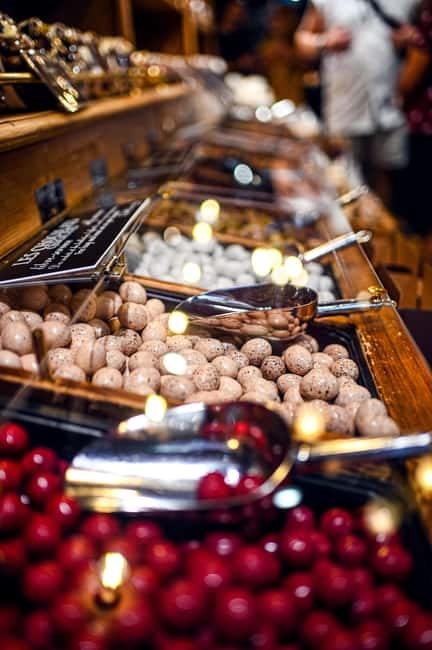
Next comes a freshly made crêpe, and the guide will explain the difference between crêpes and galettes. This is one of those small lessons that pays off later. Paris has a lot of menus that blur the lines, and it’s easy to order something you didn’t expect.
In real terms, here’s what you take away:
- You’ll understand that not every flat pastry on menus is the same thing.
- You’ll learn how locals think about the style of a crêpe and how that connects to what it’s best at (sweet vs more savory expectations).
After that, you’ll move into the bread world. That pairing makes sense: the tour is training you to think in ingredients, not just desserts.
Boulangerie Stops and French Bread That Actually Tastes Like Bread
You’ll stop in a boulangerie where you learn about and sample classic French breads. This is more than a bite. Bread is one of the easiest ways to taste the difference between good and great, because bread doesn’t hide behind sauce.
If you’ve ever had a French roll that tasted like it was baked yesterday and another that tasted like it came from a sad plastic bag, you already know what I mean. This stop helps you recognize what makes bread worth paying for.
I also like that this portion of the tour teaches you to slow down. You’re not just shoving food in your mouth; you’re tasting with attention. That’s when the flavors start making sense.
You can also read our reviews of more food & drink experiences in Paris




Fromage Time: The Cheese Counter as a Food School
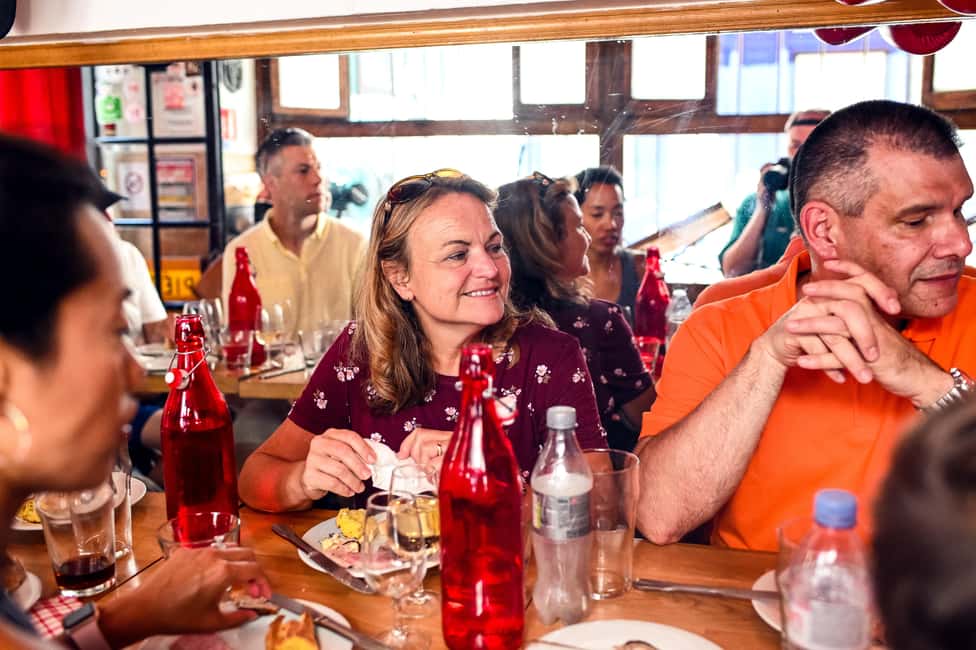
Cheese is where a lot of visitors go on autopilot. You see a wedge, you taste a bit, you move on. On this tour, you’ll savor fromages from what the guide describes as the best cheese shop in the area, and the tasting becomes a mini crash course.
You’ll learn what to pay attention to when you taste:
- texture (creamy, firm, crumbly)
- strength (mild vs sharp)
- how pairing helps (especially when wine enters the picture)
This is one of the stops that people remember after the tour, because it’s easy to replicate later. Even if you don’t buy the exact same cheese, you’ll know what to ask for and how to describe what you liked.
Butcher Stop: Cured Sausages and Hams With Real Pairing Logic
Then you head to a local butcher. This is where you’ll enjoy the finest cured sausages and hams.
I like this transition because it sets up the final feast. Sweet is fun, but savory is where you start feeling the full meal shape. You’ll start tasting meats in a more thoughtful way—how salt, fat, and aroma balance out with wine.
A good guide will help you understand that charcuterie isn’t just meat. It’s part of how French people structure eating: something salty, something creamy, something bread-based, then a finish.
And yes, you’ll likely feel full. That’s the goal here, within reason. This tour is designed so you leave satisfied, not just snack-happy.
The Secret Final Stop: Your Collected Foods Plus Wine Pairing
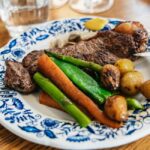
The last stop is the payoff. At the secret location, you’ll feast on all the food you bought along the way, with the perfect wine pairing, plus the tour’s secret dish.
This is where the tour turns from a series of tastings into a meal. The guide has effectively built a menu for you: chocolate and macarons set the sweet tone, crêpe and bread handle the base flavors, cheese brings texture, and the butcher stop adds the savory hit. Then the secret stop ties it together with wine.
You’ll have:
- fine wines, including red and white
- water
- soft drinks or non-alcoholic options
So you can keep the pairing experience without feeling pressured to drink a lot.
From a practical angle, this final feast is also why you should pace yourself. If you rush early stops, you’ll hit the secret dish too late. If you slow down and taste deliberately, the whole tour feels balanced.
One more note: some people want at least a little fruit or veggie element in the mix, so if you’re traveling with someone who thinks every meal needs a green component, plan to complement with fruit on your own before or after.
Price and Value: What $148 Buys You (And Why It May Be Worth It)
At $148 per person, this isn’t a cheap snack crawl. But you’re paying for several things that add up fast in Paris:
- Multiple tastings across distinct shop types: chocolate, macarons, crêpe, bread, cheese, cured meats
- Drinks included, with fine wine (red and white) plus water and non-alcoholic options
- A live, English-speaking guide who keeps the flow moving and explains what matters (like crêpe vs galette)
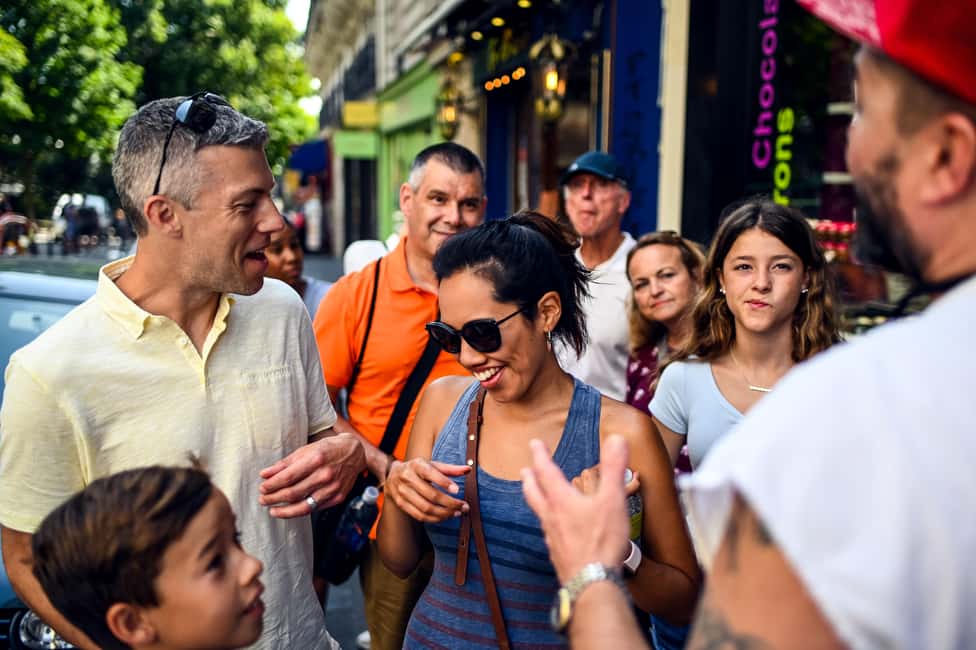
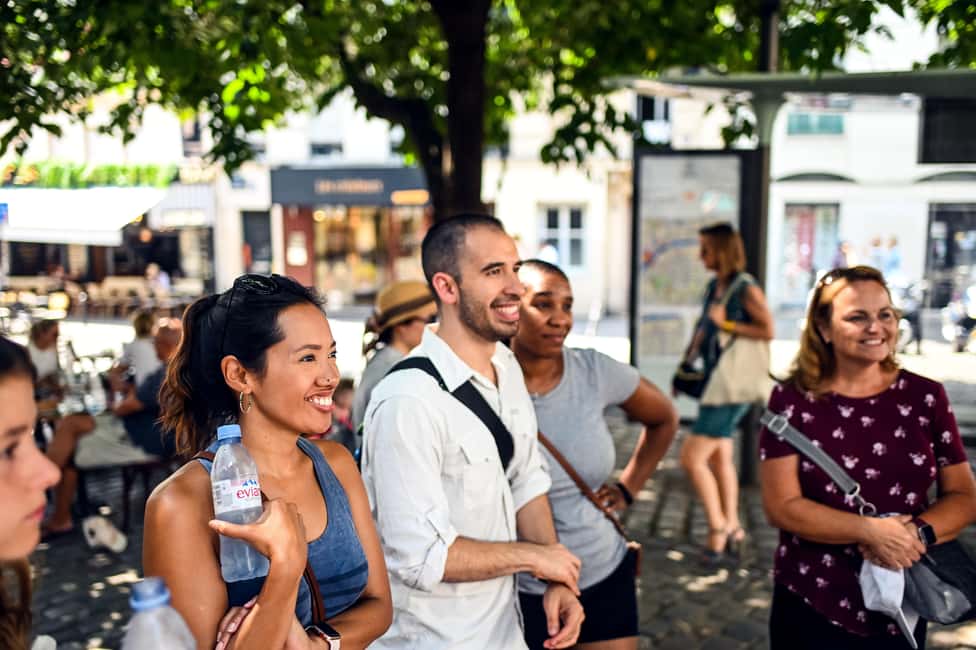
It’s also a small group limited to 10 participants, which usually means you get more attention and less waiting. That matters when tastings involve tasting, not just passing you food.
If you already love French cheese, charcuterie, and pastries, this price starts to make sense because you’d otherwise pay a lot just to assemble that same spread on your own. If you’re a light eater, or you don’t drink wine at all, the value shifts a bit—but the included food quantity is still a big part of the appeal.
Who This Tour Suits Best (And Who Might Want Something Else)
This is a great fit if you want:
- a guided way to eat across Montmartre’s real specialty shops
- a tour length that fits easily into a day without taking over your whole schedule
- help ordering smarter later, thanks to lessons like crêpe vs galette
It’s also a strong family option in the sense that it gives teens and adults something to talk about: food choices, pairing logic, and the fun of tasting multiple categories in one route. If your group is split between someone who loves sweets and someone who prefers savory, this tour keeps both sides fed.
It might be less ideal if:
- you want a lot of sightseeing and a fast pace of major monuments
- you’re very sensitive to wine-heavy pairings (you can choose non-alcoholic options, but the format is still built around wine)
- you need wheelchair access (this tour isn’t suitable for wheelchair users)
Should You Book This Montmartre Food Tasting Walk?
My take: if you want a Montmartre day that feels like Paris food culture instead of a checklist, book it. The structure makes sense—sweet first, then bread and cheese, then charcuterie, and finally a secret stop feast with pairing. That flow is why the experience sticks.
Two reasons to lean in:
- The guide-led explanations turn tastings into understanding. You leave knowing what you tasted and what to look for next time.
- The small group format means you spend more time eating and asking questions, and less time watching other people eat.
One reason to pause:
- If your ideal tour is lots of veggies, minimal alcohol, and zero heavy foods, the menu style here may feel too dairy-and-meat-forward.
If you’re ready for a satisfying, shop-to-shop food walk in one of Paris’s most charming neighborhoods, this is a solid value. Bring your appetite, bring comfy shoes, and plan to let the orange umbrella find you.
FAQ
How long is the Montmartre food tasting walking tour?
The tour lasts about 3 hours (with some tours running around 3 to 3.5 hours). Check availability for the exact start times.
Where do we meet for the tour?
For Mondays to Fridays between 10:30am and 5:30pm, meet outside metro Anvers, Line 2. For Saturday, Sunday, and tours starting at 6:00pm, meet at Abbesses Station, Line 12. In both cases, look for your guide with an orange umbrella.
What food is included?
Food included includes best French cheeses, fresh pastries, crêpes, authentic macarons, artisan chocolates, finest cured meats, fresh-baked breads, the secret dish, and drinks at the tastings.
Are alcoholic drinks included?
Yes. Fine wines (red and white) are included, plus water and soft drinks or non-alcoholic options.
Is the tour vegetarian-friendly?
The tour data lists cheeses, pastries, crêpes, cured meats, and wine pairings, but it does not say vegetarian-only options are available.
What should I bring?
Bring comfortable shoes. The tour takes place rain or shine.
Is hotel pickup included?
No. Hotel pickup and drop-off are not included.
How big is the group?
The group is small, limited to 10 participants.
Is the tour wheelchair accessible?
No, it is not suitable for wheelchair users.
Is there free cancellation?
Yes. You can cancel up to 24 hours in advance for a full refund.
What language is the tour guide?
The tour guide is English.