REVIEW · PARIS
Paris: Le Marais Highlights Guided Small Group Walking Tour
Book on GetYourGuide →Operated by Paris Tours Experiences · Bookable on GetYourGuide
A quiet square to start, a lot of Paris to learn. This Le Marais walking tour uses a smart route that keeps the neighborhood’s older feel in focus, from medieval walls to major churches.
What I really like is how the stops connect into a single story: you move from Place des Vosges into Hôtel de Sully and then on to Saint-Paul Church, instead of bouncing randomly around. I also like the historical balance here, including the Jewish quarter and a stop at the Holocaust memorial, which turns a sightseeing walk into something more meaningful.
One drawback to plan for: this is city walking on streets that can be uneven, so it’s not suitable for mobility impairments, and you’ll want good shoes. And it runs rain or shine, so warm layers matter.
In This Review
- Key things to know before you go
- Why Le Marais still feels old-school Paris
- Starting at Place des Vosges: calm, elegant, and perfectly placed
- Hôtel de Sully and Saint-Paul Church: the 1600s meet the long memory
- Medieval Paris without the textbook: the wall of Philippe Auguste
- Hôtel de Sens and the mansion route: reading power in stone
- Rue des Rosiers: the Jewish quarter feeling, with time to browse
- The Holocaust memorial stop: a serious moment on a sightseeing route
- Saint Gervais Church and the walk to Place de l’Hôtel de Ville
- What the pacing and group size feel like in real life
- Price and value: why $58 makes sense here
- Weather, clothing, and comfort tips that actually matter
- Who should book this Marais highlights tour
- Should you book this Marais Highlights Guided Small Group Walking Tour?
- FAQ
- FAQ
- How long is the Paris Le Marais Highlights guided walking tour?
- What language is the tour in?
- How many people are in the group?
- Where do I meet the guide?
- Does the tour include a church visit?
- Is food or drinks included?
- Will the tour run in bad weather?
- Is the tour suitable for people with mobility impairments?
Key things to know before you go
- Small group (max 9) means you can hear the guide clearly and ask questions without fighting for attention
- English live guide throughout the 135 minutes
- Cobbled lanes and big-name landmarks, but also quieter corners that make the Marais feel lived-in
- Saint-Paul Church visit is built into the route, not just an exterior photo stop
- Jewish quarter focus includes a stop at the Holocaust memorial
- Most stops are outdoors, so bring comfortable shoes and plan for weather
Why Le Marais still feels old-school Paris
Le Marais is the part of Paris where time seems to move at a different speed. The tour’s theme is simple: this district wasn’t shaped by Haussmann-style rebuilding the way much of central Paris was, so you get a better sense of what older streets and buildings looked like before the big, uniform boulevards took over.
That difference matters because it changes the walking experience. Instead of treating Paris like a slideshow of monuments, you end up reading the neighborhood like a map of eras. The route leans into that idea: you’ll walk past mansions, church interiors, and even visible traces of medieval planning, all in a way that adds up.
You can also read our reviews of more walking tours in Paris



Starting at Place des Vosges: calm, elegant, and perfectly placed
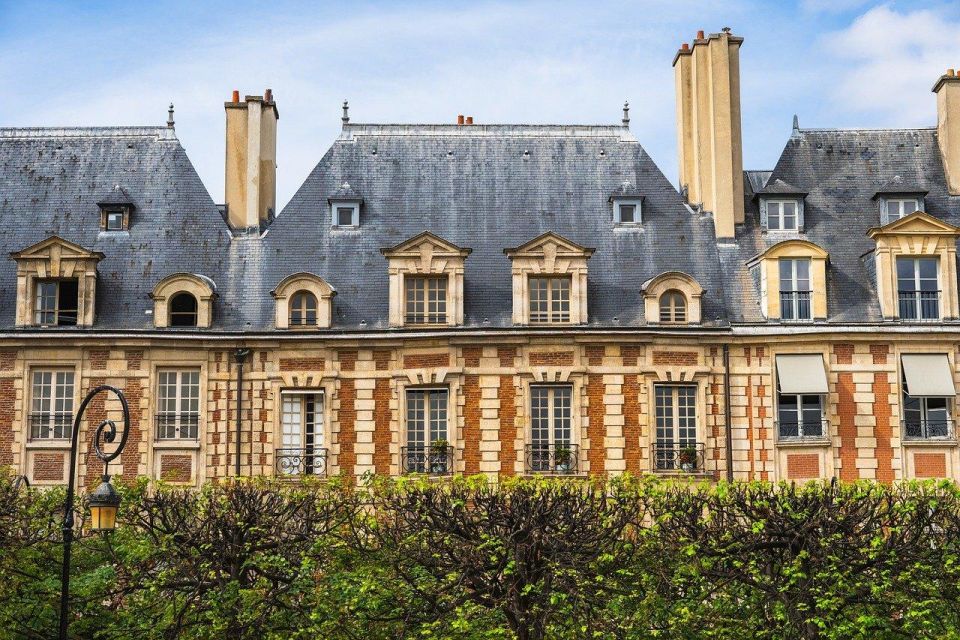
You begin at Place des Vosges, one of the city’s most beautiful squares, with greenery and that classic symmetrical feel. It’s a great first move because it gives you a visual baseline—this is an “old Paris” setting, but it’s also fully in use today.
From there, you get an orientation-style guided segment. This is where the guide typically explains what you’re about to see and why it’s different. If you like history that’s tied to real streets you can point at, this start helps you keep your bearings fast.
Practical note: meet your guide by checking in with your voucher. You’ll look for Paris Tours Experiences under the Louis XIII statue, and the guide wears a white shirt.
Hôtel de Sully and Saint-Paul Church: the 1600s meet the long memory
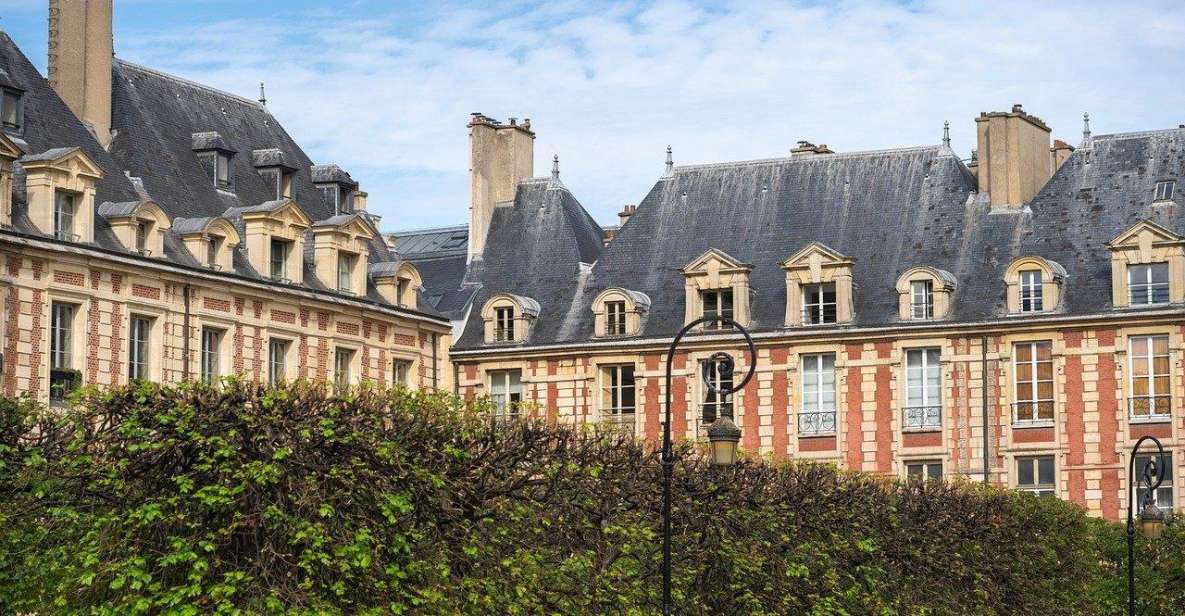
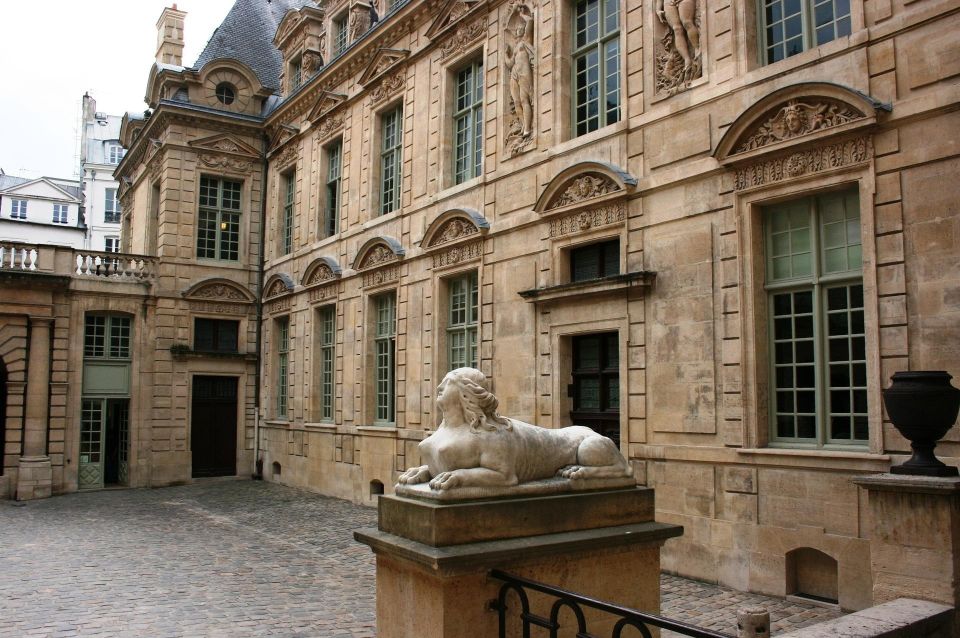
Next comes Hôtel de Sully, a major 17th-century highlight and a strong “before/after” example of how wealthy Paris shaped the city. Even if you’re not a “palaces all day” person, this stop works because it shows power and design in a very practical way: you can see how these buildings controlled light, space, and status.
Then you shift to Saint-Paul Church. The emphasis here isn’t just architecture. The point is that churches like this hold stories you don’t notice from outside. The guided visit helps you slow down and look past the obvious.
Why I think this pairing works: Hôtel de Sully gives you the elite side of old Paris, while Saint-Paul Church anchors you in the daily, long-term life of the neighborhood. Together, they make the Marais feel less like a museum and more like a community.
Medieval Paris without the textbook: the wall of Philippe Auguste
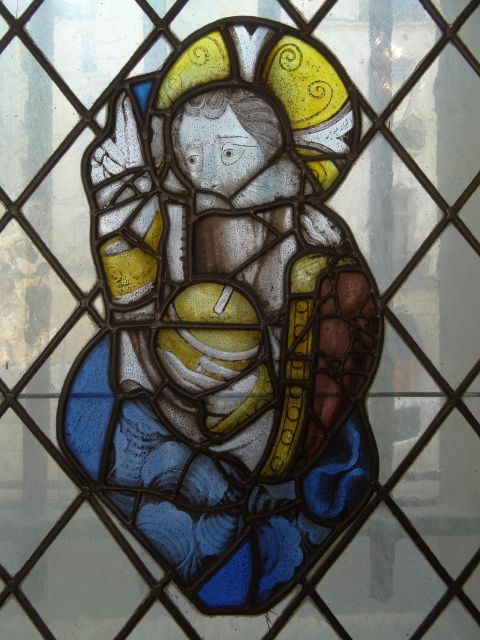
One of the tour’s most “wait, that’s real?” moments is the route that brings in the remains of the wall of Philippe Auguste. Medieval Paris can feel abstract until you see a physical trace like this.
This stop is valuable because it changes how you picture the city. The Marais didn’t just become historic by accident; it developed inside real boundaries and defenses. Standing near what’s left of that wall helps you understand why certain street patterns and neighborhood layouts exist.
If you love architecture but also like facts with context, this is one of the best stretches of the walk. It’s short, but it gives you a new mental model for the area.
Hôtel de Sens and the mansion route: reading power in stone
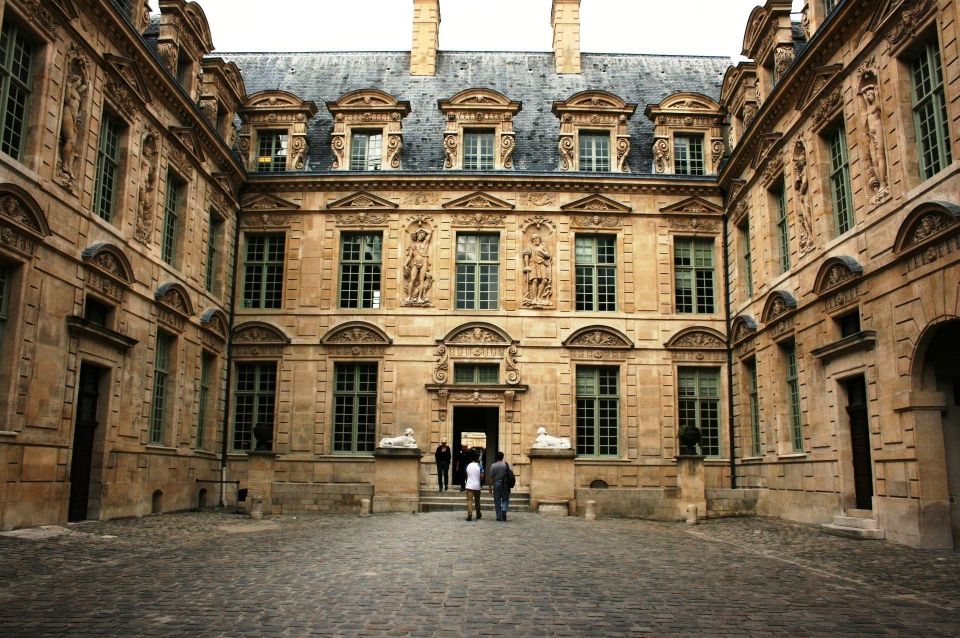
The tour then moves through more private mansions, including Hôtel de Sens (with guided time) and other historic residences along the way. You’ll hear stories connected to major figures from the neighborhood’s past, with attention to how the Marais functioned as a place of royal and noble life.
This is where guided walking tours can either go one of two ways: either you get a list of buildings, or you get meaning. The structure here leans toward meaning. The guide connects buildings to people, and people to the way the district evolved.
One thing to watch for: mansion streets are quieter than major boulevards, but the walking time adds up. Since the tour is 135 minutes, you’ll want to keep your energy steady—good shoes help a lot, and taking a moment to rest if you need it will keep the experience enjoyable.
You can also read our reviews of more guided tours in Paris





Rue des Rosiers: the Jewish quarter feeling, with time to browse
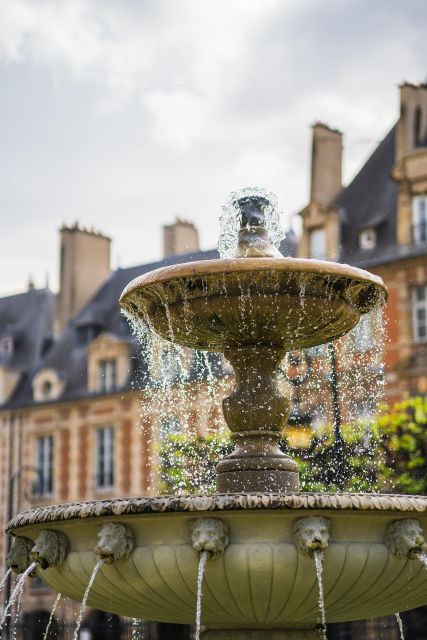
You’ll spend time on Rue des Rosiers, a street that’s known for Jewish life and food culture. The tour includes guided time here with shopping built into the agenda.
This part is practical: it’s your chance to connect the history you just heard with what you can actually do today—browse, snack later on your own, and pick up small items if that’s your style.
Even if you don’t shop much, this street stop gives the walk a modern pulse. After church stops and mansion stories, Rue des Rosiers shifts the mood in a good way: you’re still in the same neighborhood, but you’re seeing how it lives now.
The Holocaust memorial stop: a serious moment on a sightseeing route
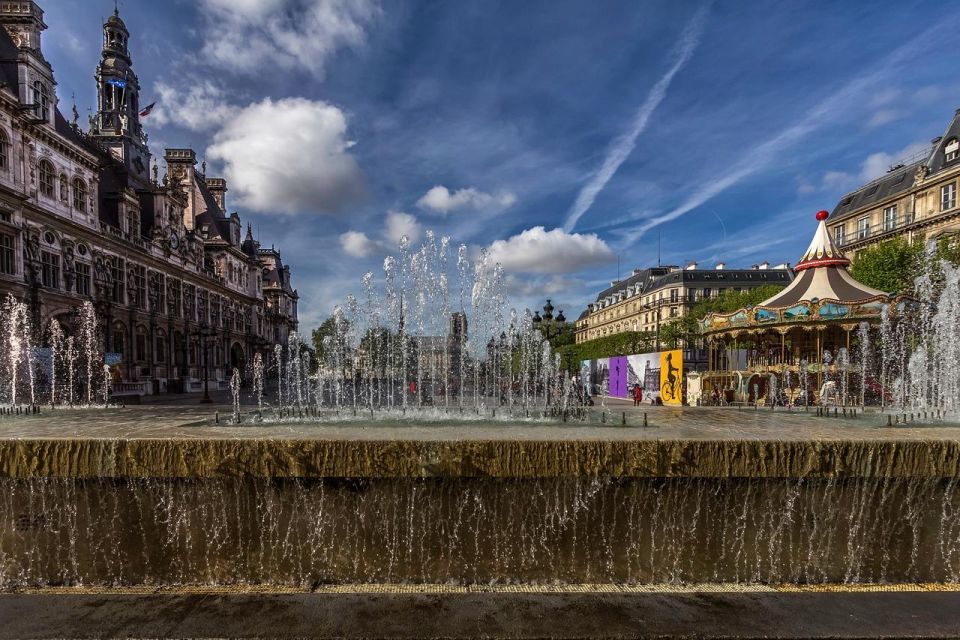
The tour includes a stop of real importance for the Jewish community of Paris: the Holocaust memorial. This isn’t a “quick glance and move on” kind of stop in a tour that takes the Marais seriously.
For many people, this is the most emotionally heavy part of the walking experience. It’s also one of the most valuable, because it grounds the broader history in a specific, lived reality rather than leaving it as architecture and names.
If you prefer lighter, purely visual tours, you should know this is part of the deal. But if you want your Paris day to mean something, this stop gives the walk a core purpose.
Saint Gervais Church and the walk to Place de l’Hôtel de Ville
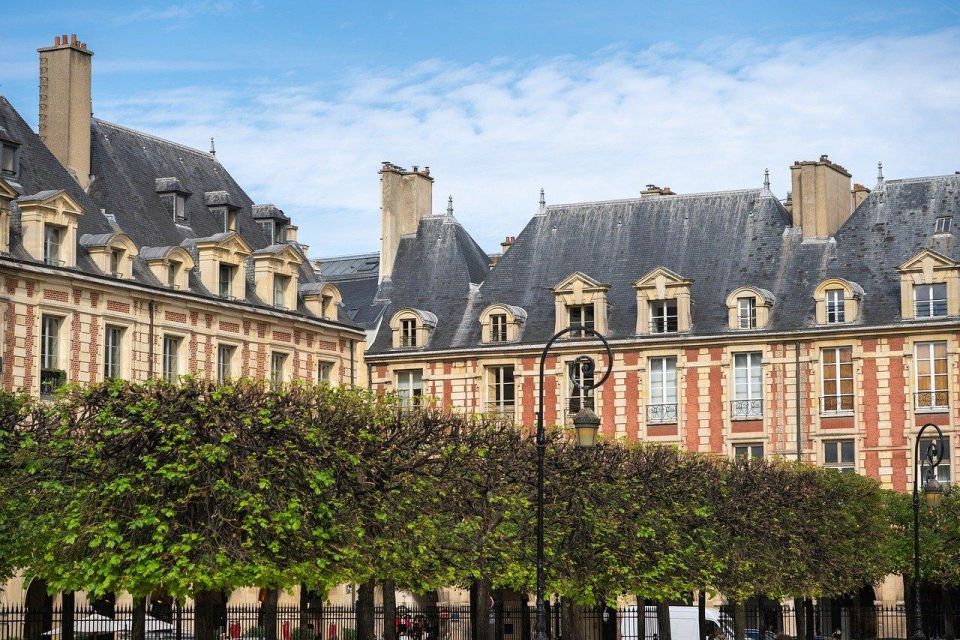
Near the end, the route includes Saint Gervais Church, with guided time. Church stops toward the end work well because you’ve already been learning how the neighborhood’s identity is shaped—so you’re better prepared to notice details you might otherwise skip.
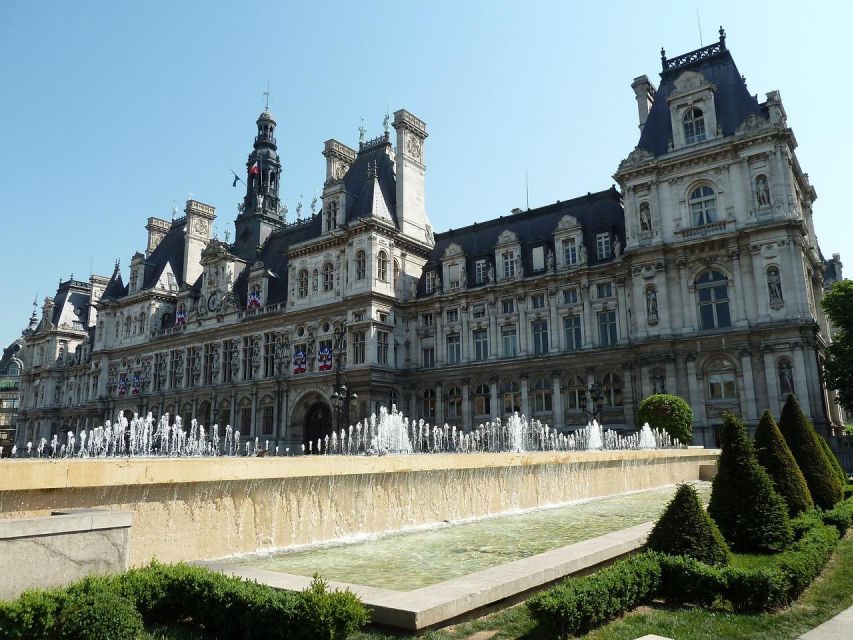
Then you finish at Place de l’Hôtel de Ville, ending your “history walk” with a broad city view. It’s a satisfying way to close the loop: you leave the tight old streets behind and step into a more open public square.
Ending here also helps you plan the rest of your day. From Hôtel de Ville, it’s easier to move on to another neighborhood or pop into a museum without feeling like you’re trapped inside the Marais for the whole day.
What the pacing and group size feel like in real life
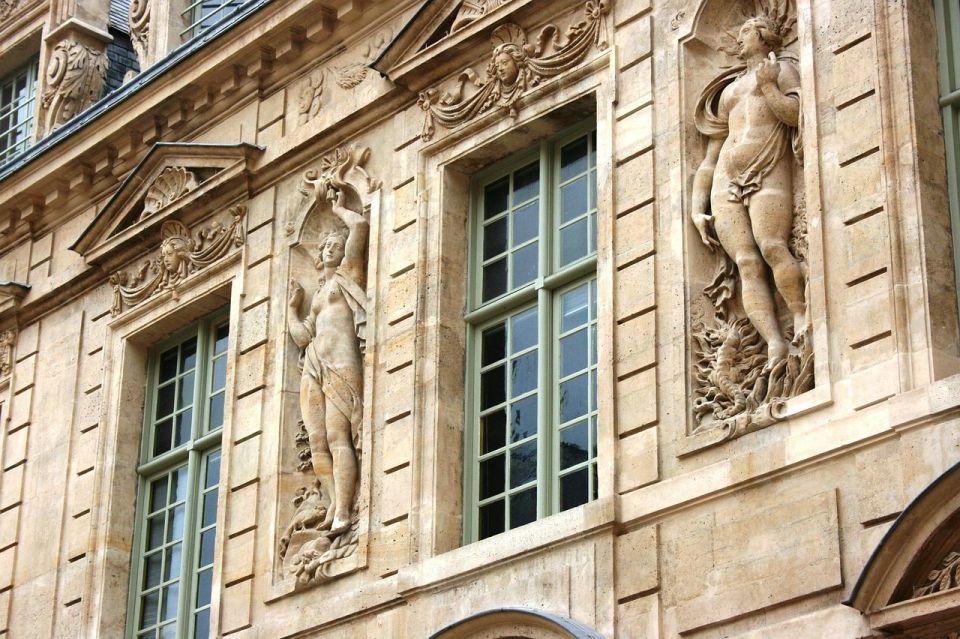
This tour is designed for a small group of 9 participants max, which matters more than it sounds. With a group that size, you’re not shouting over other people, and you can usually hear the guide’s explanations clearly.
It’s also a good size for questions. The best moments in this kind of tour are often the side questions—why a street looks the way it does, how a building was used, or what to look for on your own afterward. A smaller group keeps that from turning into a rush.
The tour is also adapted for kids, and you’re told to let the provider know if you’re coming with kids or a stroller. Still, it’s not described as stroller-friendly for every segment, so be ready for uneven streets and expect a slower rhythm if you’re traveling with little ones.
Price and value: why $58 makes sense here
At $58 per person for about 135 minutes, this isn’t a bargain tour. But it also isn’t overpriced for what’s included. You’re paying for:
- a local guide for the full walk
- a visit inside Saint-Paul Church
- guided highlights across major Marais landmarks (including the Jewish quarter focus)
The value comes from the structure. This isn’t just “walk and take photos.” The guided time at key stops (Hôtel de Sully, Saint-Paul Church, and other mansion/church points) is where the time turns into understanding.
Also, the group limit means you’re not paying for a crowded bus-tour vibe. You’re paying for a guided walking experience that’s more personal and easier to follow.
If you’re short on time in Paris, this kind of tour can be a smart first move because it helps you decide what you want to revisit on your own afterward.
Weather, clothing, and comfort tips that actually matter
Since the tour runs rain or shine, treat it like a proper outdoor walk. Bring warm clothing if you’re going outside peak summer months. The main thing, though, is your feet.
- Wear comfortable shoes for cobblestones and uneven paving
- Dress in layers so you can handle shifting weather
- Keep a small water plan for yourself since food and drinks aren’t included
Also, note the tour is not suitable for people with mobility impairments, so if that applies to you, look for a different kind of Paris option.
Who should book this Marais highlights tour
I’d point you toward this tour if you want:
- a guided way to understand why the Marais feels different from much of Paris
- church and mansion stops, with explanations tied to real streets
- a Jewish quarter-focused route that includes the Holocaust memorial
It also suits people who like small-group tours and want time to ask questions. The English guide and the group size make it easier for you to stay engaged without constantly losing the thread.
If you hate walking, dislike emotional memorial sites, or need mobility accommodations, this probably won’t match your needs.
Should you book this Marais Highlights Guided Small Group Walking Tour?
If your goal is to see the Marais as more than a collection of pretty streets, I think this is a strong buy. The combination of Place des Vosges, Hôtel de Sully, Saint-Paul Church, medieval traces like the wall of Philippe Auguste, and the serious inclusion of the Holocaust memorial makes the route feel complete.
Book it if you enjoy guided context, want a small-group pace, and you can handle steady walking. Skip it if you need accessibility options or if you want a lighter, purely fun-only itinerary.
FAQ
FAQ
How long is the Paris Le Marais Highlights guided walking tour?
The tour lasts 135 minutes.
What language is the tour in?
The tour is in English.
How many people are in the group?
The group is limited to 9 participants.
Where do I meet the guide?
You start at Place des Vosges. Check in with your voucher and look for “Paris tours experiences” under the Louis XIII statue. The guide wears a white shirt.
Does the tour include a church visit?
Yes, it includes a guided visit to Saint Paul Church.
Is food or drinks included?
No. Food and drinks are not included.
Will the tour run in bad weather?
Yes, it takes place rain or shine.
Is the tour suitable for people with mobility impairments?
No, it is not suitable for people with mobility impairments.