REVIEW · PARIS
Paris, between Crimes and Mysteries
Book on GetYourGuide →Operated by Cultival · Bookable on GetYourGuide
Paris hides crimes in plain sight. This 90-minute walk turns the usual postcard stops into a story about legends, conspiracies, and occult practices, all threaded through real criminal cases. I especially like the way the guide keeps it street-level and specific, starting right where Paris feels most alive: the Pont Neuf area.
Two things I really like: first, you get small, vivid stories that make the city feel like it has a memory; second, the route focuses on the Île de la Cité, where crime, superstition, and old institutions overlap. A name that pops up in feedback is Elisabeth, praised as super friendly, which matters on a tour like this.
One consideration: this isn’t a classic highlights circuit. If you want art-and-monuments only, you might find the tone darker and more symbolism-heavy than expected.
In This Review
- Key moments you should pay attention to
- Where it begins: Pont Neuf and Henry IV as your starting clue
- The belly of Paris: shady dealings and esoteric experiments
- Île de la Cité: where crime stories have a home address
- From Philip the Fair to modern fugitives: famous names, clear storytelling
- Cursed sites and hidden symbols: why the tour asks you to look differently
- The Médicis Column finish: prophecy at the edge of the route
- Price and value: $17 for 90 minutes with a guided story route
- Logistics that affect your day (without getting in the way)
- Who should book this tour, and who should skip it
- Should you book Paris, between Crimes and Mysteries?
- FAQ
- Where does the tour meet?
- How long is the tour, and what does it cost?
- What is included in the price?
- What is not included?
- Is the tour guided in French?
- Is it suitable for children?
- What is the cancellation policy?
Key moments you should pay attention to
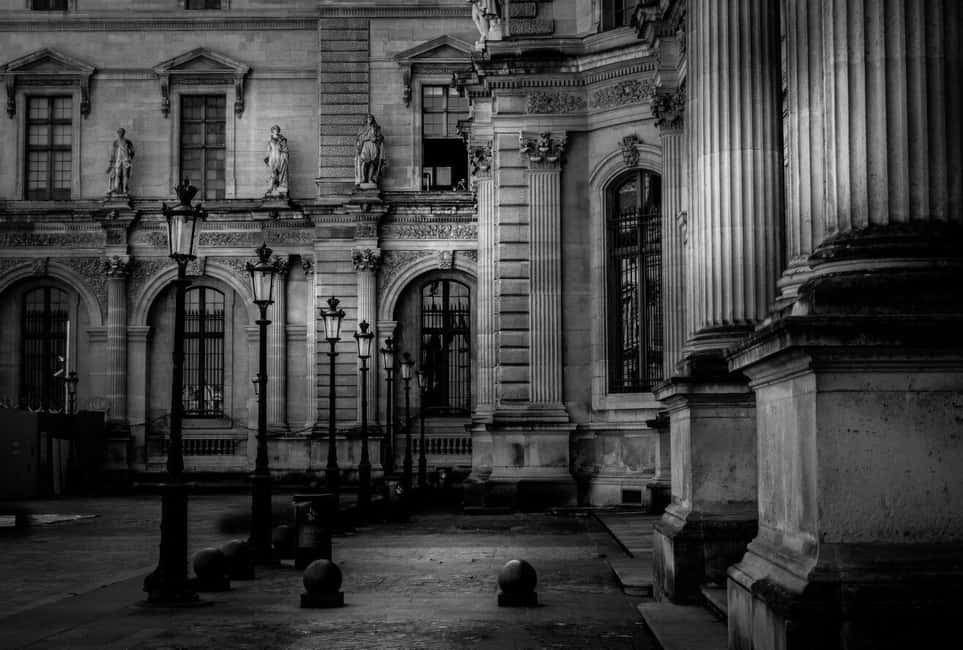
- Pont Neuf start with Henry IV energy: the equestrian statue sets a historical tone before the stories get darker
- The belly of Paris: narrow talk of shady dealings, lingering superstitions, and esoteric experiments
- Île de la Cité and 36 quai des Orfèvres: crime’s long-time stronghold anchors the narrative
- Famous names across centuries: cases stretching from Philip the Fair to Lacenaire, Cartouche, Mesrine, and others
- Hidden symbols and alchemy themes: the guide points out meaning you’d miss wandering on your own
- Finish at the Médicis Column: a final stop tied to astrological prophecy
Where it begins: Pont Neuf and Henry IV as your starting clue
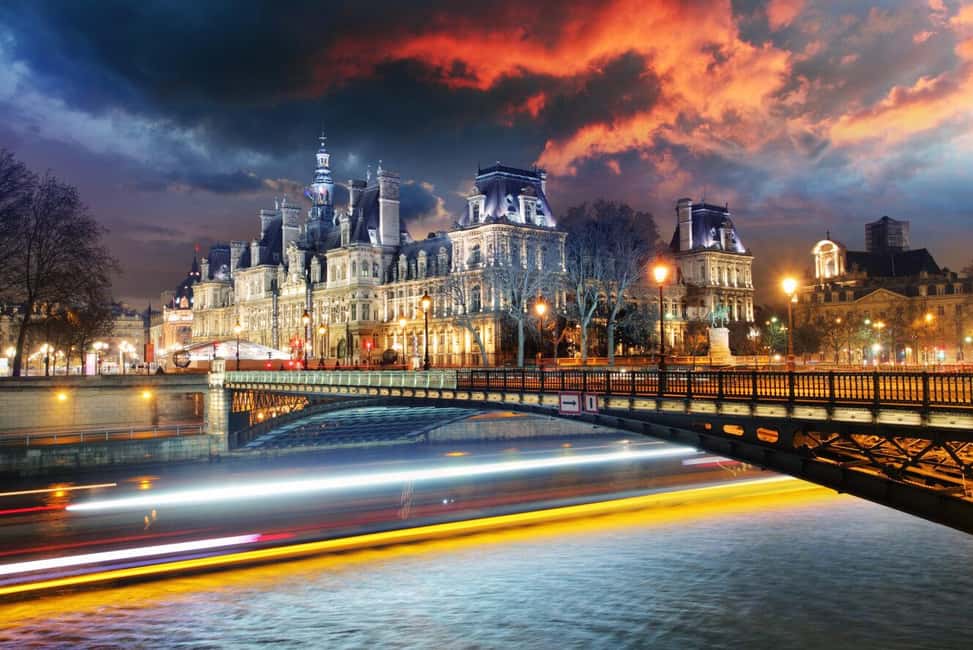
Your tour starts on the Pont Neuf, in front of the equestrian statue of Henri IV (Henry IV), at 15 Place du Pont Neuf, 75001 Paris. This is a smart choice. Pont Neuf sits at a crossroads of movement, which helps the guide set the mood fast: Paris isn’t presented as a museum. It’s presented as a living place where rumor, power, and fear have always mixed.
You’ll stand where people have gathered for centuries, then walk into a different Paris—less about grandeur and more about what people did after the lights went out. If you’re the type who likes your city tours to have direction, this start gives you an immediate anchor. You know where you are, you know why you’re there, and the story doesn’t feel like it’s floating.
Practical note: comfortable shoes are a must. Even without long-distance walking, this kind of storytelling works best when you can keep your pace steady.
You can also read our reviews of more tours and experiences in Paris.


The belly of Paris: shady dealings and esoteric experiments
After meeting at Pont Neuf, the route heads into what you could think of as the older underside of the city—described as the belly of Paris. The key thing here is tone. This segment isn’t just “Paris is mysterious.” It’s more specific: you’ll hear about hotspots of shady dealings, lingering superstitions, and esoteric experiments.
That blend is what makes this experience worth your time. Paris attracts visitors for architecture and romance, but the city also has a parallel reputation: secret societies, coded symbols, and beliefs that shaped everyday behavior. When a guide ties that atmosphere to physical streets, the city becomes more readable.
What you’ll likely notice as you walk: the tour encourages you to look for meaning in small details. A corner, a doorway, a street bend—these become narrative triggers. If you’ve ever felt that Paris landmarks are too “grand” to feel personal, this part changes that. You’re dealing with human stories: attempts, schemes, fear, and obsession.
Drawback for some people: the focus can feel heavy on the darker side of legend. It’s ideal if you like crime stories and symbolic lore, but it may not be what you want after a long day of museums.
Île de la Cité: where crime stories have a home address
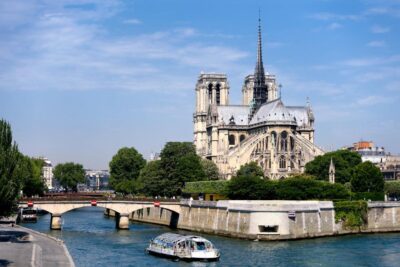
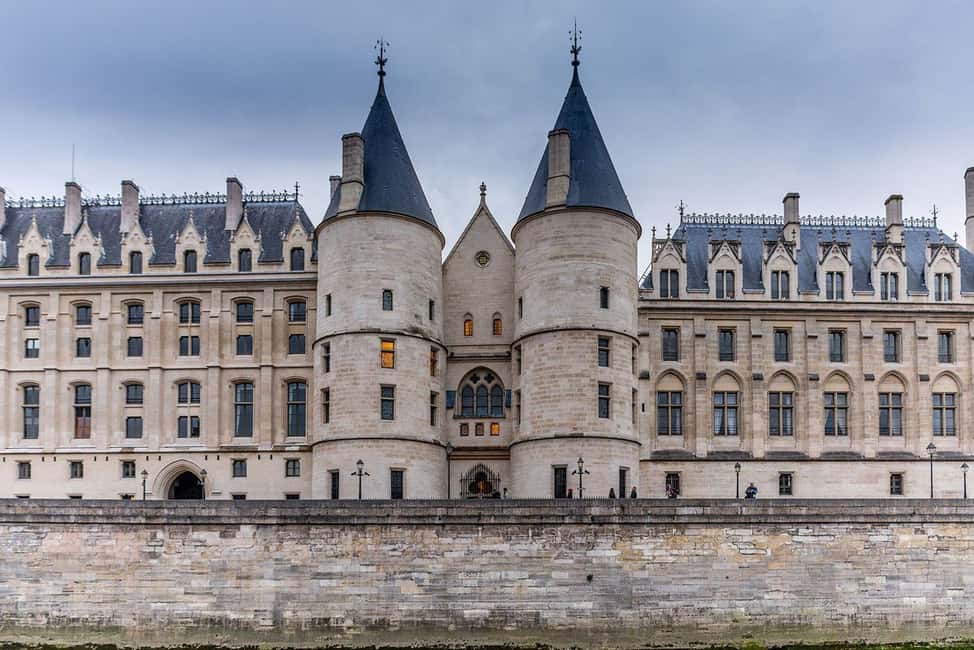
Next, you move into the narrow streets of the Île de la Cité, one of the oldest parts of Paris. This is where the tour becomes more grounded. The Île de la Cité isn’t just “old”—it’s the setting for institutional power, legal history, and the kind of urban density that makes rumors travel.
A major reference point is the 36 quai des Orfèvres, described here as a longtime stronghold tied to the city’s criminal legend. Even if you’ve heard the name before, the tour framing helps you understand why it fits: the area functions like a stage where investigations, reputations, and turning points concentrate.
This section works well because it gives you a sense of place for the stories. Instead of random facts, you get a geography lesson. The guide can point to why this island feels like the logical birthplace of “crime in Paris” storytelling. If you like crime history that’s connected to real neighborhoods, you’ll probably enjoy this part more than the purely mythical bits.
From Philip the Fair to modern fugitives: famous names, clear storytelling
One of the tour’s strongest features is the way it connects eras. You’ll hear criminal cases ranging from the reign of Philip the Fair to infamous fugitives of the 21st century. That doesn’t mean the tour turns into a textbook. The point is contrast: the guide uses time jumps to show how certain themes repeat—power struggles, public panic, moral questions, and the search for scapegoats.
You’ll hear about figures such as:
- Lacenaire
- Cartouche
- Mesrine
- and other lesser-known yet influential criminals
I like this approach because it keeps you from getting stuck in one period. Paris mythology is full of famous names, but linking them to street locations helps you feel the continuity. Crimes change, policing changes, society changes—but human behavior keeps some patterns.
If you’re a true-crime fan, you’ll likely appreciate the tour’s balance between notoriety and less-famous influence. And if you’re more curious than obsessed, the names still work because the guide seems to prioritize story clarity over academic detail.
The main thing to watch for: you’ll be walking while learning. So if you’re the kind of person who takes notes on your phone, pause briefly when the guide stops. Otherwise, you’ll miss the explanations that make the stops meaningful.
Cursed sites and hidden symbols: why the tour asks you to look differently
As the narrative moves forward, you’ll encounter places described as cursed sites and you’ll hear about hidden symbols, alchemy, and superstition. This is where the tour takes the “crime meets occult” promise seriously.
Here’s what makes it useful rather than just spooky: symbolism turns into a way to read the city. You’re not learning occult lore for its own sake. You’re learning how ideas—fear-based beliefs, secret-coded meanings, quasi-scientific practices—can leave traces in the way people interpret places.
This matters because Paris is full of stories that got written down after the fact. A guide who points out symbolism helps you understand why certain legends persist. They weren’t just invented for entertainment. They helped people explain uncertainty, danger, and the unknown.
Is it for everyone? Not exactly. If you strongly prefer factual crime history without supernatural framing, this may feel too interpretive. But if you enjoy the cultural side—how folklore, paranoia, and real criminal cases feed each other—you’re in the right place.


The Médicis Column finish: prophecy at the edge of the route
The tour ends before the Médicis Column, described as a mysterious astrological relic steeped in prophecy. This final stop is clever because it changes the emotional temperature. You start in the practical flow of Pont Neuf and you end at a site that signals the bigger theme: how Paris ties observation, symbolism, and future-thinking together.
Even if you only catch part of the explanation, you’ll feel the contrast. After street corners loaded with crime stories and occult talk, this ending makes you look up, pause, and think about why people would give meaning to monuments at all.
For many people, the last stop is the memory anchor. It’s also a good moment to ask yourself a question: did the tour make the city feel darker, or did it make the city feel more human? Either way, that’s a win.
Price and value: $17 for 90 minutes with a guided story route
At $17 per person for 90 minutes, this tour sits in the “small price, high entertainment” category, especially for central Paris. The ticket includes a guided tour plus an entry ticket for the activity. That combination matters because it’s not just a walking pep talk; there’s an actual guided experience built into the price.
You should also think about what you’re buying: not museum time, not a long excursion, and not a curated “top sights” list. You’re buying a guided narrative that turns the city into a chain of crime-and-occult clues. If that’s your style, the value feels fair. If it’s not, you might be happier spending the same money on a more conventional themed walk.
Language note: the live guide is French. If your French is basic, the story pacing still might work, but you’ll likely get more out of it with at least conversational comprehension. If French isn’t your strength, consider what happens when the best parts of a story are delivered at full speed.
Logistics that affect your day (without getting in the way)
This is a 90-minute walking tour, and it’s set in central Paris. That means it’s easy to tack onto your day, but it also means you’ll want to plan around crowds and street navigation.
Two practical points:
- Latecomers cannot be compensated with a refund or rescheduled tour. So arrive early enough to check your bearings.
- For security or technical reasons, the itinerary can be modified on the day. If that happens, refunds are not available.
That’s normal for city tours, but it’s worth knowing so the day stays smooth.
Also: latecomers can’t be made whole, so treat the meeting point like an appointment, not like a suggestion.
Who should book this tour, and who should skip it
This tour is best for you if you like:
- True crime stories with real names across eras
- Paris legends tied to actual places, not just “vibes”
- Occult symbolism as cultural context, not just jump-scares
- Short tours with a strong narrative arc
It may not fit if you:
- Want only famous monuments and photo stops
- Prefer strictly factual history without any occult framing
- Need quiet, bright, low-intensity sightseeing
The target age listed is 8 and up. That suggests a storytelling approach that’s not meant to be graphic. Still, if you’re bringing kids, read the room: the theme is dark, and it’s better for families who like spooky-but-curious stories.
Should you book Paris, between Crimes and Mysteries?
I’d book it if you want a Paris tour that feels like you’re walking through a story book written in street signs and stone. The price is low for what you get: 90 minutes of guided narrative with a focus on the Île de la Cité, famous criminals across centuries, and a memorable ending at the Médicis Column.
Skip it if your perfect Paris day is only the bright, iconic, postcard-style route. This isn’t that. It’s a darker lens, and it works best when you’re in the mood for crime, symbolism, and the city’s shadow-world reputation.
FAQ
Where does the tour meet?
It meets on the Pont Neuf in front of the equestrian statue of Henri IV, 15 Place du Pont Neuf, 75001 Paris.
How long is the tour, and what does it cost?
The tour lasts 90 minutes and costs $17 per person.
What is included in the price?
The price includes the guided tour and an entry ticket for the tour.
What is not included?
Personal expenses and transfers are not included.
Is the tour guided in French?
Yes, it has a live tour guide in French.
Is it suitable for children?
It is recommended for ages 8 and up.
What is the cancellation policy?
You can cancel up to 24 hours in advance for a full refund.
If you tell me what month you’re going and your French level, I can help you decide whether this timing and language match your style.