REVIEW · PARIS
Paris: Private Vintage Sidecar Tour with Hotel Pickup
Book on GetYourGuide →Operated by Wild Side Tour · Bookable on GetYourGuide
Paris looks better from a sidecar. This private, vintage ride turns a 90-minute sightseeing sprint into a street-level experience with photo stops and story-filled commentary.
What I love is the open-air, vintage feel and the way it comes with hotel pickup and drop-off. You get a driver who helps you see major monuments without the usual walking and transit stress, and you’re not squeezed into a big group.
One consideration: the schedule is tight, and the photo-stop time may feel short if you want lots of stops where you can really pose, shoot, and linger.
In This Review
- Quick takeaways
- Why a vintage sidecar is a smart way to see Paris fast
- The 90-minute pace: what you’ll get (and what you won’t)
- Landmark by landmark: your photo stops for Paris’s greatest hits
- Notre-Dame area: start with a timeless focal point
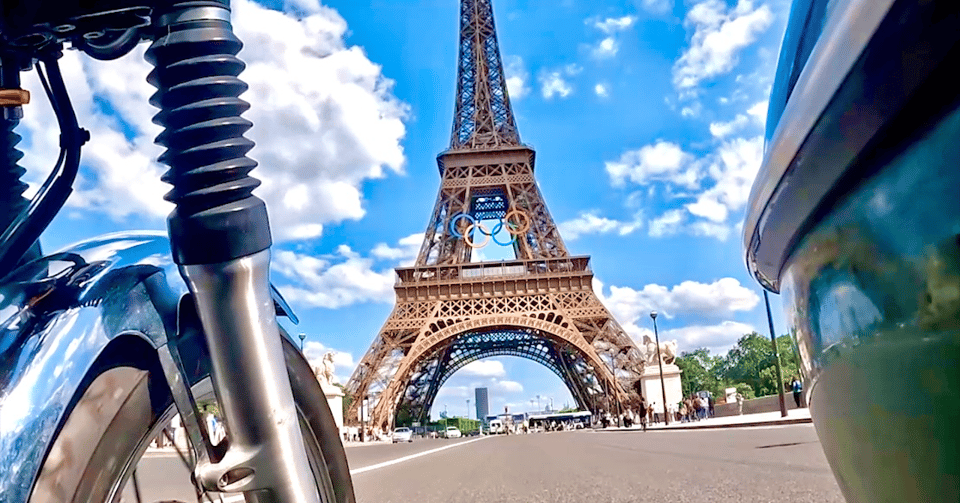
- Eiffel Tower: iconic angles, fewer logistics headaches
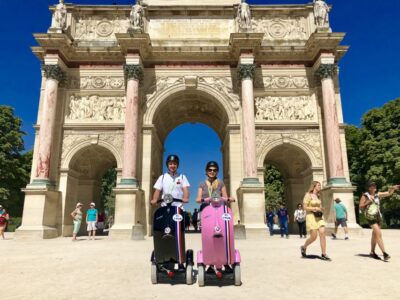
- Arc de Triomphe: built for perspective
- Champs-Elysées: the boulevard, plus the storytelling
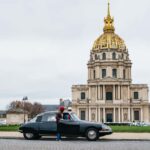
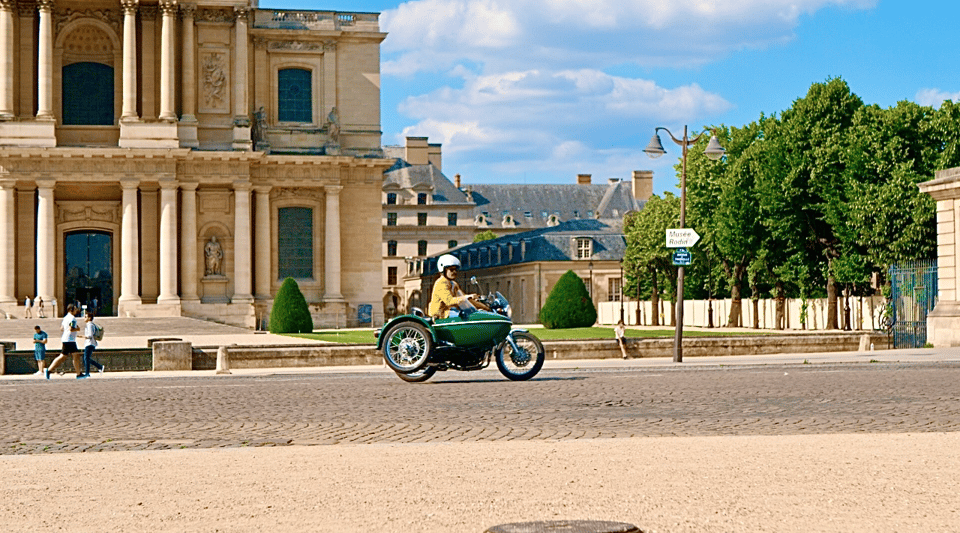
- Invalides: a slightly calmer landmark moment
- Louvre zone: see the museum area without the crowd pressure
- How pickup, seating, helmets, and Wi-Fi change the experience
- Hotel pickup and drop-off at your accommodation
- Sidecar seating: one up close, one behind the driver
- Safety gear and a blanket for cooler days
- Closed-toe shoes and smart clothing choices
- The guide matters: what Raphaël-style guiding brings to the ride
- Photo-stop expectations: how to get the most out of the time you have
- Price and value: is $305 for up to two worth it?
- Who this sidecar tour fits best (and who should reconsider)
- Should you book this Paris vintage sidecar tour?
- FAQ
- What monuments are included in the tour?
- How long is the sidecar tour?
- Does the tour include hotel pickup and drop-off?
- What language is the guide?
- How many people ride in each sidecar, and where do they sit?
- Is there a minimum age for passengers?
Quick takeaways
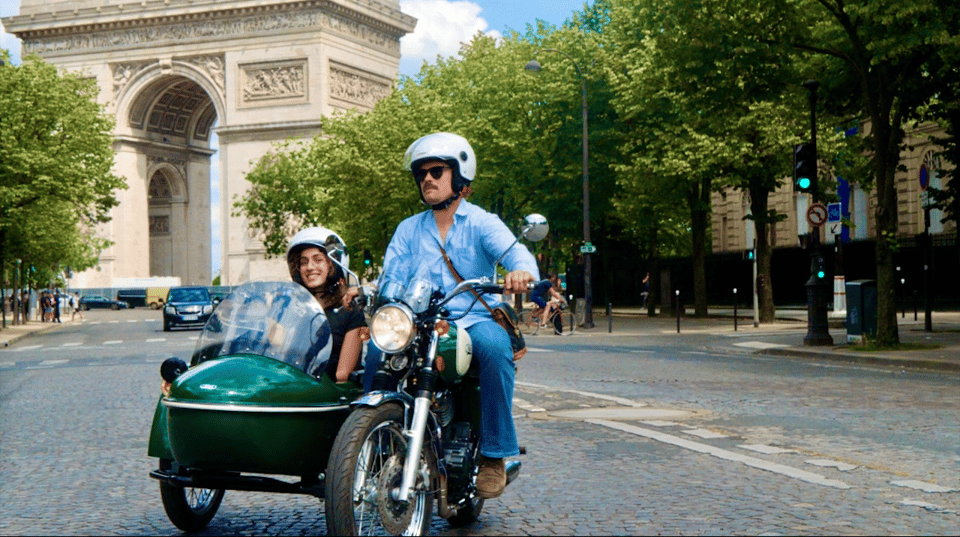
- Vintage sidecar + helmets: An old-school, open-air ride with protective gear and an insurance-covered experience.
- Door-to-door hotel pickup: You start and end at your accommodation, not at some distant meeting point.
- Photo stops at big names: Notre-Dame, Eiffel Tower area, Arc de Triomphe, Champs-Elysées, Invalides, and the Louvre zone.
- Private group setup: You ride with just your party, with one passenger in the sidecar and the other behind the driver.
- Wi-Fi onboard: Yes, there’s free Wi-Fi in the sidecar if you need maps, messaging, or quick uploads.
- Guide-driven pacing: A personable driver like Raphaël (often mentioned in feedback) can steer the route toward your interests.
Why a vintage sidecar is a smart way to see Paris fast
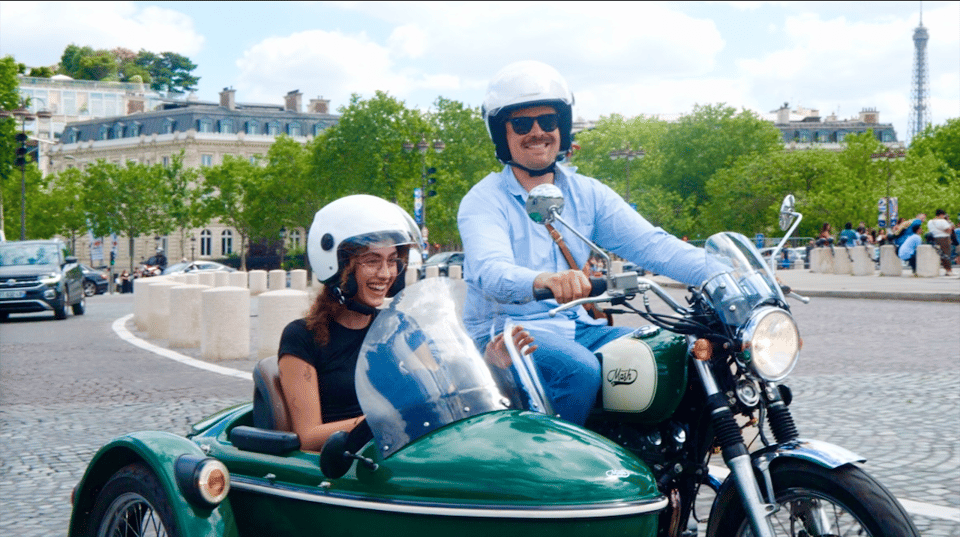
Paris is easy to overplan. Lines, transfers, and that constant feeling of rushing from one ticket line to the next can drain the joy.
This sidecar tour is different because it’s about movement and moments. Instead of spending your whole trip “getting there,” you’re sliding through neighborhoods, hearing the city, and stopping for photos at the monuments you’d normally queue for.
And it’s private, so the driver can tailor the route to what you actually care about. Want the classic Paris postcard shots? Want a mix of monuments and street scenes? Tell them up front and you’ll get a route built around your interests.
You can also read our reviews of more private tours in Paris



The 90-minute pace: what you’ll get (and what you won’t)
The whole experience runs about 90 minutes, and that time has to cover pickup, driving, and multiple landmark stops. So think of this as a “great highlights hit” rather than a slow museum-style visit.
You’ll see the big icons listed in the tour description: Notre-Dame, the Eiffel Tower area, the Arc of Triomphe, the Champs-Elysées, Invalides, and the Louvre. But the key word is stop, not stay. The tour is designed for quick views and photo opportunities, with the guide filling in context as you go.
That’s great value if it’s your first time in Paris or you want an efficient way to orient yourself. It’s less ideal if you know you want 45 minutes in one location. The sidecar ride is meant to leave you excited, not exhausted or trapped on a single corner.
Landmark by landmark: your photo stops for Paris’s greatest hits
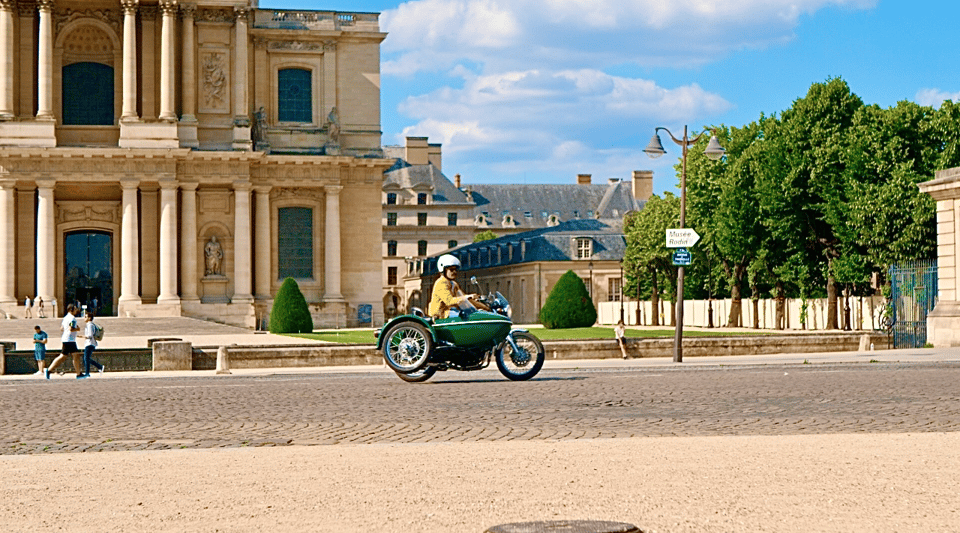
Because the route is personalized, the exact order may shift. But you can count on time at the monuments below, with photo opportunities built into the driving plan.
Notre-Dame area: start with a timeless focal point
Notre-Dame is the kind of landmark that changes the mood as soon as you get near it. From the sidecar, you’re high enough to take in surrounding streets, but close enough to make the scale feel real.
What to watch for: the way the buildings and river-adjacent views frame the cathedral. If you care about photos, this is where you’ll likely want your quick “wide shot” first, then decide if you want a second angle depending on what the driver recommends.
Eiffel Tower: iconic angles, fewer logistics headaches
The Eiffel Tower needs no introduction, but it does benefit from a good vantage point. You’ll likely see it from passing views and a stop geared for photos rather than a long pause.
A practical tip: if you’re trying to capture both tower and surrounding skyline, ask your driver to position the sidecar for the widest view available at that moment. The open-air setup makes it easier to move for shots, compared with being stuck behind others.





Arc de Triomphe: built for perspective
The Arc de Triomphe looks best when you understand what it’s doing in the city grid. A sidecar tour helps because you’re moving through the same visual logic that makes this monument feel “central.”
Photo strategy: think about taking at least one shot that shows the monument itself and one that suggests where you are relative to the avenue leading out. Even if you only get a short stop, two different framing styles can give you a full set of memories.
Champs-Elysées: the boulevard, plus the storytelling
The Champs-Elysées is more than a street name. It’s a Paris symbol: grand, straight, and designed for long views.
With a guided ride, you get a sense of where you are in the city’s layout instead of just walking down a famous stretch and hoping you picked the best side for photos. If you like history and city planning, this is the part where the commentary can make the street feel meaningful.
Invalides: a slightly calmer landmark moment
Invalides shifts the vibe. It’s still a major monument, but it doesn’t feel like the same kind of rush you get near the most obvious postcard spots.
This is where a quick pause works well. You get a different architectural flavor and a break in intensity before the tour continues toward the Louvre area.
Louvre zone: see the museum area without the crowd pressure
The Louvre is huge, and it can swallow your day if you’re not careful. On a sidecar tour, you get the recognition factor and the city placement without committing to a full museum plan.
What this is good for: building a mental map. After the ride, you’ll be better able to decide what to do next—whether you want to come back and walk around, or simply enjoy the outside views and move on.
How pickup, seating, helmets, and Wi-Fi change the experience
This tour isn’t just about the ride. It’s also about removing friction.
Hotel pickup and drop-off at your accommodation
You’re picked up from your place and you return there at the end. That sounds simple, but it matters in Paris, where getting across town can eat time fast.
This is also helpful for couples and small parties. You can start fresh without meeting stress, and you don’t have to coordinate with the rest of the city.
Sidecar seating: one up close, one behind the driver
Each sidecar fits two passengers. One rides in the sidecar, and the other rides behind the driver. That setup affects comfort and photo angles, so it helps to think about who prefers which position.
If you want the most direct view out to the side, the sidecar position is usually the better match. If you’re okay with a more centered view and prefer holding steady for shots, the behind-the-driver spot can be just fine.
Safety gear and a blanket for cooler days
You get a helmet and protective gear, plus a blanket for comfort on cooler days. Paris weather can change quickly, so the blanket is a small detail that makes a noticeable difference in how long you feel comfortable out in the open air.
Closed-toe shoes and smart clothing choices
Comfort matters here. You’ll want closed-toe shoes and layered clothing so you can handle shifting temperatures during the ride. Large bags and luggage aren’t permitted on the sidecar, so plan to travel light and store anything bulky before you go.
The guide matters: what Raphaël-style guiding brings to the ride
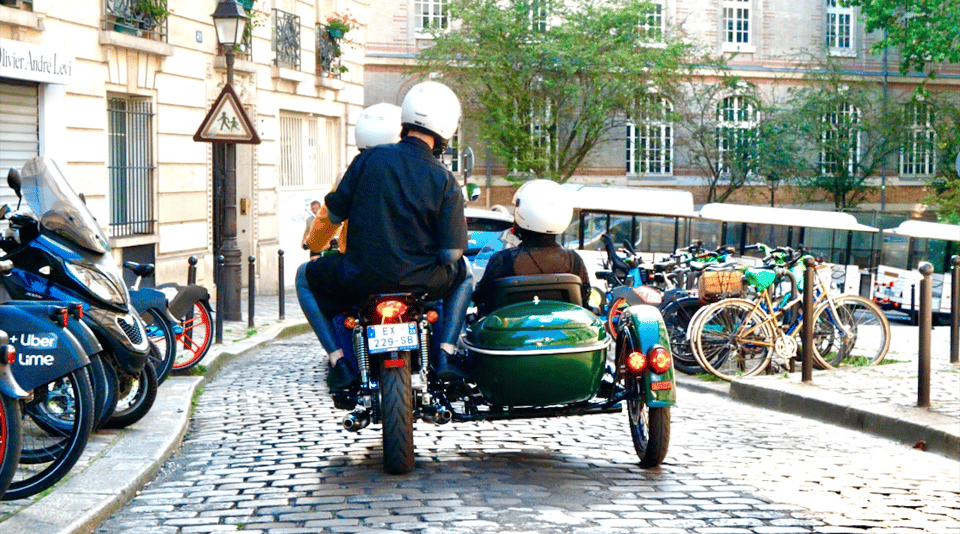
The difference between a good tour and a great one is often the person driving. In this case, guides like Raphaël come up a lot for a reason.
From the feedback you can learn to expect: punctual pickup, safe driving, and a guide who’s not just reciting facts. He’s described as personable, friendly, and tuned into making the experience fun, not rigid.
The biggest “wow” detail: the guide has a strong eye for photos. People specifically mention that he helps with great shots and knows where to stop for viewing angles. That doesn’t mean you’ll get a professional photoshoot in every spot. But it does mean you’re more likely to leave with images that actually look like Paris, not just random snapshots.
Also, language support is there. The tour guide is available in French and English, so you can get the stories and context without awkward gaps.
Photo-stop expectations: how to get the most out of the time you have
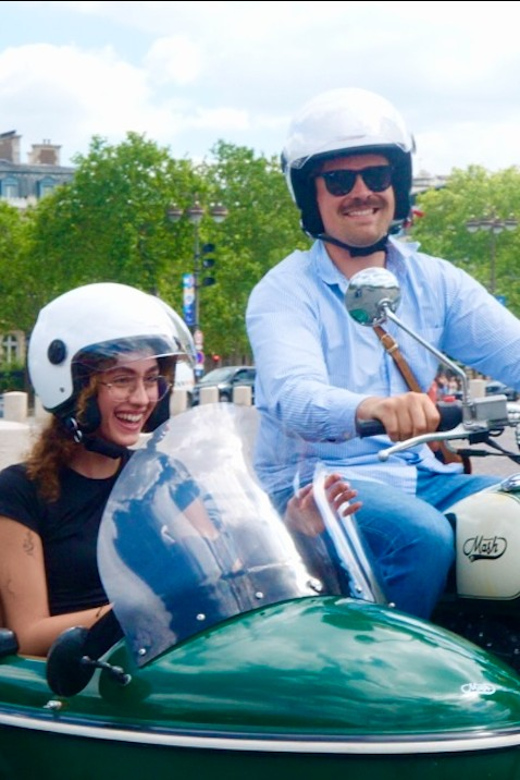
You’ll have photo opportunities at key landmarks, and the tour is designed to include them. Still, there’s a real tradeoff built into the 90-minute format: quick stops win over long photo sessions.
If you’re the type who needs time to change angles, check settings, and do multiple takes, plan to communicate what matters most. Tell the guide which monuments you want prioritized, and which kinds of photos you want:
- Wide shots that show the monument in context
- Close or centered shots for that postcard look
- A mix of both, depending on the time available
One more practical note: the open-air ride is great for fast memories. But if your goal is a massive set of carefully posed photos at every stop, you may feel the schedule runs too quickly.
Price and value: is $305 for up to two worth it?
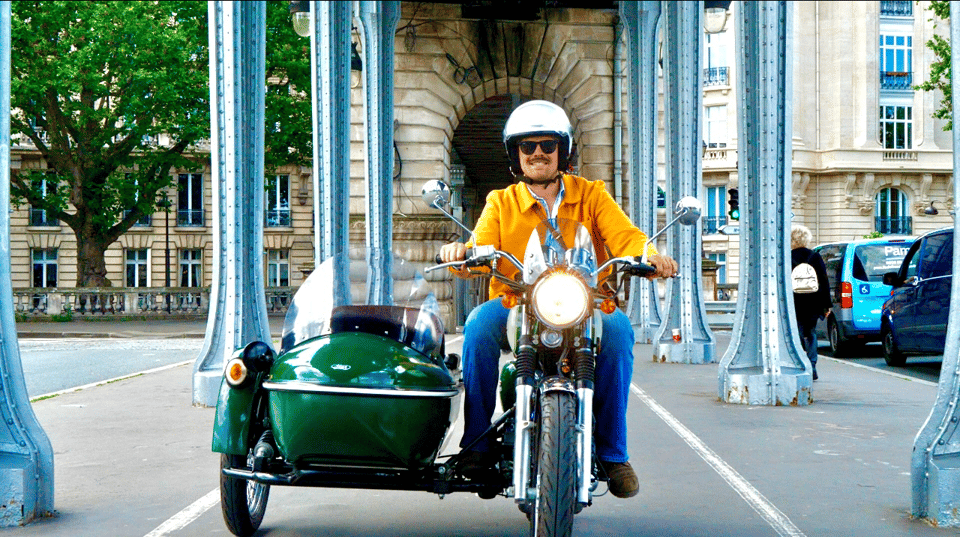
The price is $305 per group, up to 2 people, for a 90-minute private sidecar tour. That pricing structure is important: you’re paying for a private vehicle and driver, plus hotel pickup, helmets/protective gear, insurance coverage, and onboard Wi-Fi.
Here’s how I think about value in plain terms:
- You’re buying convenience (hotel pickup/drop-off).
- You’re buying time saved (major monuments in one efficient loop).
- You’re buying the format (vintage sidecar + photo stops) rather than just “another bus tour.”
If you’re traveling as a couple, the per-person cost often feels easier to justify because you’re not splitting the expense across a larger group. If you’re alone and hoping for the lowest possible price, it may be a different equation since the tour is priced per group.
My rule: if you want a memorable first impression of Paris and you like getting great photos without wrestling transport schedules, this is a strong value. If you mainly want deep time at fewer monuments, you might prefer a different kind of tour with longer stops.
Who this sidecar tour fits best (and who should reconsider)
This tour really shines for:
- First-time visitors who want a fast orientation around major monuments
- Couples who want a fun, private experience with a lot of photo opportunities
- People who don’t want to manage lines or public transit just to see the highlights
- Travelers who enjoy a guide with stories and helpful driving that makes photo taking easier
You might reconsider if:
- You want extended time at each site instead of quick stops
- You’re bringing large luggage (not allowed) or you need heavy gear with you
- Your priority is museum time rather than street-level monument viewing
Should you book this Paris vintage sidecar tour?
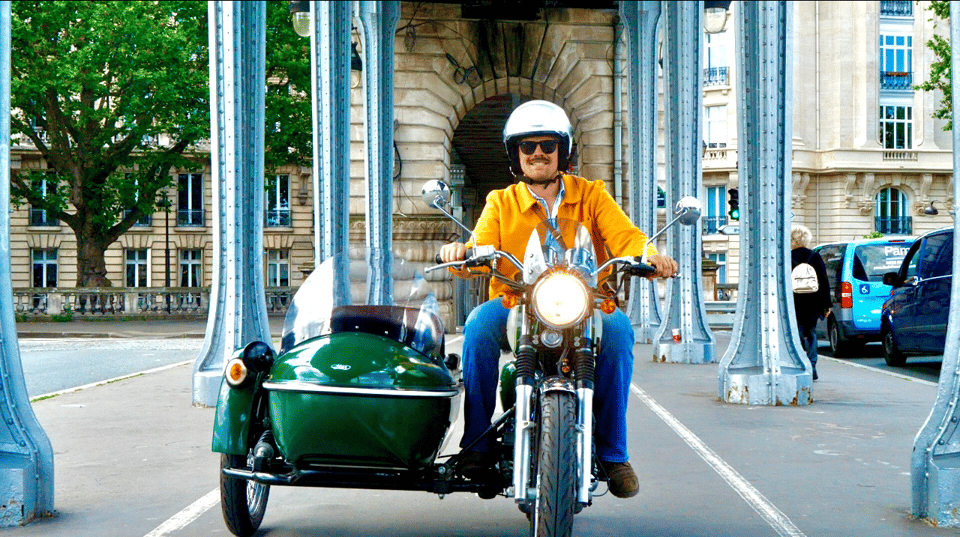
If you want a high-impact, low-stress way to see Paris icons in a single afternoon or morning window, this is a solid pick. The hotel pickup reduces hassle, the vintage sidecar adds a fun edge, and the guide-led photo stops help you turn a short visit into lasting memories.
Book it if you’re traveling light, you want the classics (Notre-Dame, Eiffel Tower, Arc de Triomphe, Champs-Elysées, Invalides, Louvre area), and you like the idea of private, open-air sightseeing with safety gear and a personalized route.
FAQ
What monuments are included in the tour?
The tour includes stops for photo opportunities around major sights such as Notre-Dame, the Eiffel Tower, the Arc of Triomphe, the Champs-Elysées, Invalides, and the Louvre.
How long is the sidecar tour?
The duration is 90 minutes.
Does the tour include hotel pickup and drop-off?
Yes. Pickup and drop-off at your accommodation are included.
What language is the guide?
The live tour guide provides commentary in French and English.
How many people ride in each sidecar, and where do they sit?
Each sidecar carries 2 passengers: 1 person rides in the sidecar and the other rides behind the driver.
Is there a minimum age for passengers?
Passengers must be at least 6 years old, and children under 12 must be accompanied by an adult.