REVIEW · PARIS
Discover Paris by bike
Book on GetYourGuide →Operated by Rentabike Paris · Bookable on GetYourGuide
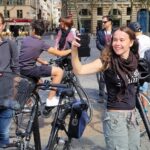
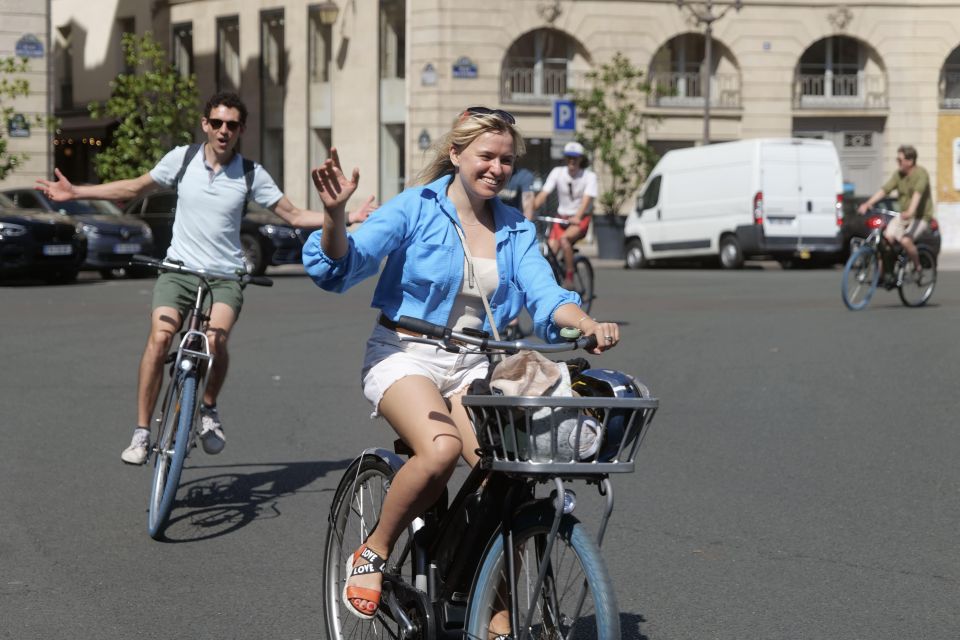
Cycling in Paris feels like cheating the city. You’ll glide from Montorgueil toward landmarks like Palais-Royal and the Louvre, with photo stops plus short guided moments that make the monuments make sense fast. I also like that the tour is paced for real people, not hardcore cyclists, and that guides such as Léo and Louise are praised for adjusting the route to the group. One drawback to note: this is a shared “private group” experience, and one past booking complained about a missed meeting point—so it’s smart to confirm your start details the day before.
You’ll cover about 10 kilometers at an easy pace, with breaks and options to make it more family-friendly. The trade-off is simple: you won’t see everything up close on foot, because several stops are designed as quick looks from the saddle or short photo moments, not long museum-style visits.
In This Review
- Key highlights you should care about
- Why biking this route makes Paris easier
- Starting at 20 Rue Greneta and getting your bearings fast
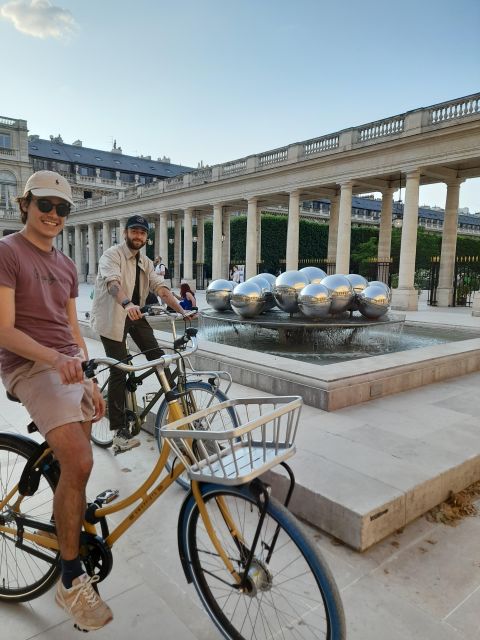
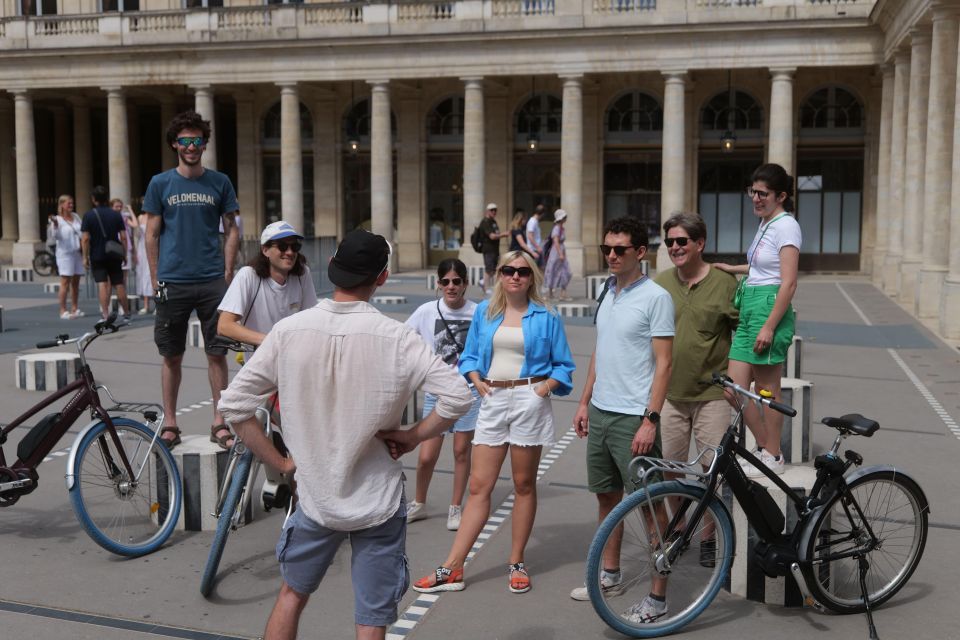
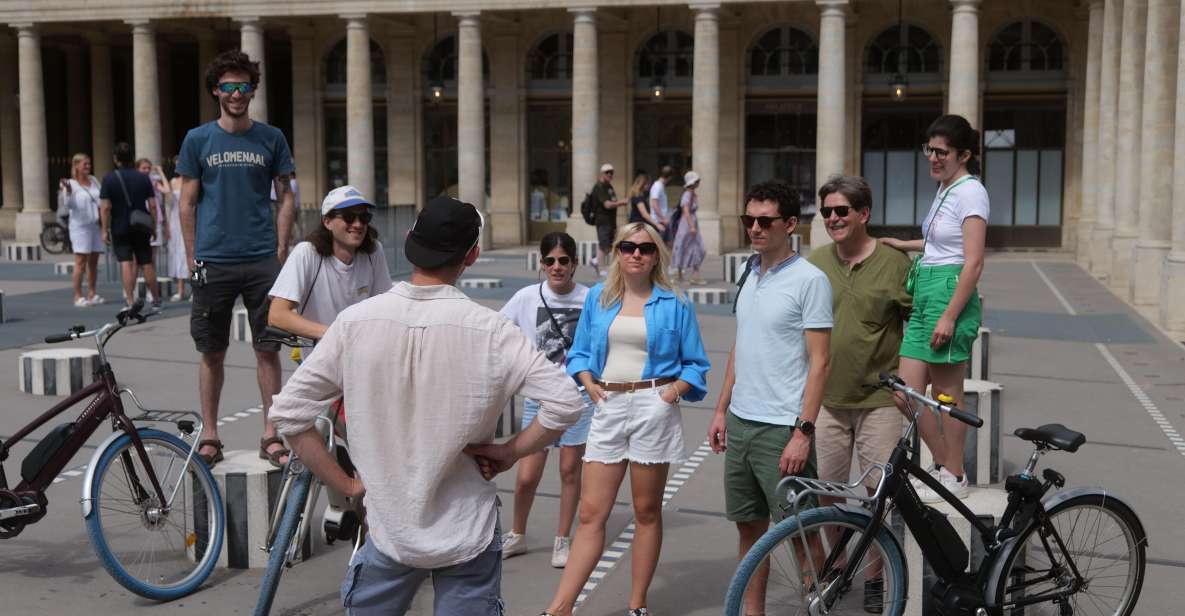
- Palais-Royal: the quick photo stop that sets the tone
- The Louvre area without the bottleneck feeling
- Place de la Concorde: grand scale, guided context
- Arènes de Lutèce: where the tour slows down and feels real
- Île Saint-Louis: bikes, then a mid-ride break
- Le Marais: neighborhood energy with landmark context
- Centre Pompidou: modern landmark, short guided framing
- Place du Châtelet: sightlines and a smooth finish
- Bikes, pace, and private-group size: what “easy” really means
- Families and gear: baby seats, baskets, and kid adaptations
- Price and value: what $82 buys you in a 3-hour city sprint
- One caution: check the start so your day doesn’t wobble
- Should you book this Paris by bike tour?
- FAQ
- How long is the bike tour?
- Where is the meeting point?
- About how far do you ride?
- Is the tour private?
- What languages are the guides available in?
- What’s included in the price?
- Are food and drinks included?
- Is it suitable for kids or families?
Key highlights you should care about
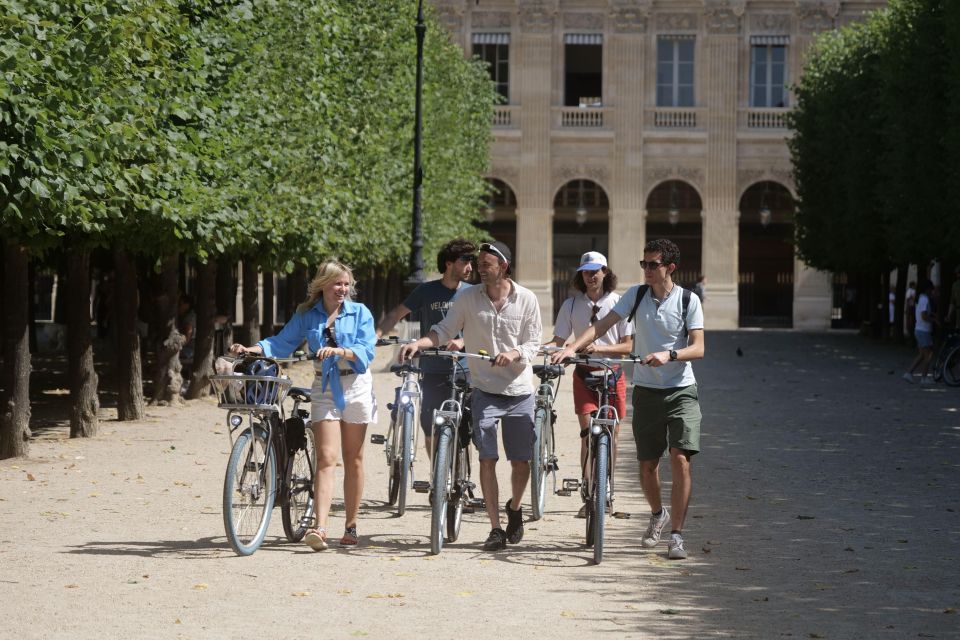
- Montorgueil starting point: easy to find and perfect for a low-stress first hour
- A relaxed, all-levels rhythm: about 10 km, leisurely pace, itinerary adapted for everyone
- Monuments plus neighborhood texture: you’ll mix classic sights with typical Parisian streets
- Arènes de Lutèce on foot: a real stretch where you swap biking for a walk and visit
- Mid-ride break on Île Saint-Louis: beer, coffee, and local snacks are part of the day’s flow
- Comfort extras: quality bikes, helmets included, and add-ons like baby seats and baskets if needed
Why biking this route makes Paris easier
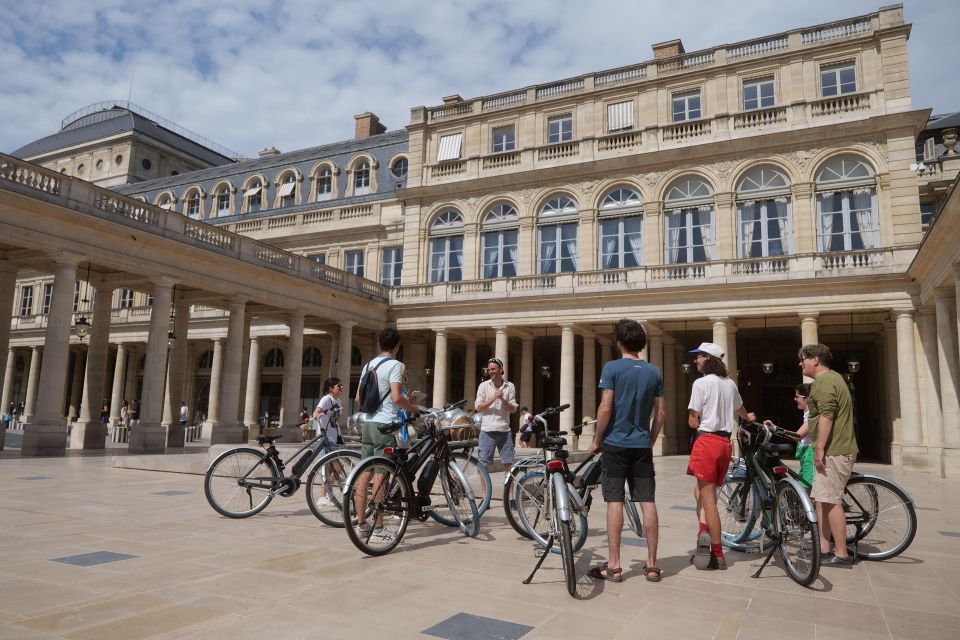
Paris can drain you fast. Lots of walking, lots of waiting, lots of zigzags. A bike tour fixes that by letting you cover serious distance without feeling like you’re sprinting between postcards.
What I like here is the balance. You’re not just rushing past famous monuments. You also get those everyday lanes where Paris looks like Paris—narrow streets, small turns, and the kind of scenery you’d otherwise miss if you stayed locked on the big boulevards. The guide’s job is to stitch the big sights to the street-level details, so the day feels like one story instead of disconnected stops.
At about 3 hours and roughly 10 kilometers, this works even if you think you’re not a bike person. The tour is advertised as suitable for everyone regardless fitness level, and the pace is leisurely. That matters in practice: you’ll actually have enough brain space to listen, look, and take photos without arriving wiped out.
You can also read our reviews of more cycling tours in Paris
Starting at 20 Rue Greneta and getting your bearings fast
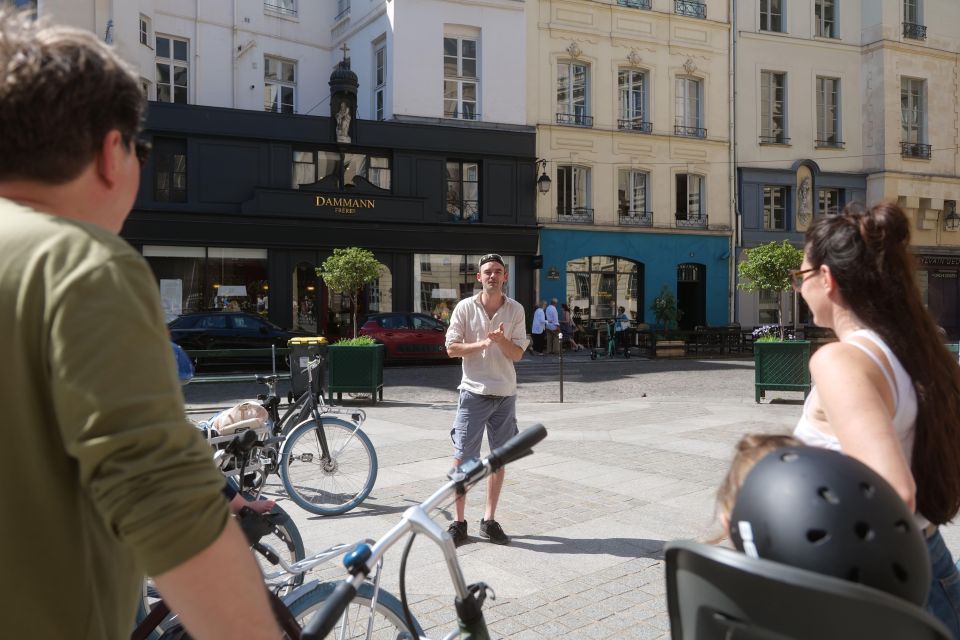
Your ride begins at 20 rue Greneta, 75002 Paris, in the pedestrian area around Montorgueil. That location is a big deal. Starting in a human-scale neighborhood means you can find the meeting point without a frantic metro sprint, and you get comfortable on the bike before you hit heavier traffic zones.
From the jump, the tour is set up with an “in-between” mindset: quick introductions, then a route that alternates between guided moments and rolling segments. There’s also a built-in “get to know each other” break. In real terms, that helps the guide tailor the pace, ask what you’re most interested in, and adjust if the group includes kids.
Practical tip: wear weather-appropriate clothing. Paris conditions can shift quickly, and bikes don’t stop for you just because the sky changes its mind.
Palais-Royal: the quick photo stop that sets the tone
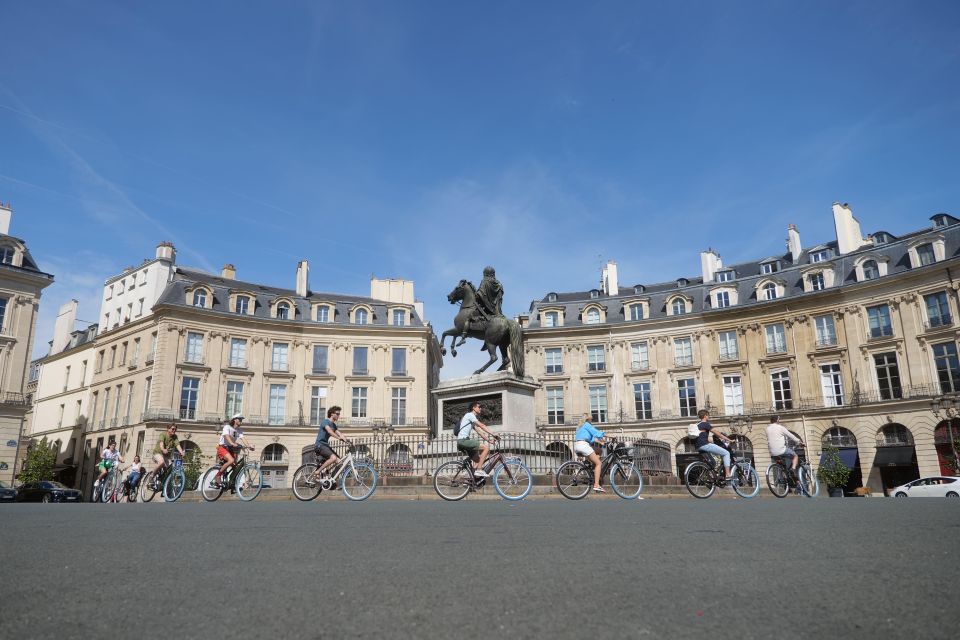
The first major highlight is Palais-Royal. You’ll get a photo stop plus a short guided segment while you’re on the bike. This is a smart way to start because Palais-Royal sits right in the middle of old Paris grandeur, but it’s also a place that teaches you how to “read” the city—symmetry, arcades, and spaces that feel planned rather than accidental.
The tour doesn’t pretend you’ll understand everything in one stop. Instead, it gives you a clean orientation hook. Once you see how the guide frames it, the next monuments feel less random.
The only downside: because it’s a photo stop and guided window rather than a long exploration, you may want a second visit later if you’re the kind of traveler who loves lingering.
The Louvre area without the bottleneck feeling
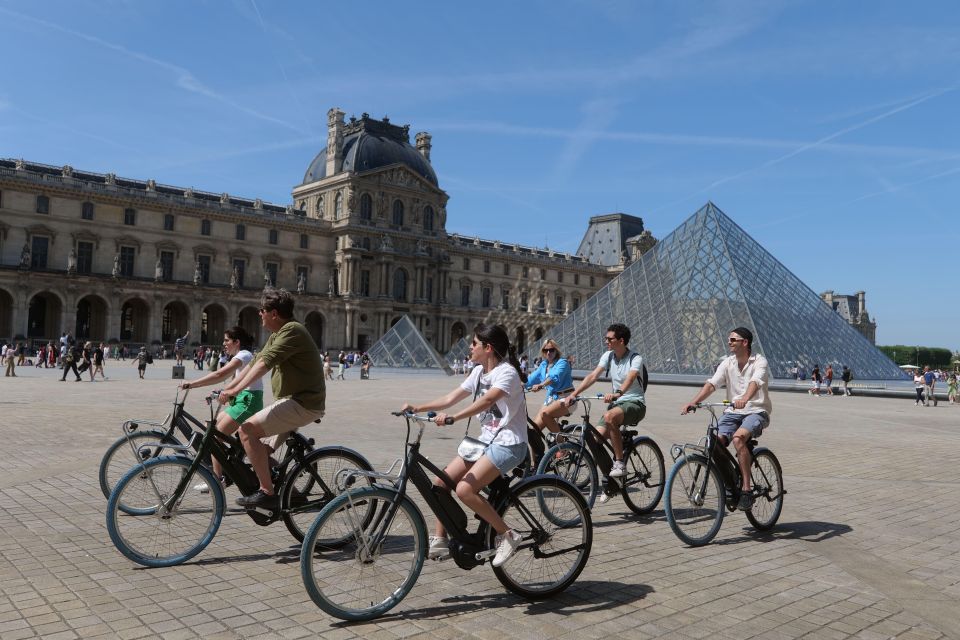
Next comes the Louvre Museum. You’ll have a photo stop, some sightseeing, and then a pass-by segment lasting about 15 minutes. This is exactly how I’d do it for most people. You get the recognition moment—seeing it from the outside, understanding what you’re looking at—and then you move on before the day gets bogged down.
If you’re a museum-first person, this won’t scratch that itch. The tour is designed for city views and guided context, not a deep museum day. Still, it’s valuable because it teaches you where the Louvre sits in the wider Paris geography, so you don’t feel lost if you later go inside.
Place de la Concorde: grand scale, guided context
At Place de la Concorde, you get another focused guided segment, plus bike time for about 20 minutes. This square is all about scale. Even if you’ve seen photos, being near it changes your sense of distance and proportion.
The guide’s commentary is what turns it from a photo background into a real stop. You’re not just looking at big architecture; you’re learning how spaces like this connect to major Paris movement—how people and power have historically flowed through the city’s main corridors.
Drawback to consider: it’s a “watch and listen” stop. If you want hands-on time, this portion is short by design.



Arènes de Lutèce: where the tour slows down and feels real
Then the ride changes pace—in a good way. You’ll reach Arènes de Lutèce, where you get a photo stop, a visit, and a walk lasting about 30 minutes.
This stop is often the kind of thing that makes a bike tour worth it. It’s not just another famous building you can photograph from a distance. You actually slow down, step into the area, and experience it more like a small outing than a quick roadside look.
If you like layers—Rome-era traces inside a modern city—this is a highlight. And because it’s partly walking, it breaks up the cycling so your legs get a reset before the next rolling sections.
Île Saint-Louis: bikes, then a mid-ride break
You’ll pass by Île Saint-Louis with a bike segment and then return there for a longer break. The day includes a 30-minute pause with beer, coffee, and local snacks.
That break is more than a snack stop. It’s the social reset built into the route. After a couple of monuments and a Roman-ruins moment, your brain needs a breather. This is also a nice point to regroup if the group includes kids or if someone wants a quick discussion with the guide.
One important caution: the tour is listed as not including food and drinks overall. However, the schedule describes a break with beer, coffee, and local snacks. So I’d treat this as a part of the experience plan, but still confirm what’s actually included in your specific booking. You don’t want any surprise at the snack stop.
Le Marais: neighborhood energy with landmark context
After Île Saint-Louis, you’ll ride into Le Marais. The stop is described as a bike tour and pass-by moment lasting about 30 minutes.
Le Marais is where Paris feels lived-in. The appeal is the street atmosphere—shops, corners, and the kind of scene you don’t get from a long bus ride. The guide’s value here is connecting the neighborhood vibe to the bigger sights you’ve already seen. By the time you’re in Le Marais, you’ll have a better sense of why this area matters in the city’s story.
If you’re hoping for long wandering time, you’ll probably want to extend your day after the tour. This is the “taste” version. Still, the advantage is that you’ll get a strong sense of where to return later.
Centre Pompidou: modern landmark, short guided framing
You’ll then reach Centre Pompidou for a short guided segment and a pass-by moment of about 20 minutes. Pompidou is one of those places that people either love immediately or feel confused by. A guide helps here, because you learn what to look for and how the building fits into Paris’ shift toward modern design.
The time is short, but that’s the point. The tour keeps the day moving while still giving you enough commentary to understand the landmark rather than treating it as just a striking shape.
Place du Châtelet: sightlines and a smooth finish
The tour ends with Place du Châtelet around 20 minutes of sightseeing and bike time before returning to the start at 20 Rue Greneta.
This is a practical ending point. Châtelet sits at a major crossroads, so the ride feels like it naturally returns you to the part of Paris where you started your day. It also gives you last looks at the city’s movement—how streets funnel and where major sightlines open up.
And since you’re back at your original meeting area, there’s less friction figuring out your next step. You can jump into dinner plans or continue wandering without needing a complicated “how do I get back?” puzzle.
Bikes, pace, and private-group size: what “easy” really means
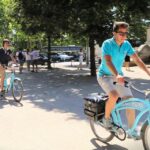
The tour provides quality bikes described as comfortable and stylish, plus helmets. That sounds basic, but it matters. When bikes are well maintained and fit the rider, you spend less energy worrying about the mechanics and more energy enjoying the views.
The pace is about as stress-free as a bike tour can be: leisurely speed, around 10 kilometers, and adapted for everyone. The tour is also described as suitable regardless of fitness level, which usually means you’re not being punished for casual biking.
One item that came up in feedback: some people think e-bikes would be useful for all participants. That’s not a deal-breaker if you’re comfortable on regular bikes, but it’s worth considering if you’re riding with anyone who gets tired quickly on flat rides.
Families and gear: baby seats, baskets, and kid adaptations
If you’re traveling with kids, this is one of the more flexible day trips you’ll find. You can add baby seats and a basket to your reservation, and the tour can adapt on demand for kids.
There’s also a minimum height requirement: it’s not suitable for people under 150 cm. So if you’re bringing a shorter teen or child, double-check fit and seating options early so you don’t get stuck at the start.
Price and value: what $82 buys you in a 3-hour city sprint
At about $82 per person for 3 hours, the best way to judge value is to look at what’s included: a local guide, a cycling itinerary adapted for everyone, quality bikes, and helmets.
For many visitors, the guide is the “hidden purchase.” Paris is full of famous structures, but the difference between a checklist and a good day is knowing what to notice and why those places matter. This tour is built around short guided windows and context, which means you get learning without losing the fun of riding.
Also, 3 hours is long enough to feel like a real experience and short enough to keep the rest of your day open. You’ll likely use the remaining hours for your own wandering and shopping, rather than recovering from exhaustion.
One caution: check the start so your day doesn’t wobble
Most signs point to a well-run experience. Still, there is one serious red flag in past feedback: a booking that reported nobody at the meeting point. That’s rare, but it’s the kind of issue you can prevent with one simple move.
Do this: confirm your meeting details the day before, and show up a few minutes early. If anything looks off, contact the provider rather than waiting in silence. In Paris, where addresses are common and intersections can be confusing, a quick confirmation saves hours.
Should you book this Paris by bike tour?
Book it if you want an easy, guided way to see big highlights without turning your legs into a souvenir. The route design—monuments plus typical streets, plus a mid-ride break—fits visitors who like context but don’t want a formal, museum-heavy day.
Skip it or think carefully if you need long, slow time at major attractions, or if you’re worried about regular-bike stamina. And if you’re traveling at the edge of the minimum height requirement, confirm options early for comfort and safety.
Overall, this is a practical way to get your Paris bearings fast: you’ll leave with a stronger sense of where things sit, what stories connect them, and which neighborhoods feel worth revisiting on foot.
FAQ
How long is the bike tour?
The tour duration is 3 hours.
Where is the meeting point?
You start at 20 Rue Greneta, 75002 Paris.
About how far do you ride?
You’ll ride about 10 kilometers at a leisurely pace.
Is the tour private?
Yes, it’s described as a private group.
What languages are the guides available in?
The guide is available in German, English, and French.
What’s included in the price?
Included are a Paris local guide, an itinerary adapted for everyone, quality bikes, and helmets.
Are food and drinks included?
Food and drinks are not listed as included. The schedule does include a break described with beer, coffee, and local snacks, so it’s smart to confirm what’s covered for your specific booking.
Is it suitable for kids or families?
It’s described as adaptable for kids on demand, and you can add baby seats and baskets to your reservation. It is not suitable for people under 150 cm.