REVIEW · PARIS
Paris: French Revolution Walking Tour
Book on GetYourGuide →Operated by Mon Petit Paris · Bookable on GetYourGuide
Paris gets darker on these Revolution streets. From the moment you meet at Fontaine au Sphinx, this 2-hour walk turns the French Revolution into something you can see on real corners and in real stone, not just memorize from a textbook. You follow a story of conspiracy, intrigue, mystery, and the machinery behind mass violence, all while hunting for the small, odd details that make the era feel shockingly close.
I especially like the way the tour treats big names as part of a wider system. You get context, not just dates, and the guide keeps the pace lively enough that even heavy moments stay understandable. I also like the “treasure hunt” style of storytelling, where you’re constantly noticing small references and hidden objects that connect the street to the events.
One consideration: the meeting point is very specific, and a couple of past guests mentioned they had trouble locating the guide on arrival. I’d show up early, stand at the fountain itself, and be ready to ask a quick question if you’re not sure who your group leader is.
In This Review
- Key things I’d plan around
- Starting at Place du Châtelet’s Fontaine au Sphinx
- How a 2-hour route turns Revolution headlines into street scenes
- Conspiracy, courts, and the guillotine: what you actually learn
- From central Paris into the Marais: following motive, not just dates
- Church façades and the Revolution’s shifting idea of power
- Louis XVI and Marie Antoinette: meeting the blade in context
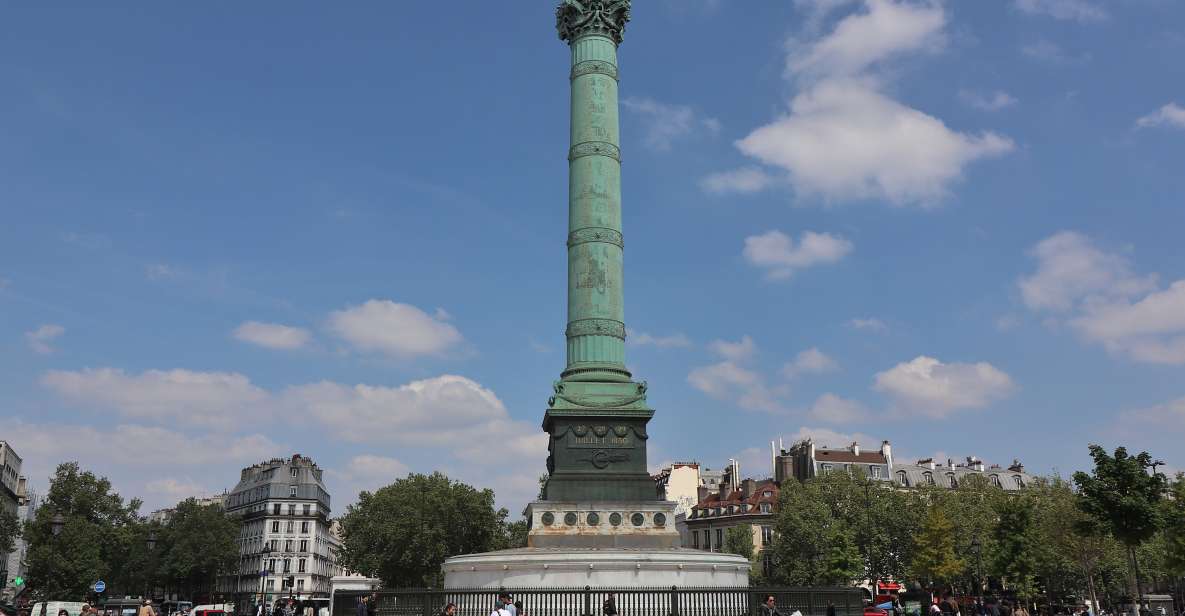
- The tour’s big finish near the storming of the Bastille
- Guide energy, pacing, and questions: why the best reviews keep matching
- Is $46 good value for a 2-hour Revolution walk?
- Who this tour fits best
- Should you book this Paris French Revolution walking tour?
- FAQ
- How long is the Paris French Revolution walking tour?
- Where do I meet the guide?
- What language is the tour guide?
- What’s included in the price?
- Is hotel pickup or drop-off included?
- Is the tour wheelchair accessible?
- How much does it cost and can I cancel?
Key things I’d plan around
- Start at Fontaine au Sphinx on Place du Châtelet so you can orient fast in central Paris
- A tight 2-hour format that still covers the Revolution’s turning points and leads to the Bastille
- Street-level clues and hidden references that make the story feel less abstract
- Stops across central Paris and into the Marais for a wider look than one single monument
- Guides named François, Louis, Fran, Guillaume, Ilan, Amber, and Sam show up repeatedly for their energy and clear English
- Questions are welcomed, and the narration adjusts when you ask something unexpected
Starting at Place du Châtelet’s Fontaine au Sphinx
Your tour begins in a place that’s hard to forget: the Fontaine au Sphinx on Place du Châtelet. It’s a central hub, which helps if you’re timing this with other sights. More importantly, it sets the tone. You’re not starting in a museum. You’re starting in the kind of real, crowded Paris street life that the Revolution grew out of.
Because this is a walking tour with a fixed start, you’ll want to arrive with a little slack. One past guest said they had a hard time finding the guide at the meeting spot, and it’s an easy fix: arrive early, stay at the fountain, and don’t wait until the last minute. If you’re coming from a nearby metro stop, give yourself time to exit, re-check the map, and locate the exact square.
You can also read our reviews of more walking tours in Paris



How a 2-hour route turns Revolution headlines into street scenes
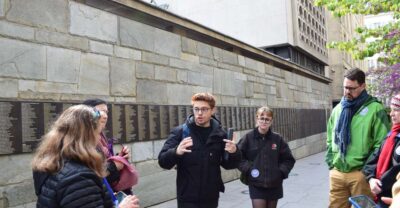
This isn’t a slow lecture. It’s built like a story you can follow while walking, with stops that connect the political storm to what people could actually see and experience. The pitch is straightforward: forget the dry school version and get the Revolution as a sequence of decisions, rumors, and escalating fear.
You’ll likely notice that the route isn’t rigidly chronological. One guest pointed out that the order of the walk wasn’t strictly timeline-perfect. That’s not necessarily a problem. In a good Revolution narration, the guide can jump around streets while keeping the logic clear—why events happened, who gained power, and what changed in daily life.
Also: the tour is designed to fit into two hours, so you won’t get every single famous location. That’s the trade. Instead, you get a curated slice that aims to explain how the Revolution changed Paris, from the buildup to the crisis moments that everyone associates with 1789.
Conspiracy, courts, and the guillotine: what you actually learn
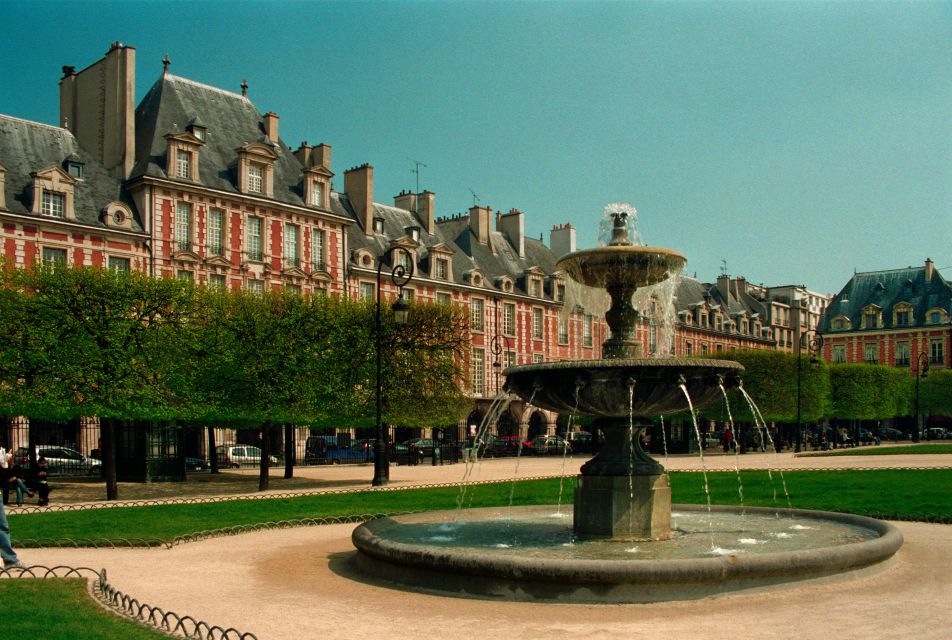
The headline moments of the French Revolution can sound like isolated drama: a beheading here, a crowd there. This tour tries to connect the dots so you understand the pattern behind the spectacle.
Expect a focus on themes like:
- conspiracy and intrigue, where information mattered as much as force
- the ferocious push for freedom, and the ugly cost when “freedom” turns into punishment
- how paranoia, propaganda, and public pressure accelerate events
You’ll hear about key figures tied to the endgame of royal power, including Louis XVI and Marie Antoinette. The way the story is framed matters here. It’s not just who died. It’s how the Revolution’s momentum built toward the guillotine and why that moment became symbol as well as event.
From central Paris into the Marais: following motive, not just dates
A big reason this walk feels different from a generic “Revolution sights” tour is that it doesn’t feel stuck in one zone. The experience is said to include a run through central areas and into the Marais. That helps you understand the Revolution as something that spread through the city’s fabric rather than living only at a single monument.
When guides do this well, the streets become evidence. The guide points out small details and long-forgotten clues that link the story to the urban landscape you’re standing in. One review mentions churches and the impact of the Revolution, which usually means you’ll be looking at religious architecture not for its art alone, but for what the new political reality did to the old order.
If you love walking tours, you’ll appreciate the pace. Multiple guests praised the timing—how the route is paced to keep energy up and still allow time for questions. Some also mention a mid-tour break, which is a practical bonus when you’re covering intense content.
Church façades and the Revolution’s shifting idea of power
Paris has always been political in stone, and the Revolution era turned many of the city’s landmarks into more than scenery. Reviews highlight attention to churches and how their presence connects to the Revolution’s changing power structure.
Here’s what you can take from that as a visitor: you’ll start looking at façades and locations as witnesses. A church isn’t just a pretty building. It’s part of a system—religious authority, public life, and symbolism. During the Revolution, people fought over what should lead society. That struggle shows up in the city.
If you’re the type who likes to interpret what you see rather than just snap photos, this part will land. You’ll probably leave with a sharper eye for how ideology can physically reshape a city’s meaning.






Louis XVI and Marie Antoinette: meeting the blade in context
When the story reaches royal fate, you’ll hear the accounts tied to Louis XVI and Marie Antoinette. The tour description leans toward the blade of the guillotine, but what makes it worth doing is the framing.
A good street guide won’t treat this as a detached historical fact. It connects the decision-making and public pressure that made these executions possible and, in a darker sense, inevitable. One review called out that the guide was able to keep accuracy and nuance while still telling a dramatic story. That balance is key because it keeps the Revolution from turning into a simplified morality play.
You’ll also likely hear the Revolution discussed as ideas that competed with each other—freedom versus fear, reform versus retaliation. That’s what helps this tour move beyond a list of famous deaths.
The tour’s big finish near the storming of the Bastille
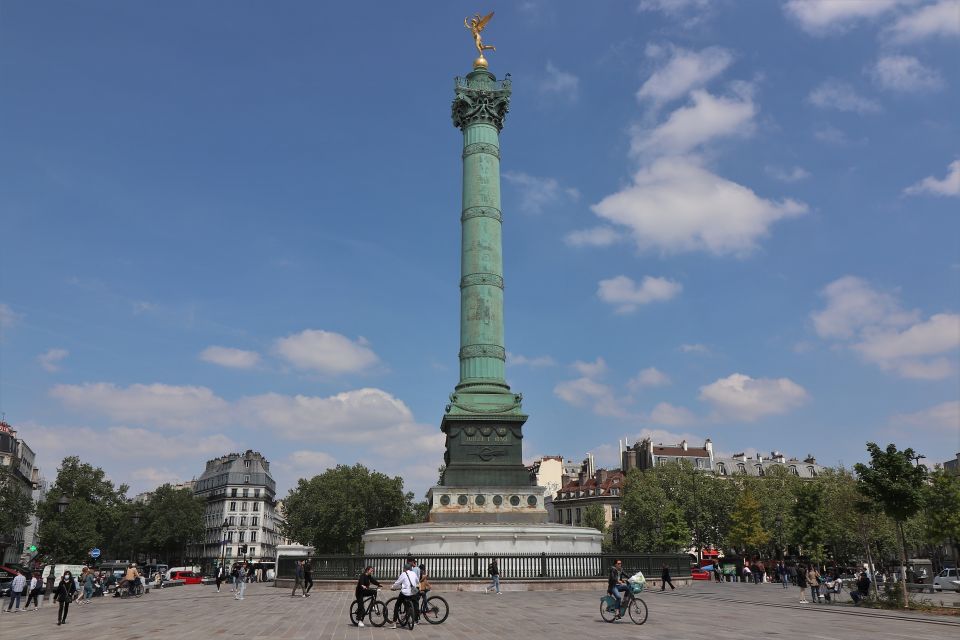
The “grand finale” is aimed at the buildup to the storming of the Bastille. Even if you know the basics, hearing the lead-up as a step-by-step escalation tends to make the moment feel more grounded in human behavior and timing.
One guest described a day-by-day account leading up to the Bastille, and that’s the exact kind of storytelling that makes the ending hit harder. Instead of arriving at the climax with no emotional setup, you reach it with cause and effect in your head.
The Bastille is a symbol. The streets around it, and the way the guide connects earlier events to that point, turns the symbol into a sequence of pressures that finally broke. If you want a Revolution tour that actually builds momentum, this one is designed for that.
Guide energy, pacing, and questions: why the best reviews keep matching
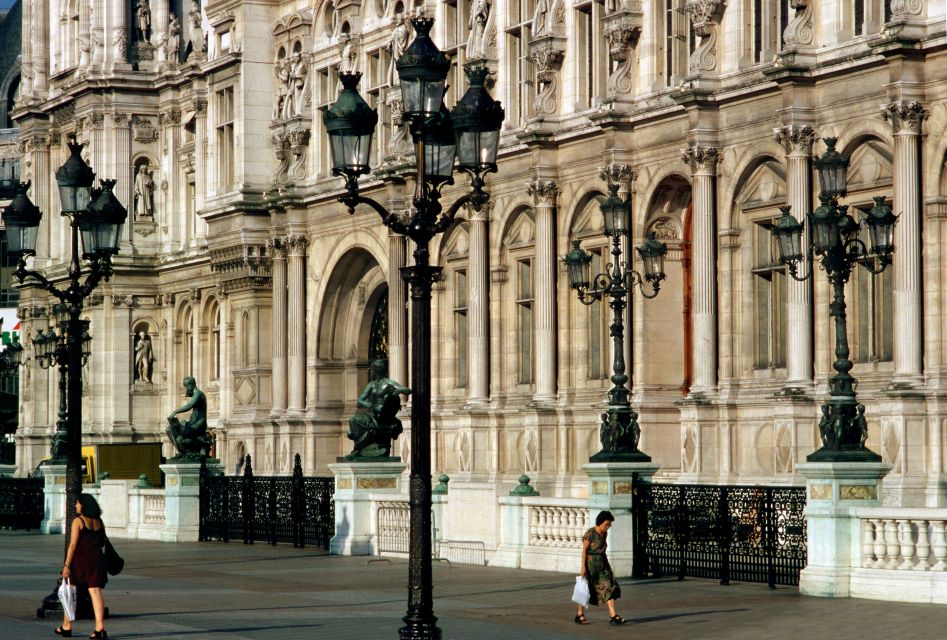
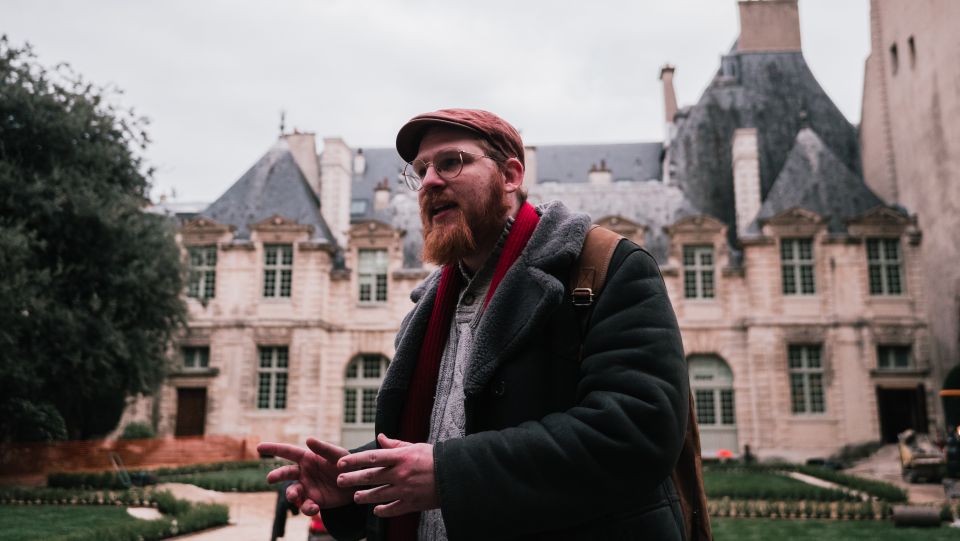
The guide is the product here. A bunch of reviews praised the same things in different words: strong command of English, clear speaking voice even in noisy streets, and a story delivered with enthusiasm and accuracy. Several reviews specifically mention first-person style explanations, which is a trick that works when it’s done carefully. It helps you picture how people might have thought and felt as events unfolded.
You may also run into guides such as François, Louis, Louie, Fran, Guillaume, Ilan, Amber, or Sam. The takeaway for you isn’t the name—it’s the pattern. The tour tends to be led by people who can condense complex material into something you can track without getting lost.
Another practical win: the guide is described as willing to go off on tangents when questions come up. That matters because the Revolution can lead to side interests fast—propaganda, daily life, politics, how different groups saw freedom. A guide who can handle questions without derailing you makes a two-hour tour feel longer in the best way.
Is $46 good value for a 2-hour Revolution walk?
At $46 per person for a 2-hour live guided walking tour, you’re paying for three things: time with a storyteller, access to street-level context, and the ability to connect locations you’d otherwise pass by.
If you’re comparing costs, think in terms of what you’d pay for a ticket plus guide help. For many people, the value here is that you’re not just paying to see a site. You’re paying to understand why those sites mattered. Multiple reviews mention the guide distilling the complicated Revolution into an engaging 2-hour story. That’s exactly what you want when time is tight.
Also, the “treasure hunt” approach—hidden objects, small clues, and references—turns the walk into active observation. If you’re the type who gets bored with repeating names and dates, this format can keep your attention while still being accurate.
One more value point: it’s not a multi-day commitment. If you only have room for one Revolution experience in Paris, this can give you a complete arc from the buildup to the Bastille without forcing you to spend a whole afternoon in one museum space.
Who this tour fits best
This is a strong pick if:
- you want the French Revolution told as a connected story, not a list of events
- you like seeing how ideas play out on actual streets
- you’ll enjoy a guide who answers questions and keeps the pace moving
It’s also a decent option for teens and mixed-age groups. One review specifically mentioned two adults with teens enjoying it, with the guide handling the story well enough for different attention spans.
If you’re hunting for very specific places tied to later or wider Revolutionary geography, you may feel the time limit. One guest said they would have liked coverage of places like the Palace de Concorde and Champs de Mars, but that it would have required a longer tour. With only two hours, you have to accept that the route concentrates on key city scenes rather than spreading everywhere.
Should you book this Paris French Revolution walking tour?
Yes, you should book it if you want an efficient, street-level Revolution story with a strong English guide and a clear arc. The biggest reason is the guide-driven experience: enthusiastic storytelling, good pacing, and a focus on nuance rather than just shock facts.
Book it sooner rather than later if your schedule is tight, because you’ll want one fixed two-hour block that you can rely on. When you arrive, plan to be early at the fountain and stay close to the meeting point so you’re not scrambling.
Skip it only if you already want a slower, more museum-style presentation with lots of artifacts and long explanations. This is about the city as evidence, and the Revolution as a moving narrative on foot.
FAQ
How long is the Paris French Revolution walking tour?
It lasts 2 hours.
Where do I meet the guide?
Meet your guide in front of the Fontaine au Sphinx on Place du Châtelet before the tour starts.
What language is the tour guide?
The live tour guide speaks English.
What’s included in the price?
It includes a walking tour and a guide.
Is hotel pickup or drop-off included?
No, hotel pickup and drop-off are not included.
Is the tour wheelchair accessible?
Yes, the tour is wheelchair accessible.
How much does it cost and can I cancel?
The price is $46 per person. You can cancel up to 24 hours in advance for a full refund.