REVIEW · PARIS
Paris: Musée d’Orsay Walking Tour With Reserved Access
Book on GetYourGuide →Operated by Get Paris Tours · Bookable on GetYourGuide
A museum with a good head start beats wandering. This small-group Musée d’Orsay reserved-access walk adds helpful context before you ever step inside. You get a quick look at the building’s Beaux-Arts personality—former railway station bones turned grand art home—and that outside orientation makes the museum feel easier to understand.
I especially like the two-part flow: 30 minutes outside with an English-speaking guide, then you go in on your own with audio guidance plus access to both the permanent and temporary collections. The one drawback to weigh is that reserved entry only works if your ticket timing and entry details match what the museum expects; a few recent experiences have flagged confusion around timed access versus just standing in the queue.
In This Review
- Key things to know before you go
- Musée d’Orsay’s Beaux-Arts Facade: Why the Exterior Tour Matters
- The 30-Minute Outside Briefing and How Tickets Get Handed Off
- Reserved Entry vs. Real-World Lines: What to Check Before You Queue
- Inside on Your Own: A Smart Way to Use the Audio Guide
- Highlights You’ll Want to Target: Paintings, Sculpture, and Decorative Arts
- Price and Value: Is $49 Worth It?
- Group Size, Timing, and Comfort: The Practical Stuff That Changes Your Day
- Who This Works For (and Who Might Prefer Something Else)
- Practical Tips for a Smoother Musée d’Orsay Reserved-Entry Visit
- Should You Book This Tour?
- FAQ
- How long is the Musée d’Orsay walking tour with reserved access?
- What is included with the ticket?
- Does the outside guide go inside the museum with you?
- Is transportation included?
- What language is the host or guide?
- How big is the group?
- Are there any items that are not allowed?
- What should I bring?
- Who might not be able to use this tour?
Key things to know before you go

- 30-minute exterior briefing first, so you start with the building story and better “where am I?” instincts
- English outside guide, with entry tickets handed over outside (the guide does not go inside)
- Small group of up to 8, which usually keeps the pre-visit instruction focused
- Both permanent and temporary collections are included, so you’re not limited to just one theme
- Audio guide included, which helps you navigate without paying for an inside guide
Musée d’Orsay’s Beaux-Arts Facade: Why the Exterior Tour Matters

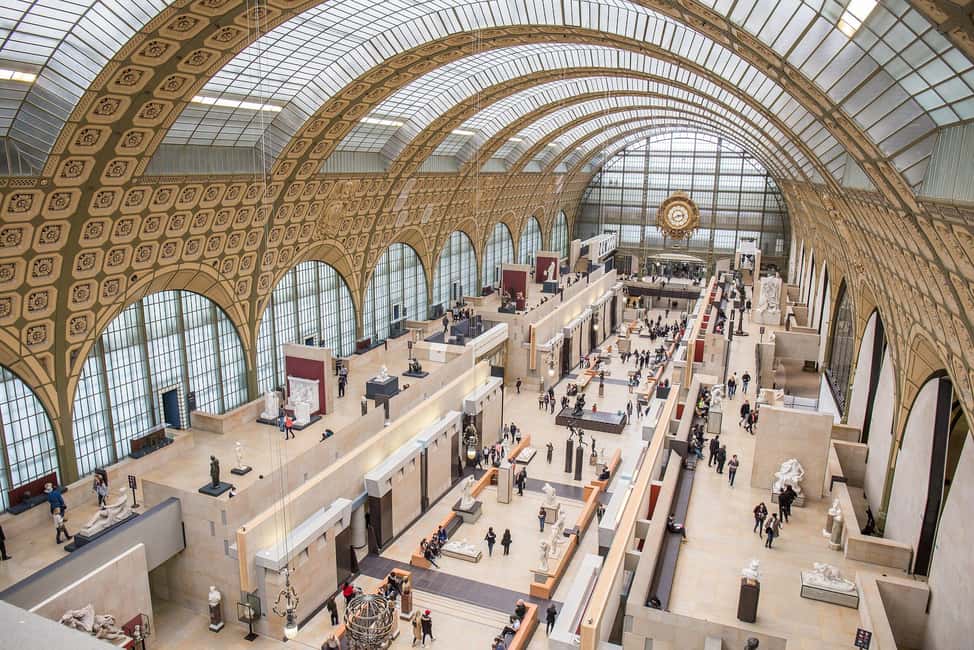
Most people meet Musée d’Orsay through its art. This experience nudges you to meet the building first. The museum is famous for its look—grand Beaux-Arts styling—and you can actually “read” the place once you know its past. You’ll hear how it started as a railway station and why the transformation mattered for Paris’s cultural identity.
That outside start has real payoff. When you understand that the museum’s shell was designed for transit and movement, you’re more likely to appreciate how the interior feels like a train-ticket history lesson turned into gallery space. Even if you love Impressionist paintings, this kind of orientation tends to make your museum time smoother, because you’re not guessing what you’re looking at or why the building is shaped the way it is.
It’s also a practical trick for saving mental energy. Two hours and change is not enough time to see everything perfectly. Starting outside helps you decide what you’ll prioritize inside—so your visit feels intentional instead of frantic.
You can also read our reviews of more walking tours in Paris



The 30-Minute Outside Briefing and How Tickets Get Handed Off
Here’s the structure: you arrive for a short pre-briefing outside, then the guide provides your entry tickets. The guide’s role ends there. You’ll explore the museum independently afterward.
That matters more than it sounds. If you’re expecting a guided walkthrough of rooms and labels, this isn’t that. You’ll have an audio guide for your inside time, and you’ll be steering yourself through the collections. For many visitors, that’s exactly what they want: context first, then freedom.
For the outside portion, you can expect the guide to focus on key building features and storytelling—why the station became a museum, what challenges came with construction and design, and how the architecture fits into Paris city life along the Seine. Because the group is capped at eight, questions don’t feel swallowed.
The smartest mindset is to treat this as a launch pad. You’re not buying “someone to hold your hand through the entire museum.” You’re buying a quick set of tools: orientation, context, and entry access.
Reserved Entry vs. Real-World Lines: What to Check Before You Queue
This is the part I’d take seriously. The activity is marketed as skipping the ticket line, with reserved access, timed entry implied by the admission model. But reserved access only helps if your ticket matches what the museum counter is scanning.
A few reported situations point to the same theme: people waited in a queue and then found their entry didn’t match what they thought they had—such as having access meant for a timed entry process rather than an actual museum admission ticket, or being directed to the wrong door/entry lane.
So do this before you go:
- Double-check your confirmation details for timed admission (not just general “access”)
- Make sure you know what entrance/door information is listed for your entry, since door lettering can matter
- Keep your ID ready, since you’re asked to bring passport or ID card
Then, when you arrive, don’t assume your voucher automatically equals smooth entry. If someone can’t scan you, pause and ask for clarification early—before you’re stuck deeper into the line.
Is it likely to happen to you? Many people will probably sail through. But the value of a “skip-the-line” tour evaporates fast if your admission type is mismatched. Your best defense is simple: confirm the ticket type and time, and give yourself a little breathing room.
Inside on Your Own: A Smart Way to Use the Audio Guide
Once the briefing ends, you’re free inside—with an audio guide included and access to the permanent and temporary collections. That sounds straightforward, but two hours can still vanish if you wander without a plan.
Here’s how to make the self-guided part work:
- Start with your biggest interest first (Impressionist vs. Post-Impressionist tends to decide your route)
- Use the audio guide like a steering wheel, not a lecture—listen when it adds context, then look
- Save decorative arts and sculpture for later unless you’re specifically chasing them
The museum’s collection focus is a key part of the value you’re buying. Musée d’Orsay is known for Impressionist and Post-Impressionist masterpieces, plus sculpture and decorative arts. That blend is why the building is such a hit: the space doesn’t feel like a one-style art factory.
Also, remember what you’re not buying: you’re not getting an inside guide who can tailor the route to your interests or keep you moving. If you like art museum time to be structured, you may need to be your own conductor. Use the audio guide to create a route, then move efficiently between sections.
Highlights You’ll Want to Target: Paintings, Sculpture, and Decorative Arts
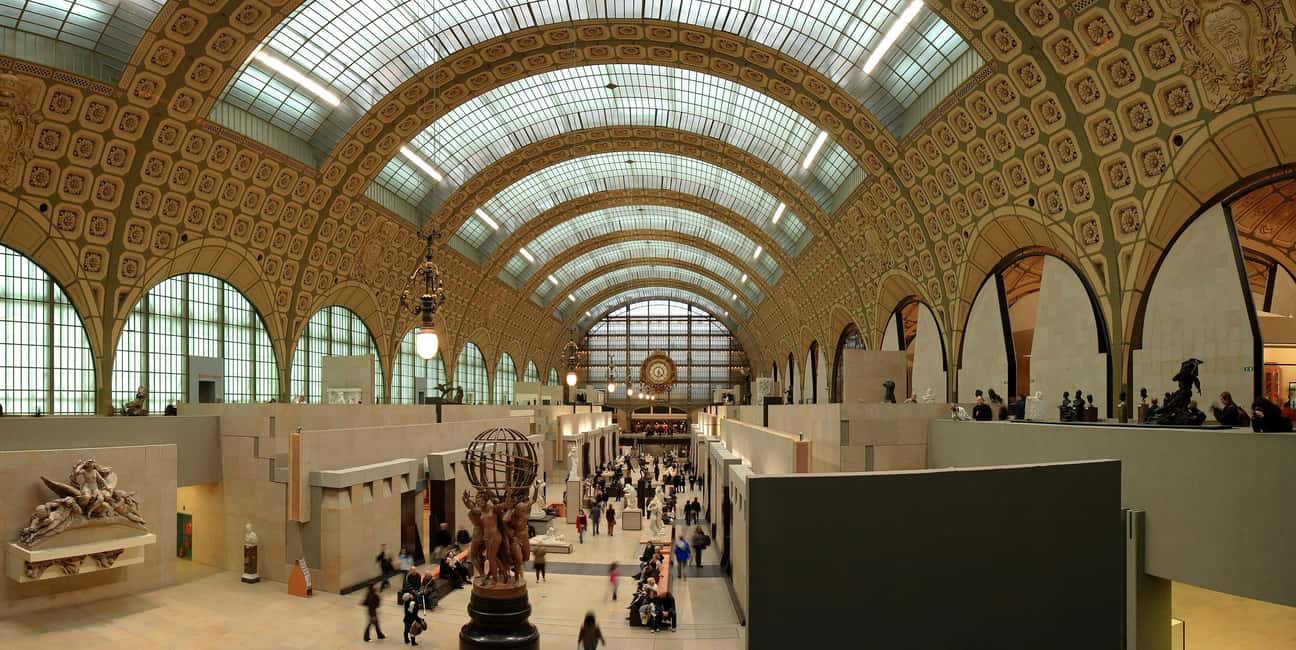
You’re entering a museum built around 19th and early 20th-century art—so the pacing is built for stories. Even without a full inside guide, you’ll be able to connect themes across galleries if you pay attention to the labels and audio cues.
Here’s what the experience is set up to deliver:
- Impressionist masterpieces: expect the room-by-room feeling of modern color and light
- Post-Impressionist works: look for how artists push beyond Impressionism’s focus on atmosphere
- Sculptures and decorative arts: these can break up the painting-heavy rhythm and give the era more texture
A practical note: don’t try to “see everything.” With the time you have, choose one or two lanes. If Impressionism is your priority, commit to that first. If you’re chasing the Post-Impressionist shift, don’t let decorative arts steal your time too early—do it after you’ve secured your main goal.
Also, enjoy the contrast. The museum’s architecture and its collection focus work together. That station-to-gallery shell gives you a sense of scale, and the artwork gives you the emotional content. The best visits are the ones where you notice both.






Price and Value: Is $49 Worth It?
At $49 per person for about 2 hours / 150 minutes, the value comes from a mix of three things:
- Access to both the permanent and temporary collections
- Audio guide support inside
- A short outside orientation that improves how you experience the building and its role in Paris
If you were to buy a ticket alone, you’d save money—but you’d lose the outside context and the smaller-group attention. If you were to hire a full inside guide, you’d pay more—and you’d lose some freedom.
The tricky part is the reserved access expectation. If entry works cleanly, this is a pretty solid bargain for a museum of this size. If entry causes delay due to ticket mismatch, the “value” can turn into a time tax. That’s why I keep pointing you back to verifying your timed admission details.
Bottom line: this tends to be worth it if you want museum context quickly and you’re comfortable exploring at your own pace afterward.
Group Size, Timing, and Comfort: The Practical Stuff That Changes Your Day
This is a small group limited to 8 participants, and that’s a good thing for a building like Orsay. You’re moving for orientation, then you’re splitting into the self-guided phase. Too-large groups can make the outside briefing feel rushed and awkward. A small number usually means clearer explanations and faster handoff when it’s time to go in.
Timing is also important. Total duration is listed as 2 hours to 150 minutes. In real life, you’ll spend time transitioning from the outside meeting point to the entry process, then inside time for your audio-guided route. The more you can keep your inside priorities clear, the less you’ll feel stretched.
Wear comfortable shoes. You’re in a major museum, and you’ll likely do more walking than you expect once you’re routing through galleries.
And you’ll want ID. You’re asked to bring passport or an ID card, so don’t count on your phone photo if you’re short on time.
Who This Works For (and Who Might Prefer Something Else)
This style of experience fits best when you:
- Want a quick, useful introduction to Musée d’Orsay’s architecture and story
- Like self-guided museum time but still want a guide to set the stage
- Are comfortable using an audio guide to learn while you look
It’s less ideal if you:
- Want an inside guide who stays with you room to room (the guide does not go inside)
- Need step-free or mobility-friendly arrangements, since it’s noted as not suitable for people with mobility impairments
If your art style is very specific—say you only care about one school—you might still enjoy it, but be ready to steer yourself and not expect a tailor-made tour.
Practical Tips for a Smoother Musée d’Orsay Reserved-Entry Visit
Here are the things that reduce stress and make your time count:
- Bring your passport or ID card
- Wear comfortable shoes and plan for lots of walking
- Avoid packing anything prohibited: no pets, and no alcohol and drugs
- Don’t assume the outside briefing includes inside commentary; plan to learn using the audio guide
- Arrive with your timed entry details in hand so you don’t lose time at the door
Also, because the provider is Get Paris Tours, if anything feels unclear at the entry point, ask early. The biggest avoidable problem is confusion about what ticket type you actually hold.
Should You Book This Tour?
I’d book it if you want a smart head start—architecture context, an English-speaking outside orientation, and smooth museum access—then you’re happy exploring on your own with the audio guide. The small group helps, and access to both permanent and temporary collections gives you more flexibility once inside.
I would think twice if you strongly need a full inside guided experience or if your tickets are likely to be confusing (for example, you’re prone to last-minute changes). In that case, make sure your admission type and timed details are crystal clear before you commit.
FAQ
How long is the Musée d’Orsay walking tour with reserved access?
It runs about 2 hours to 150 minutes. Check available starting times when you book.
What is included with the ticket?
You get access to the permanent collections and temporary collections at Musée d’Orsay, an audio guide, and an outside guide if that option is selected.
Does the outside guide go inside the museum with you?
No. The guide provides a briefing outside, hands you entry tickets, and then you explore inside on your own.
Is transportation included?
No, transportation is not included.
What language is the host or guide?
The host or greeter is English.
How big is the group?
It’s a small group limited to 8 participants.
Are there any items that are not allowed?
Pets are not allowed. Alcohol and drugs are also not allowed.
What should I bring?
Bring your passport or ID card, plus comfortable shoes and comfortable clothes.
Who might not be able to use this tour?
It’s not suitable for people with mobility impairments.