REVIEW · PARIS
Paris Latin Quarter 2-Hour Private Walking Tour
Book on GetYourGuide →Operated by Paris in person private tours · Bookable on GetYourGuide
Two hours, and history hits fast. I love how this route starts with Shakespeare and Company, then uses the surrounding streets to explain why the Latin Quarter became a magnet for artists and thinkers. I also like the stop at the Hôtel de Cluny, where you see rare examples of profane Gothic style right in the middle of everyday Paris life.
The main trade-off is simple: it’s a rain-or-shine 2-hour walk with no food included. Bring a small snack and water, and wear shoes that handle cobblestones, especially if you’re doing this first thing on a busy day.
In This Review
- Key highlights you should care about
- Why the Latin Quarter feels different than the rest of Paris
- Getting started at Métro Cluny La Sorbonne (look for the red tote bag)
- Shakespeare and Company: how a bookstore became part of Paris identity
- Rue Saint-Séverin and the medieval street experience you can actually feel
- Church of Saint-Séverin: the stop that makes the walking make sense
- Hôtel de Cluny: rare profane Gothic style in plain sight
- La Sorbonne and the Panthéon: students and big ideas in the same walk
- Church of Saint-Étienne-du-Mont: the calmer counterpoint
- Picasso’s favorite drinking dens, plus jazz and night-life that belongs to this street
- Luxembourg Gardens: ending with a breather, not a wall of stone
- Price and what you actually get for $176 per person
- Should you book this Latin Quarter private walking tour?
- FAQ
- How long is the Paris Latin Quarter 2-hour private walking tour?
- Where do we meet for the tour?
- Is the tour private?
- What sights are included?
- Is food and drink included?
- Does it run in bad weather?
- What languages is the tour offered in?
- What is the cancellation policy and payment option?
Key highlights you should care about
- Shakespeare and Company context, not just a photo stop: you’ll learn why this bookstore matters historically.
- Rue Saint-Séverin on medieval streets: cobblestones and small façades that still feel old.
- Hôtel de Cluny’s profane Gothic details: a style most visitors never notice.
- Sorbonne and the big-idea Paris: centuries of university traditions, right where students still gather.
- Religious landmarks plus everyday Paris: Saint-Étienne-du-Mont and the quieter corners that sit beside nightlife.
Why the Latin Quarter feels different than the rest of Paris
The Latin Quarter isn’t only pretty buildings and postcard streets. It’s where you get the “old Paris meets new ideas” feeling in real time—students, debates, and ambition alongside churches and medieval lanes.
On this 2-hour private walk, you’ll be moving through layers of the neighborhood: Roman-era roots and medieval shapes, then the later university influence that kept it intellectually loud. And since you’re walking, you’ll notice how the area shifts block by block—from calm stonework to the student flow that makes it feel younger than the rest of central Paris.
You can also read our reviews of more walking tours in Paris



Getting started at Métro Cluny La Sorbonne (look for the red tote bag)
Your meeting point is Metro Cluny La Sorbonne, right in front of McDonald’s, with your guide carrying a red canvas tote bag. It’s an easy spot to find, which matters when you’re on a tight schedule and you don’t want to waste daylight hunting for the right corner.
This is a private group format, and it helps. You’re not squeezed into a huge herd, so your guide can keep your pace realistic for a 2-hour walk. You also get a live guide in English, French, or Serbo-Croatian, which is a real plus if you want explanations that actually land.
If you tend to prefer your first day in a city to be practical, this tour is a good choice because it helps you get oriented fast—what’s nearby, what’s worth revisiting later, and how the neighborhood “works.”
Shakespeare and Company: how a bookstore became part of Paris identity
You’ll start with Shakespeare and Company, the kind of place that feels like it should be on a list, but also feels alive once you’re there. This isn’t a stop for a quick exterior glance; it’s a chance to understand why the bookstore became historically important and how that story connects to the Latin Quarter’s creative energy.
What I like about starting here is that it sets the tone. Before you even hit the medieval lanes, you get a sense that the area’s identity isn’t only architectural—it’s also human. People come here to write, argue, learn, and form communities. Then the street layout supports that idea: you’ll walk from the literary world into the physical “stage” where generations have moved.
Rue Saint-Séverin and the medieval street experience you can actually feel
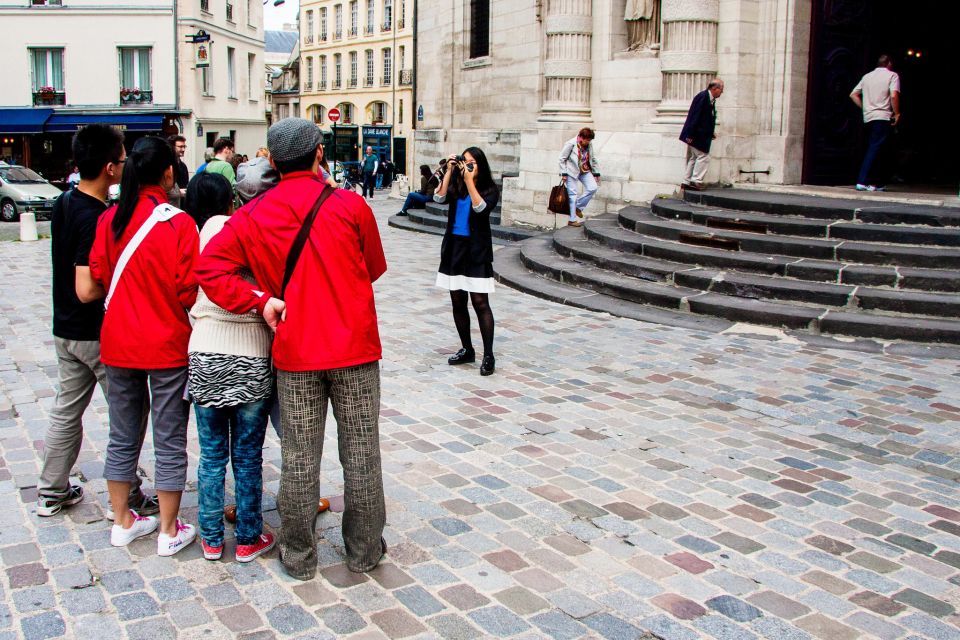
Next comes the medieval flavor, and the tour uses it well. You’ll walk along Rue Saint-Séverin, a cobblestone corridor in the older part of the Latin Quarter where the scale and textures remind you this wasn’t always a sleek, curated neighborhood.
Along the way, you’ll also get a sense of why this area still attracts students. The Latin Quarter has a constant pulse. Even when the monuments are old, the street-level energy stays present—so the past doesn’t feel dead.
If you enjoy street-level walking more than museum-hopping, this section is the heart of the experience. The cobblestones slow you down in a good way; you look up at façades, you notice small details, and the guide’s storytelling helps you connect the buildings to how the neighborhood lived.
Church of Saint-Séverin: the stop that makes the walking make sense
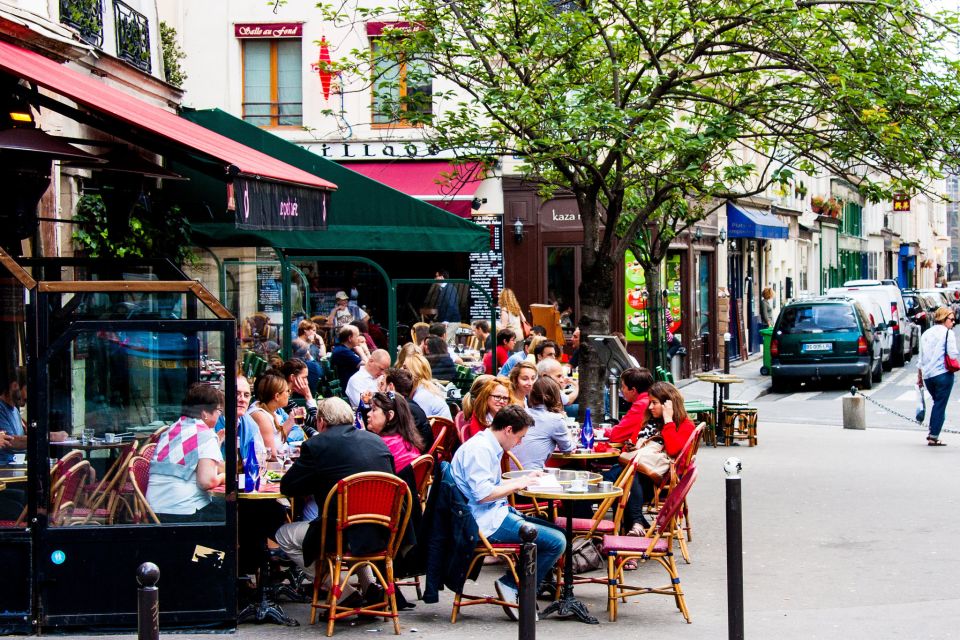
You’ll also visit the Church of Saint-Séverin. Churches like this can feel like just another stop if your only goal is landmarks. But in this tour, it works as a bridge: it explains how the medieval religious world shaped daily life and what it meant to build and gather in this part of Paris.
The guide’s job here is key. You want the story of the building, not just a list of dates. Based on what I’ve seen work best on tours like this, the best moments come when the guide points out what to look for—textures, shapes, and the way the church fits into the surrounding street pattern.
You can also read our reviews of more private tours in Paris






Hôtel de Cluny: rare profane Gothic style in plain sight
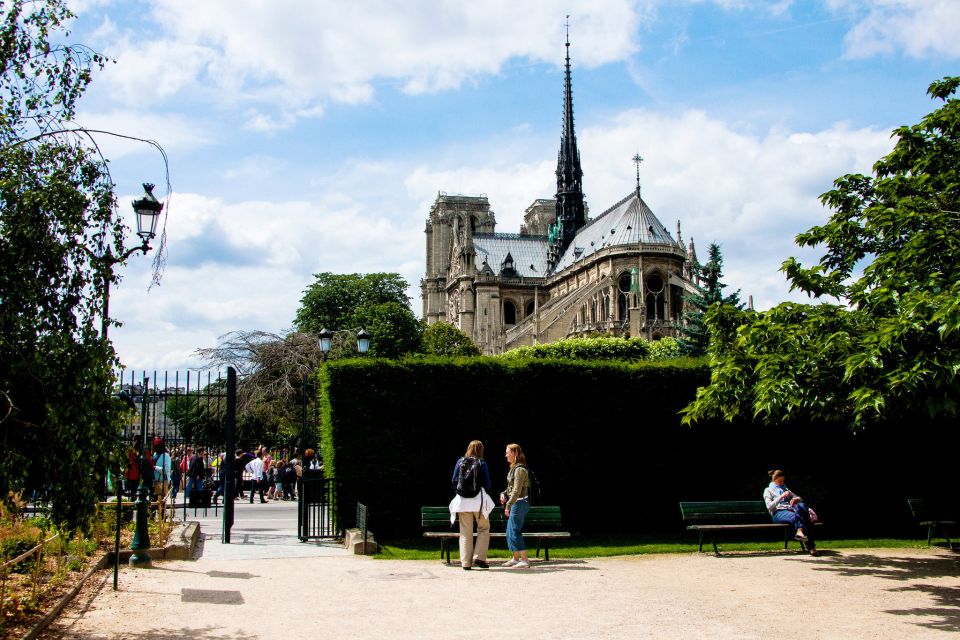
One of the highlights for many people is Hôtel de Cluny. The attraction here isn’t only that it’s historic; it’s that it includes very rare examples of the profane Gothic style. That detail matters because it changes how you read the neighborhood.
Most visitors associate Gothic design with religious power. Here, you get a different angle—Gothic forms used for a more secular, worldly purpose. That contrast makes the Latin Quarter feel more layered and less one-note.
You’ll leave this stop seeing the area with sharper eyes. After Hôtel de Cluny, you’ll be better at spotting which parts of Paris are meant to signal faith versus which parts signal status, learning, or influence. It’s one of those “aha” experiences that changes how you walk around the city afterward.
La Sorbonne and the Panthéon: students and big ideas in the same walk
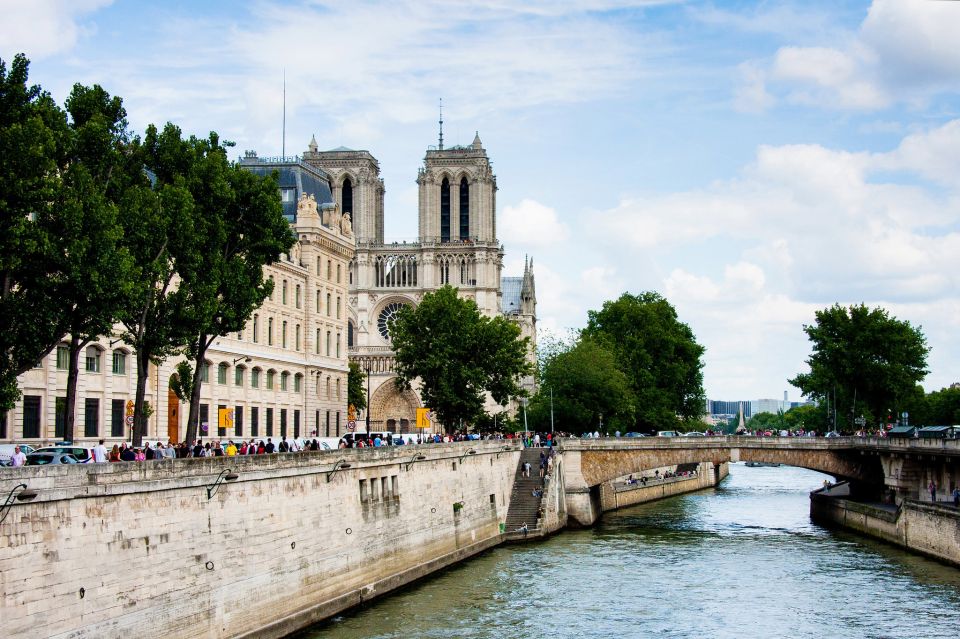
A major reason the Latin Quarter stays relevant is education. You’ll learn more about the Sorbonne, which is known as one of the oldest universities in Europe. Even if you don’t memorize timelines, you’ll get the sense that this is a place where tradition is not decorative—it’s part of the ongoing identity.
From there, the tour includes the Panthéon. This is where the neighborhood shifts from learning as daily routine to learning and ideals as public memory. The Panthéon stands in that “Paris thinks about itself” category of monuments—less about quiet reflection, more about how a nation narrates its values.
One nice detail: the tour doesn’t treat these sites like isolated postcards. It connects them to the surrounding streets and the student presence you’ll keep seeing. The result is a walking story that feels coherent, not random.
Church of Saint-Étienne-du-Mont: the calmer counterpoint
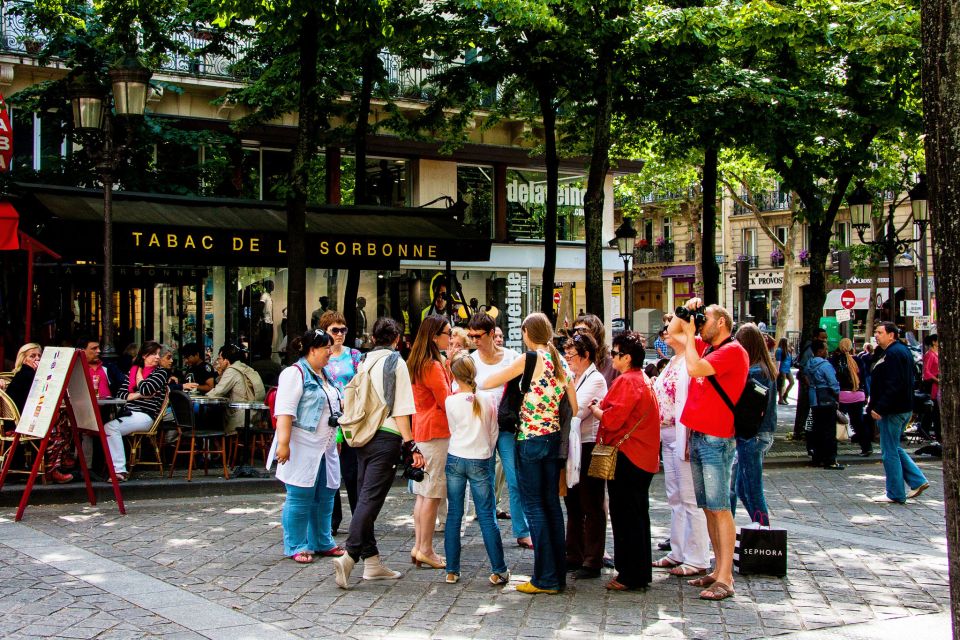
You’ll also visit Church of Saint-Étienne-du-Mont. This stop works well as a counterpoint. After the big, idea-heavy monuments, you get back to something more intimate—stonework, scale, and a sense of place that fits the neighborhood’s tempo.
If you like tours that keep you moving but still make time for meaning, this is the kind of church visit you’ll appreciate. It’s a chance to slow down briefly without losing momentum, and the guide’s explanations help you understand what makes this church matter within the Latin Quarter’s overall story.
Picasso’s favorite drinking dens, plus jazz and night-life that belongs to this street
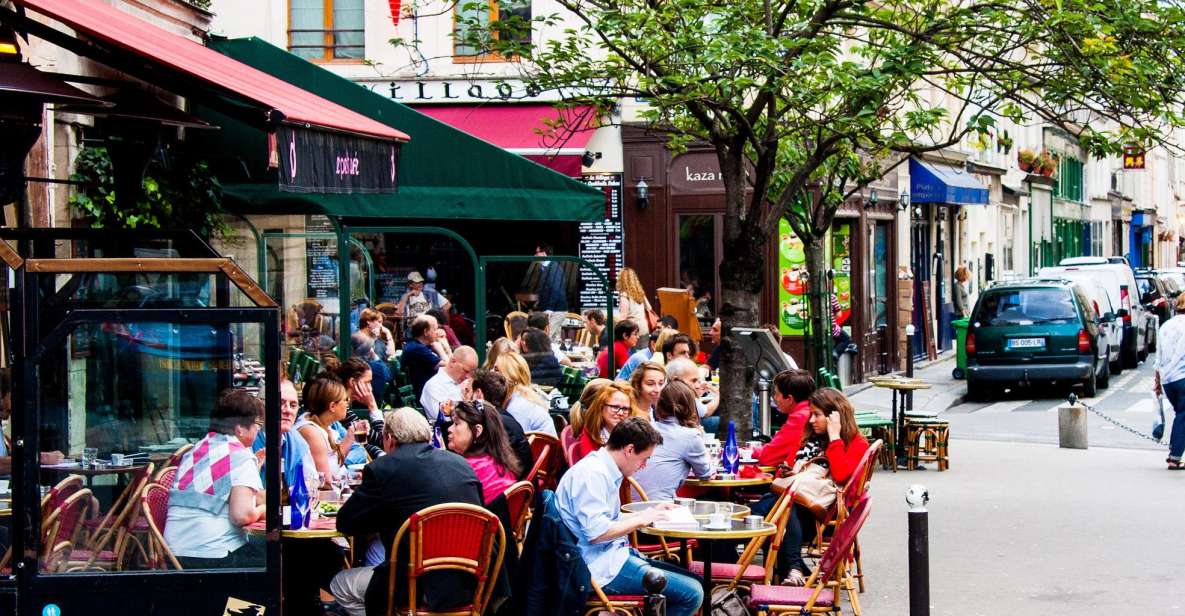
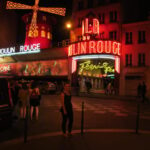
Not every Paris walking tour gives you the cultural “how it lived” details. This one adds that layer: you’ll hear about the favorite drinking dens of Picasso in the area, and you’ll also get mentions of jazz clubs, cocktail bars, and hip restaurants.
Now, a quick reality check: you might not step inside every nightlife spot on a 2-hour walk. But you don’t need to. Hearing the names and connections helps you place the Latin Quarter’s modern reputation in context.
This is also why a private guide helps. If you’re interested in nightlife, you can ask the guide what to look for afterward. If you’re not, you’ll still benefit because the cultural references make the neighborhood feel less like a history set and more like a living place.
Luxembourg Gardens: ending with a breather, not a wall of stone
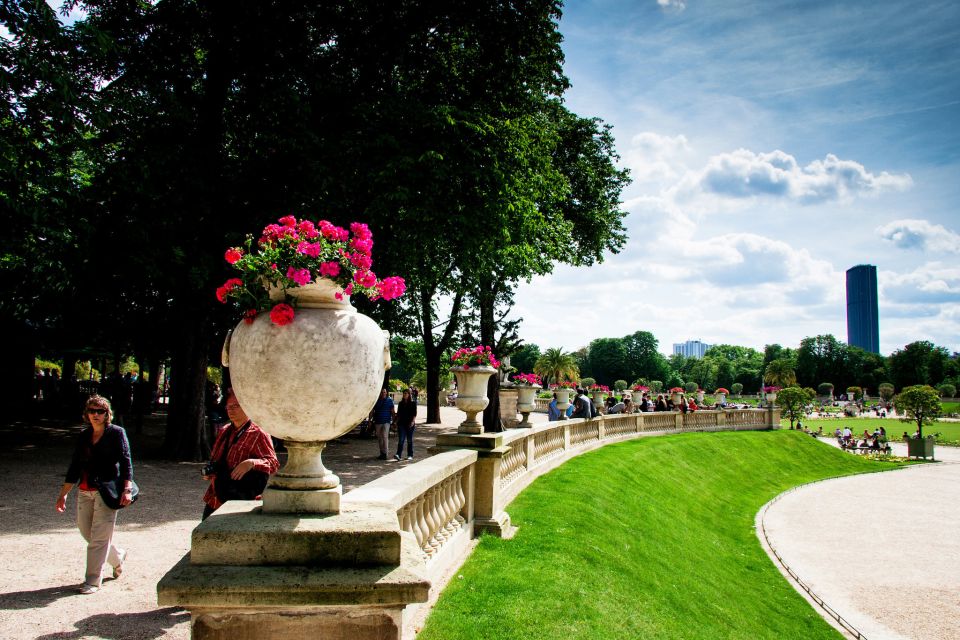
The tour finishes at Luxembourg Gardens. This is smart for two reasons. First, it lets you rest your legs after cobblestones and church-to-monument walking. Second, it’s a calmer environment where you can process what you learned and decide what you want to revisit later.
Even if you only give the gardens a short look, you’ll get the shift from academic and sacred Paris into a public space where people actually relax. It’s the kind of ending that makes the tour feel complete instead of abrupt.
Price and what you actually get for $176 per person
At $176 per person for a 2-hour private walking tour, you’re paying for three things: a specialist local guide, a custom-feeling private pace, and time spent in places you’ll likely miss if you’re just wandering.
Is it “worth it”? For me, it comes down to your travel style. If you like guided context—why a bookstore matters, what makes a building’s style unusual, how a university shaped the area—this price starts to make sense. If your goal is only to tick off famous sites, a cheaper self-guided route could be enough.
One more value point: the guide matters. People have praised guides for being engaging and for helping the group get where they need to go after the tour. Names that have come up include Bella and Barbara, both noted for strong on-the-ground guidance.
Should you book this Latin Quarter private walking tour?
Book it if you want a first-day orientation that’s more specific than the usual “major sights” loop. You’re especially likely to enjoy it if you care about the way neighborhoods develop—book culture, student life, and architectural details working together.
Skip it or consider alternatives if you prefer longer stays in fewer places. This is a tight 2-hour walk, so you’ll see a curated set of highlights, not the entire Latin Quarter. Also, if you hate walking on cobblestones, plan for a slower pace than you might expect.
If you like asking questions and want your Paris story to include medieval lanes plus modern creative energy, this is a strong fit.
FAQ
How long is the Paris Latin Quarter 2-hour private walking tour?
It lasts 2 hours.
Where do we meet for the tour?
You meet at Metro Cluny La Sorbonne, in front of McDonald’s. Your guide will carry a red canvas tote bag.
Is the tour private?
Yes, it’s a private group.
What sights are included?
Key stops include Shakespeare and Company, Rue Saint-Séverin, Church of Saint-Séverin, Hôtel de Cluny, La Sorbonne, Panthéon, Church of Saint-Étienne-du-Mont, and Luxembourg Gardens.
Is food and drink included?
No. The tour does not include food or drink, so it’s smart to bring a snack and water.
Does it run in bad weather?
Yes. It operates rain or shine.
What languages is the tour offered in?
The live tour guide speaks English, French, or Serbo-Croatian.
What is the cancellation policy and payment option?
You can cancel up to 24 hours in advance for a full refund. You can also reserve now & pay later.