REVIEW · PARIS
Fragonard Paris: Mini Perfume Workshop
Book on GetYourGuide →Operated by LE MUSEE DU PARFUM FRAGONARD · Bookable on GetYourGuide
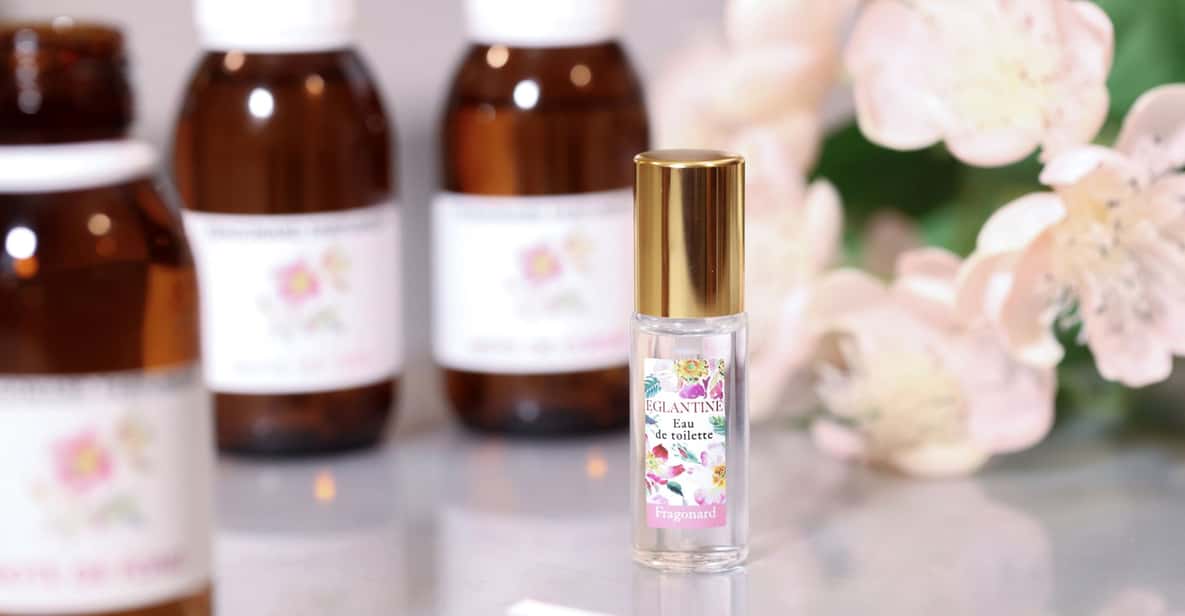
Perfume, but make it personal. This 45-minute Fragonard Paris Mini Perfume Workshop pairs a short guided museum tour with a hands-on blending lesson where you build your own Eau de Toilette from the brand’s Flower of the Year notes, then take home a 12 ml spray bottle. I like that it’s not just smelling things; you get a clear framework for how fragrance works, including the olfactory pyramid and the idea of top, heart, and base notes.
The main thing to consider is the time. The whole experience is tight at 45 minutes, so if you want to linger over bottles and display cases, plan extra time around the museum on your own.
In This Review
- Key things to know before you go
- Where Fragonard’s Perfume Workshop Fits in Paris (Opera Garnier area)
- The guided museum tour: perfume secrets in a real “laboratory”
- The olfactory pyramid: how your nose gets trained fast
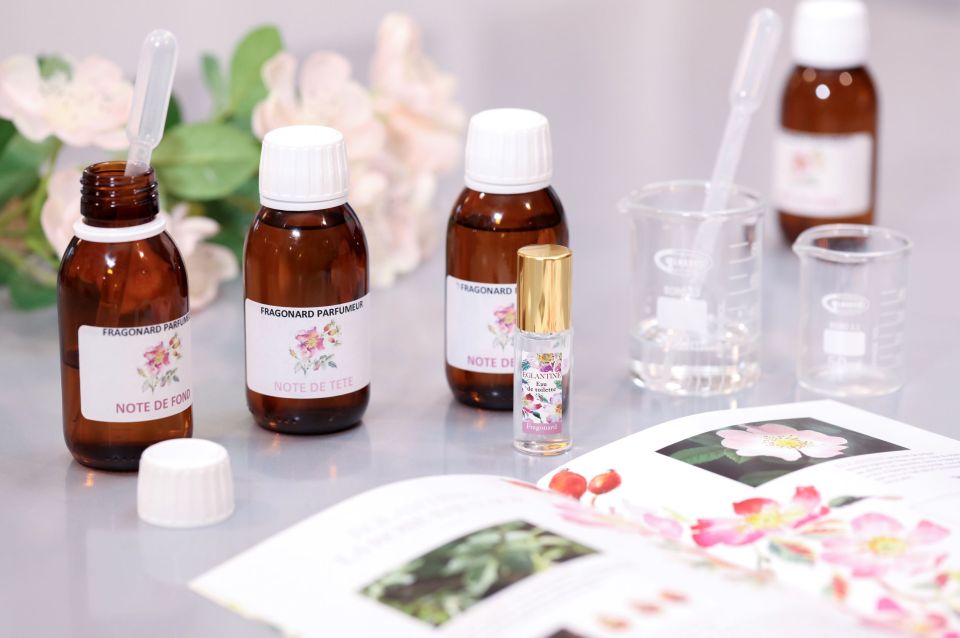
- The 20-minute workshop: blending the Flower of the Year Eau de Toilette
- Your take-home bottle: souvenir you’ll actually use
- Timing, group size, and who this fits best
- Price and value: what you’re really paying for at about $36
- Watch outs: pace, comfort, and expectations
- Should you book this Fragonard mini perfume workshop?
- FAQ
- Is the Fragonard Paris Mini Perfume Workshop in English?
- How long does the workshop last?
- How big is the group?
- What perfume do I make and take home?
- What notes are used in the blending?
- Are children allowed?
- Where do I meet for the experience?
- Is it wheelchair accessible?
- Are pets allowed?
- Can I get a refund if plans change?
Key things to know before you go
- Small group size (max 10) keeps the workshop feeling personal and not chaotic.
- You mix a perfume using top, heart, and base notes drawn from Fragonard’s Flower of the Year.
- You get a guided museum tour first, so the workshop connects to the history and craft.
- The blend lesson focuses on recognition and memory, not just pouring liquids.
- You’ll leave with a 12 ml spray bottle you made, ready to use or gift.
Where Fragonard’s Perfume Workshop Fits in Paris (Opera Garnier area)
This is one of those Paris activities that makes your day better, not longer. Fragonard’s Perfume Museum is right next to Opera Garnier, so you can drop into it between sightseeing stops without feeling like you took a long detour.
What I like most is the setting. You’re in a historic private mansion in a Second Empire atmosphere, and the museum itself feels like a mix of laboratory and cabinet of curiosities. That matters because you’re not learning perfume in an abstract way—you’re learning it in a place built for scent, bottles, and craft.
If you’re choosing between a quick souvenir shop stop and a real activity, this one wins. You trade browsing for a structured lesson, and you leave with a bottle that’s actually yours.
You can also read our reviews of more tours and experiences in Paris
The guided museum tour: perfume secrets in a real “laboratory”
Your session starts at the Fragonard Perfume Museum, and the guided part gives you context before you start mixing. You’ll walk through a space that presents perfume as both culture and science: origins, how ingredients become scent, and why different notes feel like they unfold over time.
A few details about what you’ll see help you set expectations. The museum traces perfume through thousands of years of history, and it frames the trade around know-how from Grasse, including ideas about vanished or changing raw materials. You’ll also encounter the sense of a perfumer’s workshop—think guided exposure to how scent is built and handled, not just displayed.
Then there’s a second side of the museum that leans more artistic and collectible. You’ll see old decorative objects and extraordinary bottles, including references that span from Pharaohs to Fabergé, plus sections connected to goldsmithery. Even if your main goal is the workshop, this part helps you understand why a perfume bottle was never just packaging in French culture.
Two practical tips if you want the most out of the tour:
- Keep your eyes up as much as your nose. These exhibits are meant to be looked at, not only smelled.
- Ask simple questions about what you’re tasting with your nose. The tour format is short, so quick questions tend to land well with the guide.
The olfactory pyramid: how your nose gets trained fast

Before you touch the bottles, you’ll get an explanation of the olfactory pyramid. This is one of the most useful ideas in the whole experience because it turns a fuzzy word like smell into something you can recognize and repeat.
The approach is straightforward:
- Top notes are what you detect first.
- Heart notes form the middle character.
- Base notes linger and hold the blend together.
You’ll also do sensory recognition with pre-composed fragrances. That part is key: the activity isn’t only mixing; it’s also training you to notice how each layer behaves. It’s a fast lesson, but it gives you something you can use later when you smell perfumes in shops back in your own neighborhood.
I noticed that the guides are often the reason people have fun here. In the experience feedback, names like Yoko, Naomi, Sofia, Paco, and Eleanora show up alongside comments about humor and clarity. Even without knowing the guide ahead of time, that pattern matters: you’re likely to get an energetic explanation instead of a stiff lecture.
The 20-minute workshop: blending the Flower of the Year Eau de Toilette
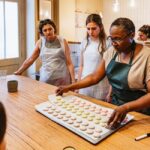
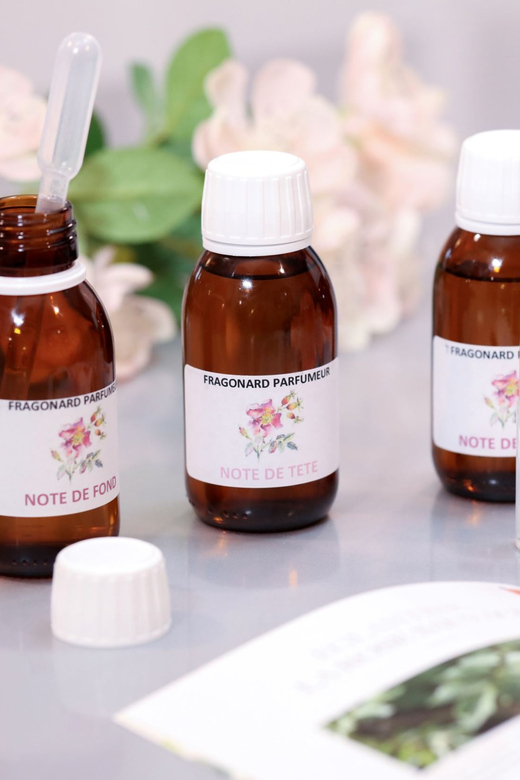
After the museum tour, the workshop begins. It’s about 20 minutes of guided hands-on work, and your goal is simple: create your own fragrance blend using three pre-composed notes from the Fragonard Flower of the Year Eau de Toilette.
Here’s the practical part that makes this more than a gimmick. You’re not picking from dozens of standalone scents where choice paralysis takes over. Instead, you build your perfume by balancing top, heart, and base components that already belong to the brand’s annual Flower of the Year concept. That keeps the time realistic while still giving you room to make it feel like your choice.
Your teacher helps you recognize and blend. You’ll customize your final Eau de Toilette based on the three note sets, and the result can vary even if you’re starting from the same options. One useful detail from the experience info: different blends happen depending on how you combine the three pre-composed components, so two people aren’t guaranteed to walk out with the same scent.
What you take home is equally clear. You’ll create a 12 ml bottle of Eau de Toilette in spray form, which makes it easy to use quickly. And because it’s built from a guided process, you usually know what you were trying to achieve, even if your nose is new to perfume layering.
If you’re wondering how to act during the workshop, do this:
- Smell each component as directed and trust the order you’re given.
- Don’t try to force a super strong fragrance. The point is balance between layers.
- If something smells too sharp at first, remember that top notes fade faster than base notes do.
Your take-home bottle: souvenir you’ll actually use
A lot of “Paris workshops” end with something you admire once and then forget in a drawer. This one avoids that trap because you take away a wearable fragrance: a 12 ml Eau de Toilette spray that you personally mixed.
It also makes a great gift because it’s tied to a specific moment in Paris. You can tell the story without over-explaining the science. Just say you built your own blend from a Flower of the Year concept, then watched the notes come together.
One more practical advantage: having a small bottle you can test keeps it low-risk. If you end up loving it, you’ll want more. If you don’t, you still get the experience and the story without being stuck with a huge purchase.


Timing, group size, and who this fits best
The experience runs 45 minutes total, and the group is small, limited to 10 participants. That matters more than people think. In a tiny group, the guide can correct, coach, and respond without rushing everyone at the same tempo.
The whole set-up also works well for mixed ages. Children are accepted from 8 years old when they’re with a paying adult. That’s ideal if you’re building a Paris day around family time that isn’t just walking and hoping everyone stays interested.
This also makes sense for adults who:
- Want a hands-on activity (not a long museum slog)
- Like sensory learning
- Are shopping for perfume but want a better understanding first
And it can be a good rainy-day option because it’s indoors, and the time is short enough to fit even on a packed schedule.
Price and value: what you’re really paying for at about $36
At around $36 per person for 45 minutes, you’re paying for a bundled experience: guided museum time plus the workshop plus your 12 ml take-home bottle.
That value shows up in two ways:
- You’re not paying only for the product. The structure includes an explanation of how perfume is built, including the olfactory pyramid and recognition of note layers.
- You’re not paying only for the museum. The museum tour gives context, but the workshop is where you get a personal result you can use later.
If your goal is only to buy a scent, you could do that in any store. But if your goal is to learn the logic behind perfume and leave with something you made, this format is a good deal.
Watch outs: pace, comfort, and expectations
A few practical notes to keep your experience smooth.
First, the schedule is tight. At 45 minutes, you should treat the museum portion as a taste, not a full self-guided wander. If you love reading labels and going slow, I’d plan time afterward to return on your own.
Second, it’s not set up for everyone in terms of mobility. The experience is not suitable for wheelchair users. If you or someone in your group uses a wheelchair, you’ll want to choose something else nearby that matches your needs.
Third, pets aren’t allowed. So if you’re traveling with an animal, you’ll need alternate arrangements.
Finally, come in with a flexible mindset. The workshop is designed to be fun and accessible, and the science is explained at a human pace. You’ll get the fundamentals of top, heart, and base notes and then put them to work quickly.
Should you book this Fragonard mini perfume workshop?
Book it if you want a Paris activity that’s short, guided, and genuinely interactive. I think it’s a standout choice when you like your travel with purpose: a bit of museum learning plus a creative outcome you can take home in your bag.
Skip it if you want a long, slow museum experience. This one is meant to be efficient. Also skip if wheelchair access is a must for your group, since the experience is marked not suitable.
If you do book, here’s my simple strategy: arrive ready to smell, don’t overthink the blending, and plan a little extra time after the workshop to look at the museum bottles again at your own pace. That’s how you turn a quick 45 minutes into a fuller Paris memory.
FAQ
Is the Fragonard Paris Mini Perfume Workshop in English?
Yes. The experience includes a live tour guide in English.
How long does the workshop last?
The total duration is 45 minutes.
How big is the group?
It’s a small group limited to 10 participants.
What perfume do I make and take home?
You create an Eau de Toilette based on the Flower of the Year and take home a 12 ml spray bottle.
What notes are used in the blending?
You’ll blend a top note, heart note, and base note using three pre-composed notes from the Flower of the Year Eau de Toilette.
Are children allowed?
Yes. Children are accepted upwards of 8 years old, under the responsibility of a paying adult.
Where do I meet for the experience?
Meet at the Fragonard Perfume Museum.
Is it wheelchair accessible?
No. It’s not suitable for wheelchair users.
Are pets allowed?
No. Pets are not allowed.
Can I get a refund if plans change?
Yes. You can cancel up to 24 hours in advance for a full refund.