REVIEW · PARIS
Paris: French Macaron Culinary Class with a Chef
Book on GetYourGuide →Operated by Ateliers Parisiens · Bookable on GetYourGuide
Macarons are tricky; this class makes them doable. This small group workshop in Paris focuses on the real mechanics—perfecting meringue and building macarons with a crisp shell and soft center. I love the hands-on coaching and the fact you leave with a box you made. One possible snag: the meeting point is a grey door, and there may not be obvious signage.
Instructors range from Alice to Delphine, Amélie, Matteo, William, and Christian, and the teaching style is built for real results, not just watching. I also like that English instruction is standard, and sometimes you get extra French support, like Delphine switching languages so everyone follows.
The full session runs 150 minutes at a pastry school in Ile-de-France (Maison Fleuret). You pipe, rest, and fill, then pack up your macarons at the end—great if you want a food memory that lasts longer than a photo.
In This Review
- Key highlights I’d pin to the top
- Maison Fleuret Kitchen: Where the Lesson Starts (and How to Find It)
- The Core Skills: Meringue, Ganache, and Building the Perfect Macaron
- Meringue: the texture is the whole story
- Ganache: flavor plus structure
- Crisp outside, soft inside: what you’re aiming for
- A 150-Minute Game Plan: What Happens in the Workshop
- Small-Group Energy: Why Up to 6 People Works So Well
- Instructors and Language: Getting Help in English (and Sometimes French Too)
- Choosing Flavors and Colors: Making the Lesson Feel Like Yours
- Hands-On Coaching: What You’ll Likely Be Doing (Not Just Watching)
- Taking Your Macarons Home: Keeping Them Pretty and Edible
- Who This Paris Macaron Class Is Best For
- Value in Paris: Why This Feels Worth the Time
- Quick Reality Checks Before You Go
- Should You Book It?
- FAQ
- How long is the Paris French macaron cooking class?
- How big is the group?
- Is the class taught in English?
- What do I get at the end of the class?
- Where do I meet the instructor?
- Is pickup from your hotel included?
Key highlights I’d pin to the top
- Meringue technique you can repeat: learn how to get the right texture before anything hits the tray
- Ganache-making that actually makes sense: you practice the filling step instead of guessing at it
- A clear goal: crisp outside, soft inside: the class is built around that signature macaron contrast
- Small group coaching (up to 6): fewer people means more correction in real time
- Take-home reward: you leave with a box of macarons you crafted
Maison Fleuret Kitchen: Where the Lesson Starts (and How to Find It)
You meet at Maison Fleuret School at the time on your reservation, right in front of the grey door. That simple detail matters because this is not a place where you can wander in “nearby.” If you arrive 10 minutes early, you’ll have time to locate the entrance and settle in without rushing.
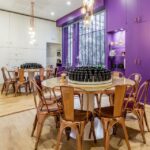
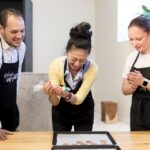
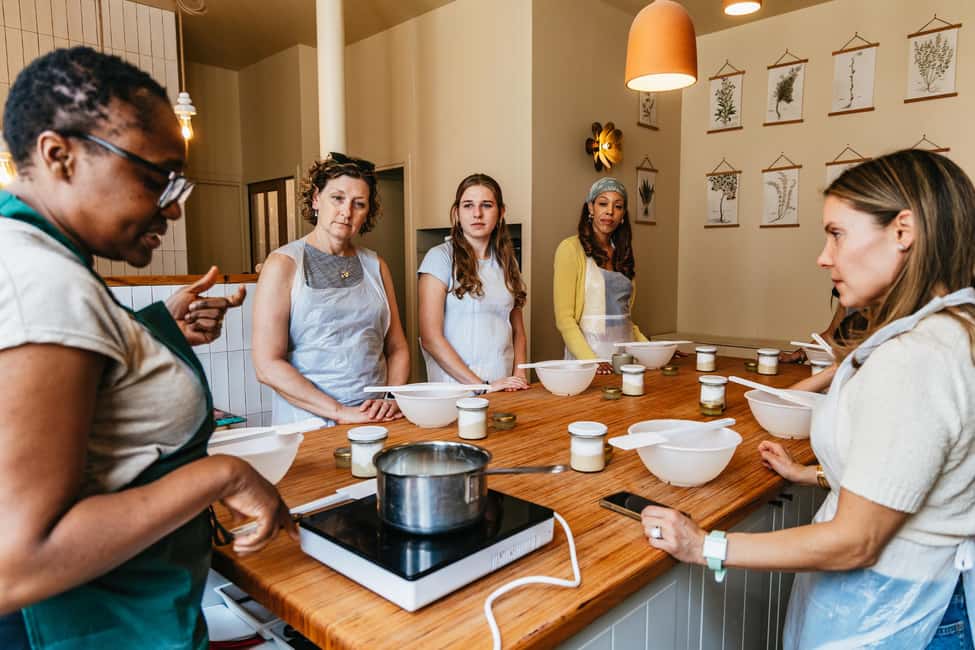
Inside, you’ll get matched up with the rest of your group and start right away. The workshop is set up like a working kitchen, not a demo theater, which is exactly what you want for something as fussy as macarons.
Also note the class setup is small, capped at 6 participants. That’s a big deal in French patisserie, where tiny timing and texture differences can make the difference between perfect shells and sad flat cookies.
You can also read our reviews of more tours and experiences in Paris

The Core Skills: Meringue, Ganache, and Building the Perfect Macaron
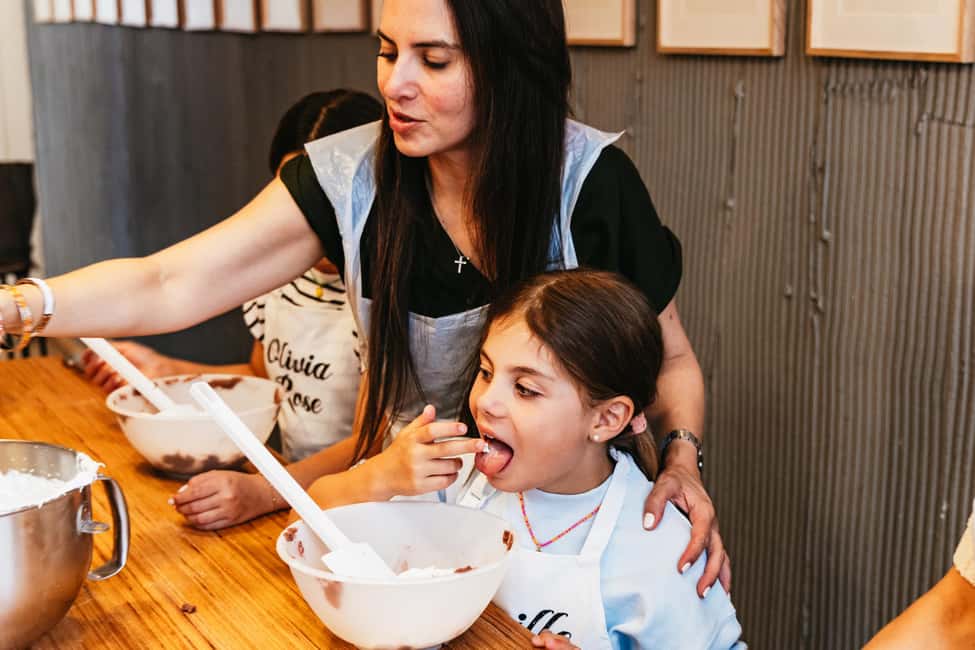
This class is built around the steps that make or break macarons: the meringue and the ganache, plus the assembly logic that creates that crisp shell and soft center.
Meringue: the texture is the whole story
You start with making the meringue, and the chef guides you on what the mix should look and feel like. The goal is stability and smoothness so the batter holds its shape once piped. If you’ve ever had macarons turn out lumpy or spread too much, this part is where the fix comes from.
The instruction style tends to be very practical. You’re not just learning recipes. You’re learning the checks and adjustments that help you recover when things don’t look perfect.
Ganache: flavor plus structure
Next comes the ganache-making technique. This matters because ganache is not only the flavor engine; it also helps create the classic bite that feels soft in the middle. In a good macaron, the filling doesn’t overwhelm the shell and it doesn’t leak.
You’ll get coaching on how to build ganache properly so it’s usable for piping or spreading during assembly. Think of this as learning the “center” of the sandwich, not just the cookie shell.
Crisp outside, soft inside: what you’re aiming for
The highlight you’re working toward is specific: a pastry with a crispy outer layer and a soft, tasty center. That means the class isn’t only about getting something edible. It’s about dialing in the macaron’s texture contrast.
That contrast is the signature of a properly made French macaron. And it’s also why this class feels satisfying when you pull your tray and later assemble your finished cookies.





A 150-Minute Game Plan: What Happens in the Workshop
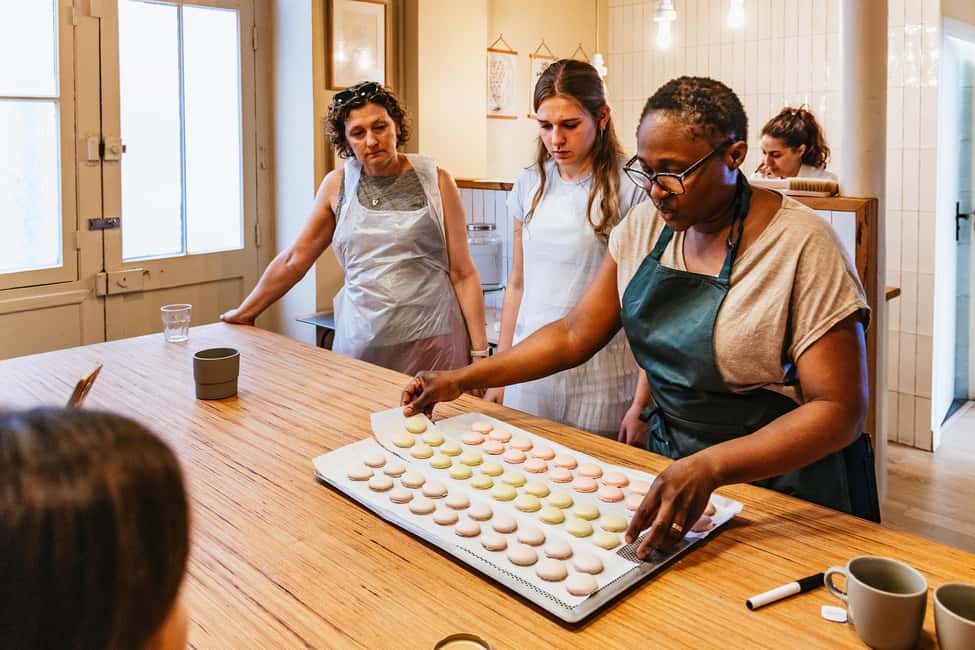
The total duration is 150 minutes, and the structure keeps moving. Some sessions may run a bit faster in practice, with at least one participant noting finishing closer to 1 hour 45 minutes than 2.5 hours, depending on pace and how the group flows.
Here’s how the time generally feels:
1) Arrive and get oriented
You meet your chef and the rest of your group, then get instructions for the steps ahead. You’ll likely get quick reminders on timing and texture so everyone starts the same way.
2) Make the meringue
This is the first “do it yourself” moment that sets the tone. The chef helps you reach the right stage, and you keep moving once the batter is ready.
3) Move into filling and assembly prep
As the session continues, the ganache-making and preparation steps come into play. You’ll get guidance on consistency so the filling works when it’s time to assemble.
4) Finish with a box to take home
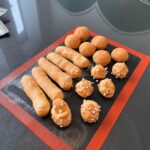
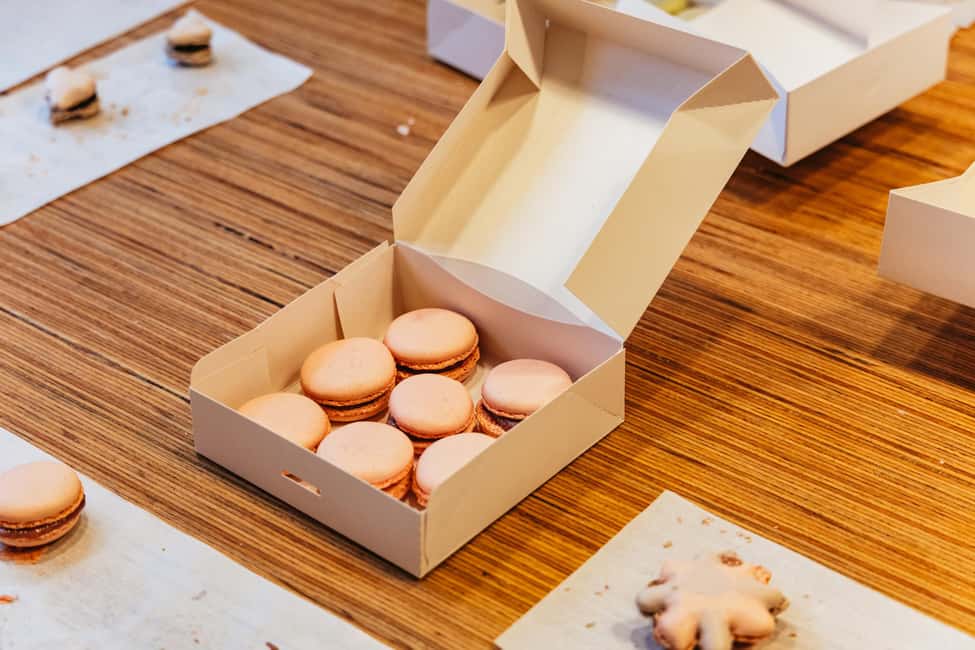
At the end, you receive a box of macarons carefully crafted during the lesson. One of the best parts is that the final result is a take-home product, not only a bowl you eat on site.
If you’re doing this with kids or teens, that flow matters. A long, waiting-heavy class can get boring fast. This one stays hands-on.
Small-Group Energy: Why Up to 6 People Works So Well
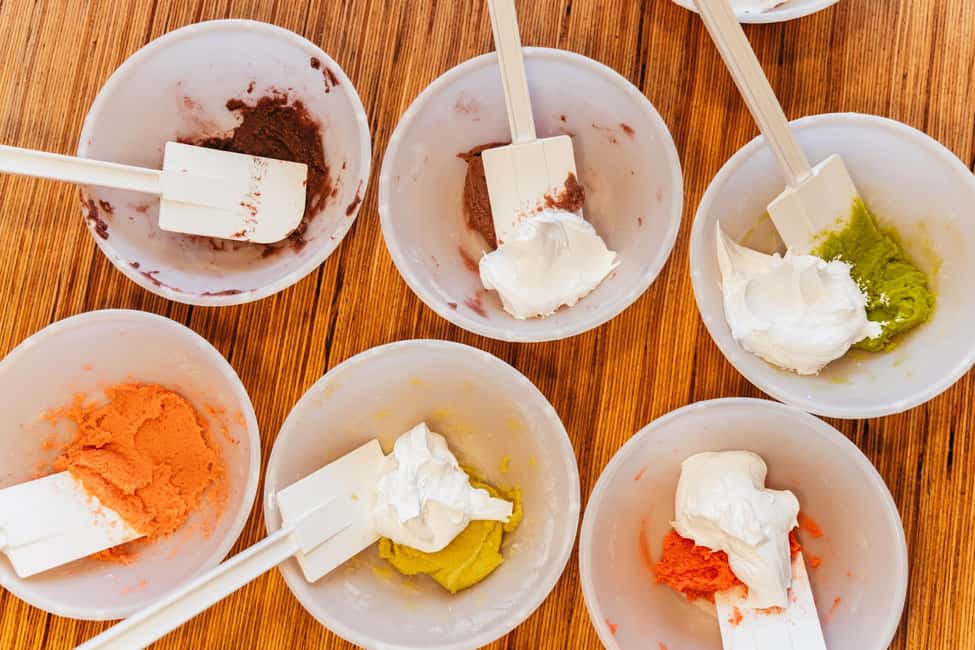
Small group isn’t a marketing phrase here. When the class is limited to 6 participants, the chef can correct what matters while it’s still fixable. That usually means fewer “let’s hope it turns out” moments.
You’ll also get a friendly environment with a social feel. Several people mention learning and laughing with classmates, which is rare for a pastry task that usually feels intimidating.
One practical upside of the tiny group: if you’re a beginner, you get more support. If you’ve made macarons before but they failed, you also get targeted troubleshooting. A single person did mention that for more advanced techniques the class might not go deep enough, so if you’re already very serious about baking at a high level, you may want more specialized instruction than what’s offered here.
Instructors and Language: Getting Help in English (and Sometimes French Too)
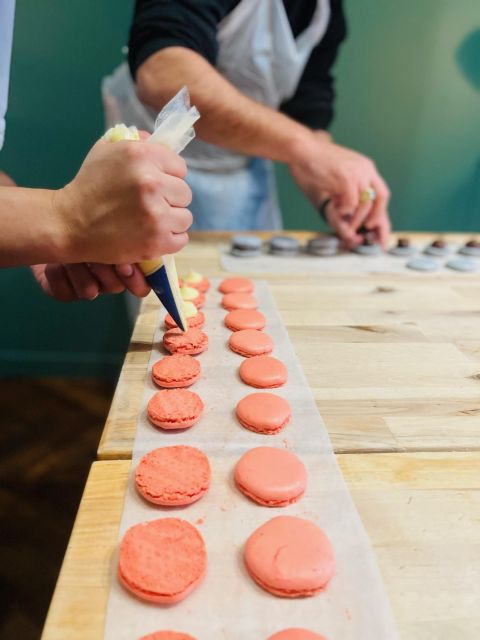
The chef instructor is English-speaking, and that helps a lot if your French is rusty or nonexistent. You can follow the process without guessing.
Some sessions also include bilingual support. One participant specifically highlighted Delphine speaking in both French and English, so everyone understood. If you see an instructor who mixes languages, don’t worry. That tends to keep the class smooth for the full group.
You’ll also notice the teaching style varies by chef. Participants described instructors as entertaining, upbeat, patient, and funny, which matters because macarons punish stress. A calm, supportive guide helps you stay precise instead of rushing.
Choosing Flavors and Colors: Making the Lesson Feel Like Yours
A lot of the fun comes from customizing your end result. People mention choosing flavors and colors, and at least one participant even described making multi-colored macarons.
This is more than just pretty. Flavor and color choices make the effort feel personal. When you assemble a dozen that you actually picked, you’re more likely to remember what worked and how it looked before filling.
It’s also a great way to handle group variety. If you’ve got a mixed group of adults and kids, everyone can end up with options they enjoy.
Hands-On Coaching: What You’ll Likely Be Doing (Not Just Watching)
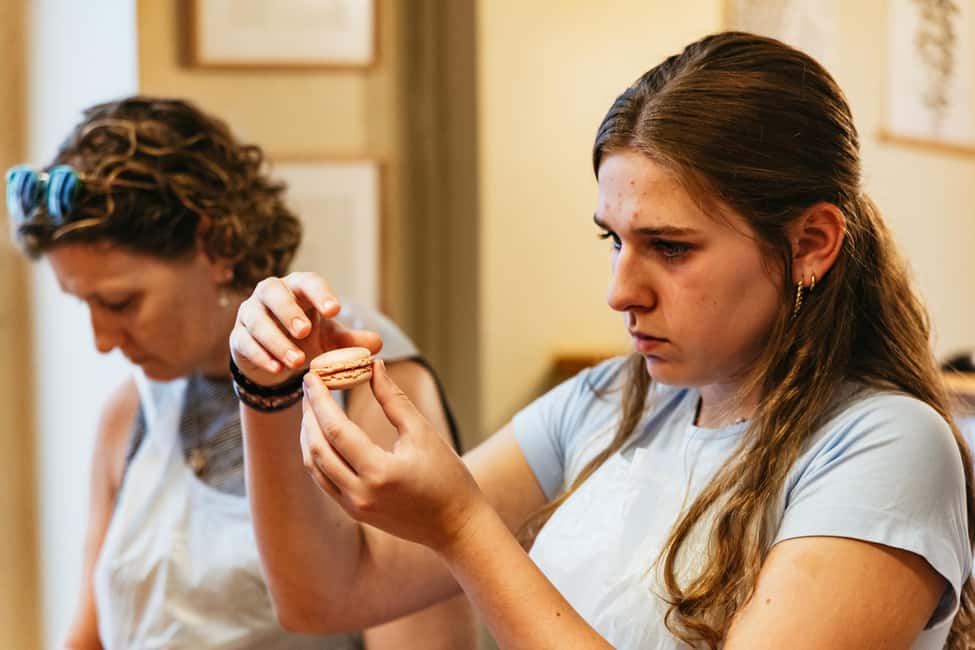
This is not a sit-and-smile cooking demo. The class is structured around doing the steps yourself, from meringue preparation to ganache and assembly.
You’ll see demonstrations, then you’ll repeat the steps at your station. That’s the learning magic for macarons. You don’t master texture by reading about it. You master it by piping, checking, adjusting, and trying again under guidance.
For families, this kind of hands-on time is a big reason people rate the experience so highly. Several participants brought children and noted the chefs could involve kids without turning it into chaos.
Taking Your Macarons Home: Keeping Them Pretty and Edible
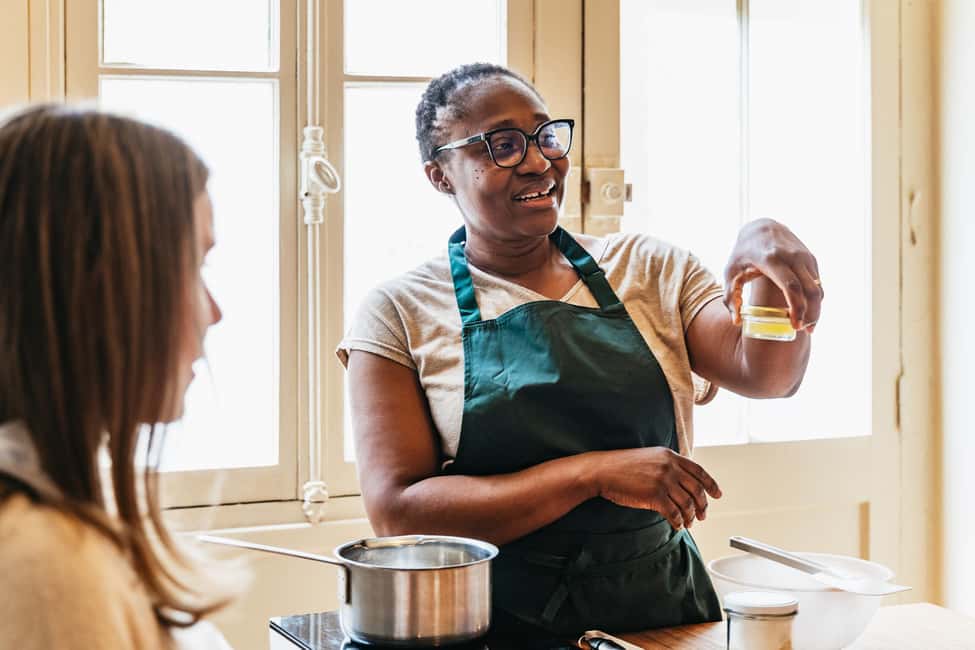
Your take-home box is included, and it’s the part you’ll want to protect. One participant noted successfully transporting macarons even during a cooler trip, while another comment mentioned macarons melting in heat when traveling. That tells me you should treat the box like a delicate souvenir.
Practical approach: keep the box stable, keep it away from heat, and avoid stacking pressure on top. If you’re walking around Paris after class, plan for a short, careful route back to your lodging or next stop.
Also, consider how quickly you’ll eat them. You’ll have fresh macarons made in class, and they’re perfect for sharing after dinner or packing for a next-day treat.
Who This Paris Macaron Class Is Best For
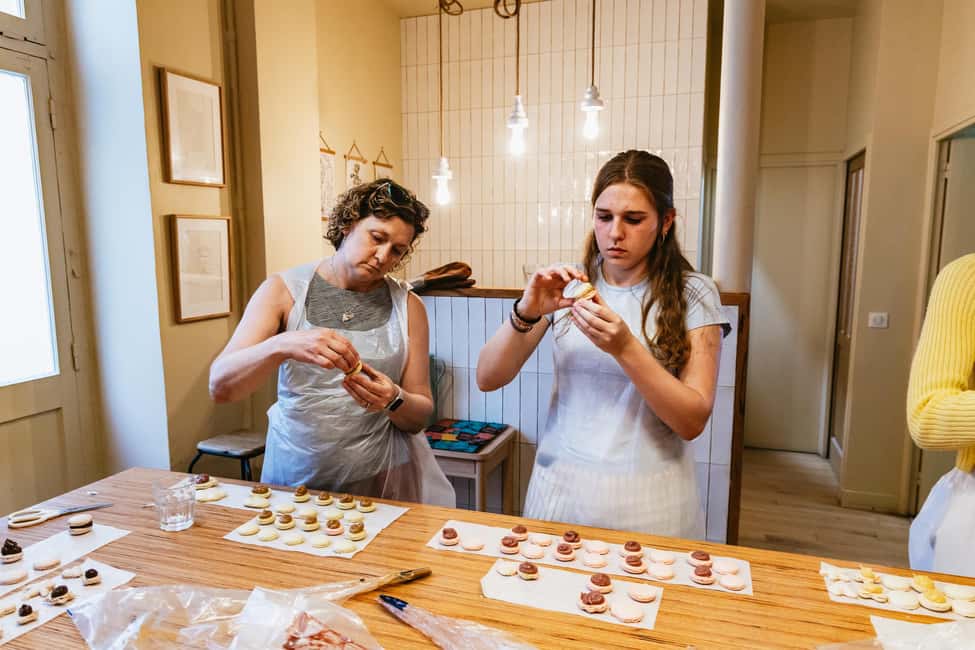
I’d book this if you want a Paris food activity that’s active, not passive, and you like learning by doing.
It fits especially well if:
- You’re curious about French patisserie but don’t want to start with a full home-kitchen setup
- You’ve tried macarons before and want a fresh process with step-by-step coaching
- You’re traveling as a family and want a structured, friendly activity
- You want something that produces a tangible takeaway you can enjoy later
It may be less perfect if you’re already very advanced and specifically hunting for higher-level pastry theory. One participant felt the advanced info wasn’t enough, which suggests this class aims more at approachable skill-building than technical deep research.
Value in Paris: Why This Feels Worth the Time
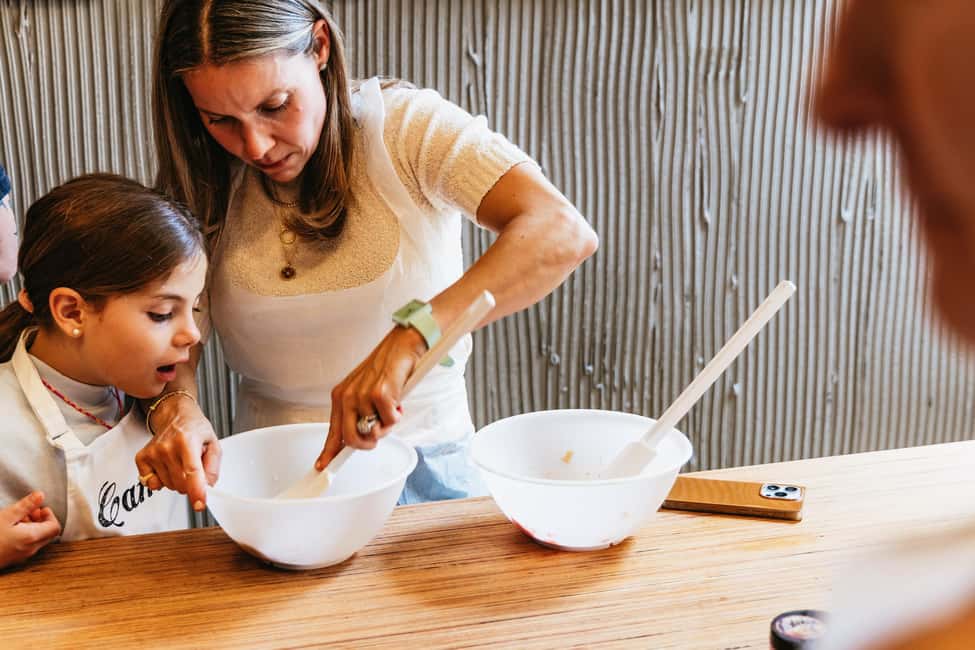
Macarons are one of those foods that sound simple and behave like a drama queen. When you spend time in a class, you’re paying for guidance through the hard parts: meringue texture, ganache consistency, and assembly timing.
The value shows up in two ways. First, the small group size means corrections when you need them, not after you’ve already ruined a tray. Second, you leave with the result in a box, so the class pays you back in an edible souvenir you can share.
Also, the instructors you’ll meet across sessions add value. People described chefs like Alice, Delphine, Amélie, Matteo, William, and Christian as supportive and organized. Different personalities can suit different groups, but the consistent theme is coaching that helps you finish strong.
Quick Reality Checks Before You Go
A few practical notes will help your expectations match the experience.
- You do need to get yourself to the meeting point. Hotel pickup isn’t included.
- Some classes may finish slightly earlier than the stated 150 minutes, depending on group pace.
- English instruction is part of the design, but a bilingual explanation may show up depending on the chef leading your session.
- If you’re sensitive to noise, you might want to choose seating where you can hear the chef clearly, since at least one participant thought the final part was too loud.
None of this is a deal-breaker. It just keeps you from being surprised.
Should You Book It?
Book it if you want the best kind of Paris souvenir: one you made with your own hands. The class is designed around the two tricky pivots of macarons, meringue and ganache, and it aims for the signature crisp shell and soft center. If you like small-group instruction and want a friendly workshop that ends with a take-home box, this is a strong fit.
Skip or consider something else if you need a more advanced, pastry-research-style class. This workshop looks built for practical success, not deep technical experimentation.
If you’re on the fence, ask yourself one question: do you want to learn a repeatable technique, or do you just want a bite-sized tasting? This is for the first group.
FAQ
How long is the Paris French macaron cooking class?
The class duration is 150 minutes.
How big is the group?
It’s a small group limited to 6 participants.
Is the class taught in English?
Yes. The instructor is English-speaking.
What do I get at the end of the class?
You receive a box of macarons that were carefully crafted during the lesson.
Where do I meet the instructor?
Meet at the time of your reservation in front of the grey door.
Is pickup from your hotel included?
No. Hotel pickup and drop-off are not included.