REVIEW · PARIS
Orangerie Museum Entry Tickets and Private Guided Tour
Book on GetYourGuide →Operated by TourUpinEurope · Bookable on GetYourGuide
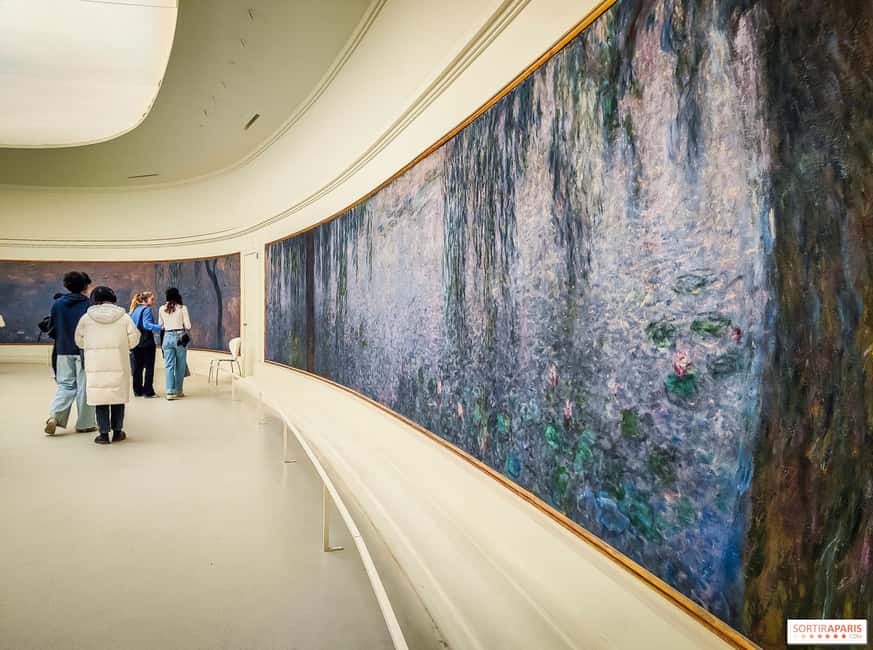
Monet’s silence hits harder with an expert guide. At the Orangerie Museum, you’ll focus on Water Lilies with clear context for why these paintings changed how people looked at art.
I love that this isn’t just a quick Monet moment. You also get a guided thread through late-19th to early-20th-century modern art, tied to major names like Cézanne, Picasso, and Renoir.
I especially like the way the tour connects Monet to the wider collection, so the museum feels like one story instead of scattered stops. And the 3-hour private pace makes it easier to ask questions without feeling rushed or stuck in long lines.
One thing to keep in mind: the attention paid to artists beyond Monet can vary by guide, so if Picasso is a top priority for you, go in hoping for strong coverage of the whole collection (not only a Monet intro).
In This Review
- Quick hits before you go
- Orangerie tickets are the easy part: what the guide actually changes
- Your meeting point in the Tuileries: arrive ready, not stressed
- The first stop: Monet’s Water Lilies and how the tour teaches you to look
- Beyond Monet: using Cézanne, Picasso, and Renoir to understand modern art
- How the tour’s 3 hours actually feels in real life
- Languages and how to pick the best fit for your brain
- Price and value: is $224 per person worth it?
- Practical rules inside: flash, time, and how to make it easier on yourself
- Who this tour suits best (and who might skip it)
- Should you book the Orangerie Museum entry + private guide?
- FAQ
- How long is the private guided tour?
- What does the price include?
- Where do I meet the guide?
- What languages are available for the live guide?
- Are flash photos allowed in the Orangerie Museum?
- Is this experience wheelchair accessible?
- How much does the tour cost per person?
Quick hits before you go
- A Water Lilies start that sets the tone for the whole visit, not a last-minute payoff
- A modern-art story arc that links Impressionism to names like Cézanne and Picasso
- A true expert-led visit where explanations stay practical, not just dates on a wall
- Private-group comfort with a 3-hour window that keeps things moving
- Clear rules inside the galleries, including no flash photography
Orangerie tickets are the easy part: what the guide actually changes
Buying Orangerie Museum entry tickets is straightforward. The real value here is the part you can’t copy from a guidebook: how the art gets connected in your head while you’re standing in front of it.
The Orangerie is famous for Monet’s Water Lilies, but that fame can trick you into thinking it’s only about one artist. On this tour, you’ll start with Monet and then use that foundation to understand why Impressionism mattered, and how modern art shifted from there. For me, that’s the difference between looking and getting it—you notice brushwork and choices more quickly when someone points you to what to watch for.
You’ll also walk away with a clearer sense of how the museum’s collection fits together. Seeing Cézanne, Picasso, Renoir, and other masters in sequence makes the evolution feel logical, not random. It’s the kind of context that helps later when you visit other Paris museums, too—you’ll have a mental map of how styles changed.
You can also read our reviews of more tours and experiences in Paris



Your meeting point in the Tuileries: arrive ready, not stressed
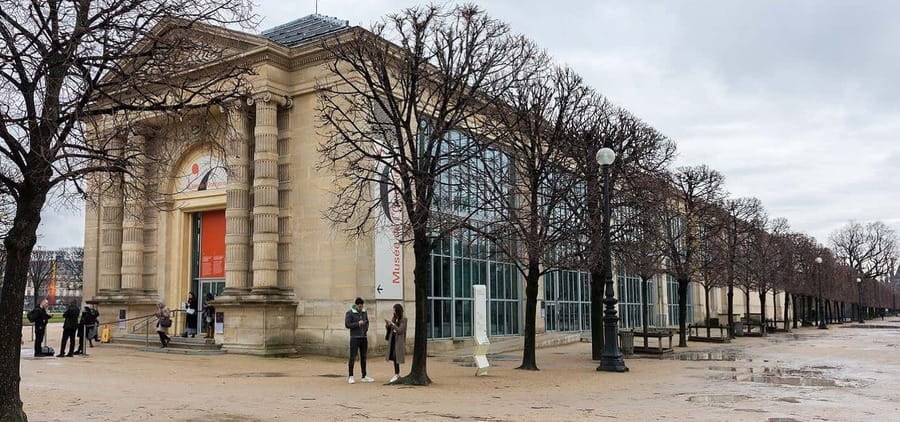
This tour meets outside the Orangerie Museum on the right side of the entrance, in the Tuileries Garden area. I like meeting outside because it’s faster to settle in and start the conversation with your guide instead of hunting for the right door once you’re already inside.
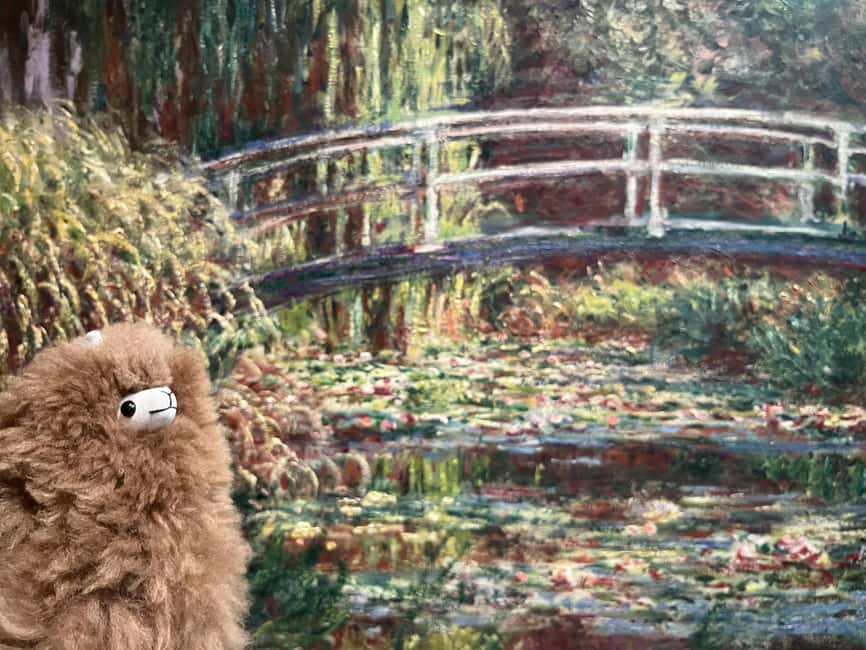
Look for someone with a small Llama mascot associated with TourUpinEurope. If you run into an issue on the spot, you can call or text your guide for urgent matters, and their contact details are sent to your email the morning of your tour.
Because it’s a private group, you’re not trying to keep up with a big pack. That matters here: the Orangerie is a place where attention is the point. If you’re arriving late or scattered, the best moments can feel like a blur. Give yourself a little buffer around the Tuileries Garden entrance so you can start calm.
The first stop: Monet’s Water Lilies and how the tour teaches you to look
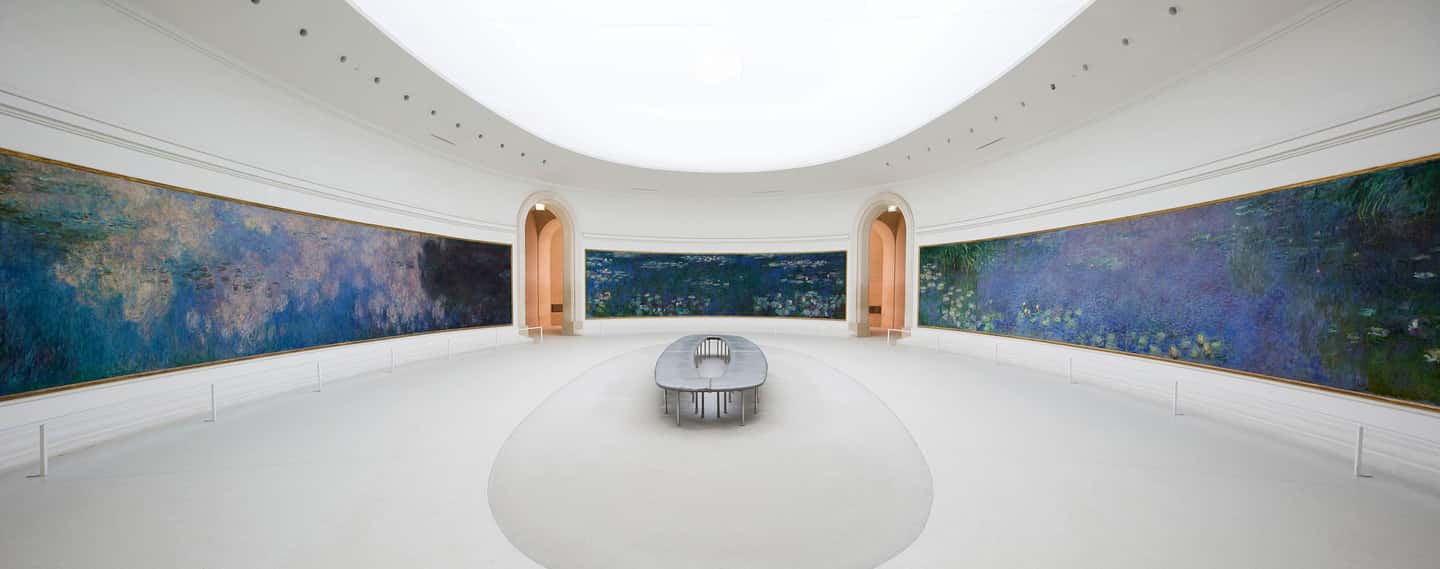
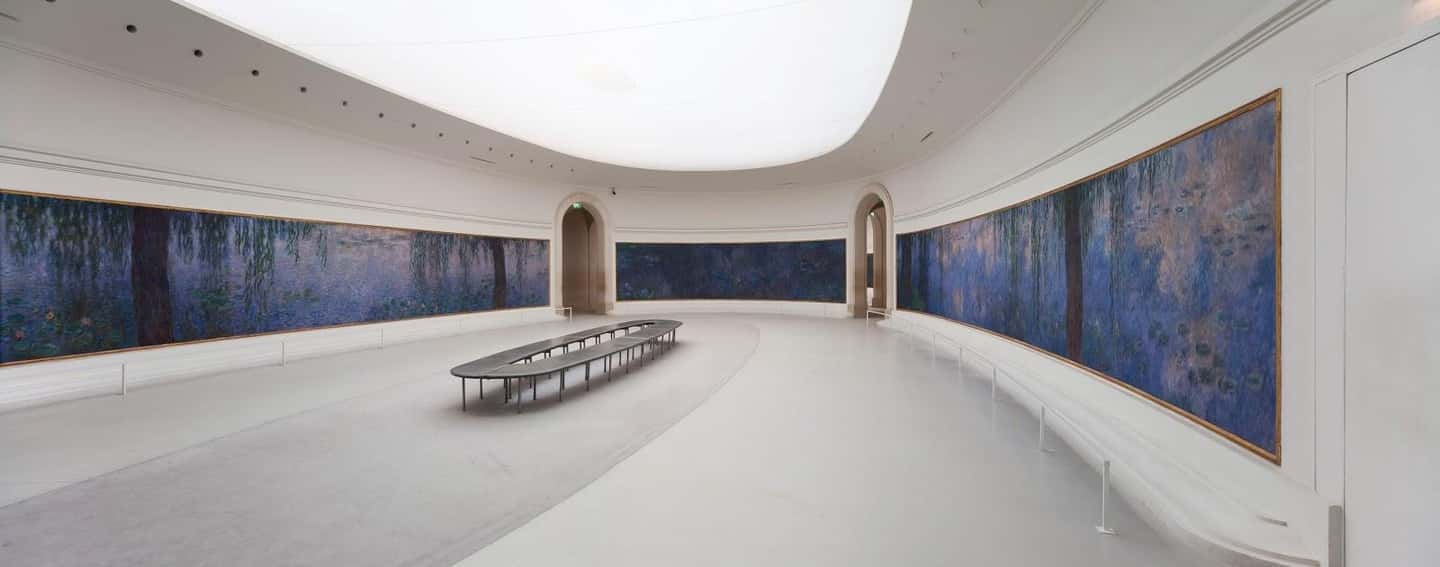
The tour’s rhythm is built around Monet’s Water Lilies. You’ll begin with an introduction to why the Orangerie matters, then move into the galleries where the series dominates the space.
What your guide does well is likely the main reason this tour earns a high rating. A strong guide doesn’t just say Monet painted flowers and ponds. They explain the big idea behind the work—how Monet’s vision shaped Impressionism and how the paintings became iconic because they changed the emotional volume of a room.
You’ll also get practical “what to notice” help. That can include how the series works as an experience as you move through the gallery space, and why the scale affects your attention. Even if you’ve seen photos before, standing there in person is a different kind of attention. The guide’s job is to make sure you’re not only impressed—you’re understanding.
One detail that keeps the experience grounded: flash photography is not allowed. That rule pushes you to look with your eyes first. It’s a small constraint, but it helps the whole visit feel more focused.
Beyond Monet: using Cézanne, Picasso, and Renoir to understand modern art
After Monet, the tour shifts from one famous artist to a broader collection of late-19th and early-20th-century work. This is where the tour stops being only an art-history stop and becomes a storyline you can carry.
You’ll explore the Orangerie’s Impressionist art collection and then move through major names such as:
- Cézanne
- Picasso
- Renoir
The key value here isn’t memorizing an artist list. It’s understanding the evolution your guide points out—how modern art developed instead of suddenly appearing fully formed. When you see Cézanne and then move toward Picasso, for example, your eye starts to recognize the kinds of changes artists were making: in structure, perception, and how form is handled.
A quick, honest note from the reality of private tours: the amount of time and clarity given to non-Monet artists can depend on the guide. In one standout experience, the guide David was praised for education, technical understanding, and kindness—exactly the combination that makes Cézanne and Picasso feel connected rather than like a random add-on. In a weaker experience, the coverage of artists besides Monet didn’t land as deeply, so Picasso didn’t get the attention it deserved.
So if your dream is learning the full modern-art arc, pick a moment when you can settle in and let the guide do the talking. This tour is designed to be guided, not self-guided.
How the tour’s 3 hours actually feels in real life
Three hours sounds neat on paper. In Paris, timing matters because museum visits aren’t only about art. They’re also about your energy, your patience, and whether you can absorb what you’re seeing.
With a 3-hour private tour, you should expect a steady pace: intro, Water Lilies focus, then collection highlights across Impressionist and modern works, and finally a wrap-up that helps you leave with a clearer understanding. That structure is ideal if you want depth without turning your day into a marathon.
The private-group format is also a big deal for comfort. You can stay longer at the pieces that grab you. You can ask follow-up questions without worrying about disrupting a group schedule. And since the guide is focused on you, they can adjust how much explanation they give based on what you react to.
You can also read our reviews of more guided tours in Paris



Languages and how to pick the best fit for your brain
The live guide is available in English, Italian, French, German, Spanish, Chinese, Japanese, and Korean. That’s a serious plus if you want to understand art concepts without struggling through translation.
If you’re choosing between languages, here’s what I’d do: pick the language you can think fastest in when you’re excited. Art questions get better when you can ask them cleanly. And you’ll get more out of the explanations—especially when the guide is tracing the evolution of modern art.
Also, if you’re traveling with someone who reads museum labels easily but needs spoken context, matching the tour language to both of your comfort levels helps a lot. This is one of the few museum experiences where language comfort directly affects your enjoyment.
Price and value: is $224 per person worth it?
At $224 per person for a private guided tour plus a museum entrance ticket, the price is not cheap. But in Paris, private art time costs real money, and the value depends on what you want from the visit.
Here’s the math I use: self-guided entry gets you access to the building. A guide gets you interpretation, sequencing, and the “why” behind stylistic change. If you care about modern art evolution—and not just seeing Monet’s most famous series—this tour is more than a ticket. It’s structured learning that you can’t fully reproduce by reading a few signs.
This is also a good deal if you would otherwise spend time piecing together multiple exhibits on your own. The tour already creates the connections between Impressionism and later modern movements by using the Orangerie collection as your classroom.
On the other hand, if your goal is only a quick look at Water Lilies with minimal explanation, you may find a cheaper self-guided approach more suitable. But if you want context that helps you see the collection as one story, paying for a guide is where the money stops feeling like a tax and starts feeling like a shortcut to understanding.
Practical rules inside: flash, time, and how to make it easier on yourself
Two practical things matter most for a smooth experience.
First: flash photography is not allowed. If you love taking photos for later, accept that you’ll be photographing with your eyes more than your camera. Use that as permission to slow down.
Second: respect the 3-hour structure. The Orangerie is compact, but the art isn’t. Try not to treat it like a checklist. Let the guide’s explanations guide your viewing order. If something grabs you, ask a follow-up, then return when the guide moves on—don’t try to beat the schedule by rushing back and forth.
One more practical note: your guide’s contact details arrive by email the morning of your tour. Save it on your phone so you don’t scramble if you get turned around near the Tuileries Garden entrances.
Who this tour suits best (and who might skip it)
This private Orangerie tour is ideal for you if:
- You want Monet’s Water Lilies explained with real context
- You’re curious about the evolution of modern art, not only Impressionism
- You prefer a guided narrative through major artists like Cézanne, Picasso, and Renoir
- You like learning in a smaller, calmer setting rather than following a large group
You might skip the private guide if:
- You only care about seeing Water Lilies and would rather spend less
- You’re comfortable reading museum text and building your own connections
- You don’t want art-talk taking a bigger role than looking
The tour is also a smart pick if you’re the type who likes to ask questions. A private format turns curiosity into part of the experience.
Should you book the Orangerie Museum entry + private guide?
Book it if you want your Orangerie visit to feel like more than a famous stop. With a good guide, Monet’s Water Lilies becomes the start of a bigger modern-art story—one that connects Impressionism to artists like Cézanne, Picasso, and Renoir in a way you can remember after the day ends.
Skip it only if you’re mainly after a fast photo-and-go visit. Otherwise, the $224 per person makes sense because you’re paying for expertise, pacing, and interpretation inside the galleries—exactly where it matters.
If Picasso and the non-Monet artists are part of your must-see list, aim for a guide whose style matches your expectation for detail. The best versions of this experience are the ones where modern art coverage doesn’t get rushed.
FAQ
How long is the private guided tour?
The tour lasts about 3 hours.
What does the price include?
The package includes an expert guide and a museum entrance ticket.
Where do I meet the guide?
Meet outside the Orangerie Museum on the right side of the entrance, located inside the Tuileries Garden. A guide identification detail includes a small Llama mascot.
What languages are available for the live guide?
The live guide is available in English, Italian, French, German, Spanish, Chinese, Japanese, and Korean.
Are flash photos allowed in the Orangerie Museum?
No, flash photography is not allowed.
Is this experience wheelchair accessible?
Yes, it is wheelchair accessible.
How much does the tour cost per person?
The listed price is $224 per person.