REVIEW · PARIS
Paris: City Tour with Louvre Tickets & Cider with a Crepe
Book on GetYourGuide →Operated by LocalCoolTour · Bookable on GetYourGuide
A day that stitches Paris together fast. This private tour is a smart hit list: Louvre tickets with audio, plus iconic medieval and modern sights in one smooth walking route.
I especially like how it mixes big-name landmarks with quick, meaningful stops—things you’d miss if you only bounced between major photo spots. You also get time to taste Paris, not just look at it.
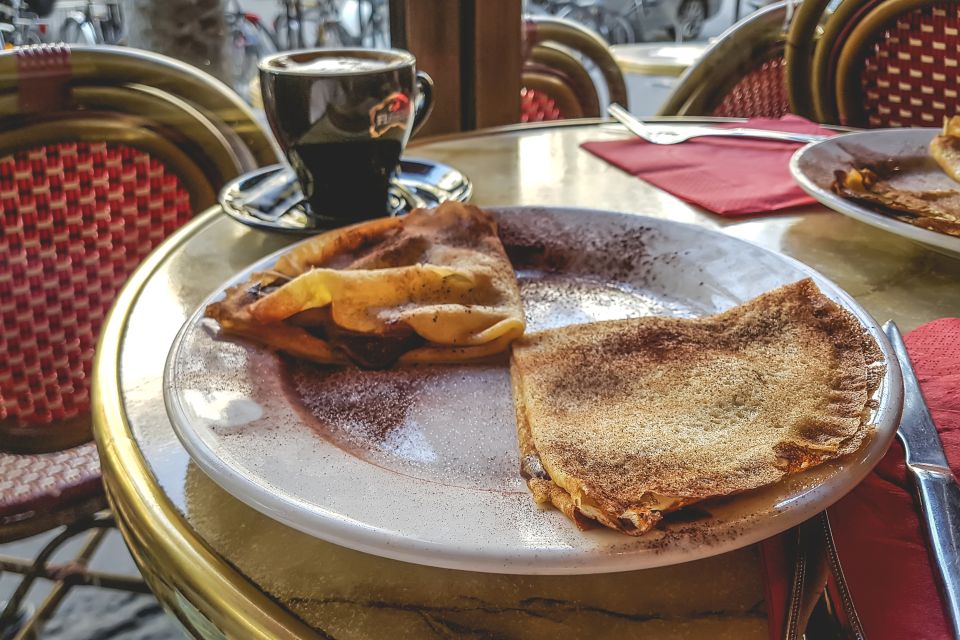
I love the food payoff when you choose the Full Option: a traditional crêpe and cider in a classic crêperie. I also love what Sainte-Chapelle does to you—those stained-glass colors make the whole area feel brighter and more dramatic, even on a short visit.
One consideration: the Louvre follows its own schedule (it’s closed on Tuesdays), and the crêpe and cider only come with the Full Option. If you show up expecting everything included, you’ll want to double-check what you selected.
In This Review
- Key things to know before you go
- Why this Paris loop works: medieval core to modern museum in 3–4 hours
- Pont Neuf to Île de la Cité: fast orientation with real river views
- Sainte-Chapelle and Conciergerie: stained glass meets revolutionary drama
- Notre-Dame area and Île de la Cité: where the walking becomes the story
- Pompidou, Stravinsky Fountain, and the modern Paris shift
- Arts-et-Métiers, Palais Garnier, Madeleine, and the big-city squares
- The Louvre ending: direct entry, audio guide, and how to make it count
- Price and logistics: is $186 per person worth it?
- Should you book this Paris tour?
- FAQ
- How long is the tour?
- Where do I meet the guide?
- Is the Louvre open every day?
- Is the crêpe and cider included?
- Does this tour include Louvre entry and an audio guide?
- Is this tour private and wheelchair accessible?
Key things to know before you go
- Pont Neuf start point: you meet at the Henry IV statue in the middle of Pont Neuf, so you’re already in prime central Paris.
- Skip-the-line Louvre entry: you get direct access plus an audio guide, which saves you time inside.
- Sainte-Chapelle stained glass: a short stop that feels big once you’re standing there.
- Île de la Cité walking focus: Notre-Dame area views and river scenery get real attention.
- Paris crêperie stop: crêpe, salad, and cider are included only on the Full Option.
- Architecture contrast all day: you’ll bounce from medieval streets to Pompidou and classic squares with Tuileries Garden nearby.
Why this Paris loop works: medieval core to modern museum in 3–4 hours
This tour is built for people who want Paris to make sense fast. Instead of spending half a day figuring out how neighborhoods connect, you follow a guide through a logical arc: start on the Seine, hit the medieval center, swing past modern landmarks, and end at the Louvre with the museum tickets already lined up.
That structure matters because Paris can be visually “loud.” If you wander without a plan, you’ll see plenty but remember less. Here, the pacing gives you a rhythm: quick orientation stops where you get bearings, then longer moments where the scenery or stories actually land. You’ll get the kind of context that turns buildings into something more than backdrops.
There’s also real practical value in the Louvre piece. The ticket includes direct entry via a separate entrance and an audio guide, which helps you keep moving instead of waiting your turn or relying on random signage. For a first-time visit especially, that’s a big deal.
And yes, the food stop is part of the design. This is not a tour that rushes you past restaurants. When you pick the Full Option, the crêperie break gives you a local-style pause in the middle of the walking day.
You can also read our reviews of more tours and experiences in Paris


Pont Neuf to Île de la Cité: fast orientation with real river views
You start on Pont Neuf at the Henry IV statue. It’s a clean meeting point and a smart way to begin, because it immediately puts you on the Seine with the city opening up around you. From there, the route naturally feeds you good angles and easy-to-follow landmarks.
One early highlight is the stop at Square du Vert-Galant. Even in a short visit, you’re set up for that classic Seine feeling: bridges, water, and the sense that Paris is built around movement. It’s the kind of stop that makes the next sights feel connected instead of scattered.
Then you move toward Place Dauphine, where the streets tighten and the character shifts. This is the stretch where you can start noticing the “older Paris” vibe—stonework, street layout, and the way these areas have held their shape even as the city modernized around them.
From the start to Île de la Cité, the tour keeps returning to one theme: the river isn’t just a view. It’s the framework. You’ll walk in ways that make the island and the cathedral area feel like a single living center, not a single postcard.
Sainte-Chapelle and Conciergerie: stained glass meets revolutionary drama
If you only had time for one “wow” stop, I’d understand why Sainte-Chapelle tops your list. Even with a brief guided moment, the stained glass is the kind of artwork that changes your perspective. The colors don’t sit there politely; they pull you in, and you start looking upward without realizing you’re doing it.
The tour’s timing also makes sense. You get just enough guidance to understand what you’re seeing, without turning it into a long museum lesson. That’s useful in Paris, where you can accidentally waste time by over-planning inside every church.
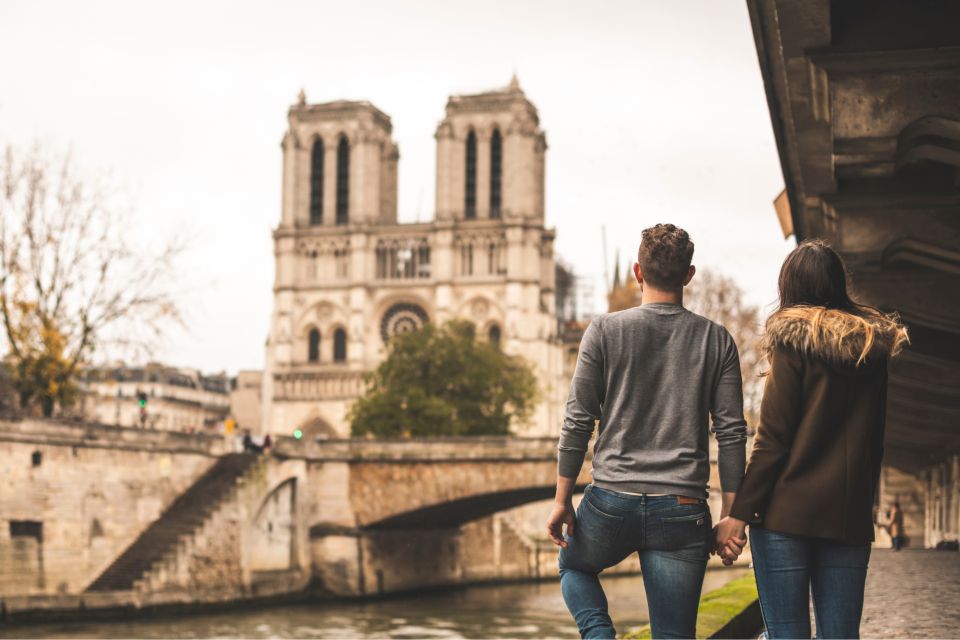
Right after that, the route goes to the Conciergerie. This is where the mood turns. You’re in a place associated with late-medieval and revolutionary-era stories, and you’ll hear the Marie Antoinette narrative tied to this area. The tour frames it as a dramatic turning point in the history of the city, and it helps you connect the medieval architecture to the people who lived through major upheavals.
One reason I like this pairing is contrast. Sainte-Chapelle is visual and spiritual; Conciergerie is political and tense. Together, they make the old Paris section of the walk feel more alive.
Notre-Dame area and Île de la Cité: where the walking becomes the story
Notre-Dame Cathedral is the big headline, but the real value here is the approach. The tour doesn’t just place you at a single spot and move on. It builds up to the area, so you arrive with context about what makes the medieval architecture matter.
From there, you’re walking through the Île de la Cité island environment—ancient building lines, river edges, and the kind of urban layout that makes you feel how long this place has functioned as a hub. This is one of those parts of Paris where the streets feel like they’ve been doing the same job for centuries.
The route also includes a Flower Market stop near Elizabeth II. Even if you don’t plan to buy anything, a market moment is a helpful reset. You get a sense of street life and everyday Paris, not just landmark tourism. It’s the difference between seeing a city and experiencing it.
There’s also time built in for crossing and river-side viewpoints. You’ll get a bohemian Seine atmosphere on the way through, with quick guided notes that keep you oriented about what’s where and why that matters.
A small practical tip: if you’re serious about photos, treat the walk like a photo scavenger hunt. Don’t let every stop become a standstill. Move with the group, then linger for your best angle when the guide calls it out.
Pompidou, Stravinsky Fountain, and the modern Paris shift
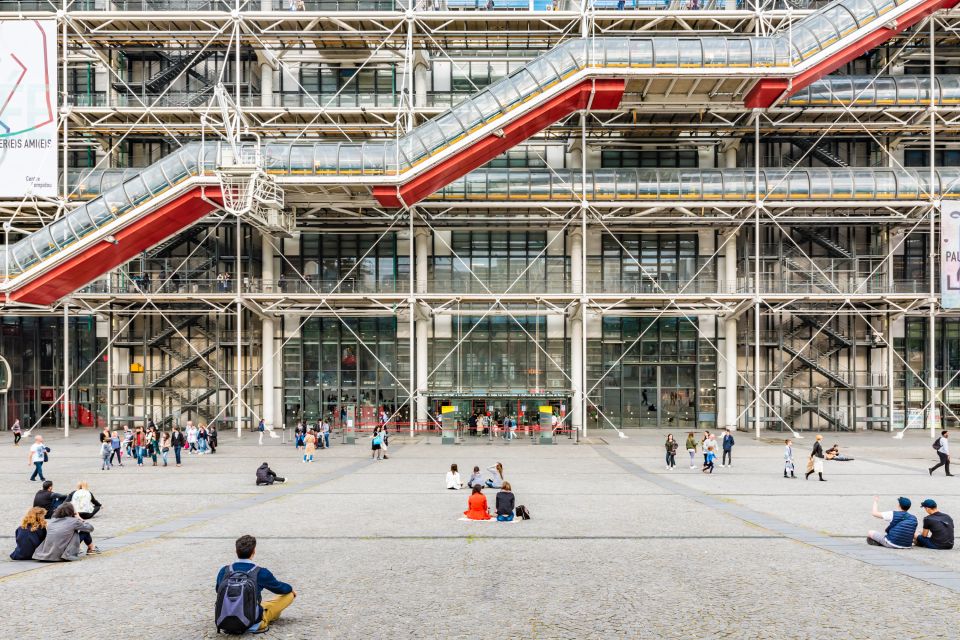
After the medieval core, the tour changes gear. Centre Pompidou is a quick stop, but it works because it’s the visual opposite of the churches you just saw. You get a modern architecture moment that reminds you Paris isn’t one era; it’s a layering of styles and ambitions.
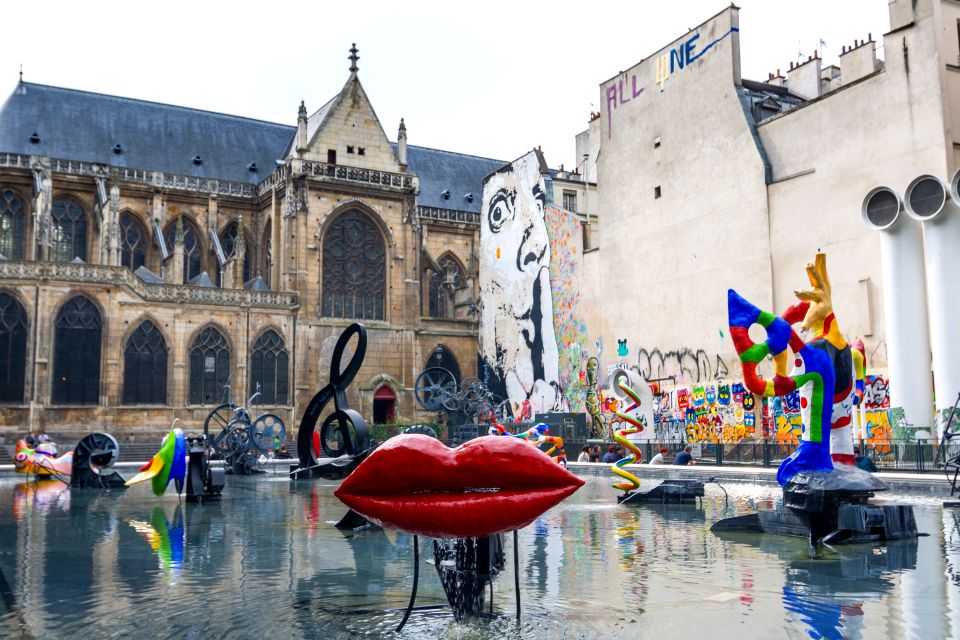
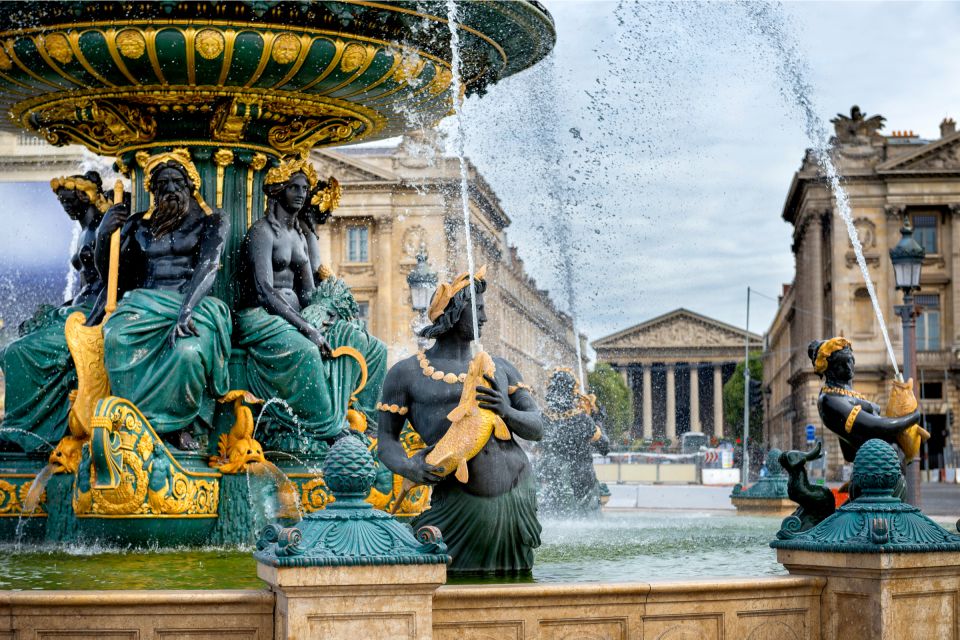
Next comes the Stravinsky Fountain, which is fun in a way only Paris can manage. Those playful figures aren’t just decoration. They’re a reminder that public space here can be playful, not only solemn.
This modern stretch also helps you understand how tourists should use time in Paris. If you only do older sights, you miss the city’s humor and reinvention. If you only do museums, you miss the street-level context that makes Paris feel like Paris.
Also, the pacing is tight, which is a benefit. You don’t get lost in one building for hours. You get to see and react, then keep moving while everything still feels connected.
You can also read our reviews of more city tours in Paris






Arts-et-Métiers, Palais Garnier, Madeleine, and the big-city squares
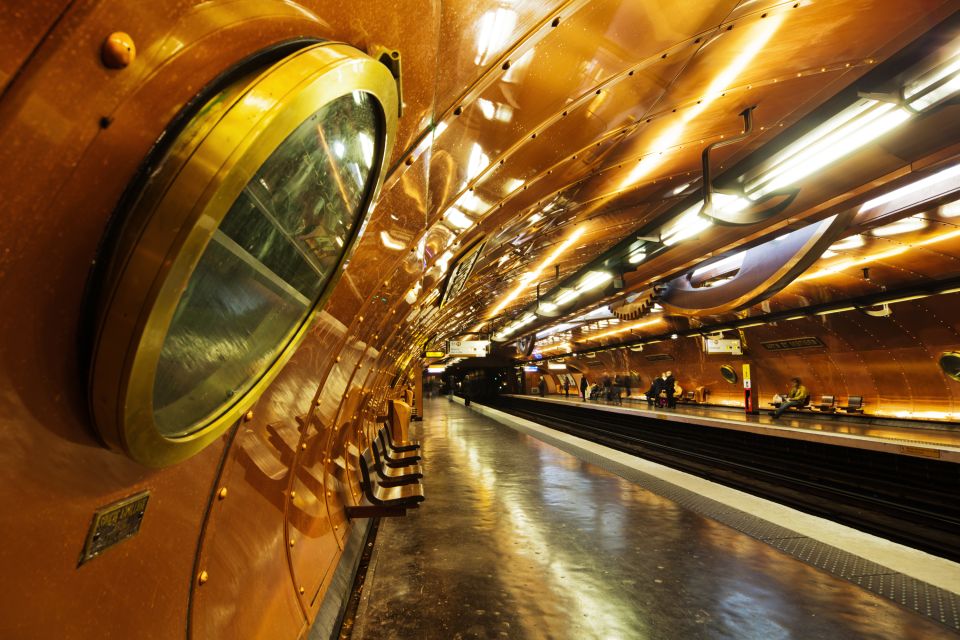
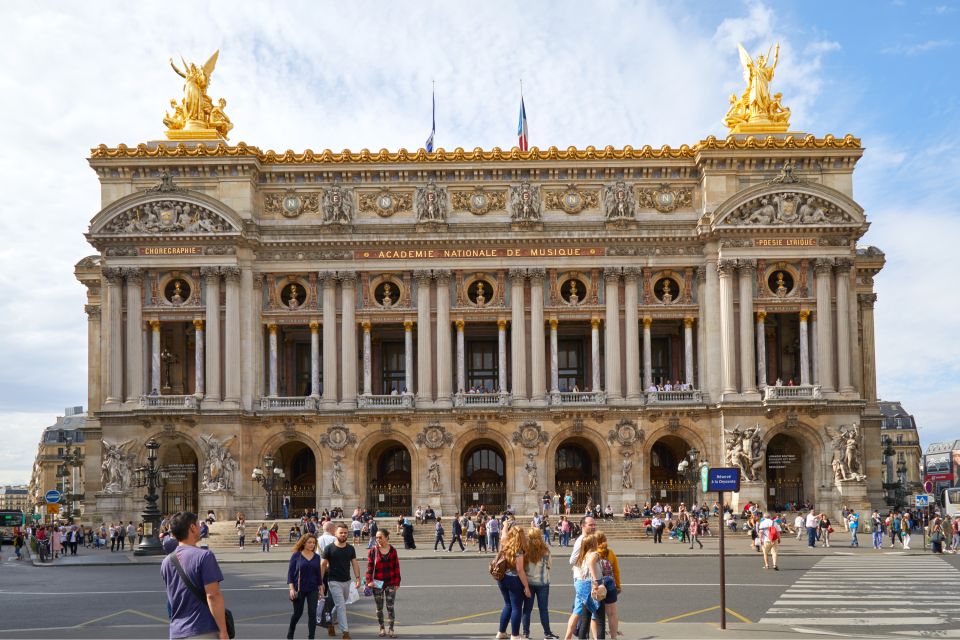
As you continue, the tour stacks several classic architecture and landmark moments in short bursts. Arts-et-Métiers brings another “Paris landmark” flavor into the mix. Palais Garnier adds a glamorous opera-house sightline, even if you only get the quick exterior moment.
Then you pass by Madeleine. Even with limited time, this stop helps you compare styles: the city keeps changing its look block to block, and the guide’s job is to keep that comparison meaningful rather than chaotic.
Place de la Concorde follows, with the kind of wide-open scale that makes you realize Paris isn’t only narrow streets and courtyard views. This square stop also pairs well with the earlier revolutionary stories, because the city’s history shows up in different forms across different spaces.
From there, you enter the Tuileries Gardens walk. This is where the day softens. You’re moving slower through greenery and open sightlines, and you get a pleasant transition into the Louvre area. It’s the mental breather before a museum.
If you’re the type who gets museum fatigue, Tuileries is a good moment to reset your energy. Use it to drink water, check your museum priorities, and get your feet ready for the Louvre.
The Louvre ending: direct entry, audio guide, and how to make it count
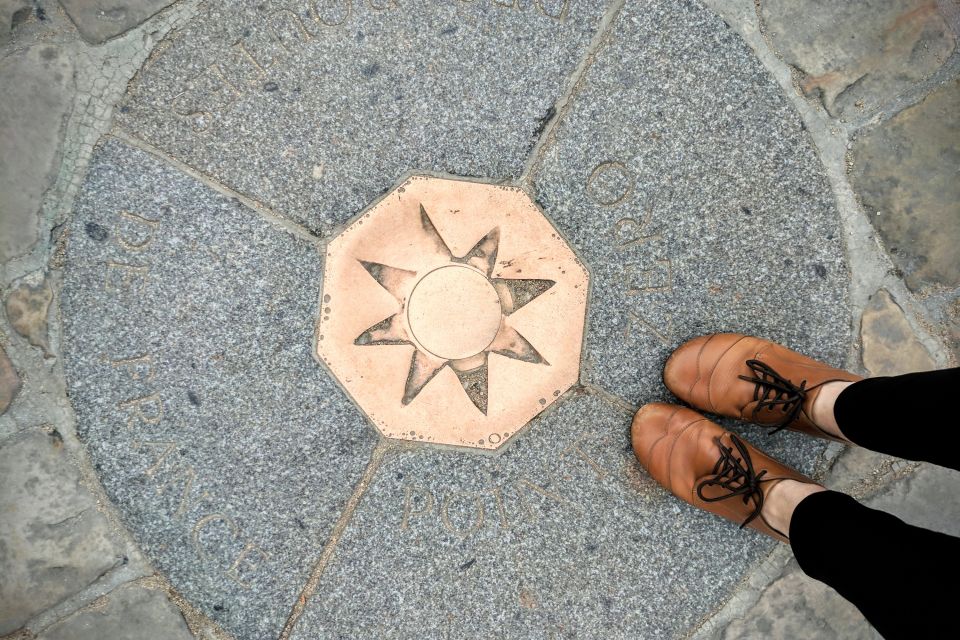
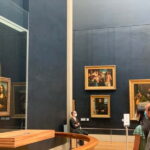
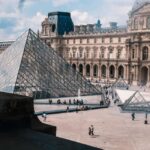
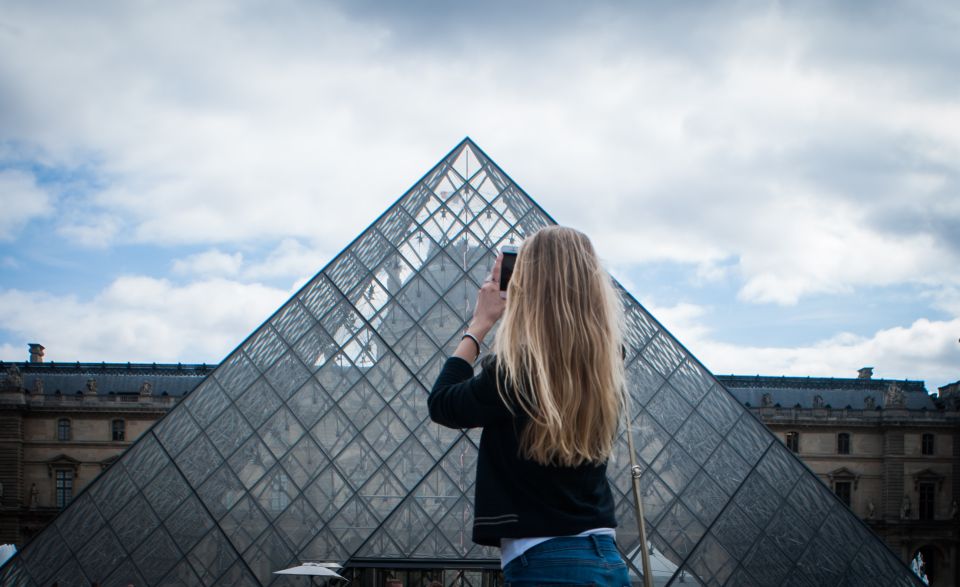
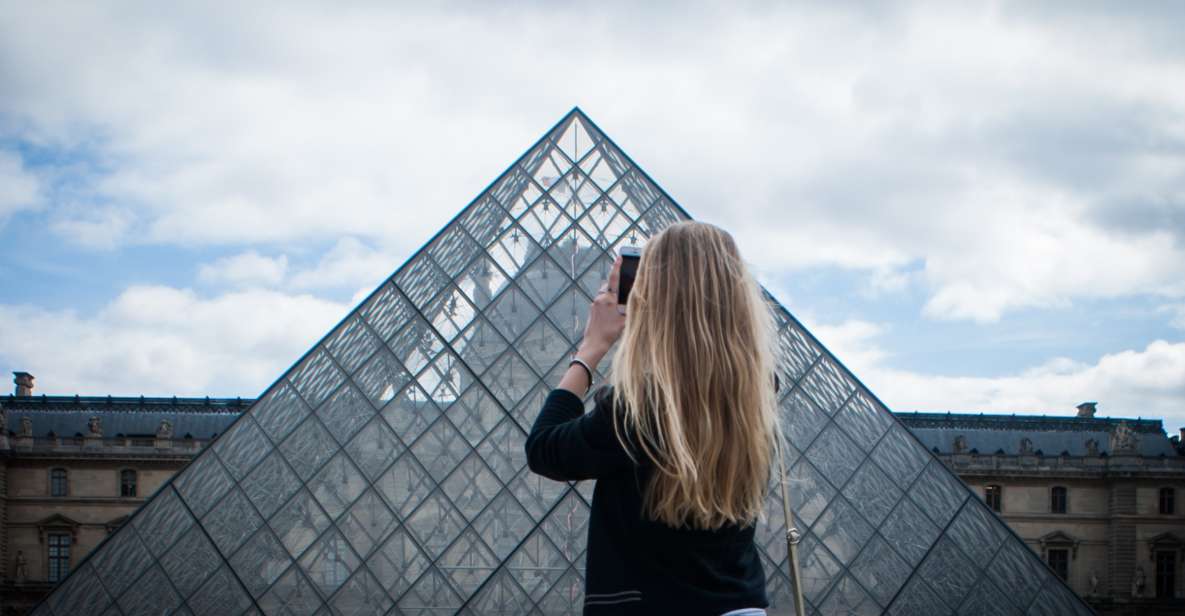
The Louvre Museum is the final stop, and it’s handled in a practical way: tickets are included and you get skip-the-line access with a separate entrance. Once you’re in, the audio guide helps you navigate without stopping every 30 seconds to read everything.
Here’s the value: the tour isn’t trying to turn the Louvre into a full-day marathon. A guided introduction plus audio means you get a sense of what to focus on and how the museum’s layout works, so you’re not just drifting.
You’ll also have enough momentum to start making choices quickly. That matters because the Louvre is big enough to swallow time. With a structured entry and some direction, you’re more likely to actually see a handful of highlights you’ll remember.
Important detail: the Louvre is closed on Tuesdays. If your dates land on a Tuesday, your plans need a rethink before you book, since the tour’s museum ending depends on the museum being open.
Price and logistics: is $186 per person worth it?
At $186 per person for a private 3–4 hour tour, the main question is what you’re buying: time saved, guided context, and included admission.
You’re getting:
- Louvre tickets plus an audio guide
- Skip-the-line entry through a separate entrance
- A private guided walking route through the Seine/Île de la Cité area and beyond
- Metro tickets
- A food break only on the Full Option (crêpe, salad, and a glass of cider)
When you compare this to the cost of buying Louvre entry plus paying for guided time separately, the deal starts to make sense. The skip-the-line part alone is often the difference between arriving at a museum feeling calm versus arriving stressed.
The biggest “value risk” is simple: the food isn’t automatic unless you choose the Full Option. If you want that crêpe and cider moment, pick the option that includes it. It’s the kind of Paris detail that can make the tour feel like more than a sightseeing checklist.
And as for guides, the human element seems to be a strong point. One documented experience praised a guide named Pablo as flexible and friendly, adjusting to group preferences and even lining up a different art stop when Louvre access didn’t work out. Another guide named Simone was described as professional and attentive, with a fun, detailed storytelling style. That’s not a guarantee, but it does suggest the provider aims for more than just “read the script.”
Should you book this Paris tour?
I’d book this if:
- You want a guided loop through the classic core of Paris without spending days planning.
- You care about the Louvre and want direct entry plus an audio guide, not hours lost to lines and confusion.
- You like contrast: stained glass, medieval streets, then Pompidou and modern public art.
- You’re choosing the Full Option because the crêpe and cider stop is part of the fun.
I might skip it if:
- You already plan to spend a long, deep day in the Louvre and prefer to move at your own pace.
- You’re traveling on a Tuesday, since the Louvre closure affects the heart of the tour.
- You don’t want a packed schedule. This is short-and-sweet, and that means lots of walking and quick stops.
If you want Paris in one organized pass, ending with the Louvre in a way that feels efficient, this is a solid pick. Just plan around the Louvre schedule and make sure you choose the option that matches your food expectations.
FAQ
How long is the tour?
The duration is 3 to 4 hours.
Where do I meet the guide?
Meet in front of the statue of Henry IV in the middle of Pont Neuf.
Is the Louvre open every day?
No. The Louvre is closed on Tuesdays.
Is the crêpe and cider included?
It’s included only with the Full Option. The Full Option includes a crepe, salad, and a glass of cider at a traditional crêperie.
Does this tour include Louvre entry and an audio guide?
Yes. Tickets to the Louvre Museum and an audio guide at the Louvre are included.
Is this tour private and wheelchair accessible?
Yes. It’s a private group, and it’s listed as wheelchair accessible.