REVIEW · PARIS
Marais District of Paris Guided Walking Tour
Book on GetYourGuide →Operated by Babylon Tours LLC · Bookable on GetYourGuide
Paris changes mood in the Marais. This guided walk strings together churches, courtyards, and mansions so you see why Marais became central to the city. You’ll also hit the iconic Place des Vosges and the Jewish neighborhood that helped shape the district’s identity.
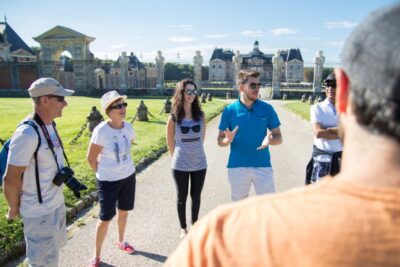
I especially like the art historian guide approach, with past guides such as Eden and Agustina noted for making history feel clear and human. And with a maximum of 8 guests per guide, you get enough time to ask questions and move at a pace that actually works for photos and street-level reading.
One consideration: there’s a moderate amount of walking, and the tour isn’t set up for people with walking disabilities or using a wheelchair (though wheelchair tours are listed as available only on request).
In This Review
- Key reasons this Marais walk works
- The Marais, explained street-by-street (without the museum-only vibe)
- Price and time: why $53 can be fair value here
- Meeting Saint Paul and Saint Louis, then stepping into Hotel de Sully
- Place des Vosges: your visual anchor and historical reset
- Pletzl and Jewish Paris: how the neighborhood put itself on the map
- Hôtels particuliers and the mansion-to-museum connection
- Musée Carnavalet moment: what to expect when the tour goes inside
- Optional architectural contrasts: Hotel de Ville and Pompidou
- How the guide keeps things moving (and why the pacing matters)
- Practical tips before you go (so you don’t lose time)
- Who should book this Marais district walking tour
- Should you book this Marais District guided walking tour?
- FAQ
- How long is the Marais District guided walking tour?
- How much does the tour cost?
- What’s the group size limit?
- Do I need to book a minimum number of participants?
- Which languages are available for the live guide?
- Is this tour accessible for wheelchair users?
- Is food or drinks included?
- What should I bring for the tour?
- Are large bags allowed?
- Does the tour include Place des Vosges and the Jewish neighborhood?
Key reasons this Marais walk works
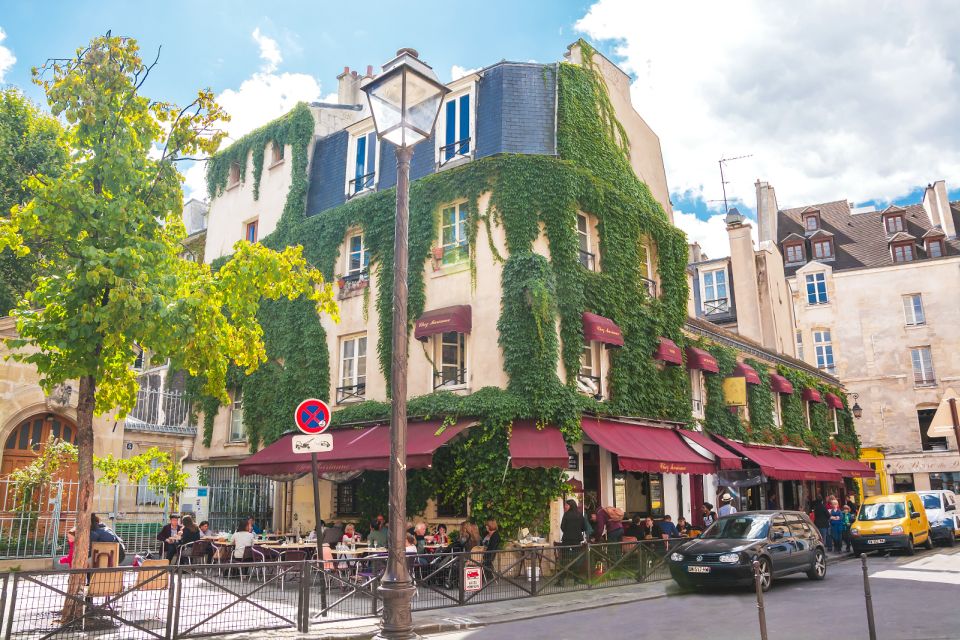
- Professional art historian guide: you’re not just touring facades, you’re learning how the area functioned and changed.
- Small group size (max 8): calmer pace, easier Q&A, and less time herding the pack.
- Place des Vosges first-class orientation: a beautiful anchor that helps the rest of the district click.
- Pletzl and Jewish Paris: the tour explains how this neighborhood put the Marais on the map through the 18th and 19th centuries.
- Courtyards and hôtels particuliers: you’ll pass mansion after mansion and understand why these buildings mattered.
- Museum hit without the guesswork: you may include Musée Carnavalet, plus the “quiet rooms” etiquette you’ll need to follow.
The Marais, explained street-by-street (without the museum-only vibe)
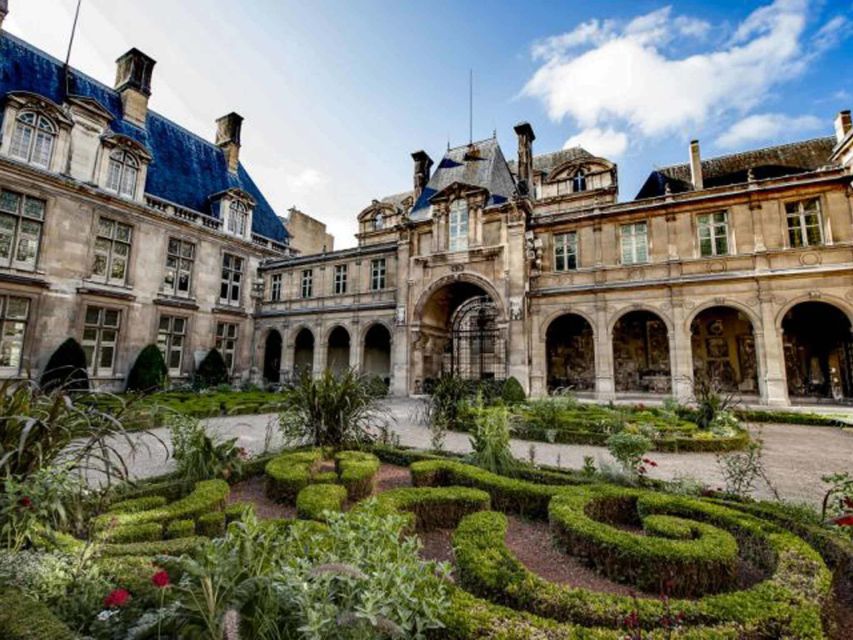
The Marais is one of those Paris neighborhoods where the buildings can look similar until someone puts the story behind them. This tour helps you read the area like a timeline. You start with the idea that the Marais used to sit beyond the center of Paris, then watch it grow into the city’s heart.
That matters because the district isn’t only pretty. It’s strategic. By the time you reach the Jewish neighborhood (the Pletzl area) and later the long stretches of mansions and courtyards, you’ll understand how communities and power moved into this space over time. You also get an easier mental map of where things are, so you can wander afterward with less aimless wandering.
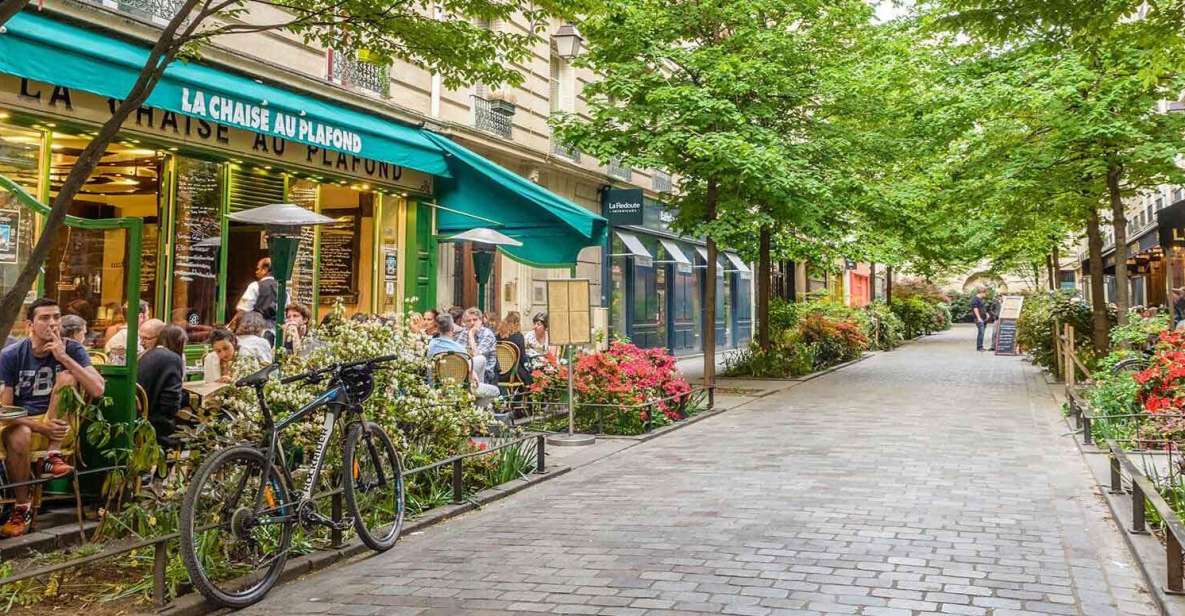
And yes, the stops are visually strong: church exteriors, stone squares, courtyards, and streets lined with shops. But the real value is that the guide ties the eye-candy to why each location exists.
You can also read our reviews of more walking tours in Paris



Price and time: why $53 can be fair value here
At $53 per person for about 2.5 hours, you’re paying for a guided, interpretive walk rather than a short “see the sights” shuffle. The time commitment is short enough to fit into a busy Paris schedule, but long enough for context to land.
Where the value really shows up is in the guide format. You’re getting a professional art historian guide, and the group cap is small. In a place like the Marais, that helps because small architectural details and street-level cues can get missed if you’re doing this solo.
Also, the walking-style format keeps the tour from turning into ticket lines and indoor time. You do get a museum moment (Musée Carnavalet may be included), but the bulk is outside, so you get that real Paris street feeling while learning what to notice.
Meeting Saint Paul and Saint Louis, then stepping into Hotel de Sully
The tour begins by setting the scene: the Marais’s historic importance and how its location shifted from outside the city core to the center of Paris. That short framing is useful because it changes how you read everything you see next.
You’ll then visit the area around the Church of Saint Paul and Saint Louis. This is the kind of stop that can feel like a quick look from the sidewalk if you’re not sure what you’re seeing. With a guide, you get the historical and architectural context that makes the church more than a photo backdrop.
After that, you move on to the courtyard of the Hotel de Sully. Courtyards in the Marais are where the neighborhood’s “secret” character lives. Once you’ve seen one of these grand spaces from inside, you start understanding how the hôtels particuliers functioned—less like single buildings and more like structured worlds with their own rhythms.
One practical note for your day: courtyard stops and church areas often mean you’ll be standing and walking at street pace. Wear shoes you can trust.
Place des Vosges: your visual anchor and historical reset
You’ll spend time at Place des Vosges, described as a public square with standout beauty. Even if you’ve seen pictures before, being there in person does something your phone can’t: it gives you proportion. You get a sense of order, symmetry, and how this kind of planned space shaped life around it.
This stop is smartly placed after the earlier “why the Marais matters” framing. It acts like a reset button. Once you’ve walked through courtyards and church surroundings, the square gives you a clean, readable landmark.
From a value standpoint, this is also where the guide’s storytelling pays off. If you’re the type who likes to connect buildings to people and politics, Place des Vosges is a natural place for that. If you’re more of a “show me what I should look for” person, it’s still a win because the geometry makes it easy to orient yourself.
You’ll leave the square with a better sense of distance and direction, which makes the rest of your Marais wandering much easier.
Pletzl and Jewish Paris: how the neighborhood put itself on the map
Next comes the Jewish neighborhood of Paris, often linked to the Pletzl. This is the part of the Marais story many first-timers only partially know, so having a guide matters.
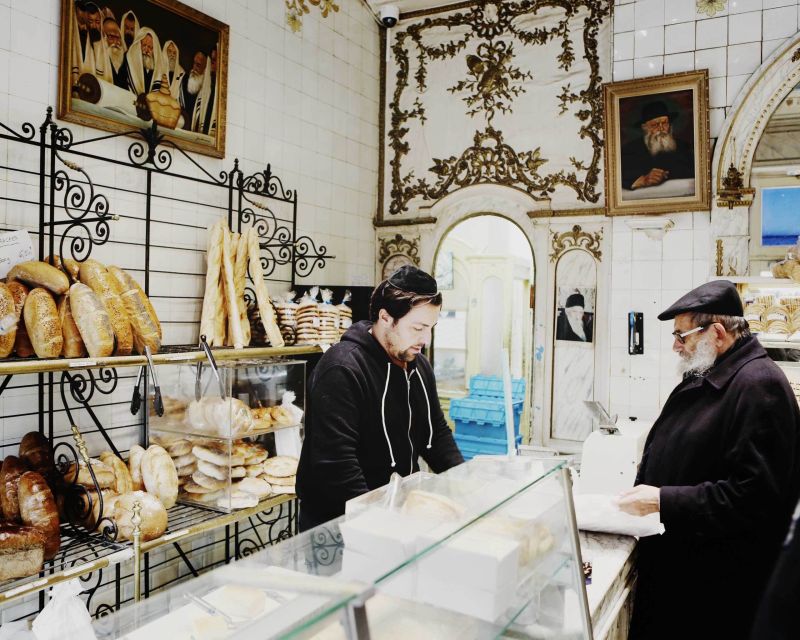
The tour explains how this community helped put the Marais on the map through the 18th and 19th centuries. That time window is important. It’s not just a label for a district; it’s the reason certain streets, commerce patterns, and community institutions took root where they did.
You’ll walk past the bakeries and boutiques in the Pletzl area. That’s not just for atmosphere. It helps you notice how historical neighborhoods stay alive through daily life. The food and shops give you a living context, so the story doesn’t feel stuck in textbooks.
And then you’ll move along rue des Francs Bourgeois, described as shop-laden. This is where you start seeing how commerce and culture travel together in the Marais. The guide ties the street character to the broader historical arc you’ve been building since the church and Hotel de Sully.
If you like neighborhoods that feel “used” rather than staged, this section is usually the most satisfying.
You can also read our reviews of more guided tours in Paris





Hôtels particuliers and the mansion-to-museum connection
One of the most compelling things the tour gives you is repeated exposure to the Marais mansion style. You’ll see mansion after mansion—former homes to nobility that once called the area home. Even if you can’t identify every architectural detail, you’ll recognize patterns when you’ve seen several in a row with explanations.
Here’s why that’s worth your time: Paris isn’t just about monuments. It’s about residences that shaped society. The Marais hôtels particuliers are a window into hierarchy, wealth, and changing ownership. They also explain why so many of these buildings have later become museums and cultural spaces.
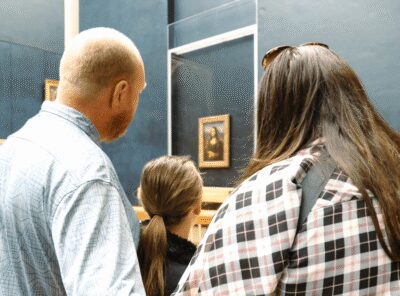
At some point, you may include Musée Carnavalet, described as highly worthwhile. That museum is especially helpful for understanding what you’re looking at during the walk—because you can see the “why” and “who” behind the walls.
Do note that some museum rules can apply while you’re inside, including rooms that require quiet. Your guide will brief you before you enter those areas, so you know what’s expected.
Musée Carnavalet moment: what to expect when the tour goes inside
When Musée Carnavalet is part of your route, think of it as the storybook counterpart to the street walk. You’ve already learned about the Marais’s evolution, the rise of central importance, and the neighborhood’s community identity. The museum adds depth so you’re not only absorbing impressions.
The one thing to plan for is that not all museum spaces are the same in terms of behavior. Some rooms have rules requiring quiet, and you may need to adjust your volume and movement. If you’re the kind of person who talks while taking photos, this is where you’ll want to keep it under control.
Also, the tour notes that occasional closures can happen without previous warning from museum management. When that occurs, guests will be provided with an appropriate alternative. Practically, this means you should be okay with a bit of flexibility in what’s inside versus outside on your specific date.
If you like tours that don’t fall apart when plans shift, that built-in adaptability is a plus.
Optional architectural contrasts: Hotel de Ville and Pompidou
Depending on how your date is run, the tour may include Hotel de Ville (City Hall) and the Pompidou Center. This is a smart add-on because these two landmarks represent very different architectural periods and Paris priorities.
The best part of including them is contrast. You’re already in a district that reads as historic and residential. Dropping in a major civic building and then something tied to more modern museum culture can help you understand how Paris reuses space and changes style while keeping a strong sense of identity.
Keep your expectations flexible here. Since inclusion can vary, treat these as possible bonus beats rather than guaranteed anchor points.
If you’re short on time and want both “old Paris mood” and at least a peek at 20th-century energy, these optional stops make the tour feel more complete.
How the guide keeps things moving (and why the pacing matters)
A tour like this lives or dies on pacing. Here, the structure helps: it’s a walking tour around core sights, with a small maximum group size so you’re not always waiting for someone to catch up.
The guide also acts as your filter for what’s worth noticing. In a district full of beautiful doors and windows, you’ll get direction on what to look for and why. That’s part of what makes guides like Eden and Agustina stand out in how they communicate history and architecture.
Another small-but-real benefit: the group cap makes it easier to get answers without feeling like you’re grabbing the guide mid-sprint. In a crowded Paris day, that calm matters.
As you walk, you’ll also likely feel the tour “thread” through the district. You start with historic importance, then you move to the square, then you shift into the Jewish neighborhood story, then back into mansions and museum learning. That thread helps the Marais feel coherent.
Practical tips before you go (so you don’t lose time)
A few details can save you stress:
- Bring a passport or ID card and bring valid photo ID as requested.
- No large bags or luggage: only handbags or small thin backpacks may pass museum security if you’re going inside.
- You’ll be doing a moderate amount of walking, so plan for comfortable shoes and steady pace.
- Languages are available: German, Spanish, English, Italian, French, Russian—choose the one that matches your comfort level.
Meeting point can vary based on the option booked, and the tour ends back at the meeting point. For a smooth start, plan to arrive a few minutes early.
Also, food and drinks are not included. In the Marais, that’s easy to handle on your own before or after your 2.5-hour slot.
Who should book this Marais district walking tour
This is a great match if you want:
- A strong neighborhood orientation with real context, not just photo stops.
- Street-level history: churches, courtyards, mansion architecture, and the Jewish neighborhood story.
- A compact tour length that fits into a full Paris itinerary.
It may be less suitable if you’re dealing with limited mobility, because the tour involves moderate walking and the experience is stated as not accessible for those using a wheelchair (though wheelchair tours are available only on request).
If you’re traveling with a group and want a more controlled experience, private group options are available too.
Should you book this Marais District guided walking tour?
If you want the Marais to make sense quickly—where it came from, why it evolved, and what each street is telling you—this tour is an easy yes. The small group size, the art historian guide, and the mix of landmarks plus the Pletzl/Jewish Paris segment make it feel like more than sightseeing.
If you need low-walking or you rely on accessibility support, check your needs early since the standard format involves moderate walking and wheelchair access is only on request. For everyone else, it’s a smart use of 2.5 hours: you’ll leave with a clearer mental map and a better ability to spot what matters as you keep exploring the Marais on your own.
FAQ
How long is the Marais District guided walking tour?
The tour lasts 2.5 hours.
How much does the tour cost?
It is priced at $53 per person.
What’s the group size limit?
The tour has a maximum of 8 guests per guide for a more intimate experience.
Do I need to book a minimum number of participants?
Yes. The tour requires at least 2 participants to run, or an alternative date or a full refund will be offered.
Which languages are available for the live guide?
The guide is available in German, Spanish, English, Italian, French, and Russian.
Is this tour accessible for wheelchair users?
The tour is described as not accessible for those with walking disabilities or using a wheelchair, though wheelchair tours are available only on request.
Is food or drinks included?
No. Food and drinks are not included.
What should I bring for the tour?
Bring a passport or ID card, and valid photo ID.
Are large bags allowed?
No. Luggage or large bags are not allowed. Only handbags or small thin backpacks are allowed through museum security if you enter.
Does the tour include Place des Vosges and the Jewish neighborhood?
Yes. The route is built around Place des Vosges and the Jewish neighborhood area (including the Pletzl), plus other Marais landmarks like courtyards and hôtels particuliers.