REVIEW · PARIS
German private Walking Tour through Montmartre & Passages
Book on GetYourGuide →Operated by HelpTourists · Bookable on GetYourGuide
Montmartre looks different when someone explains it in German. This 4-hour private walk links the big postcard sights with the quieter corners between them, and you get the city’s rhythm explained as you go. I especially like how the tour mixes art-quarter legends with practical street-level landmarks, starting at Moulin Rouge and winding toward Opéra Garnier.
Two things I’d call out right away: you’ll get artist-focused context around Montmartre, and you also walk the 19th-century passages and old boulevards that many people skip. One consideration: the route and timing are tight, so if you need a long lunch or very slow breaks, build in extra buffer so you don’t lose the most interesting parts.
German guide, private pace. You’re not sharing your guide’s attention with strangers.
Montmartre with artist storytelling. You’ll hear what made the area magnetic for creators around the turn of the 20th century.
Sacré-Cœur and Place du Tertre, explained. You’ll cover the key sights, but with local context rather than quick photo stops.
Grands Boulevards viewpoints. You’ll move from hilltop views toward the city’s classic street energy.
Passages Jouffroy and Verdeau. Narrow covered corridors that feel like time travel in the middle of modern Paris.
Opéra Garnier and the Phantom connection. You’ll connect what you see with the story behind it.
In This Review
- Why this Montmartre-and-passages walk works (especially in German)
- Starting at Pl. Blanche: your first landmark is the mood
- Moulin Rouge to Montmartre’s artist quarter: where the stories begin
- Sacré-Cœur Basilica: the viewpoint you earn, not just the stop you hit
- Place du Tertre: artists’ square, with the context most people miss
- Montmartre beyond the headlines: calmer streets and better breathing room
- From hill to boulevard: Grands Boulevards views and the city’s big tempo
- Passage Jouffroy and Passage Verdeau: 19th-century Paris in a short walk
- Palais Garnier and the Phantom connection: turning a building into a story
- Price at $183 for a 4-hour private German tour: is it worth it?
- Who this tour suits best (and who should plan differently)
- Should you book this Montmartre & passages walking tour?
- FAQ
- FAQ
- What language is the tour guide?
- How long is the private walking tour?
- Where does the tour start?
- Where does the tour end?
- Is this tour private or shared?
- How many people should I expect?
- Are children allowed?
- Can I get a refund if I cancel?
- What is the price per person?
Why this Montmartre-and-passages walk works (especially in German)
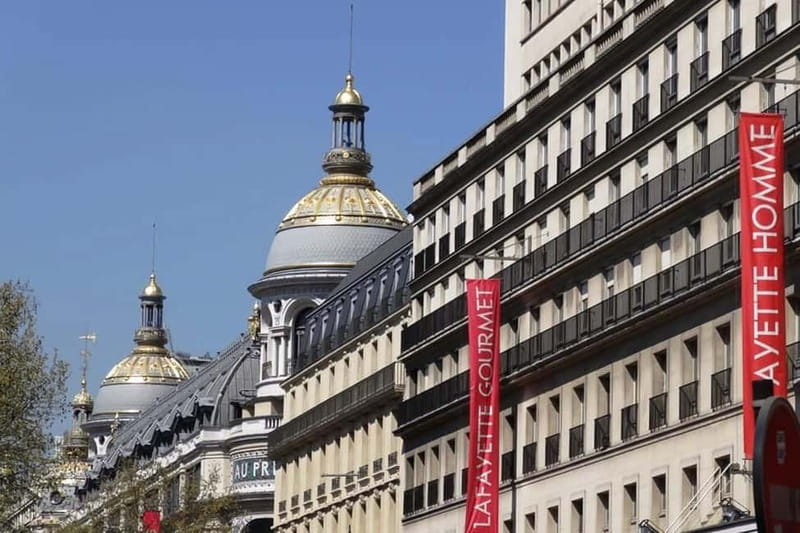
Paris tours often fall into two traps: either they’re too “checklist,” or they’re too vague. This one strikes a better balance because it’s built around a clear route and a German-speaking guide who ties the places together as a story.
You start in the lively spotlight zone—Moulin Rouge—and then you climb into the artist quarter of Montmartre, where the mood changes block by block. From there, the walk flows into the Grands Boulevards and the famous covered passages—so you don’t just see Paris, you see how Paris connects hilltop art life to the grand urban center.
And the language matters. Even if you’re traveling with basic German, having a guide speak consistently lets you catch more details than you would on a hurried multilingual tour. It’s also a comfort if you want Paris facts without playing catch-up.
Starting at Pl. Blanche: your first landmark is the mood
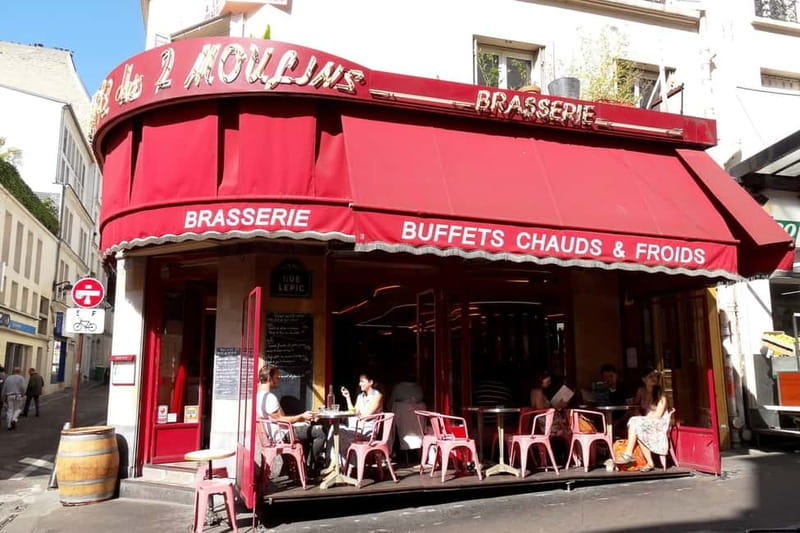
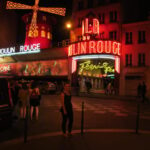
The tour begins at 1 Pl. Blanche, at Metro Blanche (line 2). You meet in front of Moulin Rouge on the small traffic island, and you’ll look for the guide holding a HelpTourists bag.
This is a smart start point because it gives you immediate context. Moulin Rouge isn’t just a famous building; it’s a visual cue for why Montmartre became a magnet for performers, painters, and writers. Standing near the starting square also helps you orient quickly—especially useful in a neighborhood where streets can feel twisty if you’re wandering alone.
Practical tip: if you want photos at the start, arrive a few minutes early. The meeting area is a common spot, so a quick head-start makes your first “moment” smoother.
You can also read our reviews of more walking tours in Paris



Moulin Rouge to Montmartre’s artist quarter: where the stories begin
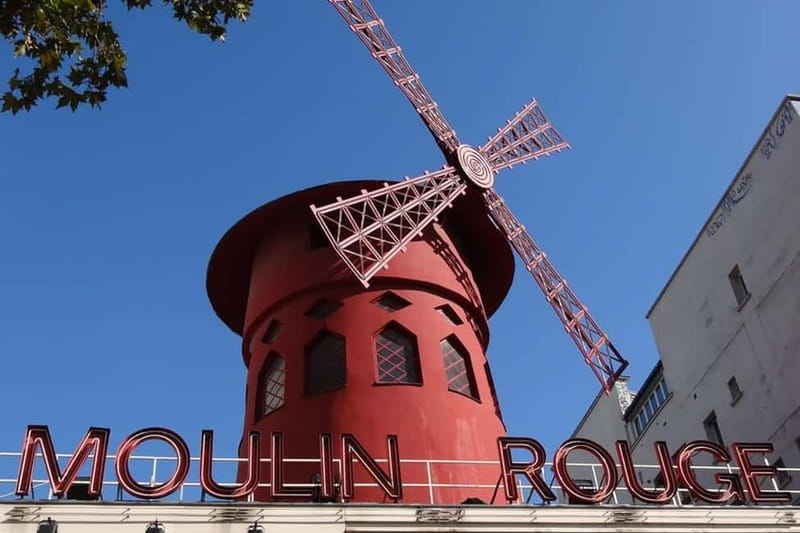
From Moulin Rouge, you’ll head into Montmartre’s artists’ quarter. This is the heart of the experience: the guide doesn’t just point out sights; you follow the logic of how the neighborhood grew into an artistic stage.
What makes this part valuable is the mix of famous names and the local environment that made them possible. Around the end of the 19th century and the beginning of the 20th century, Montmartre wasn’t only about art—it was about atmosphere: studios, cafés, and streets where creativity could spill into everyday life.
As you walk, you’ll also learn how Montmartre’s reputation formed over time. That matters because when you reach the view points later, you’ll understand what you’re looking at: not just a panorama, but the setting that helped shape an era.
If you happen to get a guide like Katharina, the focus tends to lean into local detail and stories tied to the 19th arrondissement—that kind of specificity is exactly what turns a “see Montmartre” walk into a “get the place” experience.
Sacré-Cœur Basilica: the viewpoint you earn, not just the stop you hit
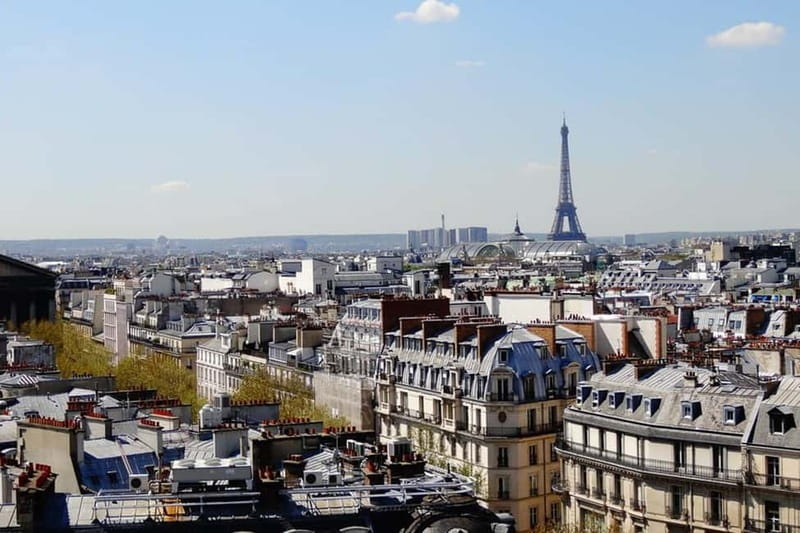
Next up is the Sacré-Cœur Basilica. In Montmartre, this is more than an architectural photo. It’s the moment where the city’s layout starts to make sense.
You’ll stop and absorb the area around Sacré-Cœur, and the guide’s commentary helps connect the skyline to the streets you’ll walk next. If you’ve ever looked at Montmartre from afar and wondered why it became such an attraction, this is where you feel the logic. It’s elevated enough to give you a wide sense of the city, and it anchors the emotional tone of the neighborhood.
A small caution: this is a busy area. If you want fewer distractions for photos, go with your guide’s timing and don’t assume you can linger forever. On a 4-hour tour, moments like this are scheduled so you can move on while you still have the best light and the least crowd pressure.
Place du Tertre: artists’ square, with the context most people miss
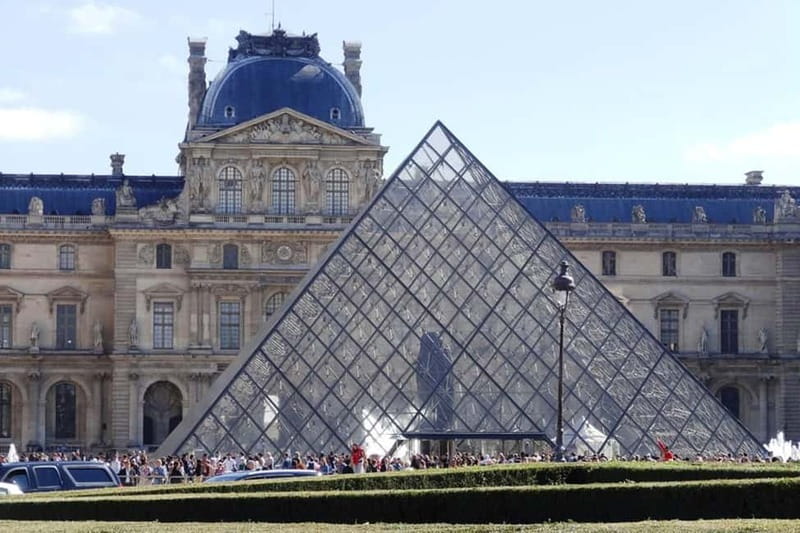
From Sacré-Cœur, you reach Place du Tertre, the iconic artists’ square. This is one of those stops that can feel “touristy” if you treat it like a postcard.
The difference on this tour is that you’ll get insider-style information about what makes the square meaningful—plus the kind of local context that explains how it became tied to art culture. You’ll also hear stories connected to the famous figures who lived and worked in Montmartre during the era when the quarter was exploding with creative energy.
Why that matters: it changes how you look at the square. Instead of seeing it as a place to pass through, you start noticing details—the pace of street life, how the neighborhood invites watchers, and why art and performance fit here so naturally.
Montmartre beyond the headlines: calmer streets and better breathing room
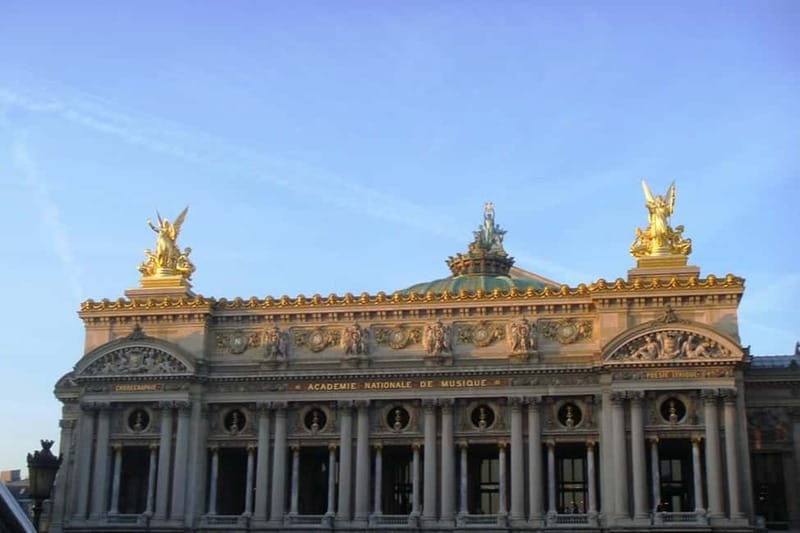
After the headline sights, you’ll spend time in the “lesser known” side of Montmartre—beautiful places away from the crowds. This portion is one of the best reasons to book a guide, because navigating Montmartre on your own can lead you into the same few lanes again and again.
Walking these calmer sections gives you two benefits:
- You get a break from constant looking up at the basilica or scanning for the next big sight.
- You understand the neighborhood as a living place, not only as a set of backdrops.
This is also where a German-speaking guide can be especially helpful, because you’re more likely to follow the explanation when you’re walking through smaller-scale streets. The tour’s pace makes the story feel like it’s happening right in front of you.
You can also read our reviews of more private tours in Paris






From hill to boulevard: Grands Boulevards views and the city’s big tempo
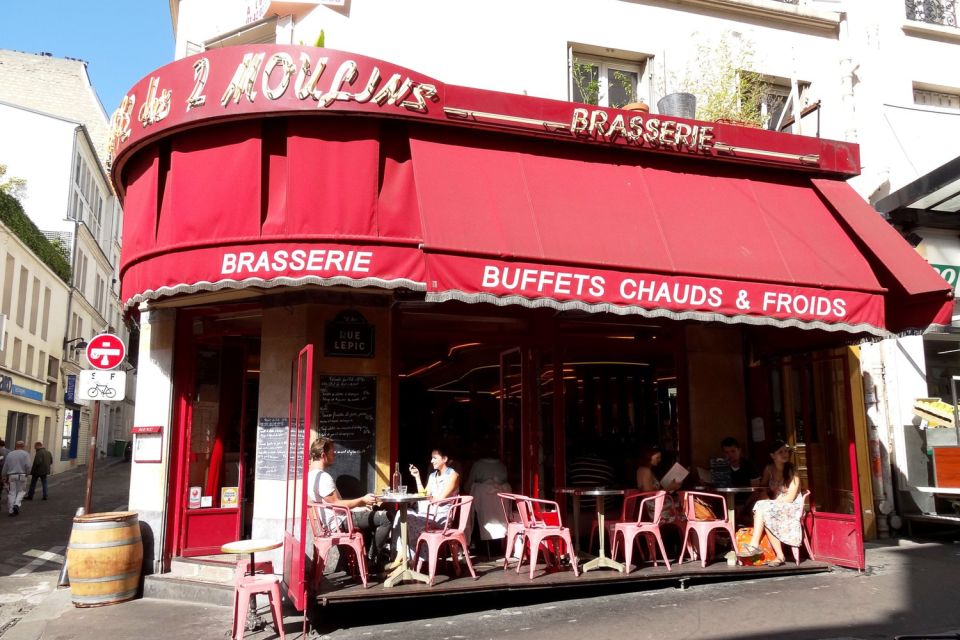
The route then transitions toward the Grands Boulevards, along with the “oldest boulevards” feel mentioned in the experience description. This shift is key. Montmartre gives you the hilltop artist identity; the boulevards bring you back to Paris as a grand, moving system.
You’ll stroll and enjoy city views—views that feel different from the Sacré-Cœur perspective. From the boulevards, Paris reads more like a network: long street lines, building façades, and the sensation of being in the middle of everything.
If you like walking tours that include both personality and structure, this segment delivers. It’s the part of the day where you stop thinking only about art culture and start seeing the city as a whole.
Passage Jouffroy and Passage Verdeau: 19th-century Paris in a short walk
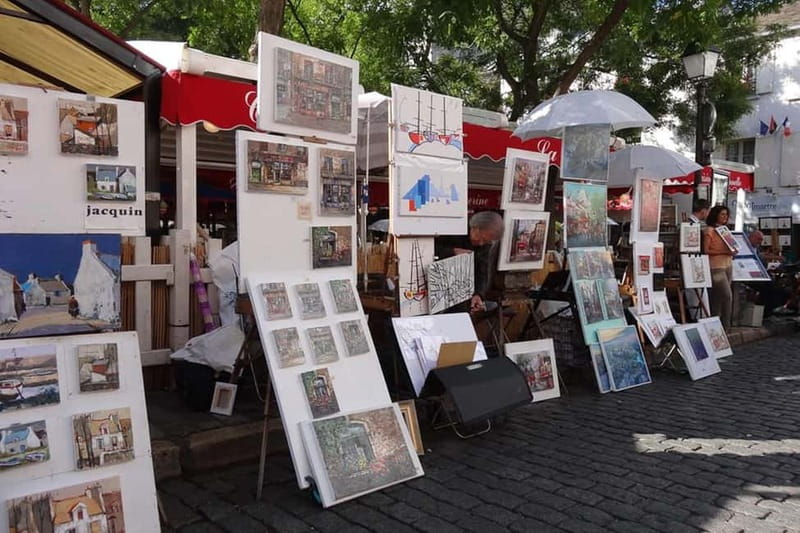
One of the most distinctive parts of this tour is the emphasis on passages—covered pedestrian corridors that feel like a Paris secret you can walk through.
You’ll go through Passage Jouffroy and Passage Verdeau, which are perfect stops for people who love small surprises. These passages create a different “indoor street” feeling: narrower, calmer, and architecturally distinct from the open boulevards.
Why these matter for your day:
- They break up the walking with a change of atmosphere.
- They show how Paris evolved commercial and social life in the 19th century.
- They’re photogenic in a way that doesn’t require you to hunt for major monuments.
A practical note: because passages are enclosed, they can feel cooler or more sheltered depending on weather. If it’s rainy, this can be a relief. If it’s hot, it can also be a welcome pause from sun-heavy streets.
Palais Garnier and the Phantom connection: turning a building into a story
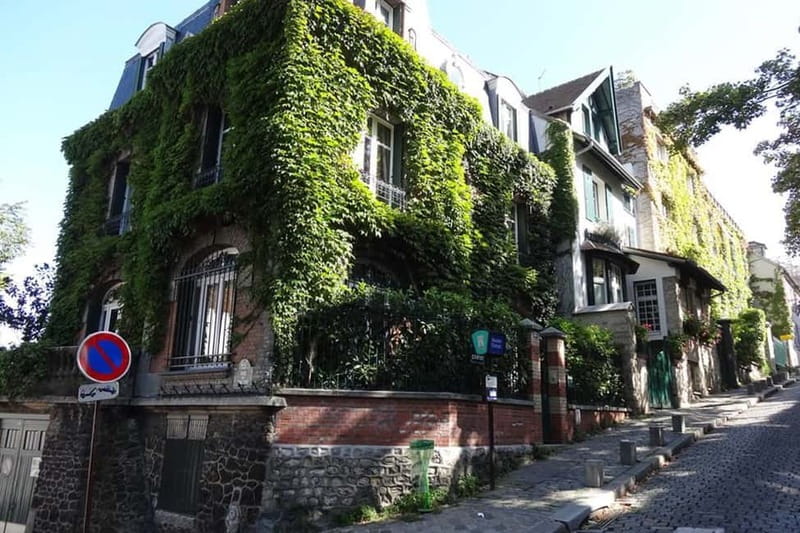
The final major sightseeing focus heads toward Opéra Garnier. You’ll pass Palais Garnier along the way, and the guide includes background on the Phantom of the Opera story.
This is a fun way to end the tour because it blends place and plot. You’re no longer just looking at a famous building—you’re connecting it to the legend people associate with it. That helps you remember the façade and grand scale later, not just as a landmark, but as a scene tied to a bigger cultural thread.
What I like about finishing this way: it gives you a classic Paris ending after you’ve already seen the off-center texture of Montmartre and the quiet corridors of the passages. You leave with a fuller picture of Paris storytelling: the artists, the streets, and the grand stage.
One small logistical point to confirm when you book: the description says the tour ends at Opéra Garnier, but the activity info also notes the finish returns back to the meeting point. Check the exact end location wording at checkout so your expectations match the guide’s route.
Price at $183 for a 4-hour private German tour: is it worth it?
At $183 per person for a 4-hour private tour, the value depends on what you care about.
This price is easiest to justify if:
- You want a German-speaking guide (not just English explanations).
- You prefer a route that hits major Montmartre highlights and includes the passages most people don’t plan to see.
- You’d rather spend your time walking with interpretation than researching neighborhoods and storylines alone.
You’re essentially paying for three things: expert guidance, private pacing, and a route that links multiple “Paris moods” without making you bounce around on your own. If you’re traveling as a couple or small group, private tours can feel expensive on paper but work out well when you count the time you save and the context you gain.
If your goal is only the basilica photo and a quick look at the square, you might feel the cost more than you benefit. But if you want the why behind Montmartre and you like architectural texture like passages and grand boulevards, this tour’s structure matches that interest well.
Who this tour suits best (and who should plan differently)
This walking tour fits well if you:
- Want Montmartre plus something different, not just the main monuments.
- Prefer guided context in German.
- Enjoy light history tied to real places: artists’ districts, boulevards, and 19th-century architecture.
It may be less ideal if:
- You need very frequent or long stops for meals or breaks. One practical caution from real-world pacing: if you’re trying to squeeze in a short midday pause with small children, the tour’s flow can run long and shrink your buffer.
- You hate crowds. Montmartre’s headline areas are busy, so you’ll benefit from trusting the guide’s timing.
If you like walking but you’re flexible about pace, you’ll likely feel the day clicks into place.
Should you book this Montmartre & passages walking tour?
If you want a private, German-guided way to see Montmartre and then continue into the Grands Boulevards and famous passages, I’d say yes—especially if you’re the type who enjoys stories tied to streets, not only monuments.
Book it if you’ll appreciate:
- artist-quarter context in Montmartre,
- viewpoints along the boulevards,
- and the architectural curiosity of Passage Jouffroy and Passage Verdeau,
- with a satisfying ending at Opéra Garnier.
Hold off or choose a different option if you’re mainly after a quick hits list or you’re planning a very rigid midday schedule. In a 4-hour private walk, timing matters.
FAQ
FAQ
What language is the tour guide?
The tour guide speaks German.
How long is the private walking tour?
It runs for 4 hours.
Where does the tour start?
The meeting point is at Metro Blanche (line 2), at the small traffic island in front of Moulin Rouge, at 1 Pl. Blanche. Look for the guide with a HelpTourists bag.
Where does the tour end?
The itinerary description says it finishes at Opéra Garnier, while the activity info notes it ends back at the meeting point. Check the exact end location shown at checkout.
Is this tour private or shared?
It’s a private tour for your group only.
How many people should I expect?
You’ll be in a private group, but the number of people in your specific group size isn’t stated in the details provided.
Are children allowed?
Children younger than 12 can join the tour free of charge.
Can I get a refund if I cancel?
Yes, you can cancel up to 24 hours in advance for a full refund.
What is the price per person?
The price is listed as $183 per person.