REVIEW · PARIS
Private tour: Chateaux de Vaux le Vicomte & Fontainebleau
Book on GetYourGuide →Operated by ASR SERVICES · Bookable on GetYourGuide
One long day in two unforgettable castles. This private tour pairs Château de Fontainebleau with Vaux-le-Vicomte, with hotel pickup, a live English/French guide, and audio support in several languages. I especially like the non-queuing tickets idea because it turns your time into sightseeing instead of standing around.
What also works well is the “let the guide drive and explain” setup: you get to focus on art, rooms, and garden details, while your driver-guide handles getting you admitted and moving through Paris traffic. The only real drawback is the pace of the day—at 630 minutes total (about 10.5 hours), it’s full-on, and lunch is yours to choose (food and drinks aren’t included).
In This Review
- Key things to know before you go
- Two castles, one private day that starts and ends in Paris
- Fontainebleau: royal rooms and Napoleon’s Throne
- Lunch in Fontainebleau: pick a bakery or sit down for local comfort
- Vaux-le-Vicomte: the castle that helped shape Versailles
- The gardens and park: seeing Le Nôtre’s planning at human speed
- Van rides and timing: how the day stays manageable
- Guides in real life: what makes this tour feel personal
- Price and value: what $306 per person really buys
- Who this private château day suits best
- Should you book this Châteaux de Fontainebleau & Vaux-le-Vicomte tour?
- FAQ
- How long is the private tour?
- What châteaux are included?
- Is lunch included?
- Are the entry tickets included, and do you skip the line?
- What languages are available for the guide and audio?
- Do you pick up from and drop off to hotels in Paris?
Key things to know before you go
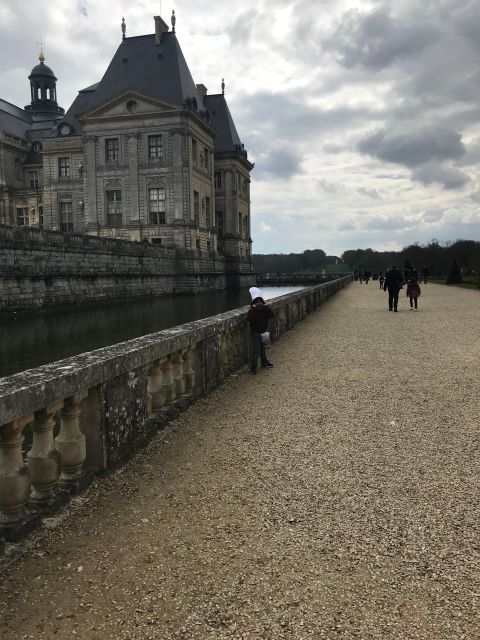
- Two major châteaux in one day: Fontainebleau plus Vaux-le-Vicomte, both with entry tickets included.
- Skip-the-line access: you get non-queuing tickets for faster entry.
- A guide on the ground: live tour guidance in English or French, plus an audio guide in multiple languages.
- Lunch is self-directed: you explore Fontainebleau for about an hour and pick a restaurant or bakery.
- Hotel pickup and drop-off in Paris: convenient for sightseeing without extra logistics stress.
Two castles, one private day that starts and ends in Paris
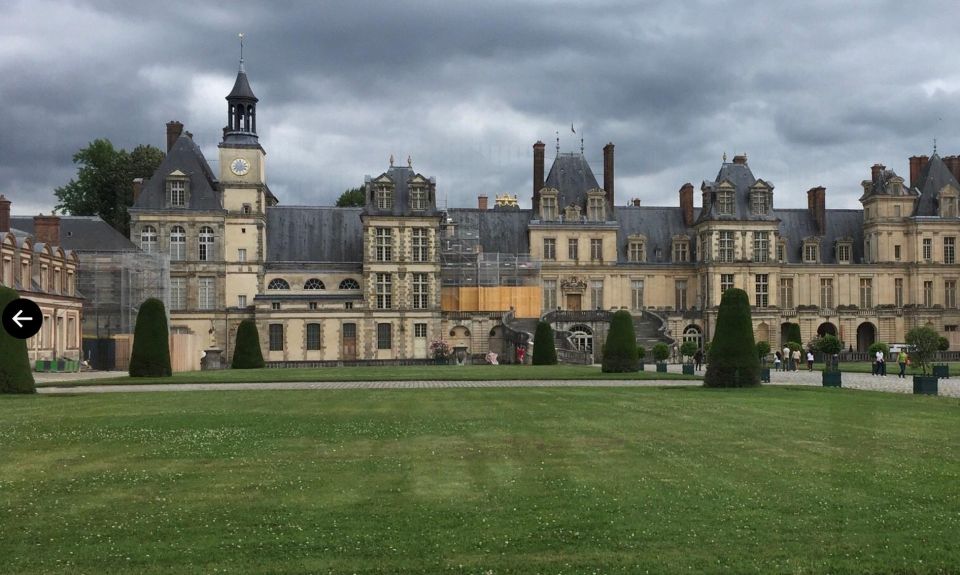
This is built for people who want the best of France’s château culture without spending the whole day on trains, taxis, and ticket hassles. You’ll be picked up from your Paris hotel area (there are many arrondissement options), then you head out with a driver-guide in a van. The structure is simple: Fontainebleau in the morning, lunch in town, Vaux-le-Vicomte in the afternoon, then you’re back in Paris.
The value here comes from the mix of access + interpretation. You’re not just buying tickets to two famous places; you’re getting help making sense of what you’re seeing. In real terms, that means less time figuring out routes and more time noticing why these castles mattered—politically, artistically, and architecturally.
Just know the day runs long, so wear comfy shoes and plan for a steady rhythm. If you like slow travel, you might feel it as a packed schedule. If you like one well-run day with a clear plan, this fits.
You can also read our reviews of more private tours in Paris



Fontainebleau: royal rooms and Napoleon’s Throne
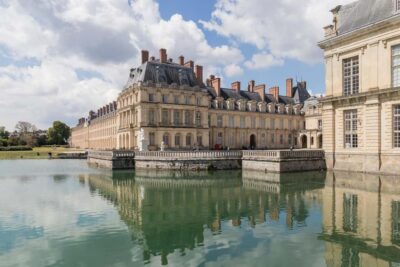
Château de Fontainebleau is where the day earns its “wow” early. You get about two hours inside, which is enough to cover the main sights without treating the château like a sprint. Fontainebleau has the feel of a palace that kept changing as the centuries went by, passed down through royal hands until the Middle Ages.
One specific highlight you’ll be looking for is Napoléon Bonaparte’s Throne. It’s the kind of detail that turns a visit from general admiration into a more personal timeline of power. You also get to see the majestic residence of French kings—exactly the sort of place that helps you understand why castles weren’t just homes, but symbols.
Here’s the practical angle: Fontainebleau can involve shifting between rooms and viewpoints, and it’s easy to lose time if you don’t know what matters most. Having a live guide helps you pick up the stories behind key areas, and the audio guide support in languages like English, French, Spanish, Japanese, Dutch, and Chinese gives you flexibility if you want extra context while you walk.
The best part of this stop is that you can actually form opinions. In two hours, you’re not just absorbing everything—you can decide what you like most: the scale, the royal legacy, or the specific historical moments like Napoleon’s throne.
Lunch in Fontainebleau: pick a bakery or sit down for local comfort
After the morning château time, you get one hour for lunch in Fontainebleau. Food and drinks aren’t included, so you’ll choose your own spot—either a restaurant or a French bakery with local specialities.
This hour is surprisingly valuable because it breaks up the day’s intensity. Instead of feeling like your schedule is only about big-ticket attractions, you get to do something smaller and more local. If you’re hungry fast, leaning toward a bakery can be an easy win. If you want to slow down and regain energy, a restaurant can make you feel human again before Vaux-le-Vicomte.
My practical suggestion: don’t try to “maximize” with a long sit. You only have an hour, so aim for something that’s easy to order and quick to eat, then get back to exploring with fresh legs. This is also a good time to re-check your meeting point with your guide, so you’re not chasing details with a clock ticking.
Vaux-le-Vicomte: the castle that helped shape Versailles
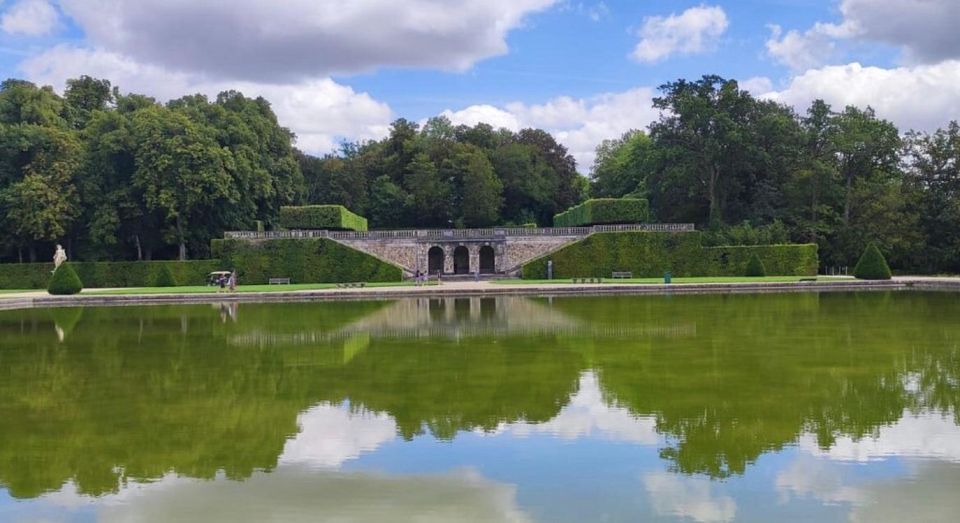
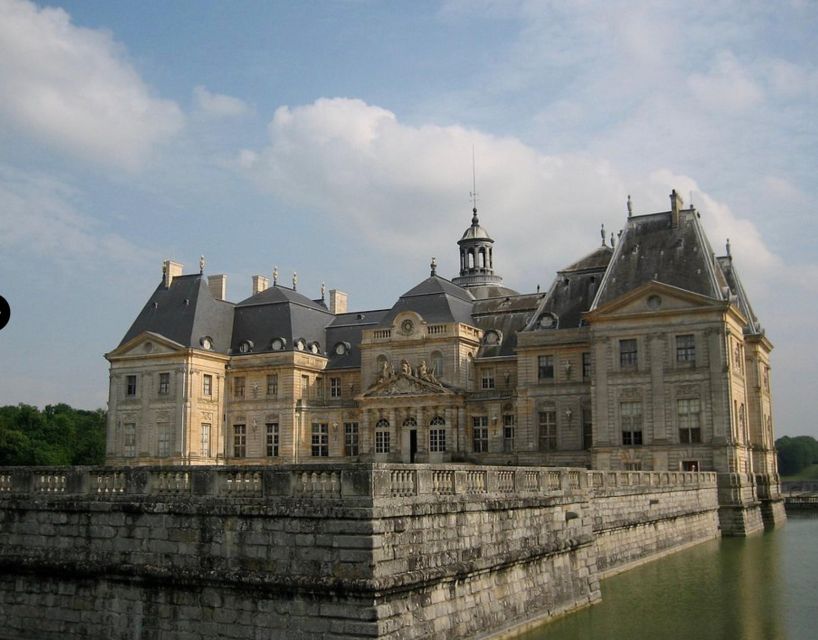
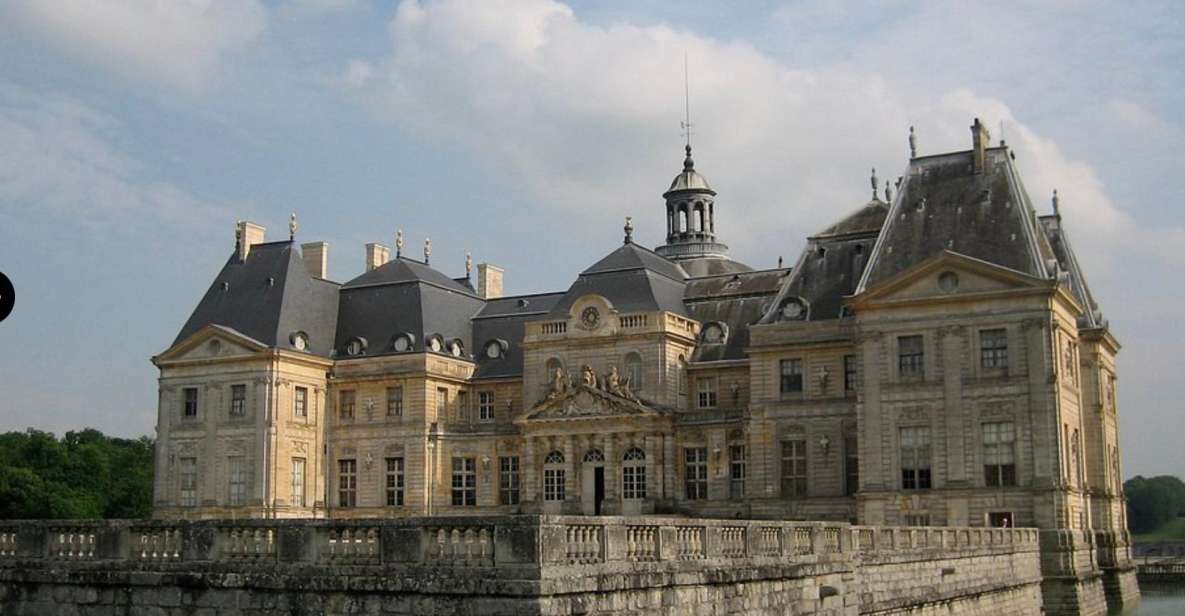
Then comes the afternoon centerpiece: Château de Vaux-le-Vicomte. You’ll get about two hours to visit, plus time to see the park and gardens, which is where this château really shines.
This is the place where three creative forces came together: architect Louis Le Vau, painter and decorator Charles Le Brun, and gardener André Le Nôtre. The big idea is that it’s not just a house—it’s a coordinated work of art. The castle and gardens were designed as one experience, and you can feel that when you move through the grounds.
It’s also famous for influencing what came later—specifically inspiring Château de Versailles and many other European examples. That connection matters because it gives you a framework. When you walk through Vaux-le-Vicomte, you’re not only seeing a standout château; you’re seeing a reference point that helps you understand why Versailles became what it did.
What I like about the way the tour handles Vaux-le-Vicomte is that it gives you time beyond the main building. You get to shift your attention from rooms to the way the outdoor space is organized. That matters because with gardens, you can easily miss what the designers were doing if you only glance at them while standing in place.
The gardens and park: seeing Le Nôtre’s planning at human speed
The tour doesn’t just stop at the château walls. It also includes the park and garden at Vaux-le-Vicomte, so you can experience the “designed nature” concept instead of treating it like a casual stroll.
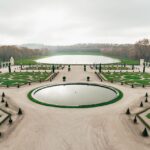
André Le Nôtre is the name to remember here. His garden work is all about geometry, sightlines, and controlled perspective. In other words, the gardens aren’t meant to be random greenery. They’re meant to guide you—toward views, toward symmetry, and toward a sense of order that matches the grandeur of the château.
Because you’re with a guide (and you have audio support if you want it), you’re less likely to miss the point of what you’re seeing. You’ll also have more time to notice details like how paths lead your eye and how the grounds connect the visual world of the château with the space outside it.
One subtle benefit: garden time tends to feel different than indoor palace time. It gives your mind a break while still keeping you in the “château world.” For a long day, that balance is worth it.




Van rides and timing: how the day stays manageable
Transportation here is part of the product. You ride in a van with your driver-guide, and you’re moved between locations with scheduled travel blocks. The plan is built to keep the sightseeing day flowing: you start in the Paris area, get to Fontainebleau, return for lunch in town, and then head to Vaux-le-Vicomte before winding down back in Paris.
That matters because getting this right is hard when you’re doing it on your own. Outside Paris, road time adds up fast, and parking can be a mess around busy attractions. With a private driver handling it, you avoid the common “we lost time and now we’re rushing” problem.
You’ll also likely feel the benefit of expert handling when it comes to admissions. The included non-queuing tickets help, but the real advantage is that your guide can direct you where to go and how to use the time you have once you’re inside.
If you’re sensitive to long days, plan a low-key evening after you return to Paris. This tour is a full itinerary, not a quick taste. Think of it as one big historical day, then recovery mode.
Guides in real life: what makes this tour feel personal
A private tour is only as good as the people running it, and the standout theme here is that the guides bring energy and actual understanding. Names like Andy show up in this experience as an excellent guide for Fontainebleau, with a knack for explaining context and background in a way that keeps things moving. Sandra is also mentioned as a delight at Vaux-le-Vicomte, pairing strong information with a friendly, easy pace.
There’s also the “friend factor” in the way some guides are described—people who make you feel comfortable, not stuck with a rigid lecture style. That’s not just nice; it affects how you experience the sights. When the guide is animated and helpful, you tend to notice more, ask questions more easily, and enjoy the day even when the schedule is tight.
If you care about interpretation—why a room looks the way it does, why a garden is designed a certain way—this style makes a difference. It turns the castles into stories you can follow instead of random rooms you have to memorize.
Price and value: what $306 per person really buys
At $306 per person, this isn’t a budget excursion. But it’s also not just “two ticket prices in a wrapper.” You’re paying for the full day experience: hotel pickup and drop-off, entry tickets to both major sites, non-queuing access, a live English/French guide, and audio guide support across multiple languages.
To judge value, I think about the friction you avoid:
- You skip the stress of arranging transport between two far-apart château days.
- You reduce wasted time at entrances through non-queuing tickets.
- You get meaningful context for what you’re seeing, so the visit sticks.
If you’re traveling as a small group and want one plan that covers everything, the price starts to make more sense. If you’re a solo traveler and prefer to wander at your own pace, this may feel expensive compared with a DIY day. But for many people, the trade is clear: convenience and interpretation in exchange for cost.
Also, since this is a private group, you’re not sharing a guide with strangers. That usually translates into a smoother experience—especially on a long day where small disruptions can snowball.
Who this private château day suits best
This tour is a great fit if you want a top-tier château day with minimal logistics and solid guidance. It’s especially good for:
- First-time château visitors who want the big names: Fontainebleau and Vaux-le-Vicomte.
- People who don’t want to plan transportation between sites.
- Small groups who value convenience and a guide-led pace.
It may be less ideal if you’re traveling with very flexible energy levels (like you need long breaks) or if you strongly dislike full schedules. The day is packed enough that you’ll want to commit to walking and focusing through multiple segments: two museums/palaces, lunch time exploration, then gardens.
If your ideal day is one major attraction and lots of unstructured wandering, you’ll probably prefer a different format. But if you want a day that feels like you got a real sample of classic French power and design, this delivers.
Should you book this Châteaux de Fontainebleau & Vaux-le-Vicomte tour?
I’d book it if you want a well-run, guided château “greatest hits” day and you value time savings. The combination of Fontainebleau’s royal story (including Napoléon Bonaparte’s Throne) plus Vaux-le-Vicomte’s creative partnership (Le Vau, Le Brun, and Le Nôtre) is a strong pairing. Add in the non-queuing ticket advantage and hotel pickup/drop-off, and it’s built to reduce the usual headaches of day trips.
I’d think twice if you’re trying to stretch a tight budget or you want a slower pace with a lot of independent wandering. The long total duration means you’re signing up for a full day, and lunch is on your own.
If you can handle a long but manageable day—and you want someone to help you see what matters—this tour is one of the more sensible ways to do these two castles from Paris.
FAQ
How long is the private tour?
The total duration is 630 minutes, which is about 10.5 hours.
What châteaux are included?
You visit Château de Fontainebleau and Château de Vaux-le-Vicomte, and you also have time for the park and gardens at Vaux-le-Vicomte.
Is lunch included?
No. Lunch (about one hour) is not included, and you can choose a restaurant or a French bakery in Fontainebleau.
Are the entry tickets included, and do you skip the line?
Yes. Entry tickets for both châteaux are included, and you receive non-queuing tickets.
What languages are available for the guide and audio?
The live tour guide is available in English and French. The audio guide is available in Chinese, Dutch, English, French, Japanese, and Spanish.
Do you pick up from and drop off to hotels in Paris?
Yes, hotel pickup and drop-off are included in Paris. Hotel pickup and drop-off out of Paris are not included except for ZIP 75.