REVIEW · PARIS
See 10+ Top Paris Sights – Fun Local Guide
Book on GetYourGuide →Operated by Paris Top Sights Tours · Bookable on GetYourGuide
Paris works best when you have a plan. This tour gives you one, starting in Montmartre and moving to the big sights fast, with a local guide that turns street corners into stories. I especially like the Sacre-Coeur stop for the panoramic payoff, and the smart way the route links artist-era Montmartre with Paris icons like Moulin Rouge. One thing to consider: it’s a packed 150 minutes on foot and by Metro, and Sacre-Coeur entry can mean some queue time depending on conditions.
What makes the experience feel worth it is the rhythm. You get a concentrated mix of photo stops (Place du Tertre, Moulin de la Galette, and more), a short break at a local café, and then the finish near the Arc de Triomphe. In other words, you’re not waiting around for hours to see one landmark—you’re gathering a stack of “that’s Paris” moments in one go.
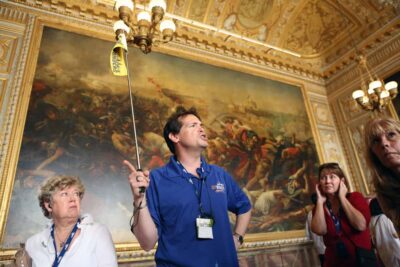
The guided angle is practical too. You’ll hear why these places matter, including connections to famous artists and the neighborhoods they shaped, and you’ll get help making quick decisions on where to look and what to notice. Just remember the bakery coffee and croissants are a refreshment stop, not an included meal, so bring a little cash and expect to buy what you want.
In This Review
- Key points to know before you go
- Starting at Anvers: why this route works in 2.5 hours
- Sacre-Coeur on your schedule: church time and panoramic payoff
- Old Montmartre photo trail: Place du Tertre and the artist connections
- Boulangerie break and café fuel: what you should plan to buy
- Moulin Rouge and the Arc finish: big icons without a full-day grind
- Price and what you’re really paying for at $33
- Guides you might meet: Yasimina, Olivia, and Rami
- Practical tips so you don’t waste energy on the hill
- Who this tour is for (and who should rethink it)
- Should you book this 2.5-hour Top Paris Sights tour?
- FAQ
- How long is the tour?
- Where do we meet for the tour?
- What major sights are included in this shorter version?
- Is transportation on the Metro included?
- Is the bakery stop included?
- Do I need any specific cards for the Metro?
- Is the tour suitable for wheelchair users?
Key points to know before you go

- Montmartre first, crowds later: start in a neighborhood that rewards early timing and uphill views
- Sacre-Coeur includes church time: go inside, with queue time possible depending on the day
- Artist-era photo stops: Place du Tertre, Moulin de la Galette, Maison de Dalida, Le Bateau-Lavoir, À la Mère de Famille
- Quick local break: a café stop for coffee and croissants nearby your route (not included)
- Fast hits of major landmarks: Moulin Rouge, then Arc de Triomphe to end the walk
- English live guide: you’ll get explanations as you go, not just a list of stops
Starting at Anvers: why this route works in 2.5 hours
The tour begins at the Paris City Vision kiosk opposite Metro Anvers station. It’s a simple meetup, and being near a Metro stop matters because you’re not stuck with long transfers. In 150 minutes, you’re basically running a highlights route with enough walking to feel like Montmartre, but not so long that you lose your energy before the viewpoints.
This “first part” approach is also a smart option if you’re timing-sensitive. It’s set up as the shorter companion to a longer 5-hour version that covers more sights. If you’re the kind of traveler who wants to get oriented fast—then decide later whether you want to go deeper—that longer add-on makes sense.
I also like that the route is built around concentration. Instead of one museum-heavy day, you get an old-neighborhood stroll. That means you’re collecting street-level details: facades, stairways, street names, and the visual cues Paris gives you when you know where to look.
You can also read our reviews of more guided tours in Paris

Sacre-Coeur on your schedule: church time and panoramic payoff
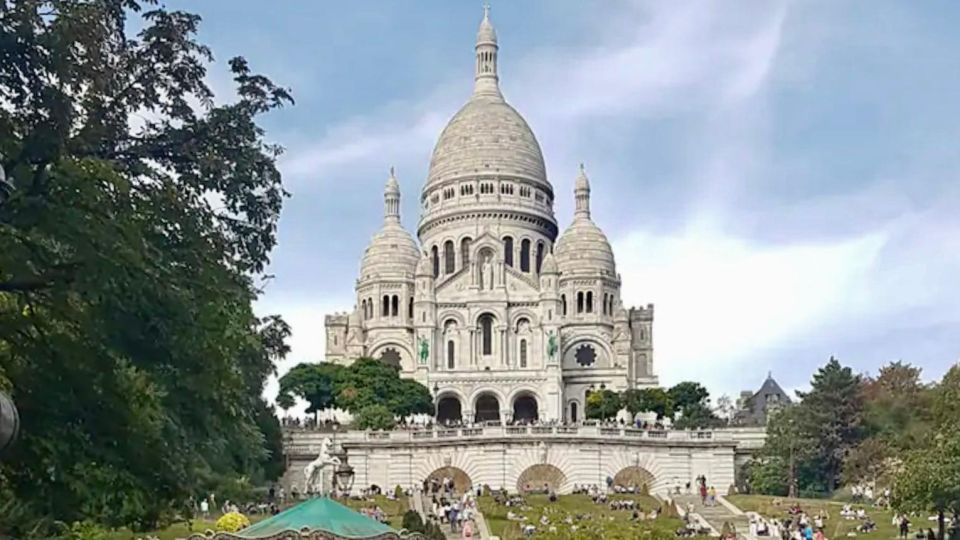
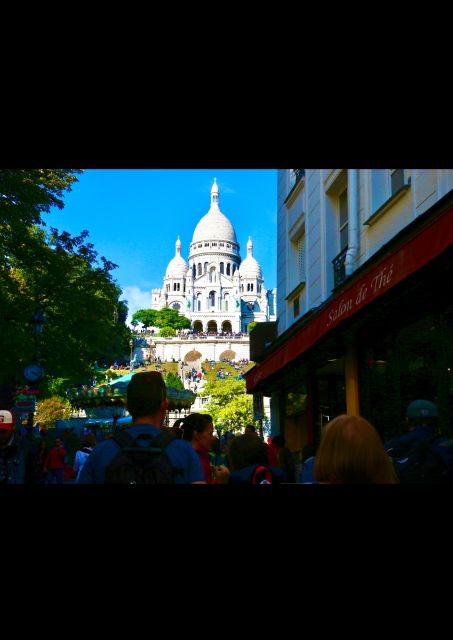
Your first big landmark stop is Sacre-Coeur Basilica, with time built in to go inside. Even if you’ve seen photos, getting inside is different: the space changes how you see the building, and you get a break from the constant “keep moving” energy.
The main reason this stop earns its place is the view expectation. Montmartre is one of the best places in Paris to see the city spread out in all directions, and Sacre-Coeur sits in a spot designed for exactly that. If the weather is clear, you’ll feel like you’re getting a city map you can actually navigate with later.
A practical consideration: the church experience can involve a line. The tour includes entry, but queue time depends on the day, so it helps to arrive with calm expectations. If you’re taking photos, keep your camera ready—there’s usually a sweet spot between people moving through and the best vantage angles.
Old Montmartre photo trail: Place du Tertre and the artist connections
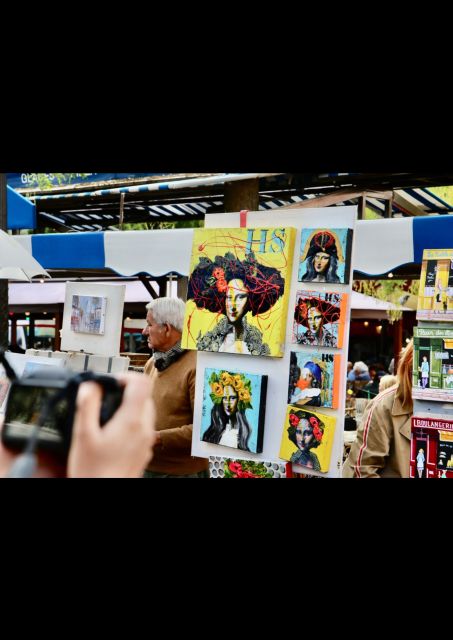
After Sacre-Coeur, the tour leans into Montmartre’s character. You’ll spend a good chunk of time on the walk through the area, with photo stops designed for quick “pause and look” moments. This is exactly how you should do Montmartre if you only have a short window.
Here’s what makes the photo trail valuable:
- Montmartre streets (photo time) give you the sense of the hill and the neighborhood mood. Even without long explanations at every corner, you’ll start to recognize what makes this area visually distinct.
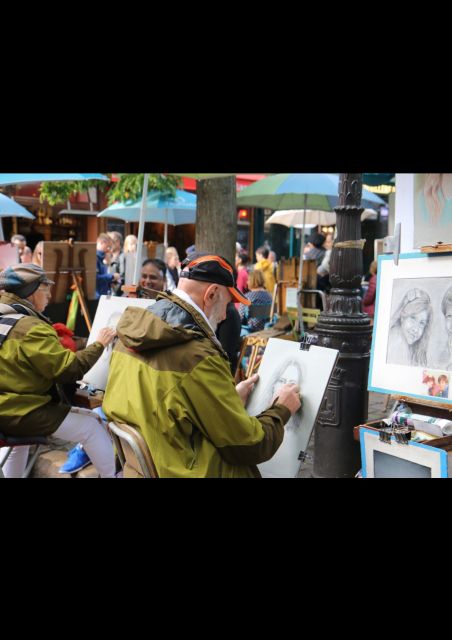
- Place du Tertre is a classic scene—think artist square energy—where the guide’s stories help you understand why this spot became associated with creativity.
- Moulin de la Galette adds a piece of local landmark flavor. It’s not just a name you see on postcards; it’s a reference point you’ll remember when you later trace the neighborhoods on your own.
- Maison de Dalida gives you a pop-cultural anchor, so the walk doesn’t feel purely historical.
- Le Bateau-Lavoir is the kind of stop that works because it connects places to people. When someone explains the artistic thread, a quick glance turns into a “wait, I get it” moment.
- À la Mère de Famille is another quick hit that helps you understand Montmartre as a lived-in neighborhood, not just a viewpoint.
One reason I like tours structured this way: the stops are short enough that you don’t burn time searching for the “perfect” angle. Your guide keeps the pace, and you can still capture photos without turning the day into a scramble.
Boulangerie break and café fuel: what you should plan to buy
You’ll get a local café break (about 15 minutes). The tour description frames a bakery refreshment stop (coffee and croissants), and the key detail is that it’s not included. That’s normal for walking tours, but it affects how you should plan.
Bring a little cash and be ready to spend what you choose—this is your chance to eat something simple, Paris-style, while the group is nearby and you don’t lose momentum. If you’re the kind of traveler who skips snacks until you’re starving, do yourself a favor: grab your drink and pastry during the break, not after.
Why this matters for value: in a short tour, you want energy. The walking is real—especially with the Montmartre slope and the stairs that come with it—so a quick meal break improves your whole day, not just your stomach.
If you’re watching time, keep ordering simple and be ready to move when the group does. This stop is meant to recharge you, not turn into a long sit-down.
Moulin Rouge and the Arc finish: big icons without a full-day grind
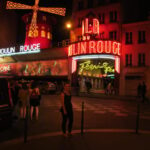
As the route continues, you hit Moulin Rouge next. You’ll get photo time, and this is one of those landmarks where the guide’s context changes how you see it. Without that, you’d just get a flashy facade and a lot of people with cameras. With it, you get a stronger sense of how this area fits into the city’s story.
Then you finish at Arc de Triomphe. The timing here is thoughtful: you’re walking toward one of Paris’s most recognizable monuments right when you’re ready to cap the day with a “wow” factor. Even if you’ve seen the Arc from the outside before, ending here feels like closing the loop—Montmartre’s artistic origins on one side, and grand Paris on the other.
This finish area also puts you in a good position to keep exploring afterward. You’re not far from the shopping and street energy around Champs-élysées. Whether you want to wander, people-watch, or simply transfer to your next activity, this kind of central ending saves time.





Price and what you’re really paying for at $33
At about $33 per person for 150 minutes, you’re buying three things: a live English guide, a focused selection of landmarks, and a route that keeps you moving efficiently. The price doesn’t cover Metro rides, and it doesn’t include lunch or the bakery items—so think of it as paying for interpretation and logistics, not for food and transit.
Here’s how I judge the value:
- If you’d otherwise spend your time figuring out which streets connect to which sights, the guide reduces that friction.
- If you want photos plus context, short stops can still be satisfying when the stories make them click.
- If you’re visiting for a first time and want a structured orientation in one neighborhood-to-monument flow, this format is cost-effective.
The best part is that the tour is designed to be “good enough” for many travelers. You’ll come away with a strong highlight set: Sacre-Coeur, Montmartre viewpoints and squares, key artist-linked stops, Moulin Rouge, and the Arc. If you want more, there’s an option to upgrade to the longer tour on the day.
Guides you might meet: Yasimina, Olivia, and Rami
One of the reassuring things about this experience is the way guides are described. You may not get the same guide each time, but names that show up include:
- Yasimina, described as fun, sweet, and well-prepared, with strong storytelling and ability to handle questions while helping people take great photos.
- Olivia, praised for being patient and knowing the story behind what you’re seeing.
- Rami, noted for creating a joyful experience.
In practice, what you want from a guide on a short highlights tour is exactly this: clarity, energy, and the ability to answer questions on the spot. When the guide can also help with photo moments, it saves you guesswork—especially at viewpoints and landmark facades.
Practical tips so you don’t waste energy on the hill
This tour is straightforward, but you’ll enjoy it more if you go prepared. Use this checklist mindset:
- Wear comfortable shoes. Montmartre + photo stops means more foot time than you expect.
- Bring an umbrella. Weather changes fast, and you’ll still be walking.
- Pack water. The tour includes a break, but it won’t replace hydration.
- Have a camera. Several stops are built for photos.
- Bring cash for the café/bakery refreshment.
- Use a Metro-ready ticket. The tour involves taking the Paris Metro, so bring a topped-up Navigo card or a Mobilis day Travel Card.
Also consider timing. Sacre-Coeur can mean queue time, and Montmartre can feel crowded in peak hours. If you go with calm expectations and stay flexible, the itinerary stays fun instead of stressful.
Who this tour is for (and who should rethink it)
This experience is a great fit if you want a high-impact highlights route without spending the day in a museum. It’s especially good for:
- First-timers who want to understand how Montmartre connects to the wider Paris story
- Travelers who like photo stops but still want explanations
- People who want a short tour that could lead into the longer 30+ sight version later
It’s not suitable for wheelchair users, and it’s also listed as not suitable for babies under 1 year and people over 95 years. If anyone in your group has mobility challenges, you’ll need to think carefully about the walking and the Metro component.
Should you book this 2.5-hour Top Paris Sights tour?
Book it if you want a tight, well-paced sampler of Paris icons with a real guide leading the way. The Sacre-Coeur interior plus panoramic promise is a strong anchor, and the Montmartre section gives you enough artist-linked context to feel like you understand the neighborhood—not just the skyline.
Skip it (or consider the longer format instead) if you hate walking uphill, you need a slow pace with lots of sitting, or you’re hoping for a food-included meal day. This is a “see a lot, learn a lot” tour, and it moves.
My call: this is a good-value choice when you want structure, clear stops, and helpful storytelling in a limited time window. If that sounds like your style, it’s an easy yes.
FAQ
How long is the tour?
The tour lasts about 150 minutes (2.5 hours).
Where do we meet for the tour?
You meet at the Paris City Vision kiosk opposite Metro Anvers station. If you exit the metro using the only exit, walk straight for about 7 meters to reach the kiosk.
What major sights are included in this shorter version?
This shorter route includes Sacre-Coeur Basilica, Montmartre photo stops (including Place du Tertre and several Montmartre landmark stops), Moulin Rouge, and it finishes at Arc de Triomphe.
Is transportation on the Metro included?
No. Metro transportation is not included, so you’ll need a public transport ticket.
Is the bakery stop included?
Coffee and croissants are part of the refreshment break, but they are not included in the tour price.
Do I need any specific cards for the Metro?
Yes. You should bring a topped-up Navigo card or a Mobilis day Travel Card (or otherwise a valid Metro public transport ticket).
Is the tour suitable for wheelchair users?
No. The tour is listed as not suitable for wheelchair users.