REVIEW · PARIS
Paris Gourmet: Food Tour in South Montmartre
Book on GetYourGuide →Operated by PARIS A DREAM · Bookable on GetYourGuide
South Montmartre has a way of making food feel romantic. This 3-hour Paris Gourmet tour threads food history through the neighborhood’s cabarets and artists, then rewards you with classic tastings that actually teach you what you’re eating. I like the pacing and the small-group feel, and I also like that the tour works like a story from sweet to savory—starting with grand cru chocolate and ending with real cheese-cellar craft. The only catch: you’ll be walking, and you should come ready with comfortable shoes and some baseline hunger control.
The guide experience is a big part of the value. With groups capped at 6 people, guides can give context (and keep the energy friendly). You’ll also get a complimentary book of addresses at the end, which is perfect if you want to keep eating after the tour. One more consideration: tastings can vary depending on season and day of the week, so your exact lineup may shift.
In This Review
- Key highlights I’d plan around
- South Montmartre Is Made for a Gourmet Walk
- Grand Cru Chocolate: The Sweet Start That Sets the Tone
- Wine Store Stop: Cold Cuts + a Glass, Paris Style
- The 100-Year Cheese Cellar: Where Craft Takes Center Stage
- Wandering the 18th-Century Streets and Sampling Local Shops
- Emily in Paris Footsteps Near Key Montmartre Landmarks
- The 3-Hour Flow, Group Size, and Pacing You’ll Actually Enjoy
- Price and Value: What $153 Buys You in Paris
- Meeting Point and Simple Prep That Makes the Day Easier
- A Quick Note on Guides: Victor and Marcela Set the Tone
- Should You Book Paris Gourmet in South Montmartre?
- FAQ
- Where is the meeting point for the tour?
- How long is the Paris Gourmet South Montmartre food tour?
- What is the group size?
- What languages do the guides speak?
- What food and beverages are included?
- Do the tastings change depending on the day or season?
- Should I eat before the tour, and can I bring food?
Key highlights I’d plan around
- Grand cru chocolate first, then you build your way up with wine and cold cuts
- A 100-year cheese cellar with tastings tied to how French cheesemakers work
- South Montmartre walking route near Moulin Rouge and several major museums
- Emily in Paris energy, without turning it into a gimmick (you’ll see a famous series address)
- Small group limit of 6 for questions, pace, and better attention
- Complimentary address book at the end so you can return on your own
South Montmartre Is Made for a Gourmet Walk
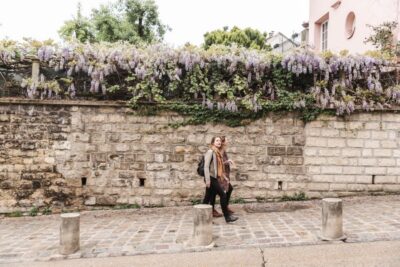
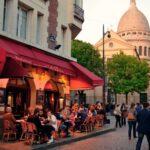
South Montmartre is where Paris turns theatrical. You’re in a zone known for cabarets and theaters, but it’s also a patch of streets where painters and musicians used to live and work. That matters because this tour doesn’t treat food like random samples. It uses the neighborhood as a backdrop and then makes food culture the main plot—how tastes developed, why certain pairings make sense, and how old-school Paris market life shaped what you’re eating today.
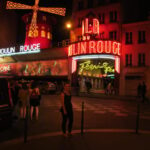
The route also puts you near iconic stops. During the walk, you’ll be in the orbit of places like Moulin Rouge, Musée Gustave Moreau, Musée Grévin, Musée de la vie romantique, and Palais Garnier. You’re not just checking boxes. The guide connects the food story to what you’re seeing in the streets, so you leave with a sense of place, not just flavors.
And there’s a nice TV tie-in. You’ll walk on the footsteps of Emily in Paris and get pointed to one of the series’ famous addresses. If you’re a fan, it adds fun context. If you’re not, it still works because the guide uses the spot to talk about Parisian streets and how scenes get built.
You can also read our reviews of more food & drink experiences in Paris

Grand Cru Chocolate: The Sweet Start That Sets the Tone
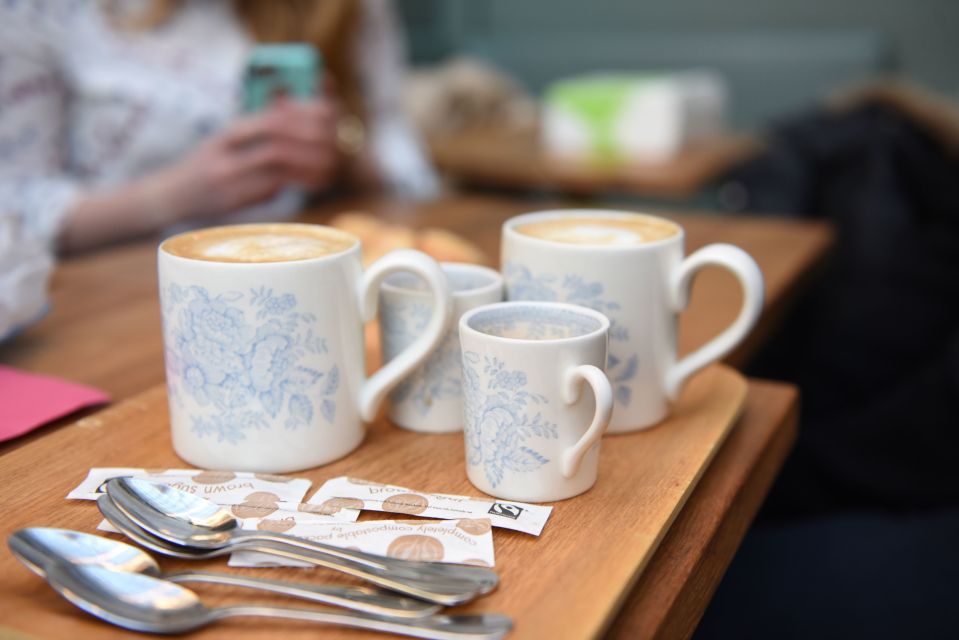
The tour kicks off with a grands crus chocolates tasting. Starting with chocolate is smart. It’s easy to focus on texture and aroma right away, and it gets you in the right headspace for tasting notes. Chocolate also acts like a reset button after travel—small, clear, and not too heavy for the next steps.
What I like about this first stop is that it signals the tour’s style. You’re not just eating quickly and moving on. The tasting is paired with explanation about food culture and history, which helps you taste more intentionally. You’ll likely notice how chocolate can shift depending on what’s emphasized in the product—bitterness, sweetness, and how it melts or lingers.
Practical tip: chocolate can still hit you like dessert fast. If you tend to snack-light in the mornings, plan for the tour pacing by keeping your first meal light. The tour itself is generous enough that you’ll want comfortable room for wine, cold cuts, and cheese later.
Wine Store Stop: Cold Cuts + a Glass, Paris Style
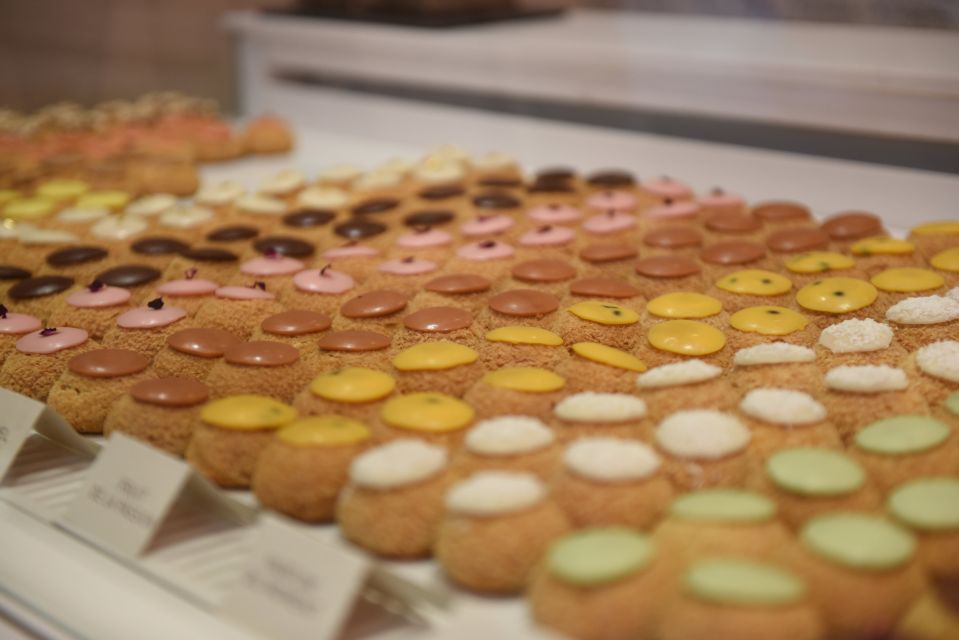
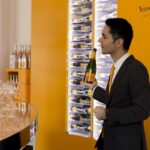
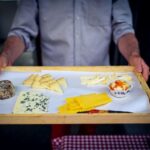
Next comes a charming wine store stop, built around a platter of cold cuts and a glass of wine. This is the classic Paris rhythm: specialty storefronts, guided tasting, and you learning how French meals are structured.
Here’s the value beyond the food. This tasting helps you understand how people think about balance. Cold cuts are flavorful and salty, so the wine choice matters. Even if you don’t consider yourself a wine person, you’ll get a better sense of why these pairings are common in France: contrast, harmony, and the role of local craft.
You’ll also get little stories along the way—anecdotes about the neighborhood’s past and how food culture fit into everyday life. In reviews, people highlight how guides keep the experience fun and full of details. That’s exactly what this stop should do: make the tasting feel like part of the setting, not a break from it.
Small caution: wine plus walking means you should pace yourself. Take sips, enjoy bites, and don’t try to power through. You’re here for an experience, not a sprint.
The 100-Year Cheese Cellar: Where Craft Takes Center Stage
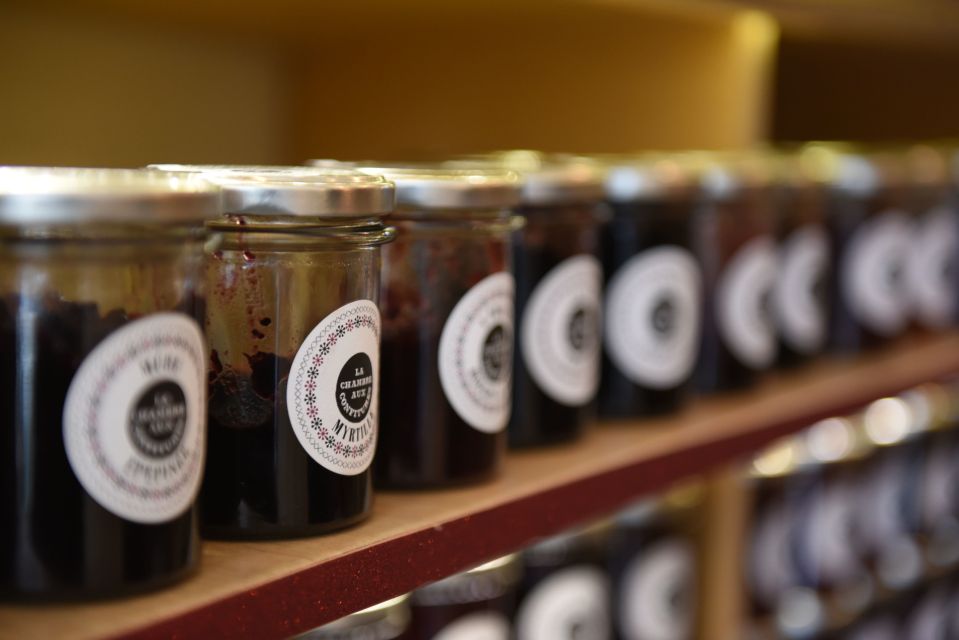
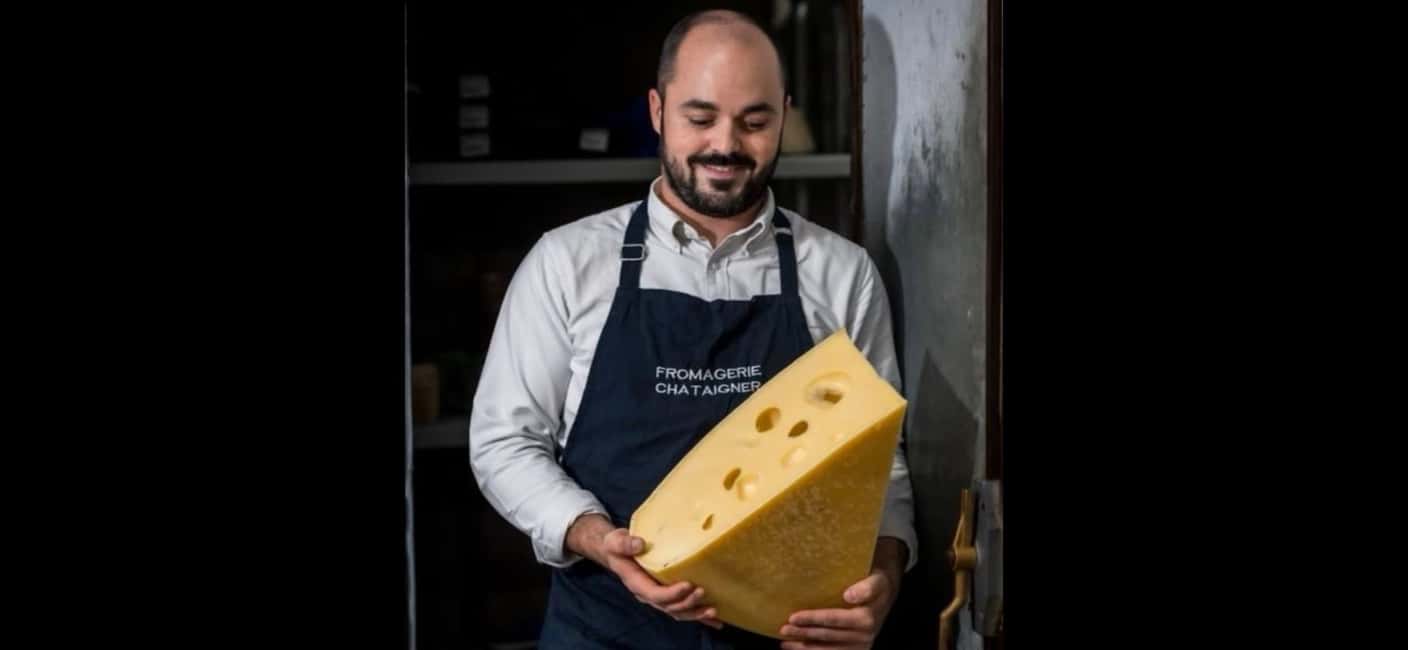
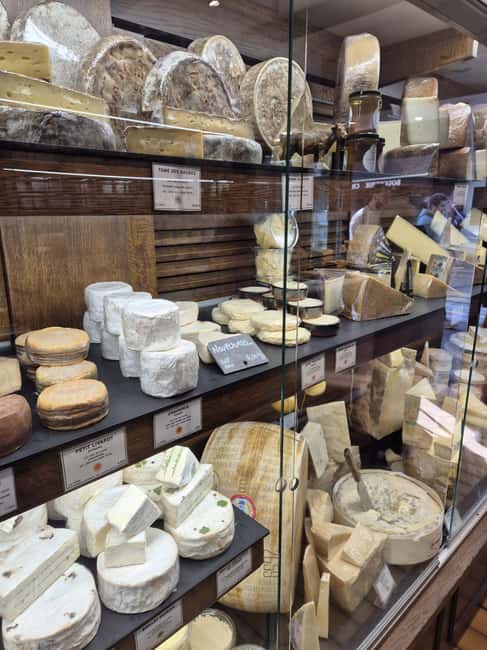
One of the biggest reasons to book this tour is the cheese stop. The itinerary includes a cheese tasting in a typical French day setting through a 100-year cheese cellar. You also meet a cheese monger tied to that long craft tradition.
This is where the tour earns its keep. Cheese tastings can become generic fast on food tours, but a proper cellar visit changes the whole feel. You’re not just tasting a few slices—you’re seeing how a specialty shop treats its products and how old-school practices influence flavor.
The best part is the context. When the guide ties cheese to food history and to how French shop culture works, you start tasting with a different lens. You may notice how cheese types differ in texture and intensity and how they fit into French eating habits.
Also, cheese cellars are working environments, and that adds authenticity. You’ll want to listen, ask questions, and pay attention to the guide’s explanations so you can repeat the right kinds of purchases later.
And remember: tastings may vary by season and day of the week. So if you’re the kind of traveler who wants the exact same lineup every time, know that your cheese selection can shift. The overall structure stays the same.
Wandering the 18th-Century Streets and Sampling Local Shops
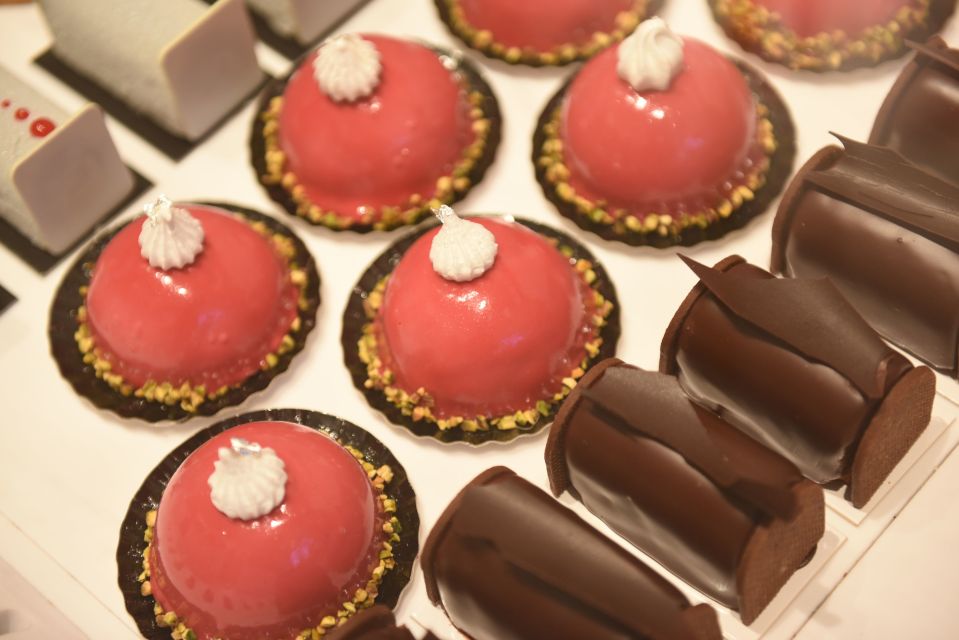
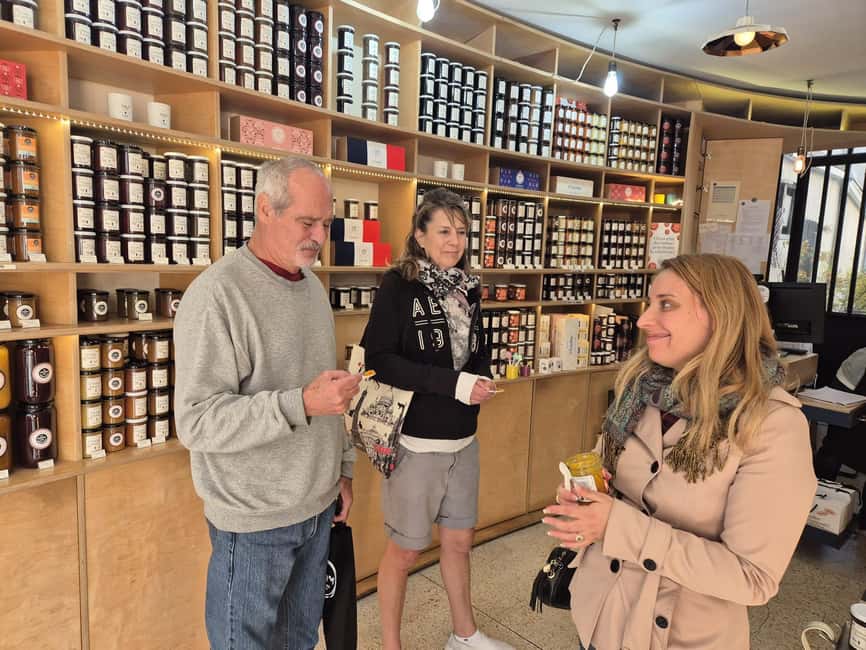
After the core tastings, you continue wandering an 18th-century street area. The guide brings you to shopkeepers and typical local producers so you can sample sweet and savory local products. This part is less about one single big event and more about building taste awareness through variety.
What I like here is the texture of the experience. You’ll get that slow Paris pace: stop, taste, learn a bit, then move on down the street. It’s also the most flexible-feeling segment, because it relies on what’s available through the shops that day. That’s why the tour notes that tastings can vary.
This is also where you can ask smart follow-up questions. Want to know what to buy as a souvenir? Ask. Want to understand what people eat with what? Ask. The point of this “meet the shopkeeper” phase is that it turns you from a passive eater into someone who knows what to look for later.
One more practical note: the tour is walking-focused, and you’ll spend time on sidewalks that aren’t made for rolling suitcases. Wear comfortable shoes and keep a bottle of water handy.
You can also read our reviews of more tours and experiences in Paris
Emily in Paris Footsteps Near Key Montmartre Landmarks
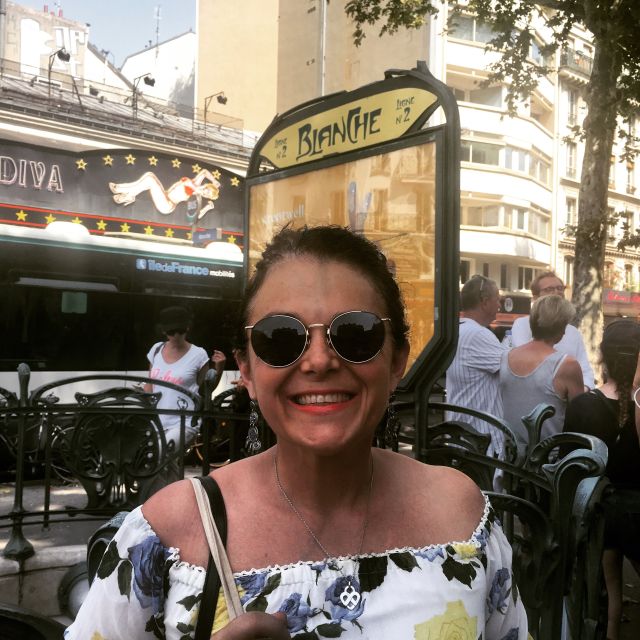
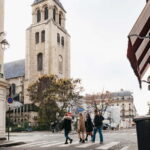
If you’re into Emily in Paris, you’ll get a fun stop tied to the show. The tour includes a walk on the footsteps of the series, and the guide will show you one of the famous addresses.
But here’s why this works even if you’re not there for the show. When the guide points out the location, you usually also get a mini lesson about why that part of Paris looks the way it does—street angles, storefront style, and the overall mood of the neighborhood. That makes the TV connection feel like a bridge into real-world Paris, not a detour.
During the walk, you’re also in the general zone of major cultural sites: Moulin Rouge, Musée Gustave Moreau, Musée Grévin, Musée de la vie romantique, and Palais Garnier. That combination is useful. It helps you connect the tour’s food story to the visual story of the area—how Paris layers art, performance, and daily life.
And because the guide weaves in anecdotes about painters and musicians, the neighborhood feels like it has a soundtrack, not just a menu.
The 3-Hour Flow, Group Size, and Pacing You’ll Actually Enjoy
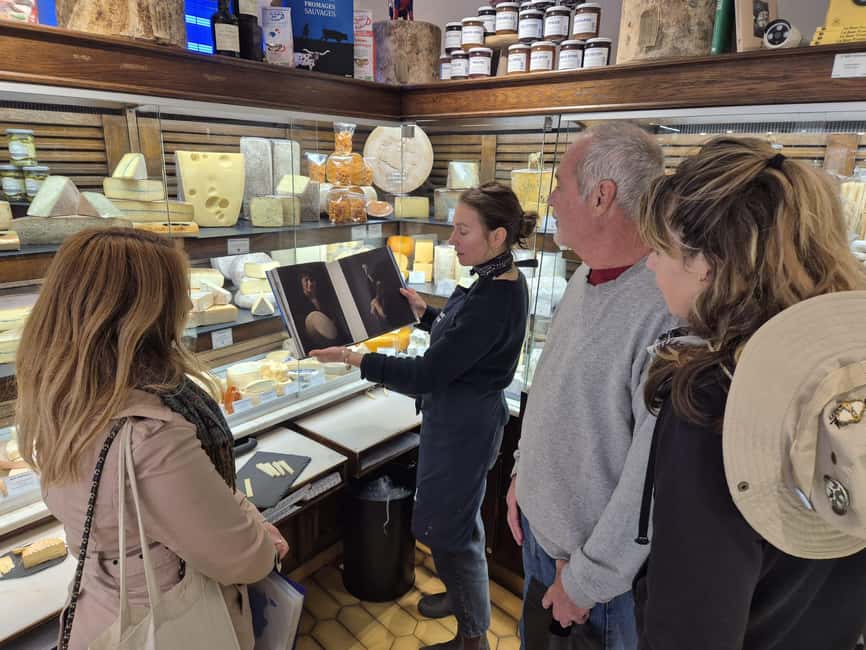
This tour runs about 3 hours, with small groups limited to up to 6 participants. That short window is one of the hidden strengths. You get multiple tastings plus neighborhood context without committing your whole day.
The small size matters more than you think. In tight groups, guides can keep things moving while still answering questions. Reviews praise guides for being both well informed and fun, and that fits what you want on a walking food tour: clear explanations without a lecture vibe.
Most tours like this can feel either rushed or too slow. Here, the structure helps: chocolate first, then wine and cold cuts, then the cheese cellar, then shop samples and walking. The tastings create natural anchors so you don’t lose track of what you’re doing.
A quick reality check: food and beverages are included when ordered through the guide, and you’re not allowed to bring food. So you should plan to eat only what the tour provides. If you’re picky or have restrictions, tell the organizers when booking, since dietary requirements need to be advised in advance.
Price and Value: What $153 Buys You in Paris
$153 per person sounds like a serious number, so let’s talk value. At this price point, you’re not only paying for food. You’re paying for access, coordination, and expertise in a small-group format.
Here’s what you’re getting that’s usually hard to replicate alone:
- Multiple tastings packed into a short 3-hour walk (chocolate, wine with cold cuts, cheese cellar tasting, plus additional sweet and savory samples)
- Local guide storytelling focused on food culture and history, not just names of items
- Entry into a cellar-style cheese tasting experience with a craft-oriented shop setting
- A complimentary address book at the end so you can keep eating after the tour
- A group limit of up to 6, which turns “guided” into “actually guided”
If you tried to build a similar plan yourself—finding shops, timing tastings, and getting meaningful context—it would take planning and still might feel hit-or-miss. Paying for the guided structure buys you confidence, not just calories.
The tour also recommends doing it early in your stay so you can use the address book while the food memories are still fresh and you’re still exploring nearby.
Meeting Point and Simple Prep That Makes the Day Easier
You meet near Metro Blanche line 2, close to the Kiosque. Give yourself a little extra time to find the exact spot and get oriented.
One review mentioned feeling nervous about meeting the guide because they didn’t have contact details. That’s a good reminder to handle your side cleanly: make sure the organizers have your phone number, and keep your phone charged. It’s the easiest way to avoid stress on a walking tour in a busy area.
What to bring is straightforward:
- Comfortable shoes
- Water
- A light breakfast or lunch beforehand (it’s advised, not required)
Also, note the guide languages: Spanish, English, and French. If your group has mixed comfort levels, you’ll still usually do fine, since the experience is managed through the guide’s language selection.
A Quick Note on Guides: Victor and Marcela Set the Tone
The standout theme from feedback is the guide. People specifically praise the experience for being fun, informed, and full of street-level anecdotes.
For example, Victor is mentioned as an excellent guide—someone who made the hours feel enjoyable and paced well. Marcela is also praised as a warm host: loving, cultured, entertaining, and engaging. That lines up with what you want for this kind of tour: you’re tasting, but you’re also listening, and the guide’s personality is part of the flavor.
So if you care about more than just eating—if you want context, stories, and a guide who can keep a small group moving smoothly—this tour fits that goal.
Should You Book Paris Gourmet in South Montmartre?
Book it if you want a focused Paris food tour with real craft stops (especially the 100-year cheese cellar), plus neighborhood storytelling tied to Montmartre’s artistic past. It’s especially good for first-timers who want to see places like Moulin Rouge and Palais Garnier in the same general area while eating their way through South Montmartre.
I’d skip it or think twice if you hate walking, don’t want to taste wine or cheese, or you have dietary needs but haven’t planned to communicate them when booking. Since tastings can vary by season and day, the tour is best for travelers who like the idea of a structured plan with flexible details.
If you’re deciding between “one great tour” and “a bunch of random stops,” this one is more likely to leave you with both full satisfaction and a list of where to go next—thanks to that complimentary address book.
FAQ
Where is the meeting point for the tour?
You meet near Metro Blanche line 2, close to the Kiosque.
How long is the Paris Gourmet South Montmartre food tour?
It lasts 3 hours.
What is the group size?
The tour is a small group with a maximum of 6 people.
What languages do the guides speak?
The live guide speaks Spanish, English, and French.
What food and beverages are included?
The tour includes food and beverages ordered by the guide, starting with a grands crus chocolates tasting, then a platter of cold cuts with a glass of wine, followed by a cheese tasting in a 100-year cheese cellar, plus additional sweet and savory local products.
Do the tastings change depending on the day or season?
Yes. Tastings may vary depending on the season and the day of the week.
Should I eat before the tour, and can I bring food?
It’s advisable to have a light breakfast or lunch before the start. Food is not allowed, so you should plan to eat only what the tour guide provides.