REVIEW · PARIS
Paris: “The Live Thriller” Hunt down a Serial Killer
Book on GetYourGuide →Operated by Borderlive concepts · Bookable on GetYourGuide
Serial-killer clues in the shadows of Paris. This is a private, high-realism, actor-run investigation where you make choices that change the case. Inspector Gambale kicks things off near Montmartre, and you follow the trail through creepy indoor scenes with just enough outdoor moments to keep you off balance.
What I really liked is the way the professional actors handle your group like you are part of the investigation. Second, I love that there are four different endings, so you do not get the same result even if you replay the story framework in your head.
One drawback to weigh: the production is physically intense in places (and not suitable for everyone), and it is not built for wheelchair access.
In This Review
- Key things to know before you start
- A real-case vibe near Montmartre
- The investigation brief: missing people, staged crime scenes
- Inside the dark, high-realism locations
- What you actually do: surveillance, interrogation, and choices
- The actors make or break the case
- Four endings: why replaying the story in your head feels worth it
- Language options and how to get the best result
- Price and value for a private group
- Timing: pick day or night based on your tolerance
- Clothing, comfort, and what not to bring
- Safety notes that are not optional
- Who should book this, and who should skip it
- The bottom line: should you book The Live Thriller?
- FAQ
- How long is The Live Thriller in Paris?
- Where do we meet for the experience?
- What group size does it work for?
- What languages are available?
- How many endings does the story have?
- Is it horror, and is it scary?
- Are actors used, or is it puzzle-only?
- What should I wear?
- Who should not do this experience?
- Can I bring alcohol or drugs?
Key things to know before you start
- Four different endings mean your decisions actually steer the case.
- Professional actors play every role for your group, so the story stays personal.
- Mostly indoor scenes take you through dim, realistic crime locations with a small outdoor slice.
- French or English is available, with language support from the start of your session.
- Runs almost all day with hourly start times from 9:30am to 11:30pm, year-round.
A real-case vibe near Montmartre
Paris has its postcard spots. This experience points you somewhere darker. Your meeting is at the corner of rue Duc and rue de Trétaigne, a short walk from Jules Joffrin station, in the Montmartre area. The setup matters because it keeps you from doing that tired tourist routine of wandering to a landmark and taking photos. Instead, you arrive expecting a role to play.
At the start, you check in with Inspector Gambale. From the first briefing, the tone is controlled and serious, the way a thriller should be. You are not watching from a distance. You’re being pulled into the investigation, making choices, and reacting to what the actors do with your decisions.
The production keeps most of the action indoors, which is a big deal. It lets them control light, sound, and pacing so the story lands in your nerves, not just your imagination. And because sessions run up to late at night, you can pick the mood that fits you.
You can also read our reviews of more tours and experiences in Paris.


The investigation brief: missing people, staged crime scenes
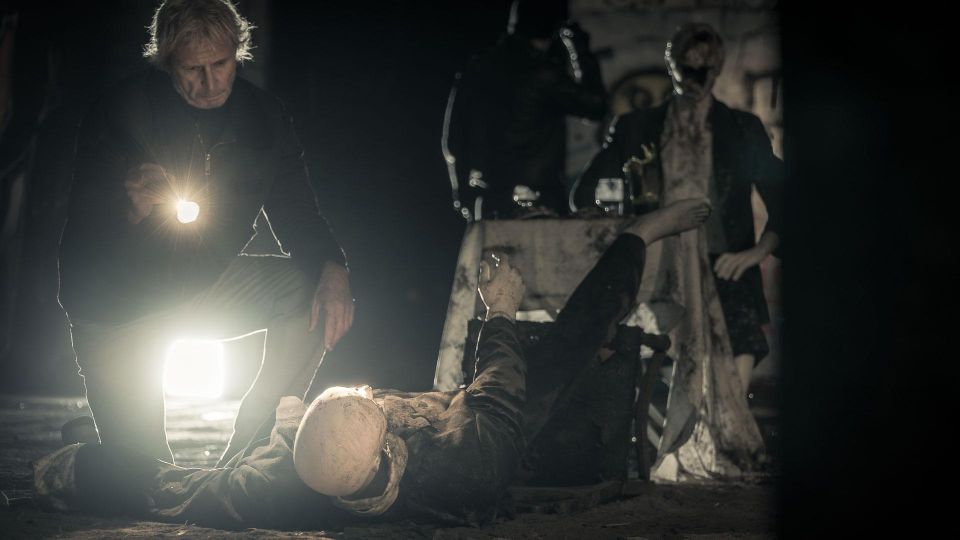
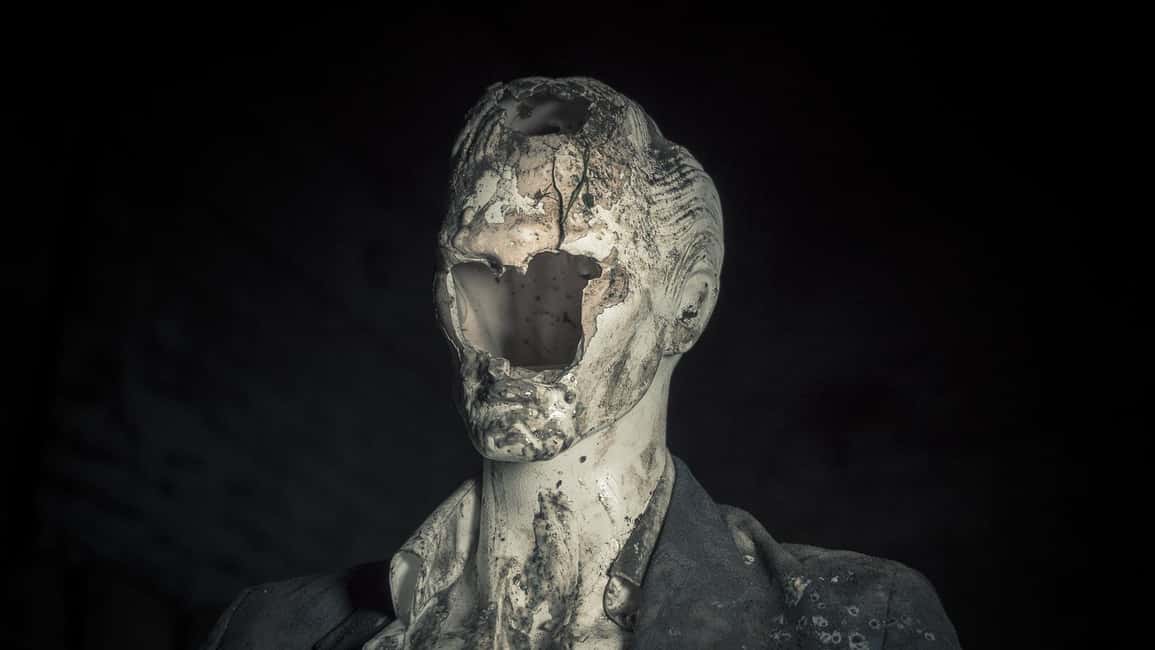
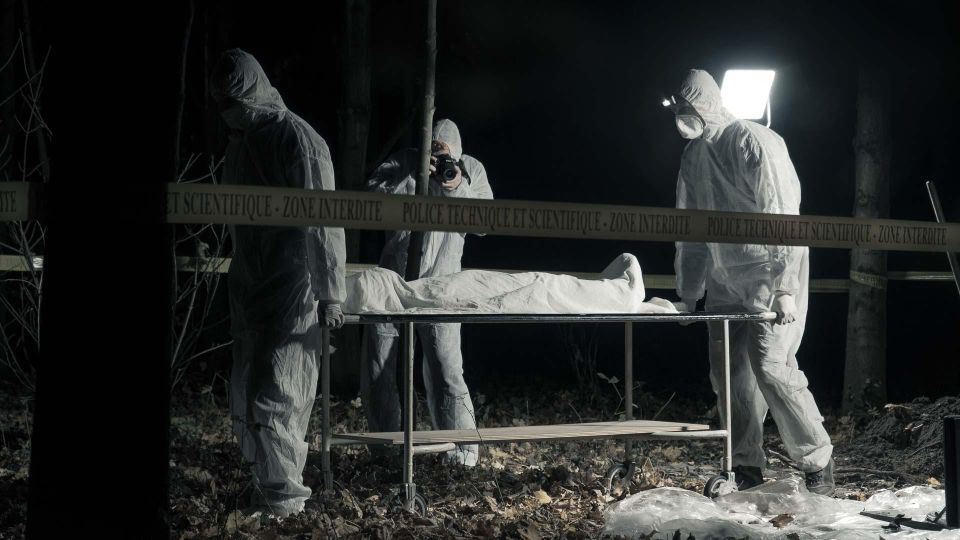
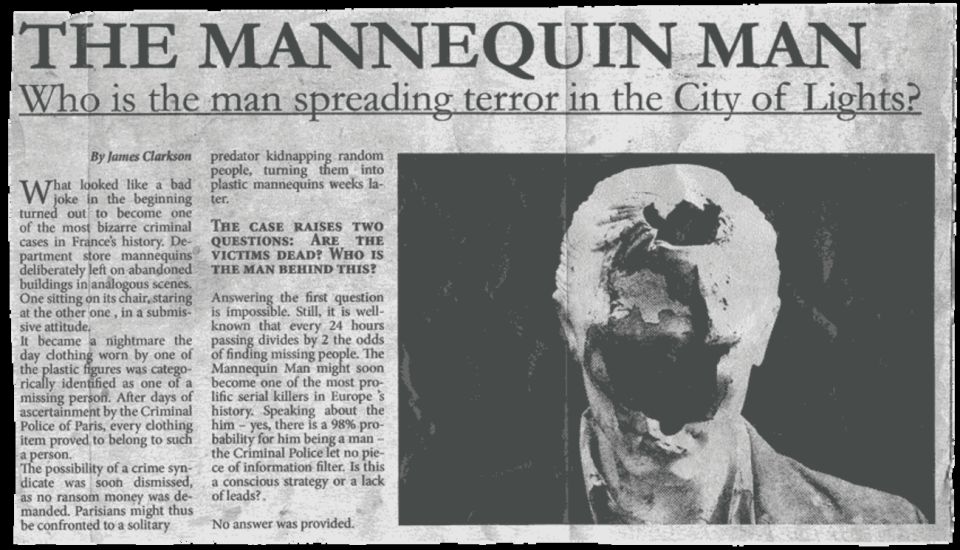
The case you’re handed is very specific. There are nine missing persons tied to nine crime scenes where the corpses were replaced by store mannequins. That setup does two things for you as a player.
First, it gives your brain a job. You are not just trying to be scared. You’re trying to interpret clues, notice inconsistencies, and follow the logic of what’s been staged. Second, those mannequins create a strange, uncomfortable contrast. It turns a “normal” crime scene into something theatrical, and that tension keeps the story moving.
You’ll also notice how the game plays with expectations. It feels like you should be solving puzzles step by step, but the story changes the rhythm often. One moment you’re observing. Next you’re pressured. Then you’re asked to do something that makes you question what counts as evidence.
Inside the dark, high-realism locations
A huge part of the experience is the physical environment. You spend about 90% of the session indoors, across several dedicated venues. The remaining time is outside, which helps break up the pacing and keeps your senses from fully “settling.”
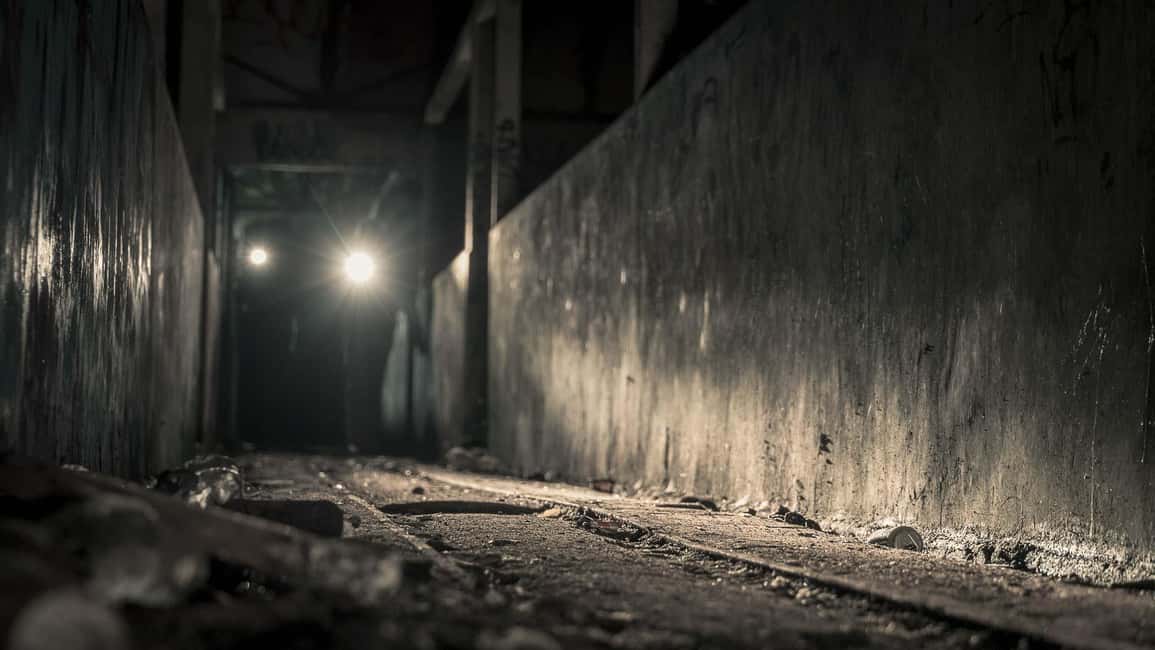
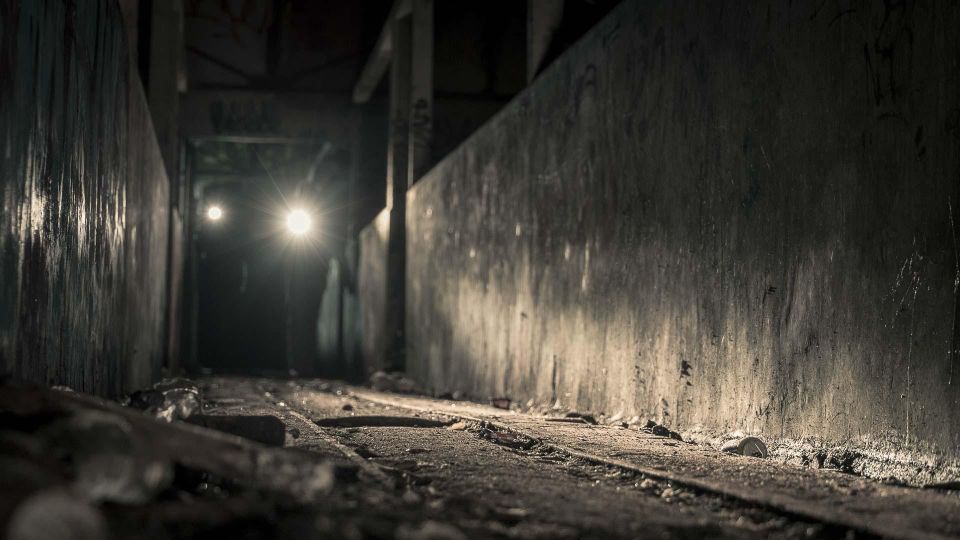
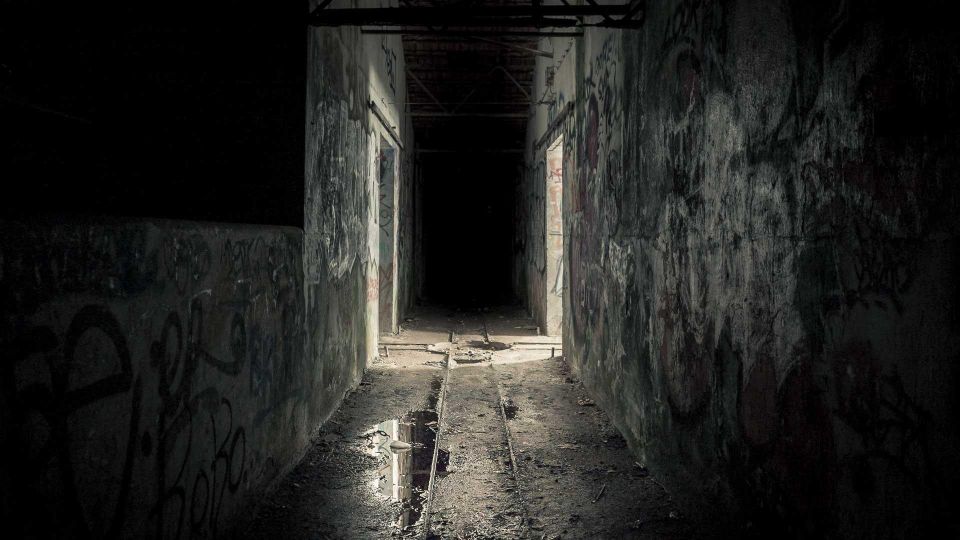
Expect places that feel abandoned, stained, and imperfect. You may get scenes like abandoned basements, crime scene analysis areas, dilapidated shops, and even an unsettling squat-like setting. The key point is that you are not treating these like sets. You are moving through them while the story reacts to you.
The lighting is small and deliberate. Think tiny sources of illumination in otherwise dark rooms. That kind of lighting forces you to look harder, and it also makes shadows feel like they’re watching you back. It’s the kind of design choice that can make a thriller feel too real, even if you’re fully safe.
If you like darker crime stories like Se7en, you’ll probably appreciate the tone. If you hate horror movies, the experience can still work for you, but with a warning: it’s a dark thriller with tension spikes, not a jump-scare carnival.
What you actually do: surveillance, interrogation, and choices
This is not the usual “locked in a room solving puzzles” format. You are constantly pushed out of routine. You might move through different roles and tasks that feel more like a procedural investigation than an escape game.
You can see a mix of:
- exploration of rough, real-feeling spaces
- analysis of crime scene details
- brutal interrogation-style moments
- street or surveillance-like situations
And then comes the core mechanic: your decisions lead to one of four endings. The game nudges you toward choices that can feel morally or logically uncomfortable. That’s why the endings matter. It’s not only about solving the case. It’s about what you decide the case means.
You should also expect that you won’t predict everything. The story is built to prevent the easy next guess. That uncertainty is a big reason people talk about the experience afterward, because it feels like a “what happens next” storyline instead of a checklist.
The actors make or break the case
In a live thriller, the actors are the product. Here, they’re professional, and they’re dedicated to your group. That matters because the experience stays responsive. If you behave differently, the tone can shift. If you ask a question, an actor can follow it in a way that feels linked to the case instead of canned.
Some standout performances in recent sessions have been credited by name, like Anthony and Corentin. Even if you do not know the names ahead of time, the takeaway is clear: the cast is there to sell the story, not just read lines.
Also important: the actors will not touch you. That’s a practical comfort point if you’re worried about contact during tense scenes.



Four endings: why replaying the story in your head feels worth it
The promise of four different endings changes how you experience the last stretch. You’re not thinking only about finishing. You’re thinking about what your choices signal, what you missed, and what you assumed.
When a story offers multiple outcomes, it often means the game gives you enough flexibility to feel agency. You might be right and still end up on a different path. Or you might take a risk and see a result that feels more complicated than a simple victory.
This is also a good reason to treat the ending like part of the case, not like a payoff button. Even if you think you know what’s going on, the ending can reframe your interpretation.
Language options and how to get the best result
You can play in English or French. If you want English, plan ahead and tell the team in advance so you get the right setup from the beginning.
Language isn’t a “nice to have” here. The clues, the interrogation tone, and the decision prompts all rely on precise communication. When the language matches your comfort level, you’ll spend more energy on the case and less on translation.
Price and value for a private group
The price is listed as $233 per group up to 2. That’s not cheap like a budget activity. It’s closer to paying for a private, actor-led story with dedicated performers, multiple venues, and multiple outcomes.
So the value question becomes simple:
- If you’re two people who want a story-led night without sharing with strangers, it can feel fair.
- If you’re a small group, check how the group size is handled for your booking since the case can run with groups from 2 to 6.
Also, the experience is private, which usually means a better fit if you have specific comfort levels with horror-thriller pacing. You won’t have other customers drifting in and changing the vibe.
Timing: pick day or night based on your tolerance
Sessions start every hour from 9:30am to 11:30pm, 365 days a year. That’s a rare schedule range, and it lets you match your nerves to your plan.
If you want maximum mood, consider going later. Dark venues can feel extra tense at night. One recent participant described the scare level around 7/10, with the tension leaning psychological more than silly.
If you prefer lower intensity, earlier sessions can still be dark, but the overall atmosphere may feel less heavy after an all-day travel schedule.
Clothing, comfort, and what not to bring
You’re walking through real-feeling venues that can include rough surfaces and uneven spaces. Wear comfortable clothes suited for weather. If it’s cold, go warm. If it rains, bring waterproof layers you’re comfortable moving in.
Avoid high heels and open shoes. And try not to bring bags or luggage. You’ll thank yourself later when you’re trying to focus on clues instead of managing storage.
Safety notes that are not optional
This is an active thriller with tense sequences. It is not recommended for:
- pregnant women
- people with a heart condition
- people with claustrophobia
- wheelchair users (it is not accessible to wheelchair users)
Also, alcohol and drugs are not allowed.
The actors won’t touch you, so the fear factor is mainly tension and atmosphere, not physical contact. Still, if you’re sensitive to dark, disturbing environments, take the notes seriously.
Who should book this, and who should skip it
This is for you if:
- you like crime stories, serial-killer plots, or psychological thrillers
- you enjoy being an active participant, not a passive watcher
- you want a private format with no other customers in the same run
- you like decision-making that leads to different endings
Skip it if:
- you need wheelchair accessibility
- enclosed-space anxiety can flare up
- you’re managing health conditions that could be triggered by high-tension sequences
- you’re looking for something light and funny with zero dark tone
Age-wise, the minimum is 13 years old if accompanied by an adult, or 18 years old otherwise.
The bottom line: should you book The Live Thriller?
Yes, if you want a Paris night that feels like a live episode of a crime drama where you do more than watch. The standout value is the combination of professional actors, real-feeling set design, and the fact that your choices can land you in one of four endings.
No, if you’re hoping for a comfortable, bright, easy-going activity. This one runs dark and tense, and it comes with real constraints for claustrophobia and health concerns.
If you’re unsure, think like this: you’re paying for a private, choice-driven thriller with multiple venues and actors. If that sounds fun to you, book it. If not, there are plenty of other Paris experiences that won’t play with your nerves.
FAQ
How long is The Live Thriller in Paris?
The experience is listed as 150 minutes.
Where do we meet for the experience?
You meet at the corner of rue Duc and rue de Trétaigne, and you should look for a man dressed in black (Inspector Gambale).
What group size does it work for?
It’s designed for a private group, with availability for groups of 2 to 6 people.
What languages are available?
The experience is available in English and French.
How many endings does the story have?
There are four different endings based on your choices.
Is it horror, and is it scary?
It is not labeled as horror, but it is described as a dark and disturbing thriller with adrenaline rush moments. The atmosphere can be frightening for sensitive people, even though you are in total safety.
Are actors used, or is it puzzle-only?
It uses professional actors for the story, and it is fully interactive, not a puzzle room where you get locked in.
What should I wear?
Wear comfortable clothing for the weather. Avoid high heels and open shoes. If it is cold, dress warm; if it rains, dress waterproof.
Who should not do this experience?
It is not recommended for pregnant women and people with a heart condition, and it is not suitable for wheelchair users. It is also not recommended for people with claustrophobia.
Can I bring alcohol or drugs?
No. Alcohol and drugs are not allowed.