REVIEW · PARIS
Louvre and Musée d’Orsay with Reserved Entry Ticket
Book on GetYourGuide →Operated by Babylon Tours LLC · Bookable on GetYourGuide
Two museums, one clear art story. This reserved-entry tour connects Ancient Greece to French Impressionism with a professional guide who turns two huge museums into one logical timeline. You’ll love the way reserved access helps you get in faster and start seeing great work right away.
What I like most is the guided, chronological approach. Your route at the Louvre focuses on key moments in art history, including the ever-famous Mona Lisa, but with enough context to make it make sense. The Musée d’Orsay then shifts the spotlight to 19th-century French artists and the building itself (it used to be the Gare d’Orsay train station).
One thing to consider: this is a lot of walking, and the tour info says it isn’t suitable for wheelchair users (wheelchair tours are only offered on request). If your mobility is limited, you’ll want to think carefully before booking.
In This Review
- Key highlights worth your time
- From Ancient Greece to Impressionism in 5.5 hours
- Louvre first: a chronological route that keeps you from getting lost
- Mona Lisa with context, not just crowds
- The Louvre palace setting: art in a building with a past
- Lunch break and the short walk to Musée d’Orsay
- Musée d’Orsay: Beaux-Arts beauty inside an old railway station
- The artists and techniques you’ll hear about
- What reserved entry changes (and what it doesn’t)
- Guides make the day: Dunya, Alex, Daniel and the small-group pace
- Practical tips so your feet and photos don’t suffer
- Price and value: $258 per person for two top museums
- Should you book this Louvre + Orsay reserved-entry tour?
- FAQ
- How long is the Louvre and Musée d’Orsay tour with reserved entry?
- Does the price include entrance fees and reserved tickets?
- Is lunch included?
- Will I need to travel between the Louvre and Orsay?
- What group size should I expect?
- What languages are offered by the live guide?
- What items are not allowed in the museums?
- Is the tour wheelchair accessible?
Key highlights worth your time
- Reserved entry to both museums so you spend less time waiting and more time looking.
- A chronological storytelling route from Ancient Greek mythology through Impressionism and post-Impressionism.
- The Louvre’s palace setting, plus guidance on why certain artworks mattered.
- Musée d’Orsay in a Beaux-Arts train station, making the space part of the experience.
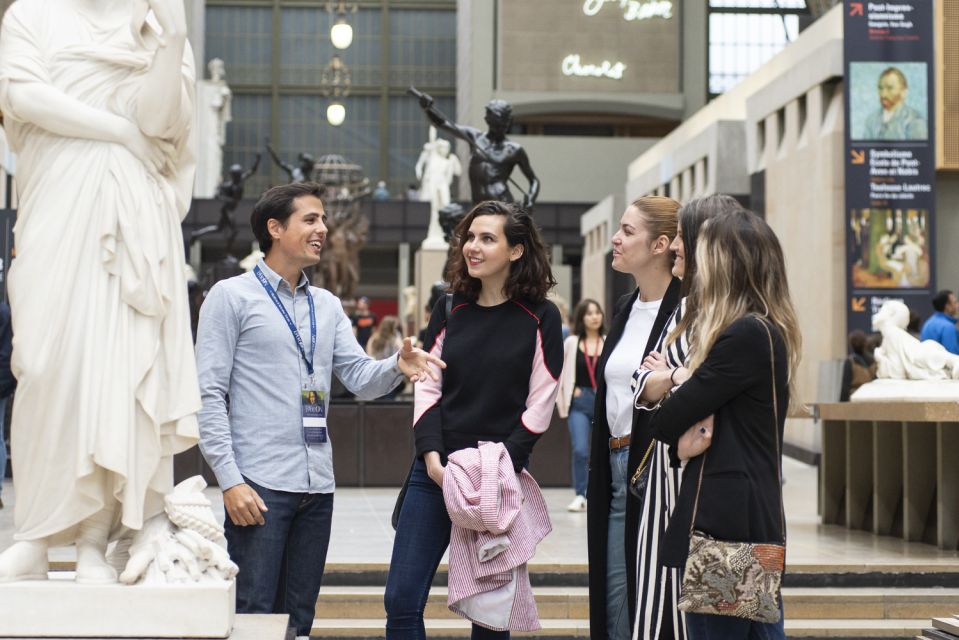
- Small group size (up to 6 guests per guide) for a more personal pace.
- Strong guide performance, with past guides like Dunya, Alex, and Daniel praised for story flow and matching interests.
From Ancient Greece to Impressionism in 5.5 hours
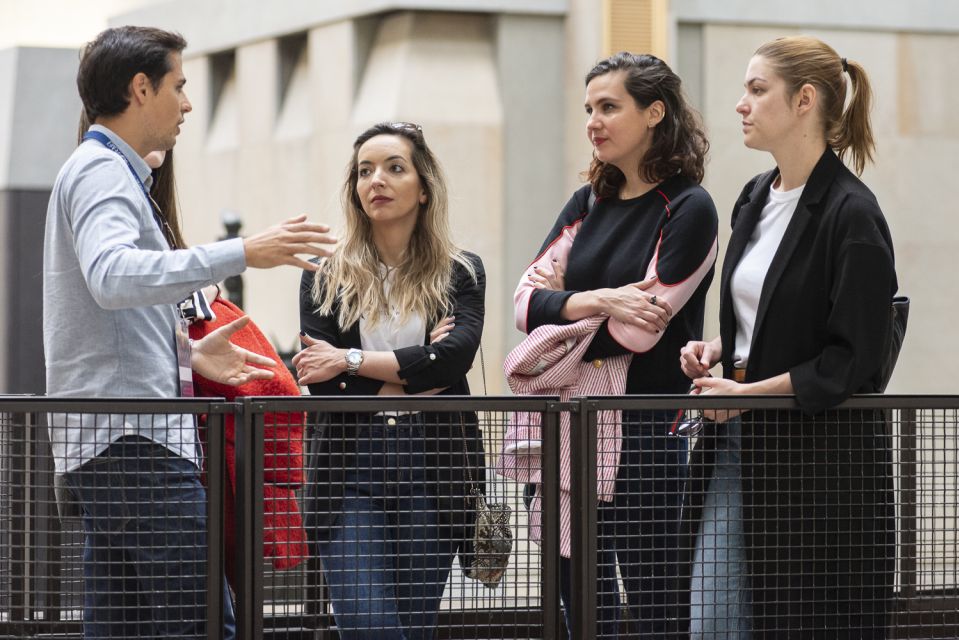
The big challenge in Paris museums is simple: you can’t see everything, and you shouldn’t try. This tour solves that problem by giving you a guided route that follows the evolution of art—so you know what you’re looking at and why it matters.
You start at the Louvre Museum, then move to the Musée d’Orsay after lunch. The tour lasts about 5.5 hours, and the timing is built around keeping the day efficient: reserved entry reduces the painful wait, and the museums are close enough that you’ll walk between them with your guide (about 10 minutes).
The result is a “greatest hits” day with an actual brain attached. Instead of wandering random rooms, you get a path with a beginning, middle, and end—Ancient Greece leads to later developments, and then the story jumps into French painting where Impressionists changed the rules.
You can also read our reviews of more tours and experiences in Paris



Louvre first: a chronological route that keeps you from getting lost

The Louvre is enormous—35,000+ works and roughly 650,000 square feet of exhibition space. Without help, it’s easy to drift into the trap of seeing famous names without understanding how they connect. This is where the guide matters.
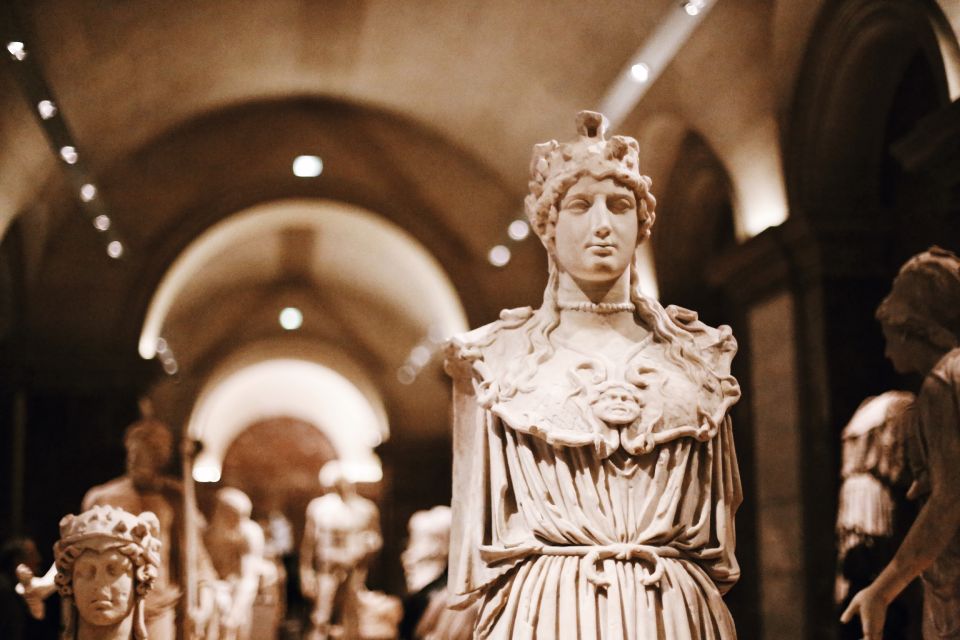
Your Louvre experience is designed as a chronological story, starting with Ancient Greek mythology. That early focus is smart, because it sets the visual language for so much Western art that comes after. You’re not just looking at sculptures and paintings; you’re learning how artists borrowed subjects, styles, and symbolism as time moved on.
You’ll also get help selecting what to see. The Louvre has plenty of distractions, but the guide composes a route that targets pieces that contributed to the evolution of art and civilization. This is the difference between a museum day that feels like homework and one that feels like a story you can follow.
Mona Lisa with context, not just crowds
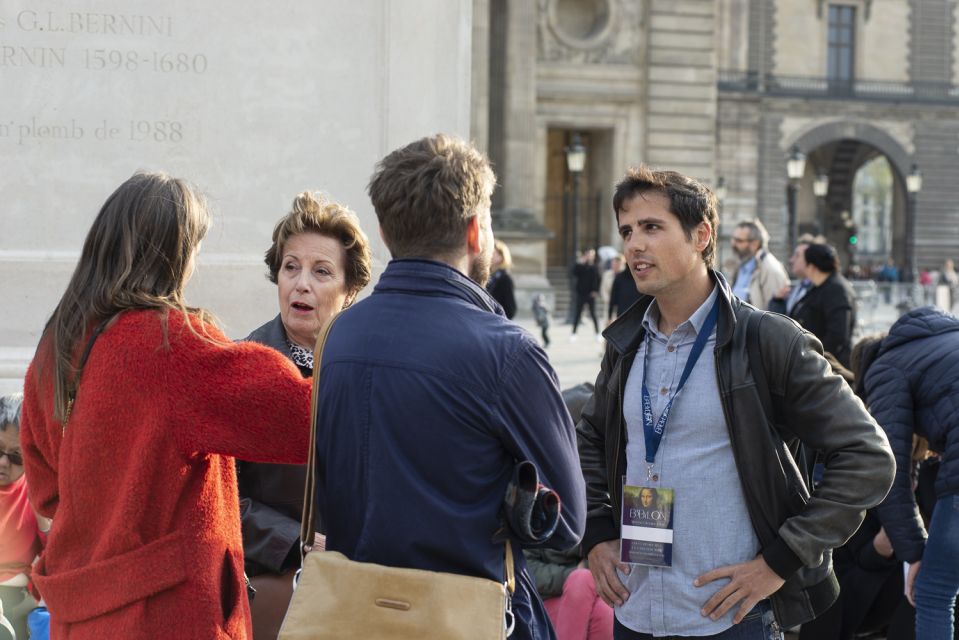
Yes, you’ll see the Mona Lisa—but the real value is how the stop is handled. A reserved-entry ticket helps you avoid a lot of friction, and your guide explains what makes the work significant so it lands beyond the photo-op.
One of the standout points from guide feedback is story flow. Guides like Alex have been praised for connecting French and broader cultural context to the artwork, and for steering the group toward what their private group actually wants to focus on. That kind of guidance helps you spend your attention on the “why,” not only the “what.”
At the same time, it’s worth knowing that the Louvre has sections and rooms where rules may require quiet or limit speaking. It’s not a dealbreaker, but it’s good to expect that your guide will keep the tone appropriate as you move through specific areas.
The Louvre palace setting: art in a building with a past
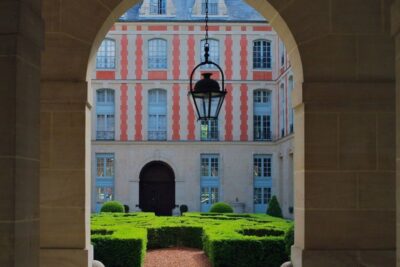
It’s hard to overstate how much the Louvre building itself shapes your visit. This museum wasn’t always a museum—it was once a palace—and the experience reflects that history. Your guide helps you see the architecture as part of the art story rather than just a backdrop.
This matters because the Louvre’s grand spaces can feel like you’re walking through a monument first, museum second. When someone explains the palace timeline and the building’s design choices, the museum starts to feel more coherent. You get a sense of scale and intention, which helps you stay oriented even when rooms run into rooms.
Lunch break and the short walk to Musée d’Orsay
After your Louvre segment, you’ll take a lunch break. Lunch itself isn’t included, but the schedule gives you time to eat on your own. That flexibility is useful because you can choose something nearby that fits your pace and dietary needs.
Then comes the easy transfer: it’s about a 10-minute walk between the Louvre and Musée d’Orsay, and you’ll be accompanied by your guide. This is one of those small logistics wins that make the day feel smoother. You’re not stuck waiting for transport or trying to navigate between two major sites while your feet are already tired.


Musée d’Orsay: Beaux-Arts beauty inside an old railway station
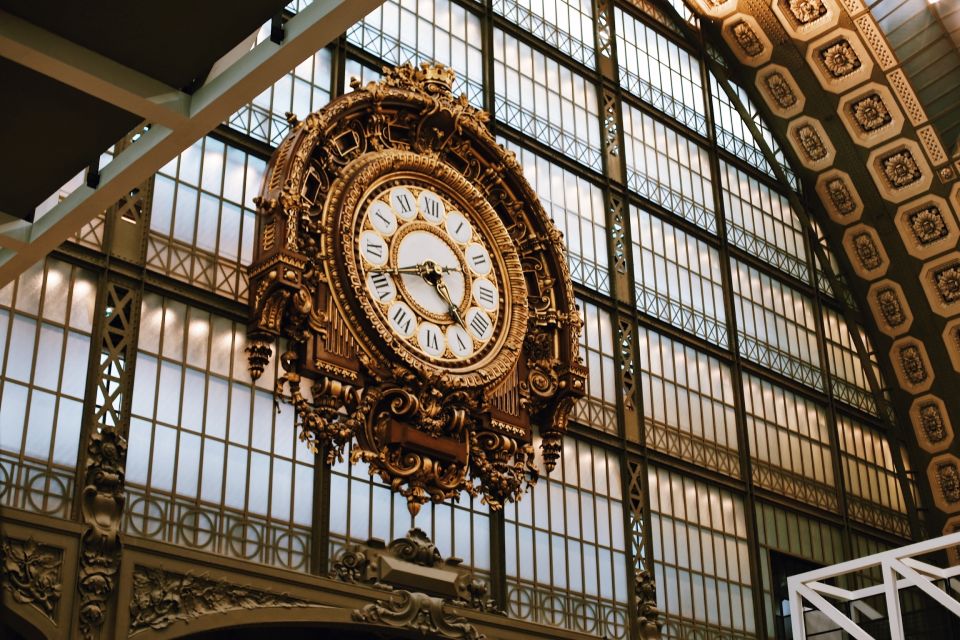
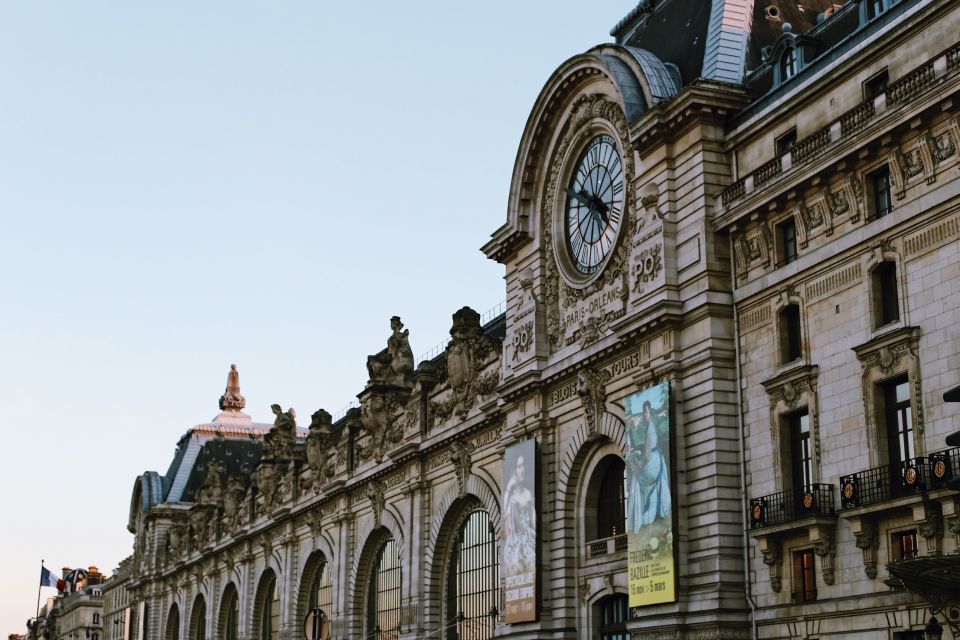
The Musée d’Orsay is a completely different mood from the Louvre. The museum focuses on 19th-century French art, and the setting helps you understand why it feels that way. You’re stepping into a Beaux-Arts building that used to be the Gare d’Orsay railway station.
When a museum sits inside a former station, you can feel the rhythm of travel and arrival in the space. It’s not just pretty architecture—it supports the subject matter. Many of the artists you’ll see were reacting to modern life, new technologies, and changing ways of seeing the world.
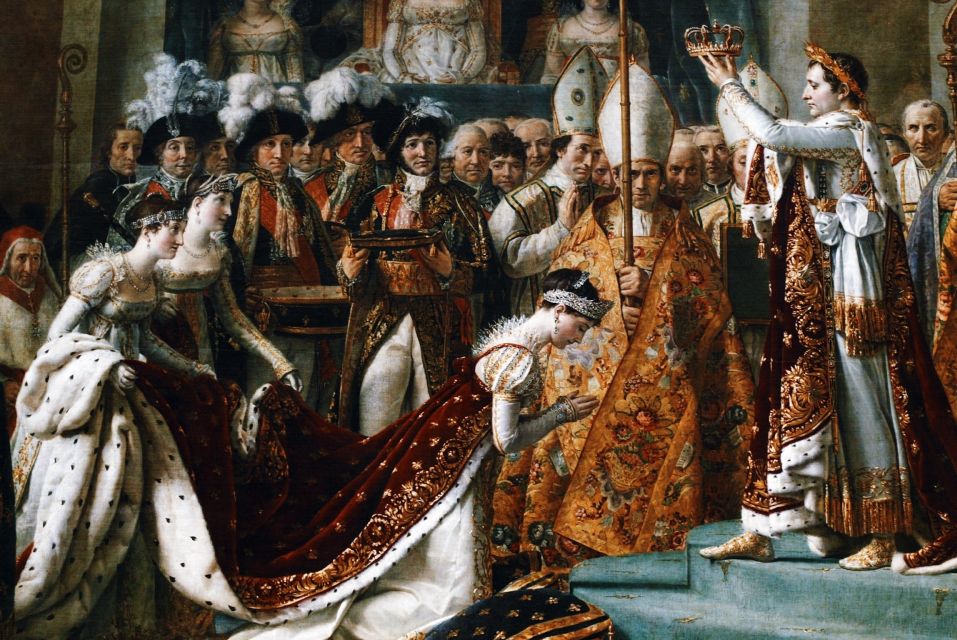
This is also where the tour’s art-historical jump becomes really satisfying. After moving through earlier periods at the Louvre, you shift into the world of artists like Manet, Renoir, Cézanne, and Gauguin. The tour also frames the story through the rise of Impressionism and post-Impressionism, including names such as Van Gogh.
The artists and techniques you’ll hear about

French Impressionism isn’t only about what painters painted. It’s also about how they painted—brushwork, light, color choices, and technique. Your guide focuses on individual styles and may share details about the secrets behind technique and how the artists pushed past older conventions.
That’s the point of this tour: it doesn’t treat Impressionism like a trend you either like or dislike. It treats it like a turning point with real reasons—why some artists rebelled, what they tried to change, and how that changed what later painters could do.
If you’ve ever looked at Impressionist art and wondered why it feels different from older European painting, this is the day to get that explanation without reading a textbook.
What reserved entry changes (and what it doesn’t)
Reserved entry to both museums is a genuine upgrade. It helps you avoid the worst bottlenecks, so you get more time actually looking at art.
But here’s the honest part: even with reserved access, you still have two major museums and some security checks. The difference is that your schedule is more likely to hold, and your guide can keep you moving through the right rooms at the right pace. That’s especially helpful at the Louvre, where getting “side-tracked into legend” is easy.
At the end of the guided portion, you’re free to stay on and keep exploring. That’s a nice benefit when one museum hits harder than the other, or when you want to return to a piece your guide emphasized.
Guides make the day: Dunya, Alex, Daniel and the small-group pace
This tour is built for small groups. The info states a maximum of 6 guests per guide, which usually means you get more than just “follow the leader.” It’s easier to ask questions, and guides can tailor the route to your interests.
The guide quality is also a clear theme in past experiences. Dunya has been praised for being passionate and highly tuned to the balance between both museums. Alex has been highlighted for strong English and for understanding both French and American cultural context, plus for steering the group to pieces the private group wanted most. Daniel has been praised for vast art knowledge and for delivering a great time.
Language options are broad too: Spanish, English, German, Italian, French, and Russian. If you’re visiting with family or a mixed group, this matters because it can keep everyone engaged instead of nodding along in silence.
Practical tips so your feet and photos don’t suffer
A few rules will shape how your day feels:
- Walking is significant. The tour info notes a high amount of walking, and it’s not suitable for people with walking disabilities. Wheelchair users also aren’t accepted for this tour type, though wheelchair tours may be offered on request.
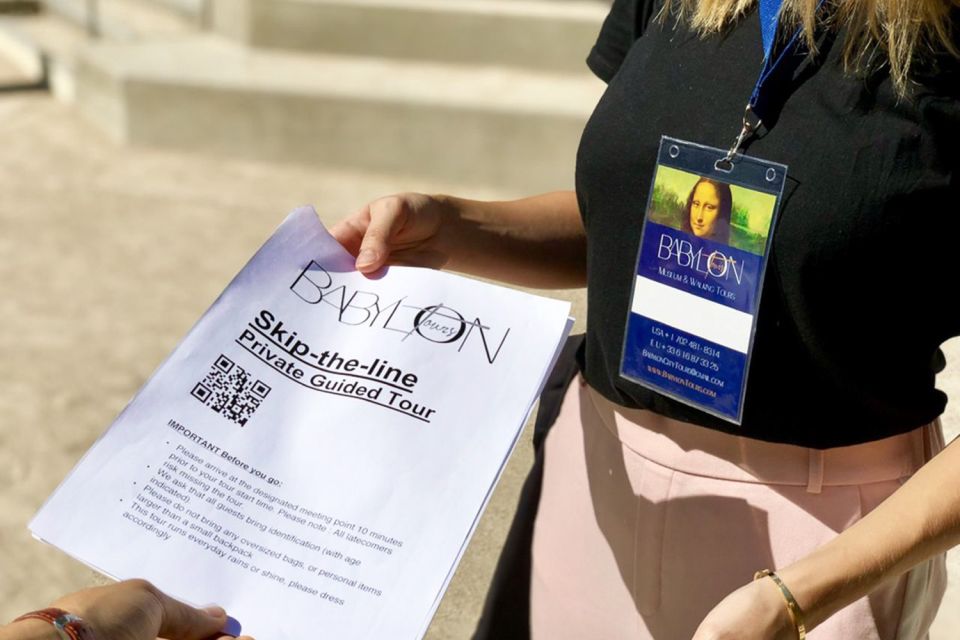
- No luggage or large bags. Luggage or large bags aren’t allowed, and items exceeding 55x35x20 cm aren’t permitted inside.
- Bring ID. You’ll need a passport or ID card.
If you want a smoother experience, pack light, wear comfortable shoes, and plan for museum pacing rather than “I’ll just pop in for 10 minutes.” Two museums in one day works best when you go into it with a relaxed mindset.
Also, some rooms have rules about speaking quietly or restrictions on right to speak. Keep it in mind as you move through different sections.
Price and value: $258 per person for two top museums
At $258 per person, this isn’t a bargain-basement deal. But you are paying for three things that add up fast in Paris:
- Expert guidance across two museums with a clear art timeline. This helps you see more meaningful connections.
- Reserved entry tickets and museum fees for both sites, which reduces waiting and helps the schedule.
- A full day structure, including a lunch break and an in-between walk that’s simple.
If you tried to DIY this, you’d likely spend extra time figuring out which rooms to hit first at the Louvre and how to make Orsay feel connected rather than random. This tour is designed to protect your time and your attention.
You still should compare value to your own style. If you love reading quietly and building your own route, you might prefer an audio app and a free day. If you like the comfort of a planned story and want your day to run cleanly, the price starts to look reasonable.
Should you book this Louvre + Orsay reserved-entry tour?
Book it if:
- You want a guided chronological story instead of getting overwhelmed in the Louvre.
- You want to see major works like the Mona Lisa with context.
- You’d rather spend your energy on art than on sorting out logistics between two far-reaching museums.
Skip it (or reconsider) if:
- You need step-free access or you rely on mobility support. The tour info says it isn’t suitable for wheelchair users, and it notes walking demands.
- You’re the type who enjoys long, unscheduled wandering. This tour is structured, and you’ll likely want to treat it as a route first, browsing second.
If your goal is one smart, efficient day that links the Louvre’s ancient beginnings to Orsay’s 19th-century turning point, this is a strong choice. You’ll leave with more than photos—you’ll leave with a timeline your brain can remember.
FAQ
How long is the Louvre and Musée d’Orsay tour with reserved entry?
The tour duration is 5.5 hours. Starting times vary, so checking availability for your date is important.
Does the price include entrance fees and reserved tickets?
Yes. The tour includes reserved entry tickets to both museums and museum entrance fees.
Is lunch included?
A lunch break is included, but food and drinks are not included, so you’ll need to purchase your own meal.
Will I need to travel between the Louvre and Orsay?
Transfers aren’t included, but the tour notes it’s about a 10-minute walk between the Louvre and Musée d’Orsay, and you’ll be accompanied by your guide.
What group size should I expect?
The tour has a maximum of 6 guests per guide for a more intimate experience. Private or small groups are available.
What languages are offered by the live guide?
Live guides are available in Spanish, English, German, Italian, French, and Russian.
What items are not allowed in the museums?
The tour info says luggage or large bags are not allowed, and items exceeding 55x35x20 cm are not permitted.
Is the tour wheelchair accessible?
The information states it is not suitable for wheelchair users, and semi-private availability isn’t offered for wheelchair users or those with walking disabilities. It also says wheelchair tours are on request only, so you’d need to confirm options before booking.