REVIEW · PARIS
Fragonard Paris: Mini Perfume Workshop in Chinese
Book on GetYourGuide →Operated by LE MUSEE DU PARFUM FRAGONARD · Bookable on GetYourGuide
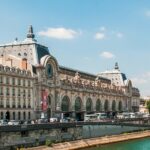
Perfume-making in Paris, in Chinese, in 45 minutes. This mini workshop at Fragonard Paris pairs a short perfume bottle museum visit with hands-on blending, so you leave with a real product and a clearer sense of how French perfume works. It runs near the Karnier Opera House, inside the historic Flower Palace setting.
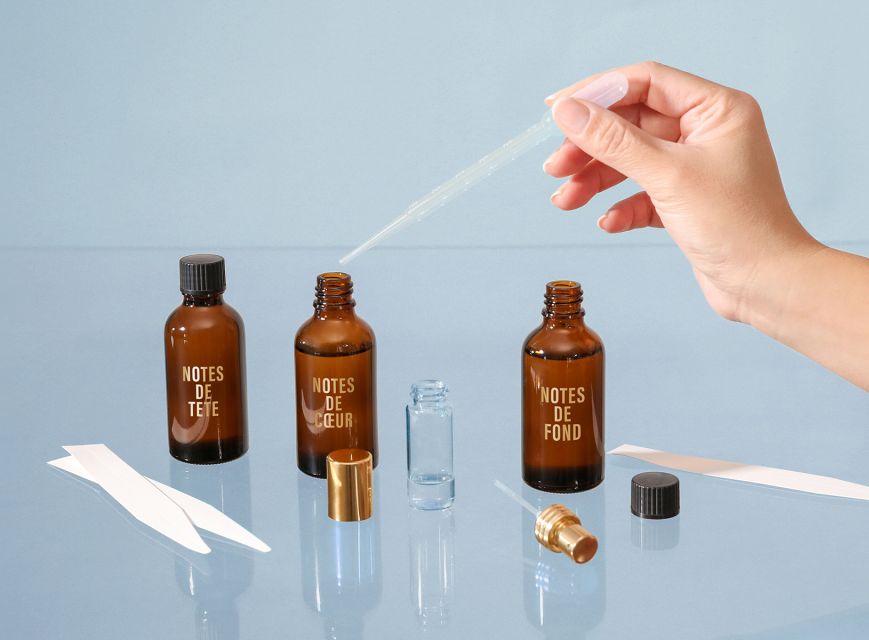
I love the payoff: you make your own 12 ml light perfume and take it with you. I also like the tight focus of the museum portion, which teaches the perfume idea of front, middle, and rear notes using the perfume pyramid. My only real caution: instruction and guides are Chinese, so plan for that if you need English.
In This Review
- Key highlights worth your time
- Where Fragonard’s mini workshop fits in central Paris perfume culture
- The 45-minute flow: workshop timing plus a focused museum stop
- Making your 12 ml light perfume: what you’ll actually do
- Flower Palace Perfume Museum: bottles, scent structure, and luxury signals
- The Fragonard brand story: MAISON Fragonard and the Glas family since 1926
- Price and value: $36 for a real bottle plus a guided museum snippet
- Practical details that affect your comfort
- Who this experience is best for
- Should you book Fragonard Paris mini perfume workshop in Chinese?
- FAQ
- How long is the Fragonard Paris mini perfume workshop in Chinese?
- What language is the tour delivered in?
- What perfume amount will I make?
- Where do I meet and how do I enter?
- What do I need to bring?
- Is there an age limit?
Key highlights worth your time
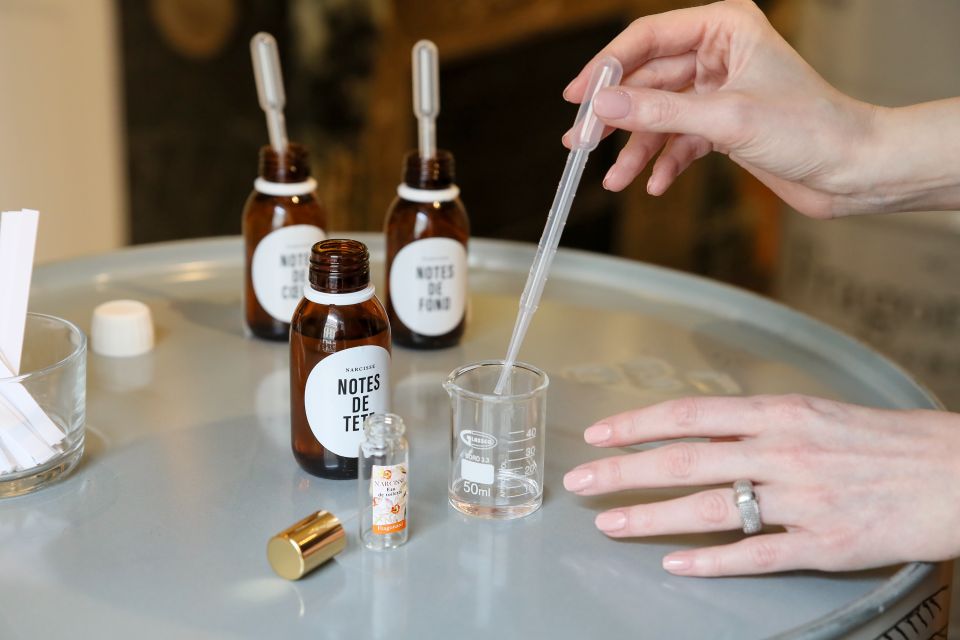
- Take-home bottle: You create a light perfume spray in a 12 ml amount during the workshop.
- Perfume pyramid lesson: You learn how front, middle, and rear adjustments connect to scent.
- Historic Flower Palace museum: You visit a private mansion with many perfume bottle collections.
- Straight talk about perfume business secrets: The experience includes how luxury perfume is made and positioned.
- Fragonard company background: You hear about MAISON Fragonard and the Glas family operating it since 1926.
Where Fragonard’s mini workshop fits in central Paris perfume culture
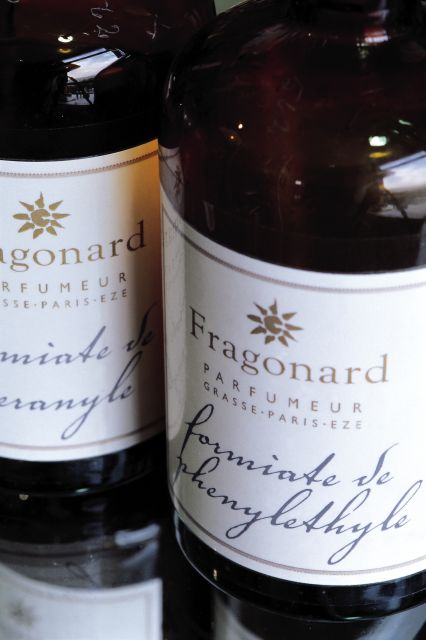
This experience is built as a short, high-impact introduction to the Fragonard world of scent. You start in the Flower Palace Perfume Museum area, located next to the Karnier Opera House. From there, the visit moves quickly from viewing rare bottles to understanding how perfume is structured and why it smells the way it does.
The setting matters. You’re not in a generic retail store line. You’re in a historic private mansion setting, with lots of perfume bottles and displays arranged to help you experience scent as something cultural, not just cosmetic. If you’re in Paris for a tight schedule, this format is designed for exactly that.
And yes, it’s in Chinese. The museum and workshop use Chinese guides, and the instructor is also Chinese. If you’re comfortable using simple language and following along with hands-on steps, you’ll probably do fine.
You can also read our reviews of more tours and experiences in Paris
The 45-minute flow: workshop timing plus a focused museum stop
The total time is 45 minutes. The schedule breaks down into three chunks:
- Make your 12 ml light perfume (about 15 minutes)
- Prepare your 12 ml light perfume (about 15 minutes)
- Visit the Flower Palace Perfume Museum (about 20 minutes)
That structure is useful. Many perfume experiences feel long and abstract. Here, the time is tightly controlled: you spend a meaningful half-hour creating a scent, and then you get a short museum walk to connect the dots between bottles, history, and how scent is built.
You meet at the front desk area. They scan your ticket barcode to let you in. After that, you stay with the Chinese guide/instructor for the workshop and the museum portion.
One small practical thing: the experience is short, so don’t expect the kind of slow, deep technical chemistry lesson you might find in longer masterclasses. You will get the main concepts—front, middle, rear notes and how the pyramid idea guides blending—without a big time commitment.
Making your 12 ml light perfume: what you’ll actually do
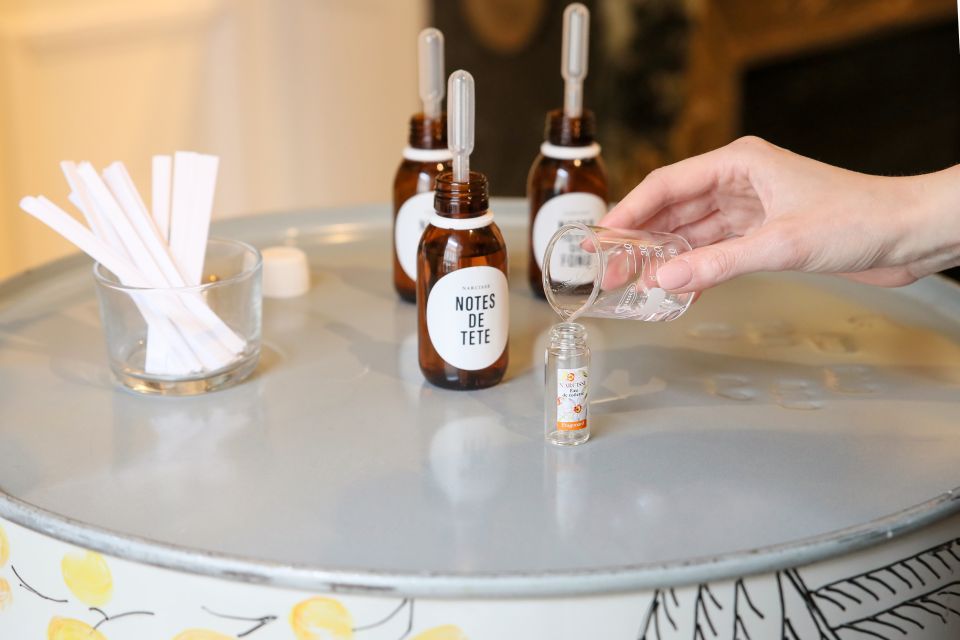
This is the star of the show. You’ll create a light perfume spray in 12 ml. The workshop splits into two segments of about 15 minutes each: making and then preparing your perfume.
What makes this feel real is that it’s not just watching. You’re actively involved in creating something you can hold. You also create your perfume according to your teacher’s suggestions, which means you’re not totally random. There’s a framework for choices, and the instructor guides you toward a result that fits the workshop style.
Here’s what I think you should pay attention to during your own blending:
- How the scent shifts over time. The workshop ties into the museum lesson about front/middle/rear notes, so smell with that sequence in mind.
- Your own preferences. You’re making a perfume based on your suggestions within the teacher’s guidance. If you like something floral and light, lean into that during the process rather than trying to copy what someone else made.
- The light style goal. The product you make is specifically a light perfume, not a heavy, night-time fragrance. That helps set expectations for what it should smell like.
Because the workshop is only 15 minutes for making and 15 minutes for preparing, you’ll want to be ready to follow instructions quickly. If you’re the type who likes to linger and compare every option for a long time, this might feel a little fast—but that’s also what makes it a good add-on.
Flower Palace Perfume Museum: bottles, scent structure, and luxury signals
After the workshop segments, you spend about 20 minutes with the Flower Palace Perfume Museum under the leadership of the tour guide. The museum experience is designed to be sensory and visual at the same time.
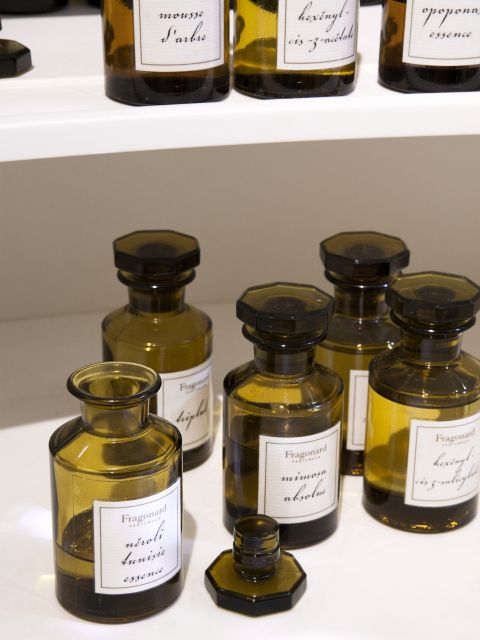
You’ll see perfume bottles with historical storytelling behind them. The descriptions include a sweep covering thousands of years and references to rare and precious bottles, tied to social and cultural habits—from Pharaoh-era references to later notable naming traditions shown in the collection. There are also mentions of achievements related to ancient art and goldrs.
But the biggest practical value is how the museum reframes what perfume is. You’re not only looking at glass. You’re learning how perfume is organized.
The museum teaches you to understand:
- the history and origin of perfume
- culture around perfume use
- how perfume uses a front, middle, rear structure, explained through the perfume pyramid
- how those scent layers connect to the final smell
If you leave only with the bottle you made, you might still enjoy it. But the museum gives you a vocabulary for what you’re smelling. That can make the experience feel like a real skill you gained rather than a one-time souvenir.
One drawback to consider: 20 minutes is short. The museum portion is ideal if you want the main ideas fast, not if you want to read every label and compare dozens of bottle designs in detail.
The Fragonard brand story: MAISON Fragonard and the Glas family since 1926
One of the tour’s points is understanding the mysterious side of luxury perfume, not just the scent itself. The experience explicitly includes exploring business secrets of perfume and understanding how luxury products like perfume are shaped.
You also explore the world of MAISON Fragonard and learn that it has been operated by the Glas family since 1926. That’s the kind of detail that helps you connect the scent-making tradition to a real company story—how a craft becomes a brand, and how brand becomes part of the luxury experience.
In practical terms, this means you’re likely to walk away with a clearer sense of why a perfume brand puts so much effort into:
- packaging and bottle design
- museum-style storytelling
- scent structure education (front/middle/rear)
- the overall experience around buying and wearing perfume
This matters because it makes the perfume feel less random. Instead of thinking, I just like how it smells, you can think, I understand how the scent is built and why it feels balanced.
Price and value: $36 for a real bottle plus a guided museum snippet
At $36 per person for about 45 minutes, this is priced like a short workshop experience rather than a full-day deep-dive. For that kind of time, the value hinges on two things:
1) You take home a tangible product: a 12 ml light perfume you made.
2) You get guided context: a museum visit that explains scent structure and connects it to perfume history and luxury branding.
If you’re the type who learns best by doing, the take-home bottle makes this worthwhile. If you’re only interested in museum viewing, you may feel the museum portion is too brief. But the museum isn’t the whole point here—it’s the supporting act that helps you interpret your own perfume.
Also, the class language is Chinese. If you need a different language, that’s your deciding factor. The experience is designed to deliver the full content in Chinese, including both the museum and workshop guidance.
Overall, the format feels built for travelers with limited time who still want something hands-on and memorable.
Practical details that affect your comfort
Here’s what you should plan for based on the rules provided:
What to bring
- Passport or ID card
What’s not allowed
- Luggage or large bags
Class rules
- Everyone in the classroom needs a booking and ticket payment (so don’t plan on sitting in as an extra).
- No paid waiters may enter the classroom.
- The experience is suitable for children over 8 years of age, and children must be fully responsible for paid adults (follow the venue’s expectations for supervision and responsibility as stated).
- Not suitable for children under 8 years.
Language
- Chinese guide and Chinese workshop guide
- Instructor is Chinese
The meeting point is straightforward: the front desk scans your ticket barcode to let you in. This is the kind of detail that helps you avoid waiting around in the wrong spot.
Finally, booking is handled online and tied to open dates, described as weekly, so you’ll want to check available times when you’re scheduling.
Who this experience is best for
I’d book this if:
- you want a short, hands-on perfume project rather than only shopping
- you like learning how scent is structured (front/middle/rear)
- you can follow a Chinese-led class comfortably
- you want a museum component without committing to a long visit
I might skip it if:
- you’re expecting a long museum walk or a full perfume history lecture
- you need an English-language instructor or English interpretation (language is Chinese)
- you don’t want any restrictions on bags and classroom entry
Should you book Fragonard Paris mini perfume workshop in Chinese?
Book it if you want a fast Paris activity that ends with a take-home perfume and a clearer nose for how perfume evolves. The combo of making your own 12 ml light perfume plus learning the perfume pyramid structure is the strongest reason to choose this. At 45 minutes, it’s also a good fit for a day when you’ve got other sights planned.
Skip or double-check if language is a problem for you. Since the workshop and museum are guided in Chinese, your enjoyment will depend on how comfortable you are with instruction you might not fully translate in your head.
If you’re flexible and you want something practical and scent-based, this is a solid, focused way to spend your time near the Karnier Opera House area.
FAQ
How long is the Fragonard Paris mini perfume workshop in Chinese?
The total duration is 45 minutes, with about 15 minutes for making 12 ml light perfume, about 15 minutes for preparing the 12 ml light perfume, and about 20 minutes for the museum visit.
What language is the tour delivered in?
The activity uses Chinese for the perfume museum guide and the perfume workshop guide. The instructor is also Chinese.
What perfume amount will I make?
You will make and take home a light perfume spray in a 12 ml amount.
Where do I meet and how do I enter?
You enter via the front desk. They will scan your ticket barcode to let you in.
What do I need to bring?
You should bring a passport or ID card.
Is there an age limit?
Children under 8 years are not suitable. The experience is suitable for children over 8 years of age, and children should follow the responsibility expectations stated for the paid adults.