REVIEW · PARIS
Paris: Small Group Moulin Rouge & Sacré Cœur Montmartre Tour
Book on GetYourGuide →Operated by Danis Tour · Bookable on GetYourGuide
Montmartre is pure drama, and it starts fast. This 2-hour guided walk threads you through the cabaret-at-night world of the Moulin Rouge, then up to Sacré Coeur’s big views, with clear stories about the artists who made this hill famous. I really like how the route mixes famous sights with lesser-known corners, so you don’t just tick boxes.
My favorite part is the guide experience. Daniel (from Danis Tour) gets praised for being calm, funny in a smart way, and excellent at explaining in French and English—plus he’s happy to help with photos. One thing to keep in mind: this is not wheelchair-friendly, and you’ll be climbing streets up the hill.
In This Review
- Key highlights to look for on this walk
- Where the tour begins: Blanche Station to Moulin Rouge
- Moulin Rouge: the cabaret that put Montmartre on the map
- Cobblestones, apartments, and the “artist lived here” feeling
- Amélie’s Café: Café des Deux Moulins in the middle of the neighborhood
- The House of Van Gogh: where the art aura gets specific
- Place des Abbesses, the Wall of Love, and a quieter church moment
- Bateau Lavoir, Maison Rose, and the classic Montmartre image trail
- Montmartre’s last vineyard: small, strange, and memorable
- Sacré Coeur: statues, gardens, fountain, and the dome-level views
- What makes the 2 hours work so well
- Guide quality: why Daniel’s name keeps coming up
- Price and value: $2.27 for a guided Montmartre story
- Who should book this Montmartre walk
- Tips for getting the most out of your 2-hour tour
- Should you book this tour?
- FAQ
- How long is the Paris: Small Group Moulin Rouge & Sacré Cœur Montmartre Tour?
- What’s the meeting point for the tour?
- Is the tour in English?
- Is food and drink included?
- Do I need to tip?
- Is the tour suitable for wheelchair users?
- Where does the tour end?
- Can I cancel and get a refund?
Key highlights to look for on this walk
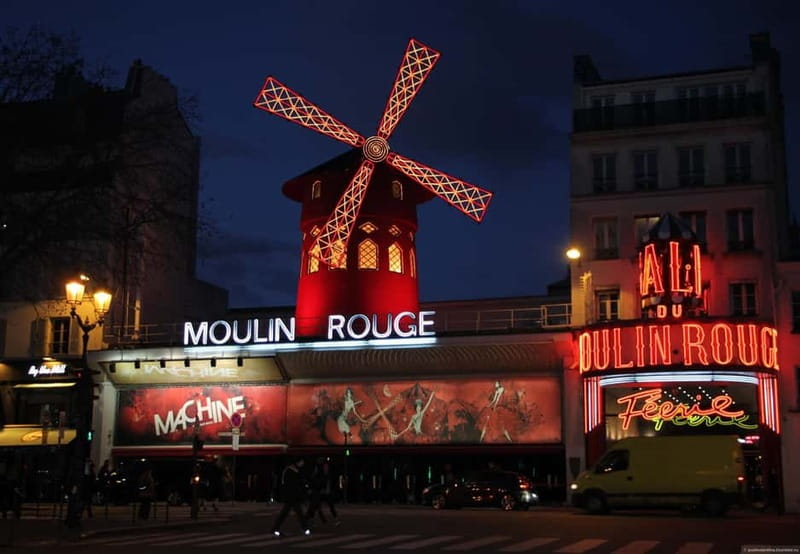
- Moulin Rouge: the most famous cabaret name you’ll hear in Paris, explained with context.
- Artist stops in the real neighborhood: Café des Deux Moulins, the House of Van Gogh, and more.
- Place des Abbesses: a stop at one of the oldest surviving churches in Montmartre, plus the Wall of Love.
- Classic Montmartre photo points: Bateau Lavoir, Maison Rose, Place du Tertre.
- Sacré Coeur payoff: gardens, a fountain, and a panoramic view over Paris.
- Danis Tour guide Daniel: slow enough to understand, personable enough to enjoy.
Where the tour begins: Blanche Station to Moulin Rouge
The easiest start is Metro line 2 to Blanche Station. When you come up, look to the left side of the road. You’ll spot Five Guys Burger and Starbucks across the way from the Moulin Rouge area. The group meets in front of Starbucks, and that’s where you’ll want to arrive a few minutes early so you don’t feel rushed.
Why this meeting point matters: it sets the tone. You’re not starting your day out in some far-off museum. You’re starting in the neighborhood that inspired stage lights, sketchbooks, and street life. It also keeps the walking schedule tight—useful if you’re stacking tickets for other parts of Paris later.
You can also read our reviews of more tours and experiences in Paris.



Moulin Rouge: the cabaret that put Montmartre on the map
You’ll see Moulin Rouge, the world-famous cabaret name that basically functions as a shorthand for Paris night culture. The guide doesn’t just point. You get the meaning behind it—why this area became a magnet for performers and artists, and how cabaret fit the hill’s creative scene.
Even if you’ve seen Moulin Rouge in photos, don’t treat it like a single-stop selfie moment. The value here is what your guide adds around it: how Montmartre’s street life and artistic work spilled into entertainment. That context makes the building feel less like a postcard and more like part of a working neighborhood.
Also, I like that this tour is walking-first. You’re not sitting indoors while someone shows you pictures. You’re looking at the real street angles and how the area is laid out.
Cobblestones, apartments, and the “artist lived here” feeling
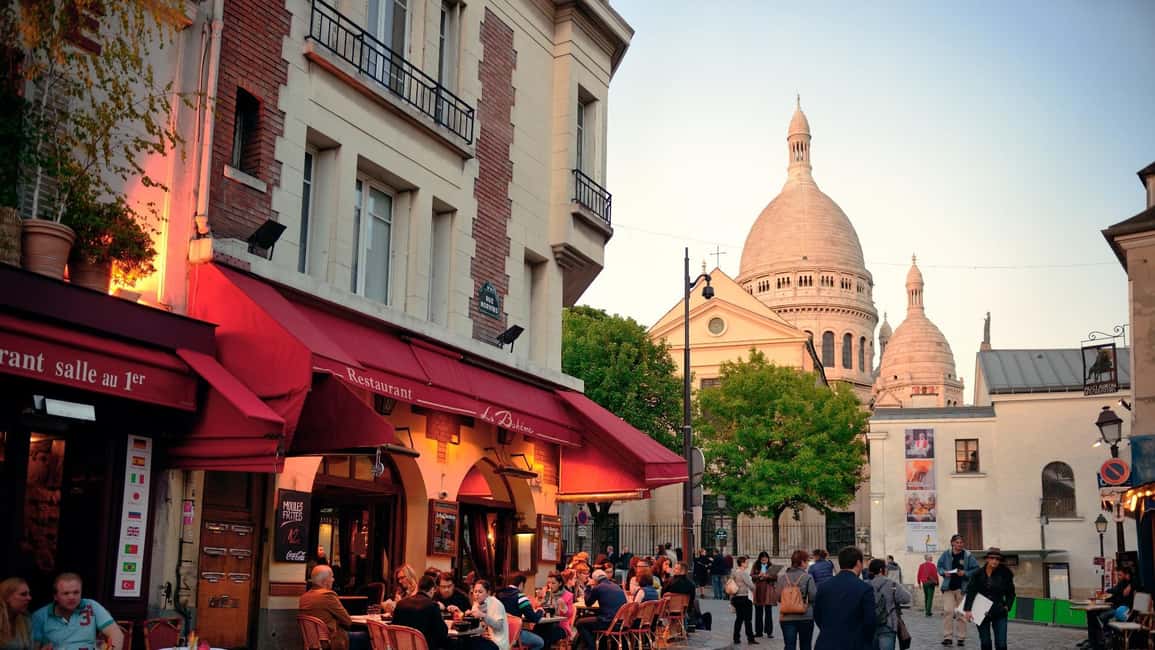
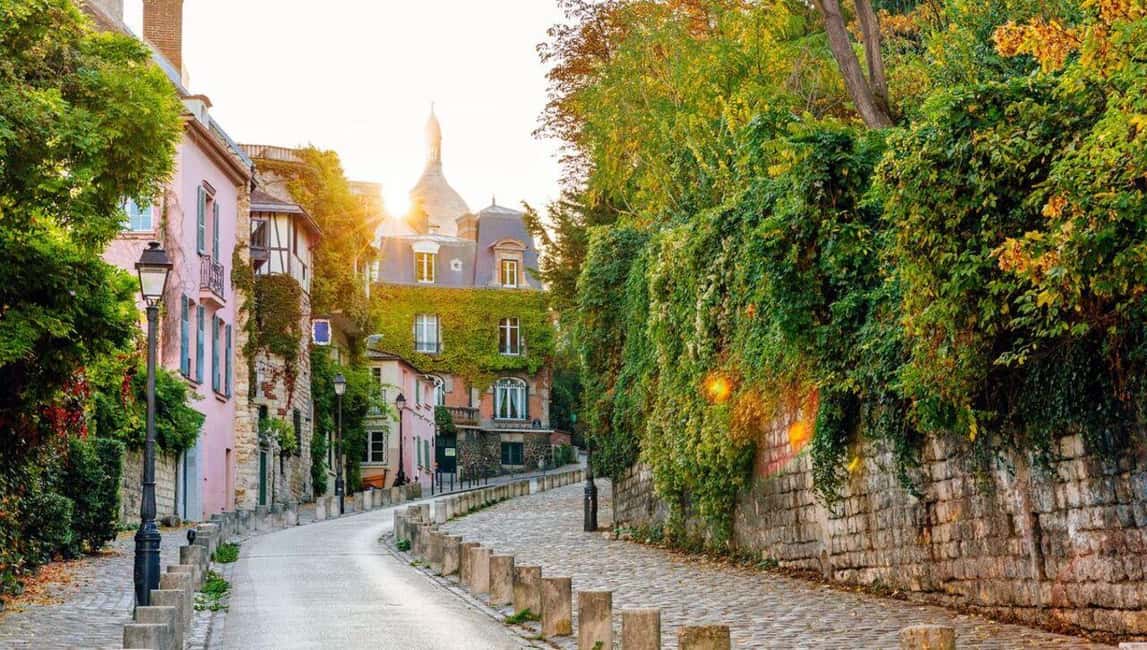
After Moulin Rouge, the walk shifts into those classic Montmartre details you can’t fully get from a quick stop: cobblestone streets, winding lanes, and the kind of old apartments where creative people could get work done and also hang out with other artists nearby.
This is where the tour earns its keep. The guide helps you notice things you might otherwise ignore, like the neighborhood’s texture—small streets, old corners, and places tied to famous names. Instead of just saying artists were here, you learn what that presence looked like on the ground: workspaces, meeting places, and daily routines.
Amélie’s Café: Café des Deux Moulins in the middle of the neighborhood
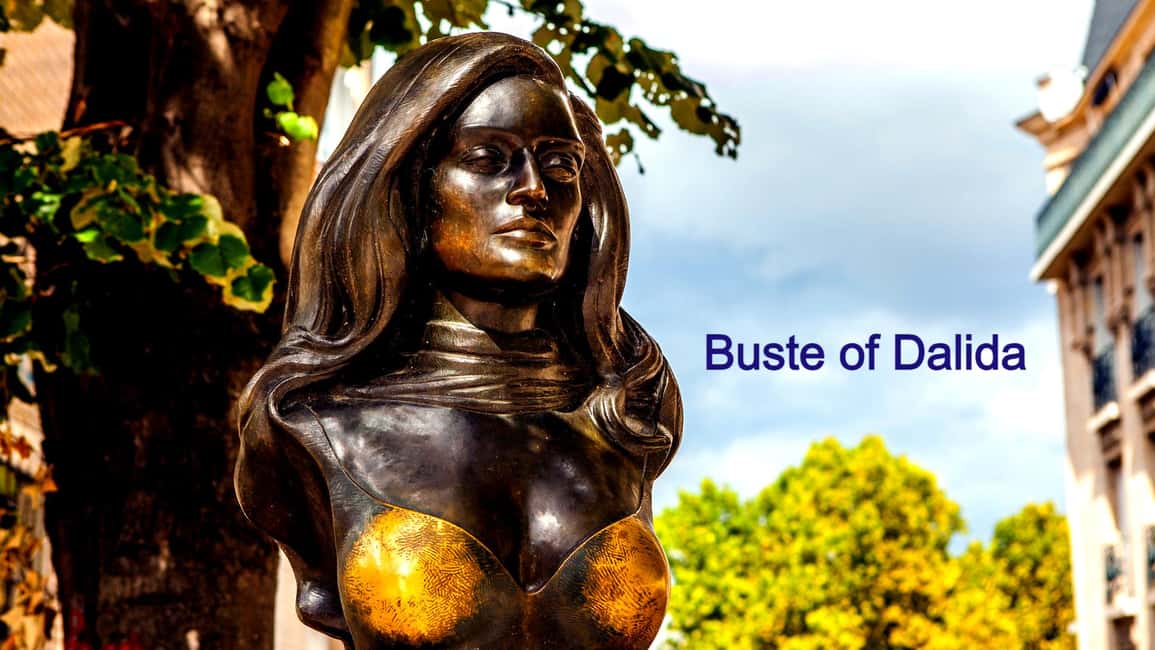
One of the most fun stops is the Café des Deux Moulins, tied to Amélie. If you’re a fan, you’ll recognize it instantly. If you’re not, it still works as a real-life break in the middle of the hill-climbing day.
Here’s the practical angle: this stop is useful because it gives you a clear reference point inside Montmartre. You get the vibe and then move on while things are still moving. It’s not “sit for an hour and hope you like coffee.” It’s more like: see the place, understand why it matters to modern pop culture, then continue exploring with your guide’s story in your head.
The House of Van Gogh: where the art aura gets specific
Then comes the House of Van Gogh. This is the kind of stop that turns “Montmartre is for artists” into something more concrete. Instead of vague inspiration, you’re connecting a real name and a real address-type landmark to the hill’s history.
Why I like this moment: it gives you a pause from the general sights and anchors the tour in one person’s creative life. Even if you don’t know much about Van Gogh, your guide’s explanation helps you see why this corner of Paris mattered.



Place des Abbesses, the Wall of Love, and a quieter church moment
One of the smartest stops is at Place des Abbesses. This is where you’ll find one of Montmartre’s oldest surviving churches, plus the Wall of Love.
This part works because it changes the mood. You go from the more theatrical energy up to something that feels more local and human-scale. The church stop gives you architecture and atmosphere, while the Wall of Love adds that modern, playful Paris touch—letters, messages, and a spot people treat like a tradition.
A quick tip: if you want photos, take them without crowd pressure. This is the kind of area where you can frame shots with less rushing than the top viewpoint, especially earlier in the walk.
Bateau Lavoir, Maison Rose, and the classic Montmartre image trail
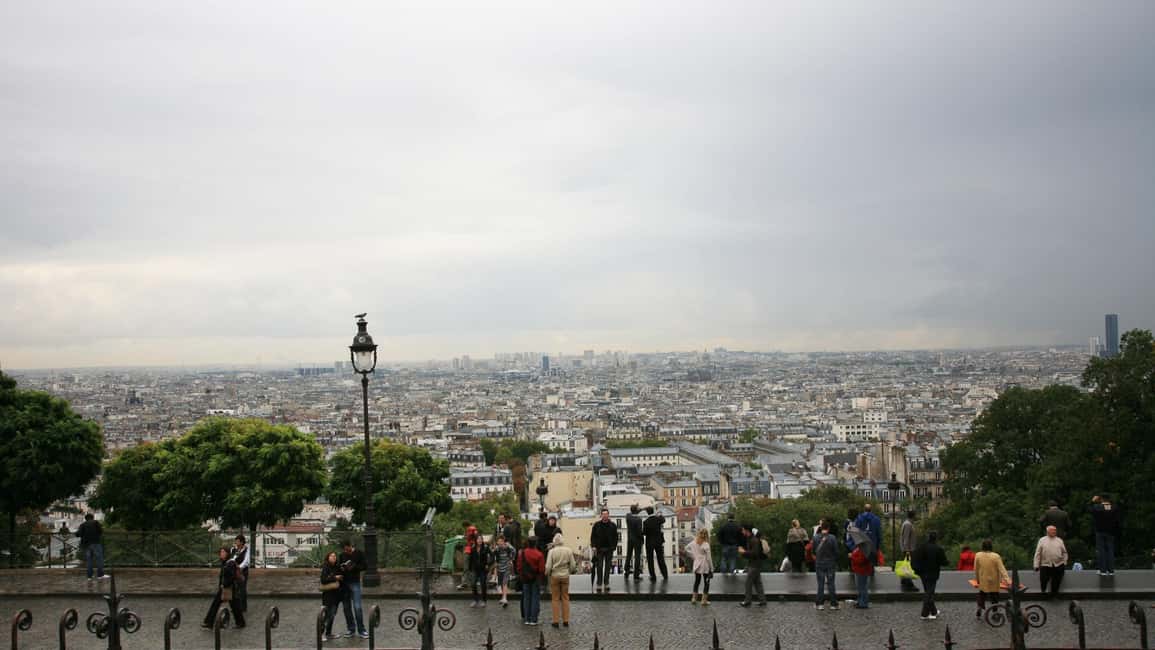
Next you’ll see Bateau Lavoir and Maison Rose. These are Montmartre names that show up in art-world lore and in plenty of photos. But the tour helps you connect the landmarks to the story of why artists gathered here in the first place.
Then you’ll spend time around Place du Tertre, where the creative energy becomes visible in real time. If you enjoy watching street life—artists setting up, people pausing, the constant little swirl of conversation—this is a satisfying moment. If you’re not into street art, it still helps you understand how the neighborhood stays “creative” today, not just in postcards.
Montmartre’s last vineyard: small, strange, and memorable
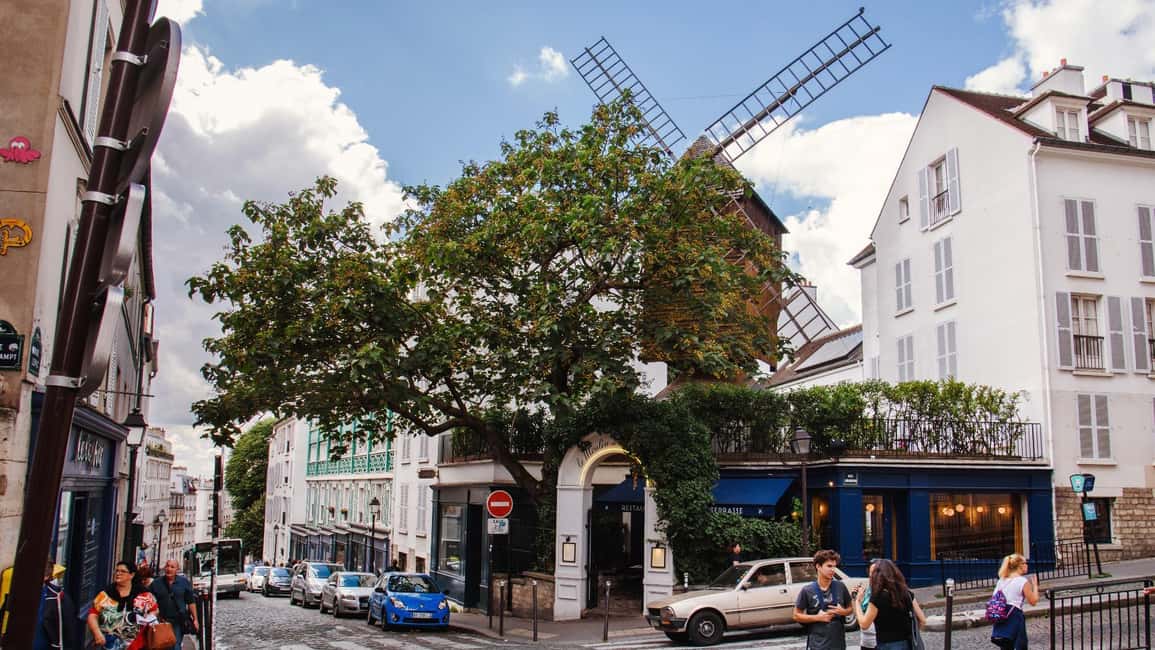
You’ll also pass by the area that’s described as the area’s last vineyard. It’s one of those Montmartre contrasts that makes the whole hill feel different: you’ve been seeing cabaret and artist apartments, and then suddenly you’re reminded that this was also farmland territory.
This stop is short on purpose. You’re not touring a vineyard estate for half a day. But you get the idea: Montmartre wasn’t always just a stage and a gallery; it had agricultural roots too. That context makes the hill’s evolution feel more believable.
Sacré Coeur: statues, gardens, fountain, and the dome-level views
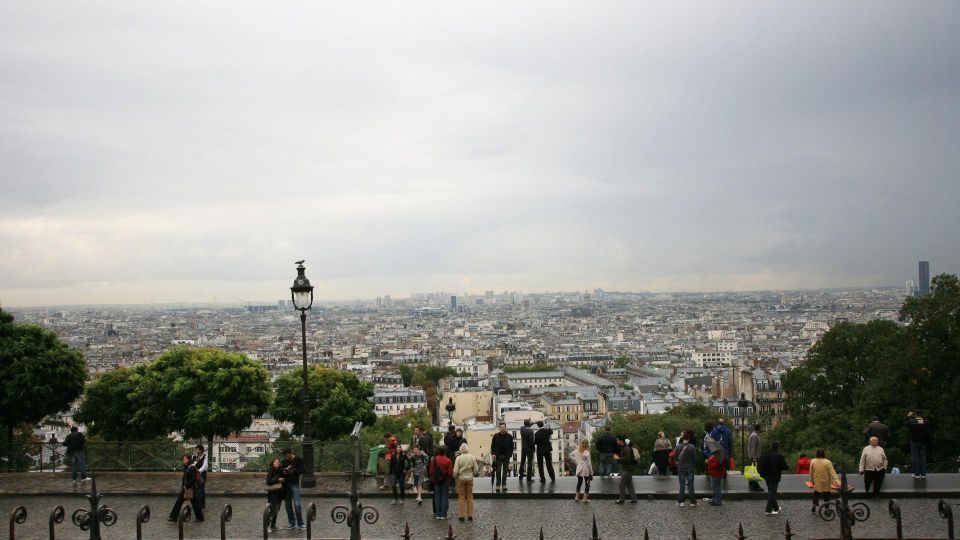
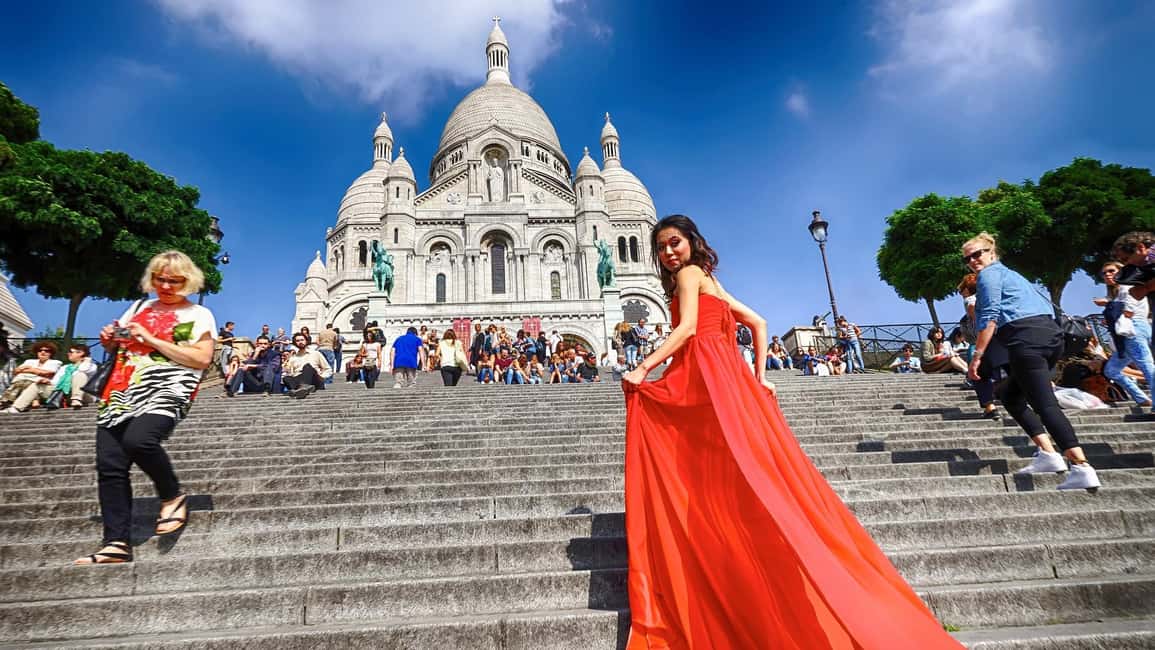
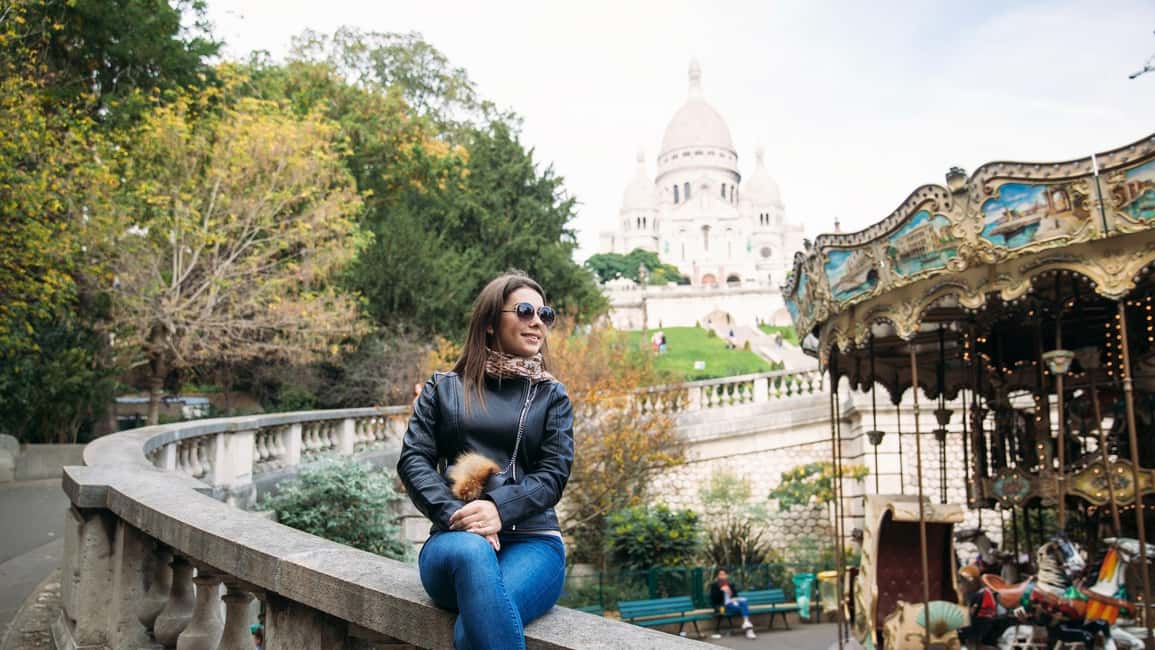
Finally, you reach Sacré Coeur Basilica—the biggest payoff of the walk. The basilica is famous for more than one thing, and your guide points out the details that make it worth the climb.
What you can expect here:
- Statues of French heroes on the basilica complex
- Gardens and a fountain in the basilica area
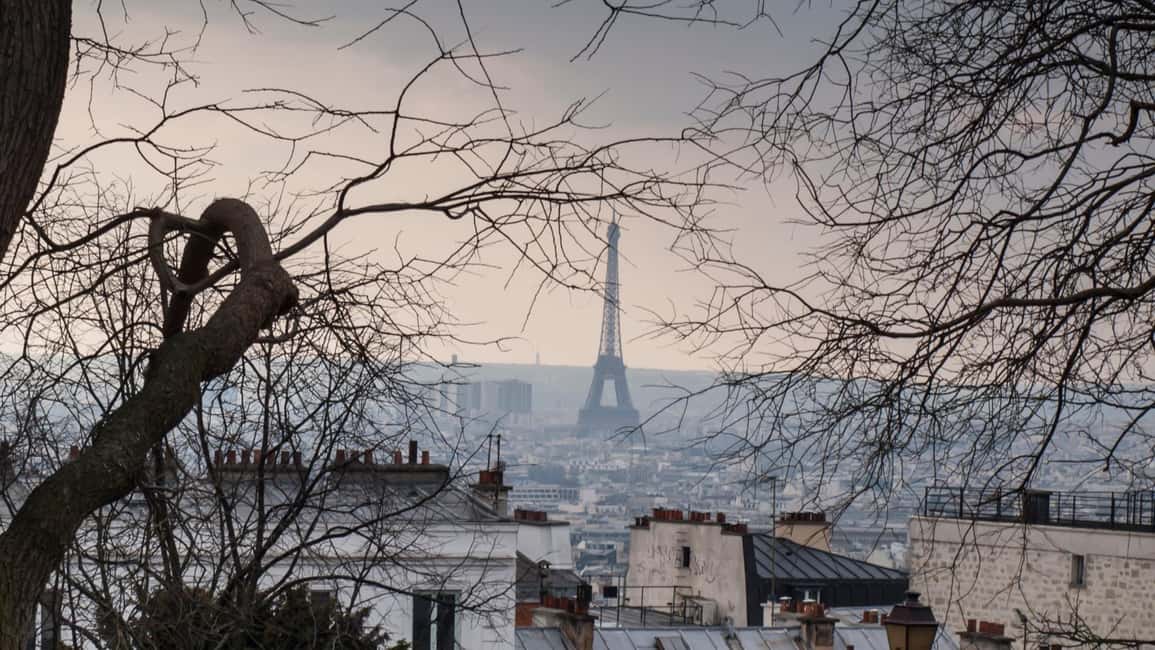
- A panoramic dome view over Paris that’s described as rivaling the Eiffel Tower for top views
Even if you’ve done other viewpoints in Paris, Sacré Coeur has its own personality. You’re up high, yes, but you’re also in a place that looks designed for lingering: open spaces, stair angles, and city views that change as you move around.
Practical note: plan your time so you don’t rush your photos. If you’re short on time, the best strategy is to pick one main viewpoint first, then loop a bit for alternate angles.
What makes the 2 hours work so well
This is a 2-hour walking tour, so it has a specific purpose: get you oriented fast. You’ll cover the essential Montmartre story arc—cabaret at the bottom, artist landmarks in the middle, and the big view at the top—without turning your day into a hikeathon.
It’s also the kind of tour that pairs well with other Paris plans. After you finish, you’ll know the neighborhood layout better and you’ll feel less lost if you want to wander on your own.
Because it’s a live English guide, you also get a faster feedback loop. If something doesn’t click—why a place is famous, who lived where, what a landmark meant—you can ask and get a straightforward answer.
Guide quality: why Daniel’s name keeps coming up
The most consistent praise around this experience is about the guide. Daniel stands out for taking time to explain, speaking French and English very well, and staying friendly throughout. There’s also a recurring note that he helps with beautiful photos, which matters more than people think.
When a guide understands the light, the angles, and where to stand, your photos improve without you having to figure it out while you’re trying to keep up. That’s the real value: not just facts, but help turning the moments into memories.
If you care about good communication and a relaxed pace, this kind of guide talent is a big deal.
Price and value: $2.27 for a guided Montmartre story
The listed price looks shockingly low at $2.27 per person. That’s worth checking carefully when you book, because availability and exact pricing can depend on the date and current offer structure. Still, even with normal tourism pricing in Paris, a 2-hour live walking tour can be good value if you actually use the guide’s time.
Here’s how to judge it like a smart shopper:
- You’re paying for a human guide, not just directions.
- You’re seeing multiple named stops tied to art and neighborhood culture.
- You’re getting help at the spots people usually struggle to enjoy—like navigating Montmartre’s steep streets without losing the story.
If your goal is to get bearings in Montmartre quickly, this is exactly the kind of tour that can deliver good value for your time.
Who should book this Montmartre walk
This tour is a good fit if you:
- Want an art-focused walking route through Montmartre
- Like a mix of famous landmarks and local-feeling details
- Appreciate a guide who explains clearly in English (and can also handle French terms smoothly)
- Want the Sacré Coeur viewpoint without spending all morning figuring out the best route
It’s less ideal if you:
- Need step-free access or are using a wheelchair (the tour is not suitable for wheelchair users)
- Want a long sit-down food and drink experience (food and drinks aren’t included)
Tips for getting the most out of your 2-hour tour
A couple of small choices can make this much more enjoyable:
- Wear shoes you trust. Cobblestones plus hill walking is a combo that punishes flimsy soles.
- Have your phone camera ready, but don’t rush it. The best photos often come after the guide finishes the explanation.
- Plan for a short break at key landmarks, like Café des Deux Moulins, and then keep moving.
And if Daniel offers guidance on where to stand for photos, take it. That’s part of why the experience earns such strong reactions.
Should you book this tour?
If you want a Montmartre overview that feels like a guided story—Moulin Rouge to Sacré Coeur—with specific art landmarks like Café des Deux Moulins and the House of Van Gogh, I’d lean toward booking. The guide quality is the standout reason: Daniel’s communication and friendliness make the walk feel easy to follow, and his help with photos makes the stops more rewarding.
If you have mobility limits or you hate uphill walking, skip it and look for a different format. But for most people, this hits the right balance of time, sights, and explanation.
FAQ
How long is the Paris: Small Group Moulin Rouge & Sacré Cœur Montmartre Tour?
It lasts 2 hours. Starting times depend on availability.
What’s the meeting point for the tour?
Take Metro line 2 (M2) to Blanche Station. When you exit, look to the left side of the road. The meeting point is in front of the Starbucks, across from the Moulin Rouge area.
Is the tour in English?
Yes. The tour guide provides live guidance in English.
Is food and drink included?
No. Food and drinks are not included.
Do I need to tip?
Tips are not included, and tipping is cash only.
Is the tour suitable for wheelchair users?
No. It is not suitable for wheelchair users.
Where does the tour end?
The tour ends back at the meeting point.
Can I cancel and get a refund?
Yes. It offers free cancellation up to 24 hours in advance for a full refund.