REVIEW · PARIS
Tour of Literary Women in Parisian History with Tastings
Book on GetYourGuide →Operated by Women of Paris · Bookable on GetYourGuide
A walk through women’s Paris that tastes as good as it sounds. This small-group, English-led experience threads literary legends and the women’s liberation movement through the streets of Saint-Germain-des-Prés. I especially like the way it mixes ideas with actual stops you can see and smell.
I also loved the food part: you get two meaningful tastings, including a salted butter caramel from Henri Le Roux and a kouignette from Georges Larnicol. The second thing I really valued was the guide’s steady pacing and the way the tour keeps you focused on the women behind the pages, like Bonger-Van Gogh, Valadon, and others. One possible drawback: the second sweet stop can feel busy and a bit commercial, which can break the quieter, story-driven mood.
In This Review
- Key Highlights You’ll Actually Notice
- Entering Saint-Germain-des-Prés: where the tour starts and why the area matters
- Why women writers and the women’s liberation movement belong together
- The pace and the guide: what makes the tour feel personal
- Bakery stop #1: Henri Le Roux salted butter caramel and the art of using food as a story cue
- The literary stop: bookstore or publishing house time that slows the story down
- Bakery stop #2: Georges Larnicol kouignette and why the second stop can feel different
- What the 150 minutes really feels like on the street
- Who this tour suits best (and who might want a different style)
- Price and value: is $49 worth 2.5 hours of walking and two tastings?
- Should you book this Women of Paris tour?
- FAQ
- How long is the tour?
- Where do I meet the guide?
- Is the tour in English?
- How big is the group?
- What tastings are included?
- Is the tour wheelchair accessible?
- What’s the cancellation policy and do I have to pay right away?
Key Highlights You’ll Actually Notice
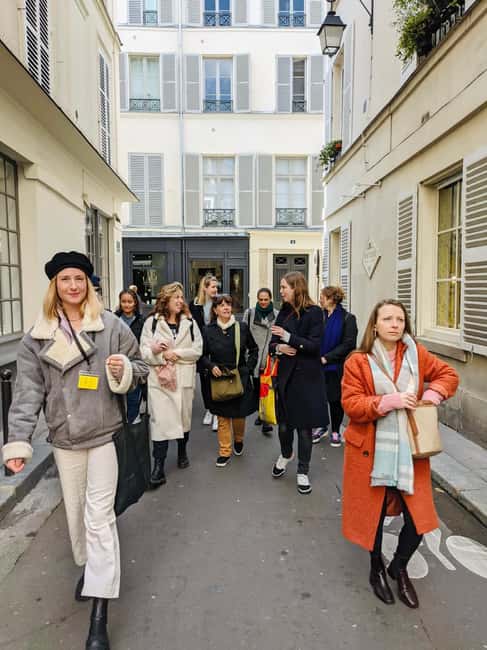
- A women-focused Paris walking tour that puts writers and influence at the center of the story
- Two bakery tastings tied to what you’re learning, not random freebies
- Saint-Germain-des-Prés on foot with an easy-to-follow 150-minute rhythm
- Names to remember, including Bonger-Van Gogh, Valadon, and Weber
- A small group of 10, which makes questions feel normal, not awkward
Entering Saint-Germain-des-Prés: where the tour starts and why the area matters
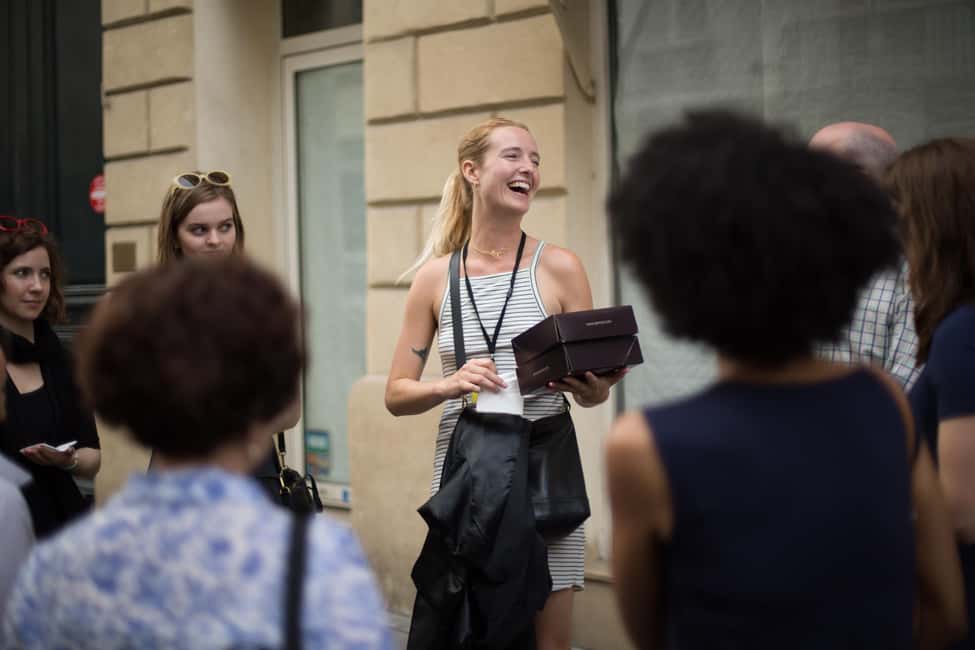
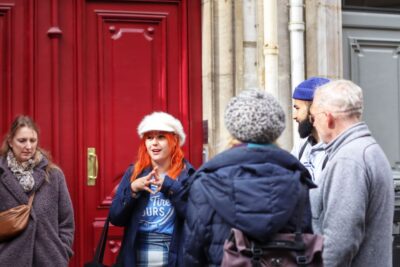
Meet outside the main entrance to the Saint Germain-des-Prés church in 75006. That’s a smart choice. You’re starting in a neighborhood that feels like its own little Paris stage—old stone, close streets, and a vibe that suits literary storytelling without needing a ticket.
The tour runs about 150 minutes, which is long enough to connect ideas, but short enough that you’re not stuck in endless museum time. You’ll be on your feet, so bring comfortable shoes and water, and dress for the weather. This is the kind of tour where a small practical thing—being able to stand comfortably—makes the whole experience better.
With a small group (up to 10), you’re more likely to feel like you’re walking with a guide rather than following a moving line. That matters because the subject here is thoughtful: women’s history, authors, and how social change echoes through culture.
You can also read our reviews of more historical tours in Paris

Why women writers and the women’s liberation movement belong together
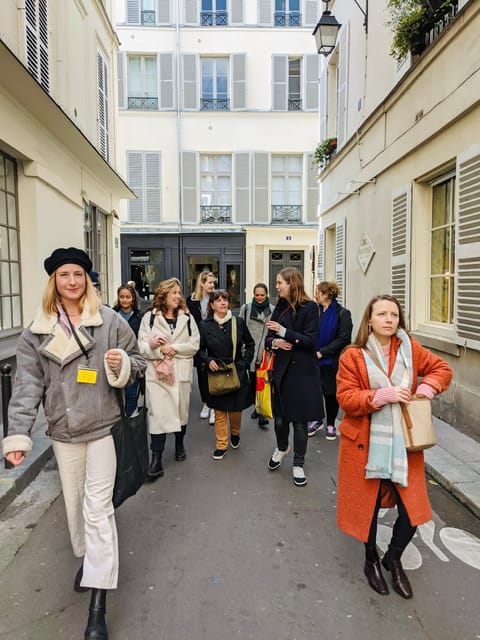
This tour isn’t just a list of famous names. It’s built around a broader point: women’s writing, artistic voice, and public life didn’t grow in a vacuum. The guide connects literary influence to the wider arc of the women’s liberation movement, so you understand why stories and activism show up in the same streets.
That framing changes how you’ll look at Paris. Instead of treating the city like a backdrop for mostly-male legends, you start noticing how women shaped culture—and how the struggle for visibility and voice is part of the narrative.
From what I learned during the walk, the tour uses real historical figures to make that connection tangible. You’ll hear about writers and influential women such as Bonger-Van Gogh, Valadon, Michel, and Weber (and others mentioned on the route). The goal isn’t trivia. It’s to help you place their work in the social reality of their time, then see how the effects linger.
The pace and the guide: what makes the tour feel personal
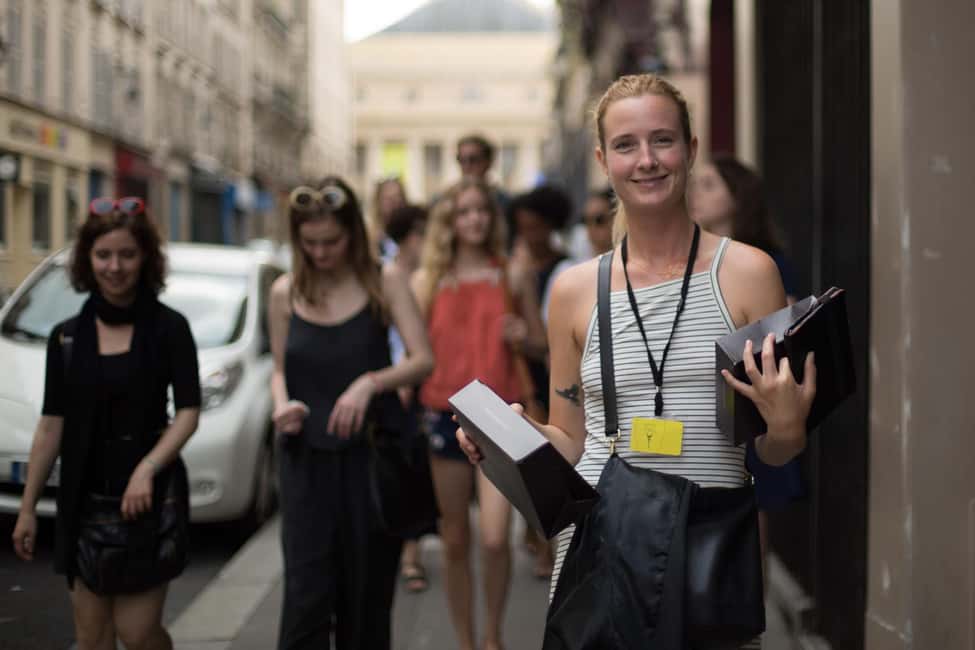
One detail that consistently lands: the guide’s pace. With a group size capped at 10 and an English-speaking live guide, the experience tends to stay clear and human. The tour doesn’t feel like you’re being rushed through a highlight reel.
In my mind, that pacing is what makes a theme-based walking tour work. If the commentary races ahead, you forget what you just heard while you’re staring at buildings. If the pace is right, you can do both at once—listen and look.
A guide named Pat has been mentioned in feedback as especially effective, with information paced to what the group needed and keeping people captivated the entire time. So if you’re the type who likes context (not just street names), this tour seems built for you.
Bakery stop #1: Henri Le Roux salted butter caramel and the art of using food as a story cue
This tour includes two bakery stops, and the first one is seriously memorable: you try a salted butter caramel from Henri Le Roux, the inventor himself.
Here’s why this first tasting matters. Paris tours often drop food in at the end like a bonus. This one uses the tasting as part of the atmosphere—an immediate, sensory reset that keeps the walking and history from feeling heavy. Salted butter caramel also fits the Saint-Germain-de-Prés mindset: classic, slightly indulgent, and very French without needing explanation.
Practical advice: plan to savor it, not inhale it. The group will likely be moving again soon, and you’ll want your energy for the next segments. If you’re sensitive to very sweet flavors, you’ll still be fine—portion sizes are built into the tour structure.
Also, think about the symbolism. Salted caramel is all about balance: sweet with a salty edge. It feels like a small metaphor for the tour’s bigger theme—how social change often comes with tension, negotiation, and contrast rather than clean answers.
The literary stop: bookstore or publishing house time that slows the story down
Between the tastings, you’ll get a literary-focused stop that includes a visit to a bookstore and publishing-house style location. That’s a big deal for this theme. You’re not only hearing about women writers; you’re stepping into the kind of space where writing becomes visible and distributed.
This is also where the tour can feel especially meaningful: you can connect the names you hear on the sidewalk to the real-world ecosystem of books—publishing, editing, and how readers find voices.
One note to set expectations: one of the feedback comments points out that the second sweet stop can pull you away from that quieter creative mood. Translation for you: enjoy the early reflective sections while they’re happening, because the food stops can shift the tone.
If you care about literature beyond celebrity author gossip—if you like the working side of books—this is the part that will likely make the whole tour click.






Bakery stop #2: Georges Larnicol kouignette and why the second stop can feel different
Your second tasting is a kouignette from Georges Larnicol. Kouignette is related to kouign-amann, the famous caramelized Breton pastry, and it’s a great choice because it’s both rich and distinctly regional. That means the tour stays “Paris,” but you get a taste of France’s broader pastry culture too.
The kouignette stop can also be the tour’s most distracting moment, depending on the day. Feedback mentions that this second place can be big and busy, which can break the reverie of creative women and push things into consumer-life mode.
That doesn’t make the tasting less worthwhile. It just changes the mood. So here’s what I’d do if you want the best of both worlds: keep an eye on your listening during the walk segments, not only at the stop. Let the story land with you outside the bakery, then enjoy the pastry as a sensory reward.
If you go on a day with a lot of foot traffic, you might feel a slight disconnect between the theme and the setting. Still, tasting a kouignette is hard to regret. It’s a pastry that shows up when France is showing off its craft.
What the 150 minutes really feels like on the street
This is a 150-minute walking tour with a small group, which means you’ll be moving at a steady pace. The tour structure makes sense for first-time visitors who want something more human than a museum circuit, but also for returners who want a new lens on a familiar area.
You’ll likely cover enough ground to feel like you’re seeing the neighborhood, but not so much that you’re wiped out. The time also helps the guide keep threads tied together: women’s writing, the fight for public voice, and how that connects to real neighborhoods like Saint-Germain-de-Prés.
If you’re visiting in colder or rainy weather, dress accordingly. The guide isn’t in your phone—they’re walking and talking. Getting soaked or freezing makes it harder to pay attention, so plan for comfort.
Who this tour suits best (and who might want a different style)
This tour is a strong fit if you:
- like literary culture but want it tied to real places, not just names
- care about women’s history and want it explained in plain language
- enjoy food tours where tastings feel intentional
- prefer small groups and a live guide that can keep the pace right
It might be less ideal if you hate crowds at food stops or if you want an experience that stays quiet and contemplative start to finish. The second bakery can be active, and the theme shifts momentarily into a more commercial environment.
Price and value: is $49 worth 2.5 hours of walking and two tastings?
At about $49 per person, you’re paying for four things: a live English guide, a focused women’s-literature theme, a neighborhood walk, and two specific tastings (Henri Le Roux salted butter caramel and Georges Larnicol kouignette).
Food-only tours can cost similar amounts, but you’d often get less historical context. This one gives you the context and the snacks together, which usually feels like better value.
Also, the cap of 10 participants matters. In a packed group, you get less attention and fewer opportunities to ask questions. A small group supports the tour’s theme: women’s history isn’t something you want delivered like a stopwatch.
If you’re trying to cover Paris basics with something meaningful—without turning it into a long day—this sits in a sweet spot.
Should you book this Women of Paris tour?
I’d book it if you want a Paris walk that treats women’s voices as the main event, with tastings that feel connected rather than random. The combination of women writers, the women’s liberation movement framing, and the two named pastry stops is a practical way to get culture and flavor in just 2.5 hours.
I’d think twice if you’re extremely sensitive to busy commercial spaces during a theme tour. The second bakery stop can get lively, and that can interrupt the dreamy, reflective feeling for a few minutes.
FAQ
How long is the tour?
The tour lasts 150 minutes, about 2.5 hours.
Where do I meet the guide?
Meet outside the main entrance to the Saint Germain-des-Prés church in 75006.
Is the tour in English?
Yes. The tour has a live guide in English.
How big is the group?
It’s a small group limited to 10 participants.
What tastings are included?
You’ll try a salted butter caramel from Henri Le Roux and a kouignette (Breton cake) from Georges Larnicol.
Is the tour wheelchair accessible?
Yes, the tour is wheelchair accessible.
What’s the cancellation policy and do I have to pay right away?
You can cancel up to 24 hours in advance for a full refund, and you can reserve now and pay later (you pay nothing today).