REVIEW · PARIS
Solex Guided Tour of Intellectual Paris
Book on GetYourGuide →Operated by Le French Way · Bookable on GetYourGuide
Solex bikes make Paris feel like a movie set. This guided electric tour is an easy way to hit the classic Left Bank sights with a vintage e-moped feel, and it pairs that nostalgia with Seine riverbank views as you glide past landmark after landmark. You get the Paris you picture, plus the intellectual talk that makes the streets feel connected.
The one thing to think about is that this is a road ride. You’ll want comfortable clothes and good attention to the guide’s instructions, and it’s 18+ only, so it’s not for kids or teens.
In This Review
- Key points that matter before you book
- Why an Electric Solex Tour Feels Different in Paris
- Price and What You’re Actually Paying For (Not Just the Number)
- Meeting Point Near Père Lachaise: Easy Start, Clear Timing
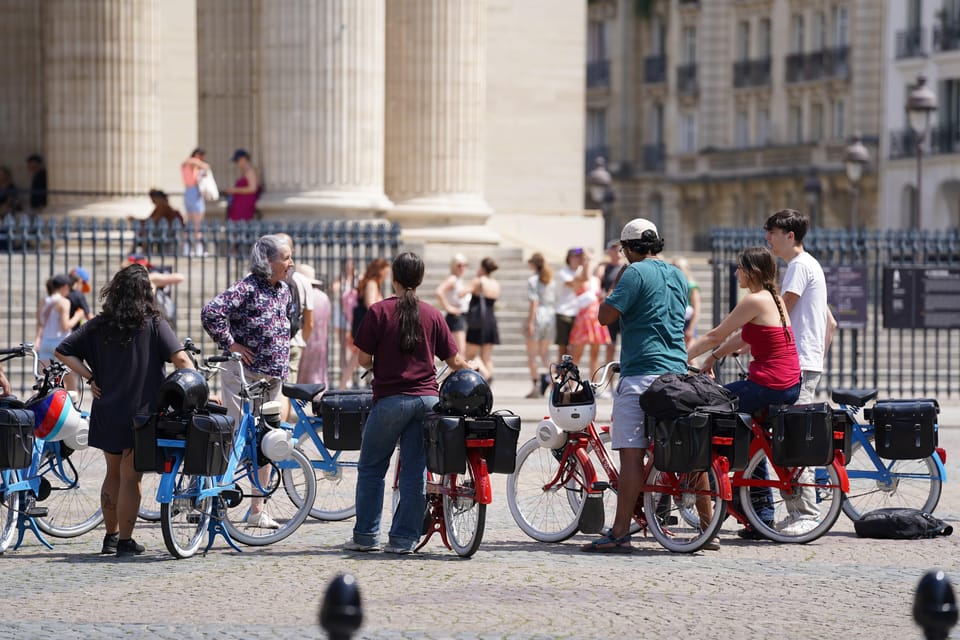
- The Bike Experience: Recycled, Retrofitted, and Surprisingly Fun
- Stop 1: Notre-Dame and the Gothic Paris Everyone Wants to See
- Panthéon: Why the Left Bank Feels Like a Thinking Place
- Les Invalides: The Golden Dome Moment
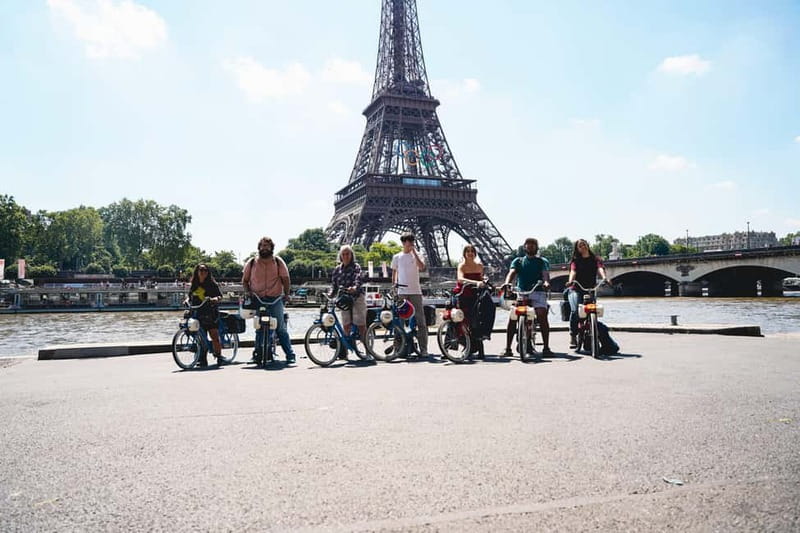
- Eiffel Tower: A Quick Icon Hit With a Fresh Perspective
- Musée d’Orsay on the Seine: When Old Buildings Become Vibes
- Riding the Seine River Banks: The UNESCO-Listed Stretch That Feels Made for Walking
- Place de la Bastille: Revolution as a Street-Level Symbol
- What to Wear and Bring for a Comfortable Solex Ride
- Languages, Group Size, and How the Tour Stays Personal
- Who This Tour Is Best For (And Who Might Want Something Else)
- Should You Book the Solex Guided Tour of Intellectual Paris?
- FAQ
- How long is the Solex guided tour?
- Where do we meet for the tour?
- What’s included in the price?
- What languages are offered?
- Is the tour suitable for children?
- What should I bring or wear?
- Can I cancel or book without paying now?
Key points that matter before you book
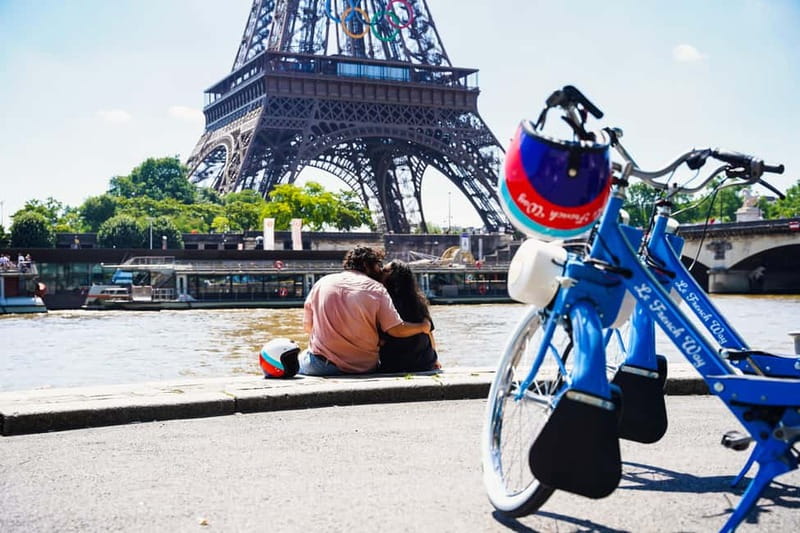
- Electric Solex, vintage style: recycled and retrofitted bikes with that classic French character.
- Small group of up to 10: more time for questions and real conversation with your guide.
- Left Bank focus: the poetic, philosophical, writer’s-street side of Paris.
- Big sights in 2–3 hours: Notre-Dame, Panthéon, Les Invalides, Eiffel Tower, Musée d’Orsay, Seine banks, Bastille.
- Helmet included: a simple piece that makes the ride feel more organized.
Why an Electric Solex Tour Feels Different in Paris
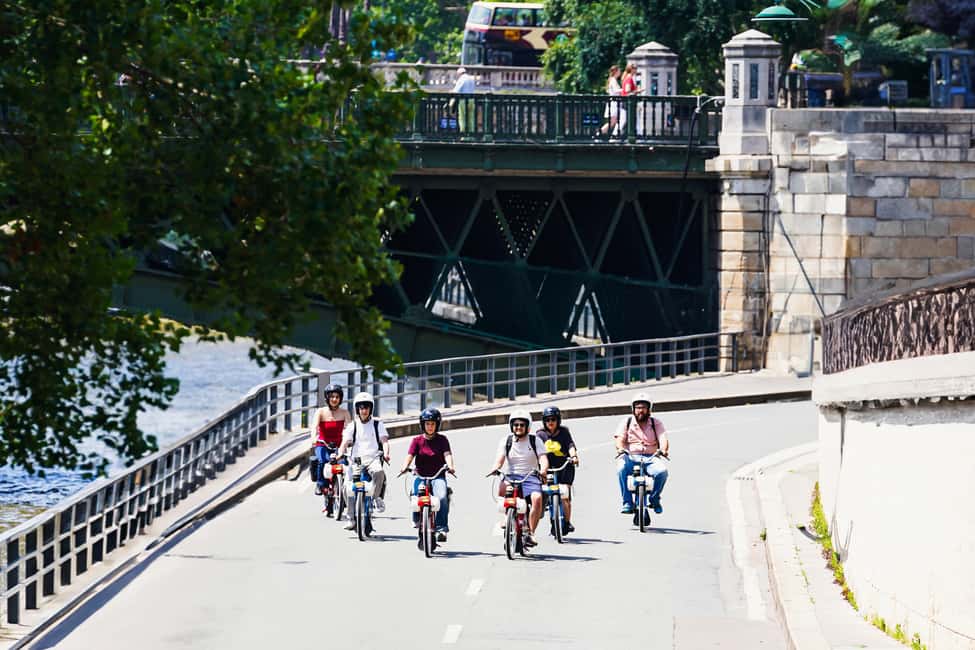
I like tours that get you moving without rushing you into a long walking endurance test. An electric Solex does that nicely, because you’re not just looking at Paris from one angle—you’re traveling through it, with the street texture right there under you.
This one also has a clear theme: intellectual Paris. The Left Bank is where writers, thinkers, and artists built reputations, and the route is designed to make those names feel tied to real places, not just book spines.
You should also know the pace target: it’s built for seeing a lot in a short window. If your idea of a perfect Paris day is slow strolling for hours in one neighborhood, you may prefer a smaller walking tour. If you want a strong first sweep of the city, the format makes sense.
You can also read our reviews of more guided tours in Paris

Price and What You’re Actually Paying For (Not Just the Number)
At $90 per person for a 2–3 hour guided ride, the price isn’t just about a seat on a bike. You’re paying for a guide, a working Solex bike, and a helmet—plus a tight group size that keeps the tour personal instead of crowd-shaped.
In practical terms, that means you can cover a lot of iconic stops in one go, then spend the rest of your trip choosing what to return to. For many visitors, that’s the best kind of value: not the cheapest tour, but the one that helps you build a smarter itinerary afterward.
Meeting Point Near Père Lachaise: Easy Start, Clear Timing
Your tour starts at 18 Rue Soleillet, 75020 Paris, just a few meters from Père Lachaise Cemetery. The guide is there about 15 minutes before departure, so if you arrive on time, you’ll have a smooth handoff to gear up and get briefed.
This location is handy because it puts you on the Right/Left Bank conversation quickly. You’re not beginning in a major tourist bottleneck, which helps the ride feel more like getting around like a local.
I’d treat timing seriously here. The ride depends on keeping a steady flow between stops, and the operator specifically notes you should be on time and let them know if you’re running late.
The Bike Experience: Recycled, Retrofitted, and Surprisingly Fun
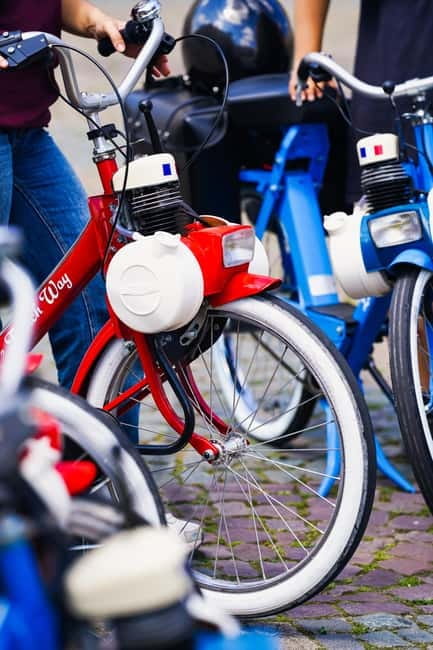
The electric Solex setup is built around a retro look with modern practicality. The bikes are recycled and retrofitted, which is part of the eco-friendly pitch, and you’ll feel that “old Paris” vibe the moment you mount up.
There’s also a very real sensory payoff. One of the best parts of these rides is that Paris air hits you—so yes, you might get that hair-in-the-wind feeling people rave about. It’s not silent, and it’s not museum-still; it’s movement, sound, and sky.
Helmets are included, which is a nice baseline. And since the tour is capped at a maximum of 10 people, you’re not constantly stopping for a big group to regroup.
Stop 1: Notre-Dame and the Gothic Paris Everyone Wants to See
The tour brings you to Notre-Dame, the famous Gothic masterpiece and a symbol of Paris. Even if you’ve seen photos, there’s something about approaching it from the street level that makes it feel more solid and less postcard-flat.
This is where your guide’s job matters. You’ll get explanations that connect the building to Paris identity, rather than just pointing and moving on. If you’re the kind of person who likes a little context before you take photos, you’ll enjoy this first big anchor.
A practical note: Notre-Dame is a crowd magnet. With a bike tour, you still experience the area as a living space, not just a viewpoint. Expect that your route and timing are designed to keep things fluid, not to turn it into a slow queue.





Panthéon: Why the Left Bank Feels Like a Thinking Place

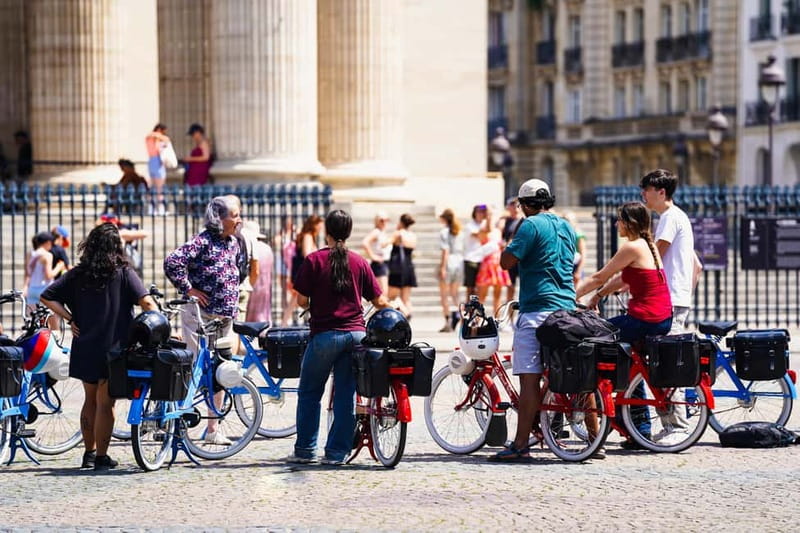
From Notre-Dame, the tour heads toward the Panthéon, the resting place of France’s great figures. This stop works well on a bike because you get a sense of the monument’s role in the city, not just the monument itself.
The Panthéon is also tied to the Left Bank idea of intellectual Paris. Your guide can help you see why this district gets described as an artistic and philosophical hub—how buildings, politics, and famous individuals all sit in the same story.
If you’re into literature, philosophy, or just enjoy history with a face attached, this is one of the stops that tends to stick. It’s not only about architecture; it’s about what kind of people France decided to honor and remember.
Les Invalides: The Golden Dome Moment
Next up is Les Invalides, famous for its magnificent golden dome. On a moving ride, domes can look almost unreal when the light hits them, and that’s part of what makes this stop feel special in real time.
This is a good place to pause and listen. A guide can explain what you’re seeing and how it fits into the wider Paris story—without dragging the tour into a museum-length experience.
One consideration: when you’re riding, you’ll want to keep your eyes up for both views and signals. This tour explicitly asks you to respect traffic laws and follow your guide’s instructions, so your comfort depends on paying attention, not just enjoying the scenery.
Eiffel Tower: A Quick Icon Hit With a Fresh Perspective
Yes, you’ll see the Eiffel Tower. But what changes on this kind of tour is the framing—Eiffel Tower moments don’t feel like a single static postcard when you’re traveling through the city and approaching it from different angles along the ride.
This stop is perfect if you want the satisfaction of ticking the Eiffel Tower box without spending your whole trip in a line. You get the emotional payoff, then you move on while the rest of the route is still fresh and interesting.
If you’re planning to return later for sunset photos, this visit can help you understand where to aim. Think of it as a fast orientation moment that sets you up for smarter second visits.
Musée d’Orsay on the Seine: When Old Buildings Become Vibes
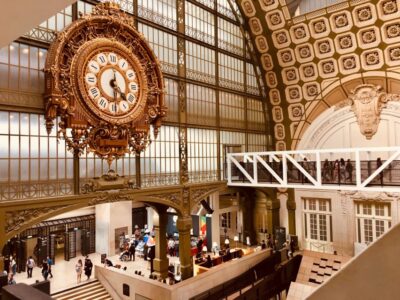
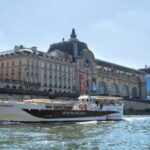
The tour also includes Musée d’Orsay, a former Beaux-Arts palace on the Seine. Even if you don’t go inside, the building’s presence makes the area feel distinct, and your guide can help you understand why this place matters in Paris culture.
Because the route stays connected to the river, this stop feels less like an isolated attraction. It’s part of the Seine corridor, where architecture and movement go together.
I like that the tour doesn’t force you into a long museum decision. You get a guided cultural stop with enough time to appreciate the location, then you keep rolling toward the riverbanks.
Riding the Seine River Banks: The UNESCO-Listed Stretch That Feels Made for Walking
One of the standout parts of this experience is riding along the Seine riverbanks, which are listed as a UNESCO World Heritage site. This isn’t just a scenic bonus. It’s the backbone of Paris for a reason: it links neighborhoods, landmarks, and everyday life in one continuous visual line.
From a rider’s perspective, the Seine banks are ideal. You can see bridges, monument silhouettes, and street rhythms unfold as you move. It’s the kind of scene that makes you understand why Paris artists keep returning to this view in paintings and writing.
Also, the Left Bank theme clicks even more here. The river is what ties everything together—the intellectual reputation, the historic institutions, and the iconic buildings all share the same waterline.
Place de la Bastille: Revolution as a Street-Level Symbol
The tour ends with Place de la Bastille, a vibrant symbol of revolution. This is a great capstone because it broadens the story beyond monuments into the social energy of the city.
On a bike tour, you don’t just hear about the idea of revolution. You experience the space as a modern public square where Paris continues to live, not just remember.
It’s the kind of location that helps you understand Paris as more than a collection of famous stops. It’s also a city with ongoing identity, built from past events and still visible in everyday movement.
What to Wear and Bring for a Comfortable Solex Ride
Comfort matters more than you’d think on a short ride. Wear breathable layers in warmer months and warm, waterproof clothing if the weather turns, and choose comfortable shoes.
Bring the basics for moving outdoors: nothing bulky that shifts around, and clothing that lets you sit comfortably for the full 2–3 hours. This tour also asks you to be punctual and follow the guide’s instructions, which is easier when you’re dressed for the actual conditions.
And yes, consider sunglasses or something to protect your eyes from wind. The electric Solex ride is close enough to street motion that the air can be part of the experience.
Languages, Group Size, and How the Tour Stays Personal
The tour guide offers live guidance in either English or French. That matters because this isn’t only about seeing landmarks; it’s about hearing how your guide connects them to the Left Bank’s intellectual reputation.
You’re also in a small group capped at 10 people. That usually means you’ll get more attention than on the giant-bus version of Paris. With a compact group, stops feel smoother and questions don’t get buried.
Based on what people highlight most, the guide quality is a big deal here. The best tours don’t just name buildings—they share city anecdotes that make you feel like you’re walking with someone who actually knows the street story.
Who This Tour Is Best For (And Who Might Want Something Else)
This is an excellent choice if you:
- want a fast, guided sweep of classic Paris highlights from the Left Bank
- like the idea of a small-group experience with a personal guide
- enjoy bikes and want movement, not just standing still for photos
It may be less ideal if you:
- prefer deep museum time and quiet walking at each stop
- don’t like road-riding rules or find riding in traffic stressful
- are traveling with anyone under 18, since it’s 18+ only
For most adults planning a first or second trip to Paris, this tour is a strong “get oriented fast” option that still feels fun and distinct.
Should You Book the Solex Guided Tour of Intellectual Paris?
I’d book this if you want iconic sights plus a Left Bank story in one compact outing. The value comes from the mix: a guided route with major landmarks, a small group size, and a ride format that turns the city into something you experience rather than only look at.
If you’re unsure, use this simple test: do you want Paris to move with you for a couple hours? If yes, the electric Solex approach fits perfectly.
FAQ
How long is the Solex guided tour?
The tour lasts 2 to 3 hours. Exact starting times depend on availability.
Where do we meet for the tour?
You meet at 18 Rue Soleillet, 75020 Paris, just a few meters from Père Lachaise Cemetery. The guide is there about 15 minutes before departure.
What’s included in the price?
The tour includes a tour guide, the Solex bike, and a helmet. It’s designed as an intimate experience with a maximum of 10 people.
What languages are offered?
The live tour guide runs in English or French.
Is the tour suitable for children?
No. The tour is only for ages 18+. Minors are not permitted, and it’s not suitable for children under 18.
What should I bring or wear?
Wear comfortable clothes and dress for the weather. Comfortable shoes are recommended, and you should follow the guide’s instructions while riding.
Can I cancel or book without paying now?
Yes. You can cancel up to 24 hours in advance for a full refund. You can also reserve now and pay later to keep your plans flexible.