REVIEW · PARIS
Paris: Musée d’Orsay A Private Tour – rebels passion colour
Book on GetYourGuide →Operated by Paris Museum Guide · Bookable on GetYourGuide
Orsay feels like a rebellion waiting to be seen. This private, 2-hour walk through Musée d’Orsay turns the museum from a pile of paintings into a story about artist rule breakers, guided by Damien’s artist eye.
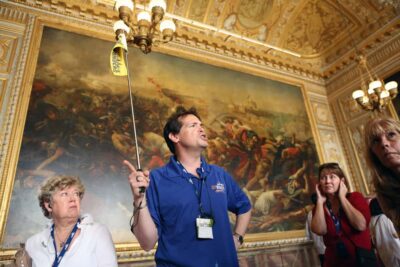
I especially loved how the tour uses headphones and audio receivers so you can actually hear the guide in the middle of crowds. The other big win is the focus: you get the origins of 19th-century artistic rebellion, with context for why key works were rejected at the time.
The main drawback to plan for is simple: museum tickets aren’t included in the price, so you’ll need to add the 16€ ticket cost (or use a pass) and get your entry sorted ahead of time.
In This Review
- Key highlights you will feel during the tour
- Why a rebel-focused Musée d’Orsay tour makes everything click
- Finding the group: meet by the Rhino and get your audio set
- The 1840s Salons: where Delacroix and Ingres set the rules
- Courbet to Cézanne: seeing rebellion as technique and attitude
- The Impressionist revolution: why it was rejected, and why it lasted
- The closing pivot to Van Gogh and Gauguin
- Pricing: what $141 gets you, and what to budget for tickets
- Who this tour suits best (and who might want a different option)
- Should you book the Musée d’Orsay private rebel tour?
- FAQ
- How long is the Musée d’Orsay private tour?
- Is this tour private?
- What language is the tour in?
- Where do we meet?
- Are museum tickets included in the price?
- Are there any ticket discounts or free entry options?
- What audio equipment is provided?
- Can I contact the guide during the tour?
- Are selfie sticks and flash photography allowed?
- Who is this tour not suitable for?
Key highlights you will feel during the tour
- Private group (up to 6 people) keeps the pace human and questions welcome
- Artist as your English guide (Damien) links what you see to how artists thought and worked
- Headphones and audio receivers make the explanation clear, even in busy galleries
- You start with the 1840s Salons and the opposing forces of Delacroix and Ingres
- You track the rebellion through Courbet, Manet, Monet, and Cézanne in context, not isolation
- You end with individuality through Van Gogh and Gauguin, showing how the story changes after Impressionism
Why a rebel-focused Musée d’Orsay tour makes everything click
Musée d’Orsay can feel overwhelming if you walk in cold. Yes, it’s famous. But without a thread, you end up drifting from room to room and forgetting what you just saw.
This tour gives you a thread fast: the idea that 19th-century French art was shaped by people who refused to play by the rules. Not just rebellion for rebellion’s sake, but rebellion with reasons—style, subject matter, the way paint is handled, and what the public expected art to do. You start with official taste and move toward individual choices that later became influential worldwide.
I like that the emphasis isn’t only on Impressionism as a label. It’s about the moment it was born, why it got pushback, and how the ideas changed how artists made—and how people learned to see—modern art.
You can also read our reviews of more private tours in Paris



Finding the group: meet by the Rhino and get your audio set
You meet outside the museum by the sculpture of the Rhino, with your guide wearing a badge. That matters because Orsay’s entrance area can be busy, and you don’t want to waste your limited 2 hours hunting for the right person.
Once you’re in, you’ll use headphones plus audio receivers. This is the part that can make-or-break a guided museum tour. The sound is clear enough to follow the guide’s explanation without craning your neck or asking others to move so you can hear. In fact, I found the setup unusually easy to handle—no fiddly drama.
Pro tip: wear comfortable shoes and keep your phone on silent. You’re going to want your hands free, and you don’t want to fight notifications while you’re listening.
The 1840s Salons: where Delacroix and Ingres set the rules
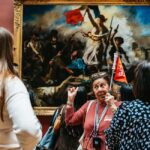
The tour begins with the Salons of the 1840s, when the art world had very clear ideas about what counted as good painting. The guide sets up the opposition between Eugène Delacroix and Jean-Auguste-Dominique Ingres. Think of them as two poles of taste: drama and movement versus polished classicism and control.
Why this opening matters: it gives you the yardstick the public used. When you later see works that look looser, brighter, or more focused on immediate perception, you’ll understand the shock wasn’t random. It came from clashing expectations.
Also, even if you don’t know French art history, you can follow the logic. The guide explains what was valued, what was criticized, and what artists were trying to change. By the time you reach the rule breakers, it feels like you’re not “learning names,” you’re watching a cultural argument play out.
Courbet to Cézanne: seeing rebellion as technique and attitude
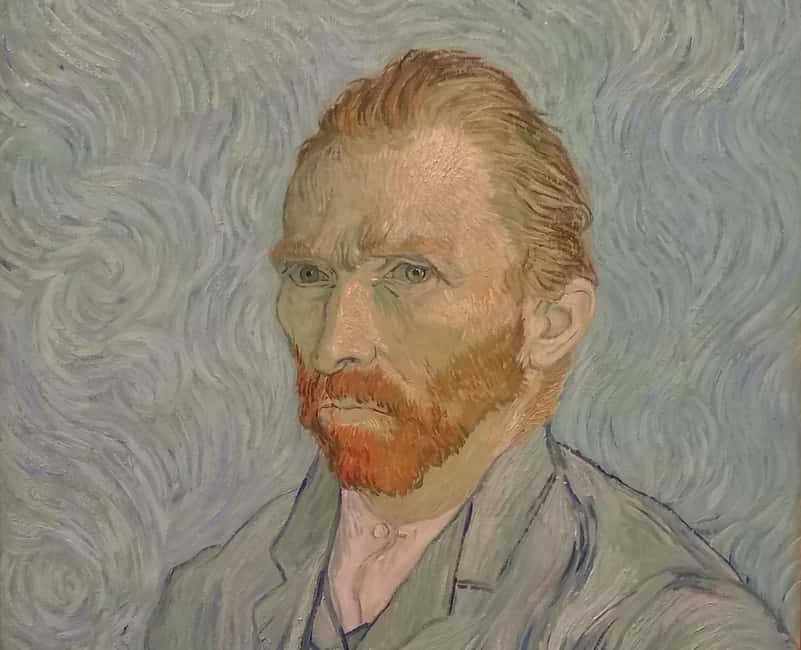
After the Salons, you move into the era of more direct challenges—painting that refused to fit what was expected. This is where the tour stays practical. Instead of lecturing from across the room, you’re given artist insight as you look.
You’ll see examples linked to Gustave Courbet, Édouard Manet, Claude Monet, and Paul Cézanne. What you take away is not just that they were famous, but how each step changes what painting can do.
Here’s how I’d explain it in plain terms:
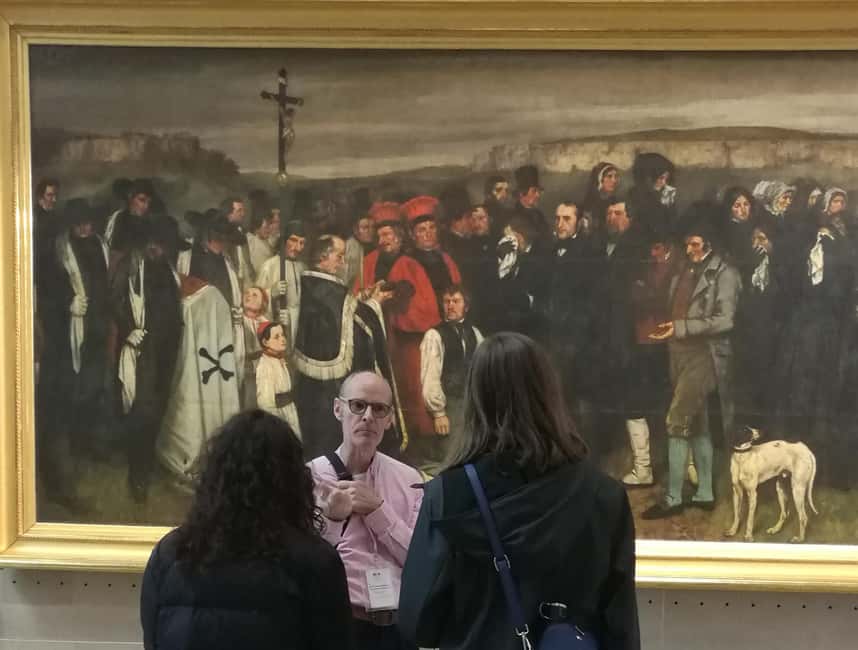
- Courbet helps you understand the push toward directness and modern subjects.
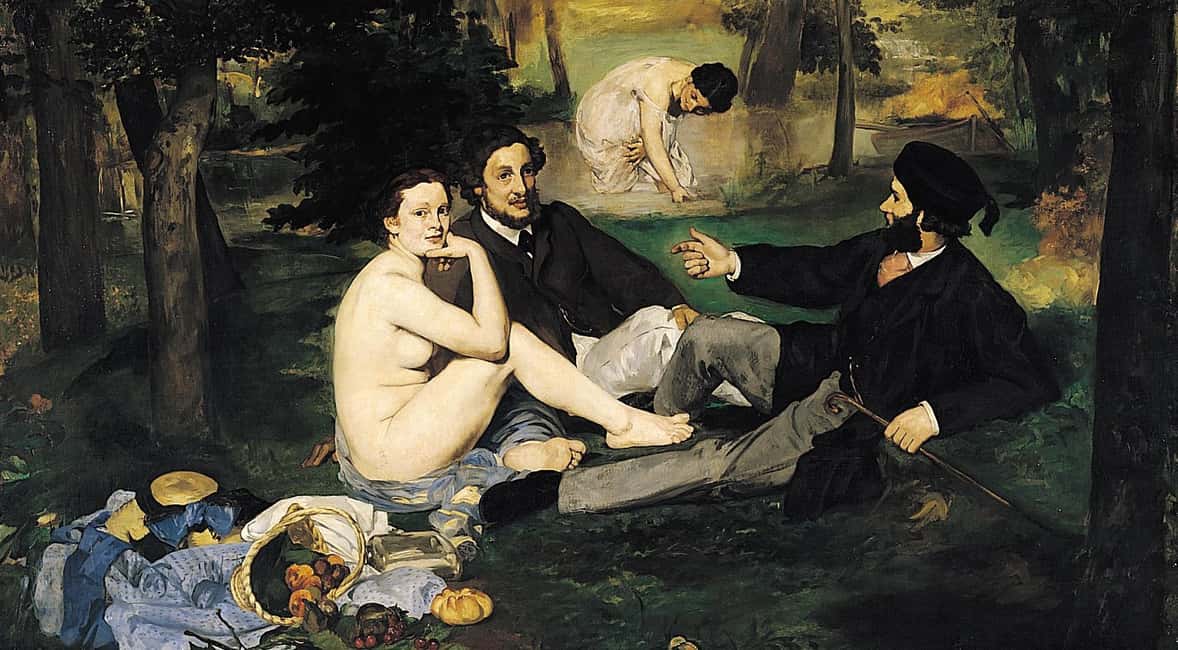
- Manet shows the tension between tradition and a newer, sharper way of presenting the world.
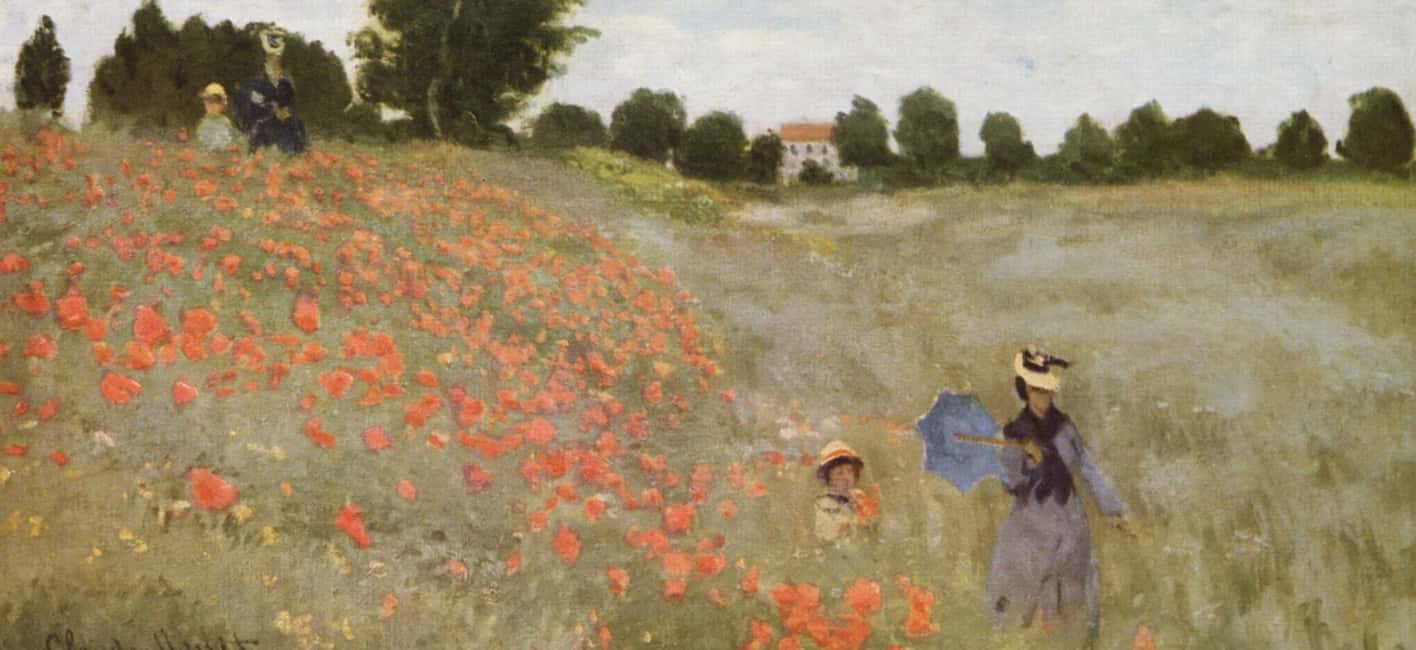
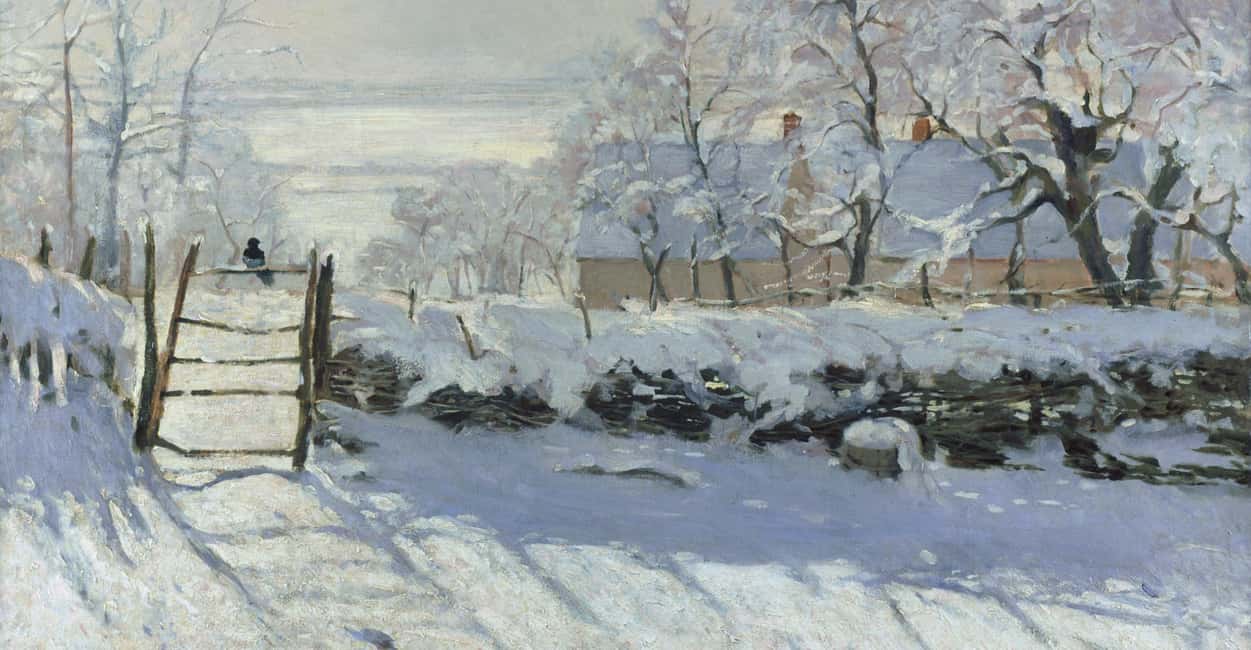
- Monet is where the idea of seeing becomes the point—light, atmosphere, and the look of a moment.
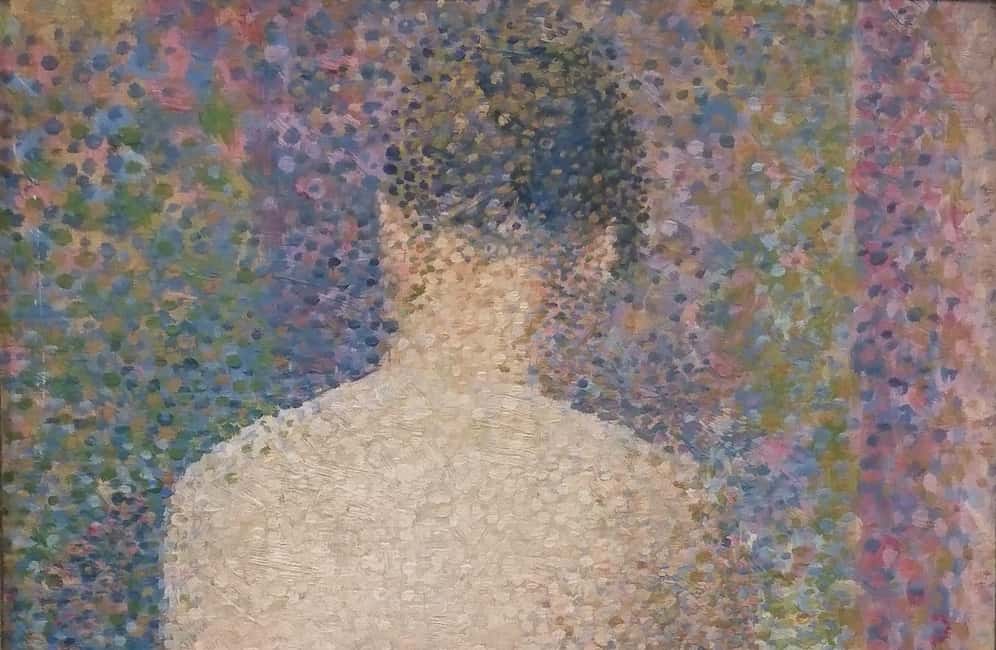
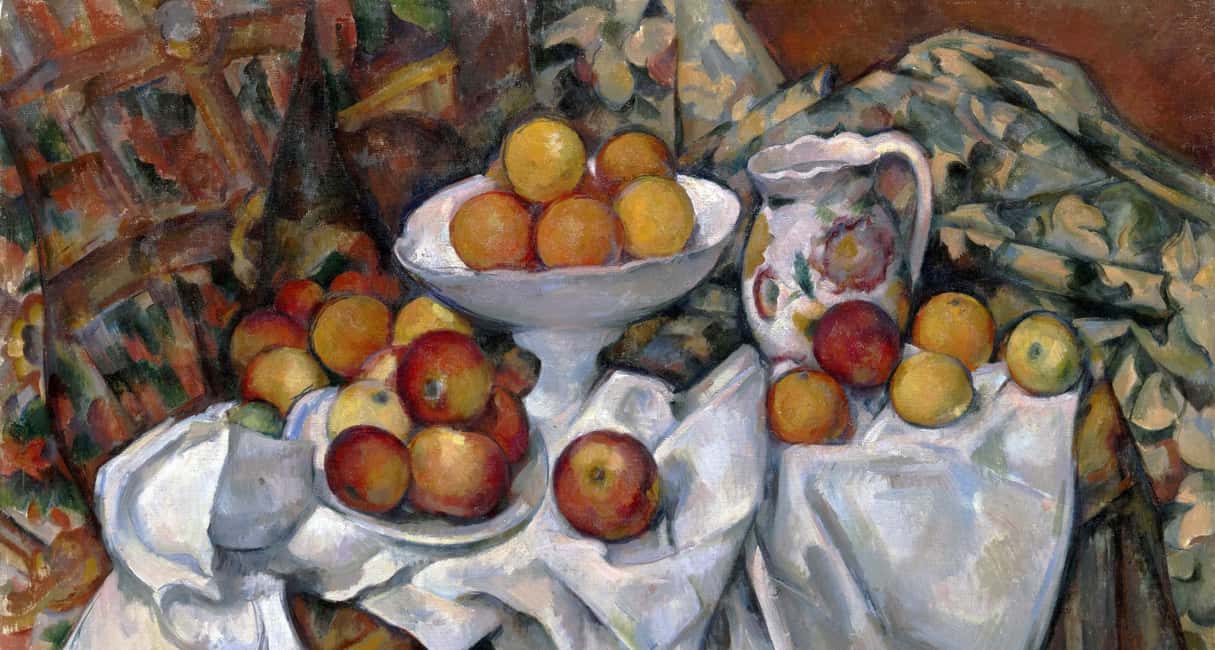
- Cézanne brings the next shift: structure underneath the surface, where the picture starts to feel built from vision rather than copied from rules.
Your guide connects these choices back to the earlier taste of the Salons. So when you notice differences in brushwork, color behavior, and what each artist emphasizes, it lands with meaning instead of feeling like a visual trivia game.
The Impressionist revolution: why it was rejected, and why it lasted
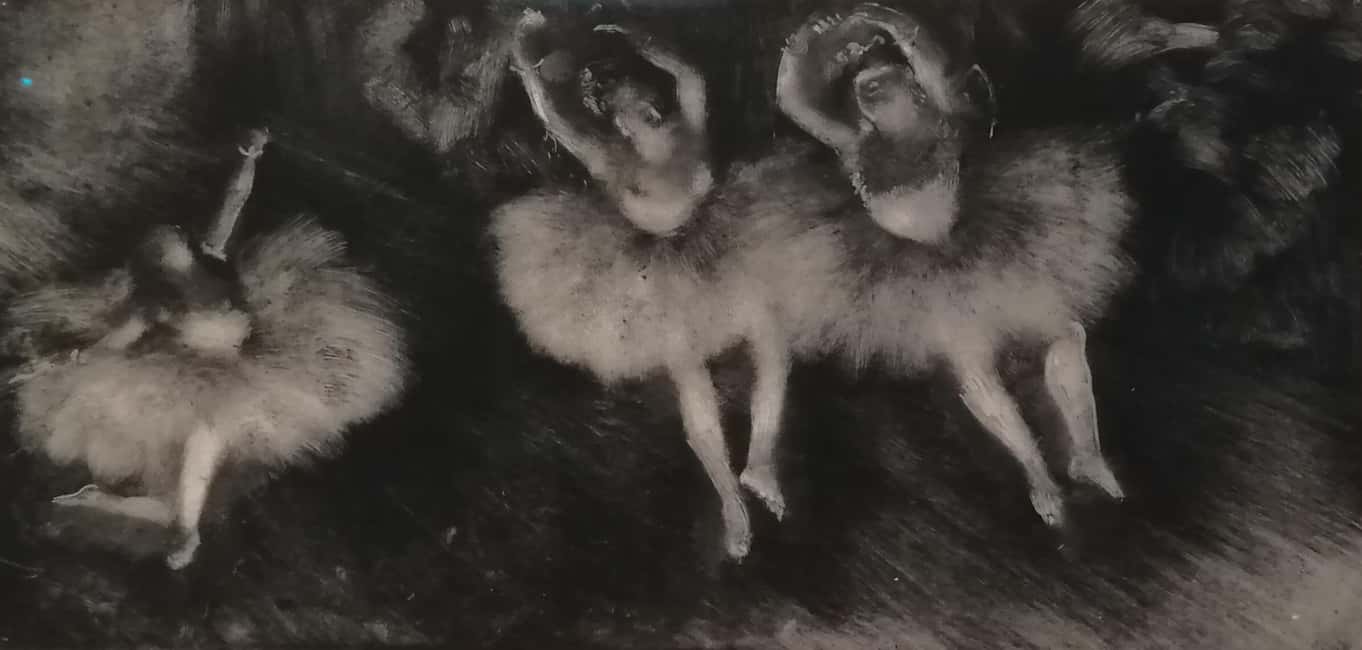
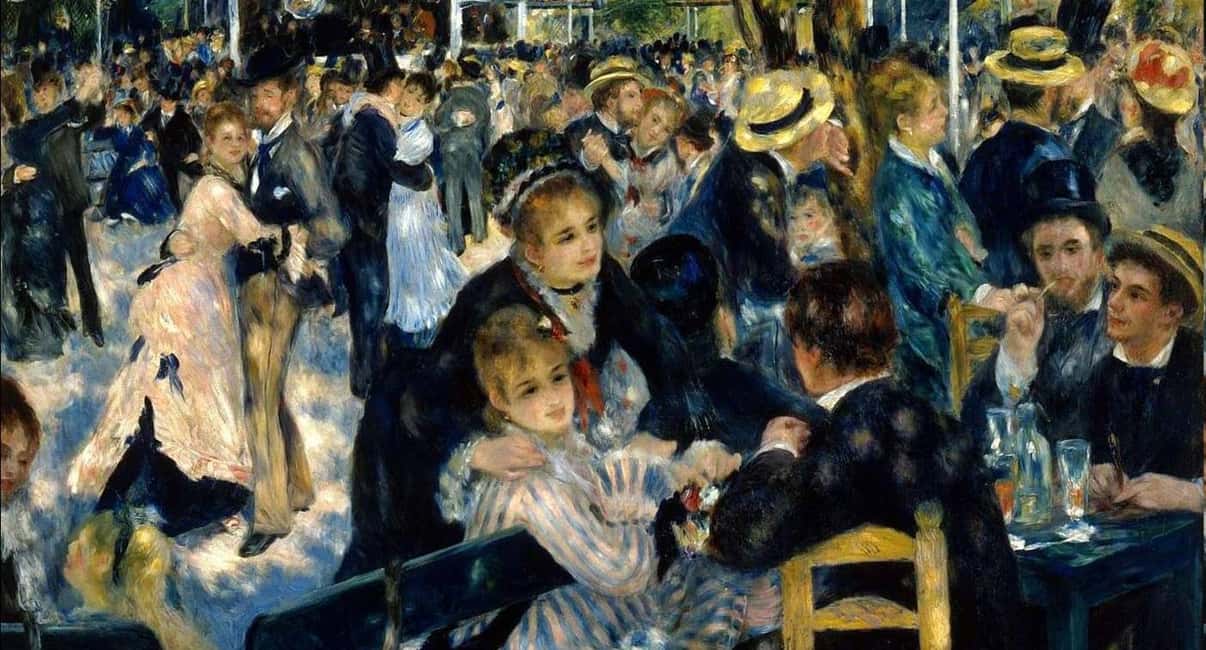
The tour doesn’t treat Impressionism like a finished achievement. It treats it like a real-time disruption. You learn about the significance of the Impressionist revolution for its day, including why French public opinion initially rejected it.
That historical context changes how you look. Instead of seeing paintings as merely pretty or “modern,” you start to see them as arguments. The guide explains how the art challenged accepted standards—what art should depict, how it should be rendered, and how quickly it should feel like real life rather than polished ideal.
And there’s a second payoff: once you know why it was rejected, it becomes easier to understand why it was later admired across the world. The story turns from shock and criticism into a slow change in perception. You leave with the feeling that the art world didn’t just wake up one day and decide it liked Impressionism. It was earned—sometimes painfully.



The closing pivot to Van Gogh and Gauguin
The tour ends with the individuality of two tempestuous friends: Vincent van Gogh and Paul Gauguin.
Even if you only get a quick look at their works, the tour frames them as the next chapter. The message you pick up is that the rebellion evolves. Early rule breaking challenges technique and perception. Later, it also challenges identity and creative intent—how personal vision can drive the artwork.
This ending is a smart move for a 2-hour experience. It prevents the timeline from feeling like a closed museum loop. You finish with the sense that modern art isn’t one moment. It’s a chain of people refusing to stop at the last accepted version of art.
Pricing: what $141 gets you, and what to budget for tickets
At $141 per person for 2 hours, this is a guided experience aimed at people who value clarity and context more than wandering. That price is mainly paying for three things:
- A private format limited to up to 6 people
- An artist-guide in English with hands-on insight
- The audio system that keeps you actually following the narrative
Then there’s the extra you should plan for: museum tickets aren’t included. The standard ticket is 16€ when you get it through orsey.fr. If you have the Paris Museum Pass, it’s valid for museum entry. Children under 18 can enter free with ID, and EU students under 25 also get in for free.
One practical value tip from the guide: ticketing temporary exhibitions can still count as valid entry for the museum. If you know there are special shows you want to see, it can help you plan your day with fewer separate decisions.
Bottom line: if you’re the type who gets more out of a story than a self-guided checklist, this price makes sense. If you’re totally comfortable reading art labels and moving at your own pace, you might decide to skip paid guidance.
Who this tour suits best (and who might want a different option)
This tour is best for you if:
- You want 19th-century art explained as a timeline of ideas, not an encyclopedia
- You like tours where the guide points things out you’d miss on your own
- You prefer a private group that stays flexible in a crowded museum
- You care about hearing the guide clearly (headphones are a real plus here)
It may not be ideal if:
- You’re planning to see everything in Orsay. Two hours is focused, not exhaustive.
- You enjoy a slow meander more than an organized narrative.
The overall vibe is energetic and teacher-led, with a strong emphasis on understanding what you’re looking at.
Should you book the Musée d’Orsay private rebel tour?
If you want Orsay to feel like a living story, I’d book it. This is one of those experiences where the guide turns “famous works” into “why these works mattered.” With Damien’s artist perspective and the audio setup that keeps the explanation clear, it’s built for real attention, not just photo stops.
I’d especially recommend it if you’ve ever walked through Orsay without guidance and felt like you were standing in front of beauty but missing the point. Here, you get the point—fast.
Just do two things to make it smooth: buy or arrange your tickets ahead of time, and wear shoes you can stand in. You’re going to spend the whole 2 hours in the galleries, absorbing the art through a strong, readable framework.
FAQ
How long is the Musée d’Orsay private tour?
It lasts 2 hours.
Is this tour private?
Yes. It’s a private group limited to up to 6 people.
What language is the tour in?
The tour is in English.
Where do we meet?
You meet outside the museum by the Rhino sculpture, and the guide has a badge.
Are museum tickets included in the price?
No. Museum tickets are not included. You can get them at orsey.fr for 16€.
Are there any ticket discounts or free entry options?
Children under 18 enter for free with ID, and EU students under 25 also get in for free. A Paris Museum Pass is also valid for entry.
What audio equipment is provided?
The tour provides headphones and audio receivers.
Can I contact the guide during the tour?
Yes. You can reach the guide directly by WhatsApp or text.
Are selfie sticks and flash photography allowed?
No. Selfie sticks are not allowed, and flash photography is not allowed.
Who is this tour not suitable for?
It’s noted as not suitable for babies under 1 year.