REVIEW · PARIS
Paris: Chocolate Discovery Workshop and Tasting
Book on GetYourGuide →Operated by Nutrivitalité Rrraw Cacao Factory · Bookable on GetYourGuide
Chocolate has a story you can taste. In Grands Boulevards, I like that this small-group session (up to 8 people) turns chocolate-making lore into an actual sensory stop with Yasmine and Sébastien guiding you. You’ll spend about an hour learning how cocoa becomes chocolate, with the workshop framed through both history and practical process.
Two things I especially like: you don’t just get flavor talk—you get the history and nutritional values angle, plus cocoa cultivation and how the ingredients transform along the way. One possible drawback to consider: the tasting portion may feel light if you’re expecting a big, hands-on sampling party. One booking review flagged that they only tried a small number of pieces, with not much interaction or testing.
In This Review
- Key things to know before you go
- Where Grands Boulevards fits into your Paris day
- Meet Yasmine and Sébastien: how the workshop is taught
- The chocolate history thread (including Frédéric Marr)
- Cocoa cultivation: connecting farming to flavor
- Tasting as you go: what step-by-step really means
- The 45 grams you take home (and how to use it well)
- Price and value: is $35 a fair deal?
- Who this Paris chocolate workshop suits best
- A realistic expectation check before you book
- Should you book this Paris chocolate workshop?
- FAQ
- How long is the Paris Chocolate Discovery Workshop and Tasting?
- What is the price per person?
- Where does the workshop take place?
- Who leads the workshop?
- What languages are offered?
- How many people are in the group?
- Is there any chocolate included for you to take home?
- What does the workshop include?
- Is the workshop suitable for children?
- Can I cancel and get a refund?
Key things to know before you go
- 1 hour, small group (8 max): Short, focused class-style tasting rather than a long sit-down meal.
- History + nutrition included: You’ll hear the background of chocolate and its nutritional values alongside the process.
- Cocoa cultivation to finished chocolate: You’ll connect farming to flavor, not just tools and technique.
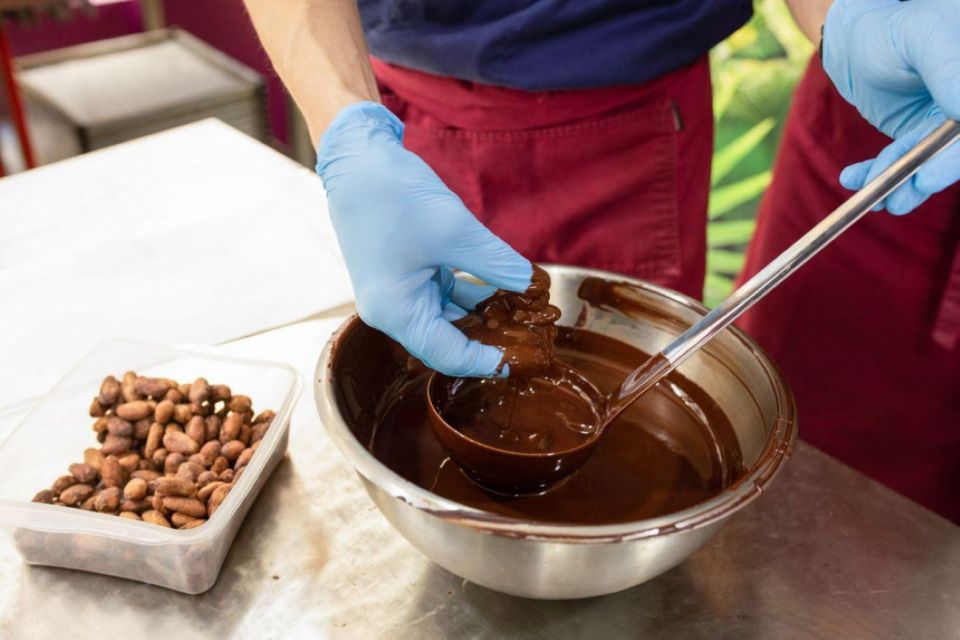
- Step-by-step tasting: You taste along the way as the making process gets explained.
- Take-home chocolate: You leave with 45 grams to enjoy later.
Where Grands Boulevards fits into your Paris day
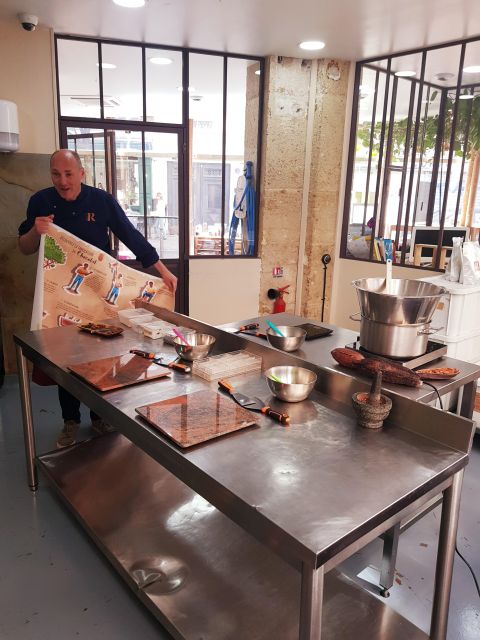
This workshop lives in the Grands Boulevards area, which is a smart pick if you’re already doing central Paris on foot or by metro. The big practical win here is timing: you get a full chocolate lesson in about an hour, so it doesn’t steal your whole evening.
Also, Grands Boulevards tends to be convenient for travelers coming from a lot of the classic sights. If you’re trying to avoid long transfers and keep your day flexible, a one-hour activity is easier to slot in than half-day tours. You can pair it with a stroll, a cafe stop, or an early dinner.
The one “watch this” item is pacing. Because it’s short, you’ll want to arrive ready to listen and taste right away. If you’re running late, you’ll probably feel it, since there isn’t time to reset your attention.
You can also read our reviews of more food & drink experiences in Paris



Meet Yasmine and Sébastien: how the workshop is taught
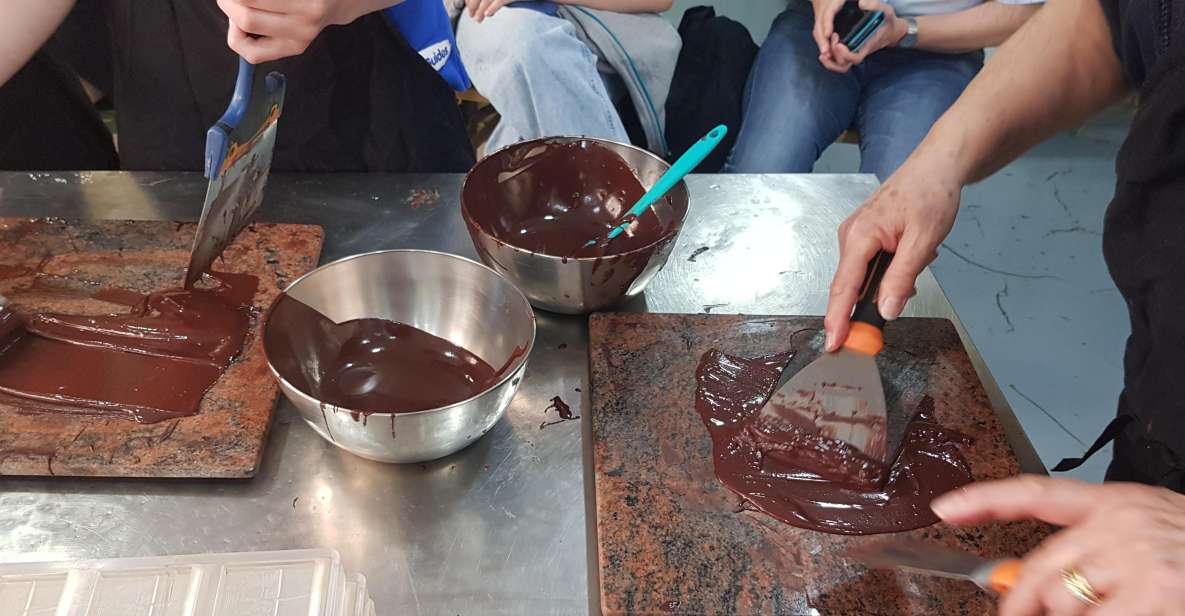
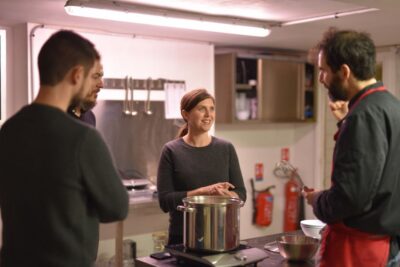
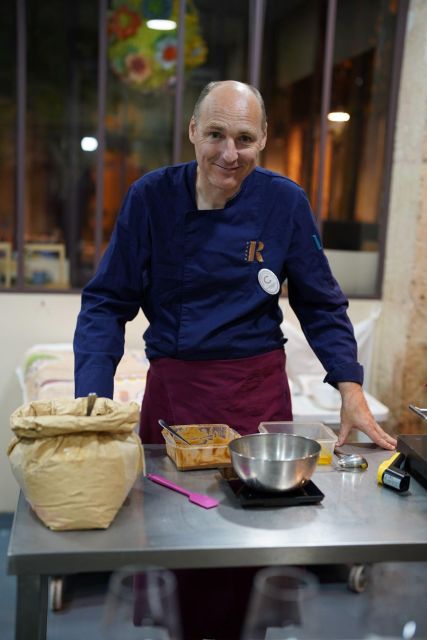
The experience is led by artisan chocolatiers Yasmine and Sébastien. From the description, the teaching style is classroom-to-sensory: explanations first, then tasting to match what you just heard.
That matters, because chocolate workshops can vary a lot. Some feel like a factory tour with a souvenir at the end. This one is closer to a guided discovery session, where you’re meant to follow the story: history → cocoa growing → making → tasting.
You’ll also benefit from the language setup. The instructor supports French and English, so you’re not forced into a one-language gap. Still, based on one review, if English is your comfort zone and you care a lot about demonstrations, you should go in expecting a mix of explanation and tasting rather than a highly visual, test-your-palate format.
The chocolate history thread (including Frédéric Marr)
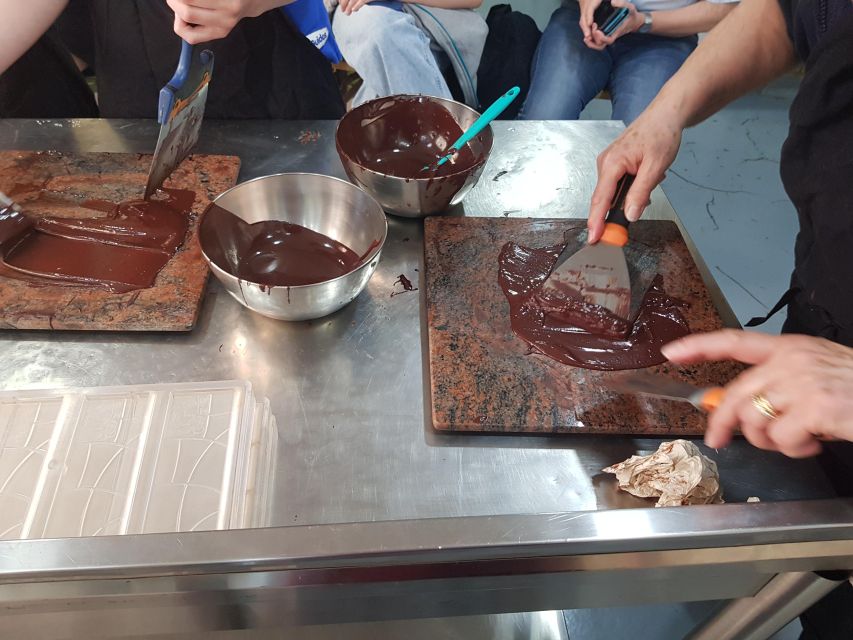
The workshop begins with history—specifically the narrative around chocolate’s creation by Frédéric Marr. That’s a useful angle because it gives your tasting context. Chocolate isn’t just sweets on a plate; it’s a food with a long travel story from origin regions to European kitchens.
You’ll also hear about chocolate’s roots with Amazonian peoples, and why the subject still feels meaningful today. Even if you’re not a chocolate academic, this kind of framing changes how you experience flavor. You start paying attention to what cocoa means, not just whether a piece tastes sweet or bitter.
This history section also includes nutritional values, which is a nice twist for people who feel chocolate tastings are all vibes and no facts. It won’t turn you into a dietitian, but it gives you a more grounded way to talk about chocolate with friends later.
Cocoa cultivation: connecting farming to flavor
After the story setup, the workshop shifts to cocoa cultivation—how cocoa grows and what that means for the final chocolate. This is the part I find most practical, because it answers a question you can’t un-ask once you start noticing it: why do different chocolates taste different?
Even with only one hour, cocoa cultivation can be a powerful topic. When you understand that cocoa comes from a living crop with agricultural realities, you stop thinking of chocolate as a single product. You start thinking of it as something shaped by growing conditions, harvesting, and processing.
From there, the workshop connects that farming knowledge to the process of making chocolate. The goal is to help you understand each step as part of the transformation, instead of treating “chocolate making” like a black box.
Tasting as you go: what step-by-step really means
The hour-long session culminates in tasting. In the experience description, you’ll taste every step of chocolate creation, then finish with a sweet finale.
What this should feel like: you hear a concept, then you test it on your tongue. That makes it easier to remember. Instead of reading about cacao processing later and forgetting it, you anchor the learning to flavor.
Here’s the practical consideration: the tastings may be short and measured. One review described only a few pieces during what was billed like a discovery tasting, and another mentioned very small samples. That doesn’t mean the workshop is bad—it just means you should manage expectations.
If you want a lot of variety in quantity and texture, you may prefer a longer tasting event or one with more formal flights. If you mainly want knowledge plus a guided taste, this one fits the bill better.
You can also read our reviews of more tours and experiences in Paris


The 45 grams you take home (and how to use it well)
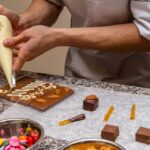
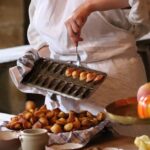
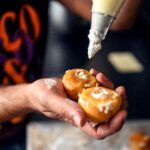
You leave with 45 grams of chocolate to savor at home. I like this part because it stretches the experience beyond the 60-minute workshop window. A take-home portion also gives you a chance to compare what you tasted during the class with how the chocolate behaves later.
To get more value from that 45g, treat it like a mini follow-up lesson. Taste slowly. Notice first smell, then sweetness, then any bitterness or roast tones. If the workshop talked about cultivation and processing steps, try to map those ideas to what you’re tasting.
This is also a good move for sharing. Forty-five grams isn’t enough for a party, but it’s plenty to split with one or two people so your knowledge doesn’t fade the next day.
Price and value: is $35 a fair deal?
At $35 per person for a 1-hour workshop, you’re paying for three things: guided instruction, a structured tasting, and a take-home portion.
The value math works best if you:
- genuinely want the history and cocoa process explanations,
- like small-group settings (8 max),
- and are happy with a tasting that supports the learning rather than a tasting that becomes the whole event.
If you’re expecting an extensive, high-quantity tasting with lots of repeated samples and tests, the price may feel steep. That’s the main reason: one review flagged limited tasting and interaction. So the workshop seems more like a guided discovery than a big sampling spread.
Still, if you’re the type who remembers ideas better when they’re paired with flavor, this is a sensible use of money. You’re not paying for a show. You’re paying to understand chocolate, with taste as the evidence.
Who this Paris chocolate workshop suits best
This workshop is a strong fit if you:
- love chocolate enough to learn what’s behind it,
- enjoy facts mixed with sensory experience,
- prefer short, focused activities over long tours,
- and want a small group format.
It’s not suitable for children under 8, which keeps it aligned with a more grown-up learning pace.
One more fit question: how do you like to learn? If you love discussion and explanations, you’ll likely enjoy it more than someone who wants constant hands-on work. And if you’re English-speaking, consider that at least one booking review wanted more visual process demonstration. The workshop runs in English, but your ideal experience may depend on how much you personally need visuals versus verbal explanation.
A realistic expectation check before you book
This is where I’d be honest with you. With an activity like this, there are two common satisfaction drivers:
1) how much you taste, and
2) how interactive the session feels.
The provided info clearly promises step-by-step tasting and knowledge. But the review feedback you have suggests some people feel the tasting quantity and interaction could be stronger for the title they expected. So if your dream is a long lineup of samples and hands-on trials, you might leave a bit underfed.
If your dream is learning chocolate history (including Frédéric Marr), understanding cocoa cultivation, and getting a guided taste with a 45-gram souvenir, then the format sounds right.
Should you book this Paris chocolate workshop?
I’d book it if you want a compact, small-group one-hour chocolate lesson with real context—history, cocoa farming, and a guided taste that ends with take-home chocolate. It’s a good value when you care more about understanding than collecting dozens of bites.
I would hesitate if your top priority is a lot of tasting volume, lots of interaction, or frequent hands-on testing. In that case, look for a longer or more tasting-forward chocolate experience so you’re not disappointed by a measured sample style.
Either way, if you go in with the right expectation—learning first, tasting to match—you’re likely to come away with stories and facts you can actually repeat.
FAQ
How long is the Paris Chocolate Discovery Workshop and Tasting?
It lasts 1 hour.
What is the price per person?
The price is $35 per person.
Where does the workshop take place?
It’s in Paris in the Grands Boulevards district (Ile-de-France, France).
Who leads the workshop?
It’s led by artisan chocolatiers Yasmine and Sébastien.
What languages are offered?
The workshop is available in French and English.
How many people are in the group?
It’s a small group limited to 8 participants.
Is there any chocolate included for you to take home?
Yes. You receive 45 grams of chocolate to enjoy at home.
What does the workshop include?
You get 1 hour of discovery with the instructors, knowledge about chocolate making (including history and nutritional values), and tasting every step of chocolate creation.
Is the workshop suitable for children?
No. It’s not suitable for children under 8.
Can I cancel and get a refund?
Yes. Free cancellation is available up to 24 hours in advance for a full refund.