REVIEW · PARIS
Paris: Guided Louvre Museum Tour with Optional Entry Ticket
Book on GetYourGuide →Operated by My Super Tour · Bookable on GetYourGuide
The Louvre can feel huge. This guided highlights tour makes it manageable with early skip-the-line entry and story-rich stops, ending in the Apollo Gallery. You’ll walk through the museum like a guided map, not a maze.
I especially like the fast hit list of famous works like the Mona Lisa and The Wedding at Cana, explained with meaning you can actually remember. I also like the strong focus on context, from the Louvre’s royal beginnings in 1190 to major sculptures such as the Nike of Samothrace and the Venus of Milo.
One heads-up: it’s not suitable for wheelchair users, so this is mainly for those who can handle indoor walking and Museum-style crowds.
Key Highlights at a Glance
- Skip-the-line entry via a separate entrance so you spend more time looking, less time waiting
- A tight 2–3 hour route that still covers major paintings and sculpture highlights
- Royal context you can picture, from the Louvre’s 1190 origins to crown-jewel symbols
- Apollo Gallery finish, then you can keep exploring on your own with a map
- Optional Seine cruise discount if you want Paris views from the water
In This Review
- Skip the Louvre Line and Find Your Guide Under Louis XIV
- The 2–3 Hour Highlights Route: From Royal Louvre to Apollo Gallery
- Mona Lisa and The Wedding at Cana: Paintings You Can Explain After
- Greek Sculpture Power Play: Nike of Samothrace to Venus de Milo
- Royal Power and Secret Details: Napoleon Wars and Crown Jewels
- How the Guide Makes (or Breaks) the Experience
- Optional Seine Cruise Discount: A Different Way to See Paris
- Price and Value: Is $128 Worth It for the Louvre?
- Logistics That Matter: Timing, Water, and Walking Comfort
- Should You Book This Louvre Highlights Tour?
- FAQ
- How long is the Louvre guided tour?
- Does the tour include skip-the-line entry?
- Where do we meet the guide?
- Can I join even if I already have a Louvre entry ticket?
- What language is the guided tour offered in?
- Is there an option for a Seine cruise?
- What should I bring?
- Is the tour wheelchair accessible?
- What’s the cancellation policy?
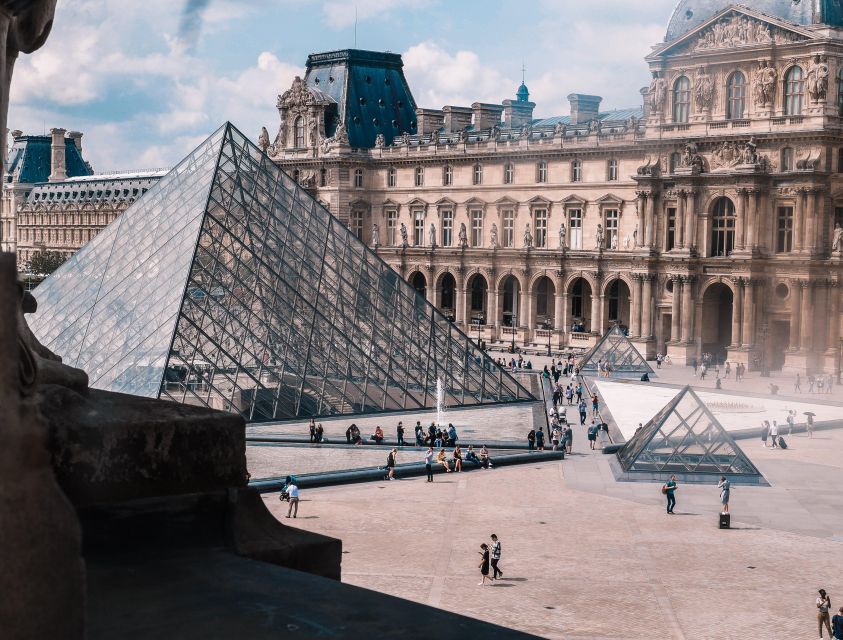
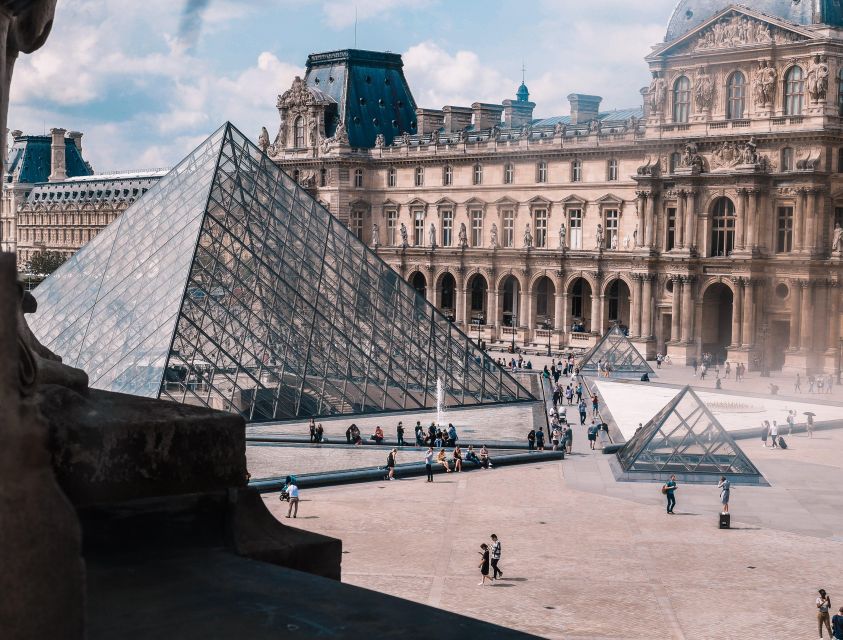
Skip the Louvre Line and Find Your Guide Under Louis XIV
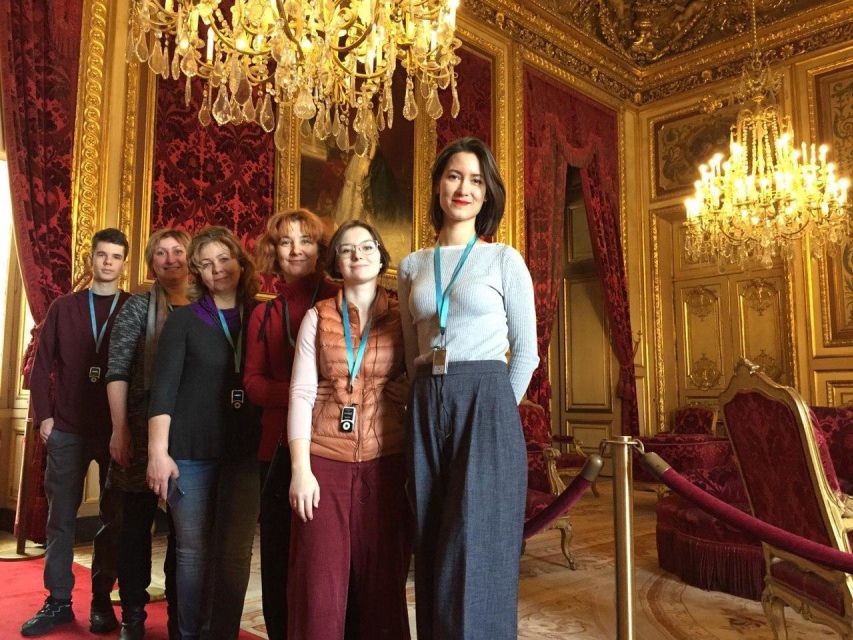
Meet up near the Louvre, looking for the guide holding a yellow sign that says My Super Tour under the statue of Louis XIV. It’s a simple plan, but do give yourself buffer time. The Louvre area can be confusing, and one review noted that it was hard to spot guide identification when you were early. So if you arrive 10–20 minutes before, plan for a little extra scanning.
What makes this setup valuable is what it prevents. Without a plan, the Louvre can turn into a waiting exercise before you ever get to the art. With this tour, you get skip-the-line entry through a separate entrance. That means you walk into the museum mindset faster, and you can use your limited time for looking, not inching forward.
The tour is live and guided in English or Russian, and it’s offered as a small group. In practice, that usually helps with pacing—big museum tours can either rush you or stall you. This one aims for a tight highlights run that still leaves room for questions along the way.
The 2–3 Hour Highlights Route: From Royal Louvre to Apollo Gallery
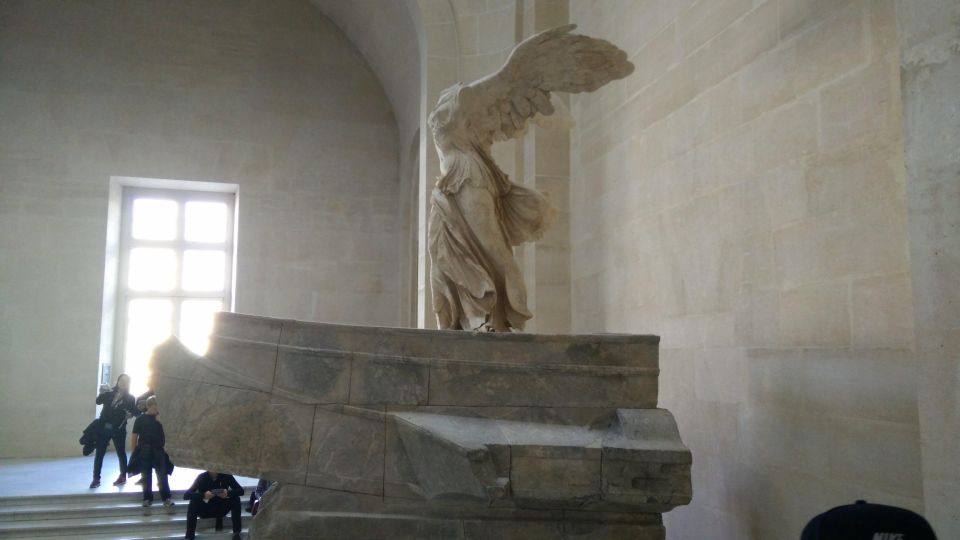
The time window is short on purpose: 2 to 3 hours. That’s ideal if you’re doing other Paris must-dos and you want the Louvre’s biggest icons without losing a whole day. The route is built to get you into the museum, cover core masterpieces, and end in a place that makes your next steps easier.
You’ll start by hearing about the Louvre Museum itself—an actual palace, built in 1190 as a residence for royalty. Then you’ll move through a mix of painting and sculpture highlights, with the guide connecting the artworks to the bigger story of art in Europe.
The tour ends in the Apollo Gallery, which is a smart landing point. Even if you’re done with guided content, you’re not stranded. You can take your map and keep going—because the Louvre is too big to do everything, but it’s still very possible to do a lot if you have a direction.
Bring water. It’s an easy thing to forget in a museum, and your best day is the one where you don’t have to hunt for a bottle halfway through.
You can also read our reviews of more tours and experiences in Paris



Mona Lisa and The Wedding at Cana: Paintings You Can Explain After
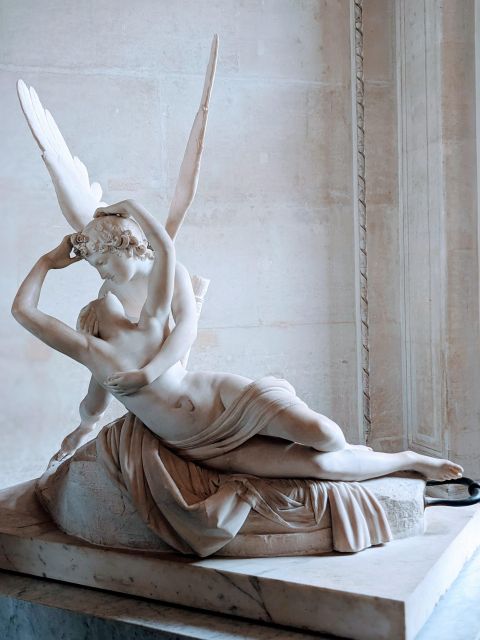
The Louvre’s greatest trick is making famous paintings feel familiar before you even start. The second trick is making them feel meaningful. This tour targets the paintings that most people come to see, then adds the layer that turns seeing into understanding.
You’ll get up close with the Mona Lisa and The Wedding at Cana. The guide doesn’t just point; they explain hidden meanings and stories behind what you’re looking at. That matters because these works often get reduced to screenshots and hype. Here, you get context: what’s going on in the scene, why the painting matters, and what to notice beyond the obvious.
If this is your first time in the Louvre, you’ll like the way the tour builds confidence. You go from wow moments to “okay, I know what I’m looking for.” One review praised guides for making discussions interactive, and you should expect that style: not lectures from a distance, but explanations that help you look more carefully.
Also, timing helps. A highlights tour keeps you moving through the key works while your energy is still high. The Louvre can drain you if you wander too long. This approach is designed to protect your attention span.
Greek Sculpture Power Play: Nike of Samothrace to Venus de Milo
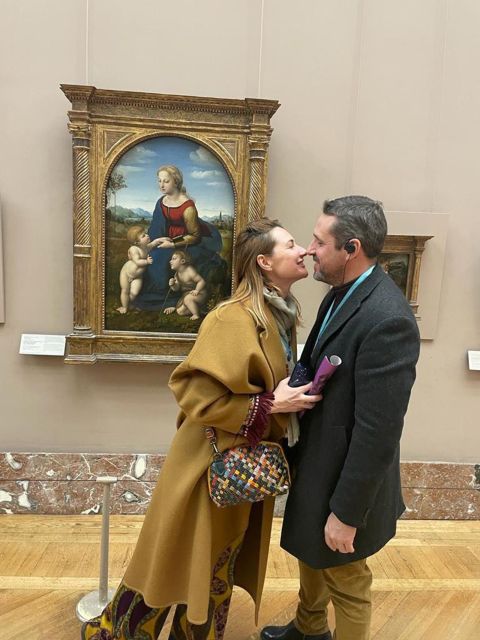
A strong part of the tour is its commitment to sculpture, especially Greek masterpieces. You’ll see major works such as the Nike of Samothrace—often described as a standout of classical art—and the Venus of Milo, one of the most famous images of the goddess Venus.
What I like about this focus is that it prevents the Louvre from becoming all paintings all the time. When you swap to sculpture, you start noticing different things: pose, materials, how the body is carved to suggest movement, and why these works have influenced European art for centuries.
This section is also great for photo planning. People photograph the statues from whatever angle they happen to get. A guided stop nudges you to look from better positions and understand what you’re seeing.
Greek sculpture also acts like a “reset” for your eyes. After intense painting details, the scale and form of sculpture often feel easier to process. You leave with a fuller mental picture of what the Louvre holds, not just one style.
Royal Power and Secret Details: Napoleon Wars and Crown Jewels
Beyond the headline works, you’ll visit places that feel like the Louvre’s backstage—less about famous names and more about symbols. You’ll learn about hidden areas and collections, including paintings depicting wars led by Emperor Napoleon and a collection connected to the jewels of the French crown.
This is one of those parts that’s easy to skip on your own because it doesn’t advertise itself with obvious social-media fame. The guide’s value is turning those rooms into something you can read. You’ll come away understanding why the Louvre stored power artifacts and how art and objects were used to communicate authority.
You’ll also see other historical layers—Etruscan artwork and Renaissance pieces are part of the guided route. That mix helps you avoid the Louvre trap of thinking it’s only about one era or one school. The museum is a stack of times, and the tour tries to make that stack legible in a few hours.
How the Guide Makes (or Breaks) the Experience
At the Louvre, guide style isn’t a luxury. It’s the whole difference between wandering and really learning what you saw.
The guides for this experience include people like Elizabeth, Liza, Ahmed, Natalia, Monica, Deli, Fabien, Tatiana, Dina, and Imad (among others). Even with different personalities, the pattern in the feedback is consistent: guests praised guides for energy, humor, and story-driven explanations.
One specific detail you should take seriously: a few guides used headset-style audio in at least some groups. If your guide does the same, you’ll hear them clearly even when people bunch up around a masterpiece. That makes questions easier too, especially when you’re standing close to artworks where silence is expected.
What I think you should look for in a good guide—based on what shows up repeatedly here—is the balance between facts and liveliness. The best guides help you notice composition and symbolism without turning it into a textbook. The tone matters: if your guide is friendly and quick, you stay engaged instead of tired.
You can also read our reviews of more guided tours in Paris




Optional Seine Cruise Discount: A Different Way to See Paris
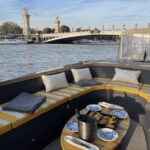
If you want a change of scenery after the Louvre, there’s an optional add-on. You can include a discounted ticket for a cruise on the River Seine, using it after your tour.
The payoff is simple: you get Paris from the water, and you’ll see major sites including the Louvre from a new angle. It’s also a nice contrast to museum viewing. After hours inside, you get daylight views, river breezes, and a calmer pace.
If you’re trying to plan efficiently, this is a good pairing. Many first-time visitors cram too much art and not enough “place.” A cruise turns the day into a story that includes the city itself—not just the museum walls.
Price and Value: Is $128 Worth It for the Louvre?
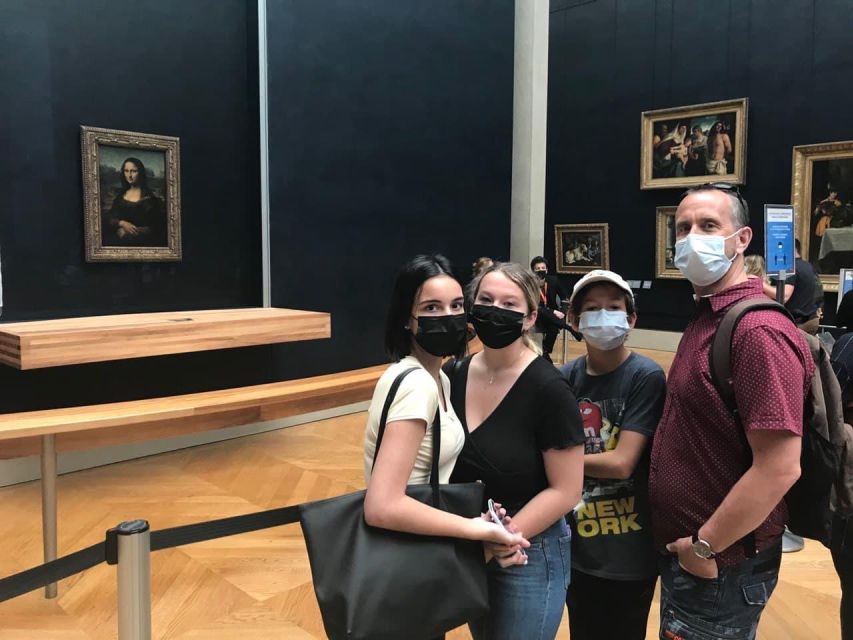
$128 per person for a 2–3 hour guided highlights tour with skip-the-line entry is not bargain pricing, but it’s also not out of line for the Louvre experience you’re buying.
Here’s how I judge the value:
- You’re paying to save time and stress. The Louvre line can swallow your whole morning. Skip-the-line access is often the difference between seeing the highlights and arriving too late to enjoy them.
- You’re paying for guidance that changes what you notice. Seeing Mona Lisa is one thing. Understanding what the guide points out is another. If you’re someone who likes stories behind art, you’ll feel the value quickly.
- You get a continued-visit tool. A map is included so you can keep exploring after the guided portion ends at the Apollo Gallery.
- Optional value boost. The Seine cruise discount can add worthwhile value if you planned to do a river cruise anyway.
If you’re the type who already knows exactly what you want and you’re comfortable building your own route under pressure, you might skip guided help and self-tour. But if you want a smoother, structured first Louvre visit—especially with limited time—this price feels like a practical trade for access and clarity.
Logistics That Matter: Timing, Water, and Walking Comfort
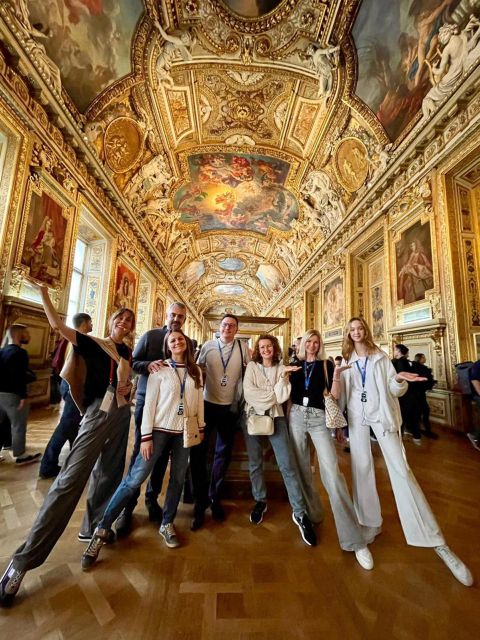
A 2–3 hour tour inside the Louvre means you’ll be on your feet. Wear comfortable shoes you can move in. Add indoor walking plus crowd flow, and your day will go better if your legs are ready.
The tour is not suitable for wheelchair users, so if mobility is an issue, look for an alternative format that matches accessibility needs.
What to bring is refreshingly simple: water.
As for group size, it’s small group available. That usually improves the experience because you can gather at stops without the whole group turning into a moving wall. Still, the Louvre is busy. You’ll want patience at the peak art areas, especially around the most famous rooms.
Should You Book This Louvre Highlights Tour?
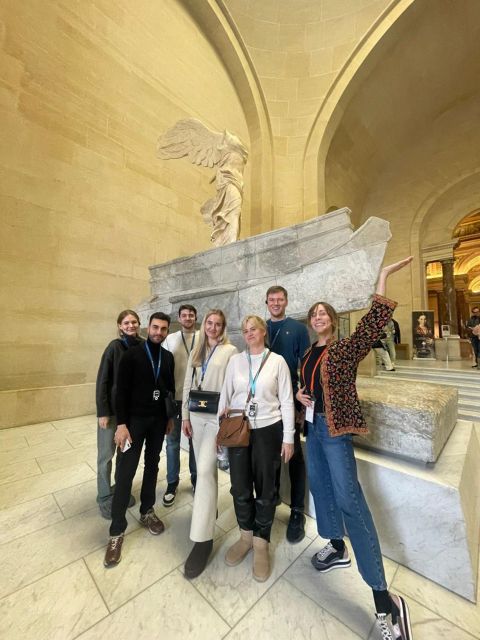
Book it if:
- This is your first Louvre visit and you want the main masterpieces with explanations that stick.
- You don’t want to gamble on your own route and you’re short on time.
- You like the idea of a structured highlights run that ends at the Apollo Gallery so you can keep going afterward.
- You’re interested in more than paintings, including Greek sculpture like the Nike of Samothrace and Venus of Milo.
- You want an easy add-on plan for a River Seine cruise with a discount.
Skip it (or change your approach) if:
- You need wheelchair-friendly access.
- You want a slow, no-rush, full-museum day. This tour is built to cover key works in a limited time.
If you fit the first group, this is a smart use of money and hours. The Louvre’s size is the real enemy, and this tour turns that problem into a plan.
FAQ
How long is the Louvre guided tour?
The duration is listed as 2 to 3 hours.
Does the tour include skip-the-line entry?
Yes. It includes skip-the-line entry through a separate entrance.
Where do we meet the guide?
Look for the guide with the yellow sign My Super Tour under the statue of Louis XIV.
Can I join even if I already have a Louvre entry ticket?
Yes. The tour says you can join even if you already have your own ticket, or opt to have entry tickets included in the tour price.
What language is the guided tour offered in?
The live tour guide languages are English and Russian.
Is there an option for a Seine cruise?
Yes. You can opt to include a discounted ticket for a River Seine cruise.
What should I bring?
The tour asks you to bring water.
Is the tour wheelchair accessible?
No, it’s listed as not suitable for wheelchair users.
What’s the cancellation policy?
You can cancel up to 24 hours in advance for a full refund.