REVIEW · PARIS
Highlights of Paris Bike Tour in English or Dutch
Book on GetYourGuide →Operated by Fat Tire Tours - Paris · Bookable on GetYourGuide
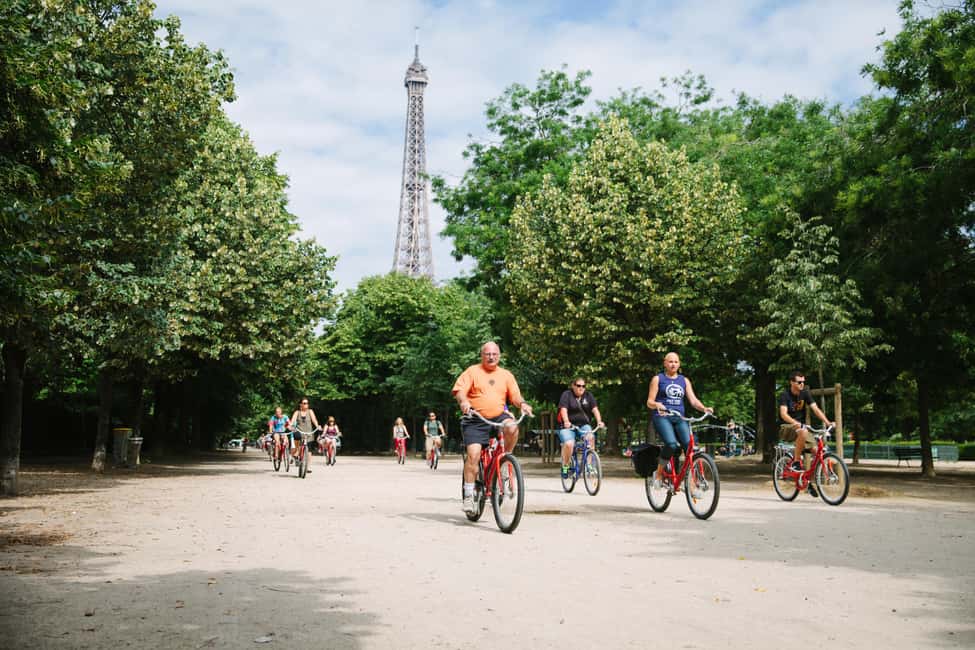
Paris clicks into focus on two wheels. This 3-hour guided loop links major landmarks into one smooth, bike-friendly ride, with a local guide who tells stories instead of giving lectures. You get the sights plus the context, all at a pace that feels relaxed.
I love how the tour strings together major “first-time in Paris” stops. Place de la Concorde and Napoléon’s Tomb land early in the route, and then you roll toward the Eiffel Tower and the Louvre Museum for photo breaks that actually feel timed.
One consideration: you need to be comfortable cycling, and the tour runs rain or shine. Also, water isn’t included, so pack smart if you’re doing this in warm weather or long daylight.
In This Review
- Key highlights that make this bike tour worth your time
- Starting at Dupleix: where the ride begins and why it matters
- Paris on two wheels: how the guide changes the experience
- Place de la Concorde: a centerpiece you see from the bike lane
- Napoléon’s Tomb: history, but delivered in motion
- The Eiffel Tower stop: iconic views plus a practical time-saver
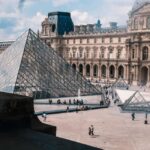
- Louvre Museum time: seeing “grand” without spending all day
- Biking comfort, helmets, and the sound system factor
- Price and value: what $51 really buys you
- What to bring (and what can mess up your day)
- Who this tour fits best
- Should you book the Paris Bike Tour with Fat Tire Tours?
- FAQ
- How long is the Paris Bike Tour?
- Where do I meet for the tour?
- What’s included in the ticket price?
- Is water included?
- What languages is the tour available in?
- Do I need to know how to ride, and does the tour run in bad weather?
Key highlights that make this bike tour worth your time
- A tight 3-hour circuit: built to hit several big landmarks without eating your whole day.
- Big Paris photo spots on a bike route: Place de la Concorde, Napoléon’s Tomb, Eiffel Tower, and the Louvre Museum.
- Small-group energy: many groups report about 8 to 10 people, which helps you hear the guide and keep questions flowing.
- Guides who keep it engaging: names like Toby, Blue, Karina, Sonia, Ellen, Justin, and Victor show up repeatedly for humor and staying involved with the group.
- Headsets help you catch everything: several reviews mention wireless sound systems so you can follow along even when traffic or the group is moving.
- Time-saving feels real near the Eiffel Tower: multiple reviews call out skipping long queues as a practical perk.
Starting at Dupleix: where the ride begins and why it matters
The tour starts at the closest Metro station: Dupleix on line 6. That’s useful, because it keeps your arrival simple. You don’t need to solve a maze of bus routes or guess where to meet from scratch.
It also sets expectations for the rhythm of the tour. You’re not “just biking around Paris” on your own. You’re joining a structured route with a guide, a bike, and a helmet, so you spend your energy seeing instead of figuring out turns.
Tip: wear shoes you can pedal in comfortably. The tour asks for comfortable footwear, and you’ll be happier from minute one.
You can also read our reviews of more cycling tours in Paris

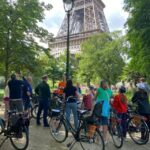
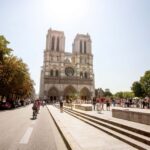
Paris on two wheels: how the guide changes the experience
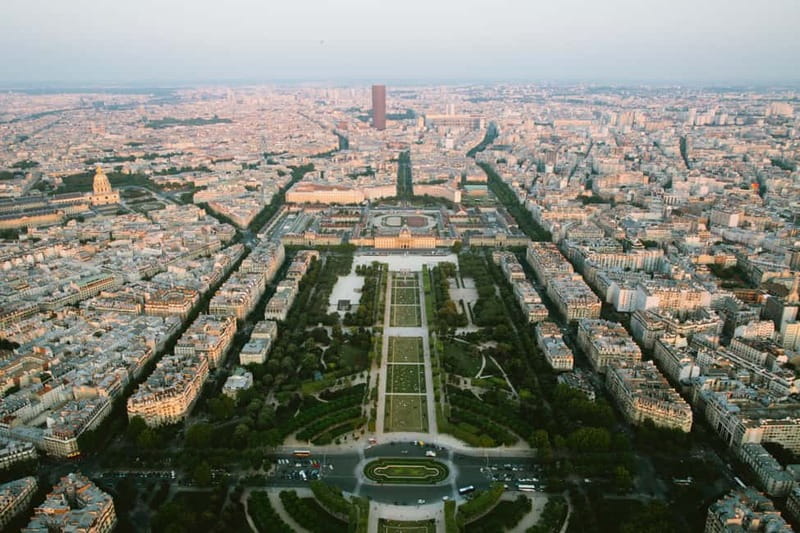
This is a guided tour, in Dutch, English, with a local guide who connects landmarks with stories. The promise is clear: less dull lecture, more famous spots plus history explained in a way that’s meant to be enjoyable.
What I like about this setup is that you get both “recognition” and “meaning.” You’ll see headline monuments, but you’re also learning why they’re important while the city is moving under you. That’s a big deal on a short tour, because Paris is too big to just wander and hope you guess the right connections.
Reviews also highlight something practical: the guides stay interactive. People mention discussions and Q&A, and several names come up for keeping the group engaged, like Toby, Blue, Karina, Sonia, and Ellen. If you’re the type who likes asking questions or wanting tips for what to do after the tour, this format fits.
Place de la Concorde: a centerpiece you see from the bike lane
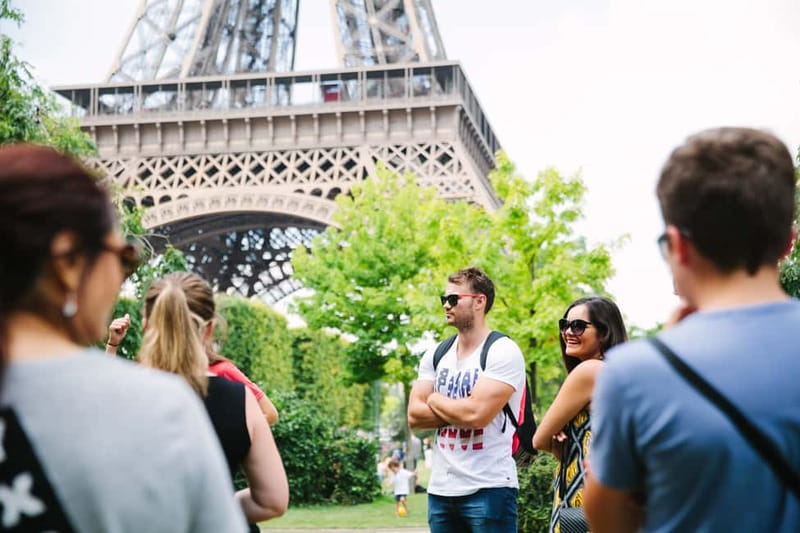
Place de la Concorde is listed as one of the tour highlights, described as a centerpiece of Parisian history. That matters because you’re not just glancing at a landmark from far away. You’re positioned to take it in as part of the route, which makes it easier to understand the shape of the area.
On a bike tour, the difference is pace. You get to see how the monument sits in its wider setting while you’re still fresh and not rushing. And because the tour is designed as a continuous circuit, you’re less likely to lose time hopping between disconnected sites.
If you’re thinking of a first-day orientation, this stop does a lot of work. It helps you start sorting Paris landmarks into mental categories: major squares, symbolic structures, and where major sites sit relative to one another.
Napoléon’s Tomb: history, but delivered in motion
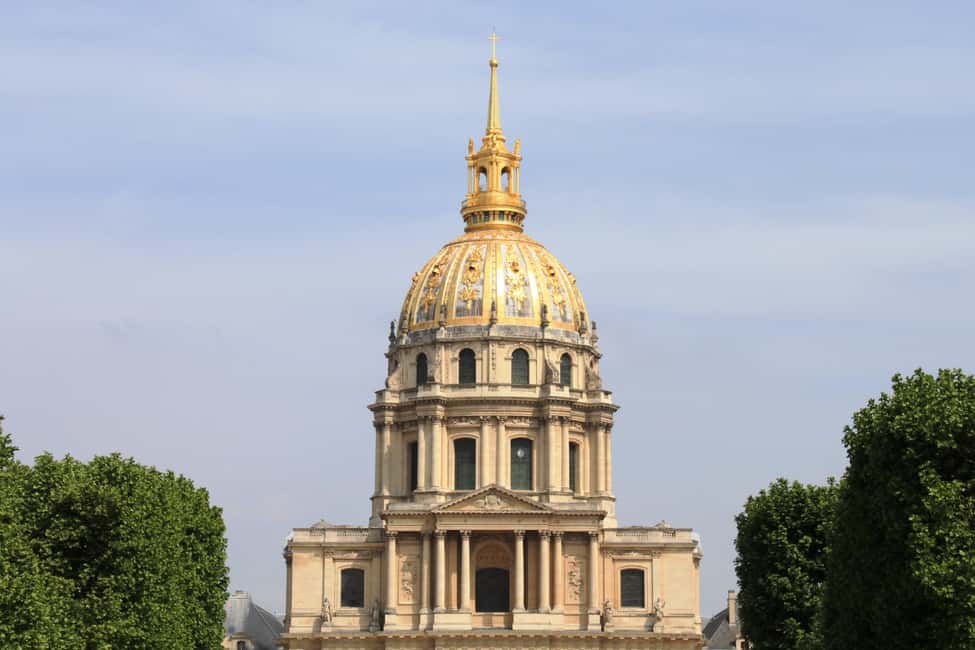
The tour also includes Napoléon’s Tomb, described as the resting place of France’s legendary leader. This is a different kind of stop than a bright “pose for photos” moment. It’s more about significance—what the place represents—while you’re still within a guided flow.
A nice part of cycling tours is that you can slow down without the stress of managing crowds on foot. You’re guided through the stop, then you roll onward. That keeps the overall experience from becoming one long standstill.
Photo reality check: you’ll have chances for pictures, but don’t expect every angle to be perfect. You’re moving in a group, and you’ll want to balance taking shots with listening to what the guide is pointing out.
The Eiffel Tower stop: iconic views plus a practical time-saver
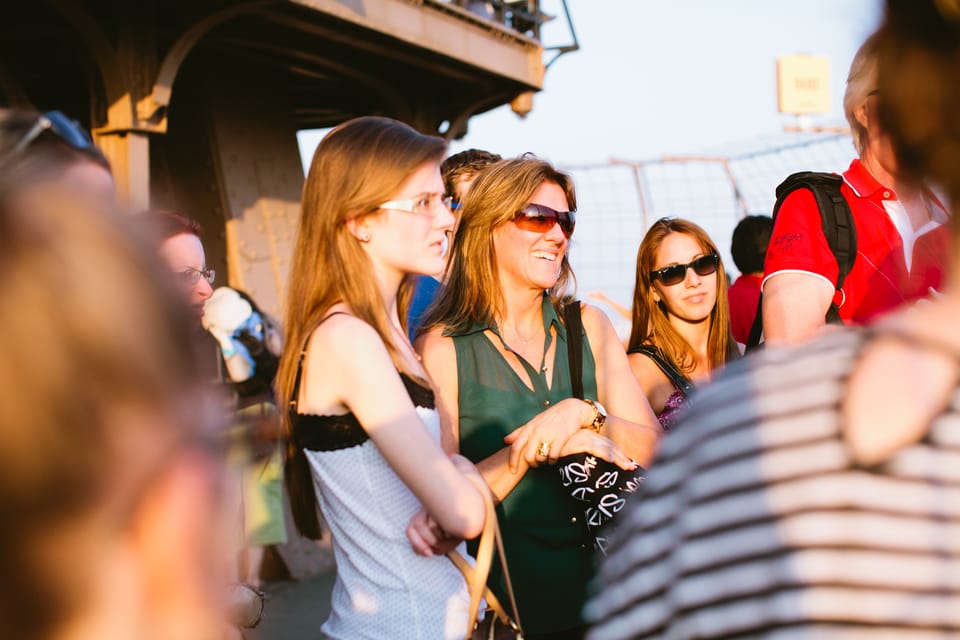
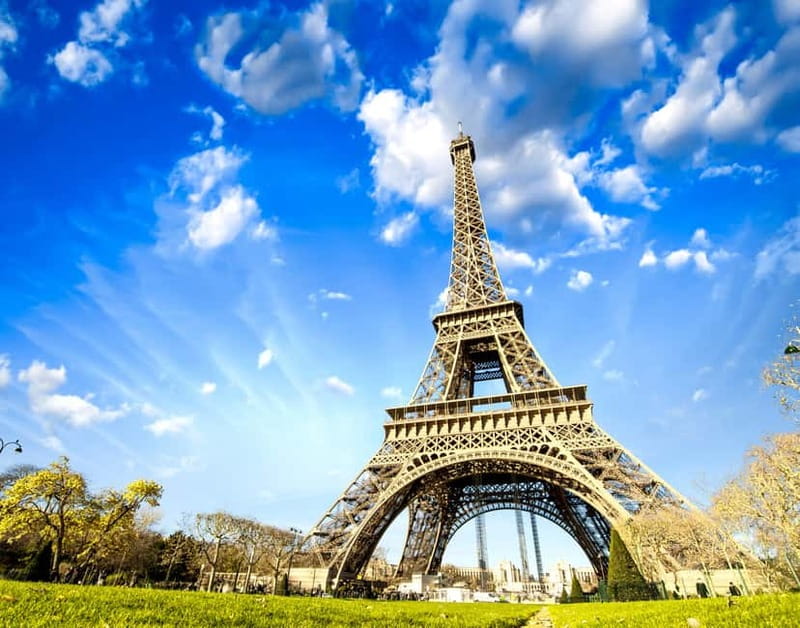
The Eiffel Tower is included as a highlight. And what people consistently emphasize is the value of timing. Several reviews call out that the tour helped them skip long lines for the tower, which can be a lifesaver in peak season or on busy days.
Even if you’ve seen the Eiffel Tower from postcards, the bike-tour approach makes it feel immediate. You’re arriving as part of a route, so you’re not scrambling to get there, and you’re not spending your whole time in a queue with no energy left for sightseeing.
One more small detail that shows up in reviews: guides keep the conversation going around the tower—facts, context, and humor. Names like Toby and Justin appear in reviews for engaging the group and keeping things upbeat, including for families and mixed-age groups. If you want your Eiffel Tower moment to come with stories, this is the right format.




Louvre Museum time: seeing “grand” without spending all day
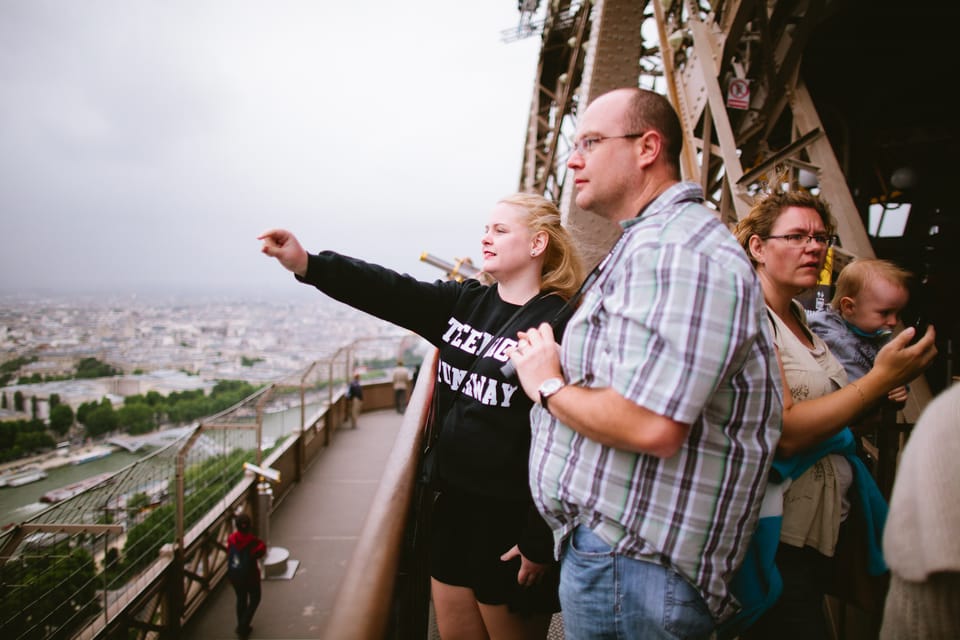
The Louvre Museum is also listed as a highlight, described with emphasis on grandeur. With only a 3-hour total duration, you’re not trying to “cover the Louvre.” Instead, you’re getting an on-the-route sense of scale and importance.
This matters because many short trips fail at one thing: they leave you at a museum with no plan. Here, you arrive with context from the guide, and you’ll likely get a clear idea of what the Louvre means in Paris before you decide where to go next (or what to skip).
Think of this as a “prime-location introduction.” You’ll leave with more than photos—you’ll have better instincts for what you want to see if you return later.
Biking comfort, helmets, and the sound system factor
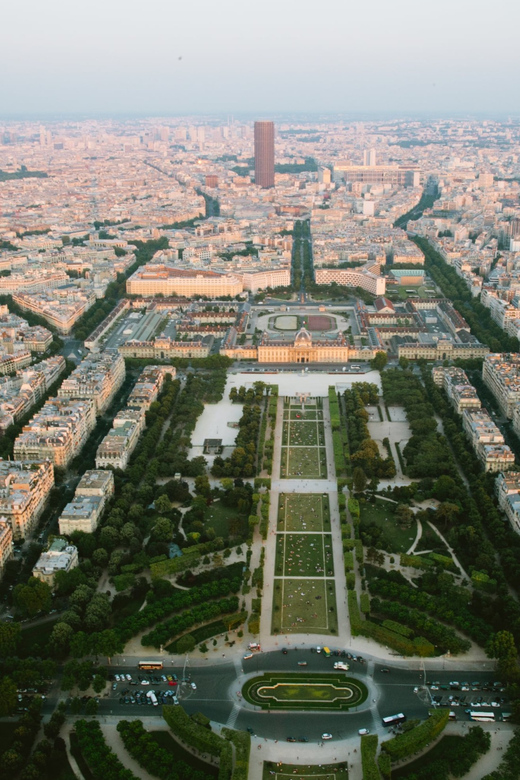
Included in the tour:
- Bike and helmet
- Dutch speaking tour guide
Comfort is a quiet part of value in a bike tour. A provided bike means you aren’t paying extra for rentals or trying to figure out how a city bike fits your body. A helmet means you’re not making a decision mid-trip.
One thing that keeps coming up in reviews: the use of headsets / wireless sound systems. When you’re riding through busy areas or when the group stretches out, being able to hear the guide clearly is what turns a “sights tour” into an actually satisfying experience.
Group size also helps. Reviews mention small groups (often around 8 people, sometimes about 10). Smaller groups tend to mean fewer missed stops and easier questions, which makes a big difference in a 3-hour format.
Price and value: what $51 really buys you
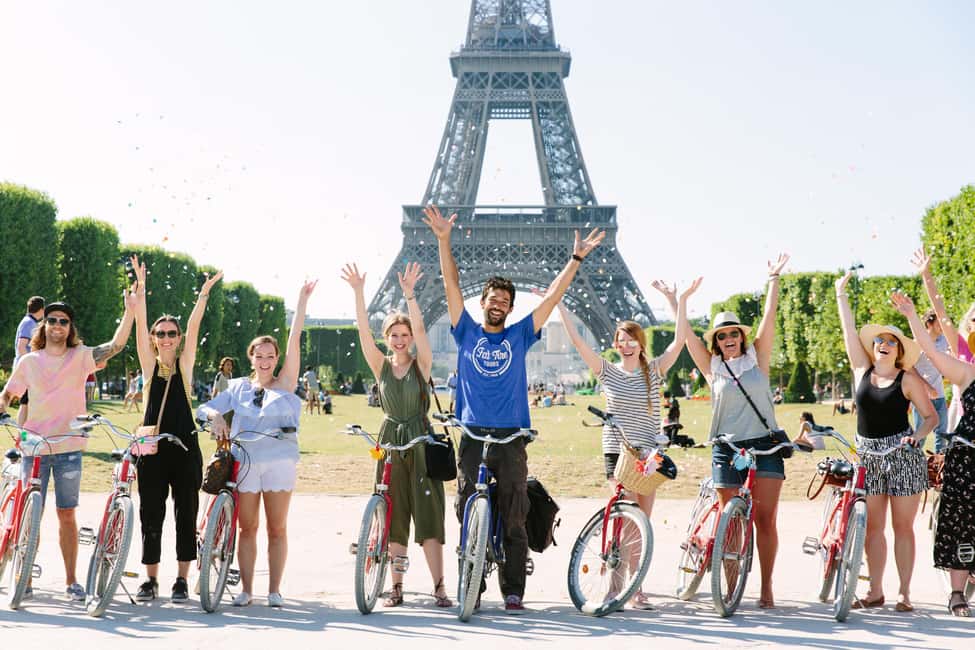
At $51 per person for a 3-hour guided bike tour, the value is in what’s packaged together. You’re paying for:
- a bike and helmet
- a guide who connects landmarks into a coherent story
- a ride that keeps moving instead of wasting time bouncing between stops
If you tried to DIY this, you’d spend time figuring out routes, finding a bike rental shop, and then negotiating safe cycling through heavy traffic areas. Even if you rented a bike independently, you’d still need navigation and context to make stops like Napoléon’s Tomb and Place de la Concorde land properly.
Is it expensive for some budgets? Yes. One review note suggests it can feel costly for a family. If you’re traveling tight on money, do the math based on what you’d otherwise pay for bike rental plus guide time.
But if your priority is “see the big stuff with context and not waste hours,” this price lands as a fair trade.
What to bring (and what can mess up your day)
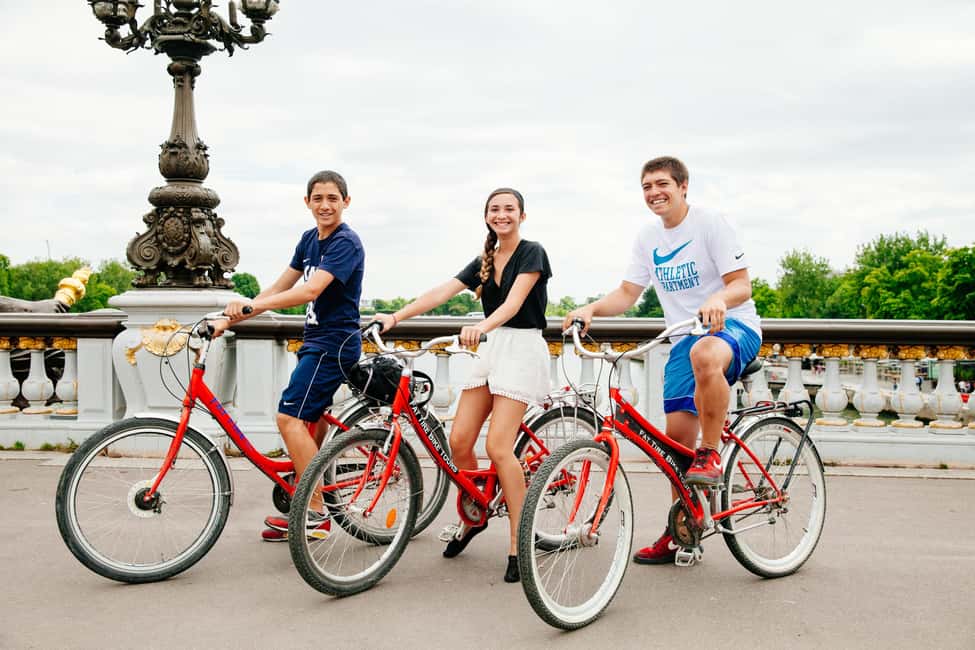
The tour gives a clear checklist. Bring:
- Passport or ID card
- Comfortable shoes
- Credit card
- Weather-appropriate clothing
Not included: water. That’s a practical detail. I’d rather you plan for it now than realize halfway through that you’re thirsty and limited to whatever you can grab near the route.
Not allowed:
- Luggage or large bags
- Weapons or sharp objects
So travel light. If you’re the type who likes a daypack, keep it small enough that you won’t be slowed down.
Also, the tour operates in rain or shine. That’s not a reason to skip, but it is a reason to dress correctly. Comfortable shoes and weather layers help you stay focused on the sites instead of your discomfort.
Who this tour fits best
This bike tour is a strong match if:
- you want a first “big landmark” overview of Paris
- you like guided stories while sightseeing
- you’re comfortable riding a bike and want an efficient use of time
It’s also a good option if you’re traveling with kids or teens who can ride. Reviews mention groups that included kids and teens, and guides who handled questions and kept things organized.
If you’re not confident on a bike, this won’t be the right pick. The rules are explicit: participants over 12 must be able to ride a bike, and under 18 must be accompanied by an adult.
Should you book the Paris Bike Tour with Fat Tire Tours?
I’d book it if you want a structured, enjoyable way to see Place de la Concorde, Napoléon’s Tomb, the Eiffel Tower, and the Louvre Museum in just 3 hours, with a guide in Dutch or English and a small-group feel. The repeated praise for engaging guides like Toby, Blue, Karina, Sonia, Ellen, Justin, and Victor is a good sign that you’re not just buying transportation—you’re buying someone’s storytelling and route knowledge.
I would hesitate only if cycling in traffic or in mixed weather stresses you out, or if the lack of included water and the no-large-bags rule could be a hassle. If those are you, pick a walking option or plan your own water and pack strategy carefully.
If you want a “quick Paris hits” day that still feels personal, this is one of the better ways to do it.
FAQ
How long is the Paris Bike Tour?
The duration is 3 hours.
Where do I meet for the tour?
The closest Metro station is Dupleix on line 6. The tour also ends back at the meeting point.
What’s included in the ticket price?
You get a bike and helmet, plus a Dutch speaking tour guide.
Is water included?
No, water is not included.
What languages is the tour available in?
The live tour guide offers Dutch or English.
Do I need to know how to ride, and does the tour run in bad weather?
Yes. All participants over 12 must be able to ride a bike, and any participant under 18 must be accompanied by an adult. The tour operates rain or shine.