REVIEW · PARIS
Moet et Chandon Veuve Clicquot Pommery Private Champagn Trip
Book on GetYourGuide →Operated by Clewel Travel · Bookable on GetYourGuide
A Champagne day in 13 hours is a lot. That’s also why this private trip feels so satisfying: you get real cellar time at two famous houses, plus the UNESCO-listed Pommery underground experience in between.
I especially like the way the day is paced—early start, long drive comfort in a Mercedes, then straight into guided tastings when you’re still fresh. Another big plus is that most of the important moments are led by the houses’ own staff (at Moët and Veuve Clicquot), not just a driver dropping you off.
One thing to consider: the schedule is packed. If you’re the kind of person who wants slow wandering and extra village time, you may feel that Pommery is a shorter stop than you’d hoped.
In This Review
- Key highlights to know before you go
- A long day, but the right kind of long (07:30 to 20:30)
- Mercedes comfort and the chauffeur vs guide reality
- Moët et Chandon in Épernay: big scale, guided tastings
- Lunch in Épernay: use the 90 minutes wisely
- Hautvillers and Saint-Pierre d’Hautvillers: short stop, strong context
- Pommery UNESCO cellars with audio guide: quick, atmospheric, and structured
- Veuve Clicquot in Reims: guided by staff, with options for what you taste
- Reims Cathedral: a calm finale after the tastings
- So, is it good value? Here’s the honest math
- Things to know so the day goes smoothly
- Should you book the Moët & Clicquot + Pommery day trip?
- FAQ
- What time does the Champagne trip pick up in Paris?
- How long is the tour and when do we return?
- What transport do I get for a private group?
- Is there an English guide during the whole trip?
- What do I taste at Moët et Chandon?
- What do I taste at Veuve Clicquot?
- Do we stop for lunch, and is it included?
- Are there any restrictions on what I can bring?
Key highlights to know before you go
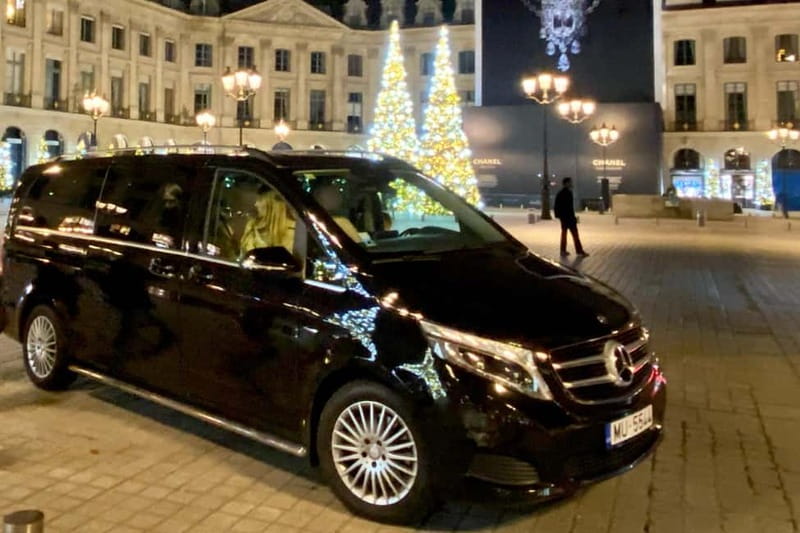
- Mercedes pickup and drop-off from Paris at 07:30, tailored by group size (E220 or minivan)
- Guided Moët et Chandon visit with tastings (choose L’Impérial or Signature)
- Hautvillers + Saint-Pierre d’Hautvillers viewpoint for quick, scenic Champagne-area context
- Pommery audio-guided UNESCO cellars with 1 Champagne glass (45 minutes)
- Veuve Clicquot cellars with staff guidance and optional Carte Jaune vs Rosé Assemblage tasting
A long day, but the right kind of long (07:30 to 20:30)
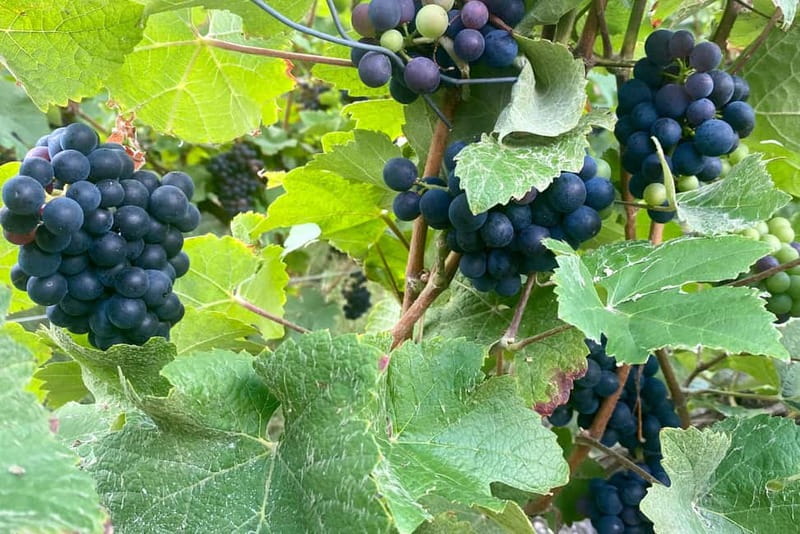
This is a full-day private format with a very clear rhythm: drive early from Paris, hit Champagne country with guided tastings, then wrap with Reims Cathedral before returning to the city late evening.
The timing matters. You depart at 07:30 and expect roughly 2 hours of highway driving (about 140 km) with a rest-area stop along the way. That means you’re not wasting half the day stuck in traffic or waiting around for late openings. Then you’re quickly in Épernay for the first major house visit.
The day is about 13 hours total, with pick-up and drop-off at the Paris address you provide. You’ll likely be done back in the city around 20:30. If you’re trying to do Champagne houses on a tight schedule, this is one of the more efficient ways to stack them.
You can also read our reviews of more private tours in Paris



Mercedes comfort and the chauffeur vs guide reality
You’ll ride in a Mercedes E220 for smaller groups (about 2–3 people) or a Mercedes minivan for larger private groups (about 3–7 people). That’s not a luxury add-on for show; it’s practical for a long day that includes drive time, cellar tours, and lots of stepping in and out of vehicles.
One important note: your driver is responsible for getting you on time and managing entry logistics, but the chauffeur is not automatically your live guide. Live English guiding for the whole day is available for a surcharge if you book it in advance. What this means in real life: you’ll still get guided cellar visits at Moët and Veuve Clicquot, but you may not have someone narrating every roadside detail during the car segments.
If you love hearing commentary while you drive, ask upfront whether you’re getting the full-time guide option. If you mainly want guided tastings inside the houses, you’re already covered.
Moët et Chandon in Épernay: big scale, guided tastings
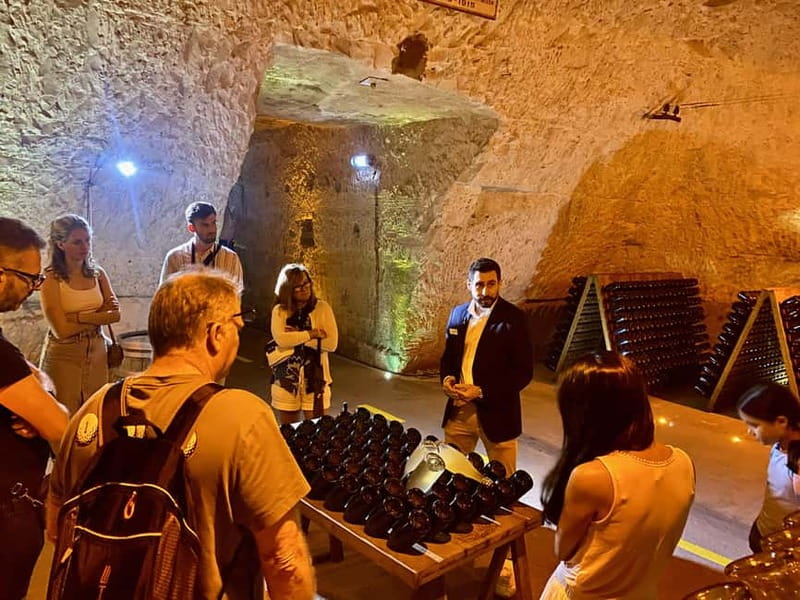
Your first Champagne house stop is in Épernay, and the visit runs about 1.5 hours. Moët et Chandon is the world’s biggest Champagne producer, and the scale shows in how polished the experience feels. You’ll also learn some of the house logic behind that volume—why certain styles and offerings are produced the way they are.
You’ll choose one of two Moët options:
- Experience L’Impérial (up to 19 people): cellars visit plus tasting of two glasses: Moët Impérial and Rosé Impérial
- Experience Signature (most popular, up to 15 people): cellars visit plus tasting of two glasses: Moët Impérial and Moët Vintage
Either way, you’re not just walking through. This is a guided cellar visit with tastings led by house staff, so you get the kind of hands-on explanation that helps you taste smarter. You’ll also leave with a clear idea of how the house thinks about style—especially useful because Champagne gets confusing fast once you start tasting multiple houses in one day.
Practical tip: After your first two glasses, take a moment to slow down. Write in your head what you liked—fruit, dryness, texture, how the bubbles behave. That memory helps during later tastings.
Lunch in Épernay: use the 90 minutes wisely
You’ll have time from about 12:00 to 13:30 for lunch in Épernay. Meals aren’t included, so you’ll choose on your own. Since you’ll be back outside walking shortly after, I’d keep lunch simple and quick—aim for something that won’t slow you down in the afternoon.
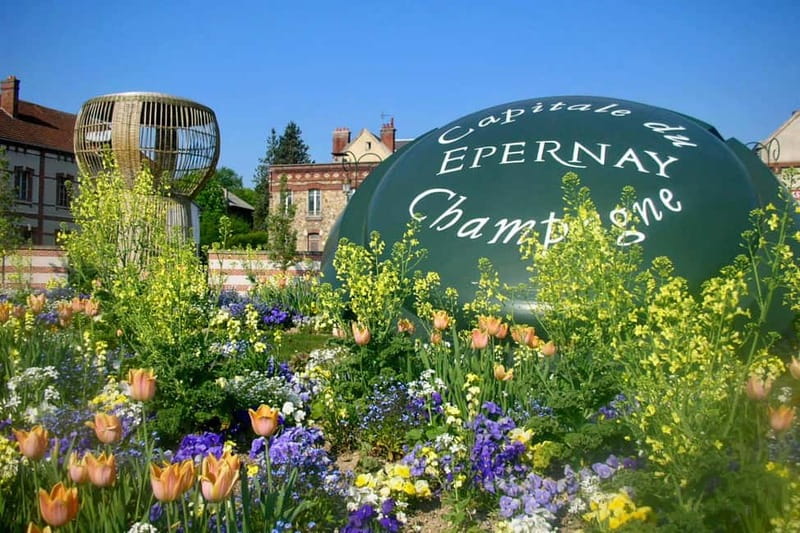
Épernay is a Champagne capital for a reason. The town is built around the big houses, and getting a bit of time here helps the rest of the day feel less like a checklist and more like a place.
Hautvillers and Saint-Pierre d’Hautvillers: short stop, strong context
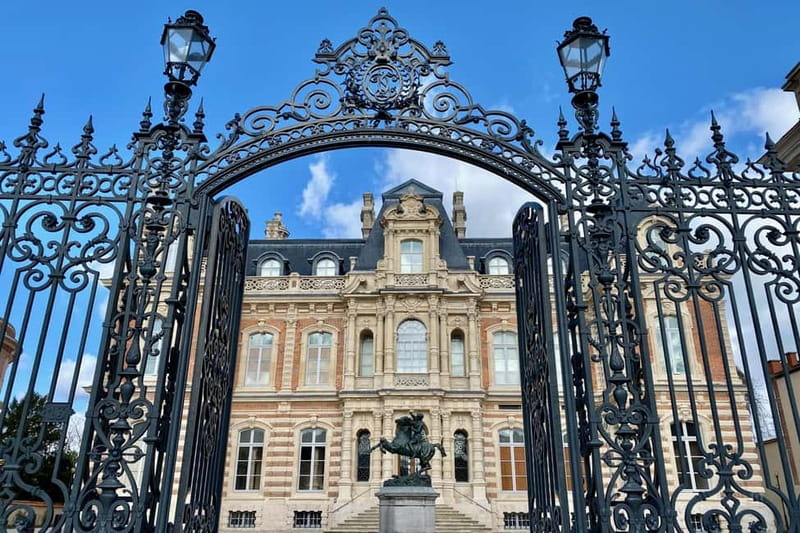
After Épernay, you head to Hautvillers, just about 10 minutes away (around 6 km). The schedule gives you a focused block: the church visit and viewpoint.
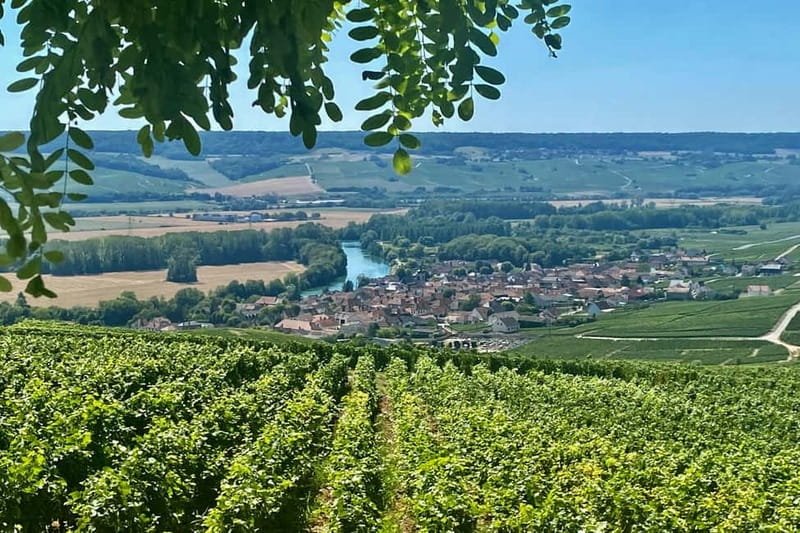
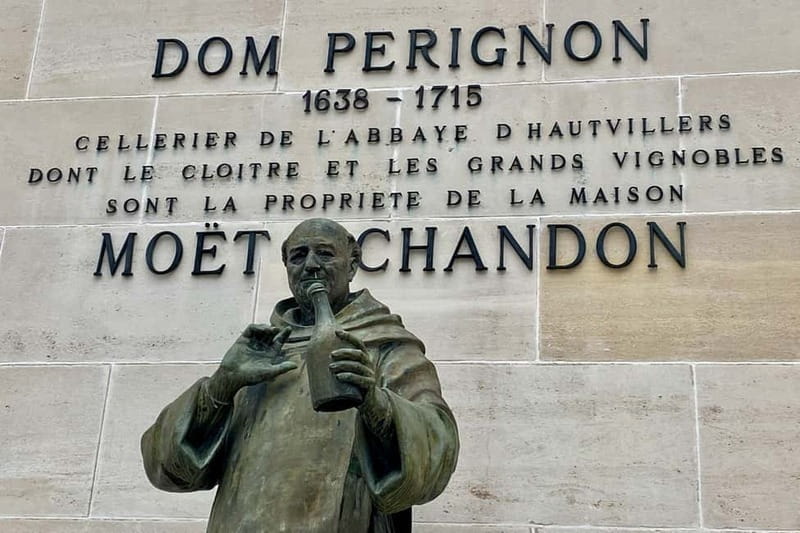
You’ll visit the Abbey Church of Saint-Sindulphe at Saint-Pierre d’Hautvillers, described as a former Benedictine monastery. It’s also tied to Dom Pérignon’s role in developing wine-making methods in the region. You’ll also have a viewpoint stop with panoramic views over the vineyards and the Marne river area.
This isn’t the longest stop on the day, but it works because it connects the tasting rooms back to the people and land behind them. If you’ve ever wondered why Champagne feels different from other wine regions, moments like this are where it clicks.
If the weather is mild, spend those minutes looking slowly. It’s the kind of viewpoint that turns cellars into something you can picture.


Pommery UNESCO cellars with audio guide: quick, atmospheric, and structured
Next comes Reims and the Pommery house. The Pommery experience is audio-guided and specifically highlights the UNESCO-listed cellars, with about 45 minutes on site and 1 glass of Champagne.
Audio guides can be a hit or miss depending on how you like to travel. On a day like this—where you’re already tasting and listening—audio guidance tends to feel efficient and calming. You control your pace: pause when you want, speed up when you don’t.
That said, this is also the stop that may disappoint if you expected it to be a big second tasting block. In one case, the day felt slightly unbalanced, with someone wishing there was more time at Moët or in Hautvillers instead. My practical takeaway: treat Pommery as the architectural and underground experience stop, not the extra tasting stop.
If you love the romance of cellars and you enjoy learning at your own pace, Pommery is a great counterpoint. If your number-one priority is maximizing the number of glasses and house guidance, you may want to spend your attention differently during that window.
Veuve Clicquot in Reims: guided by staff, with options for what you taste
Then you switch gears for Veuve Clicquot, which is about 5 minutes away (roughly 850 m). The visit runs from about 15:30 to 17:00 and is guided by Veuve Clicquot staff.
Veuve Clicquot has roots in 1772, and it produces more than 22 million bottles per year today. That mix of tradition and scale shows up in how the tour is explained: you get practical insight into the production method and the house’s history, but it stays anchored in what makes Champagne Champagne.
You’ll taste based on your selected option:
- BASIC: Carte Jaune
- guided cellars tour
- tasting of 1 glass: Brut Carte Jaune
- MOST POPULAR: Rosé Assamblage
- guided cellars tour
- tasting of 2 glasses: Rosé and Brut Yellow Label
- with cheese and charcuterie included as part of the experience
This is where I’d aim to lean in with your questions, especially if you opted out of a full-time guide. The staff-led format is your best chance for real explanation. Ask about what makes each label different, and how the house approaches style.
Also, don’t rush the end of the tour. The last taste hits best when you take a breath, because your brain will be tired by then. That’s not a criticism of you—it’s just the physics of a long day.
Reims Cathedral: a calm finale after the tastings
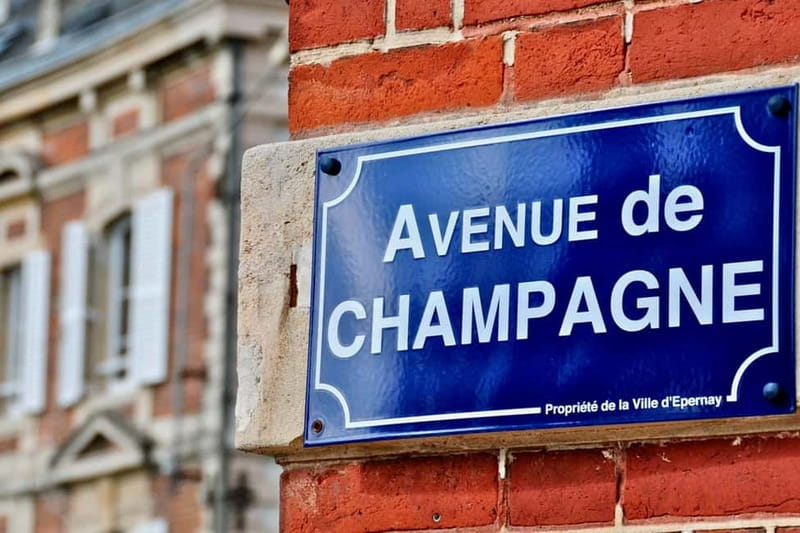
After Veuve Clicquot, you go to Reims Cathedral of Notre Dame. It’s a short transfer (about 5 minutes, around 2 km), and then you get about 30 minutes for a self-guided visit.
This is the stop that resets your pace. You’re no longer in underground coolness or comparing bubbles—you’re back in daylight. It’s also tied to the practical fact that many French kings were crowned here, which makes the stop feel more grounded than just another beautiful building.
Because it’s self-guided, come with a simple goal. Pick one feature to notice, one detail to read, and one view angle to capture. You’ll get more out of your half hour that way.
So, is it good value? Here’s the honest math
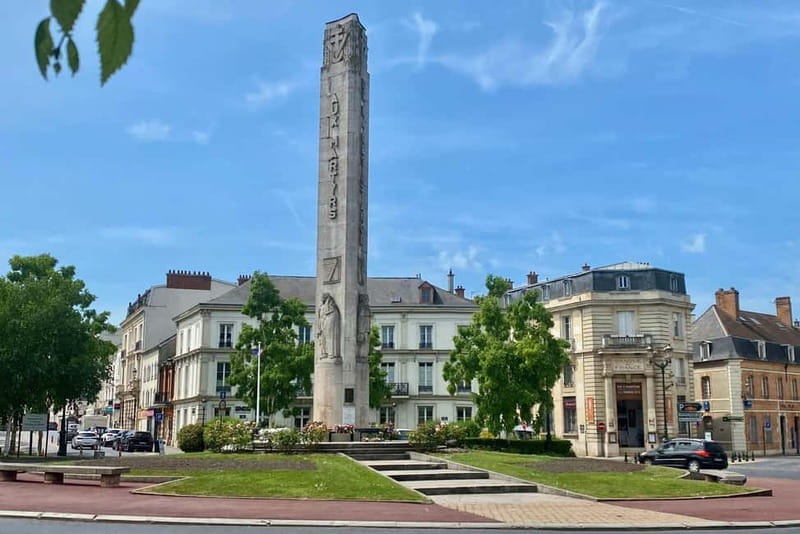
This trip packs in a lot: two major guided house visits with tastings (Moët and Veuve Clicquot), a UNESCO cellars audio visit at Pommery with a glass, plus Hautvillers, plus Reims Cathedral. Transportation from Paris is included, and you skip the ticket line.
That matters for value because the expensive part of Champagne visits is often not the ticket—it’s time. This schedule protects your time by structuring the day around guided blocks and minimizing wandering.
What’s not included is meals and other drinks. You do have lunch time, but you’ll pay for it yourself, so budget for that. Also note the tasting amounts vary by option, especially at Veuve Clicquot (1 glass vs 2 glasses with food).
Who gets the best value?
- People who want high impact in one day
- Couples and small groups who prefer private Mercedes comfort
- Anyone who wants both big-house guidance and a UNESCO cellar contrast
Who should rethink it?
- Folks who want slow travel and lots of village wandering
- People who mainly want the most glasses and the longest tastings
Things to know so the day goes smoothly
A few practical rules that help the experience feel easy:
- You’ll have bottled water available.
- Food in the vehicle isn’t allowed.
- You can’t bring alcohol and drugs—pretty standard, but it matters if you’re thinking of bringing a bottle for fun.
- The tour language is English, but guidance timing depends on whether you chose the live guide add-on. The cellar tours at Moët and Veuve Clicquot are guided by house staff.
Finally, plan your expectations around the schedule. This is not a three-day Champagne slow tour. It’s a well-run, time-efficient day that prioritizes guided cellars and iconic stops.
Should you book the Moët & Clicquot + Pommery day trip?
I think this is a strong booking if you’re doing Champagne from Paris for the first time and you want maximum learning with minimal hassle. The combination of staff-guided tastings at Moët and Veuve Clicquot, plus a UNESCO cellar experience at Pommery, gives you a well-rounded sense of how Champagne houses operate—production, presentation, and place.
I’d hesitate only if you already know you want extra time at one house or you don’t enjoy audio-guided experiences. In that case, you might be happier choosing a less packed itinerary or one that swaps out Pommery for more time elsewhere.
If you’re ready for a full, structured day and you like tasting with guidance, this one makes sense.
FAQ
What time does the Champagne trip pick up in Paris?
Pickup is at your hotel entrance door or Airbnb address at 07:30 in Paris (75001).
How long is the tour and when do we return?
The total duration is about 13 hours, and you typically return to Paris around 20:30.
What transport do I get for a private group?
You travel in a Mercedes E220 for about 2–3 people or a Mercedes minivan for about 3–7 people, with a private driver.
Is there an English guide during the whole trip?
Your driver is responsible for timing and logistics and is described as English. The houses provide guided cellar visits at Moët and Veuve Clicquot. A live guide for the whole day is available for a surcharge if booked in advance.
What do I taste at Moët et Chandon?
Depending on your option, you’ll taste two glasses during the guided cellars visit: either Moët Impérial and Rosé Impérial (L’Impérial) or Moët Impérial and Moët Vintage (Signature).
What do I taste at Veuve Clicquot?
With Carte Jaune you’ll have 1 glass of Brut Carte Jaune. With Rosé Assamblage you’ll have 2 glasses (Rosé and Brut Yellow Label) and it includes cheese and charcuterie as part of the experience.
Do we stop for lunch, and is it included?
You get lunch time in Épernay (about 12:00 to 13:30), but meals are not included, so you’ll pay for lunch yourself.
Are there any restrictions on what I can bring?
Food in the vehicle isn’t allowed, and you can’t bring alcohol or drugs. The experience includes bottled water.