REVIEW · PARIS
Paris: Eiffel Tower Guided Tour|Summit & second floor access
Book on GetYourGuide →Operated by Milano Art Discovery · Bookable on GetYourGuide
The Eiffel Tower hits different with a guide. This tour pairs second-floor access with smart storytelling about Gustave Eiffel’s work, then—if you choose the summit option—pushes the views to the very top. Raphael and Pepe are highlighted for clear English, a steady hand through security, and stories that make the tower feel human.
In This Review
- What I Like Most: Views You Can Point To
- One Trade-Off: Lines Still Exist
- Key Highlights You Should Know
- Paris’s Eiffel Tower, Explained at the Right Height
- Starting at the Base: Gustave Eiffel’s Vision Gets Real
- Security and Elevator Queues: The Part You Can’t Ignore
- Up to the Second Floor: Panoramas That Point Back at You
- First Floor Stops: Exhibits, Shops, and the Tower’s Daily Life
- Optional Summit Access: Highest Views and Eiffel’s Office
- The Storytelling Style: Why Raphael and Pepe Get Mentioned
- Views + Free Time: Use It for Photos, Not Panic
- Who This Eiffel Tower Tour Works For (and Who It Doesn’t)
- Price and Value: When $50 Makes Sense
- Should You Book This Eiffel Tower Summit & Second Floor Tour?
- FAQ
- How long is the Eiffel Tower guided tour?
- Is the tour offered in English?
- Does this experience include summit access?
- What can I see from the second floor?
- What should I bring?
- What items are not allowed?
- Who is this tour not suitable for?
- Can I cancel or pay later?
What I Like Most: Views You Can Point To
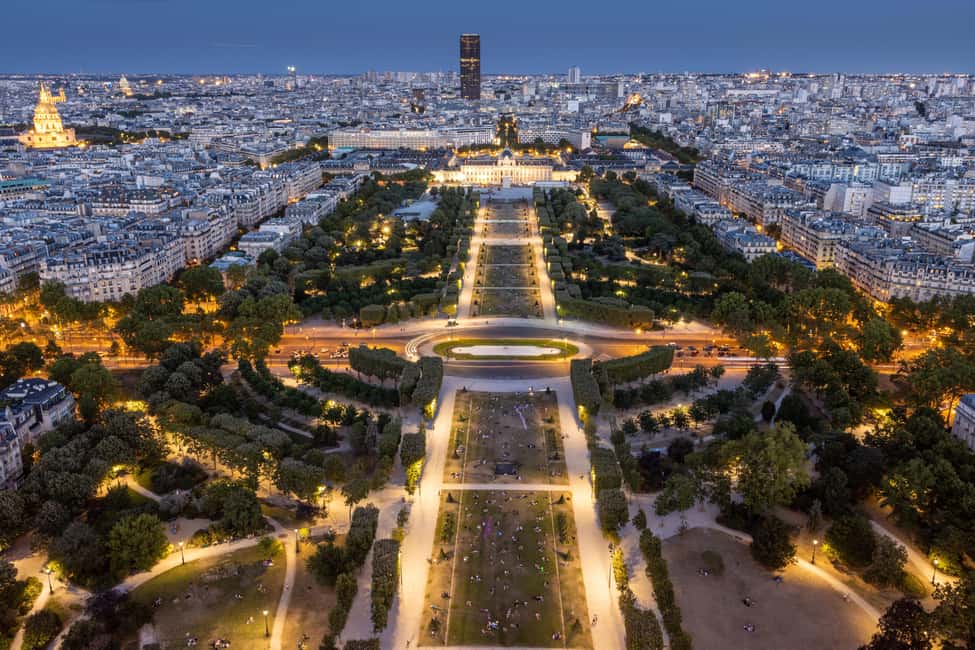
I love that you get specific landmarks in your sightline from the second floor, including the Seine, Notre-Dame Cathedral, and the Louvre—so it’s not just pretty air, it’s real orientation. I also like the way the guide adds context on construction, world wars, and the tower’s place in modern Paris, which turns photos into something you can actually explain later.
One Trade-Off: Lines Still Exist
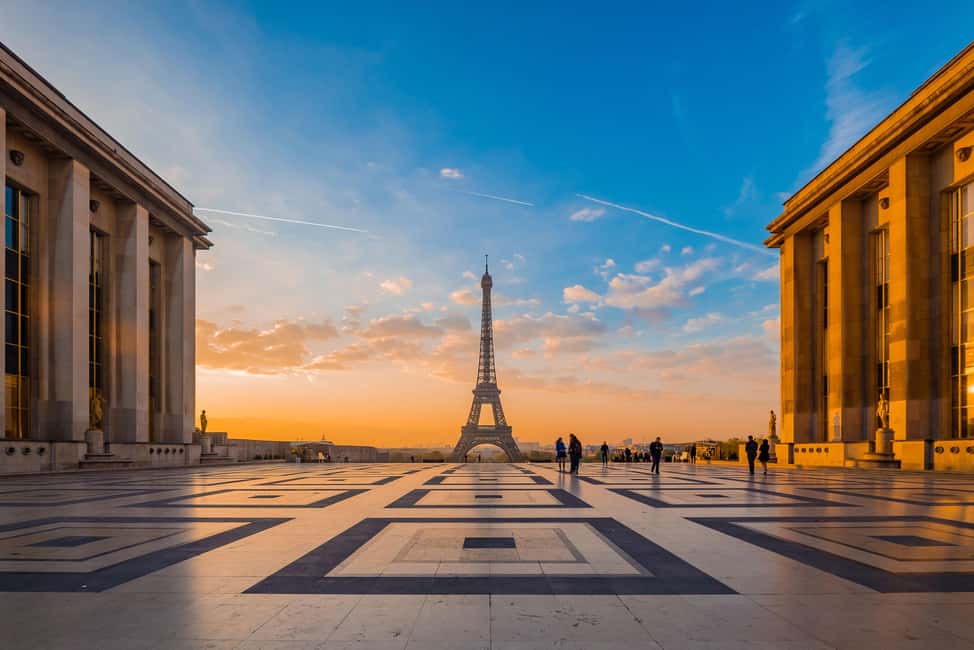
Your time depends on security checks and elevator queues, which can’t be skipped, so plan to arrive on time and don’t treat this like a last-minute add-on.
You can also read our reviews of more guided tours in Paris

Key Highlights You Should Know
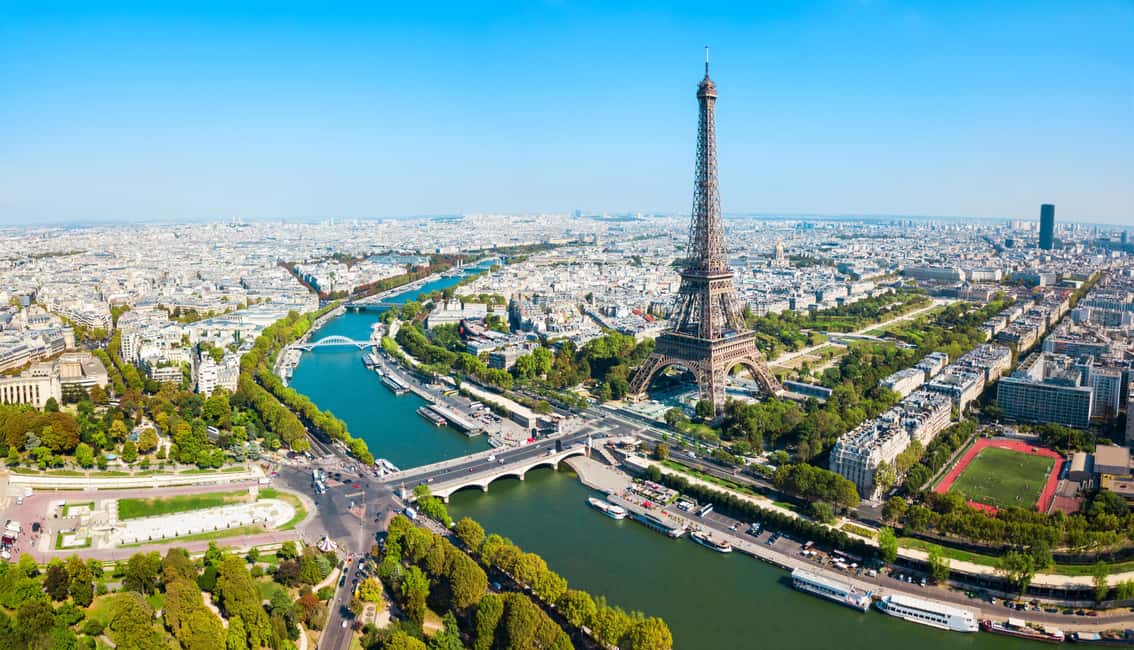
- Second-floor observation decks with panoramic views you can map to major sights like the Seine, Notre-Dame, and the Louvre
- Optional summit access for the highest public views, with sightlines that can reach up to 70 km on clear days
- Gustave Eiffel’s restored office at the summit, including wax figures and period furniture
- Story-led stops about the tower’s construction, world war roles, and how it’s used in contemporary Paris
- Photo-ready free time at the end, so you’re not rushed the moment you step outside the guided portion
Paris’s Eiffel Tower, Explained at the Right Height
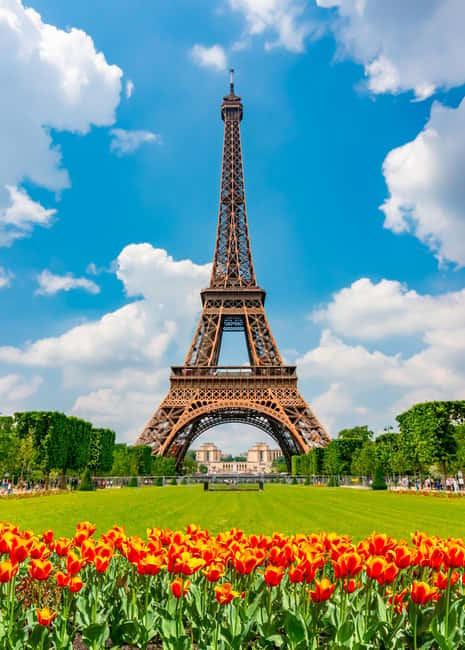
The Eiffel Tower is easy to understand from far away: it’s tall, it’s iconic, and it dominates the skyline. The harder part is figuring out what you’re actually looking at and why this metal structure became a symbol of Paris instead of a temporary oddity. That’s where this guided format helps.
With a duration of about 1.5 hours, you’re not stuck in a long, drawn-out tour. You get the key levels that matter—first floor introduction, second-floor decks, and optionally the summit—plus a guide who turns the tower into a story you can follow. In practice, it’s a fast route to big views and clear context.
And if you’re wondering about the vibe: you’ll spend a good chunk of the tour standing and walking. It’s not a sit-down museum experience, so wear comfortable shoes and expect to move at an efficient pace.
Starting at the Base: Gustave Eiffel’s Vision Gets Real
At the start, you meet your group at a meeting point that can vary depending on the option you booked. From there, the tour begins at ground level with an introduction at the base of the Eiffel Tower.
This part matters more than it sounds. The tower can look like a finished product from postcards, but the guide uses this first stop to explain why it was built and how it was built. The goal isn’t just history for history’s sake. It helps you read the structure when you’re later looking up at the beams and arches.
You also get the framing moment: Gustave Eiffel’s vision and the tower’s big public unveiling at the 1889 World’s Fair. That sets up the next stages, especially the second-floor observation decks, because you start to see the tower as a machine for viewing and measuring, not just a monument.
Security and Elevator Queues: The Part You Can’t Ignore
Here’s the practical truth: security checks are mandatory for everyone, and elevator queues can’t be skipped. The tour guide will accompany you through the entry process, which helps with timing and keeping the group moving, but you still need to respect how the system works.
So if you want a smooth experience:
- Arrive at the meeting point on time (late arrivals can’t be rescheduled or refunded).
- Treat this like a timed visit, not like sightseeing you can wander into whenever you feel like it.
This is also one reason the tour stays around 90 minutes. It’s built around what’s predictable: security, elevators, the key viewpoints, and then time for a little breathing room afterward.




Up to the Second Floor: Panoramas That Point Back at You
The second act is the elevator ride to the second floor, and this is where most people find their first jaw-drop moment. On the second-floor observation decks, the tower becomes your viewing platform for Paris.
The guide helps by turning the view into something you can identify. You’ll get panoramic sights that include:
- The Seine River
- Notre-Dame Cathedral
- The Louvre Museum
That list is useful because it’s exactly the kind of map in your head that helps travel photos stop being random. When you know where you’re looking, you remember the city later.
While you’re up there, the guide shares in-depth stories that are usually the difference between a basic ticket and a real tour:
- the tower’s role in both world wars
- its cultural significance
- how it fits into contemporary Parisian life
The second floor is also where you’ll likely get the most Q&A time. The format includes a question-and-answer portion, so if you’re the type who asks why something was done a certain way, this is a good place to do it.
First Floor Stops: Exhibits, Shops, and the Tower’s Daily Life
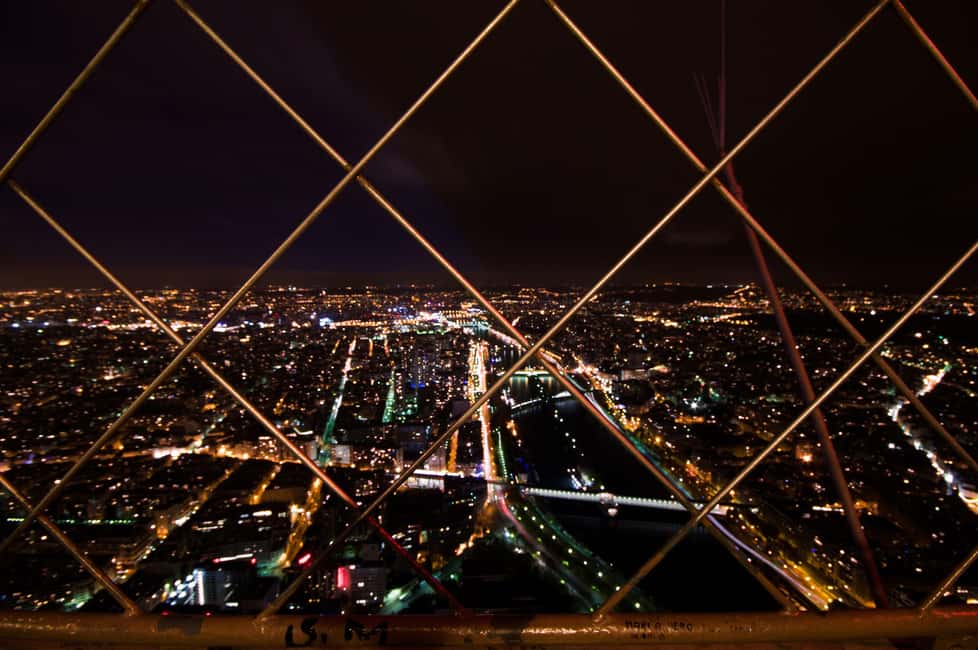
Even though the second floor and summit steal the show, the first floor has its own value in this tour flow. You’re not just passing through. The tour includes first-floor views, exhibits, and time to see the shops and restaurants.
I like the first floor for a simple reason: it gives you a sense of the tower as a working public space. It’s not only a backdrop. It’s an attraction with exhibits, retail, and places to grab a drink or snack while you’re up inside the structure.
This also helps if you’re the type who likes options. The guided portion can feel focused, but the first floor is where you can start setting your own pace.
Optional Summit Access: Highest Views and Eiffel’s Office
If you select the summit option, you get a step up that changes the whole experience. The tour includes access to the summit, where the viewing platform is the highest public point.
The practical payoff: on clear days, visibility can extend up to 70 kilometers away. That doesn’t just sound impressive—it makes Paris feel like a whole map. From that height, your brain stops thinking in streets and starts thinking in geography.
At the summit, you also visit Gustave Eiffel’s restored office. This is a specific exhibit element that many people miss with a rushed visit. Here, you’ll see period details, including wax figures and period furniture, tied to the man behind the design.
In terms of what to expect emotionally: if you’re not great with heights, the summit can be tough. The tour notes that it isn’t suitable for people afraid of heights, and that walking and standing are involved. The summit is a payoff, but it’s also where your comfort level matters most.
The Storytelling Style: Why Raphael and Pepe Get Mentioned
One of the strongest signals from the guide feedback is how often certain guide qualities come up: clear English, a calm group-handling approach, and a sense of humor that keeps things light without turning the tour into fluff.
Raphael is repeatedly praised for strong English and for making people feel safe while answering questions. Pepe also gets credit for being entertaining and very knowledgeable about the Eiffel Tower. (Names can vary by time slot, but the consistent theme is a guide who keeps the group comfortable and engaged.)
The tour’s content includes a few specific themes that help you understand why the guides stand out:
- Color and maintenance: you hear about how the tower is cared for and why it has its signature look
- Illumination: the guide explains how the tower lights up and the nighttime “sparkle” effect
- Construction and cultural role: the stories tie engineering to identity, not just dates and facts
So you end up with something more useful than trivia. You leave with a mental framework. Next time you see the Eiffel Tower on a map—or from a different neighborhood—you’ll know what you’re actually looking at.
Views + Free Time: Use It for Photos, Not Panic
After the guided portion, the tour ends with free time to explore. This is a smart feature because the best photos don’t always happen the exact minute you arrive. You’ll have time to:
- take photos
- visit souvenir shops
- stop for a beverage at a tower restaurant or café
My advice: don’t treat the free time as extra sightseeing you must cram into. Use it to reset. If you’re coming up from security and elevators, your energy might be lower than you think. A little breathing room helps you enjoy the tower instead of just checking boxes.
Who This Eiffel Tower Tour Works For (and Who It Doesn’t)
This experience is best if you want:
- big views with minimal time wasted
- a guide-led explanation so you can identify what you’re seeing
- a fast, structured tour that still allows some free exploration
It’s likely a great fit for:
- first-time visitors to Paris
- couples and small groups who want the Eiffel Tower to feel like a “real experience,” not just a selfie stop
- travelers who like history connected to architecture and city life
It may not be right for you if:
- you’re traveling with children under 4 (not allowed for safety/access at the summit)
- you have mobility impairments (walking/standing for extended periods; not suitable)
- you have heart problems (not suitable)
- you’re afraid of heights (not suitable)
- you need to carry luggage or large bags (not allowed)
Also note the “small but important” restrictions: no pets, no baby strollers, and no alcohol or drugs. Assistance dogs are allowed, though.
Price and Value: When $50 Makes Sense
The price listed is $50 per person, and the value depends a lot on which option you chose.
If you’re booking second-floor access, you’re paying for:
- guided storytelling and Q&A
- elevator access up to the second floor
- panoramic observation decks with views that are connected to major landmarks
If you add summit access, the value improves because the summit is the most dramatic viewing upgrade the tower offers, plus the added exhibit element of Eiffel’s restored office.
One more practical value point: a guide helps you handle the entry process without guessing what comes next. Even though you can’t skip security and elevator queues, you’re less likely to lose time or drift off your schedule.
For most people, the best value comes when you treat it like a serious visit. Arrive on time, keep expectations realistic about queues, and plan to use the free time for photos and a reset.
Should You Book This Eiffel Tower Summit & Second Floor Tour?
Book this tour if you want the Eiffel Tower experience to feel organized and meaningful, with major views from the second floor and a strong shot at the summit if you select it. The guides—especially Raphael and Pepe in the feedback—are a major reason people recommend it, with repeated praise for English clarity, humor, safety, and helpful answers.
Skip it if any of these are deal-breakers for you: fear of heights, mobility concerns, heart problems, or traveling with a very young child (under 4).
If you’re ready for one of Paris’s most famous landmarks and you’d rather understand it than just photograph it, this is a solid choice.
FAQ
How long is the Eiffel Tower guided tour?
The tour duration is about 1.5 hours.
Is the tour offered in English?
Yes. The tour has a live guide in English.
Does this experience include summit access?
Summit access is included only if you selected the summit option. Otherwise, you’ll have second-floor access.
What can I see from the second floor?
From the second-floor observation decks, you’ll have panoramic views of Paris, including the Seine River, Notre-Dame Cathedral, and the Louvre Museum.
What should I bring?
Bring a passport or ID card, wear comfortable shoes, and consider bringing a camera.
What items are not allowed?
Pets are not allowed (assistance dogs are allowed). The tour also does not allow weapons or sharp objects, baby strollers, smoking, luggage or large bags, and alcohol or drugs.
Who is this tour not suitable for?
It’s not suitable for children under 4. It also isn’t recommended for people with mobility impairments, heart problems, or anyone afraid of heights.
Can I cancel or pay later?
You can cancel up to 24 hours in advance for a full refund. You can also reserve now and pay later, meaning you book your spot and pay nothing today.