REVIEW · PARIS
Private Guided Tour, The Louvre by night !
Book on GetYourGuide →Operated by David Lambret · Bookable on GetYourGuide
Louvre after dark turns the lights down and the art up. I like the private feel with a max of 5–6 people, and I really enjoy how the evening calm helps you actually look, not just rush. One thing to think about: ticket fees aren’t included in the price, so you’ll want to buy them early online.
This tour is built for smart time use—your guide steers you toward the right spots while the museum settles. It’s led in English by a certified guide (David Lambret is listed as the provider), and the visit can be customized to your interests, including a sweep from the Medieval Louvre roots through the Napoleon III era of the late 19th century.
In This Review
- Key things that make this Louvre night tour worth it
- Why The Louvre by Night Feels Like a Different Museum
- Meeting at the Louvre Pyramid: Louis XIV Statue to Start Smart
- Private Group Size and Priority Access: How You Actually Save Time
- What the Art-History Guide Shows You (and Why It Matters)
- The 90-Minute Flow: How You Get More Than a Quick Photo Stop
- Practical Comfort Rules: What to Wear and What to Leave Behind
- Value Check: Does $351 Make Sense for the Louvre at Night?
- Who Should Book This Louvre After Dark Tour?
- Should You Book This Louvre by Night Tour?
- FAQ
- How long is the private Louvre by night tour?
- Is this a private tour?
- What language is the live guide?
- Where do we meet for the tour?
- Are tickets included in the price?
- Does the tour include skip-the-line access?
- Is the tour wheelchair accessible?
- Is it suitable for kids?
- Are food and drinks allowed during the tour?
- What should I bring or prepare for security?
Key things that make this Louvre night tour worth it
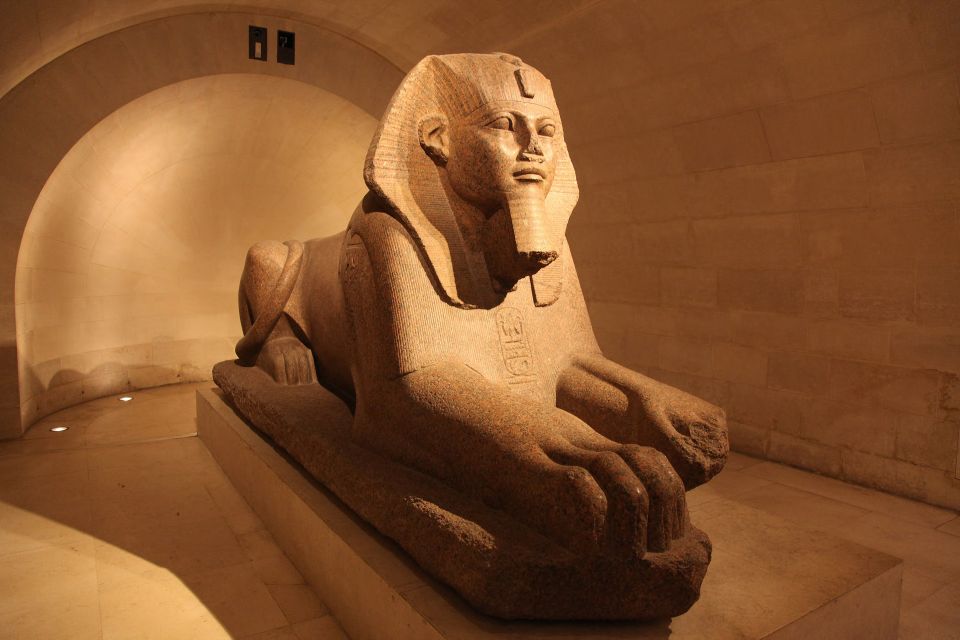
- Quiet viewing beats daytime rushing: you get space to actually see the details.
- Small private group (5–6 max): faster decisions and less wandering.
- Priority access with the right entry line: no need to guess what to do at security.
- Art-history storytelling with symbol spotting: guides may connect works to French context—Delacroix is specifically mentioned as an example.
- Custom pacing for your interests: first-time and repeat visitors can both leave with new angles.
Why The Louvre by Night Feels Like a Different Museum
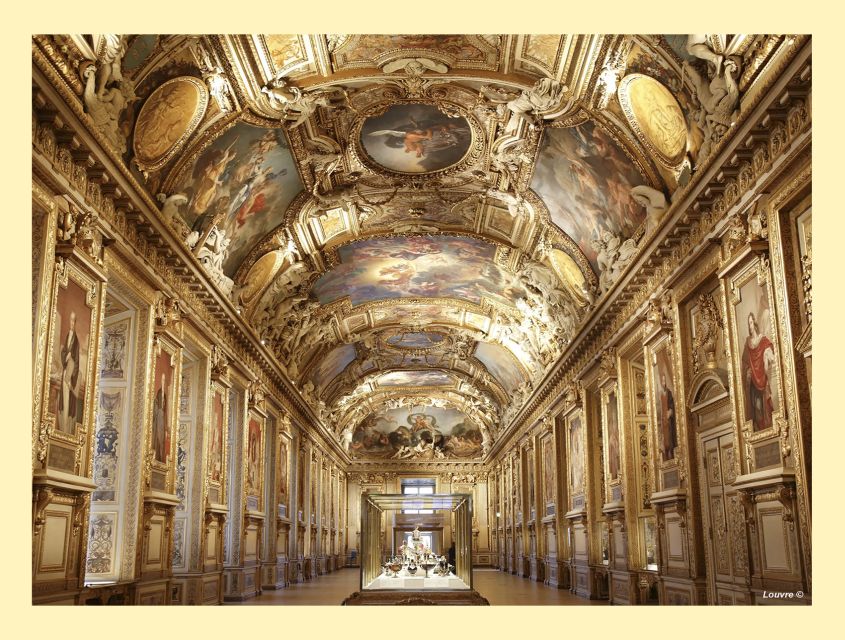
The Louvre can feel like a city during the day. At night, the atmosphere changes fast. You still get the same big names and the same iconic rooms, but the museum stops feeling like a race and starts feeling like a conversation.
For me, the biggest win is focus. When you’re not constantly dodging crowds, it becomes easier to notice what you’d otherwise miss: smaller gestures, symbols in paintings, and the way artists built meaning through composition. A good guide helps you see those clues without turning the tour into a lecture. In sessions led by guides like David Lambret, the approach is described as helping you recognize things that aren’t obvious at first glance.
I also like that the tour doesn’t stay stuck in one time period. You’ll move through a French-historical thread—from the medieval foundations of the Louvre idea to the 19th-century world linked with Napoleon III. That time-hopping matters because it changes how you interpret what you’re seeing. The art starts to feel anchored to real shifts in power, taste, and culture, not just like museum objects behind velvet ropes.
You can also read our reviews of more guided tours in Paris


Meeting at the Louvre Pyramid: Louis XIV Statue to Start Smart
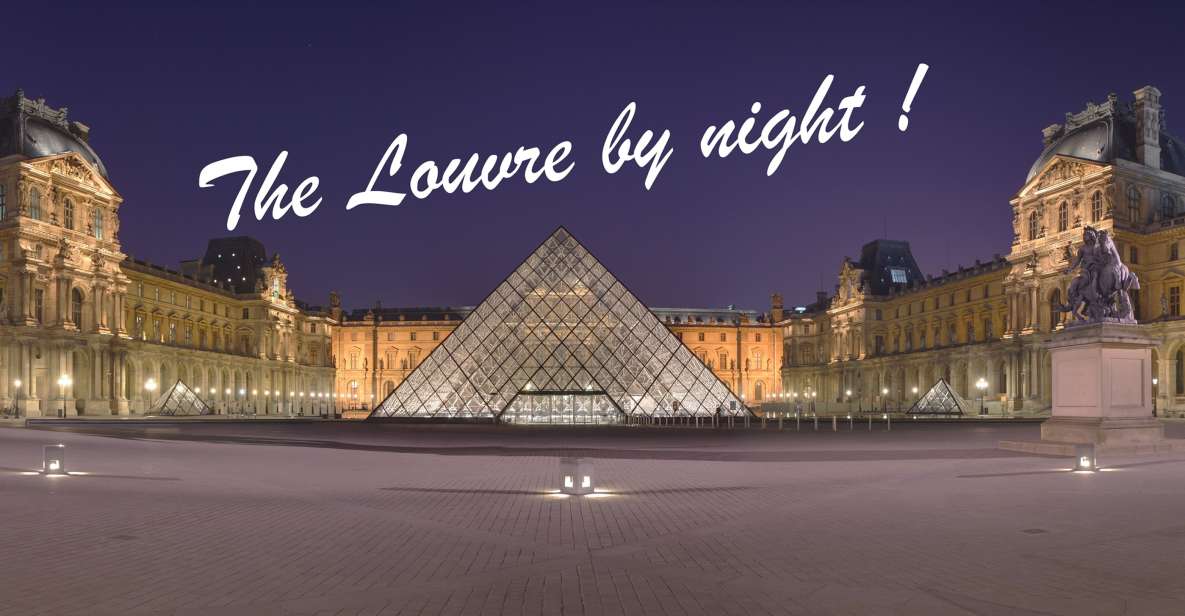
Your meeting point is very clear, which saves stress: next to the equestrian statue of King Louis XIV, in front of the Pyramid, on the right-hand side. The instruction is to arrive 10 minutes before departure—that timing is important when you’re entering for a special time slot.
This isn’t a “show up whenever” kind of tour. You’re dealing with controlled access and airport-style security on the museum side. If you’re even a few minutes late, you can lose the whole rhythm of getting in smoothly at night.
Quick practical note: the tour’s rules include no umbrellas and no food or drinks, so plan your evening accordingly. Comfortable shoes are a must. Even though the duration is only 1.5 hours, the Louvre is still a large walking environment.
If you’re bringing kids, bring the right IDs. For anyone under 18, IDs and free tickets are required. That means you’ll want to handle paperwork before you arrive so the night doesn’t start with a frantic scramble.
Private Group Size and Priority Access: How You Actually Save Time
This is marketed as a private experience, and the details support that: a maximum of 5 to 6 people. That small size makes a real difference. In a big group, you end up in line for line’s sake. In a small group, your guide can adjust on the fly—slowing down where you linger and speeding up when you’re ready to move.
The tour is also wheelchair accessible with priority access. Priority access doesn’t mean “no rules,” but it does mean someone is helping manage the correct approach to entry and the right flow inside the museum. The info explicitly says skip-the-line tickets do not exist for this format; instead, your guide will manage the appropriate line. So you shouldn’t expect to buy a special ticket add-on. Expect your guide to handle it.
One more time-saver: your guide is there to optimize your route and your viewing order. The Louvre has too much to see in 90 minutes. The goal here isn’t to “cover everything.” It’s to help you see the right things with less friction—especially when the museum is at its most peaceful.
And yes, there’s a human side to this too. In one guided experience described in English, the guide was praised for keeping teenagers interested—so if you’re traveling as a family, this small-group setup can make the art feel less like school and more like discovery.
What the Art-History Guide Shows You (and Why It Matters)
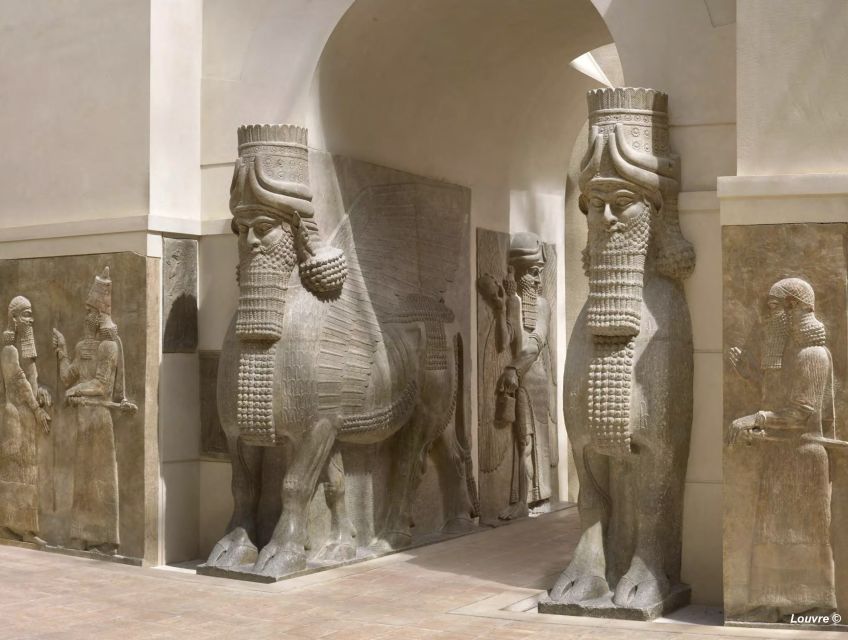
The title says Louvre by night, but the core value is the art-history framing. This tour is built around the idea that the best viewing comes with interpretation—learning how artists delivered messages through symbols, style, and context.
You’ll be led to unusual spots to savor major works when the museum is quieter. That word “unusual” is important. A guide who knows what to look for can get you off the same tired path people keep repeating. The goal is not just to point at masterpieces; it’s to help you understand why they’re powerful.
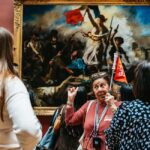
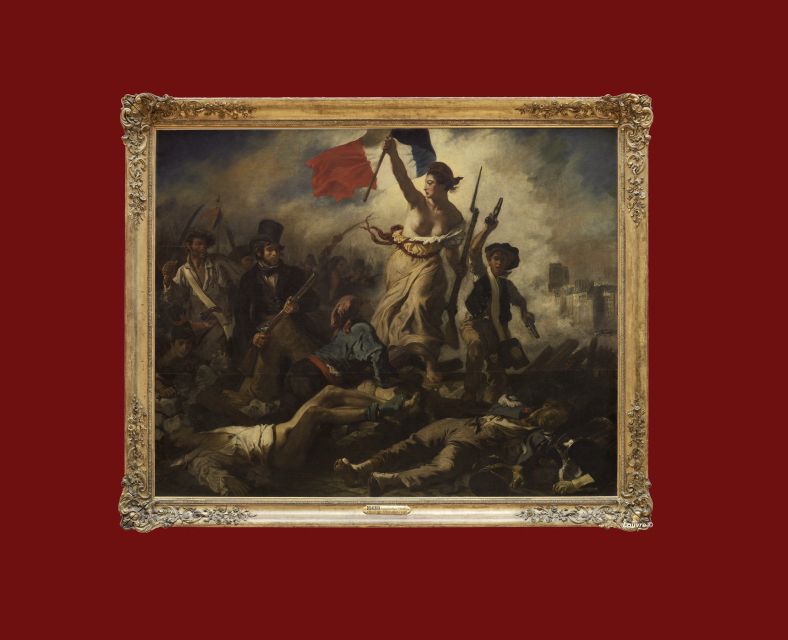
Here’s a specific kind of help your guide may give: connecting an artwork’s symbols to the world that produced it. In one described example, Delacroix was used as a reference point for understanding meaning through the artist’s background and the symbols embedded in the work. That’s the kind of detail that changes your experience. Instead of, I saw a painting, you get I understand what the artist was communicating.
Also, the tour can be customized to your interests. If you care more about painting than sculpture, or you want the historical thread emphasized, you should be able to shape the pace. This is a big deal in a short tour. When time is limited, customization prevents you from ending up in the wrong “best-of” lane.
Finally, your guide will help you “open your eyes” to what you might not notice at first glance. That’s not fluff. At the Louvre, lots of visitors get stuck at first impressions—theme names and famous titles. A good guide shifts you toward what you can actually see: composition choices, repeating motifs, and meaning you can decode step by step.
The 90-Minute Flow: How You Get More Than a Quick Photo Stop
You’re in the Louvre for about 1.5 hours, and the tour is designed for maximum impact in a short window. That means there won’t be time for a slow “wander until you find something” approach.
A typical flow here looks like this:
- Brief orientation and direction so you know what you’re looking for tonight.
- Targeted stops in quieter areas for close viewing of key works.
- A historical thread that moves across periods—starting from the Medieval Louvre roots and continuing toward the 19th century connected to Napoleon III.
- Focus on interpretation, not just description: symbols, meaning, and how artists communicated messages.
- Wrap-up that leaves you with a mental map, so you can return another day and recognize more.
Because this is done in the evening, you have fewer distractions. Quiet makes art reading easier—especially for works where meaning is carried in small details.
The one drawback of a short, focused tour is that you can’t choose to spend 45 minutes in one gallery. If you’re the type who wants to linger quietly and do deep self-guided reading, this might feel a little fast. But if you’re trying to get a strong start at the Louvre—especially your first time—this timing is a smart trade.
You can also read our reviews of more private tours in Paris






Practical Comfort Rules: What to Wear and What to Leave Behind
Think comfortable, not fancy. You’ll want comfortable shoes, because even on a small-group, guided pace, you’ll still be walking through the museum.
The rules are straightforward:
- No food and drinks
- No umbrellas
- No glass objects
Also, consider the security screening. The info asks you to advise your guide if you have any pace-maker / biomedical device, since airport-style security may apply. If you’re carrying medical devices, it’s worth telling your guide up front so the entry process goes smoothly.
Bring passport or ID for children. And because the tour is English-language only, plan on using English comfortably for questions and discussion.
One more practical tip: if you’re traveling with family, remember this is marked as kids friendly, and anyone under 18 gets free entrance with IDs and free tickets required. That can be a real value boost for families, as long as you handle the ticket paperwork in advance.
Value Check: Does $351 Make Sense for the Louvre at Night?
Let’s talk value, not just price. $351 per group up to 1 sounds steep at first glance, but it’s also a private experience with certified guidance, small group size, and priority access handling.
Here’s where the value usually lands:
- You’re paying for time efficiency in a museum where time can evaporate.
- You’re paying for a guide who helps you see more meaningful details than a typical quick walk-by.
- You’re paying for the evening advantage: the Louvre’s quieter mood makes the “look closer” part actually possible.
If you’re a couple or a small family, it can feel like a good deal if you’d otherwise pay for multiple separate entries plus the hassle of trying to self-navigate. If you’re a solo traveler, the cost is higher on a per-person basis, but private guidance still helps, because the Louvre’s scale is intimidating even when you think you know what you want to see.
Also, tickets are not included. So your real budget is the tour price plus your Louvre ticket fees purchased on the official site. Still, the tour reduces the biggest headache—figuring out entry and knowing what to prioritize in 90 minutes.
On the flip side, one risk with any private service is reliability. One unhappy account in the set included a case where the guide didn’t show up. That’s rare compared with the strong ratings, but it’s a reminder to keep your confirmation info handy and communicate in advance if possible.
Who Should Book This Louvre After Dark Tour?
This one fits best if you:
- Want a first-time Louvre experience with structure.
- Prefer a quiet, close-up way of seeing major works.
- Like art history that connects art to French context, not just dates and names.
- Are traveling with kids and want patience and pacing that works even for teenagers.
- Need wheelchair accessibility with priority access support.
If you already know the Louvre extremely well and you want to deep-read in very specific rooms, you might prefer a longer, self-directed plan or a custom longer route. With only 1.5 hours, the focus is on highlights and interpretation, not endless roaming.
Should You Book This Louvre by Night Tour?
Yes, if you want the Louvre to feel human and readable. The small-group size, the night calm, and the art-history guidance make this a strong “best way to start” option. It’s also a good match for families and visitors who appreciate meaning over just famous names.
Book it if you can do two things well: arrive on time at the Louis XIV statue by the Pyramid and buy your Louvre tickets in advance so you’re not rushing at the start. Skip it if you hate short tours or you need long unstructured time in one room.
If you match those expectations, this is exactly the kind of night visit that helps you leave the museum thinking, I get what I saw—and I want to go back.
FAQ
How long is the private Louvre by night tour?
The tour lasts 1.5 hours.
Is this a private tour?
Yes. It’s a private group experience with a max of 5 to 6 people.
What language is the live guide?
The live guide speaks English.
Where do we meet for the tour?
You meet next to the Equestrian Statue of King Louis the 14th in front of the Pyramid, on the right-hand side.
Are tickets included in the price?
No. Ticket fees are not included, and you should buy them as quickly as possible on the official Louvre website.
Does the tour include skip-the-line access?
Your guide manages the correct entry process and line. The information says there are no skip-the-line tickets you buy separately; the guide handles priority access.
Is the tour wheelchair accessible?
Yes. It is wheelchair accessible with priority access.
Is it suitable for kids?
Yes. It’s kids friendly, and free entrance under 18 applies with IDs and free tickets required.
Are food and drinks allowed during the tour?
No. Food and drinks are not allowed.
What should I bring or prepare for security?
Bring comfortable shoes. Also bring passport or ID for children, and tell your guide if you have any pace-maker or biomedical device for security screening.