REVIEW · PARIS
Paris: Rodin Museum Ticket & Optional Digital AudioGuide App
Book on GetYourGuide →Operated by Global Tours And Tickets · Bookable on GetYourGuide
Rodin feels close up here. In the Hôtel Biron mansion, you’ll see The Thinker and The Gates of Hell in real detail, with a digital audio guide that lets you go at your own speed.
What I love most is the way the museum shows Rodin’s work as a living process. You’ll move from early plasters (the rough starts) to later masterpieces, and it all clicks faster than you’d expect.
One thing to plan for: the phone audio guide isn’t tied to the museum staff, and it may not cover every space equally well, especially the gardens—so be ready to slow down and look, not just listen.
In This Review
- Key takeaways before you go
- Hôtel Biron: the museum building that adds drama
- Don’t miss these Rodin masterworks
- Early plasters: the artistic start you can actually see
- Hôtel Biron rooms: how you should pace your visit
- Camille Claudel’s presence in the collection
- The digital audio guide: great value, but not museum staff support
- Garden time and photo strategy
- Hours and timing: when to go for a calmer experience
- Tickets, self-guided entry, and the no-reentry rule
- Price and value: is $23 a fair deal?
- Who this Rodin Museum visit suits best
- Should you book this Rodin Museum ticket?
- FAQ
- What is included with the Rodin Museum ticket and digital audio guide?
- Do I need to bring headphones?
- Where is the Musée Rodin entrance address?
- How do I access the digital audio guide app?
- Is the digital audio guide official museum audio?
- Can I take photos in the museum and garden?
- What are the opening hours for the museum?
Key takeaways before you go
- Hôtel Biron setting: an 18th-century home turned sculpture museum, with rooms designed for wandering.
- Photo-friendly visit: you can take pictures in the museum and garden areas.
- Rodin’s process in plain sight: early plasters show how ideas became finished works.
- Self-guided digital audio: a downloadable app accessed by link, available in many languages.
- Headphones matter: earphones are not included, so bring your own.
- Garden coverage may be uneven: expect fewer audio details outdoors.
Hôtel Biron: the museum building that adds drama
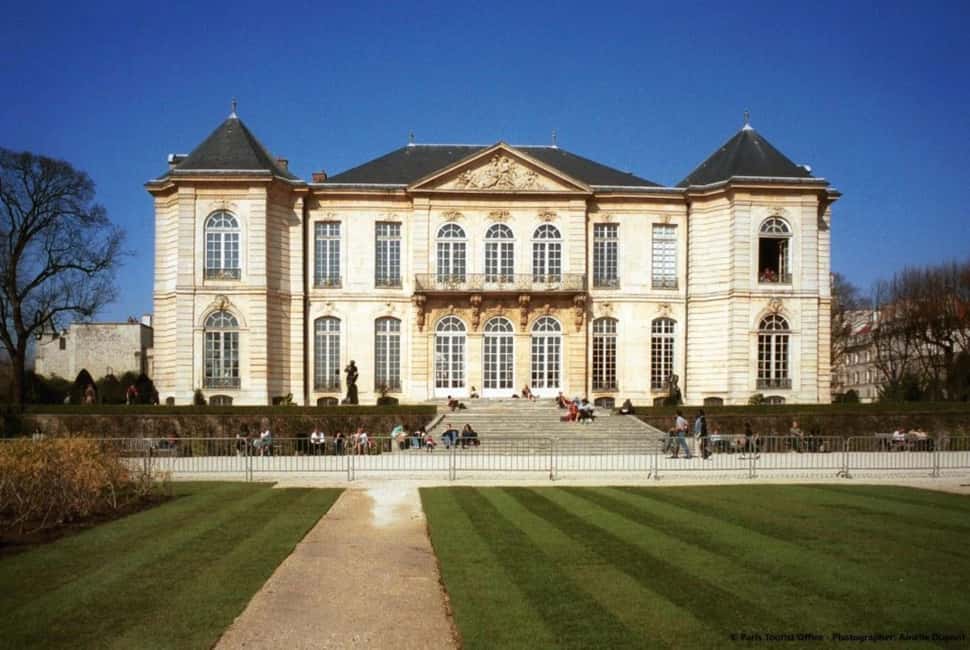
The Musée Rodin isn’t just a gallery with sculptures stacked in neat rows. It’s housed in Hôtel Biron, Rodin’s historic 18th-century mansion home and studio. That matters because the building shapes how you understand the work: you’re not only viewing art, you’re moving through the kinds of spaces where a working sculptor would think, draft, and refine.
The layout encourages loops. You’ll likely find yourself shifting from room to room, then stopping again when a work’s scale and texture hit you in the right light. The museum is designed so your route feels natural, not forced—good if you like to linger without waiting for a group.
And if you enjoy atmosphere, you’ll appreciate the garden side of the experience. Even when you’re not reading, the outdoor spaces make the museum feel less like a warehouse and more like a studio compound.
You can also read our reviews of more tours and experiences in Paris



Don’t miss these Rodin masterworks
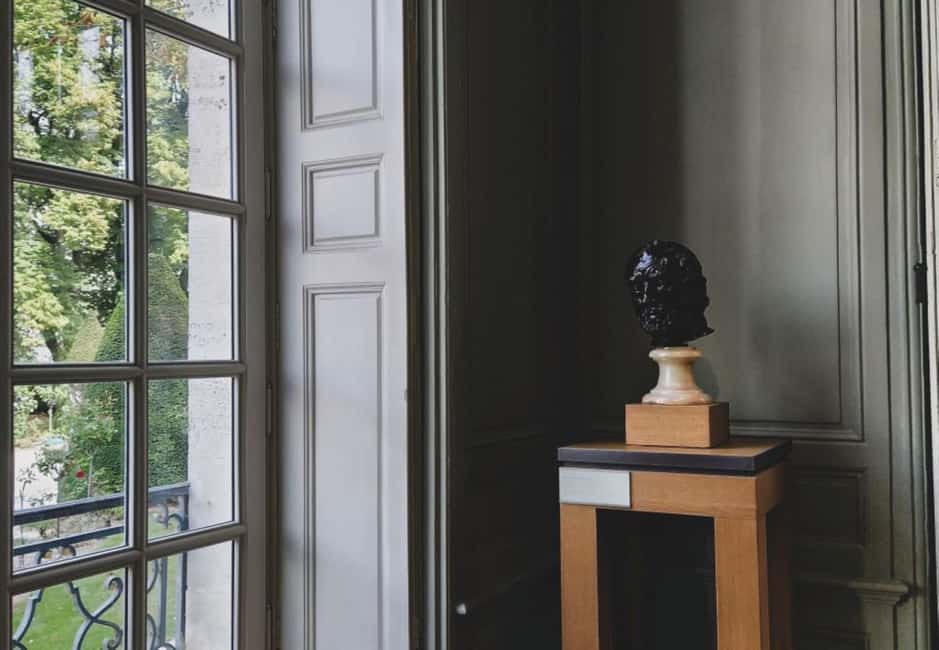
The museum’s big-name sculptures are exactly where you should start, especially if you’re coming for the iconic Rodin moments.
First, plan time for The Thinker. Seeing it in person is a different experience than seeing it in a book. The face, the tension in the pose, and the way shadows fall across the body read as emotion, not just form. Up close, you start to notice how Rodin builds meaning through posture.
Next, make sure you find The Gates of Hell (it’s one of the headline works here). The important thing isn’t only that it’s famous. It’s that you can pick your way through the composition and start to understand Rodin’s approach to bodies packed into a single idea—movement, fear, effort, all tangled together.
Finally, give yourself room for the broader collection beyond the poster sculptures. There are over 6,000 sculptures displayed throughout the mansion. That number can sound overwhelming, but the good news is that the museum is paced across rooms and spaces—so you can focus your attention instead of trying to see everything in a rush.
Practical tip: if you’re trying to cover more than highlights, start with the iconic works first, then use the audio guide to “zoom in” on the pieces that catch your eye.
Early plasters: the artistic start you can actually see
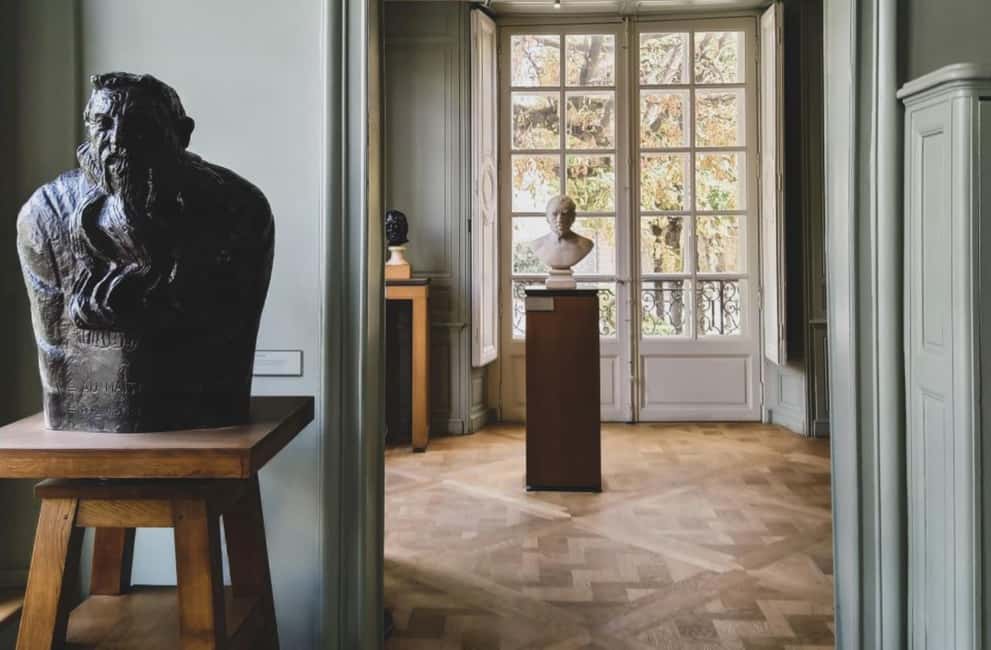
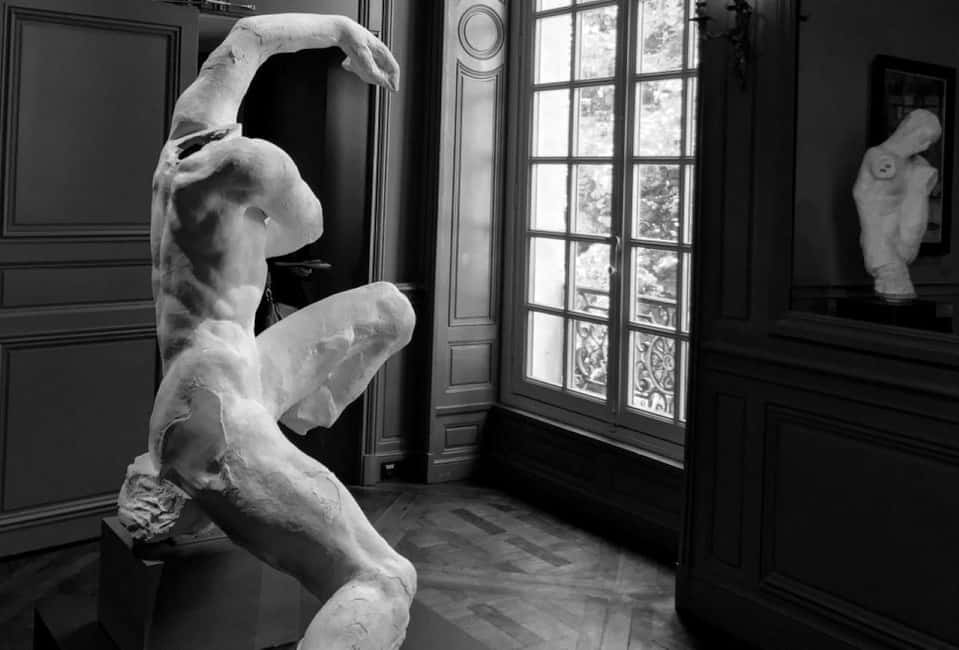
One of the most rewarding parts of this museum is that it shows Rodin’s beginning stages, not only the final polished reputation. You can view early plasters that reveal how his sculpting ideas started and shifted.
Why this matters: plasters are where you see the thinking. You’ll notice roughness, experimentation, and the kinds of changes sculptors make when they’re still chasing the right balance of line and emotion. It’s like watching the difference between a sketch and a finished painting—except Rodin’s “sketch” can still look powerful on its own.
If you care about technique, this is where the visit earns its keep. You stop treating sculpture like it appeared fully formed. You see it as decisions, revisions, and problem-solving.
Hôtel Biron rooms: how you should pace your visit
Because this is self-guided, your success depends on pacing. I’d treat this like a slow walk with checkpoints, not a sprint with a photo goal.
A simple rhythm:
- Start indoors and hit a few anchor works.
- Use the audio guide when you’re standing still and ready to listen.
- Then move on and let your eyes reset before the next audio segment.
You can stay as long as you like after you enter. Just remember the rule that you can’t leave and re-enter using the same ticket—once you’re in, you’re in for the day. That makes it even more important to plan your breaks before you enter a busy period.
If you like to photograph, this is also a good museum to schedule your “camera time” between longer audio stops. That way you don’t feel torn between listening and shooting.
Camille Claudel’s presence in the collection
Rodin’s story here doesn’t read like an isolated genius narrative. The museum also includes works by Camille Claudel, Rodin’s muse and protégé.
What I like about this is that it expands your understanding of the artistic ecosystem around Rodin. You’re not only tracking one famous name. You’re seeing how ideas and influence traveled between people in the same creative world.
Even if you only know Claudel by name, it’s worth keeping her in your mental map as you move through the collection. It changes how you interpret Rodin’s subjects and how you perceive the “human” side of the work.
You can also read our reviews of more museum experiences in Paris





The digital audio guide: great value, but not museum staff support
This ticket includes a digital audio guide app available in many languages. You can choose from English, German, French, Italian, Japanese, Spanish, Chinese, Korean, Dutch, Portuguese, Hindi, and Arabic.
Here’s the key practical detail: this is an independent digital service, not the museum’s official audio guide. Museum staff can’t help you with it if something goes wrong, so you’ll want to set yourself up cleanly before you enter.
Plan on:
- A charged smartphone
- A valid email at booking
- Access via a link sent a day before your visit (and also shown on your voucher)
Also bring your own earphones/headphones. The ticket doesn’t include them, and the audio guide expects you to listen privately.
One more item to keep your expectations realistic: the audio guide may not provide information about temporary exhibitions. So if you’re hoping every special exhibit will be explained by the app, you might find gaps.
And based on real-world use, I’d treat the audio as helpful, not perfect for every corner. Some parts may feel more relevant than others, and outdoor areas (especially the garden) can be lighter on audio guidance.
Garden time and photo strategy
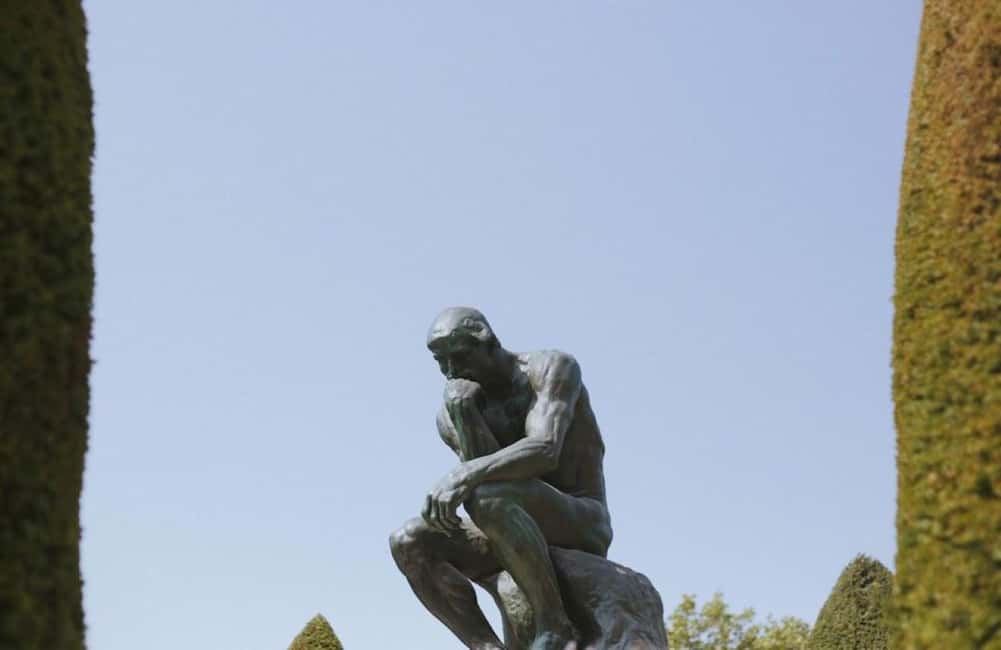
The museum and its garden areas are part of the experience, and you can take your own photos freely in both the museum and garden zones. That’s a big deal if you like to remember texture and lighting, not just the “big name” sculptures.
Since the garden can be visually relaxing, it’s also a nice place to do a slower loop: listen less, look more. If your audio guide doesn’t cover the outdoors as thoroughly as you hoped, you’re not wasting time. The garden experience is about atmosphere and observation.
Photo strategy that keeps things easy:
- Start with indoor photos first, while you still have your full attention.
- Save garden photos for when the light suits you.
- Don’t stand in one spot waiting for the perfect shot—keep walking and let different angles appear naturally.
Also, since you can’t exit and re-enter on the same ticket, decide early whether you want a longer outdoor break. Build it into your day instead of trying to “fit it in” at the end.
Hours and timing: when to go for a calmer experience
This museum runs Tuesday through Sunday, from 10:00 AM to 6:30 PM. Last entry is at 5:45 PM, and rooms close at 6:15 PM. It’s closed Mondays, May 1, January 1, and December 25.
If you want the best mix of time and energy, aim for earlier in the day. You’ll have more room to linger with sculptures without feeling chased by closing time. And since you’re self-guided, the later it gets, the more you might feel rushed even without a guided group.
A good rule: plan on more than “one room.” This place is built for staying in motion, pausing often, and coming back to works that you want to understand better on a second look.
Tickets, self-guided entry, and the no-reentry rule
There’s no meeting point for this activity. You enter on your own at the address: Musée Rodin, 77 Rue de Varenne, 75007 Paris.
Self-guided can be a joy because you can change your mind. One hour you might chase the studio-process angle; later you might focus on the emotion in the faces and poses. But it also means you should be ready to handle your own timing and your own tech.
A key constraint: once you enter the museum, you can’t leave and enter again with the same ticket. If you step out to grab food or reset your phone, do it before entry or plan it as a final exit.
Also note that the ticket is non-refundable. That matters when you’re traveling in spring or summer with busy schedules—double-check your dates before you buy.
Price and value: is $23 a fair deal?
The price is listed as $23 per person, and what you’re really paying for is simple:
- Entrance to Paris Musée Rodin
- The digital audio guide app
For many people, that’s a strong value because Rodin’s works are the whole point, and the mansion setting is part of what you’re buying. The app also means you’re not stuck guessing what you’re looking at—though you should bring headphones so you don’t run into an avoidable snag.
The main variable that changes your value equation is whether you already have earphones and a charged smartphone. Headphones aren’t included, so if you need to buy them on-site, your cost advantage disappears fast.
Also watch for free entry options. Visitors under 18 and EU residents under 26 can enter for free with valid ID. If that applies to you, this becomes an easy win even if you skip the extra audio time.
Who this Rodin Museum visit suits best
This ticket is ideal if you:
- Want a self-paced museum day in a historic setting
- Care about process, not just finished masterpieces (those early plasters are a big draw)
- Like to take your own photos and move freely between indoor and garden areas
- Prefer to read or listen in your own language at your own speed
It’s less ideal if you rely on staff help for audio tech issues, because the guide is independent. If you forget headphones or have a dead phone, you’ll be stuck figuring it out without museum audio support.
And if you’re the type who only wants the garden and outdoor experience, keep in mind that audio coverage may not match your expectations outdoors.
Should you book this Rodin Museum ticket?
If you’re excited by Rodin’s iconic works plus the behind-the-scenes process, I think this is a smart booking. The Hôtel Biron setting makes the art feel grounded in a working studio world, and the audio guide gives you a structure so your time isn’t spent merely looking.
Book it if you:
- Have your own headphones
- Want to tour at your own pace
- Enjoy seeing early stages of art, not only the final product
Hold off if you:
- Want guaranteed, detailed narration in every outdoor area
- Expect museum staff to troubleshoot the audio guide for you
Bottom line: for most first-timers and returning art lovers alike, this is one of those Paris visits where the building, the sculptures, and your phone guide all combine into a satisfying day.
FAQ
What is included with the Rodin Museum ticket and digital audio guide?
Your booking includes entrance tickets to the Musée Rodin and a digital audio guide app.
Do I need to bring headphones?
Yes. Earphones or headphones are not included, and the audio guide requires you to listen with your own headphones.
Where is the Musée Rodin entrance address?
The address is Musée Rodin, 77 Rue de Varenne, 75007 Paris, France. There is no meeting point.
How do I access the digital audio guide app?
You access it via a link. The link is sent a day before your visit and also appears on your GetYourGuide voucher. It is separate from the museum’s paid audio guide.
Is the digital audio guide official museum audio?
No. It’s an independent service, not an official museum audio guide. Museum staff can’t assist you with the digital audio guide.
Can I take photos in the museum and garden?
Yes. You’re allowed to take your own photos of Rodin’s art in the museum and garden areas.
What are the opening hours for the museum?
Tuesday to Sunday: 10:00 AM to 6:30 PM (last entry 5:45 PM; rooms close at 6:15 PM). The museum is closed Mondays, May 1, January 1, and December 25.