REVIEW · PARIS
Paris: Musée d’Orsay Guided Tour with Ticket
Book on GetYourGuide →Operated by Babylon Tours LLC · Bookable on GetYourGuide
Orsay is gorgeous, but it moves fast. This 2.5-hour guided tour is a smart way to get your bearings in one of Paris’s biggest art moments, inside the former train station building. I like that the focus stays on 19th-century French art, with a guide who gives you the story behind the paintings, not just the labels.
What I especially like is the small group size (max 6 per guide), which keeps the pace human and questions possible. The other big win is the guide-led route through the museum highlights, with time for photos and a short stretch to look on your own. One caution: 2.5 hours can feel short if you want to stop at everything that catches your eye.
In This Review
- Key highlights worth your time
- Inside a museum that used to be a train station
- Small groups, tight timing, and a pace you can actually enjoy
- The guide is the product here, and it shows
- How the 2.5-hour route plays out in real life
- Stop-by-stop: what to expect as you move through Orsay
- The artists and movements the tour focuses on
- What makes Orsay special, beyond the checklist
- Photo stops and free time: how to use them well
- Comfort and rules that affect your day
- Price and value: $128 for tickets and a guide
- Who this tour fits best in your trip
- Should you book this Musée d’Orsay guided tour?
- FAQ
- How long is the Musée d’Orsay guided tour?
- Is museum admission included?
- What group size should I expect?
- Are luggage or large bags allowed inside?
- What languages are available for the live guide?
- Where does the tour meet?
Key highlights worth your time
- A ticketed, guided format that helps you focus on the art instead of wrestling logistics
- Certified-style commentary from professional guides, with clear narratives that link artworks together
- Beaux-Arts former rail station setting, so the building itself is part of the experience
- Big-name coverage plus lesser-known stops, so it feels both efficient and rewarding
- A manageable pace with photo moments and a bit of free time to reset your eyes
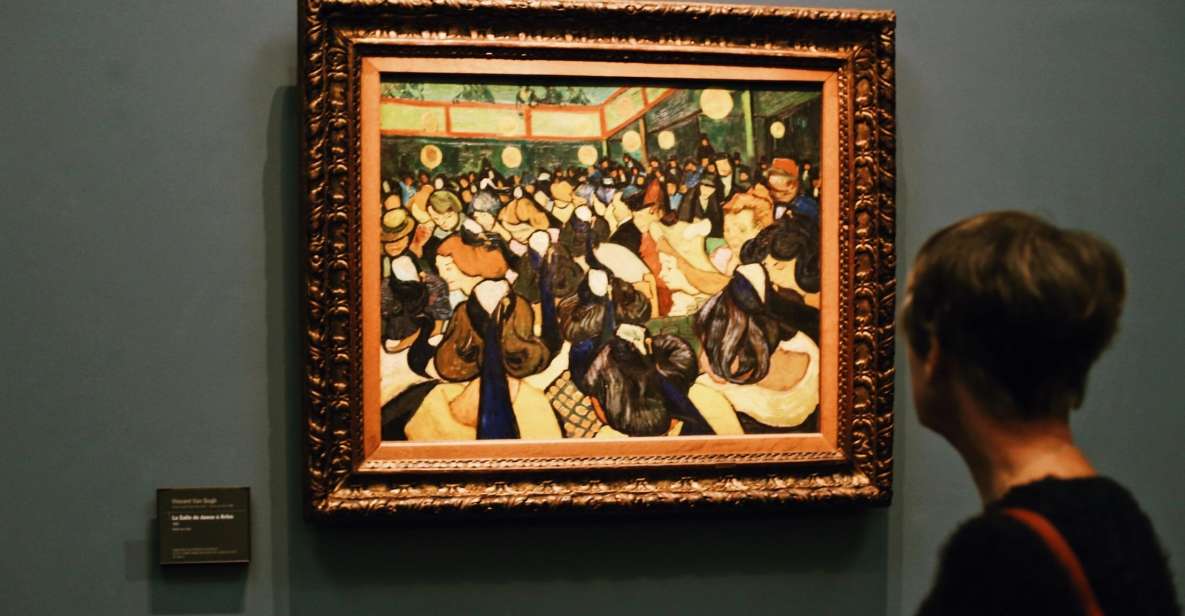
- Work across major artists and movements, from Manet and Renoir to Cézanne and Gauguin, plus the Impressionists and post-Impressionists
Inside a museum that used to be a train station
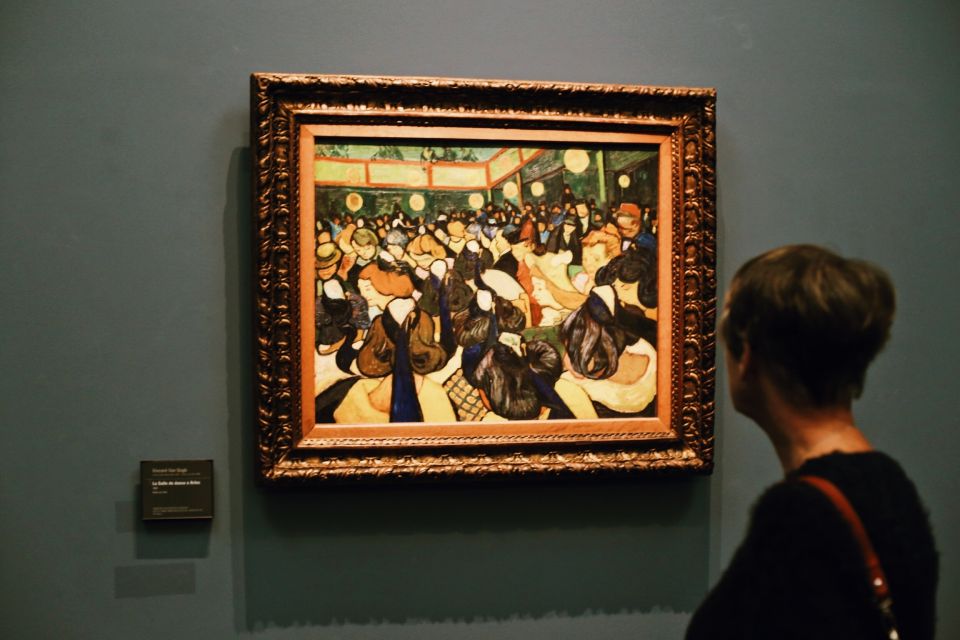
The Musée d’Orsay is one of those Paris places where the building changes how you see the art. You’re not just walking into galleries; you’re entering a grand Beaux-Arts space that once belonged to the rail world. That setting matters because the museum’s 19th-century collection is all about movement, light, and modern life, so the architecture quietly supports the theme.
This tour leans into that idea by treating the museum like a story you can follow. Instead of making you hunt for what matters, your guide sets the route and keeps it coherent, from the context around the paintings to how the techniques developed over time.
You can also read our reviews of more tours and experiences in Paris



Small groups, tight timing, and a pace you can actually enjoy
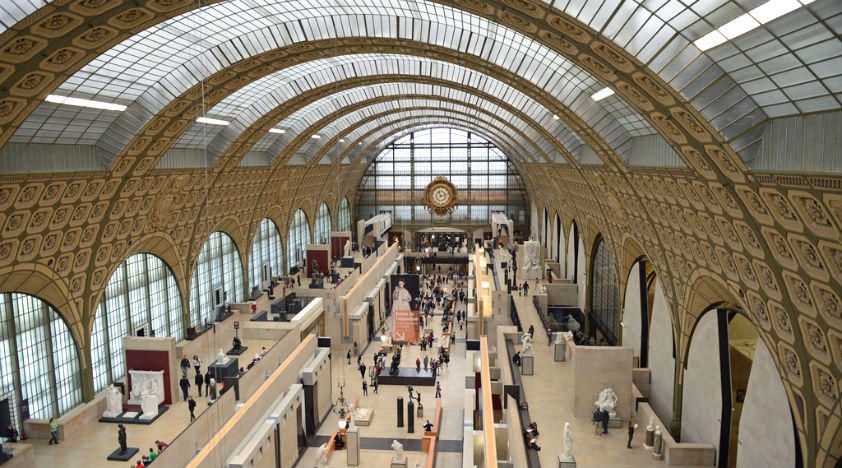
This is designed as an introduction for first-time visitors. You get a structured guided visit for about 2.5 hours total, plus photo stops and a little breathing room. In real terms, that means you’ll see a strong “greatest hits” slice without spending the whole day trapped in museum fatigue.
The group limit of up to 6 guests per guide is a big deal here. With fewer people, it’s easier to ask why a painting looks the way it does, or how one artist’s approach connects to the next. You also tend to spend more time looking at art and less time waiting for the group to catch up.
Short timing is the tradeoff. Orsay is huge, and this tour won’t let you linger like a full self-guided afternoon would. If you’re the type who wants to camp out in front of one painting for a long time, you’ll have to accept that this experience gives you breadth over depth.
The guide is the product here, and it shows
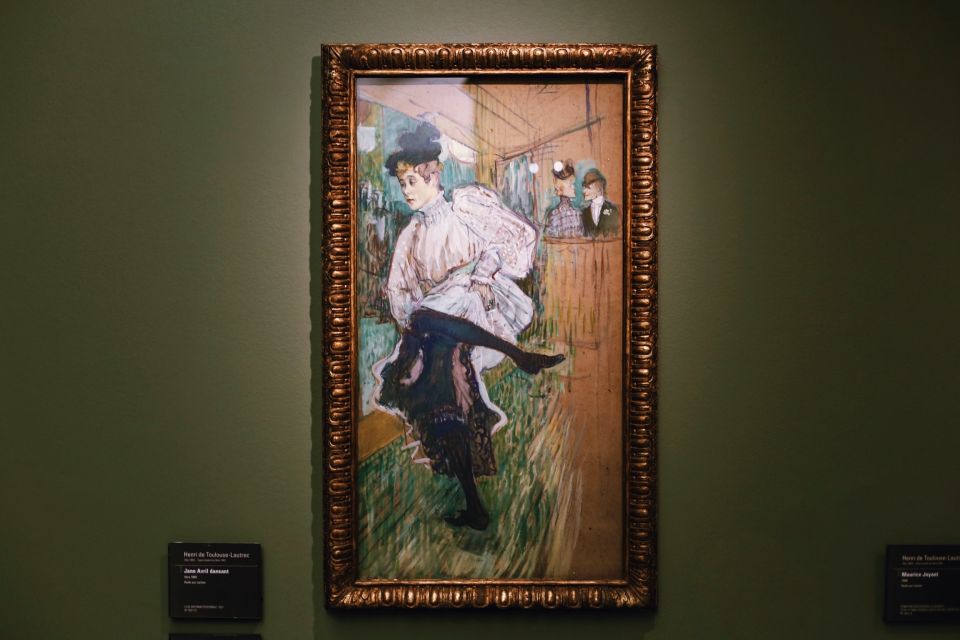
This tour runs with a live museum guide, and the standout element in the experience is how people get explained to. Guides on this format are praised for having the range to connect art to the people and the period around it. You may get guides such as Miriam, Nadia, Alex, Tristan, Marcel, Taylor, or Malika, and the common thread is the storytelling style: artwork to artwork, with context you can remember.
A good guide also changes the way you look at techniques. Instead of just hearing that something is Impressionist, you start noticing what that means on the canvas: brushwork choices, color behavior, and why these artists broke from older approaches. It’s the difference between seeing paintings and understanding why they were radical.
Also pay attention to the museum rules. Some rooms have quiet or speaking limits, so the guide knows when to switch from discussion mode to respectful observing mode. That keeps the visit smooth and helps you avoid the awkward hush that can happen in large group tours.
How the 2.5-hour route plays out in real life
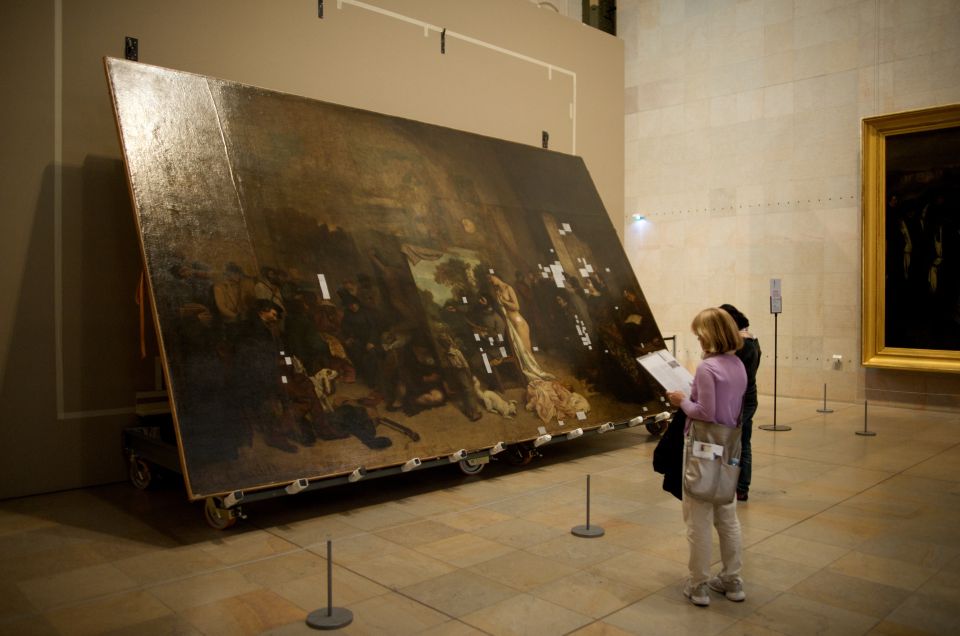
Your meeting point can vary depending on what exact option you booked, including locations around the Musée d’Orsay area and 7 Quai Anatole France. The practical move is simple: confirm the exact meetup spot before you go, so you’re not doing a last-minute scavenger hunt while the group is already forming.
Once you start, the tour structure is basically two rounds inside the museum. The first round is the long one: a guided circuit with time to pause for photos and then keep moving through key rooms. The second round is shorter, with a break and a final guided segment, plus a small window to explore on your own at the end.
That rhythm is useful. You get enough guidance to build a mental map, and you also get a chance to return to something that grabbed you after the guide hands you the context.
Stop-by-stop: what to expect as you move through Orsay
You’ll begin with a quick photo moment and orientation at the start area. Then the main guided portion takes you through the museum highlights and additional selected works. The guide typically keeps the tempo up but not rushed, aiming to show both the expected headliners and the pieces that help you understand how the art evolved.
Near the end, there’s another photo stop and a shorter guided wrap-up, followed by a brief free time. Use that last free window strategically. If you loved a theme your guide talked about, go back to a related painting and compare what you saw before you had the background. That’s when things click.
You can also read our reviews of more guided tours in Paris





The artists and movements the tour focuses on
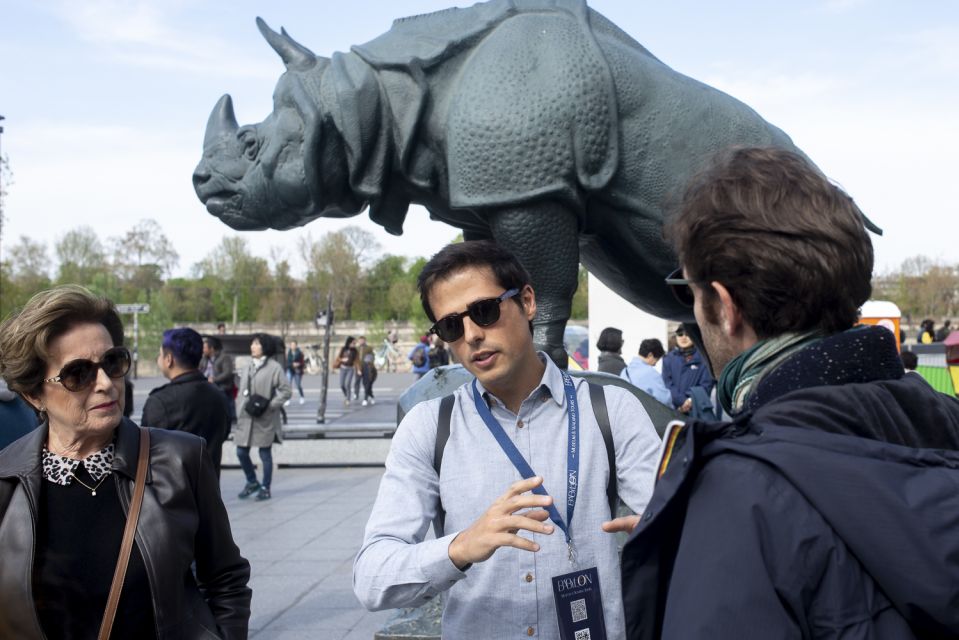
This tour is built around 19th-century French art, with a special focus on the arc that leads from established styles into Impressionism and beyond. You’ll spend time with major names like Monet and Van Gogh, plus supporting stars such as Manet, Renoir, Cézanne, and Gauguin. The idea isn’t just to point at famous faces; it’s to show how their approaches relate to the world they lived in.
One of the strongest promises here is the explanation of the technical and cultural shift behind the Impressionists and post-Impressionists. The guide looks at the “why” behind the look: how artists experimented, what they were reacting against, and how a handful of art rebels helped push the movement forward.
If you’re visiting for the first time, this focus is perfect. Orsay can feel overwhelming because there are so many brilliant works in so many styles. A guided framework gives you a way to sort what you’re seeing, so the museum doesn’t become a blur of frames.
What makes Orsay special, beyond the checklist
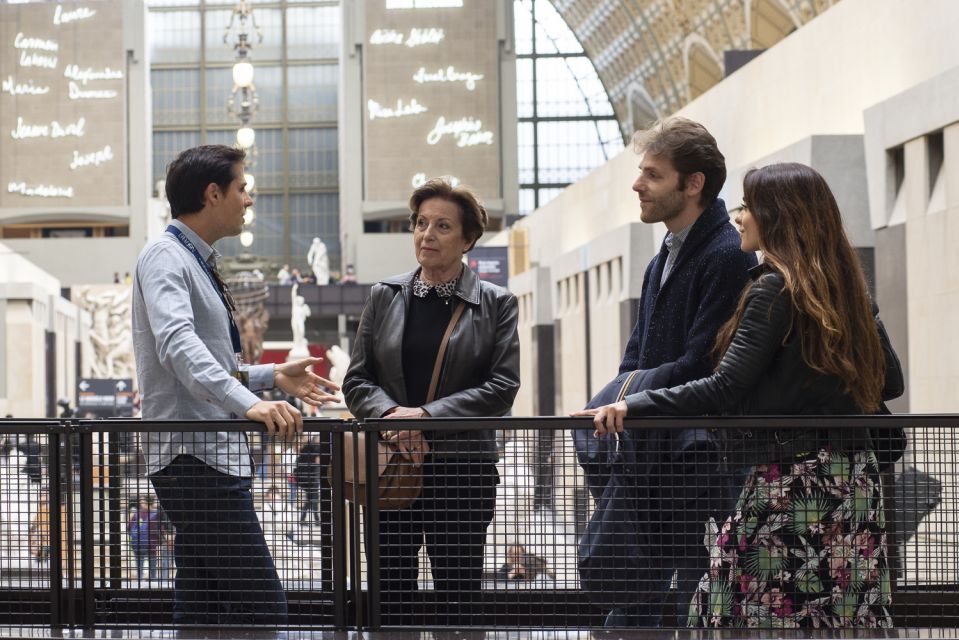
Yes, you’ll see the big paintings. But the real value comes from the connective tissue the guide provides. Orsay is famous for its role in showing art during a period when Paris was changing fast, and when artists were also challenging what art was supposed to do.
Guides often make that history feel practical, not textbook. For example, Nadia is praised for explaining how the Paris art scene changed before and after the Impressionists, and how the building itself went from train station to museum. Miriam stands out for turning crowded holiday logistics into an organized narrative experience, linking artwork to artwork so you don’t lose the thread.
Even when a specific guide varies, the format supports the same goal: you’ll learn what to notice in each room. That turns “I saw it” into “I understood it.”
Photo stops and free time: how to use them well
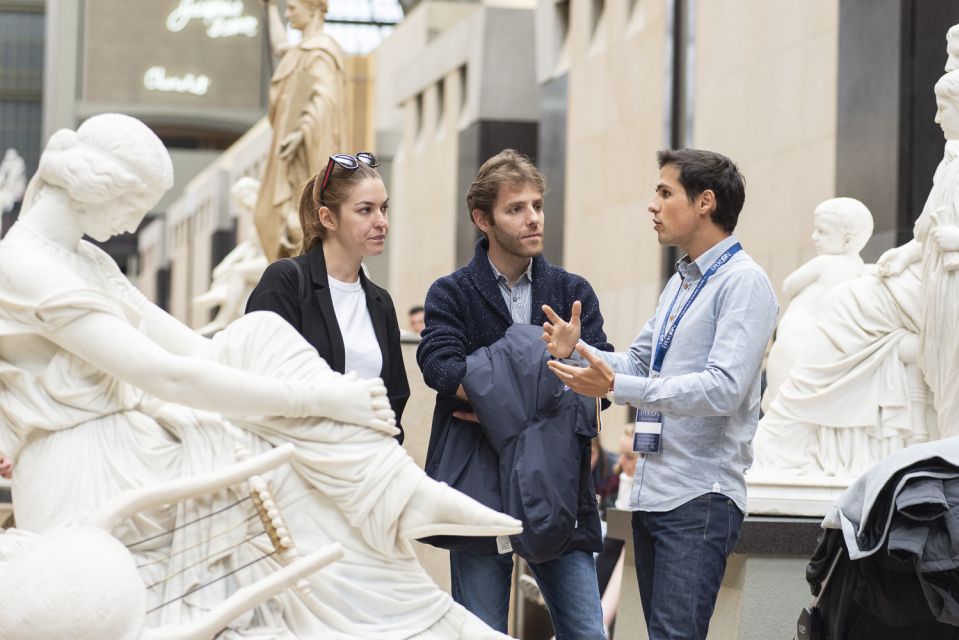
Photo stops happen during the route, and you’ll also get free time near the end. Here’s the trick: don’t use the free moments as random browsing time. Use them as a chance to do one of two things:
- Return to one painting you liked and compare it to what the guide just explained.
- Walk through one nearby area with a single question in mind, like how the color changes across a series of rooms.
Because the tour is only 2.5 hours, you can’t afford to wander without a purpose. The free time is short, so quick focus pays off.
Comfort and rules that affect your day
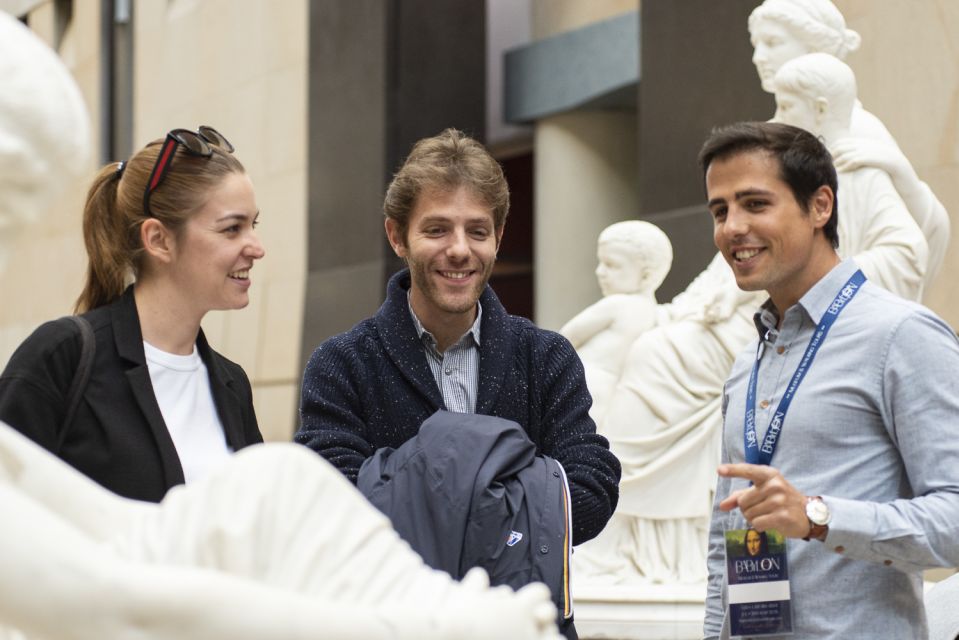
Two practical limits matter here: no luggage or large bags, and luggage or coat storage is not included. Orsay is not the kind of museum you want to handle bulky items through crowded hallways.
Wear shoes you can stand in. The tour includes walking, and the museum has a lot of stops where you’ll want to pause and look closely. If you’re coming straight from a neighborhood day, keep your bag light enough that you can move quickly.
Finally, remember that some rooms require quiet or a restricted ability to speak. The guide will follow the rules, but it’s still good to know the museum expects a calmer volume in certain spaces.
Price and value: $128 for tickets and a guide
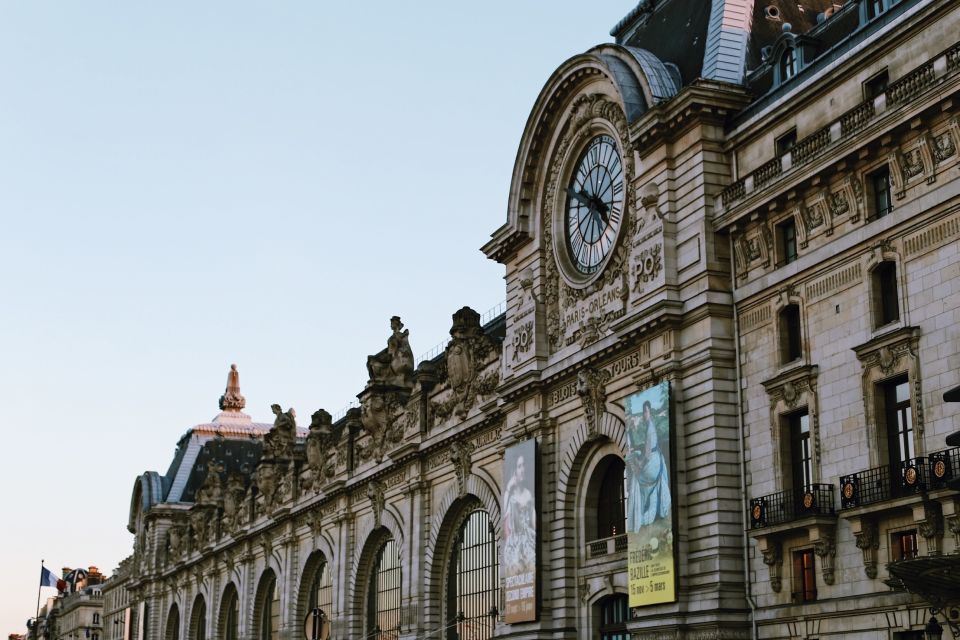
At $128 per person for a 2.5-hour guided tour with museum entrance fees included, the value comes from two places: the ticket bundle and the time you buy back. Orsay is popular, and the worst part of museum days is often wasted minutes at entrances, figuring out where to go, and reading labels that are helpful but not connecting the dots.
You’re paying for a professional guide to:
- choose a route that makes sense in limited time,
- explain why the paintings look the way they do,
- and point you toward both famous works and selected lesser-known pieces.
If you’re the kind of visitor who loves wandering and reading everything at your own pace, you might find a guided tour feels pricey because you’ll want more time. But if you’re visiting once, have limited daylight, or you want your visit to feel structured, this price is easier to justify.
Who this tour fits best in your trip
This works best if you fall into one of these groups:
- You’re visiting Orsay for the first time and want a fast mental map.
- You want help understanding Impressionists and post-Impressionists without taking a class.
- You’re traveling with teens or friends who need context to stay engaged.
- You want a small-group experience where questions don’t get swallowed by a crowd.
It may be less ideal if you plan to spend the whole day inside the museum and you want to follow your curiosity with zero constraints. Or if you already know a lot of art history and want to build your own custom route, you may prefer a self-guided approach plus an audio guide.
Should you book this Musée d’Orsay guided tour?
I’d book it if you want a strong first pass through Orsay that mixes big-name works with meaningful context. The combination of small group size, a guided story, and tickets included is exactly what makes this kind of museum trip feel efficient without turning it into a sprint.
I wouldn’t book it only if your style is slow and solitary. If you want to linger for long stretches, or if you already have a detailed plan for which rooms and artists to study, you might do better going on your own.
If you book, go with one mindset: pick a couple of artists you care about, then let the guide help you see the connections between them. That’s when Orsay stops being a famous name and turns into a personal experience.
FAQ
How long is the Musée d’Orsay guided tour?
The tour lasts about 2.5 hours, with the exact start time depending on availability.
Is museum admission included?
Yes. The price includes museum entrance fees for the permanent collection, along with the guide.
What group size should I expect?
This tour has a maximum of 6 guests per guide, which keeps it more intimate.
Are luggage or large bags allowed inside?
No. Luggage or large bags are not allowed, and luggage or coat storage is not included.
What languages are available for the live guide?
The tour is offered with live guides in French, English, Italian, Russian, German, and Spanish.
Where does the tour meet?
The meeting point may vary depending on the option booked, and it can be around the Musée d’Orsay area, including 7 Quai Anatole France.