REVIEW · PARIS
Montmartre & Sacré Coeur: 2.5-Hour Walking Tour
Book on GetYourGuide →Operated by Babylon Tours LLC · Bookable on GetYourGuide
Montmartre feels like a movie set when you walk it, and this 2.5-hour guided route puts you right in the middle of the stories. You’ll connect the neighborhood’s famous landmarks with the artists and cabaret culture that made this hilltop quarter what it is today—then you finish at Sacré-Cœur for a view that lands like a mic drop.
I especially like two things. First, the guide-led focus on art and place: you’re not just seeing stops, you’re learning why they mattered. Second, the pacing works for first-timers because you get key landmarks like Place du Tertre and Moulin Rouge without feeling rushed into museum exhaustion.
One heads-up: this is moderate walking with lots of hills and steps, so it’s not a great match if you have mobility limits or need a wheelchair-friendly route.
In This Review
- Quick reasons this tour gets rave reviews
- What You Really Get in 2.5 Hours on the Hill
- Finding the Start and Staying Oriented in Montmartre
- Montmartre’s “Village” Feeling: Cobblestones, Corners, and Real Texture
- Place du Tertre: Artists, Street Energy, and How to Look Like a Pro
- The Moulin Rouge Stop and the Belle Époque Stories
- Van Gogh, Picasso, and Toulouse-Lautrec: Seeing Art Through Exact Streets
- Sacré-Cœur Cathedral: The Climb, the Quiet Rules, and the View
- Price and Value: Is $53 a Good Deal?
- Who This Tour Suits Best (and Who Should Skip It)
- Small-Group Quality: What the Guides Do That Makes It Work
- Practical Tips to Make Your Walk Feel Easy
- What If Sacré-Cœur or Nearby Areas Have Delays?
- Should You Book This Montmartre & Sacré-Cœur Tour?
- FAQ
- How long is the Montmartre and Sacré-Cœur walking tour?
- Where does the tour start and end?
- What’s included in the price?
- Is food or transportation included?
- How big is the group?
- Is this tour private?
- What languages are the guides available in?
- Do I need to bring identification?
- Can I bring luggage or large bags?
- Is the tour wheelchair accessible?
Quick reasons this tour gets rave reviews
- Small groups up to 12 keep the tour personal and easier to follow on narrow streets.
- Sacré-Cœur inside access is built into the walk, not tacked on as a separate plan.
- Artist-stops storytelling links Van Gogh, Picasso, and Toulouse-Lautrec to what you can actually see.
- Great guide energy is a theme, with names like Tamari, Francois, Fred, Anastasia, Elena, Alex, and Felix coming up often.
- Photo-and-context help: one guide used a tablet with before-and-after images to show how Montmartre changed over time.
- Plan for hills and good shoes, because the route takes you up and around.
What You Really Get in 2.5 Hours on the Hill
This is a 2.5-hour walking tour of Montmartre and Sacré-Cœur, led by an English-speaking guide (plus Spanish, Italian, French, Russian, and German options). It’s designed for people who want the neighborhood’s look and legends, without needing a full day to do it.
The tour includes a guided walk and a visit to Sacré-Cœur Cathedral. Food, drinks, and transportation are on your own. That sounds basic, but it’s practical: it keeps the tour focused on walking streets, seeing landmarks, and hearing stories without turning into a restaurant crawl.
The biggest “value” win here is time efficiency. Montmartre is spread out on steep terrain, and it can be confusing if you’re solo—especially around the transition from the lively lower streets to the top-of-hill view. With a guide, you get a logical route and context while you’re already making the climb.
You can also read our reviews of more walking tours in Paris



Finding the Start and Staying Oriented in Montmartre
The meeting point can vary depending on the option you book, and the tour ends back at the meeting point. That matters in Montmartre because you often don’t want to bounce between neighborhoods right after you’ve climbed all day.
Also note the luggage rule: no large bags or suitcases. If you’re traveling light, great. If you’re carrying a big roller case, you’ll want to stash it somewhere before you head up, because you won’t be allowed to bring it along.
I recommend bringing your passport or ID card (the tour explicitly asks for it). And if you’re doing this through Babylon Tours LLC, make sure you provide full names plus a mobile number and email you can be reached on during your trip. It’s one of those small details that prevents last-minute confusion.
Montmartre’s “Village” Feeling: Cobblestones, Corners, and Real Texture
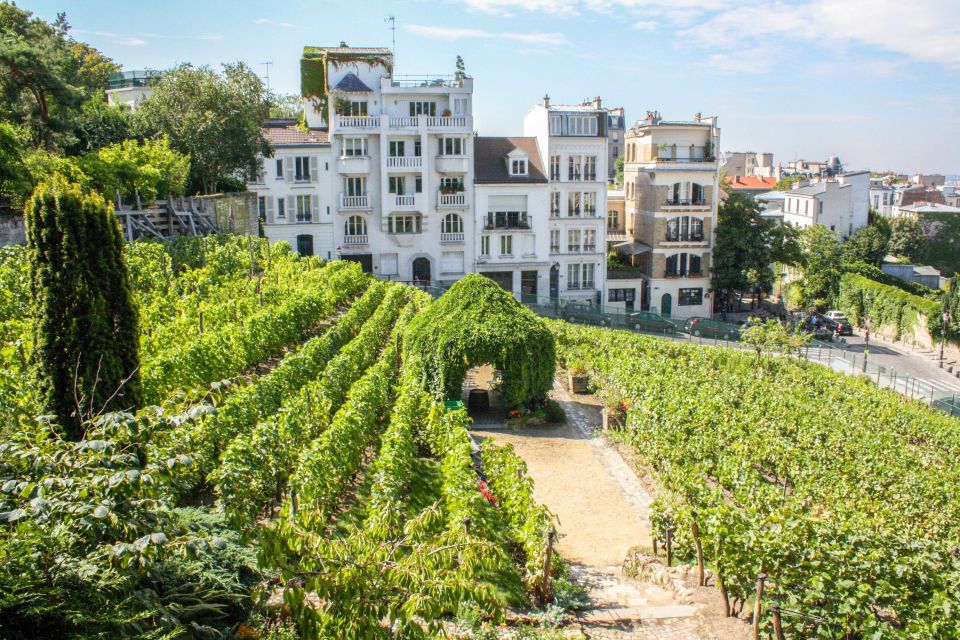
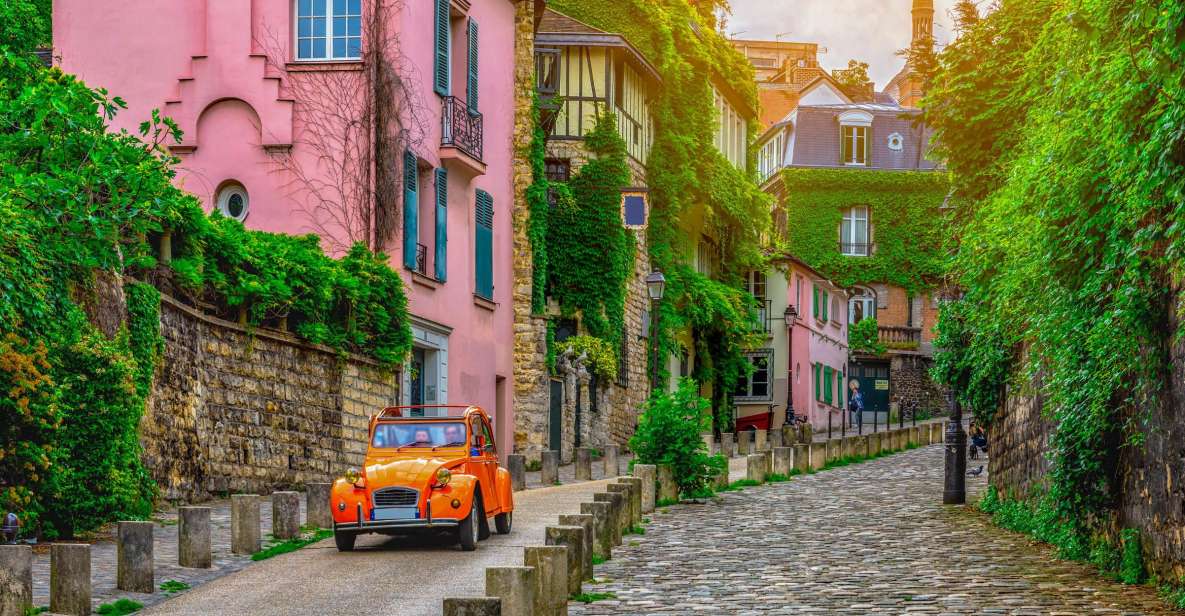
Montmartre is often described as a village inside Paris, and the walk is built around that idea. You’ll move through winding cobbled streets and small pockets of the neighborhood that many visitors miss when they only chase the postcard spots.
This is where a good guide makes a real difference. In the experience, guides like Tamari and Anastasia were praised for strong art-history context and for making landmarks feel alive, not like random photo backdrops. If you love the how-and-why of cities, you’ll likely appreciate this approach.
What to watch for: the neighborhood vibe changes as you go uphill. The higher you get, the more the streets tighten and the more you feel the hilltop identity. That shift is part of what you’re paying for. A map won’t explain the feeling; a guide can.
Place du Tertre: Artists, Street Energy, and How to Look Like a Pro
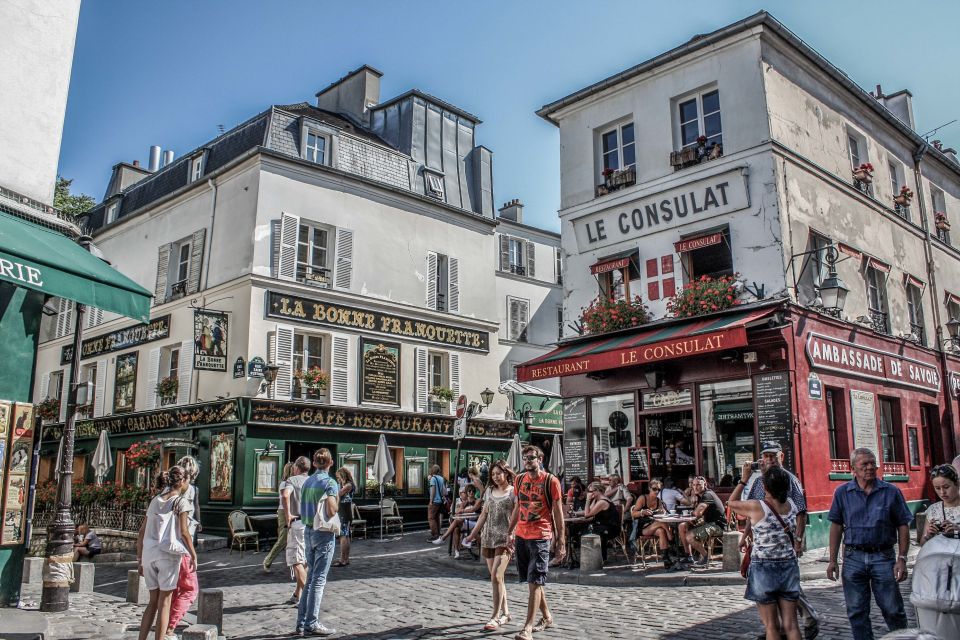
You’ll see Place du Tertre, which is one of Montmartre’s most recognizable squares. It’s also one of the easiest places to get swept up in the noise, because street art and caricatures pull your attention instantly.
The smart way to enjoy it is to treat it like a living intro chapter to the neighborhood. The guide’s job here is to help you connect what you’re seeing now to what made Montmartre an artist magnet in the first place. That’s what turns Place du Tertre from just a photo stop into a meaningful one.
In practice, expect the square to be lively and busy in the usual Montmartre way. If you don’t love crowds, focus on the details: the building facades, the way the street layout channels people, and the fact that this is still a creative hub rather than a dead historic set.
The Moulin Rouge Stop and the Belle Époque Stories
You’ll also pass by the Moulin Rouge and learn about Montmartre’s cabaret era. This is where the tour leans into the Belle Époque and the neighborhood’s more notorious nightlife tales.
This part can be surprisingly useful even if you don’t care about show business history. It helps you understand why Montmartre’s image became so powerful. The cabarets shaped how Paris and the world talked about this hilltop quarter, and that story hangs in the air as you walk.
Just remember: Moulin Rouge is iconic, so it’s also tourist-popular. The value here isn’t the landmark itself—it’s the explanation of how that reputation formed and how the area’s artistic life intersected with spectacle.






Van Gogh, Picasso, and Toulouse-Lautrec: Seeing Art Through Exact Streets
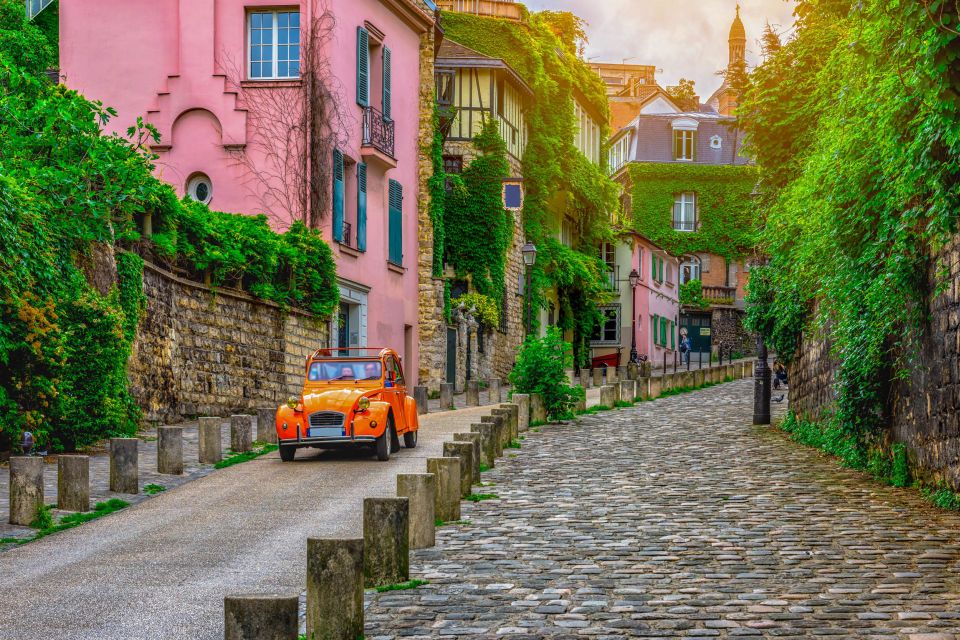
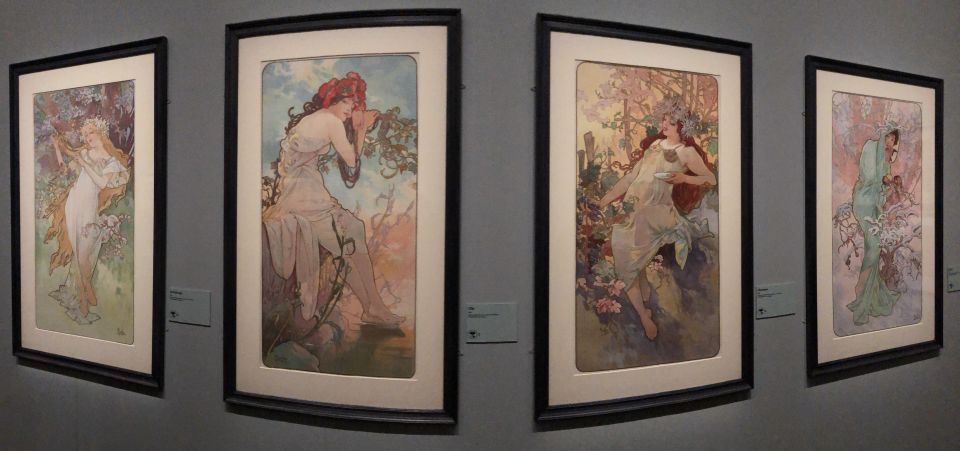
One of the best parts of this tour is how it links art history to actual locations. You’ll learn about the former home of Vincent Van Gogh, Pablo Picasso’s art studio, and the former haunts of Henri de Toulouse-Lautrec.
That kind of route is what turns “I visited Montmartre” into “I understood Montmartre.” You don’t just see a name on a plaque; you hear the story of why the neighborhood fit those artists and how their lives connected to the streets around you.
A small detail that many people end up loving: one guide, Felix, used a tablet with before-and-after photos to show Montmartre’s changes over time. Even if your guide doesn’t use tech, the core idea is the same—your guide helps you interpret the neighborhood as something that has evolved, not frozen in time.
Also, if you’re a visual learner, you’ll likely appreciate the way some guides bring architecture and culture together. Anastasia was specifically praised for tying context to the landmarks she led you to, and Alex was noted for passion for Parisian history.
Sacré-Cœur Cathedral: The Climb, the Quiet Rules, and the View
The tour ends with a visit to Sacré-Cœur Cathedral, perched on the hill. The climb is part of the experience, and the payoff is the panoramic view over Paris.
Timing-wise, the tour description mentions the view as the sun goes down, which is the kind of detail that can turn a “nice lookout” into an unforgettable memory. You’re not guaranteed a perfect sunset every time, but you should expect a scenic finish when light is flattering.
Inside the basilica, there are practical rules. Some rooms require quiet or restrict speaking, and some collections can vary by year. That’s normal for major churches, but it’s worth knowing so you don’t feel awkward when the guide asks you to lower your voice.
The most consistent takeaway from the tour’s feedback is the Sacré-Cœur view. People described it as unbelievable and highlighted it as a must. If you’re coming to Paris hoping for at least one “wow” moment that doesn’t cost extra, this is the part that delivers.
Price and Value: Is $53 a Good Deal?

At $53 per person for about 2.5 hours, you’re paying for three things: a guide, a structured walking route, and a cathedral visit. You’re not paying for transport, and you’re not paying for meals. That’s important because it clarifies what you’re getting.
The value is strongest if you fall into one of these groups:
- You want Montmartre’s top sights plus meaningful context.
- You want an organized route to handle hills and street confusion.
- You care about art stories tied to specific places, not just general facts.
If you already know Montmartre well, or you enjoy wandering without guidance, you might feel the tour is only worth it for Sacré-Cœur. But most people don’t visit Montmartre once and suddenly master it. This tour helps you understand the neighborhood quickly, and that’s where the money makes sense.
Also remember the group size. The tour caps guests per guide at 12, which usually keeps the experience from becoming a stampede. A smaller group matters on narrow streets and during stops where you need to hear the guide.
Who This Tour Suits Best (and Who Should Skip It)
This is a great match if you:
- Love art history and want it tied to real streets.
- Want a guided route through Montmartre rather than solo navigation.
- Appreciate a finish with sweeping city views at Sacré-Cœur.
- Prefer meeting a friendly, energetic guide and getting answers as you walk.
It’s not the right fit if you have mobility impairments or use a wheelchair. The tour involves moderate walking and includes hills, so it may not be comfortable or possible. If that describes you, look for a different Paris option that’s truly accessible.
If you’re traveling with kids, it depends on stamina. The walking is described as moderate, and Montmartre hills can be a challenge. With younger kids, you’ll want to pack snacks and plan for breaks on your own since food isn’t included.
Small-Group Quality: What the Guides Do That Makes It Work
The tour’s rating is extremely high, and the pattern is clear: the guides are consistently praised for knowledge and for keeping people engaged. Guides named in feedback include Eden, Tamari, Francois, Fred, Anastasia, Elena, Alex, and Felix.
What makes this more than a checklist is the way guides deliver context. Several were described as energetic, friendly, and able to meet the group’s needs. That matters because Montmartre can shift quickly from quiet backstreet charm to crowded squares. A good guide helps you stay oriented and enjoy the walk instead of just pushing forward.
If you can, choose a guide whose style sounds like you. Some guides lean more into art history, others into architecture or storytelling. Either way, the goal is the same: help you connect the places you’re seeing.
Practical Tips to Make Your Walk Feel Easy
Here’s how to set yourself up for a smooth experience.
- Wear good walking shoes. Montmartre’s cobbles and hills are not the place for fashion sneakers or slippery soles.
- Bring a passport or ID card.
- Travel light. No large bags or suitcases.
- Expect some quiet moments inside Sacré-Cœur, since certain rooms may restrict speaking.
If you’re sensitive to crowds, try to aim for a time that feels comfortable to you. You can’t control every street-level bottleneck in Montmartre, but a well-run guide route helps you spend your energy where it counts.
What If Sacré-Cœur or Nearby Areas Have Delays?
Occasional closures can happen without advance notice from museum management. If an opening delay is more than 1 hour from the tour starting time, you’ll be offered an appropriate alternative.
One important detail: in these cases, Get Your Guide isn’t able to provide refunds or discounts. That doesn’t mean it happens often—it just means you should be flexible, especially if your schedule is tight.
Should You Book This Montmartre & Sacré-Cœur Tour?
I think you should book this tour if you want a structured Montmartre experience that connects the famous landmarks to the artists and cabaret stories that shaped the neighborhood. The Sacré-Cœur finish plus the guided artist-stops route is the kind of combination that’s hard to replicate on your own without spending a lot of time researching.
Skip it if you can’t handle hills or moderate walking, or if you’re traveling with large luggage you can’t leave behind. And if your goal is pure wandering with no interpretation, you might find you’d rather do Montmartre at your own pace.
If you fall in the middle—curious, active, and ready for a hilltop walk—this is a strong value buy for Paris.
FAQ
How long is the Montmartre and Sacré-Cœur walking tour?
The tour lasts 2.5 hours.
Where does the tour start and end?
The meeting point may vary depending on the option you book, and the tour ends back at the meeting point.
What’s included in the price?
The tour includes a walking tour, a guide, and a visit to Sacré-Cœur Cathedral.
Is food or transportation included?
No. Food and drinks are not included, and transportation is also not included.
How big is the group?
There is a maximum of 12 guests per guide for a more intimate experience.
Is this tour private?
A private group is available.
What languages are the guides available in?
The live guide is available in Spanish, English, Italian, French, Russian, and German.
Do I need to bring identification?
Yes. You should bring a passport or ID card.
Can I bring luggage or large bags?
No. Luggage or large bags are not allowed.
Is the tour wheelchair accessible?
No. It is not suitable for people with mobility impairments or wheelchair users.