REVIEW · PARIS
Paris: Paris Zoological Park Entrance Ticket
Book on GetYourGuide →Operated by Distributor: GetYourGuide Tours & Tickets GmbH · Bookable on GetYourGuide
Five continents, one Paris walk. The Paris Zoological Park (formerly Bois de Vincennes) uses biozones to group animals by region, so your route feels like a mini world tour. It also went through two years of upgrades, and you can feel that in the updated, visitor-friendly setup.
I especially like the variety of animals in good-sized enclosures, including the big standouts like lions and giraffes plus small critters that many zoos skip. The only real drawback to plan around is that you may run into photo shoots or filming setups that can block views for a few minutes in certain areas.
In This Review
- Key things that make this zoo ticket worth your time
- A World Tour in One Park: How the Biozones Work
- Getting In Smoothly: Entrance Location and Skip-the-Line Entry
- African Zone: Lions, Giraffes, and Zebras Without Leaving Paris
- Europe Biozone: Wolves, Lynxes, and Otters in a City Setting
- Amazon Zone: Jaguars, Monkeys, Macaws, and the Reptile Surprise
- Patagonia Zone: Penguins, Pumas, and Pudus
- Madagascar Plus the Small-Critter Route: Birds, Lizards, Snakes, Tarantulas
- How Long Should You Plan? 3–4 Hours or the Full-Day Zoo Habit
- What You’ll Actually Do There: Strolls, Signposts, Shows, and Quiet Corners
- Food, Lunch Breaks, and Picnic Reality
- Price and Value: Is $25 Fair for a Refurbished City Zoo?
- What to Bring and When to Arrive: The Practical Stuff That Saves Stress
- Should You Book the Paris Zoological Park Ticket?
- FAQ
- How much is the Paris Zoological Park entrance ticket?
- How long is the ticket valid?
- Where is the Paris Zoological Park located?
- Does this ticket include food and drinks?
- Can I skip the line?
- When is the last admission?
- Is the park wheelchair accessible?
- What should I bring with me?
- Are animals grouped by different regions?
Key things that make this zoo ticket worth your time
- Five biozones: Africa, Europe, Madagascar, Patagonia, and the Amazon
- Refurbished for 2014 onward: two years of upgrades that improved the park experience
- Big-and-small animal mix: from lions and penguins to reptiles, birds, frogs, and fish
- City convenience: easy to add to a Paris day, with signposting and lots of places to rest
- Worth a long visit: reviews point to 3–4 hours minimum, or a full day if you like to linger
A World Tour in One Park: How the Biozones Work

The Paris Zoological Park is not built like a single straight loop with one theme. Instead, it’s organized into five biozones, each trying to feel like a different place on Earth. As you move from zone to zone, you’re basically switching continents: Africa, then Europe, then Madagascar, followed by Patagonia and the Amazon.
This approach matters because it changes how you experience the day. You’re not just scanning cages. You’re mentally following a story. One moment you’re looking for the iconic African animals, then the next you’re in a colder-climate mood with species like wolves or lynxes. If you’re with kids, this layout keeps attention from drifting. If you’re an animal fan, it makes it easier to remember what you saw without needing to study every sign for hours.
The park also underwent a major refresh after two years of work completed in 2014. Reviews often mention the zoo feels clean, well kept, and easy to navigate. That “modernized” feel is part of the value here, especially because this is still in the middle of Paris.
You can also read our reviews of more tours and experiences in Paris



Getting In Smoothly: Entrance Location and Skip-the-Line Entry
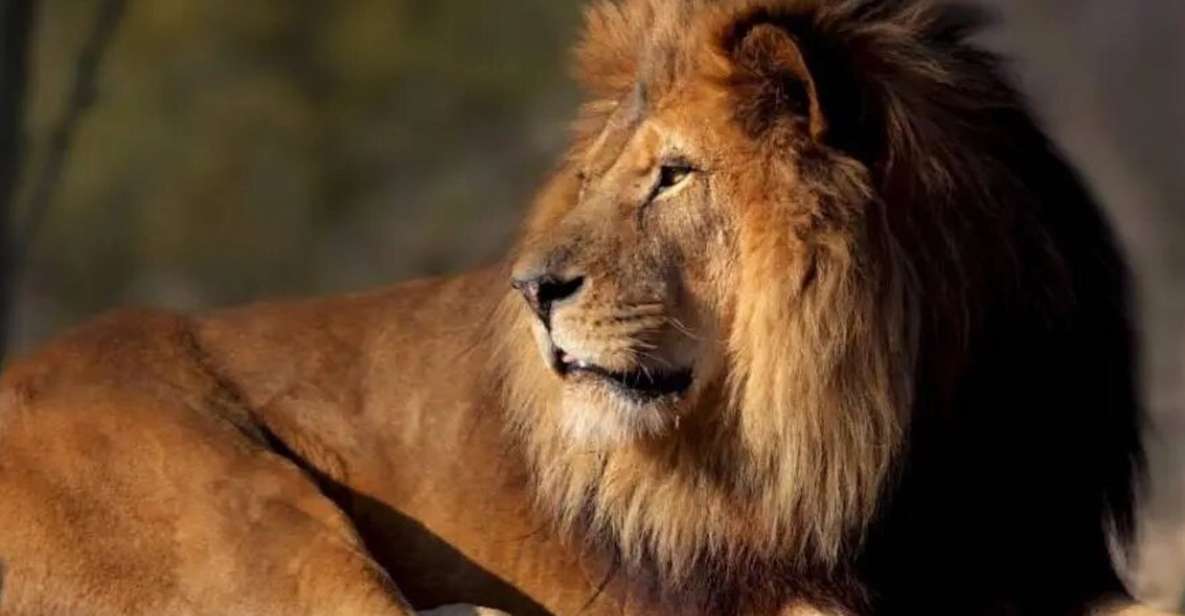
Your entry point is the Paris Zoological Park at the intersection of Avenue Daumesnil and Ceinture du Lac in Paris 12 (75012). That’s the kind of detail that saves time, especially if you’re using GPS or asking a driver.
With this ticket, you get skip-the-line entry through a separate entrance. In plain terms: you spend less of your day standing around and more of it actually watching animals. One review specifically calls out how not having to wait in line made the whole start smoother.
Two timing notes to keep in mind:
- Last admission is 1 hour before the park closes for everyone.
- Ticket offices close 1 hour before closing too, so don’t count on last-minute counter help.
If you like a calm start, aim to arrive early in the afternoon window (especially during warmer months), then you can slow down as you go deeper into the biozones.
African Zone: Lions, Giraffes, and Zebras Without Leaving Paris
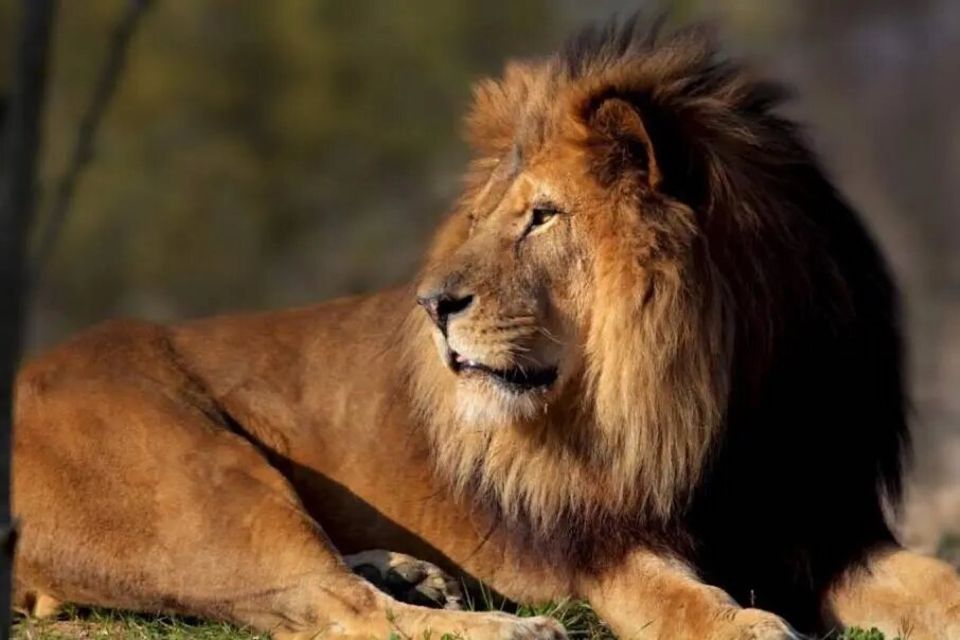
The African zone is the place to start if you want instant payoff. Expect to see the big classics: lions, giraffes, and zebras. This zone is the most straightforward “recognizable animals” part of the park, and that’s a win if you’re visiting with family members who aren’t as excited about the reptiles and insects.
What I like about this setup is the way these animals anchor the day. Once you’ve seen them, every other zone feels like a contrast. Lions and giraffes give you the emotional high points; later zones can surprise you with species you might not even think to look for in a Paris zoo.
Also, it’s a good zone for a first “scan and settle” moment. The park layout is signposted well, and once you get your bearings early, the rest of the visit feels more relaxed.
Europe Biozone: Wolves, Lynxes, and Otters in a City Setting
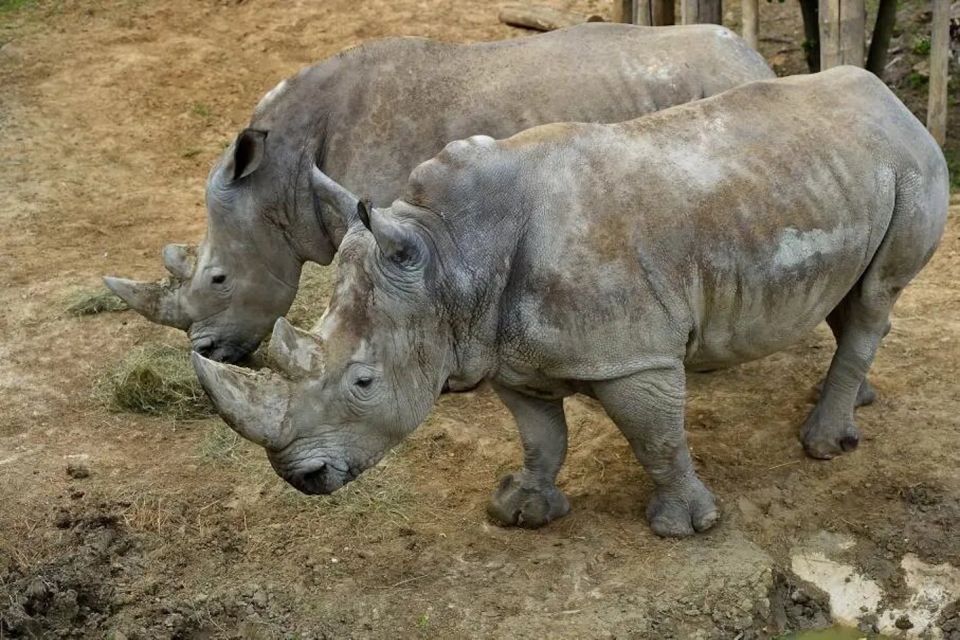
Europe is where the zoo shows you a different side of the animal world. Look for wolves, lynxes, and otters in this biozone. It’s a smaller emotional leap from Africa, but the species mix changes the mood right away.
The practical benefit here is variety without chaos. If you’ve got a group with mixed interests—someone wants the rainforest vibe, someone else prefers mammals—you’ll likely find a “yes” moment in the Europe zone.
Reviews also mention many enclosures feel spacious and that animals appear comfortable. While you can’t control an animal’s mood, the whole point of choosing a zoo visit like this is that you want a setting where animals look settled, not stressed.
Amazon Zone: Jaguars, Monkeys, Macaws, and the Reptile Surprise
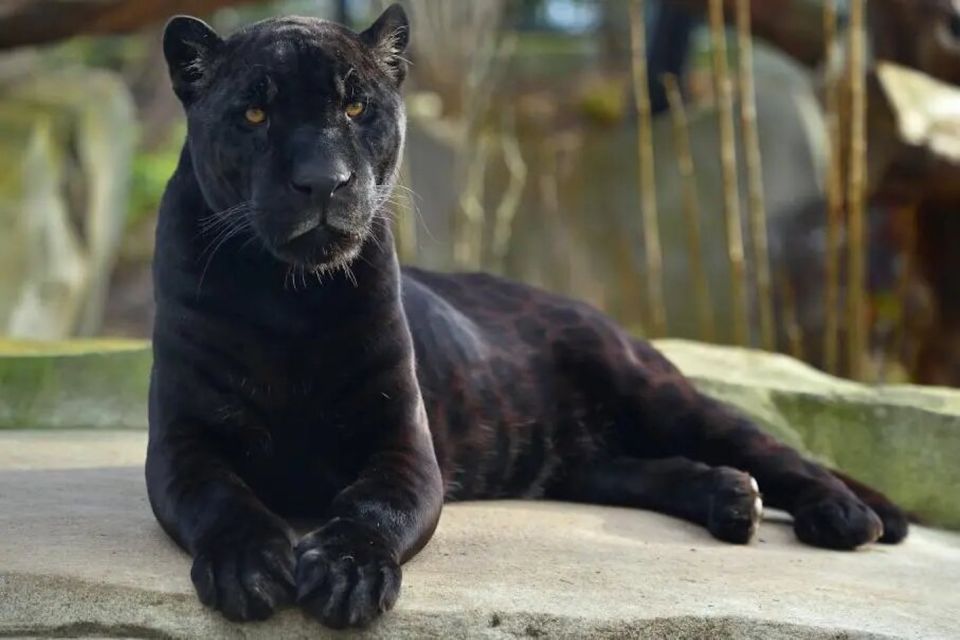
If the African zone is your warm-up, the Amazon zone is your high-volume stop. You can expect jaguars, monkeys, and macaws. And then comes the part that often gets singled out: the rainforest-style area can include reptiles and other surprises beyond what you might picture from a typical zoo.
One review highlights that the rainforest area offered a surprising mix like caimans, sloths, and anacondas. That kind of “extra” matters because it turns the Amazon section from a quick stop into a place you’ll actually slow down.
This zone is also a good reminder that zoos like this are not only about fur and feathers. If you like cold-blooded animals, you’ll likely enjoy the chance to see snakes, lizards, frogs, and more across the park.
Practical tip: plan to take your time here. The Amazon zone tends to be where people decide whether they want snacks, shade, and a breather—or just keep going until everything clicks.


Patagonia Zone: Penguins, Pumas, and Pudus
Patagonia is the mood switch into cooler-climate icons. Expect penguins, pumas, and pudus. Penguins are usually crowd favorites, but the real value is seeing how the zoo ties the animal mix to a region rather than scattering unrelated exhibits.
Pumas add that “big cat” wow factor without duplicating the African lion theme. And pudus are a great example of how this park avoids feeling generic. These are the kinds of animals that make your zoo visit feel more like discovery than repetition.
If you like taking photos, Patagonia is often a satisfying zone to work through because you’ll be able to compare species types across zones: birds in one area, large mammals in another, then smaller species elsewhere.
Madagascar Plus the Small-Critter Route: Birds, Lizards, Snakes, Tarantulas
Madagascar is one of the five biozones, giving the park another region anchor. Beyond the big-name mammals and birds, the zoo also includes a lot of smaller animals that turn into the surprise moments of the day.
Across the park, you may see birds, lizards, snakes, tarantulas, frogs, fish, and other mammals—big and small. Reviews often mention that the overall quantity of animals feels higher than first expectations, which is exactly what you want from a city zoo ticket.
This is also the zone strategy tip I’d give you: don’t only hunt the headline animals. If you give yourself time to wander the smaller exhibits, you’ll catch the “how is this here?” animals that make your visit memorable later.
How Long Should You Plan? 3–4 Hours or the Full-Day Zoo Habit
For many people, 3–4 hours is the practical target. One review recommends at least 3–4 hours and notes that the shows make the time feel more complete. Another review says you really need the whole day if you want to see everything comfortably.
Here’s how to decide:
- If you like to move steadily and prioritize the main biozones, plan on half a day to a long afternoon.
- If you stop often, watch feedings, or get pulled into the reptile-and-bird areas, book your time for most of the day.
I’d also plan for rest. Reviews mention plenty of benches and shade, including shady spots that help during hotter weather. That matters because Paris walking can be deceptively tiring, even when the zoo itself isn’t huge.
What You’ll Actually Do There: Strolls, Signposts, Shows, and Quiet Corners
This is a self-paced zoo experience with a lot of structure. Signs help you navigate, and reviews mention the zoo is clean, orderly, and easy to find your way around.
There are also shows, and at least one review calls out a bird walk through as a highlight. If you enjoy structured animal moments, keep an eye out for the show times while you’re walking—those segments can be the best “predictable” parts of the day.
Two more small but important details:
- You’ll find shaded areas and benches, which makes it easier to pace the day with children.
- The park feels less crowded than you might expect, according to at least one review, though any zoo can have busy spots depending on day and weather.
And if you’re the type who likes to end on calm, the location helps. This zoo sits in the broader Bois de Vincennes area, and one review notes it’s close to a large park you can walk through afterward for peace and quiet.
Food, Lunch Breaks, and Picnic Reality
Food and drinks are not included with your entrance ticket. You’ll need to bring your own plan or buy something on site.
The good news: reviews mention there are lunch options and picnic-friendly spaces. One review calls lunch options reasonably good value, and another mentions good picnic spaces.
The balanced note: at least one review says the cafe food was overpriced and poor quality. So I’d treat in-park dining as convenient, not necessarily the main event. If you care about taste-per-euro, consider packing snacks or planning a meal nearby after your zoo loop.
Price and Value: Is $25 Fair for a Refurbished City Zoo?
At $25 per person, this ticket price is a fair way to see a lot in one place. The value comes from a few things that matter more than they seem:
- You get access to multiple biozones, not just one curated “section.”
- The park underwent two years of upgrades, so it doesn’t feel like a basic, tired facility.
- You’ll see both headline animals (lions, giraffes, zebras, penguins) and the smaller stuff (tarantulas, frogs, reptiles).
Also, the skip-the-line entry is more meaningful than it sounds in Paris, where time lost to queues can quietly ruin your energy. The zoo also works well as a “recovery activity” after heavy city walking, which is exactly how one review frames it: a nature break after days in town.
So the honest take: if your goal is a deep, all-day animal immersion, you’ll get your money’s worth by simply using the time you paid for. If you only have 60–90 minutes and want quick entertainment, it may feel like overkill. The sweet spot is a relaxed afternoon or a full day with breaks.
What to Bring and When to Arrive: The Practical Stuff That Saves Stress
Bring a camera. That’s the one “official” item listed, and it’s also the obvious tool for capturing animals that don’t always stay in the same position.
When to arrive:
- Remember that last admission is 1 hour before closing.
- Ticket offices close 1 hour before closing, so don’t plan on quick changes at the last minute.
If you use any loan or rental equipment (whatever form it takes during your visit), return it no later than 30 minutes before closing.
One more practical comfort note from reviews: the zoo has lots of benches and shade. In warm weather, that can be the difference between a fun stroll and a tired scramble. Plan your day with breaks, especially if you’re traveling with kids.
Should You Book the Paris Zoological Park Ticket?
Yes, I’d book it if you want an easy, family-friendly activity that feels like a world tour. It’s especially good for groups with mixed interests because the park covers the big animal moments and the small weird ones too, across five biozones.
Skip it only if you’re looking for a very specialized experience (like only one animal type) or if you have very limited time. This zoo rewards people who slow down. Give yourself at least 3–4 hours, and you’ll come away feeling like you actually did something, not just passed through.
FAQ
How much is the Paris Zoological Park entrance ticket?
The ticket price is listed as $25 per person.
How long is the ticket valid?
The ticket is valid for 700 days. Starting times depend on availability.
Where is the Paris Zoological Park located?
It’s at the intersection of Avenue Daumesnil and Ceinture du Lac, 75012 Paris.
Does this ticket include food and drinks?
No. Food and drinks are not included.
Can I skip the line?
Yes. The ticket offers skip-the-line entry through a separate entrance.
When is the last admission?
The last admission is 1 hour before the park closes. Ticket offices close 1 hour before closing as well.
Is the park wheelchair accessible?
Yes. The park is wheelchair accessible.
What should I bring with me?
Bring a camera.
Are animals grouped by different regions?
Yes. The park is organized into five biozones, with animals grouped such as Africa (lions, giraffes, zebras) and Europe (wolves, lynxes, otters), plus other zones like the Amazon, Patagonia, and Madagascar.