
REVIEW · PARIS
Paris: Baking Insider Experience with a Professional Baker
Book on GetYourGuide →Operated by ExperienceFirst · Bookable on GetYourGuide
Baking in Paris is strangely satisfying. In a real boulangerie, you’ll learn classic techniques for laminating dough, shaping a baguette, and puffing croissant-style pastry, with stories behind what makes each treat French. Guides such as Pierre, Martin, and Jess help keep the class moving and easy to follow in English.
Two things I really like: first, you get real hands-on time shaping and working dough (not just watching). Second, the lesson connects technique to taste through sweet-and-savory tastings, so you start understanding why small choices matter. There’s also a personal, max-8 vibe, which makes it easier to get corrections without feeling rushed.
One consideration: plan for a physically standing-friendly activity. You’ll climb 15 steps to reach a bakery on the second floor with no elevator, so it’s not a great fit for anyone who struggles with stairs or long standing.
In This Review
- Key Points I’d Prioritize
- Enter a Working Paris Bakery (And Learn Why It’s Harder Than It Looks)
- What You Learn to Make: Lamination, Baguettes, and Croissants
- Lamination: The Layer Skill Behind Flaky Pastry
- Baguette Shaping: Spotting the Difference Between Loaves
- Puffing Croissant Dough: The Art of Layered Lift
- The Ingredient Stories That Actually Matter: Flour, Yeast, and Sourdough
- Sweet and Savory Tastings: The Class’s Secret Teacher
- Small Group Advantage: Why Max 8 Actually Changes Everything
- Step-by-Step Flow: What a 2-Hour Class Usually Feels Like
- Price and Value: Is $108 Fair for a 2-Hour Baking Class?
- Practical Tips Before You Go: Stairs, Comfort, and What to Wear
- Stairs and standing
- Your body matters for dough work
- Kids and safety reality
- Wheelchair access
- Who Should Book This Paris Baking Insider Experience
- Should You Book It? My Straight Answer
- FAQ
- FAQ
- How long is the Paris baking insider experience?
- What is the group size?
- What will I learn to make during the lesson?
- Is the guide available in English?
- What is included in the price?
- Is it suitable for children?
- Can I attend if I have mobility issues?
- Where does the tour start and end?
- What is the cancellation policy?
Key Points I’d Prioritize
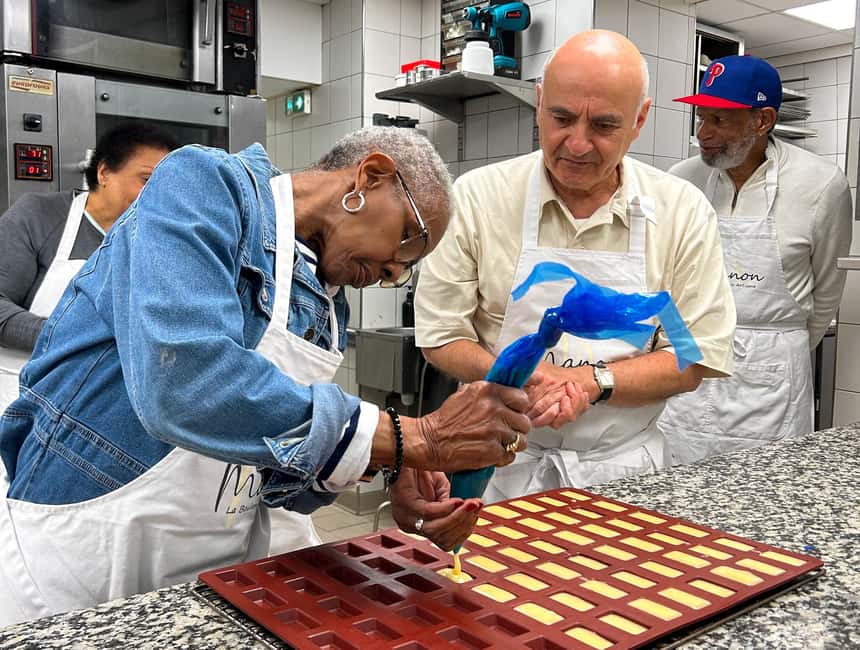
- Lamination practice you can feel: you learn the folding-and-layering rhythm behind great pastry
- Baguette-shaping technique, not guesswork: you’ll get tips for how different loaves compare
- Croissant puffing basics: learn how layered dough behaves during shaping
- Tastings that teach flavor logic: sweet and savory bites reinforce what you’re making
- Max 8, English guide help: small group means you’re seen and corrected
Enter a Working Paris Bakery (And Learn Why It’s Harder Than It Looks)
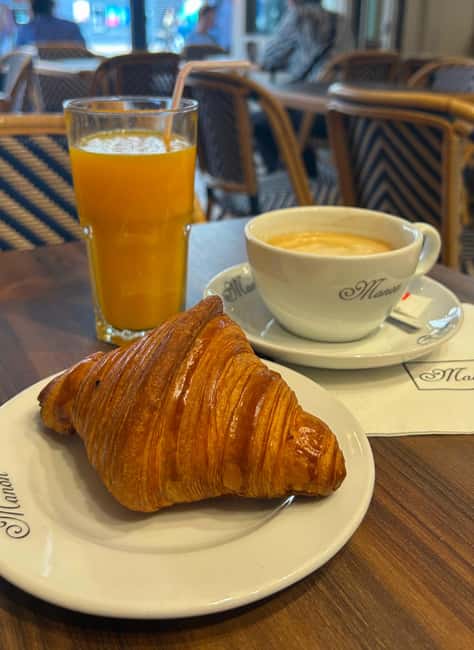
Paris baking classes often sound like performance. This one feels like a kitchen job training you for real results. The setting is a traditional Paris bakery (there are two options, depending on what you book), and you’re learning from a professional baker in a small group capped at 8.
That matters. In a big tour group, you’d stand around. Here, you’re actively making dough, shaping pieces, and getting guided feedback. You’ll start to notice something I love about bread and pastry: the quality isn’t only in the ingredients. It’s in timing, handling, and patience. And yes, in flour feel and dough tension, which is a weird sentence until you’re standing there with your hands on dough.
You can also read our reviews of more tours and experiences in Paris.



What You Learn to Make: Lamination, Baguettes, and Croissants
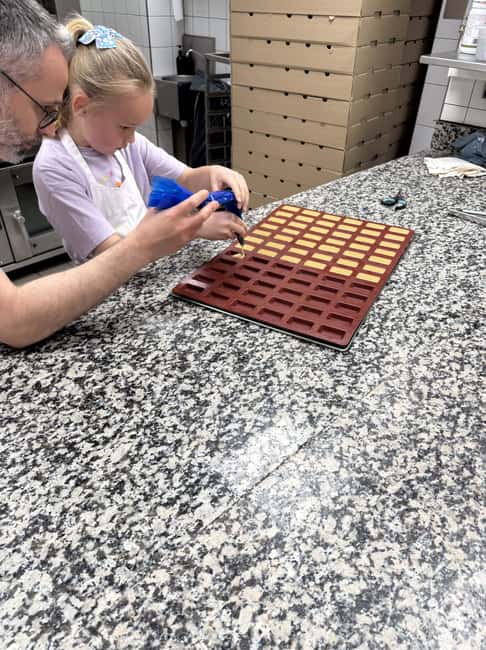
This is a true technique-focused class. You’re not asked to master everything. Instead, you learn the foundations behind several icons.
Lamination: The Layer Skill Behind Flaky Pastry
You’ll learn how to laminate dough. In plain terms, lamination is how you trap layers so the dough bakes up crisp and flaky instead of one flat sheet. Your hands learn the sequence: how to handle the dough, how to keep layers intact, and how to work without tearing the structure.
Why this is valuable: most people try to treat pastry as a recipe problem. You’re being taught as a technique problem. That shift helps you later at home because you’ll know what to watch for (layer integrity, dough temperature, and shaping control) instead of blindly copying a list.
Baguette Shaping: Spotting the Difference Between Loaves
You’ll shape baguette dough and learn baguette-shaping techniques. The class also focuses on how to differentiate one baguette from another, which is an underrated skill. It’s easy to recognize “good vs. not good” when you eat bread. It’s much harder to understand why.
In your session, you’ll get guidance on shaping steps and the reasoning behind them. The result isn’t magic. It’s the consistency of form and how that form affects baking and texture.
Puffing Croissant Dough: The Art of Layered Lift
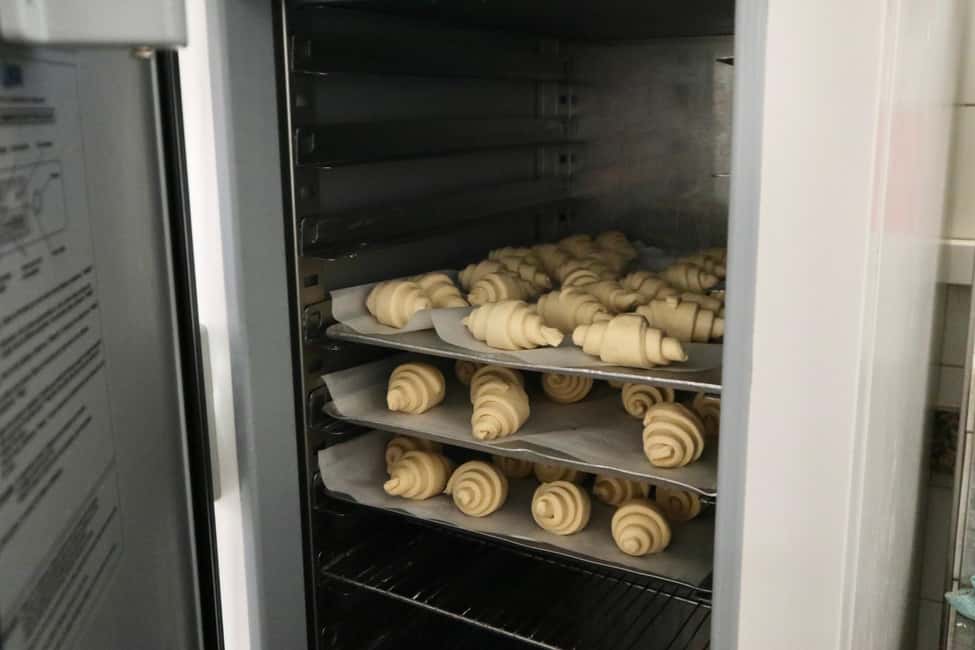
You’ll also work with croissant dough and learn how to puff the pastry dough. Croissant success is mostly about layers behaving the way they’re supposed to. If the layers get crushed or mishandled, the pastry can bake dense instead of light.
This lesson helps you understand the difference between rolling, layering, and shaping. It’s not just hands-on fun. It’s the practical “why” behind puffing, so you can stop guessing when you try it again.



The Ingredient Stories That Actually Matter: Flour, Yeast, and Sourdough
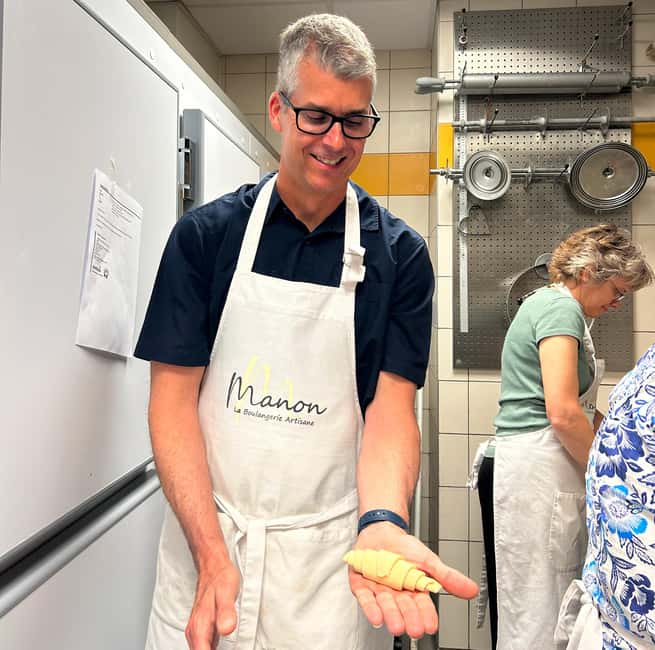
One of the best parts of the class is the explanation of ingredients through real baking choices. You’ll learn the differences between bread flours, yeast, and sourdough.
Here’s the practical meaning for you:
- Flour types change structure and texture. You’ll learn why some dough feels stronger or behaves differently.
- Yeast vs. sourdough affects fermentation flavor and how the dough develops over time.
- When you understand the role of each component, you stop blaming yourself for a failed batch and start adjusting what’s in your control.
You’ll also hear stories and histories behind iconic French treats. Not in a museum way. More like: the origin of a pastry’s style, how techniques became standard, and why certain methods stuck. It gives context to what you’re doing with your hands.
Sweet and Savory Tastings: The Class’s Secret Teacher
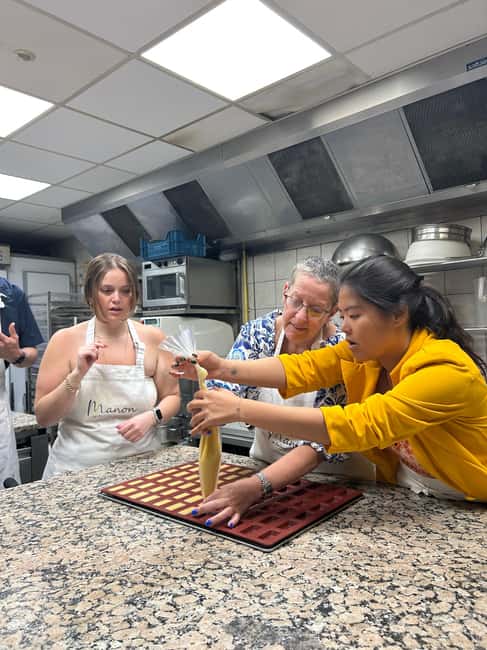
You’ll have tastings during the session, covering a variety of sweet and savory French flavors. This is where the course becomes more than cooking steps.
As you work, you’re not just building a product. You’re building taste memory. You’ll start linking:
- how dough handling can impact texture,
- how fermentation and flour choice show up in flavor,
- and how a finishing taste changes the whole bite.
I also like that the tastings aren’t only desserts. French bread and pastry are siblings in the same bakery culture. Sampling both gives you a broader sense of what a baker’s day tastes like, not just what you’d pick at a café.
Small Group Advantage: Why Max 8 Actually Changes Everything
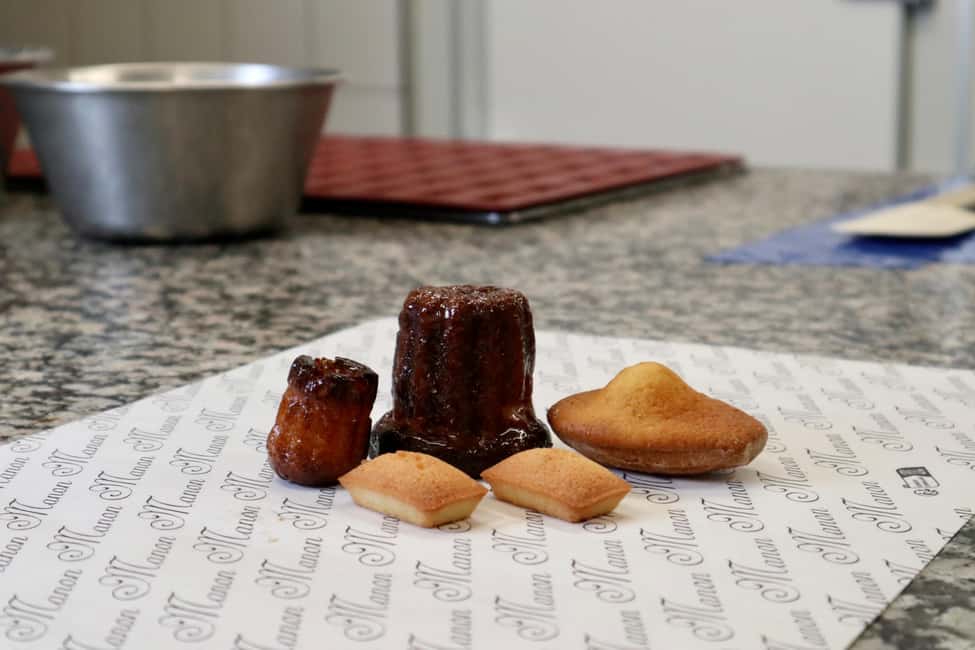
The group size is limited to 8, and that’s not a marketing line. It affects your learning.
With fewer people:
- you get personal guidance while shaping,
- your guide can correct technique quickly,
- and you spend more time doing rather than waiting.
English is also provided by a live guide, which makes the explanations easier to follow while you’re busy with dough. In feedback from past sessions, guides like Martin and Jess are repeatedly called out as engaging, making sure everyone participates. That’s the kind of detail that matters because hand skills need real-time feedback, not post-class advice.
And because it’s in a working bakery, you’ll see how the shop functions as a process, not just a staged classroom. That’s one of the most “Paris” aspects of all: bread-making as daily craft.
Step-by-Step Flow: What a 2-Hour Class Usually Feels Like
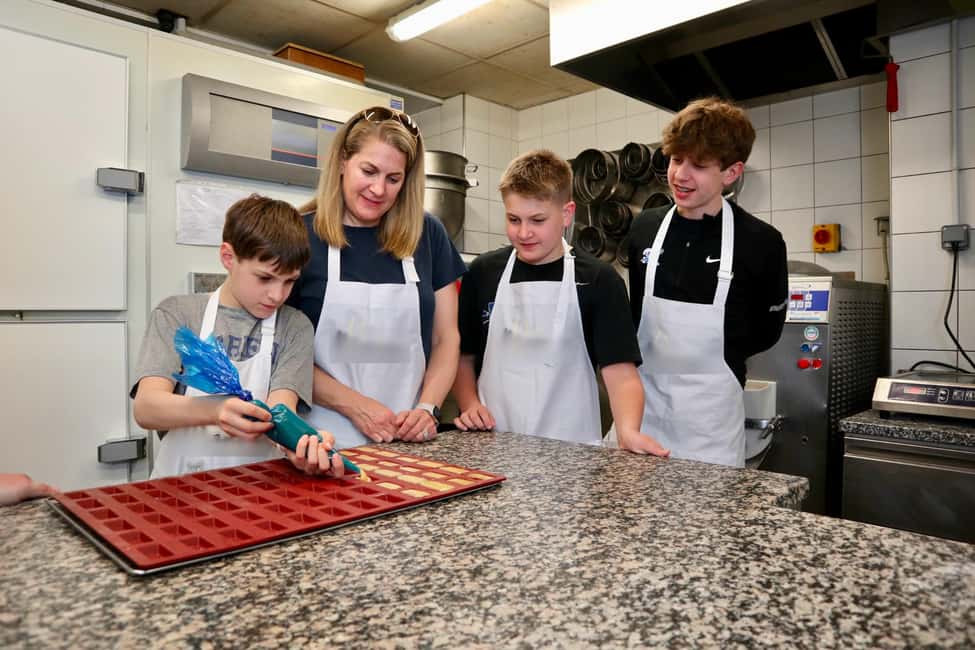
Exact timing can vary with the session, but the structure stays consistent. You’ll spend about 2 hours learning and making a few classic items.
You can expect a rhythm like this:
- Welcome and intro: you’ll get explained what you’ll make and what to watch for.
- Hands-on dough prep: you’ll work with bread and croissant dough, guided at each step.
- Technique focus: lamination handling, baguette shaping, and croissant puffing basics.
- Tastings as you go: sweet and savory bites help you connect process to flavor.
- Wrap-up: you’ll finish with the results from your work, plus the knowledge to recreate the key moves later.
One more practical detail: you should come hungry in the good way. Snacks are included, and people leave with the baked items they made, so plan to enjoy them right away and keep a little for later.
Price and Value: Is $108 Fair for a 2-Hour Baking Class?
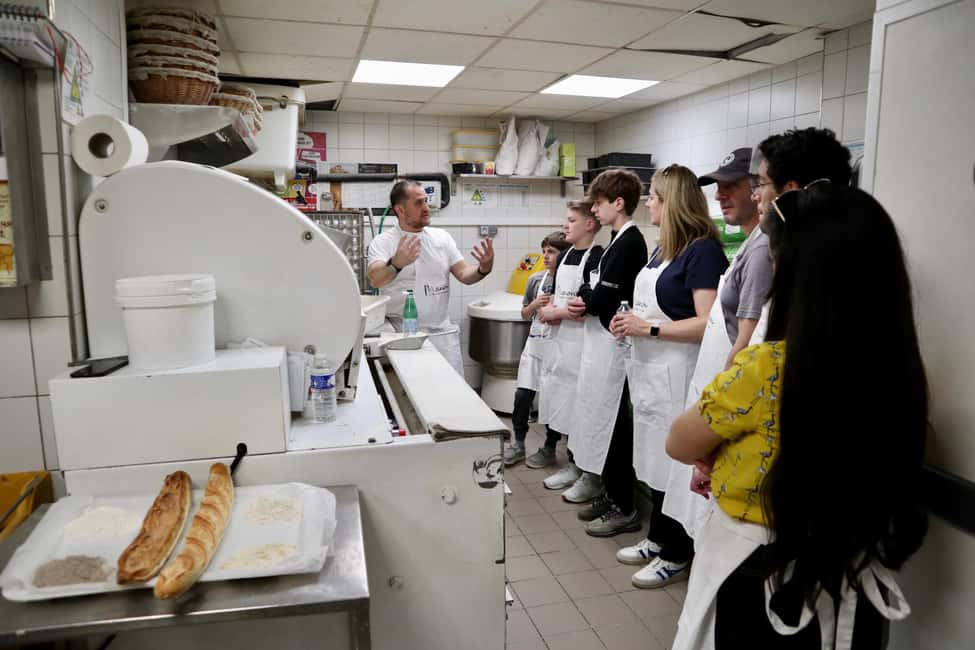
At $108 per person for a 2-hour hands-on lesson, you’re paying for four things that are hard to replicate on your own:
- Expert instruction from a professional baker
- Small-group attention (max 8)
- Ingredient-driven technique learning (flours, yeast, sourdough)
- Real practice shaping and lamination, plus tastings
This price starts to make sense when you compare it to the real cost of learning by trial and error. If you’ve ever tried croissants or baguettes at home, you know it can take multiple attempts to get decent texture. Here, you get the feedback that shortens the learning curve.
Also, you get more than one concept. Instead of learning just one item, you learn fundamentals that connect across bread and pastry: dough handling, layering discipline, and fermentation logic. In other words, you’re not just buying food. You’re buying a skill set.
If you’re on a tight schedule, it still can be worth it. It’s short enough to fit into a day, and it’s memorable because you’ll leave with your own bakes, not just photos.
Practical Tips Before You Go: Stairs, Comfort, and What to Wear
This class is friendly, but it isn’t totally hands-off.
Stairs and standing
You need to stand for an extended period. The bakery is on the second floor, and the route includes 15 steps with no elevator. If you’re sensitive to stairs or you tire easily standing, plan carefully.
Your body matters for dough work
You’ll be leaning, shaping, and working with your hands. Wear comfortable shoes with solid grip. I’d also keep sleeves manageable, since dough work can get messy fast.
Kids and safety reality
Children under 5 are free of charge, but they can’t participate in the hands-on baking due to safety concerns. If you’re traveling with little kids, expect them to watch rather than bake.
Wheelchair access
It’s not suitable for wheelchair users. That’s not a “maybe.” Based on the steps/no elevator setup, it’s a clear mismatch.
Who Should Book This Paris Baking Insider Experience
This is a great fit if you want more than a pastry stop. Book it if:
- you like hands-on activities more than museum-style tours,
- you want to understand techniques behind baguettes and croissants,
- you enjoy food education that connects to what you taste,
- you travel with teens or adults who will actually use the tips later.
It’s also smart for people who like practical takeaways. After a class like this, you’re not just saying Paris is amazing. You can point to what you learned and why.
If you’re the kind of traveler who hates standing, this may test your limits. And if you can’t manage steps, skip it in favor of something that fits your mobility needs.
Should You Book It? My Straight Answer
I’d book this class if you want a real Paris bakery experience and you care about technique. The hands-on dough work (lamination, baguette shaping, and croissant puffing), plus the sweet and savory tastings, turns food sightseeing into an actual skill you can repeat.
It’s not the cheapest activity in Paris, but the $108 price is tied to small-group instruction, professional guidance, and time spent doing the hard parts yourself. If you’re comfortable with standing and stairs, you’ll likely leave with two things: pastry you made and a better sense of how French baking works.
FAQ
FAQ
How long is the Paris baking insider experience?
It runs for 2 hours. You can check availability to see starting times.
What is the group size?
The class is a small group limited to 8 participants.
What will I learn to make during the lesson?
You’ll learn how to laminate dough, shape a baguette, puff croissant dough, and more, along with tastings.
Is the guide available in English?
Yes. The tour uses a live guide in English.
What is included in the price?
The experience includes a hands-on baking lesson, an expert guide, and snacks.
Is it suitable for children?
Children under 5 are free of charge, but they cannot participate in the hands-on experience due to safety concerns.
Can I attend if I have mobility issues?
The activity requires you to be able to stand for an extended period, and it involves 15 steps to reach the bakery on the second floor with no elevator. It is not suitable for wheelchair users.
Where does the tour start and end?
Meeting point details may vary depending on the option booked, and the activity ends back at the meeting point.
What is the cancellation policy?
You can cancel up to 24 hours in advance for a full refund.