REVIEW · PARIS
Louvre Museum: Mona Lisa Without the Crowds Last Entry Tour
Book on GetYourGuide →Operated by Walks France-Spain · Bookable on GetYourGuide
The Louvre turns quiet at closing. This last-entry Mona Lisa tour uses skip-the-line entry and an art historian to guide you through the museum’s big hits at a calmer hour. I love the small group setup (max 15), and I love how the guide helps you see what matters and why, instead of just pointing at famous names.
One drawback to plan for: this is a walking tour and it’s not suitable for guests with mobility impairments or wheelchair users. You’ll also want to travel light since strollers and luggage/large bags aren’t allowed.
In This Review
- Key things I’d plan around
- Why last entry changes your Louvre experience
- Meeting at Arc de Triomphe du Carrousel (and not the wrong arc)
- Inside the Louvre: a guided route that makes the museum make sense
- Moat foundations: where the Louvre’s story starts
- Classical Greek sculpture: searching for Venus de Milo and more
- Cupid & Psyche, Michelangelo’s Slaves: emotion, movement, and craft
- French political art: Delacroix’s Liberty Leading the People
- Caravaggio, Raphael, da Vinci, and Géricault’s drama
- The room of Crown Jewels: a visual reset
- Mona Lisa time at the end: how to actually enjoy it
- Skip-the-line, small group, and headsets: why your feet and ears matter
- The guide makes or breaks it (and you can feel the difference)
- What this tour is really best for
- Price and value: $97 for time, access, and attention
- Should you book this last-entry Mona Lisa tour?
- FAQ
- How long is the Mona Lisa without the crowds last entry tour?
- Where does the tour meet?
- Is skip-the-line entry included?
- What’s included in the price?
- Is the tour suitable for wheelchair users or guests with mobility impairments?
- What should I bring and wear?
Key things I’d plan around
- Last-entry timing helps you reach La Joconde with fewer people in the room
- Skip-the-line + headsets mean less waiting and easier listening as you move
- Short, focused highlights cover major schools and eras without turning into a blur
- Moat foundations and sculpture stops give context you would miss on your own
- Mona Lisa time feels flexible as you linger right as the doors are closing
- Multiple closures can change the route so your guide may adjust what you see that day
Why last entry changes your Louvre experience
The Louvre is famous for being overwhelming. Even if you love art, you can still end up doing what I call “tourist bingo”: find the big painting, dodge the crowd, take a quick photo, and escape. A last-entry plan changes the whole rhythm.
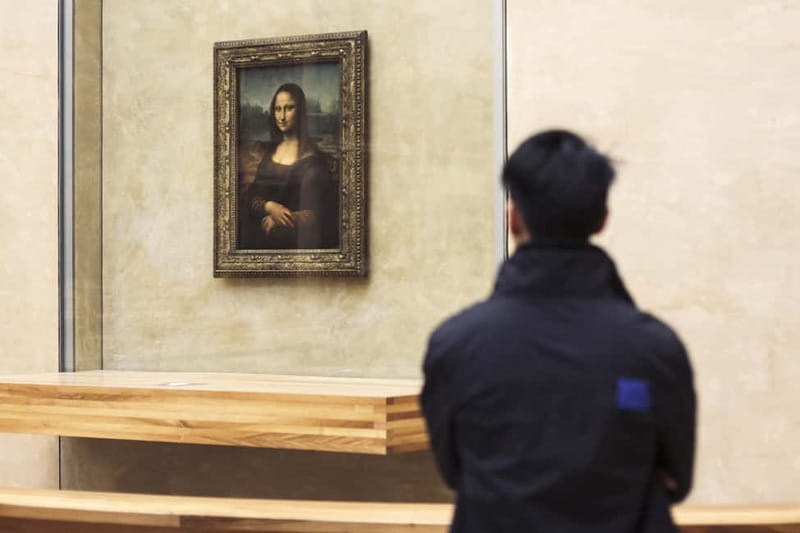
Here, you’re aiming to see the Mona Lisa when the museum’s energy drops. That matters because the Mona Lisa room can feel like a moving crowd in the daytime. Late in the day, you’re more likely to get space for a slow, careful look. And because the tour is built around an organized route, you’re not stuck hunting for rooms and corridors while you’re fighting foot traffic.
You can also read our reviews of more museum experiences in Paris



Meeting at Arc de Triomphe du Carrousel (and not the wrong arc)
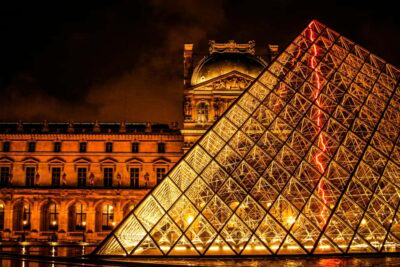
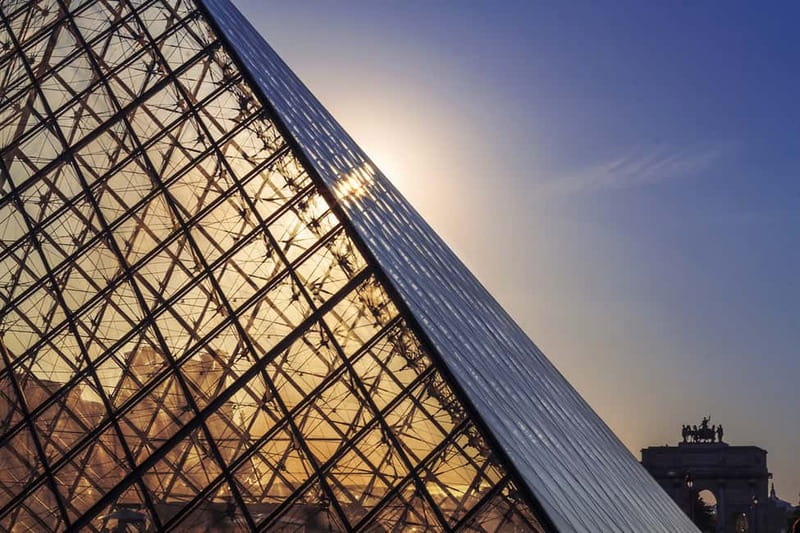
The meeting point is specific, and it’s worth getting right. You’ll gather at the statue next to the Arc de Triomphe du Carrousel, in front of the Louvre, opposite the pyramid in the Tuileries Gardens. Important detail: this is not the Arc de Triomphe de l’Etoile over on the Champs-Élysées.
When you’re facing the arc, look for the winged statue on the left. Arrive about 15 minutes early. This tour can feel a little tricky at first because it’s not at the main entrance door-by-door from where most people expect to queue.
Inside the Louvre: a guided route that makes the museum make sense
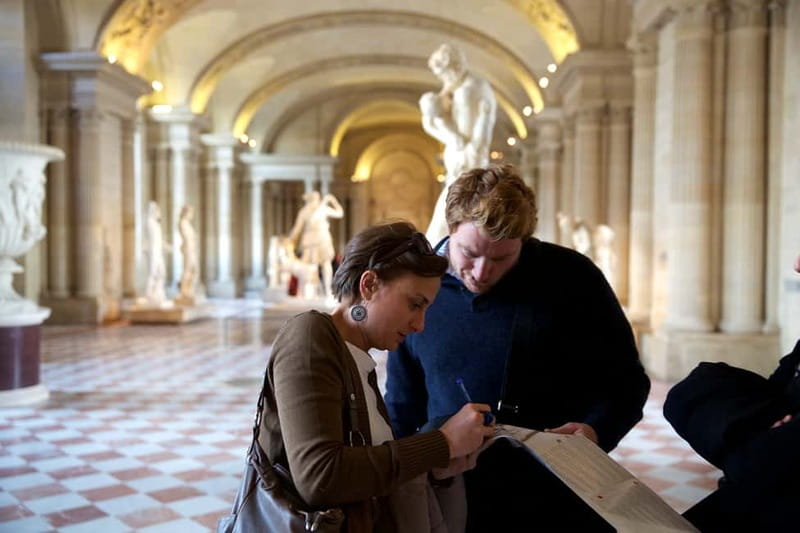
Your guided time starts after skip-the-line entry. The tour runs about 2.5 hours across key sections, with a guide leading and headsets helping you hear clearly while you walk.
What makes this format work is that it doesn’t try to cover everything. Instead, you get a smart blend of sculpture, painting, and French art history. The guide doesn’t just name works; they’re setting up a mental map for you: how the Louvre is organized, how different periods look and feel, and how major artists are in conversation with one another.
Moat foundations: where the Louvre’s story starts
You begin by seeing the palace foundations at the moat area. It’s a good opener because it reminds you the Louvre isn’t only a museum box full of masterpieces. It started as a fortress/palace space, and that shift from power to preservation shapes how you understand what you’re standing inside.
If you normally walk through history by accident, this is one of those stops that gives you a “wait, this place has layers” moment without needing a long lecture.
Classical Greek sculpture: searching for Venus de Milo and more
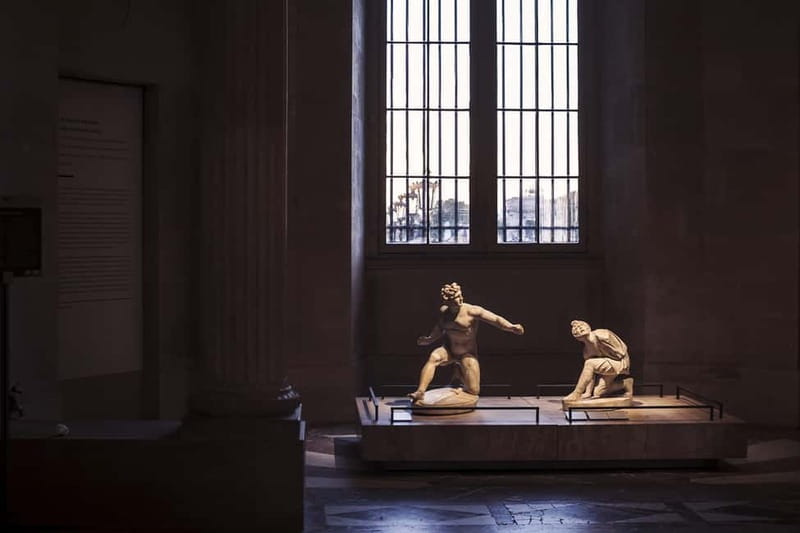
Next, you move into the collection of Classical Greek statues. This part is more than a quick sightseeing snack. It’s a chance to see how museums display fragments and reconstructions—and how a single statue can define an era’s idea of beauty and heroism.
You’ll be nudged to find Venus de Milo (the mysterious one) and the Winged Victory of Samothrace (the triumph in motion). Standing in front of these works is where the size and texture start to hit harder than any screen.
Also, if you’ve ever felt like Greek statues are all the same, this is a solid way to reset your eye. You start looking for stance, drapery, and emotion, not just “old marble.”



Cupid & Psyche, Michelangelo’s Slaves: emotion, movement, and craft
From Greek sculpture you shift into pieces that show how artists keep reaching for similar human themes—love, struggle, ideal form—while using totally different approaches.
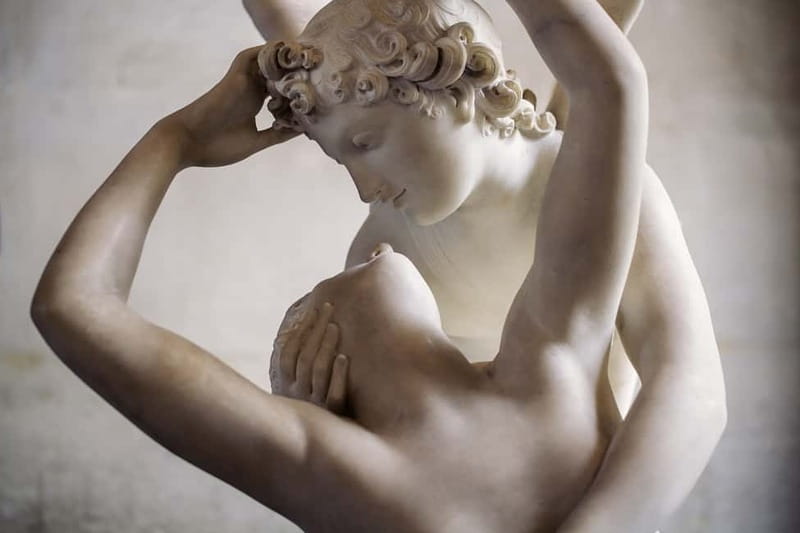
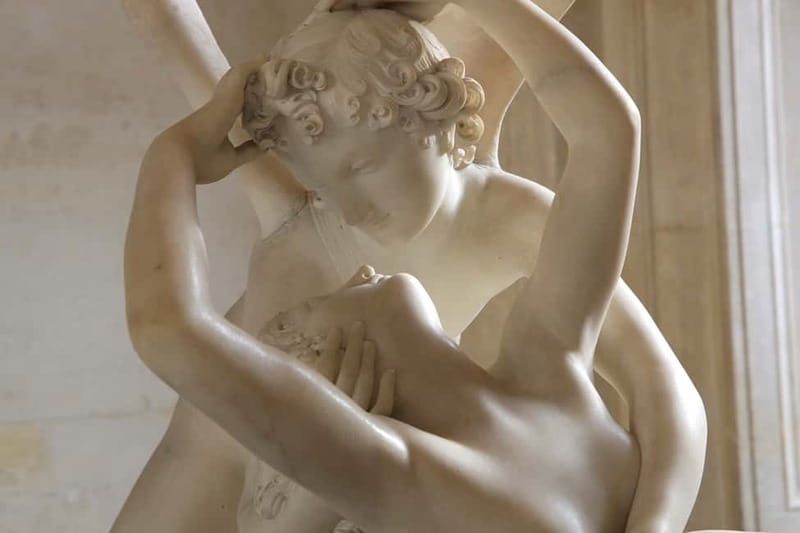
You’ll see Cupid & Psyche and Michelangelo’s Slaves. These stops are great for late-day pacing because they slow you down without dragging. You get to look for tension in bodies and the way artists pull meaning from anatomy. It’s also an efficient way to learn how the Louvre can feel both orderly and emotional.
French political art: Delacroix’s Liberty Leading the People
Then the tour takes a more modern emotional turn with Delacroix’s Liberty Leading the People. This is the painting where you can almost feel the history lesson under the paint.
It’s also a reminder that the Louvre isn’t only old-world mythology. It holds moments where art participates in politics and public imagination. For first-time visitors, that helps the museum feel less like a catalog and more like a living record.
Caravaggio, Raphael, da Vinci, and Géricault’s drama
The painting stops hit several major names: Caravaggio, Raphael, and da Vinci are part of the highlighted route. Even if you only know them from school or memes, being guided here helps you notice the differences that matter—lighting, composition, anatomy, and mood.
You’ll also see Géricault’s The Raft of the Medusa, a work known for its intense human drama. It’s a strong late-day stop because it gives you something to think about while the rest of the crowd pressure fades.
The room of Crown Jewels: a visual reset
Before you reach La Joconde, the tour includes a room sparkling with Crown Jewels. This part isn’t about “winning at art vocabulary.” It’s a practical palate cleanser. After classical bodies and serious painting, jewels can feel like a different language: glint, value, power, and spectacle all in one room.
It also helps that the tour has a clear structure. You’re not constantly asking yourself what to see next. The guide handles the order.
Mona Lisa time at the end: how to actually enjoy it
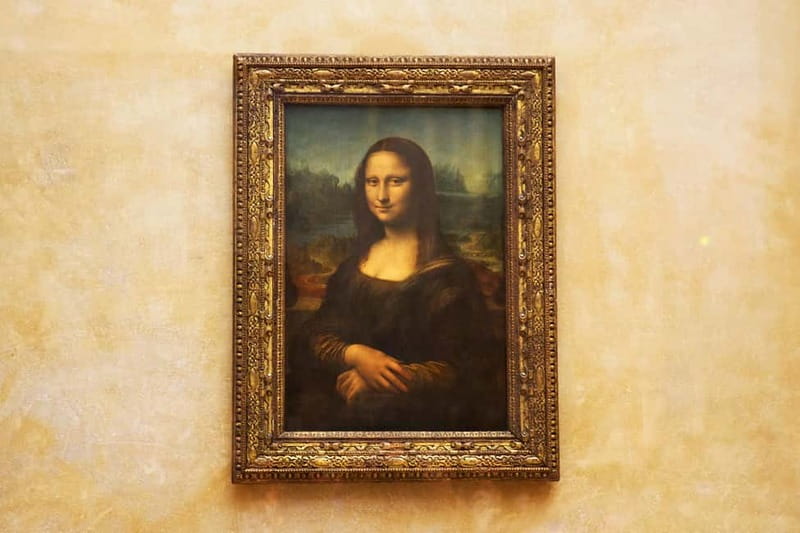
This is the point of the tour, and it’s built for a specific feeling: getting close to the painting without the daytime stampede.
You’ll reach the Mona Lisa room for about 30 minutes, including a guided visit and a photo stop. The best part is the timing. Doors are closing, crowds typically thin out, and you’re more likely to have enough space to look rather than queue.
Here’s how I’d approach your time in the room:
- Start with the basics the guide points out, so you’re not staring at the wrong details first.
- Then give yourself permission to pause. Even 30 minutes sounds short, but when the room calms down, it can feel longer.
- Take a step back and then move in again if space allows. That changes what your eyes notice about the painting’s subtle expression.
This tour is also designed so you can linger. You get that sweet spot where you can stand at a distance, then get close again—without everyone around you forcing the pace.
Skip-the-line, small group, and headsets: why your feet and ears matter
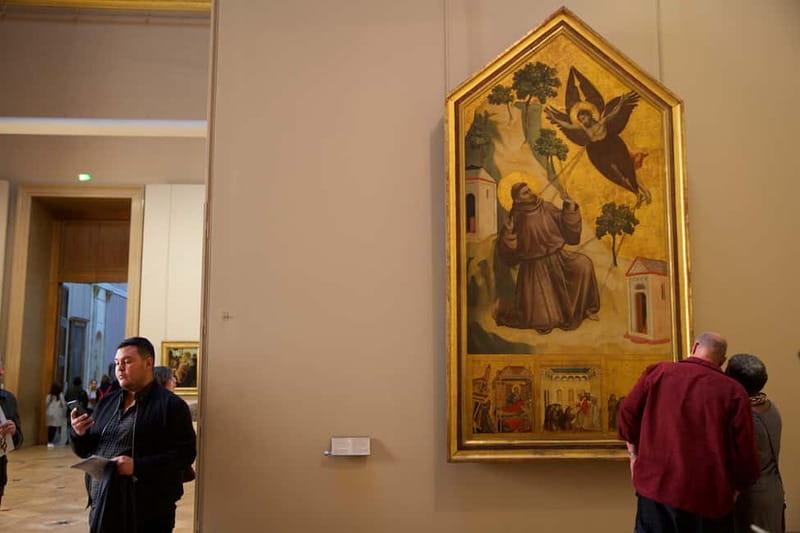
At the Louvre, time isn’t just minutes on a clock. It’s energy. Your plan falls apart if you spend it waiting.
That’s why skip-the-line entry is a real value here. It doesn’t make the Louvre smaller, but it removes one of the biggest daily headaches: the queue. Add headsets, and you get fewer moments where you have to lean in or strain over museum noise. You can focus on seeing instead of guessing what the guide is saying.
The small group size (max 15) also changes the vibe. You’re not stuck in a giant pack. The guide can keep everyone moving and still hold a conversation pace that doesn’t feel frantic.
The guide makes or breaks it (and you can feel the difference)
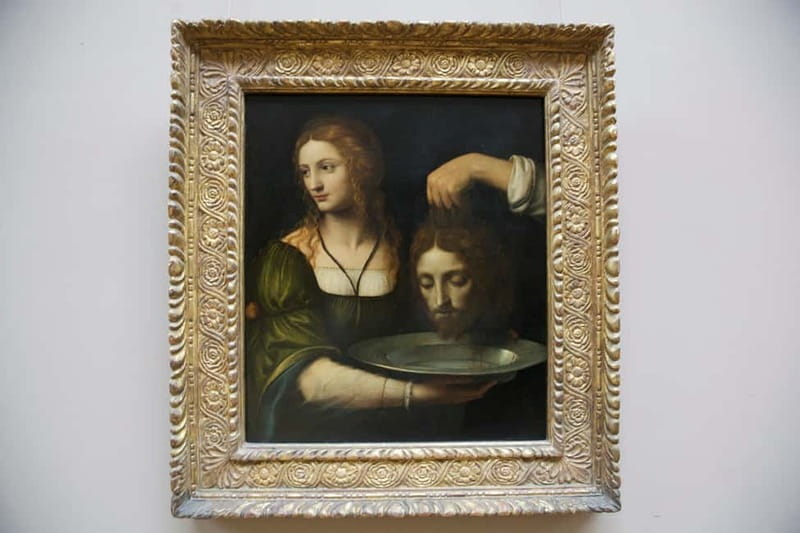
This tour is led by a local guide, and the quality shows in the way people talk about the experience. Multiple session highlights mention guides like Hugo, Laurence, Violette, Bel, Lee, Antoine, Adam, Daniel, Abby, and Claire. The common thread: they connect the artworks to context and make the route feel manageable.
That matters because the Louvre isn’t just a collection. It’s a maze of galleries and cross-currents. A good guide helps you see with purpose. You learn what you’re looking at, but you also learn how to find your way without stress.
If you’re the kind of person who enjoys museum moments even more when someone explains how artists think, this is the right match.
What this tour is really best for
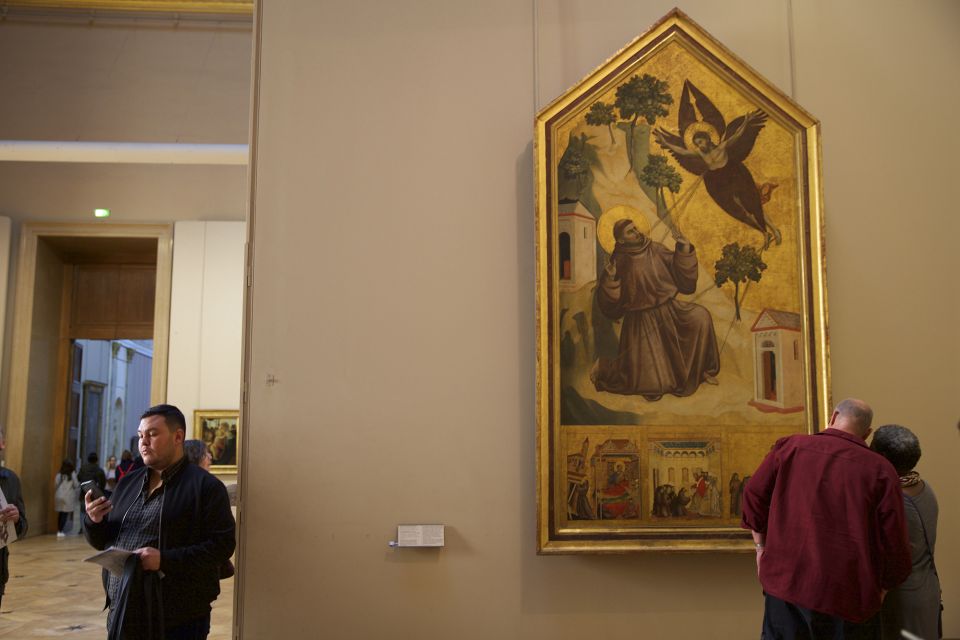
This works especially well if:
- you’re short on time and want the Louvre’s major hits without building your own route
- you care about seeing the Mona Lisa with breathing room
- you’d rather spend energy looking closely than walking in circles
It’s also a great choice for a first visit. You leave with a mental map: where sculpture lands, how paintings shift the emotional tone, and how the Louvre’s French story fits into the global art story.
Price and value: $97 for time, access, and attention
At $97 per person for about 3 hours, this isn’t a budget-only outing. But value here isn’t about getting the cheapest ticket. It’s about buying three practical advantages:
- Skip-the-line entry, which saves time at a place where time is usually the enemy
- An art historian-style guide, which helps you turn “I saw it” into “I understood it enough to remember it”
- Last-entry timing, which increases the odds you’ll actually feel the Mona Lisa room is calm
If you’re traveling during peak season, or you hate wasting half a vacation standing in lines, this price starts to look fair fast. You’re paying for access plus a guided route designed around the closing-hour payoff.
Should you book this last-entry Mona Lisa tour?
If your top goal is La Joconde with less chaos, I’d book it. The combination of last-entry timing, skip-the-line, and a small guided route is exactly what makes the difference between a rushed look and a satisfying one.
Skip it only if you strongly prefer total independence inside the museum, or if the walking demands won’t work for you. Since strollers and large bags aren’t allowed, and mobility limitations make this a no-go, plan carefully.
If you can walk at a moderate pace and want the Mona Lisa experience without the daytime crowd energy, this is a smart use of your Paris time.
FAQ
How long is the Mona Lisa without the crowds last entry tour?
The tour lasts about 3 hours.
Where does the tour meet?
You meet at the statue next to the Arc de Triomphe du Carrousel, in front of the Louvre and opposite the pyramid in the Tuileries Gardens. When facing the arc, meet at the winged statue on the left.
Is skip-the-line entry included?
Yes. Skip-the-line entry to the Louvre Museum is included.
What’s included in the price?
Included: a local guide, skip-the-line entry to the Louvre Museum, and headsets.
Is the tour suitable for wheelchair users or guests with mobility impairments?
No. It is not suitable for guests with mobility impairments, wheelchair users, or strollers.
What should I bring and wear?
Bring a passport or ID card and wear comfortable shoes. The tour is a walking tour, so comfortable footwear matters.