REVIEW · PARIS
Paris: The vibrant city center and Le Marais
Book on GetYourGuide →Operated by Paris through my eyes · Bookable on GetYourGuide
Old Paris stories start at Shakespeare and Company. This walk is built around oldest Paris streets and the kind of architecture talk you rarely get from a quick sightseeing loop. I like that the route mixes flamboyant-era buildings, Middle Ages houses, and Renaissance city castles, while your guide also brings a German-in-Paris perspective that helps you see both daily life and why Paris feels globally unique.
One catch: the church visit is not included, and the Notre-Dame entrance isn’t part of the experience. If your must-do is going inside, plan that separately before or after the tour so you don’t end up disappointed.
In This Review
- Key Things You’ll Notice on This Walk
- Getting Oriented: The Shakespeare and Company Meeting Spot
- Notre-Dame’s Gothic Neighborhood: Great Views, No Cathedral Entry
- From Medieval Houses to Renaissance Castles: What the Guide Actually Explains
- Quiet Oasis Moments: Secret Parks and Slower Streets
- Le Marais: Balconies, Lively Streets, and the Art of Street-Level History
- The Final Stretch: Photo Stops and the 5 Rue de Thorigny Finish
- Price and Value: Why $40 for 2 Hours Can Feel Worth It
- Who This Tour Fits Best (and Who Might Want Something Else)
- Should You Book This Tour?
- FAQ
- Where do I meet for the tour?
- What time length should I plan for?
- How big is the group?
- What languages are offered?
- Is the Notre-Dame entrance included?
- Where does the tour end?
- Do I need to buy anything during the walk?
- What should I wear?
- Is it cancellable?
- Is it available for wheelchair users?
Key Things You’ll Notice on This Walk
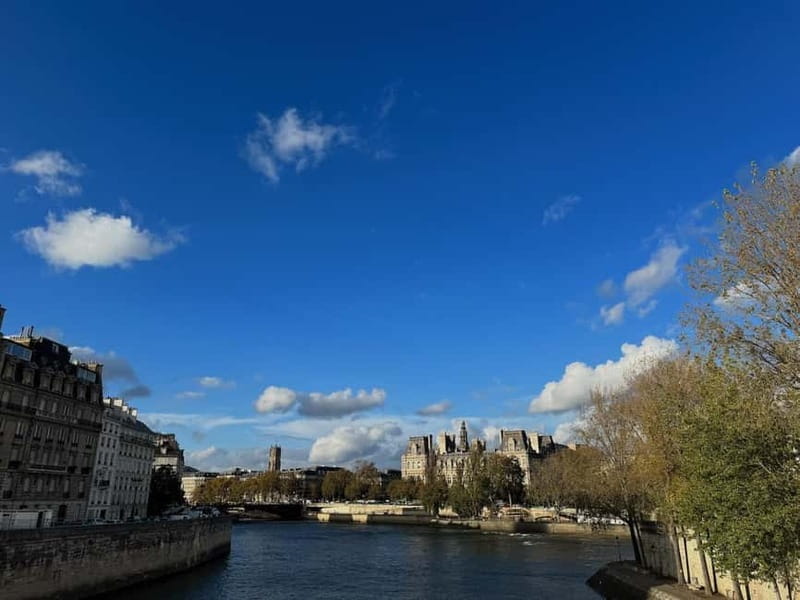
- Small group size (up to 8) means you can actually hear the guide and ask questions
- Notre-Dame neighborhood start sets the Gothic tone without doing a formal cathedral entry
- Renaissance + medieval architecture stops focus on what you’re looking at, not just where you are
- Secret, quiet park moments give you a breather from busy streets
- Le Marais street life and balconies are part of the story, not just the scenery
Getting Oriented: The Shakespeare and Company Meeting Spot
You’ll start at Shakespeare and Company, meeting at the Wallace fountain right outside the shop. It’s a smart choice because it puts you in an easy-to-navigate central landmark area, and it’s the kind of place that already feels like Paris—books, foot traffic, and that writerly vibe.
Once you’re with the group, you’ll shift from this bookstore-courtyard energy to older, tighter streets where history starts showing up in details. The guide doesn’t treat this as a checklist of famous buildings; the walk is more about learning how Paris got built, rebuilt, and re-shaped over time.
One practical tip: this is a walking tour, so wear shoes that can handle uneven paving and long pauses for pictures. Even if you’re not a power-walker, you’ll want comfort so you can enjoy the stops instead of counting minutes to sit down.
You can also read our reviews of more city tours in Paris



Notre-Dame’s Gothic Neighborhood: Great Views, No Cathedral Entry
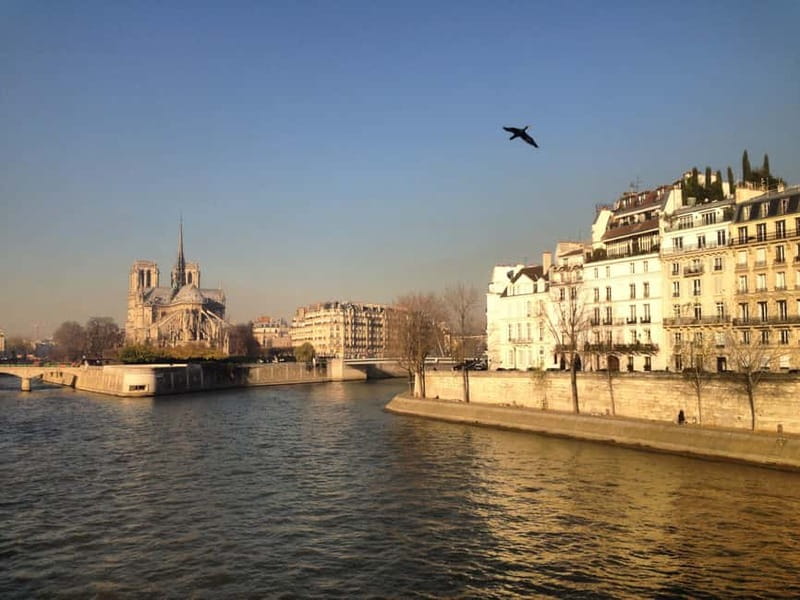
The experience begins by heading to the newly renovated and reopened Notre-Dame area, but the tour is clear that entry to the cathedral isn’t included. Instead, the focus is on the exterior and the architectural context around it—how French Gothic style earns its reputation, and how the surrounding area fits into the city’s oldest fabric.
You’ll get a dedicated chunk of guided walking and sightseeing right at the start, with a photo stop and time for the guide to point out what to look for. That matters because Gothic architecture can feel like “big old building” if nobody explains the design logic. Here, you’re guided toward the elements that make it one of the finest examples of French Gothic architecture, without turning the tour into a museum line.
If you want Notre-Dame as an inside visit, you’ll need separate plans. But if you’re happy with a street-level, story-focused approach, the lack of entry keeps the timing smooth and lets you move deeper into the older neighborhoods.
From Medieval Houses to Renaissance Castles: What the Guide Actually Explains
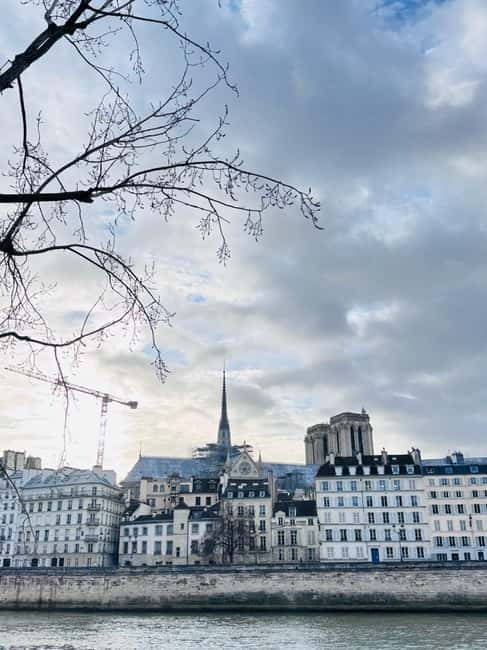
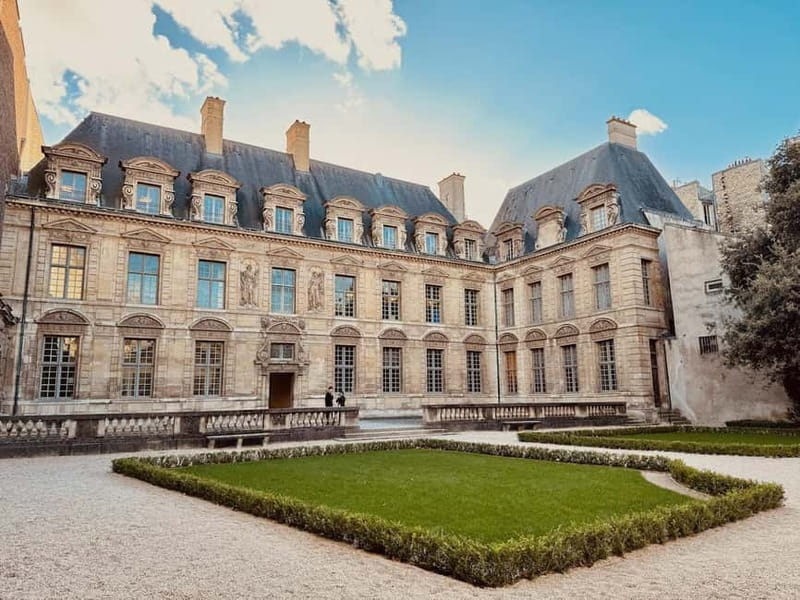
As the walk moves beyond the first area, the guide’s strength is in connecting what you’re seeing to how the city developed. You’ll pass through old parts of Paris where buildings from the Middle Ages and the Renaissance sit close enough to compare in real life, not in a textbook.
The tour is built around architectural variety:
- buildings that reflect medieval Paris housing,
- structures tied to the Renaissance era, including a sense of city power through large, castle-like forms,
- and examples from the flamboyant period, where decorative energy shows up in how facades read up close.
This is also where you’ll feel the guide’s insider/outsider lens. The tour description notes a lived-in Paris perspective with a German viewpoint, which often leads to commentary that’s both affectionate and slightly observational. You get the details that locals notice, plus the explanations that help you understand why the city works the way it does.
A small but real benefit of a guided approach like this: it slows you down in the right way. You’re not just moving from photo spot to photo spot. You’re learning how to look at architecture as evidence of time, wealth, power, and taste.
Quiet Oasis Moments: Secret Parks and Slower Streets
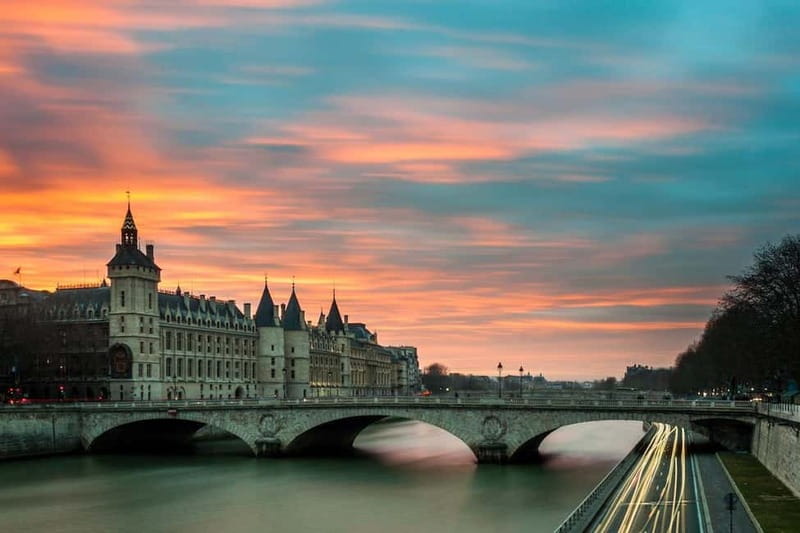
One of the more refreshing parts of this walk is that it doesn’t keep you stuck in the busiest lanes the whole time. The tour includes stops for tranquil, oasis-like secret parks, plus shaded or calmer pockets where you can reset your brain.
These pauses do two things for you:
1) They give your legs a break, and
2) They make the history easier to absorb, because you’re not constantly competing with traffic noise and crowds.
It’s also a nice reminder that old Paris isn’t only dramatic stone and grand facades. There are everyday breathing spaces inside the city center—places that feel like they were designed for people to slow down.
Along the way, there’s mention of the first King’s Square, which hints at the walk’s overall theme: Paris isn’t only about art and architecture. It’s also about civic space—how power shaped public rooms, courtyards, and the way people moved through the city.
Le Marais: Balconies, Lively Streets, and the Art of Street-Level History
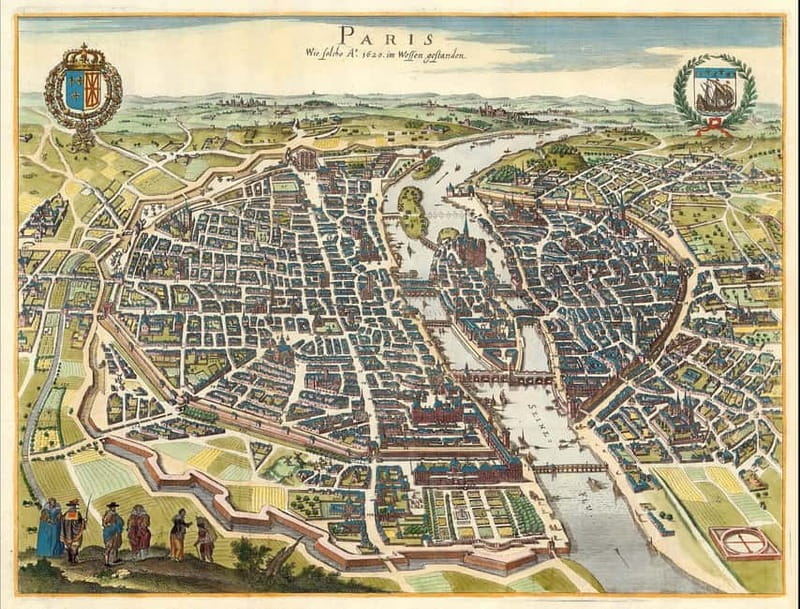
Le Marais is where the tour turns from “architectural comparisons” to “Paris as lived city.” The route spends a focused block of time here, with guided walking and sightseeing, plus photo stops.
What I like about this approach is that Le Marais can look like a photo-friendly neighborhood, but the guide keeps it grounded in history and details that people usually miss. The tour description calls out French history and the development of the city as a core passion of the guide, and that shows up in how you’re directed to read streets and facades.
One detail that comes through strongly in feedback about the experience is the balconies. If you’ve ever wandered Le Marais and wondered why the buildings feel so expressive, this is the kind of stop where the guide explains what those balcony rhythms and shapes mean in context. It turns a common sightseeing feature into a story you can remember.
Le Marais also has its lively side, with streets that feel active and real rather than frozen. That balance is ideal for you if you want history without turning the day into a slow, solemn museum crawl. You get moments that feel energizing, but the guide still steers you toward understanding instead of just snapping pictures.






The Final Stretch: Photo Stops and the 5 Rue de Thorigny Finish
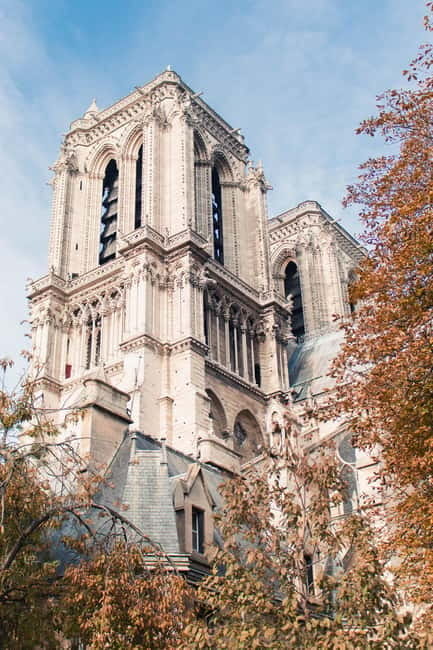
As the walk nears its end, you’ll still have guided time for sightseeing and another set of photo opportunities, including a stop described around Île-de-France. It’s not presented as a single monument moment. It’s more like a final framing—helping you connect the neighborhood you’ve walked through to the larger identity of the region.
The experience finishes at 5 Rue de Thorigny, 75003 Paris. The tour info also indicates the activity ends back at the meeting point, so your best move is to treat the ending as being in the same general center area where you can easily re-orient yourself and continue on your own.
This is a good finishing zone for independent follow-up time in the neighborhood. After a story-driven walk, you’ll usually enjoy lingering in the streets, because you’ll recognize patterns you didn’t notice before.
Price and Value: Why $40 for 2 Hours Can Feel Worth It

At $40 per person for about 2 hours, this tour sits in a reasonable range for a guided, small-group experience in central Paris. The value comes less from seeing a single headline monument and more from the way the guide teaches you to read the city.
You’re paying for:
- a live guide in English or German,
- a small group size limited to 8 participants,
- focused stops that combine architecture, history, and street-level observations,
- and time for photo breaks and walking segments that make the route coherent rather than chaotic.
If you’re the type of traveler who hates joining tours where the guide is just shouting directions, you’ll likely appreciate this format. The included content is designed to keep you moving through meaningful areas—Notre-Dame vicinity, then deeper into older streets, and finally Le Marais—without burning your energy on long detours.
Also, the guide’s insider/outsider angle helps. Even if you’ve read a few guidebooks, explanations tied to everyday Parisian life can make the city feel more personal and less like a list of sights.
Who This Tour Fits Best (and Who Might Want Something Else)

This is a strong match if you want:
- architecture discussions that point out what to look for,
- off-the-beaten-path wandering with structured stops,
- Le Marais that’s more than shops and crowds,
- and a guide who blends local perspective with clear explanations.
It’s not the best match if you need wheelchair-friendly routes, since the tour is noted as not suitable for wheelchair users. It’s also not for you if your priority is getting inside major churches, because the church visit isn’t included and the Notre-Dame entrance isn’t part of the program.
If you enjoy walking but still want a guide to keep you oriented, this tour hits a sweet spot: enough time to learn, not so long that it becomes exhausting.
Should You Book This Tour?
Yes, I think it’s worth booking if you want Paris to feel like a story you can walk through. The standout strengths are the small-group pace, the architecture focus (Gothic, medieval, Renaissance), and the way Le Marais becomes understandable through details like balconies and street-level history.
Skip it only if you specifically need inside access to Notre-Dame or if you prefer large, famous-sights-only tours. Otherwise, this is a practical way to get oriented in central Paris and come away knowing what you looked at and why it matters.
FAQ
Where do I meet for the tour?
You meet at the Wallace fountain right outside the Shakespeare and Company shop.
What time length should I plan for?
The tour lasts about 2 hours.
How big is the group?
It’s a small group limited to 8 participants.
What languages are offered?
The live guide speaks English and German.
Is the Notre-Dame entrance included?
No. The experience starts at the Notre-Dame de Paris area, but the entrance is not part of the tour, and the church visit is not included.
Where does the tour end?
The activity ends at 5 Rue de Thorigny, 75003 Paris.
Do I need to buy anything during the walk?
No purchases are included. If you want any products you come across, you pay for them yourself.
What should I wear?
Comfortable shoes are recommended since this is a walking tour.
Is it cancellable?
Yes. You can cancel up to 24 hours in advance for a full refund.
Is it available for wheelchair users?
No. It’s not suitable for wheelchair users.