REVIEW · PARIS
Paris: Seine River and Canal Saint-Martin Cruise
Book on GetYourGuide →Operated by Paris Canal · Bookable on GetYourGuide
Paris has a secret water route. On this Seine River and Canal Saint-Martin cruise, you get a tunnel-lit-by-daylight moment and real lock action with live French and English commentary. I also like how the route stitches together classic Paris views with the more under-the-radar canal side.
One thing to plan for: this trip is not a simple round-trip loop. Even though it starts near Musée d’Orsay, it typically finishes up in the Parc de la Villette area, so you’ll want to have your return plans ready, and the cruise is not suitable for wheelchair users.
In This Review
- Key Points Before You Go
- Why the Seine + Canal Saint-Martin Cruise Feels Like Good Value at About $27
- How to Find Port de Solférino Under Musée d’Orsay (Without Stress)
- From the Seine Views to Bastille Vaults: Seeing Paris From a Softer Angle
- The 1.24-Mile Tunnel: That Daylight-Through-Perforations Moment
- Exiting the Tunnel into Canal Saint-Martin: A Romantic, Quieter Paris
- Locks, Recollets Lock, and the Dead Lock Area: History With Moving Parts
- Notre-Dame, Tuileries, and Pont des Arts: Getting the Big-Name Views Without the Crowds
- Parc de la Villette Finish: Cité des Sciences, Music Museum, and Themed Gardens
- Practical Tips: Seats, Water, and How to Avoid Small Day-of Friction
- Who This Cruise Fits Best (And Who Might Want Something Different)
- Should You Book This Seine and Canal Saint-Martin Cruise?
- FAQ
- How long is the Paris Seine River and Canal Saint-Martin cruise?
- Where does the cruise start?
- What languages is the live guide available in?
- Does the cruise run in bad weather?
- Is this cruise suitable for wheelchair users?
- What departure times are available?
Key Points Before You Go
- Bastille to the underground: you pass under Bastille vaults and go through a long tunnel
- 1.24-mile tunnel experience: lit by perforations that let daylight through
- Canal Saint-Martin charm: chestnut trees, pedestrian bridges, and fishermen along the water
- Lock-and-history storytelling: you’ll see places tied to older Paris river infrastructure, including the Dead Lock area
- Great half-day reset: a 2.5-hour float is a smart break after museum or walking-heavy days
- Ending near Parc de la Villette: you finish by the Cité des Sciences and Music Museum area
Why the Seine + Canal Saint-Martin Cruise Feels Like Good Value at About $27
For roughly $27, you’re not just watching the Eiffel Tower from the river. This is a 2.5-hour guided water route that combines Seine sightseeing with the Canal Saint-Martin system, including the eye-catching tunnel and the mechanical reality of locks. That mix makes it feel like you’re getting more “Paris in layers” than a standard river-only cruise.
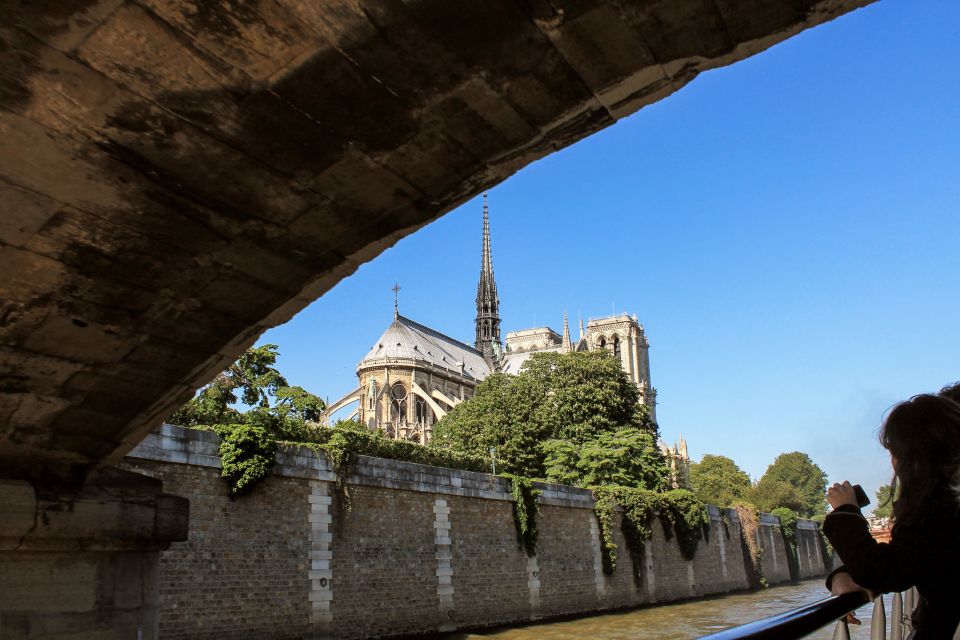
What I like most is the pacing. You’re away from the usual crush, but you’re still seeing big-ticket landmarks from the water—things like Notre-Dame Cathedral, the Tuileries Garden, and views toward Pont des Arts. If you’ve been walking around Paris with sore feet, this gives you a calm way to keep moving without burning hours.
The commentary also matters for the value. This is a live guide in English and French, and the tour is structured so you understand what you’re seeing instead of just passing it.
You can also read our reviews of more boat tours in Paris
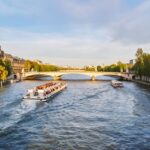
How to Find Port de Solférino Under Musée d’Orsay (Without Stress)
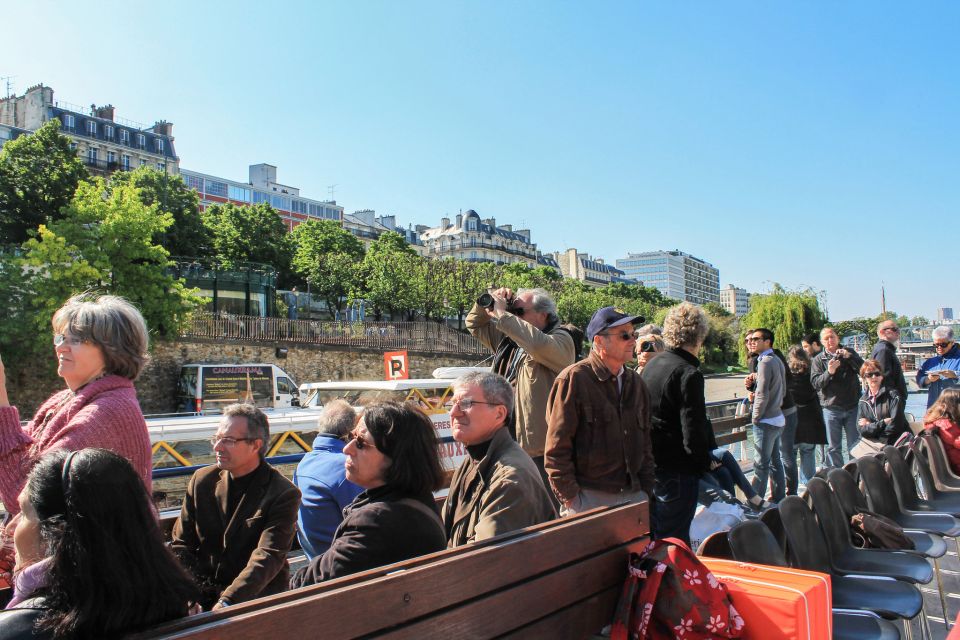
You start at the Port of Solférino, just below Musée d’Orsay. The key detail is that you reach the port via a wooden main staircase—so don’t expect a slick, obvious entrance like a major train station.
If you’re standing near the Musée d’Orsay, it’s easy to mix up what’s across the water. One practical approach: give yourself a little extra time and look for the port area rather than assuming the boarding spot will be directly opposite the museum building. Reviews note that the meeting point isn’t always easy to spot at first, and the crew can help locate passengers.
Also plan on seats. Booking for a specific departure time (there are 10 am and 3 pm options) is smart, because you’ll want to be positioned well for photos when you’re passing landmarks along the Seine.
From the Seine Views to Bastille Vaults: Seeing Paris From a Softer Angle
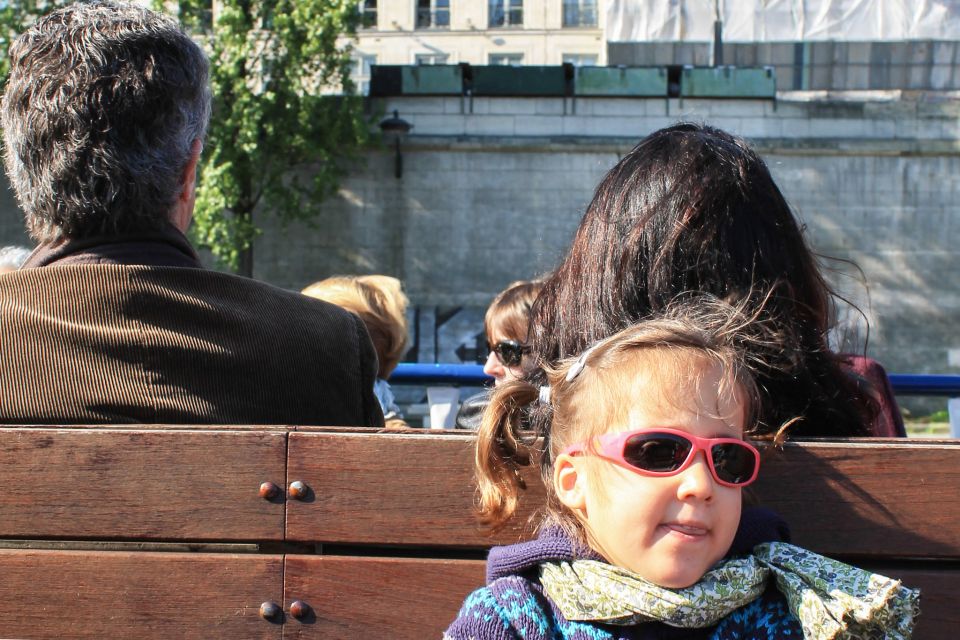
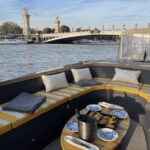
Once you’re aboard, you start with a classic Paris warm-up. The cruise moves along the Seine River near Musée d’Orsay, so you get postcard-worthy views without standing in line all afternoon.
As you head toward the Bastille area, the mood shifts from “pretty river stroll” to “Paris with history under your feet.” You pass the Bastille vaults, which is a different kind of Paris architecture—more functional, more mysterious, and very unlike the bright stone you see in the city center streets.
You’ll also notice how the guide connects the river to the city. The boat commentary helps you understand why these waterways matter—how they shaped movement, industry, and city life.
The 1.24-Mile Tunnel: That Daylight-Through-Perforations Moment
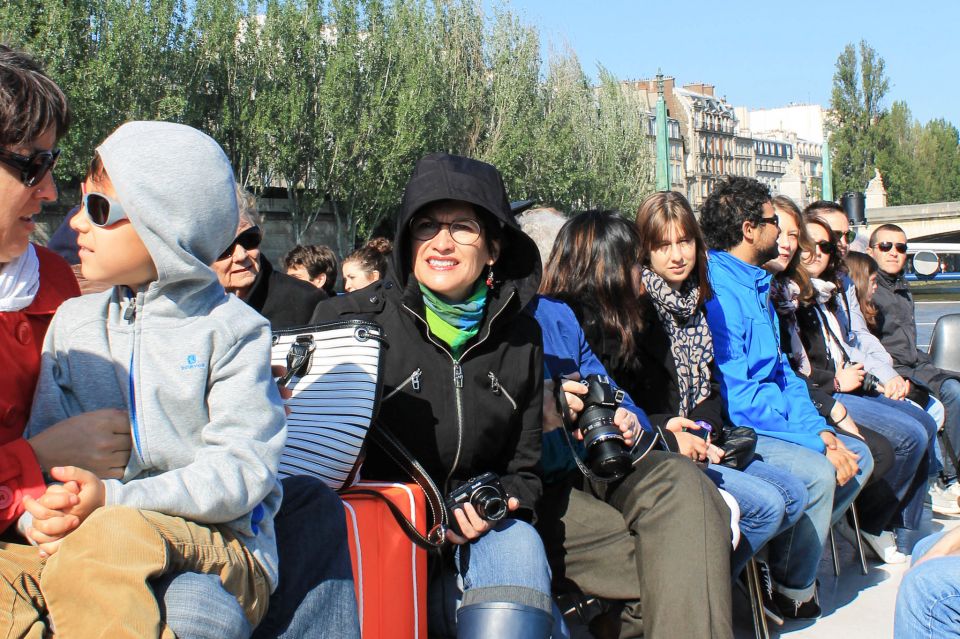
One of the most talked-about parts is the 1.24-mile tunnel you enter after the Seine segment, as the route leads toward the Canal Saint-Martin. The tunnel is lit by perforations that let in light of day, so it doesn’t feel like total darkness.
This section is the main reason the cruise feels special. You’re not only traveling through Paris—you’re traveling through a hidden engineering layer of it. And because it’s a moving ride (not a stationary exhibit), you keep getting new angles and changing views as the tunnel opens and closes around you.
If you’re the type who likes practical facts, this is a good stretch to focus on the “how” of the city. The guide’s narration makes the tunnel more than a novelty.
Exiting the Tunnel into Canal Saint-Martin: A Romantic, Quieter Paris
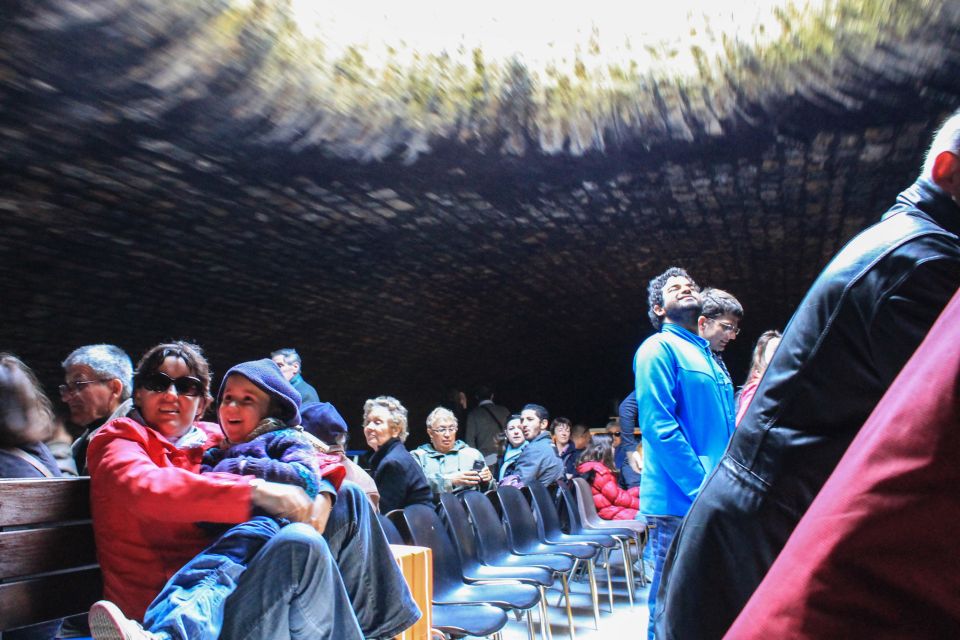
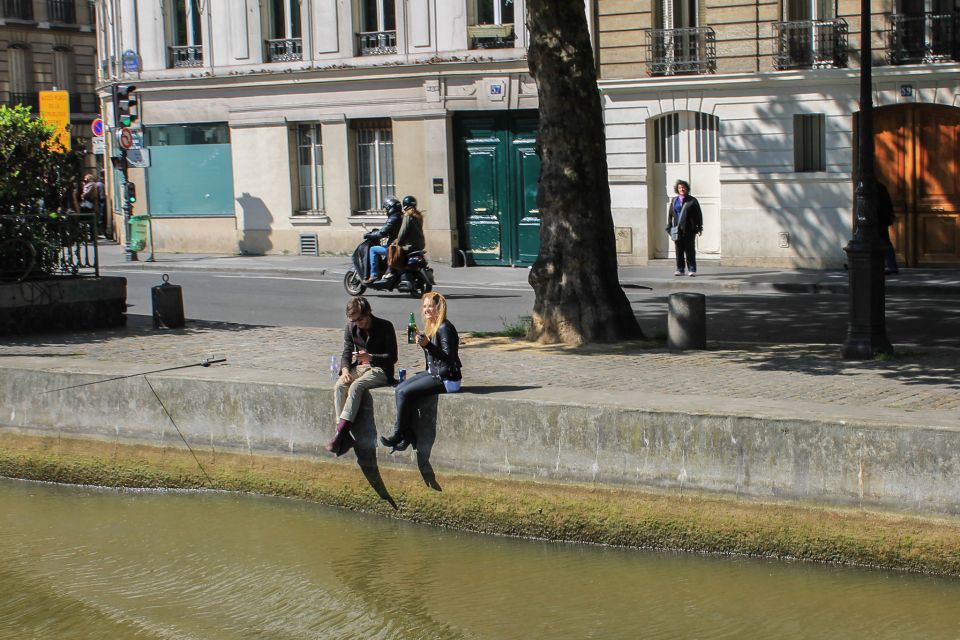
Once you emerge from the tunnel, the Canal Saint-Martin feels like a surprise. The canal is surrounded by a gentler, more human-scale Paris: romantic footbridges, chestnut trees, and calmer water with a few fishermen visible along the route.
This is where the cruise gives you a different vibe from a typical Seine viewing. On the canal, you tend to feel the neighborhoods a bit more. You’re not just seeing monuments—you’re seeing everyday river life, softened by the trees and pedestrian bridges.
The boat keeps moving steadily, so you can take photos without doing the frantic “turn, shoot, dodge” dance that often happens on the Seine sidewalks.





Locks, Recollets Lock, and the Dead Lock Area: History With Moving Parts
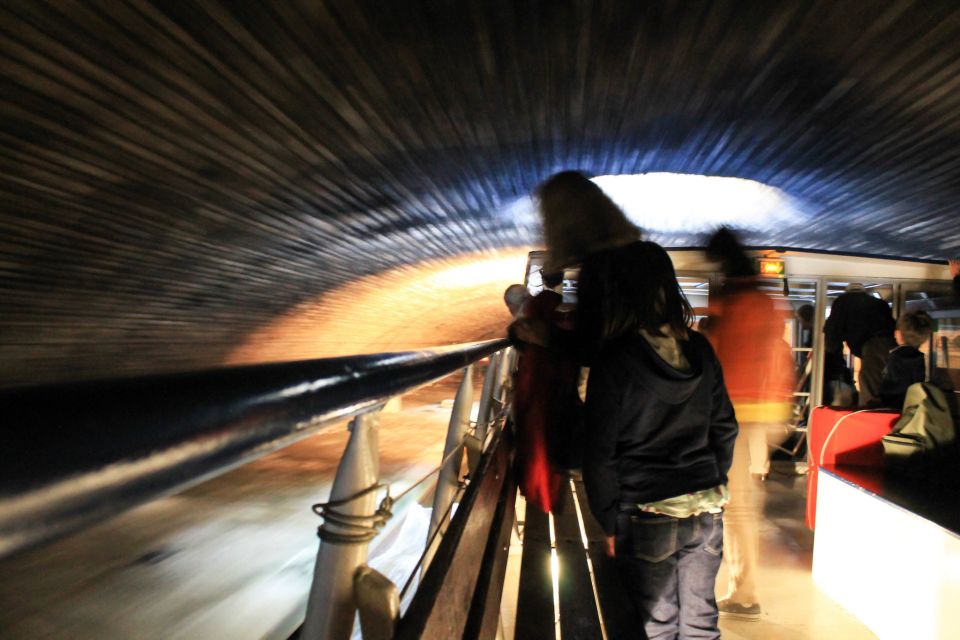
Canal Saint-Martin is famous for its lock system, and this cruise doesn’t treat locks like background scenery. You pass key features along the way, including the Recollets Lock and areas near the Dead Lock.
The narration also adds a spooky historical layer. You’ll hear about older sites tied to a Montfaucon gibbet, associated with the area near the Dead Lock. The tour description even leans into the eerie storytelling tradition—something like the lingering mood you might get from old Paris legends.
What I find satisfying is that the guide doesn’t just say the locks exist. You get the sense of how the system works as the boat progresses. The canal’s different water levels and controlled passages make the locks feel like living infrastructure, not just an old curiosity.
Notre-Dame, Tuileries, and Pont des Arts: Getting the Big-Name Views Without the Crowds
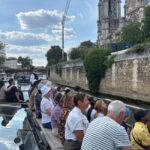
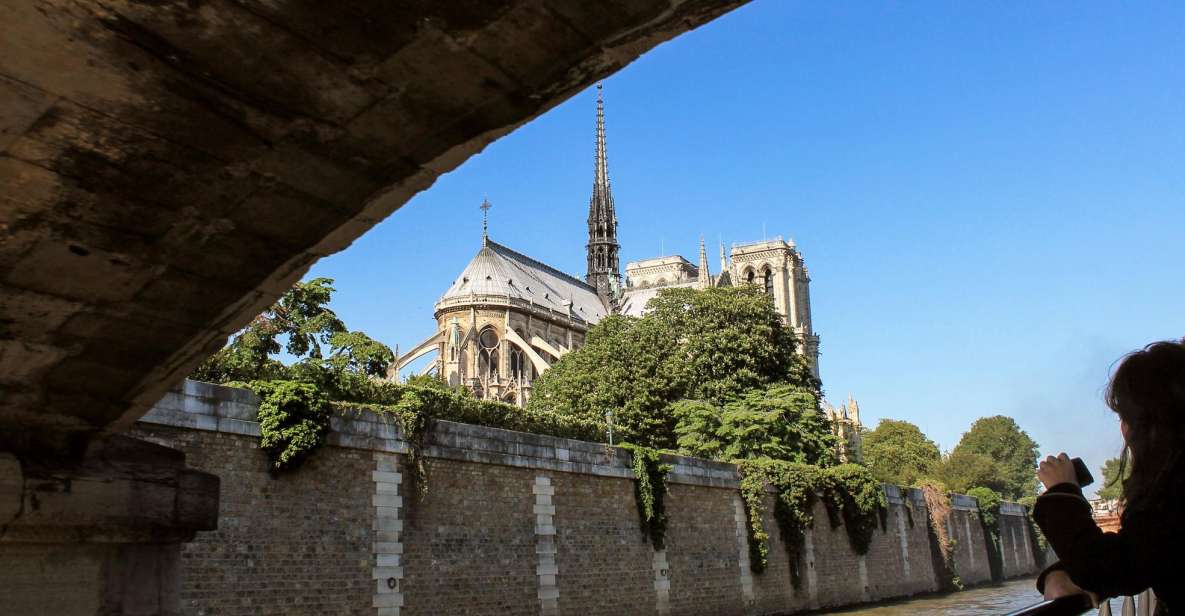
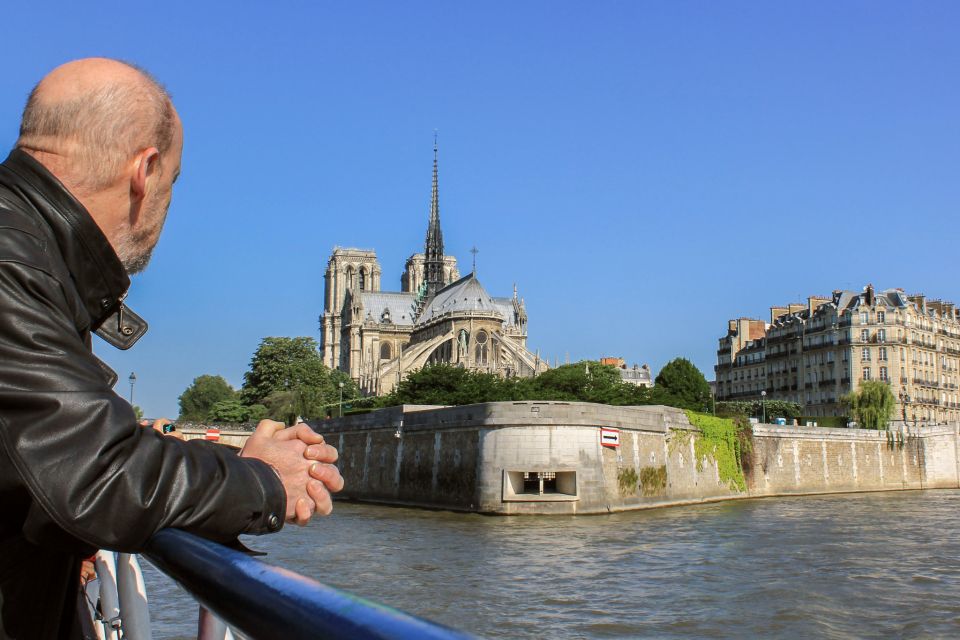
Along the Seine portion, you’ll see major landmarks that people usually chase on foot. From the water, Notre-Dame Cathedral is a clear focus point, and you also catch views toward the Tuileries Garden and Pont des Arts.
This is a helpful perspective shift. On the banks, these sites can feel like separate stops. On the boat, they string together into a visual line, so your brain puts them in order: palace gardens, cathedral silhouette, bridges, and the river’s curve.
You also get a more relaxed photo routine. You can move around on the boat to catch angles, and you’re not dodging tour groups every few seconds.
Parc de la Villette Finish: Cité des Sciences, Music Museum, and Themed Gardens
The cruise reaches the Parc de la Villette area, after passing sights like Bassin de la Villette and the arcing footbridge on rue de Crimée. At the end, you’re positioned near the Cité des Sciences and the Music Museum, plus the themed gardens.
This finish can be a win if you have kids or you just want to keep roaming. Parks are useful at the end of a cruise because you can stretch your legs and decompress after being seated.
The trade-off is logistics. The boat route ends in north-east Paris, and you’ll likely need to use transit to get back to central areas. Plan for that before you leave home so you don’t waste time figuring it out with tired legs.
Practical Tips: Seats, Water, and How to Avoid Small Day-of Friction
Here’s what makes the difference between a smooth cruise day and a slightly annoying one:
- Arrive a bit early for a better seat. Timing matters since you’re on a moving route and you’ll want clear sightlines.
- Bring water, especially in warm weather. There may be a small cup of coffee midway, but you should still come prepared if you’ll be in the heat.
- Expect a long, continuous ride because locks slow things down. This is not a quick in-and-out.
- Use your phone camera wisely in the tunnel. The daylight through perforations is the whole show, so try to get your settings ready before you enter.
- Have a return plan to central Paris. Some travelers describe the experience as effectively one-way. The safest move is to confirm exactly where you disembark when you book, then map your return route.
Also, the cruise runs rain or shine, so bring a layer you can tolerate if the weather turns.
Who This Cruise Fits Best (And Who Might Want Something Different)
This works really well for a lot of people, especially if you want:
- A half-day break from nonstop walking
- History explained simply, with live commentary in English or French
- A quieter Paris side that isn’t only the river monuments
It’s also a family-friendly idea in practice. Reviews point out that Parc de la Villette gives kids space to explore, which can make the end of the trip feel like part of the fun rather than just an exit.
On the flip side, it’s not suitable for wheelchair users, so accessibility needs should steer you elsewhere.
If you already did a classic Seine cruise and want something more technical and interesting, this is a great next step because the tunnel and locks change the experience.
Should You Book This Seine and Canal Saint-Martin Cruise?
If your ideal Paris day mixes big-name sights with an offbeat technical route, I’d book it. For about $27 and 2.5 hours, you get a strong “value stack”: Seine landmarks, Canal Saint-Martin charm, and the memorable tunnel + lock mechanics, all with bilingual live guidance.
Just do two quick checks before you commit: confirm the departure time you want (10 am or 3 pm) and make sure you understand the end location so you’re not scrambling for a ride back. If you can handle that, this cruise is a smart, relaxing way to see Paris from the water and through its hidden systems.
FAQ
How long is the Paris Seine River and Canal Saint-Martin cruise?
The cruise lasts 2.5 hours.
Where does the cruise start?
You board at the Port of Solférino, just below Musée d’Orsay, accessed via a wooden main staircase.
What languages is the live guide available in?
The cruise includes live commentary in English and French.
Does the cruise run in bad weather?
Yes. The cruise takes place rain or shine.
Is this cruise suitable for wheelchair users?
No. It is not suitable for wheelchair users.
What departure times are available?
There are two departures: 10 am and 3 pm (and scheduling varies by date range).