REVIEW · PARIS
Paris: Rodin Museum Skip-the-line Entry Ticket with Audio
Book on GetYourGuide →Operated by Wanderung · Bookable on GetYourGuide
Rodin’s sculptures hit harder in Paris. With skip-the-line entry into the Hôtel Biron museum setting, this is a smart, time-saving way to see Rodin at full scale rather than through photos.
The museum also earns points for how it spreads its masterpieces through refined rooms and gardens, so you can slow down and actually look.
I especially like the payoff: you get access to a huge collection (over 6,000 sculptures and works) and the chance to meet Rodin’s most famous forms up close, including The Thinker and The Gates of Hell. If you’re the type who likes to connect the dots between art, process, and personality, Rodin’s story fits together well here.
My only real caution is the audio. The English guide is delivered via a phone app, and if it fails to download on your device, you’ll feel the value wobble—like you paid for an experience that you can’t fully access.
Key Points at a Glance
- Hôtel Biron setting and gardens make Rodin feel less like a warehouse and more like a working world.
- Separate entrance skip-the-line is the main reason to book ahead if you want fewer delays.
- Rodin’s signature works—including The Thinker and The Gates of Hell—anchor your visit.
- Over 6,000 works means you can follow themes, not just speed-run highlights.
- English digital audio guide helps you understand what you’re seeing and why it mattered.
- Flash photography isn’t allowed, so bring a camera if you want one, and accept you’ll shoot without flashes.
In This Review
- Hôtel Biron and the Garden Feel: Rodin Outside the Usual Museum Box
- Skip-the-Line Entry in Paris: What You’re Really Paying For
- Before You Go: Getting the Real Ticket and Audio Link
- The Rodin Collection: Over 6,000 Works Means You Can Choose Your Story
- The Must-See Stops: The Thinker and The Gates of Hell
- Using the English Digital Audio Guide Without Frustration
- How a 3-Hour Visit Feels: Timing That Works With Rodin
- Price and Value: Why $24 Can Make Sense (or Not)
- Practical Tips That Make the Experience Smoother
- Who This Rodin Experience Suits Best
- Should You Book This Skip-the-Line Rodin Ticket?
- FAQ
- How long will I spend at the Rodin Museum with this ticket?
- What does skip-the-line mean for this ticket?
- Is the audio guide available in English?
- Do I need to download anything for the audio guide?
- What should I bring to the museum?
- Is the museum suitable for wheelchair users?
Hôtel Biron and the Garden Feel: Rodin Outside the Usual Museum Box

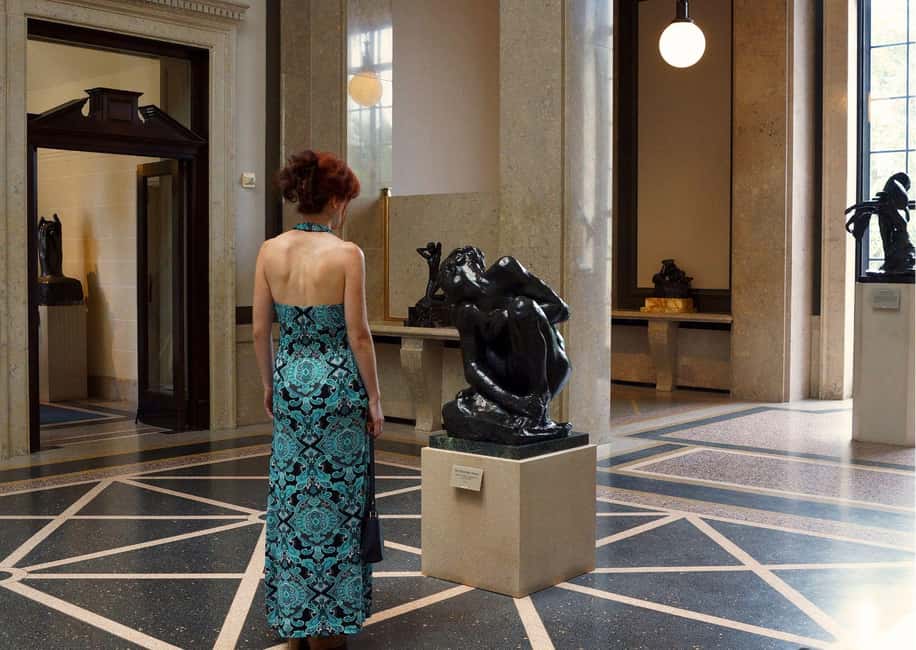
The Rodin Museum isn’t just a collection. It’s the setting that makes the visit memorable. Hôtel Biron gives you that slightly regal, quietly lived-in atmosphere—rooms that feel composed, and gardens that act like a breather between galleries.
That matters because Rodin’s work is emotional, not tidy. These sculptures often reward close viewing and repeat glances. When you’re moving through space that feels calmer than a typical big-city museum, you naturally spend more time with details: how a surface catches light, how a pose reads from across a room, how the work shifts as you walk around it.
You’ll also get a break from the loud museum rhythm. Instead of rushing from one blockbuster to the next, this museum encourages a slower pace. Even your three-hour visit can feel substantial if you build in moments for looking, not just passing through.
Skip-the-Line Entry in Paris: What You’re Really Paying For
At this museum, the ticket is mainly about timing. You’re buying the promise of skip-the-line access through a separate entrance to the main museum.
In practice, that’s where the value lives. Paris museums can have frustrating queues, and Rodin is popular enough that lines aren’t unusual. If you’re aiming for a specific time slot, pre-booking is one of the best ways to reduce stress and protect your schedule.
There’s one important wrinkle though: the audio and the entry don’t help you if the materials you receive don’t work. In the real world, that means you should treat your phone as part of your ticket. Charge it fully, bring headphones, and plan to start the audio before you get too far into the museum.
If you walk in with a dead phone or an app that won’t download, the experience can feel incomplete—especially because the guide is meant to run on your device rather than as a simple handheld audio unit.
You can also read our reviews of more tours and experiences in Paris



Before You Go: Getting the Real Ticket and Audio Link
Here’s a key detail that can trip people up: the booking confirmation voucher isn’t the actual ticket you’ll use at the museum.
After you book, you need to check your email (and WhatsApp, if that’s where your link arrives) for the PDF ticket and the audio tour link. The museum won’t accept the voucher itself. So I recommend you do this before you leave your hotel: open the email, download the PDF, and click the audio link so you know you can access it.
Also, keep in mind the museum’s hours: it’s closed on Mondays, and on other days it opens from 10 AM to 5 PM. If you’re planning a tight itinerary, build in extra time for getting there and getting settled—Rodin is worth taking your time with.
The Rodin Collection: Over 6,000 Works Means You Can Choose Your Story

What you’re stepping into is big—over 6,000 sculptures and works of art. That number matters because it changes how you experience the museum.
Instead of forcing yourself to “see everything,” you can pick a path:
- Follow Rodin’s famous forms and learn how they evolve.
- Focus on how emotion shows up in posture and texture.
- Spend more time comparing works so you notice variations in style and technique.
The museum experience also includes works connected to Rodin’s muse and apprentice, Camille Claudel. That adds an extra layer. You aren’t just looking at one man’s output; you’re seeing a creative relationship and a broader artistic world around him.
If you’re a fan of artist biographies, the museum helps connect life to work. The audio guide is designed to tell stories about Rodin and link that to what you see in the rooms—so you’re not stuck guessing.
The Must-See Stops: The Thinker and The Gates of Hell
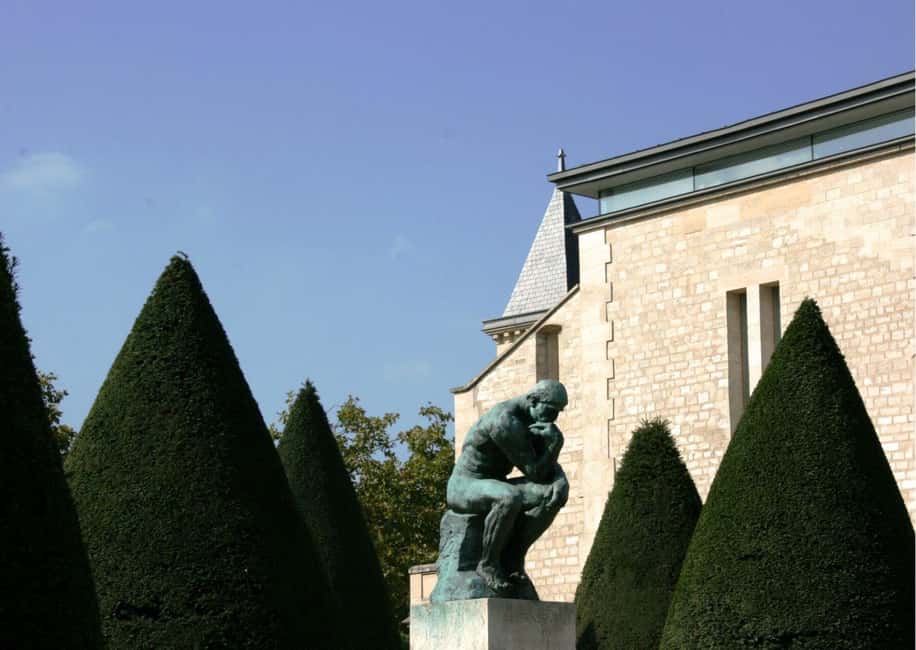
Even if you’ve never studied Rodin, you’ll recognize the landmarks. The museum highlights famous pieces like The Thinker and The Gates of Hell, which are often treated as poster images elsewhere.
Seeing them here is different. The scale and surface details are where the emotion lands. From certain angles, you can feel how Rodin builds meaning through tension—how a pose reads like a thought, a struggle, or a moment of decision.
Don’t treat these as quick photo stops. Give them a minute where you’re not taking pictures. Look, step back, then approach again. The way Rodin’s figures “thicken” in your perception as you move around them is one of the reasons people fall for this museum.
Using the English Digital Audio Guide Without Frustration
The audio guide is in English and comes through a digital app tied to your phone. It’s meant to walk you through artworks and also explain Rodin’s life, techniques, and historical influences.
That’s a big deal because Rodin’s work can look straightforward until you ask why it’s shaped this way. The audio helps you move from visual impression to real understanding.
Now the practical part: the app has to download on your device. Some people reported trouble actually getting the audio to work, even after paying for the ticket. If you’re unlucky, it can feel like a rip-off because the main added value is the audio.
So I’d plan smarter than average:
- Bring your phone already charged.
- Do a quick test at the start if you can (open the app or link, confirm it plays).
- Keep your expectations realistic if your phone is low on storage or can’t download files.
If the audio refuses to load, you may want to fall back to the museum’s own audio options. I’m not saying that’s guaranteed, but it’s a sensible Plan B if the downloaded experience fails.
You can also read our reviews of more museum experiences in Paris






How a 3-Hour Visit Feels: Timing That Works With Rodin
You’re set up for about three hours of time inside. That’s plenty if you don’t try to sprint.
I’d use your time like this:
- Start with orientation: get your bearings early so the museum feels organized rather than random.
- Do your heavy hitters first: The Thinker and The Gates of Hell anchor your route.
- Use the audio to guide your slow moments: the guide makes the visit more coherent, especially when you’re moving between rooms and works.
- Budget time for Claudel-related material: the connection adds meaning, and it’s easy to accidentally rush past if you only chase the famous names.
- End with a garden breath: even a short walk helps you digest what you just saw.
One more practical note: bring comfortable shoes. The museum is in a historic setting, and you’ll be on your feet while moving between interior galleries and outdoor areas.
Price and Value: Why $24 Can Make Sense (or Not)
At around $24 per person, this ticket sits in the “worth it if it saves time” category.
Here’s the value logic:
- You get skip-the-line access, which can be a real win in Paris.
- You also get the English audio guide through a phone app, which adds interpretation beyond just looking.
- The museum setting is special enough that the time you save matters—you’re not spending your best energy trapped in a queue.
But the value depends on one thing you control: your ability to access the audio on your phone. When that works, the ticket feels like a good deal for a self-guided museum day. When it doesn’t, you lose the biggest “extra” you paid for, and then the ticket becomes mostly about entry.
So if you’re traveling with someone who isn’t comfortable with apps or downloads, or if your phone has storage issues, it may be smarter to think about how you’ll handle the audio backup.
Practical Tips That Make the Experience Smoother

A few details from the experience setup really help:
- What to bring: comfortable shoes, a camera, and water.
- No flash photography: that affects how you plan photos, especially indoors.
- Timing matters: the museum is closed Mondays and runs 10 AM to 5 PM on other days.
- Phone matters: since the audio is digital, keep your device ready.
Also, note the museum isn’t suitable for everyone with mobility needs. The information provided indicates it’s not suitable for wheelchair users or people with mobility impairments. If accessibility is a concern, it’s worth planning alternatives in advance rather than assuming you’ll be able to move through all areas.
Who This Rodin Experience Suits Best
This is a strong fit if:
- You want a high-quality art visit without a traditional group tour.
- You like to explore at your own speed with an English audio guide.
- You’re curious about Rodin beyond the famous images, including the Camille Claudel connection.
It’s less ideal if:
- You rely on audio that must download to a phone and you know your device can be finicky.
- You need wheelchair-friendly access.
- You want a fully guided, live commentary format for every minute—this is primarily self-paced with the audio layer.
Should You Book This Skip-the-Line Rodin Ticket?
Yes—if you’re prepared for the audio to be phone-based and you want to reduce waiting at one of Paris’s popular art stops. The combination of Hôtel Biron’s atmosphere, the chance to see Rodin’s most famous works, and the scale of the collection makes it easy to justify the price, especially when the audio guide runs smoothly.
Book it with confidence if:
- You can access your PDF ticket and audio link ahead of time.
- Your phone is charged and ready to download/play the guide.
- You’re comfortable taking your time and letting the audio shape your route.
Skip or reconsider if:
- Your phone storage or download setup is unreliable.
- You’d be unhappy if the audio doesn’t work and you couldn’t quickly replace it.
If you show up organized and ready, this is one of those Paris museum visits where you don’t just see famous sculptures—you understand them better than you expected to.
FAQ
How long will I spend at the Rodin Museum with this ticket?
The visit is planned for about 3 hours inside the museum.
What does skip-the-line mean for this ticket?
Your ticket provides skip-the-line access through a separate entrance for the main entrance of the museum.
Is the audio guide available in English?
Yes. The digital audio guide is available in English.
Do I need to download anything for the audio guide?
Yes. The audio guide is provided through an app on your phone via a downloadable audio guide experience, and you’ll need to use the audio tour link included with your PDF ticket information.
What should I bring to the museum?
Comfortable shoes, a camera, and water are recommended.
Is the museum suitable for wheelchair users?
No. The experience information indicates it is not suitable for wheelchair users or people with mobility impairments.