REVIEW · PARIS
Paris: Rodin Museum Entry Ticket
Book on GetYourGuide →Operated by Paris Odyssey SAS · Bookable on GetYourGuide
Paris can feel like a sprint—this museum helps slow you down. The Musée Rodin pairs world-famous works with a gentler rhythm than you get at the big-ticket museums, and you’ll spend a lot of your time surrounded by sculpture (plus open-air views in the garden). I love how the collection covers Rodin’s ideas across thousands of pieces, and how the sculpture garden gives you a real break from the rooms. One thing to consider: the museum is closed on Mondays, and the interior can feel warm since one review notes limited cooling in the house spaces.
If you like art that’s emotional and physical—bronze that looks like it’s moving—this visit lands well. You get skip-the-line entry through a separate entrance, access to the permanent collections and the garden, and an open window of time (your ticket stays valid for 510 minutes from first activation) so you can actually pace yourself. A possible drawback is simple: if you show up late, you’ll have less time to see everything, because the last admission is 45 minutes before closing.
In This Review
- Key highlights at a glance
- Musée Rodin in the Hôtel Biron: why the setting matters
- Skip-the-line entry and planning your 510-minute visit
- What you’ll see inside: permanent collections and Rodin’s working methods
- The Camille Claudel connection
- Rodin’s masterpieces: how to time your stops for The Thinker and The Gates of Hell
- The Thinker
- The Gates of Hell
- The garden sculptures: your calm reset (and where it helps)
- Audio guide: worth it or skip it?
- Photography, what’s allowed, and how to avoid the common frustrations
- Timing tips: closing time pressure and how to pace your day
- Value for $23: what you’re really paying for
- Who should book this Rodin entry ticket?
- Should you book the Musée Rodin entry ticket?
- FAQ
- What does the ticket include?
- Do I need a guided tour for entry?
- Is an audio guide included?
- Where do I go to enter?
- How long is the ticket valid after I activate it?
- What are the opening hours?
- Is the museum closed on any day?
- Is photography allowed?
- Are backpacks or large bags allowed inside?
- Are food and drinks allowed inside?
- Is the museum wheelchair accessible?
Key highlights at a glance
- Skip-the-line entrance for faster entry so you can start seeing right away
- The Thinker and The Gates of Hell are must-sees, and the museum’s layout helps you move between them sensibly
- 6,000+ sculptures in the permanent collections, so you’re not just checking off famous names
- Mostly outdoors in the garden for calmer viewing and easier pauses between rooms
- Audio tour is optional, and people say it’s high quality and easy to use, though it may not feel worth it to everyone
- Peaceful compared with bigger museums, which makes it easier to contemplate instead of rushing
Musée Rodin in the Hôtel Biron: why the setting matters
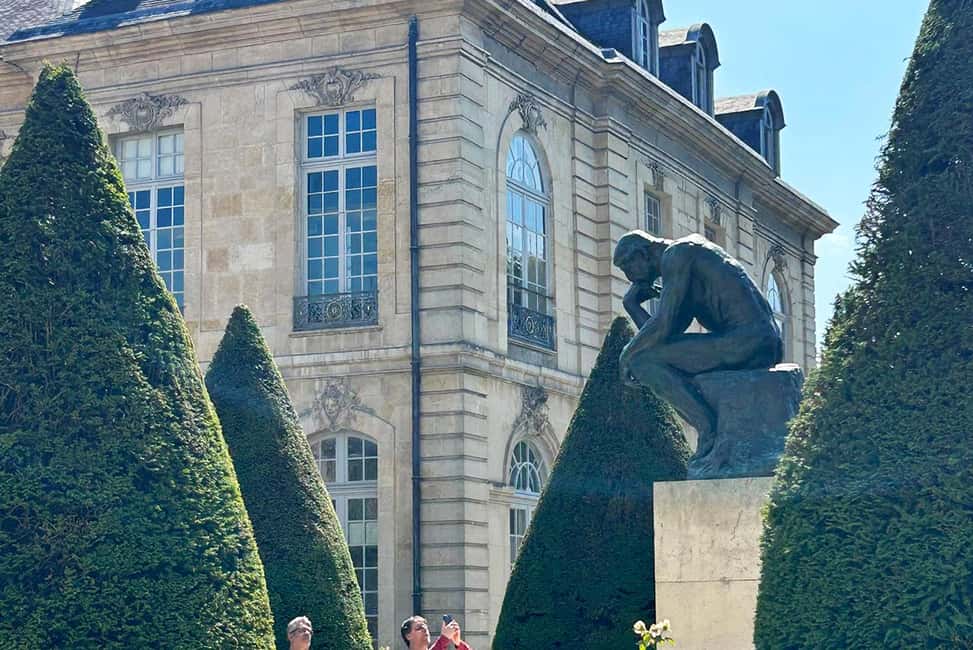
The Musée Rodin sits in the Hôtel Biron, and that choice of home isn’t just decoration. It affects how you experience the art. The building gives you a sense of stepping into Rodin’s world rather than marching through a white-box showroom. Even before you reach the most famous works, you’ll notice the flow: rooms lead into more rooms, then the garden comes into view like a release.
The big win here is rhythm. Compared with the Louvre or Orsay, this museum tends to feel more manageable. That matters because Rodin isn’t about tiny brushstrokes you can understand in a quick glance. His pieces reward time, and time is easier to give when the galleries aren’t wall-to-wall crowds.
You can also read our reviews of more tours and experiences in Paris



Skip-the-line entry and planning your 510-minute visit
Your ticket includes entry to the Musée Rodin, access to the permanent collections, and access to the garden. The best part for your day is the separate entrance designed to help you skip the line. Translation: fewer minutes waiting, more minutes looking.
Your ticket is valid for 510 minutes from first activation. That’s long enough to do a thoughtful visit, but it’s still smart to treat it like a real plan. The museum opens at 10:00 am and closes at 6:30 pm, with last admission 45 minutes before closing. If you want time to see everything without stress, aim to enter with plenty of daylight left in the day—especially if you want to linger in the garden.
Also note the museum is closed on Mondays. If you’re building a Paris itinerary, that’s a key constraint worth locking in early.
What you’ll see inside: permanent collections and Rodin’s working methods
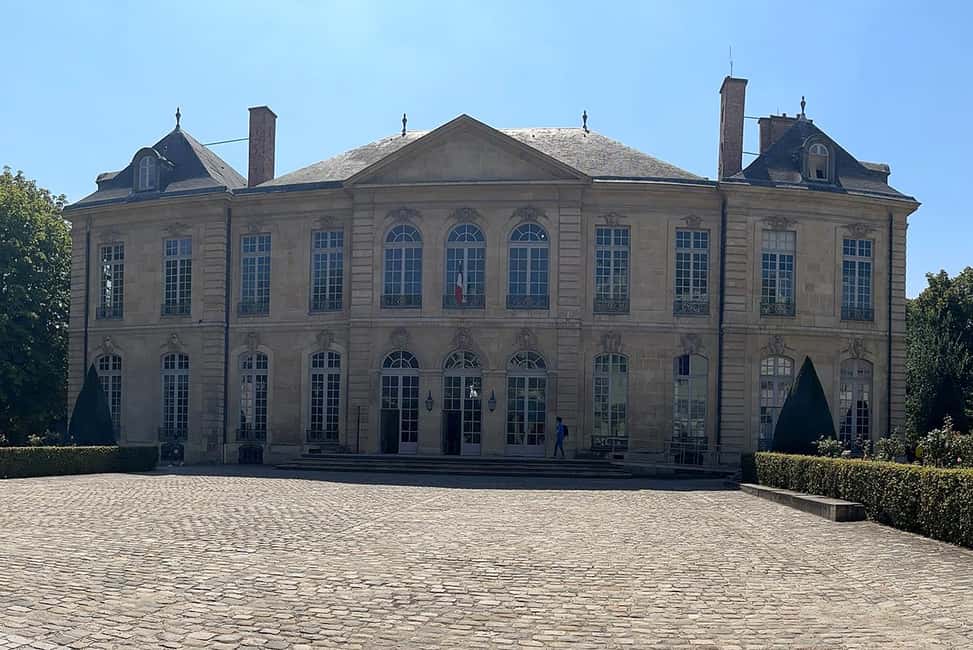
The permanent collections are the core of this ticket. You’re stepping into Rodin’s artistic journey, not only a “greatest hits” lineup. The museum is described as holding over 6,000 sculptures, which is huge in concept and noticeable once you start moving through rooms and viewing areas.
This scale changes how you see the famous sculptures too. You start noticing how Rodin returned to ideas. Instead of thinking of a single finished statue, you begin to view his process: forms refined, variations created, emotions expressed through posture, weight, and surface.
That’s why this is worth it even if you only know a couple of names. Rodin’s world is built on repetition and transformation. You can walk in for The Thinker and still leave understanding that Rodin was chasing something deeper—an ability to show thought, tension, and feeling through bodies.
The Camille Claudel connection
The museum also honors Camille Claudel, described as Rodin’s muse and protégé, with her works on display. If you’ve ever wondered how Rodin-related art isn’t just one-way influence, this section can be a meaningful counterpoint. It helps you connect the dots between their shared era and the creative intensity around him.
You don’t need to be a sculpture expert to appreciate this. Seeing Claudel here gives the whole collection a more human story, and that can make your visit feel less like a checklist.
Rodin’s masterpieces: how to time your stops for The Thinker and The Gates of Hell
Everyone comes for the famous works. The good news is that the museum layout supports you in actually seeing them well, not just snapping a photo and sprinting to the next room.
You can also read our reviews of more museum experiences in Paris






The Thinker
The Thinker is the sculpture most people recognize instantly. It’s also the one that gets better the longer you look. Standing back, you see weight and calm. Moving closer, the surface tells a different story. Rodin doesn’t freeze a moment—he builds a mood.
If you’re tempted to rush, resist that impulse. A big part of the Rodin experience is letting your eyes adjust. Give yourself at least a couple of minutes there, then move on. If you keep cycling quickly through highlights, the works blur together.
The Gates of Hell
Then there’s The Gates of Hell, which you’ll experience as both artwork and idea machine. The gates are dramatic, but the feeling comes from the density—figures, movement, and tension packed into the space.
Here’s a practical tip: don’t try to absorb everything at once. Instead, look for a path through the scene. Let your eyes travel across groupings, then return to the center. This is the kind of piece where you’ll see more after your first pass.
One review noted that the museum visit can take almost 4 hours to see everything. That sounds about right if you want to spend real time at the biggest pieces and still have time to wander.
The garden sculptures: your calm reset (and where it helps)
If indoor galleries feel exhausting to you, the garden is a strong reason to book. Reviews repeatedly highlight how much visitors enjoy the outdoor sculpture garden, and the museum is described as having a picturesque garden with many Rodin sculptures.
The garden does two important jobs:
- It keeps the visit from feeling like one long indoor museum slog.
- It creates a pause where you can actually think about what you just saw.
Because it’s outdoors, you can take your time without worrying about airless rooms or the sensation of rushing. One review specifically calls out that the museum layout was mostly outdoors, which made it less crowded than big museums and easier to contemplate.
Practical advice: bring sunscreen and water. You’ll be glad you did if you hit the garden on a sunny afternoon. Comfortable shoes also matter, because you’ll cover more ground than you might expect when you include outdoor paths and moving between rooms and outside areas.
Audio guide: worth it or skip it?
Your ticket includes entry, permanent collections, and the garden. It does not include a guided tour or an audio guide. Still, the option exists, and that’s where your decision comes in.
One review says the optional audio tour was high quality and easy to use, and that it worked better than other audio tours they’d tried. That’s a good sign if you want context for Rodin’s choices and the stories behind works.
Another review takes a more skeptical view, saying they weren’t sure it was worth the money. That tells you something useful: if you already like reading wall text and browsing at your own pace, you may not need audio. If you prefer quick, structured explanations while you move, the audio tour could help you get more from the visit.
My take: if you’re the kind of person who enjoys short guided facts but hates stopping and starting to read, audio is a smart add-on. If you hate extra cost, spend that time walking the garden slowly instead.
Photography, what’s allowed, and how to avoid the common frustrations
Photography is allowed as long as you don’t use flash photography. That’s helpful because it means you can document what you love without worrying about harsh restrictions.
You should also plan your bag situation. Backpacks and large bags are not allowed inside, and food and drinks are not permitted inside the museum. Bring what you truly need. The museum asks you not to bring backpacks, and it also lists what to bring: camera, comfortable shoes, sunscreen, and water.
One review also mentioned a practical cost issue: online tickets may be priced a bit higher than buying at the museum counter. That doesn’t mean online is bad—it often buys you smoother entry—but it’s a reminder to compare if you’re price-sensitive and you don’t mind checking availability on arrival.
Timing tips: closing time pressure and how to pace your day
Since last admission is 45 minutes before closing, you’ll want to avoid drifting too far behind schedule. The museum is easier to enjoy when you keep an eye on time, because the temptation is to keep going from room to room, especially when you’re seeing variations of Rodin’s themes.
A pacing idea that works well here:
- Start with the interior highlights first.
- Then shift to the garden once you’ve built context.
- Save your final indoor pass for the pieces that surprised you most, not just the ones you already expected to love.
Also remember: even though your ticket’s validity window is long (510 minutes), that doesn’t change closing rules. Plan for a real end time, not an after-hours fantasy.
Value for $23: what you’re really paying for
At $23 per person, the ticket price is in the category of “worth it if you use it well.” And you do get solid value: entry to the permanent collections plus garden access.
You’re not paying only for The Thinker or one famous stop. You’re paying for:
- the chance to see Rodin’s range across thousands of pieces,
- the option to slow down in the garden,
- and a visit format that often feels less crowded than Paris’s biggest blockbuster museums.
If you compare cost to time and experience, the garden alone can make the visit feel longer and more satisfying, because it gives you a second atmosphere—not just a second room.
Where value can wobble is when you add extras you don’t truly need. If you buy an audio tour but prefer reading at your own speed, you might feel it’s not worth the cost. One review explicitly had that doubt. That’s normal. For many people, the baseline ticket is already strong.
Who should book this Rodin entry ticket?
This ticket is a great fit if you:
- love sculpture and want time to look without rushing
- want a Paris museum that feels more calming than the biggest crowds
- prefer a mix of indoor galleries and outdoor sculpture paths
- like structured context and are open to adding an audio tour
It may feel like the wrong match if you need very smooth mobility access. The information provided includes wheelchair accessibility, but it also states it may not be suitable for people with mobility impairments or wheelchair users. If mobility is a key concern for you, it’s worth thinking carefully and planning your route ahead.
Should you book the Musée Rodin entry ticket?
If you’re choosing between a quick hit and a museum day you can actually enjoy, I’d book this. The combination of skip-the-line entry, access to both the permanent collections and the garden, and the chance to see more than just the headline masterpieces makes it a strong value.
Book it if you want sculpture with space to breathe. Consider adding an audio tour if you like guidance while you walk. Skip the upsell if you’re happy with wall text and self-guided wandering.
In short: this is the Rodin visit that fits a real afternoon, not a rushed photo stop.
FAQ
What does the ticket include?
The ticket includes entrance to the Musée Rodin, access to the permanent collections, and access to the garden.
Do I need a guided tour for entry?
No. Guided tours are not included, but you can enter and explore on your own.
Is an audio guide included?
No. An audio guide is not included.
Where do I go to enter?
Go straight to the museum with your ticket.
How long is the ticket valid after I activate it?
It is valid for 510 minutes from first activation.
What are the opening hours?
The museum is open from 10:00 am to 6:30 pm, and last admission is 45 minutes before closing.
Is the museum closed on any day?
Yes. The museum is closed on Mondays.
Is photography allowed?
Yes, photography is allowed without flash photography.
Are backpacks or large bags allowed inside?
No. Large bags and backpacks are not allowed inside.
Are food and drinks allowed inside?
No. Food and drinks are not permitted inside the museum.
Is the museum wheelchair accessible?
The information provided says wheelchair accessible, but it also lists that it may not be suitable for people with mobility impairments or wheelchair users.