REVIEW · PARIS
Paris: Paradox Museum Entrance Tickets
Book on GetYourGuide →Operated by Paradox Museum Paris · Bookable on GetYourGuide
Reality has a photo booth problem. Paradox Museum Paris is built around paradoxes and optical illusions, with a one-way route that makes you stop, look twice, and take pictures at the right angles. It’s an unusually fun break from classic Paris sights, and it works for couples, friends, and kids who like hands-on challenges.
Two things I’d prioritize if you’re deciding: you get 90 different optical illusions in one visit, and the museum gives you clear “what to do” explanations plus QR codes so you’re not just guessing what you saw. One thing to keep in mind: it’s not designed like a slow, wander-and-browse museum. You’ll follow signage through a maze flow, and you’ll move faster when you want the best photo spots.
In This Review
- Key Points at a Glance
- Paradox Museum Paris: what you walk into
- Price and timing: fitting an 84-minute plan into Paris
- The one-way maze route and why it keeps you engaged
- The 90 optical illusions: what you’ll actually do
- Photo strategy: how to get good shots without slowing everyone down
- Explanations, QR codes, and the science behind paradoxes
- Host or greeter support in English and French
- Paradox Boutique and café: how to end the visit right
- Who this experience suits best (and why)
- When to plan around the drawbacks
- FAQ
- FAQ
- How long is the Paradox Museum Paris visit?
- How many optical illusions are included?
- Is the museum wheelchair accessible?
- What languages are offered?
- Is it suitable for everyone, including epilepsy?
- What group size should I expect?
- Where do I start when I arrive?
- Can staff help with questions or group photos?
- Is there a gift shop or café included?
- Should you book Paradox Museum Paris tickets?
Key Points at a Glance
- 90 optical illusions in a single visit route, designed to keep you moving and looking
- Photo points along the way help you aim for the right trick shot
- One-way maze layout with signs guiding you through the exhibits
- Explanations at each stop with QR codes connecting the visuals to the science
- Small groups (up to 10) with English/French hosts or greeters
- Paradox Boutique and café access included, so you can end on a souvenir note
Paradox Museum Paris: what you walk into
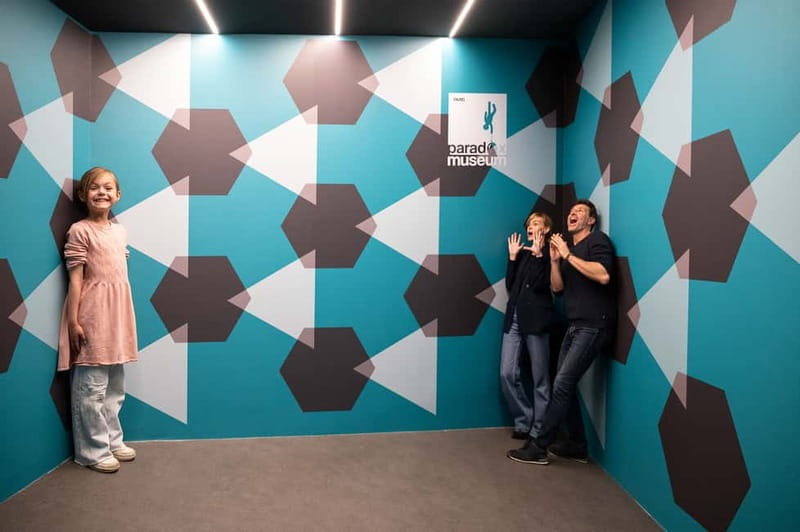
Paradox Museum Paris bills itself as the world’s largest collection of exhibits built around paradoxes, and the experience is set up to sell you on the idea fast. You don’t arrive to watch a lecture. You walk into a modern, interactive space where the exhibits are basically puzzles for your eyes and brain.
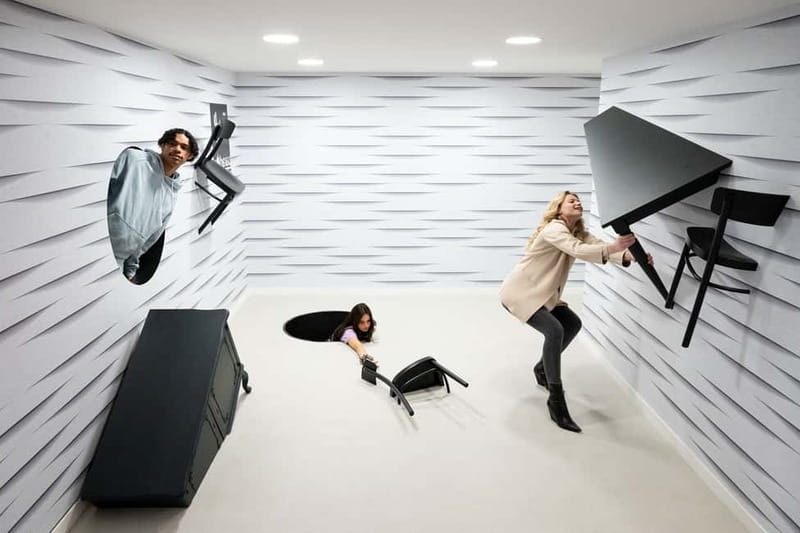
The whole museum is organized around that feeling of defying reality. You see something that seems obvious, then the exhibit nudges you to do something slightly different and suddenly the result changes. It’s playful, but it’s also thoughtful. Even if you’re not a science person, the museum tries to make the logic behind the trick feel simple and actionable.
You can also read our reviews of more tours and experiences in Paris



Price and timing: fitting an 84-minute plan into Paris
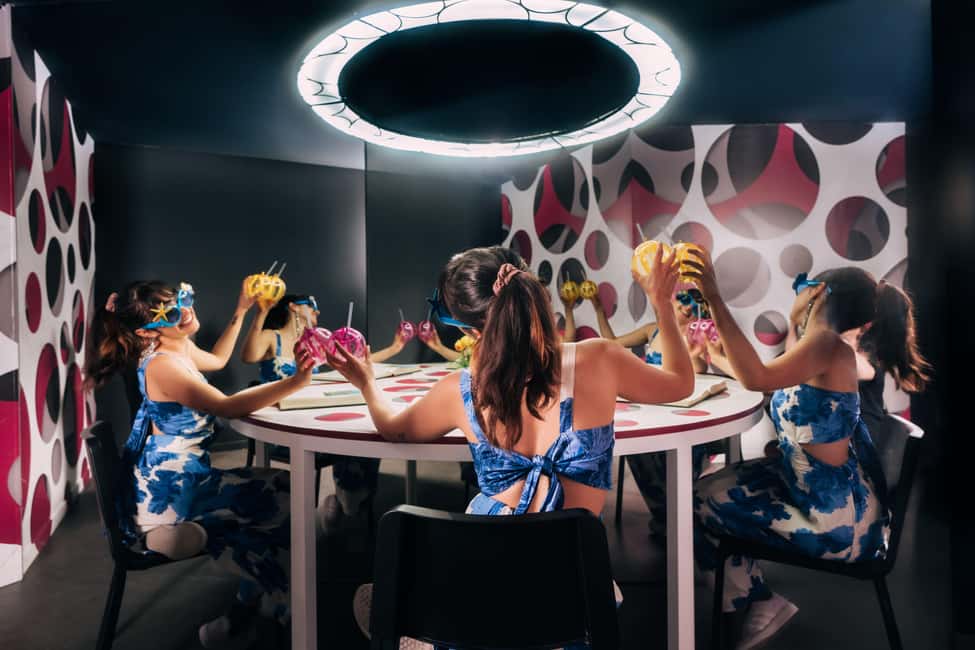
At $33 per person for entrance, this isn’t the cheapest thing in Paris. So here’s how I’d think about value: you’re paying for a tight package of entertainment plus explanations plus built-in photo moments, all in about 84 minutes on average.
That duration matters because you can treat it like a smart half-day add-on. You’re not committing to a full afternoon. If you’re touring with a family, or you want something indoor that doesn’t depend on weather, this length is a big plus.
Also, the museum has a last entry at 6 p.m., two hours before closing. If you like to keep your day flexible, aim to arrive earlier than the last-entry window so you don’t feel rushed. The route takes time not just to walk, but to stop for each exhibit and take a few photos.
The one-way maze route and why it keeps you engaged
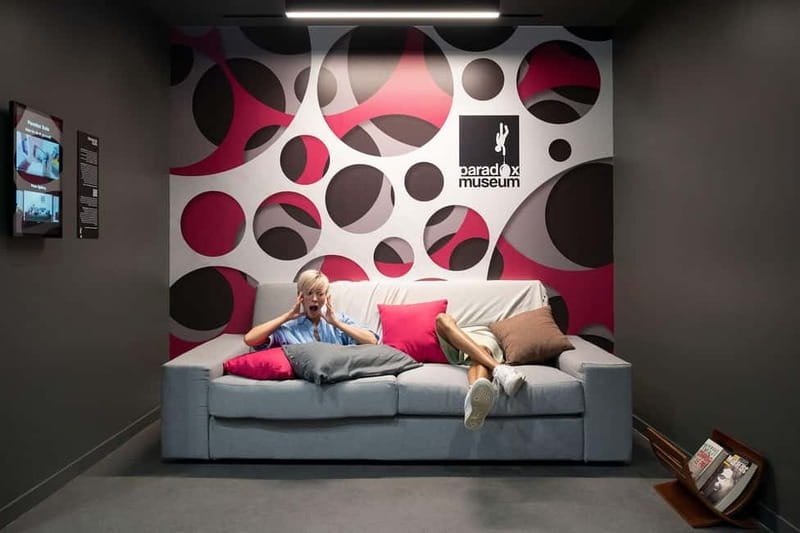
A lot of museums ask you to wander and interpret. Paradox Museum Paris takes the opposite approach. After check-in, you follow the signs through a maze of exhibits designed for a one-way flow system.
Why that’s good: it keeps you from getting lost or stuck in circles. You know you’ll reach the next illusion without a lot of backtracking. It also helps the museum control pacing, so you don’t end up staring at one installation while the rest of the route is still waiting.
Why it can feel different: you may not get the slow, pick-your-own-adventure vibe of other museums. If your ideal visit is to linger, rewatch, and take your time, you might want to schedule extra time around it, because the flow structure encourages you to keep moving.
The 90 optical illusions: what you’ll actually do

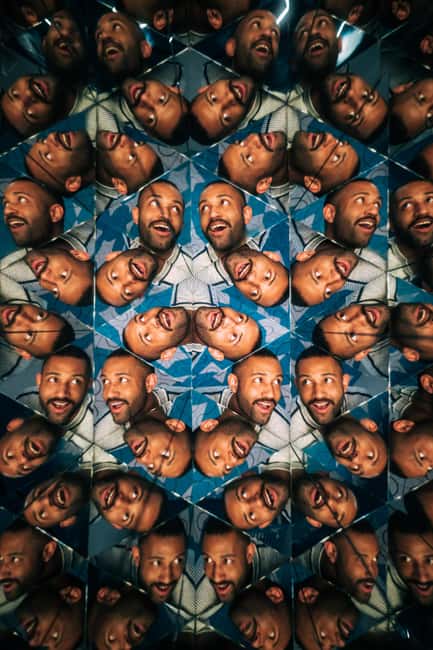
The centerpiece of the visit is the set of 90 optical illusions, each set up to make you interact. Expect exhibits where your eye suggests one outcome and your actions change the result. Even when the trick is visual, the museum frames it as something your brain participates in, not something that just happens to you.
At each stop, you’ll find exhibit guidance that explains:
- what to do
- what’s going on
That’s a big deal for visitors who hate feeling clueless. You’re not stuck figuring out the mechanism on your own. You get prompts and then the museum gives you a reason for the effect.
You’ll also see the museum emphasize photo opportunities. Many illusion setups have marked photo points, which is basically the museum saying: try your shot from here. That reduces the trial-and-error time and helps you leave with pictures that actually look like the trick.
Photo strategy: how to get good shots without slowing everyone down
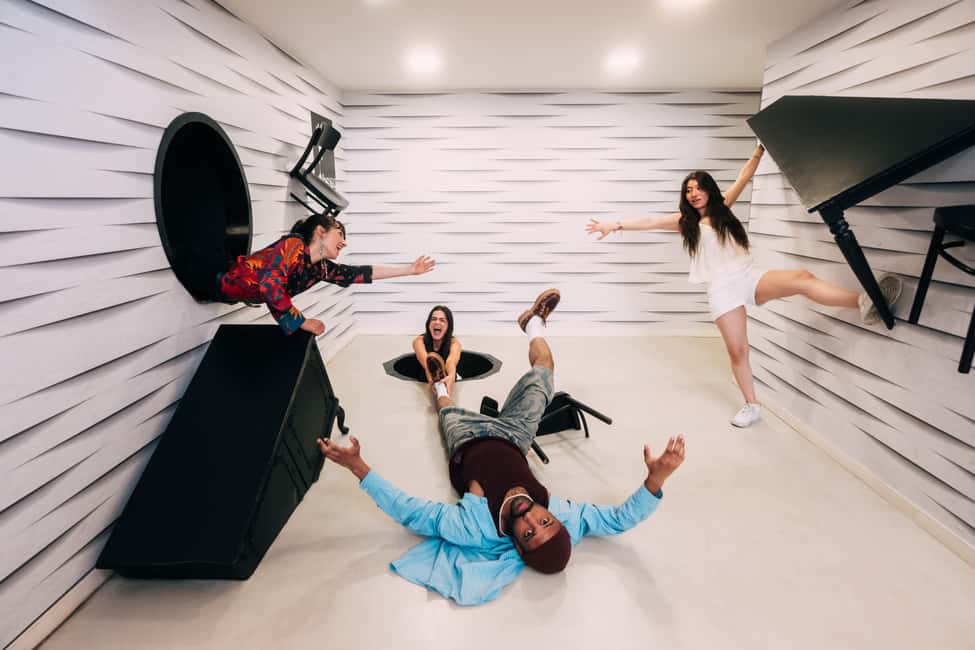
This museum practically runs on photos. The good news is that the design helps you. If you follow the marked photo points, you’re more likely to get the intended result instead of a blurry “something happened” shot.
Here’s my practical photo approach for this kind of place:
- Go through once with your eyes first. Take 1 quick image if you see the illusion click.
- Then do a second pass at the photo moments where the trick really lands.
- Don’t fight the angle. If there’s a marked spot, use it.
Staff can also help, especially when it comes to group photos. If you’re traveling with kids, or you’re trying to get everyone in frame, ask when you’re at a photo-intensive installation. But be mentally ready for the experience to be mostly self-guided at each exhibit. You may have moments where it’s on you to figure out the best way to position yourself until you’re close enough to get help.
You can also read our reviews of more museum experiences in Paris






Explanations, QR codes, and the science behind paradoxes
The museum doesn’t stop at optical fun. Each exhibit includes descriptions that help connect what you see to how perception works. In other words, the museum gives you a bridge from the visual trick to the thinking behind it.
On top of the on-site text, there are scannable QR codes that add more information. That’s useful because not everyone reads every description at the same pace. If you want the short version, you can move fast. If you want extra detail, you can scan and learn more without slowing the whole route.
This structure is ideal for mixed groups. Kids often want the interaction and the pictures. Adults often want the why. The museum seems built for both: you can enjoy it as a visual challenge, then use the explanations to get meaning without turning it into a classroom.
Host or greeter support in English and French
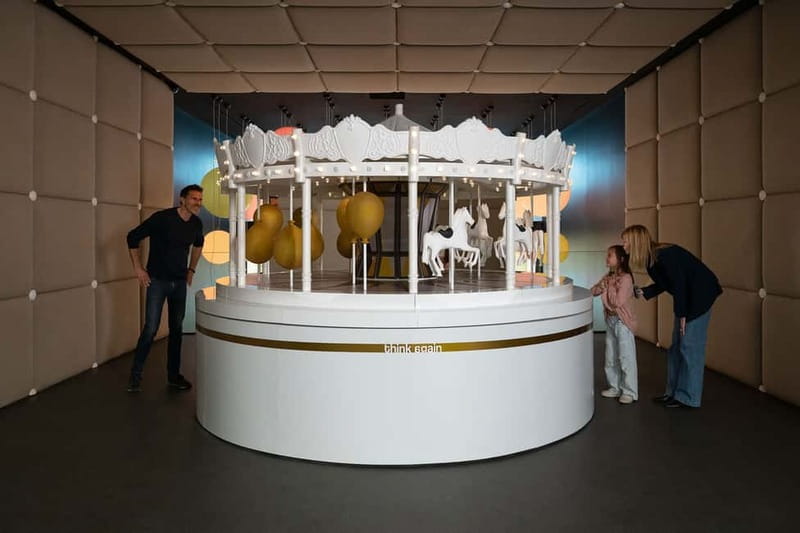
The museum includes a host or greeter in English and French. That matters because even though the exhibits are mostly self-guided, you still want someone you can ask when you hit a snag.
From a practical standpoint, I’d count on staff support for:
- understanding the flow if signage isn’t clear
- asking questions about an exhibit
- getting help with a group photo when needed
Small-group structure helps too. The experience is limited to 10 participants, which generally makes it easier to ask for assistance and less chaotic than larger ticketed attractions.
Paradox Boutique and café: how to end the visit right
One of the simplest, smartest parts of the ticket is that it includes access to the exhibits, store, and café.
You’ll likely want a stop at the Paradox Boutique before you head back to normal life. The shop carries souvenirs and games with a paradox theme. Even better: it’s not just a random end-of-visit trap. The museum experience already plays with logic and perception, so the merchandise feels like an extension rather than a hard sell.
The café access gives you an easy reset after you’ve been looking at tricks for almost an hour and a half. If you’re visiting with kids, this is also where you prevent the classic end-of-museum meltdown.
Who this experience suits best (and why)

Paradox Museum Paris fits best when you like hands-on, visual challenges. It’s also strong for families because it’s interactive and photo-friendly rather than lecture-heavy.
Here’s where it’s a great match:
- Families with kids who enjoy trying things and getting instant visual feedback
- Couples who want an indoor activity that feels different from standard sightseeing
- Anyone who likes optical illusions and wants an explanation layer
- Visitors who care about taking good photos with minimal hassle
It’s also a decent solo option. The route is signposted, and the exhibit descriptions plus QR codes mean you can go at your own curiosity level within the overall flow.
When to plan around the drawbacks
There are a couple of considerations worth taking seriously.
First, it’s not suitable for people with epilepsy. If you’re with someone who has sensitivity triggers, check this carefully before booking.
Second, the experience can feel like a “do it in order” attraction. If you strongly prefer free-form wandering and lingering, the one-way maze layout may feel a little structured. You can still enjoy it, but you’ll want to accept the museum’s pacing and build in extra time around the visit if you tend to move slowly.
Third, photo help isn’t guaranteed at every single installation. Some photo moments may be easier when staff are nearby, but you shouldn’t treat this as a full-service photo shoot. Go in with the mindset that you’ll mostly figure it out yourself, then ask for help when you need it.
FAQ
FAQ
How long is the Paradox Museum Paris visit?
The experience runs about 84 minutes on average. Check availability for the starting times.
How many optical illusions are included?
You’ll explore 90 different optical illusions throughout the museum.
Is the museum wheelchair accessible?
Yes, the museum is wheelchair accessible.
What languages are offered?
The host or greeter is available in English and French.
Is it suitable for everyone, including epilepsy?
No. It is not suitable for people with epilepsy.
What group size should I expect?
It’s a small group experience limited to 10 participants.
Where do I start when I arrive?
Check in at the museum, then follow the signs through the exhibits using the one-way flow system.
Can staff help with questions or group photos?
Yes. You can ask questions, and staff can help with group photos.
Is there a gift shop or café included?
Yes. Your ticket includes access to the Paradox Boutique (store) and the café.
Should you book Paradox Museum Paris tickets?
Book it if you want a straightforward, indoor, photo-friendly activity that combines optical illusion fun with on-the-spot explanations. At $33, it’s good value when you’ll actually use the photo points, read the exhibit guidance, and stay for the full route.
Skip it or consider another plan if you hate structured one-way experiences, you want a long slow museum browse, or you need to avoid environments not suitable for epilepsy. If you’re planning a day in Paris and want something that feels modern and playful without being weather-dependent, this is a smart pick.