
REVIEW · SAINT LAURENT SUR MER
From Paris: Normandy D-Day Beaches Day Trip
Book on GetYourGuide →Operated by ParisCityVision · Bookable on GetYourGuide
D-Day hits different once you stand there. This day trip connects the famous beaches with the American Cemetery and the cliff assault at Pointe du Hoc, guided in clear English by people who care about the story.
I especially like the way the route builds emotion and context in a smart order: you start with action, then slow down at Omaha, then end with the harbor engineering at Arromanches. The big trade-off is the same one with any packed Normandy day—you do not linger. If you want long beach wandering or deep museum time, you’ll feel the schedule.
In This Review
- Key things worth your attention on this Normandy D-Day day trip
- Leaving Paris: a long coach day, done efficiently
- Pointe du Hoc: the clifftop assault that changes how you see D-Day
- Omaha Beach area: a short stop that still does heavy emotional work
- Colleville-sur-Mer American Cemetery: where the scale hits you
- Longues-sur-Mer coastal battery: the Atlantic Wall you can actually read
- Arromanches-les-Bains: lunch and the Mulberry harbor remains
- Juno Beach area and a museum: the schedule-dependent bonus
- Guides and driving: where the experience gets better than the checklist
- Price and value: what $199 buys you (and what it doesn’t)
- Who this day trip suits best (and who should rethink it)
- Should you book this Paris to Normandy D-Day day trip?
- FAQ
- How long is the tour from Paris?
- What are the main D-Day sites included?
- Is lunch included in the price?
- Where do I meet in Paris?
- Is the guide offered in English?
- Do I get time to explore Arromanches on my own?
- Are there any mobility limits?
- What should I bring?
- Are pets or large luggage allowed?
Key things worth your attention on this Normandy D-Day day trip
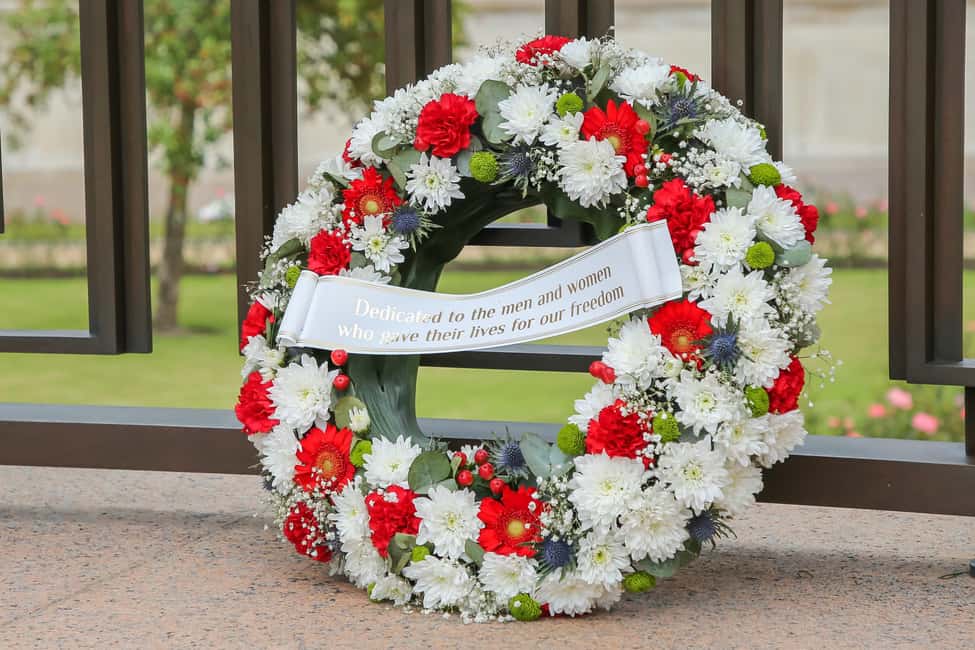
- Pointe du Hoc first: a guided assault-site visit that sets the whole day’s meaning
- Omaha American Cemetery: 170 acres of memory with 9,387 headstones and a view over Omaha
- Arromanches stop with free time: great for lunch at your pace and a look at Mulberry harbor remains
- German Atlantic Wall perspective: the planned view of the coastal battery at Longues-sur-Mer adds balance
- Schedule-sensitive add-ons: you might catch a Juno Beach area stop and a museum, depending on timing
- Long coach day, with planned breaks: air-conditioned transport plus restroom stops along the route
Leaving Paris: a long coach day, done efficiently
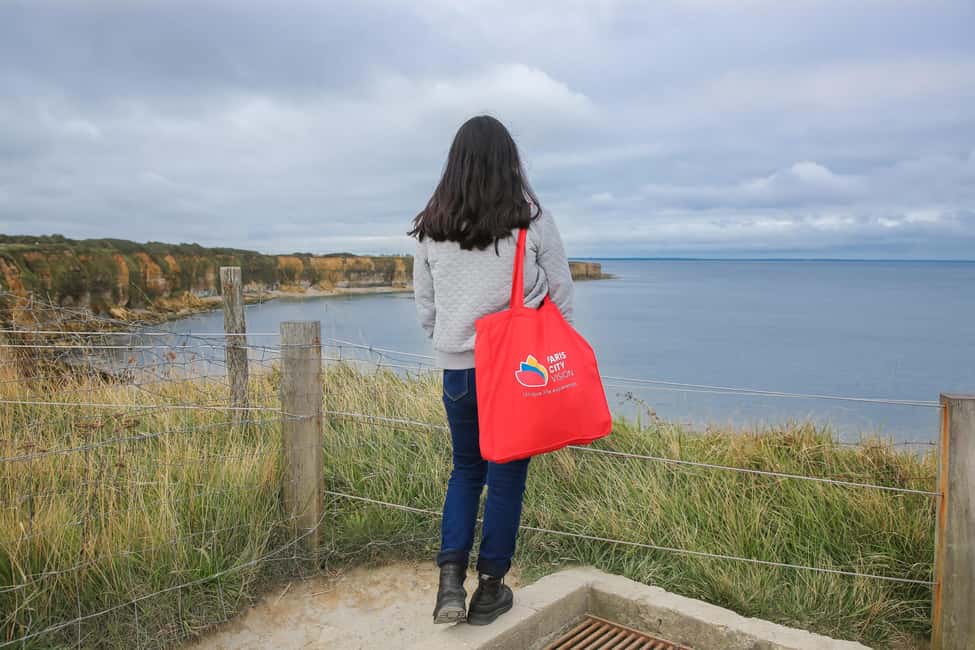
This tour is built as a full-day round trip from central Paris, clocking in at about 14 hours. You’ll board an air-conditioned coach at one of two starting points: the Frame Brasserie at the Hotel Pullman, or the Pullman Paris Tour Eiffel. Either way, it’s designed to get you out of the city without extra planning on your part.
The ride itself matters more than you think. Normandy is a lot of driving from Paris, and this itinerary keeps you moving with stops along the way. In real life, that means your day will feel tightly scheduled, but you’re also less stressed because the guide handles the timing between sites. A couple of practical tips from how this day typically runs: wear comfortable shoes right from Paris (you’ll be on your feet at multiple locations), and keep a small snack or water handy in case you’re hungry before Arromanches.
One note on timing: even with careful planning, traffic and site access can change the exact flow. That can matter if you’re trying to coordinate rideshares around pickup/drop-off. Build buffer time.
Pointe du Hoc: the clifftop assault that changes how you see D-Day
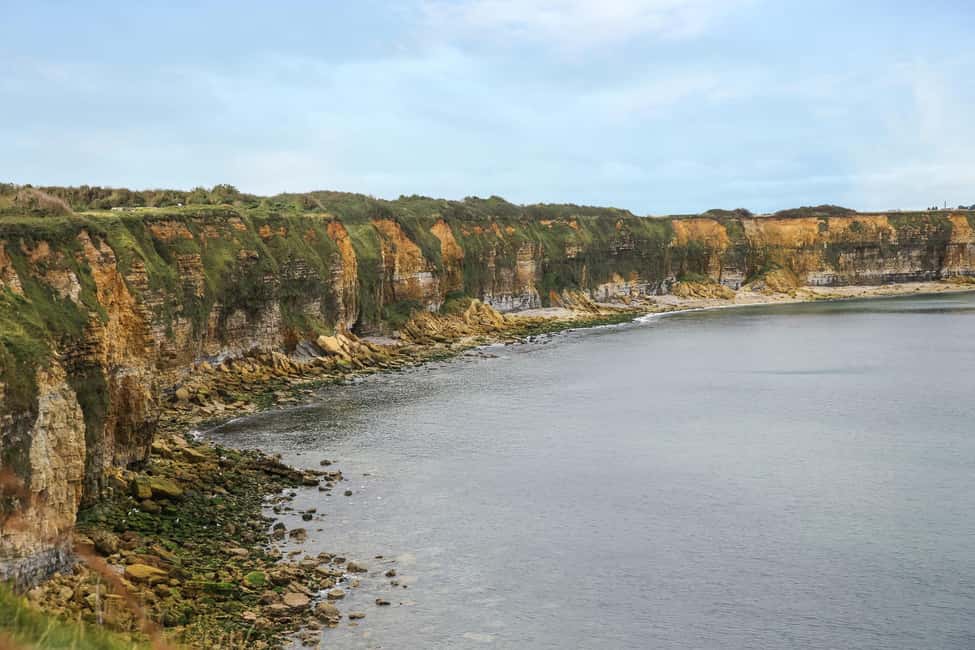
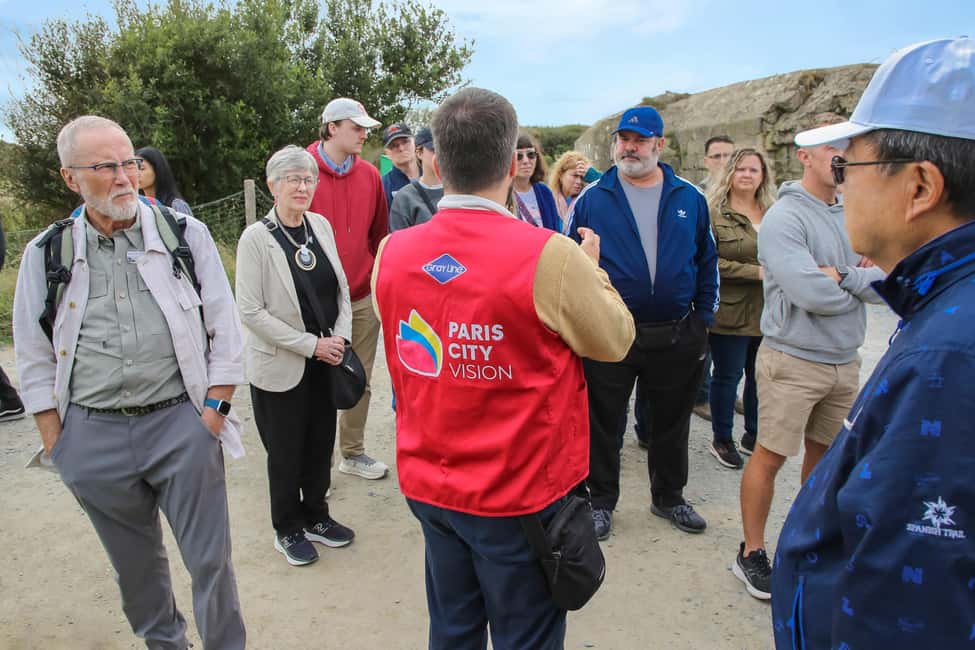
You start at Pointe du Hoc, one of the most dramatic places connected to D-Day. The visit here is about an hour, and it’s guided, so you’re not just looking at a cliff—you’re learning how the attack worked and why this spot was so important.
This is where the day gets real, fast. Pointe du Hoc was an assault on a clifftop position, and standing there helps you understand what the maps can’t fully convey: how difficult it was to reach, how exposed it was, and how much depended on timing and courage. The guide’s job is to connect the geography to the decision-making—what the Americans were trying to do, what they were up against, and how the site fits into the broader Normandy invasion.
What I like about starting here: it sets the tone early. You’re not yet thinking about sightseeing. You’re learning a mission, then you carry that lens forward to Omaha and the cemetery.
Small practical caution: this is a physical site. You’ll want good footing, and you’ll want to pay attention. It’s also the kind of place where you’ll take photos, but you’ll likely do better if you listen first and shoot second.
Omaha Beach area: a short stop that still does heavy emotional work
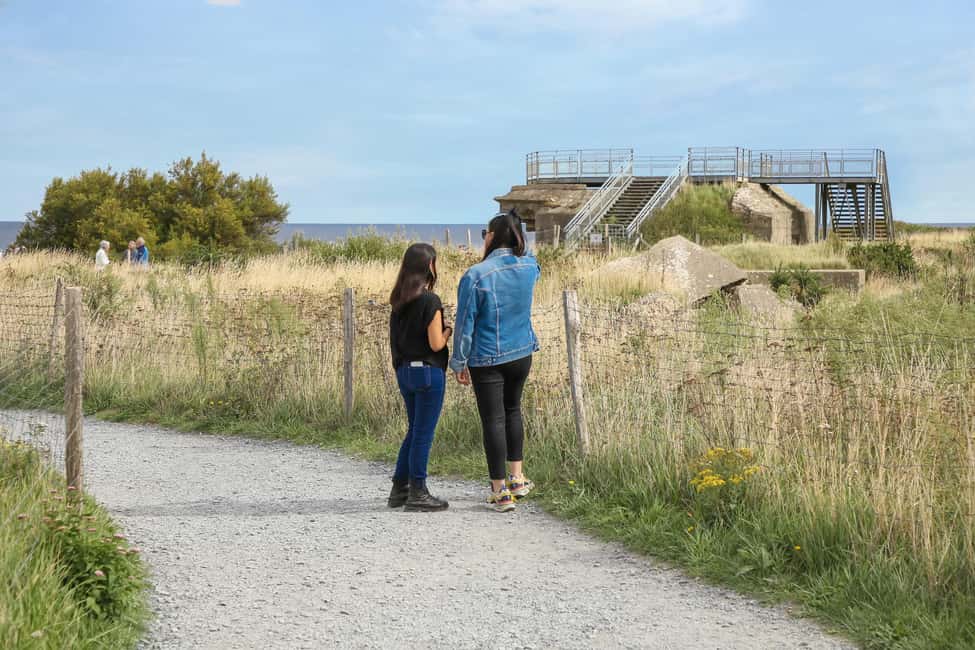
After Pointe du Hoc, the day heads to the Omaha Beach area. The schedule includes a photo stop at Omaha Beach (about 30 minutes in the time allotted here), which sounds short on paper. In practice, the value is in how the guide frames what you’re seeing.
Today, Omaha Beach is not a theme park. Much of what you notice is scale: the flatness, the openness, and the way the coast stretches out. With the right context, that openness becomes the point. The tour includes the idea that American forces landed here under heavy fire, and the guide helps you translate that into a mental picture of what it meant to move across open ground.
Because the stop is brief, you’ll need to choose what you do with your time. I recommend focusing on two things:
- Look for viewpoints that help you grasp distance and approach.
- Use the guide’s explanations as your “caption” for what you see.
If you’re the type who wants long, slow walking time right on the sand, this portion may feel rushed. But if you’re going for impact and context in a single Paris-to-Normandy day, it’s an efficient use of time.
Colleville-sur-Mer American Cemetery: where the scale hits you
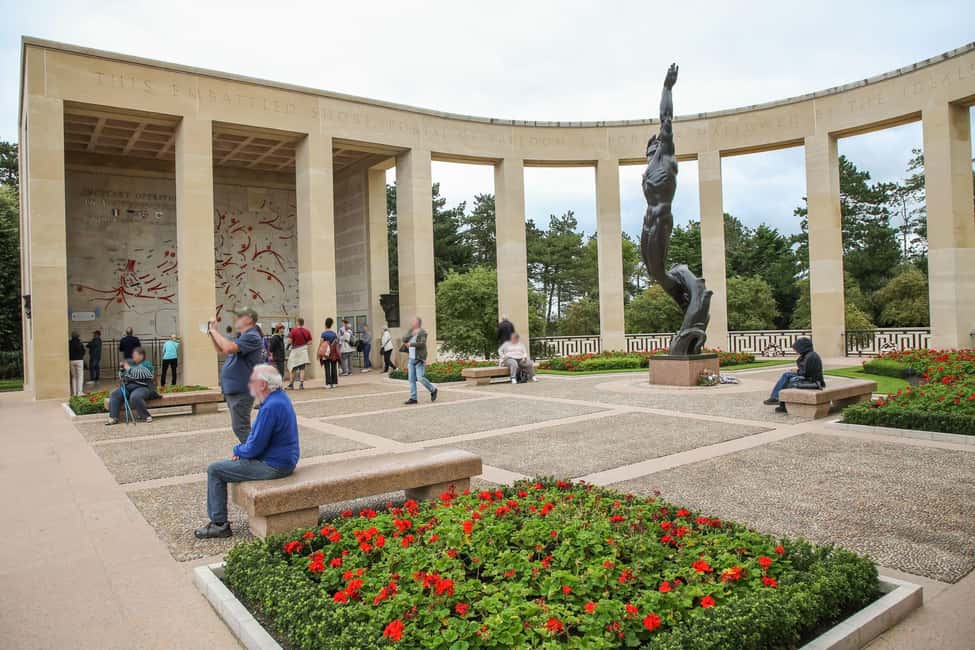
Then you hit one of the most powerful stops in the whole region: the Normandy American Cemetery in Colleville-sur-Mer. This is scheduled for about an hour, and it’s more than a visit—it’s a walk through memory.
Here are the numbers that matter. The cemetery covers 170 acres and holds 9,387 white marble headstones. Overlooking Omaha Beach, it includes a memorial, a chapel, and the Garden of the Missing. That combination is what makes it feel different from roadside monuments: it’s a designed place to understand loss, not just to confirm an event happened.
This is also where you learn why the site exists in this exact form. The view over Omaha matters because it keeps the connection between the landings and the aftermath. You can stand still and let it settle.
What I like most: this is where the tour slows down emotionally. Guides often have a strong command of the material here, and the best ones keep the tone respectful and clear. In past experiences with the guides associated with this route, I’ve seen names like Camille, Steve, Amelia, Ann, and Brigette come up often, and many guests mention that the storytelling stays grounded in the history of this area rather than drifting off topic.
Possible drawback: an hour is enough to see the main parts, but not enough to linger for long private moments. If you’re sensitive or want a very long sit-down, consider adding extra time in Normandy another day.
Longues-sur-Mer coastal battery: the Atlantic Wall you can actually read
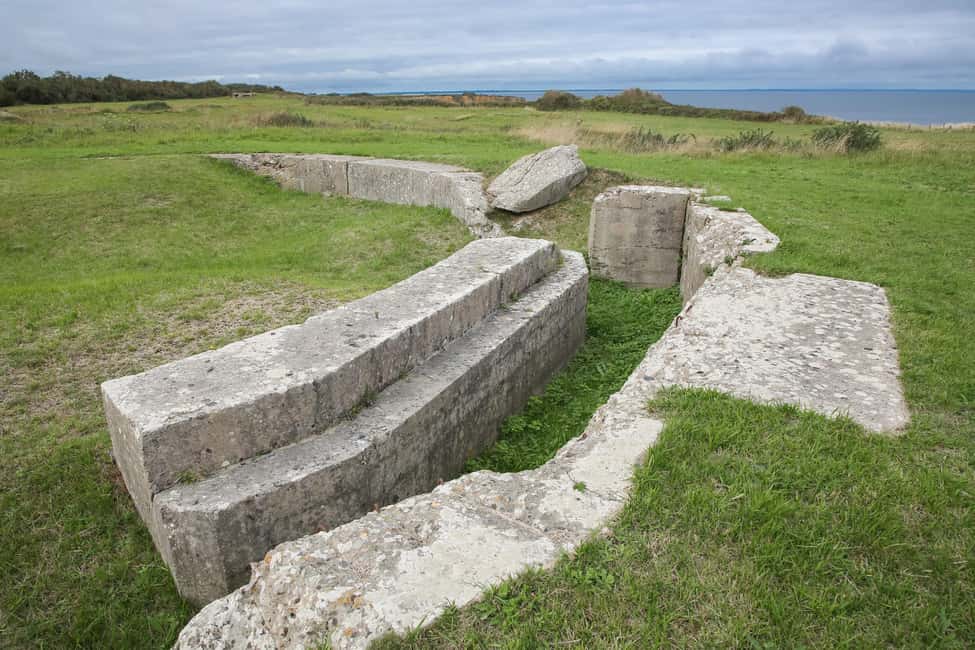
The tour includes a stop that adds balance to the story: the remarkably well preserved German coastal battery at Longues-sur-Mer. This is part of the scheduled experience described for the day, and it’s valuable because it shows you the defenses from the other side of the equation.
This is the kind of stop where the guide’s explanations really pay off. The battery isn’t just “old fortification.” It’s physical evidence of the Atlantic Wall defenses—how Germany fortified the coast and how that shaped what attackers faced.
Why it’s worth your time: D-Day history can tilt toward one narrative if you only visit the landing sites. Seeing the coastal defenses helps you understand why the landings were so costly and how prepared the Germans were in key areas.
Tip for getting more out of it: don’t rush taking it in. Look closely first, then use the guide’s context to connect features to the broader battle geography.
Arromanches-les-Bains: lunch and the Mulberry harbor remains
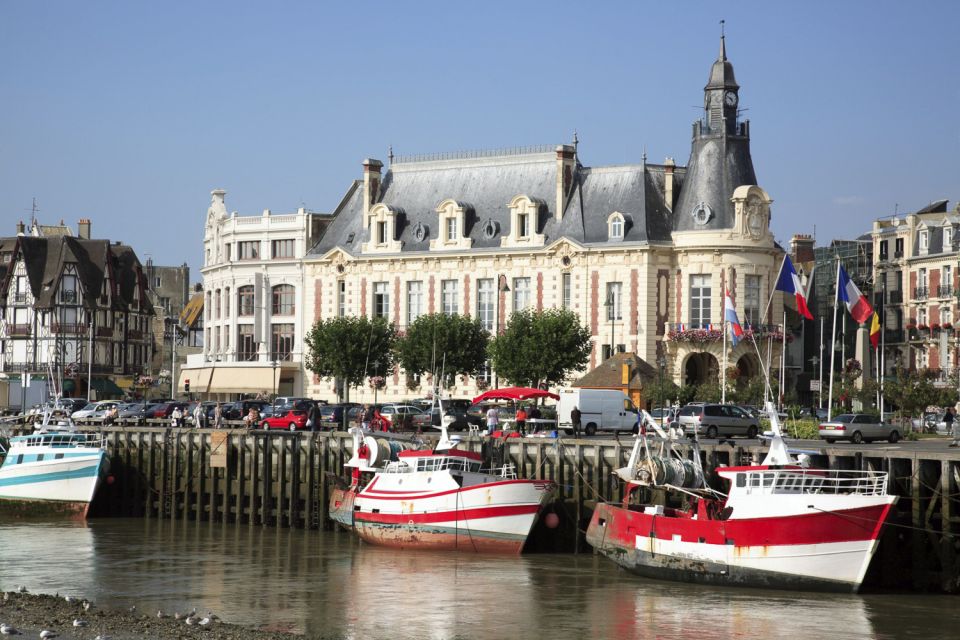
Next comes Arromanches-les-Bains, a classic Normandy seaside town tied directly to the logistics of landing. You’ll have a lunch window (about an hour) and then additional free time for exploring (about 45 minutes).
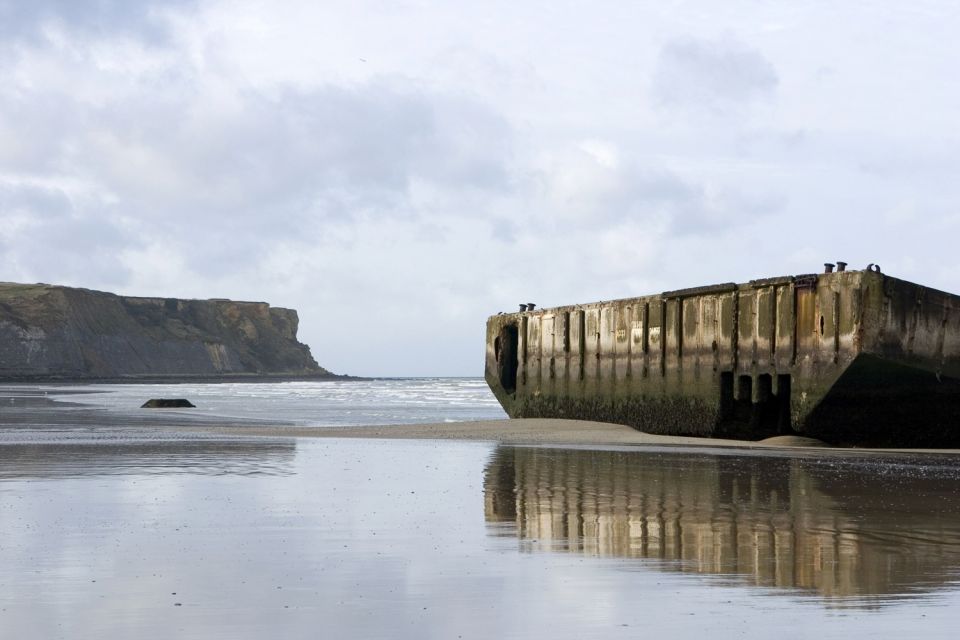
This stop is practical and also fascinating. Arromanches is known for the remains of the Mulberry artificial harbor built to support the Normandy landings. Parts of the reinforced concrete Phoenix caissons can still be seen in the water, which turns a big strategic detail into something you can point at.
This is also the best part of the day for casual strolling. You can grab crêpes or cider if you want something local, or you can use the free time to eat independently based on what looks good.
One value-based reality check about lunch: lunch itself is not included in the tour price. The schedule includes time to eat, and some options provide a set lunch choice, but you’re responsible for paying for your meal. One guest specifically called out that the lunch option wasn’t worth the extra cost, so if you’re price-sensitive, plan to eat where you like rather than where the group defaults.
What I love here: Arromanches gives you a different angle on D-Day. It’s not just conflict and graves. It’s also the engineering problem—how the Allies solved supply needs once the beachhead became real.
Juno Beach area and a museum: the schedule-dependent bonus
Depending on timing, you may also get a short stop near Juno Beach and its cemetery, tied to Canadian troops on June 6, 1944. Some days may also include the chance to visit a museum where everyday objects from life under occupation, military maps, vehicle models, and film screenings help recreate what it felt like during the Battle of Normandy.
This is the main reason the tour is described as flexible. Site availability and traffic can shuffle exact order, and timing can affect whether you get these add-ons.
How to plan for this: if you’re okay with a “you might get it” style bonus, this tour works well. If you need guarantees for Juno or museum time, you’d be taking a risk. On the other hand, many people book this day trip because they want the core hits—Pointe du Hoc, Omaha area, and the American Cemetery—and then they’re happy when extra pieces show up.
Guides and driving: where the experience gets better than the checklist
The rating average for this tour is strong—about 4.6 based on hundreds of reviews—and a big reason is the guides. Names that show up repeatedly include Zoltan, Steve, Camille, Amelia, Ann, and Brigette. The common thread is that the guides don’t treat Normandy like trivia. They explain the “why” behind where you are standing.
A couple of specific guide-style strengths people mention often:
- They keep the day organized so you’re not constantly waiting.
- They answer questions and stick to the WWII story.
- They manage the timing so you get context without feeling totally rushed.
The drivers also matter. This trip is long, and the roads are not Paris straight lines. You’ll want someone who can get you there safely and efficiently, and multiple guests mention strong driving and comfortable buses.
One travel comfort note: the coach is air-conditioned, and there are planned rest stops. Some reviews mention a bathroom on board but also describe rest stops with food and restrooms. Either way, build your day around the idea that you’ll use rest areas during the journey.
Price and value: what $199 buys you (and what it doesn’t)
At about $199 per person for a full 14-hour day, the value is mostly in three categories: transportation, professional guiding, and access to multiple high-impact sites in one go.
Here’s what you get:
- Round-trip transportation by air-conditioned coach
- A live English guide
- Visits to Pointe du Hoc and the American Cemetery
- Omaha area photo stop
- Arromanches stop and visit
What you don’t get:
- Lunch
- Hotel transfers (you start from central Paris meeting points)
So the math is clear. You’re paying for a day with minimal logistics work and a guide who turns coastal geography into battle understanding. If you tried to do this by yourself, you could spend time on transit, navigation, and deciding what’s worth your stop-time. This tour compresses all that into one plan.
Who gets the best value: people who want the key D-Day locations without spending days driving around Normandy. It’s also good for families who want structure and a guide who can keep the story clear for different ages.
Who this day trip suits best (and who should rethink it)
This tour is a strong fit if you want a single-day Normandy experience that hits the major emotional anchors: Pointe du Hoc, the American Cemetery overlooking Omaha, and Arromanches’ Mulberry harbor remains.
It’s less ideal if you:
- Need lots of time to linger at each site (the stops are limited)
- Want deep museum time as a main priority (that part depends on the schedule)
- Have mobility impairments (this tour is not suitable for people with mobility impairments)
If you enjoy history but don’t want to spend all day researching before you go, the guide-led format is a win.
Should you book this Paris to Normandy D-Day day trip?
I’d book it if you’re aiming for a once-in-a-lifetime overview done with structure. The strongest reasons are the pairing of Pointe du Hoc with the American Cemetery, plus the added viewpoint at Longues-sur-Mer and the practical-historical stop at Arromanches. For many people, that combination is exactly what a single Normandy day should deliver.
I wouldn’t book it if you’re chasing long, quiet time at the beaches or museum-style browsing. This is a full-day plan, not a slow retreat. Also, since lunch is not included, decide ahead of time how you want to handle food so it doesn’t take the air out of your day.
If you can handle a packed schedule and you want the core D-Day sites with a real guide, this is a solid, high-value way to get there from Paris.
FAQ
How long is the tour from Paris?
The duration is about 14 hours.
What are the main D-Day sites included?
You visit Pointe du Hoc, the Normandy American Cemetery in Colleville-sur-Mer, and you stop near Omaha Beach. You also get time in Arromanches-les-Bains, and the experience may include viewing the Longues-sur-Mer German coastal battery.
Is lunch included in the price?
Lunch is not included. You’ll have a lunch stop and time in Arromanches, but you’ll need to pay for your meal.
Where do I meet in Paris?
The starting location can vary. Options listed include Frame Brasserie at Hotel Pullman and Pullman Paris Tour Eiffel.
Is the guide offered in English?
Yes. The live tour guide speaks English.
Do I get time to explore Arromanches on my own?
Yes. After lunch time, you have additional free time to explore and dine independently in Arromanches-les-Bains.
Are there any mobility limits?
Yes. The tour is not suitable for people with mobility impairments.
What should I bring?
Bring comfortable shoes, since you’ll be walking and spending time at multiple sites.
Are pets or large luggage allowed?
No pets are allowed, and luggage or large bags are not allowed.