REVIEW · PARIS
Paris: Night Bus Tour with Audioguide
Book on GetYourGuide →Operated by Tootbus · Bookable on GetYourGuide
Paris at night hits different. From the top deck, the whole city glows as you roll past the big icons. I especially love the timing around the Eiffel Tower light-up and the chance to see several landmarks in one compact 2-hour ride without tiring my feet. The main drawback to plan for is that this is an audio-led experience, so if you crave a live storyteller, you may find parts of the commentary less personal.
I also like that Tootbus is built for convenience: you get onboard Wi‑Fi plus the Tootbus app with real-time tracking and geolocalization, so you’re not guessing where the bus is or what stop is next. One more consideration: the bus can get chilly after sunset in shoulder seasons, and with an open-top design you’ll want to dress for the night air.
In This Review
- Key things to know before you go
- Entering the night: how this bus tour really works
- Getting on the Tootbus: where to meet and how early to arrive
- What time does it leave? Night schedules by season
- Louvre area to Notre-Dame: the first big street-level-to-night jump
- Place de la Concorde and Champs-Élysées: where the city looks built for night
- Arc de Triomphe and the approach to the Eiffel Tower
- Eiffel Tower to Moulin Rouge: the route gets moodier
- Opera, Paris: finishing with culture signage and city glow
- The Tootbus app and audio: helpful context or distracting noise
- Comfort, weather, and what to bring for an open-top night
- Who this night bus tour is best for (and who should skip it)
- Price and value: is $36 a smart buy?
- Should you book the Paris Night Bus Tour?
- FAQ
- How long is the Paris night bus tour?
- What time does the tour start?
- Where do I board the bus?
- What sights will the bus pass?
- Is an audio guide included?
- What languages are available for the audio?
- Is Wi‑Fi available on the bus?
- Is food included?
Key things to know before you go
- Eiffel Tower sparkle timing: the route is set up so you’re in place when the lights come on.
- 10-language audio, kids’ guide too: headphones + app make it easy to follow along without a live guide.
- Clean-energy open-top double-decker: good views with a more eco-leaning setup.
- Tootbus app adds control: real-time tracking and self-guided walking tour suggestions.
- Boarding lines can be long: show up early so you don’t risk losing top-deck seats.
Entering the night: how this bus tour really works
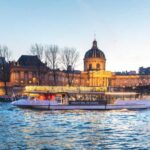
This is one of the easiest ways to get a first, accurate mental map of Paris after dark. In two hours, you trade long walks and decision fatigue for a route that strings together the city’s most photo-friendly landmarks. The open-top double-decker matters here: you’re looking out over street level, which makes night views feel taller, wider, and more dramatic.
You’re also not locked into a single “look, take a picture, move on” stop. The tour is nonstop, and the audio keeps you oriented as the route flows from one highlight to the next. That said, it’s not a conversation tour. You won’t have a live guide telling stories on the fly, so the experience leans more informational than interactive.
You can also read our reviews of more evening experiences in Paris

Getting on the Tootbus: where to meet and how early to arrive
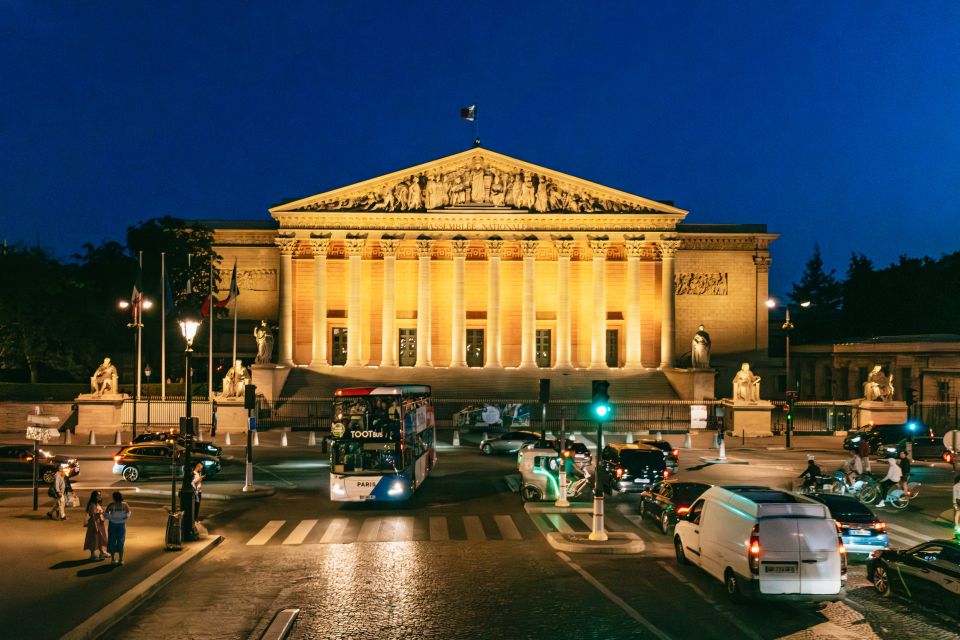
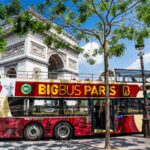
The tour starts at 131 Pl. du Carrousel, and you’ll board on the Louvre side. You’re looking for a red-and-white Tootbus double-decker. The key practical tip: arrive early because the boarding line can get long, and seat demand (especially on top) is real.
I like that mobile tickets are accepted onboard. Still, I’d treat this like a popular city attraction: get there early, pick your spot, and let the bus do its timing work. One review called out that a large queue showed up and buses for the same company were nearby, so don’t panic if the line looks bigger than you expected.
What time does it leave? Night schedules by season
This tour runs at different start times depending on the season. You’ll see departures at 6:00 PM from November and January through March, and at 9:00 PM from April through October.
If you’re traveling in late November through early January, there’s a seasonal change to note: from 21st November to 1st January 2026, the usual route is replaced by a Christmas Tour from stop 1. That can be a plus if you want festive atmosphere, but it’s worth checking the exact date you booked.
Louvre area to Notre-Dame: the first big street-level-to-night jump
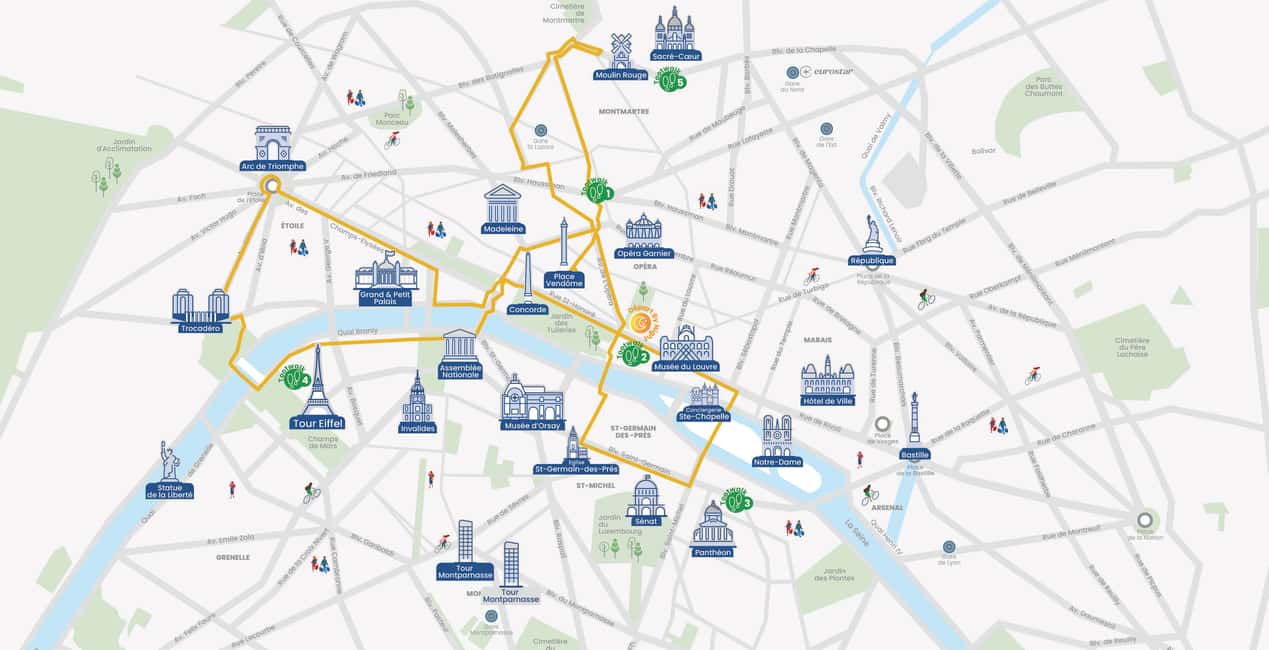
The ride begins by the Louvre area, then heads toward Notre-Dame Cathedral. From the top deck, Notre-Dame feels less like a landmark you pass and more like a focal point in the skyline. You’ll get a straightforward sightseeing pass rather than time for an in-and-out visit, so keep expectations aligned: think views, not guided entry.
A nice part of starting earlier in the evening is how the lighting changes during the ride. Early on, the sky and street glow are developing, and that’s when Paris looks especially “cinematic” without you needing to chase it.
Potential drawback: if you’re hoping for deep, detailed narration of the buildings themselves, the audio style may not satisfy everyone. Some people felt the narration sounded a bit robotic or too music-forward between points. That’s not universal, but it’s something to keep in mind.
Place de la Concorde and Champs-Élysées: where the city looks built for night
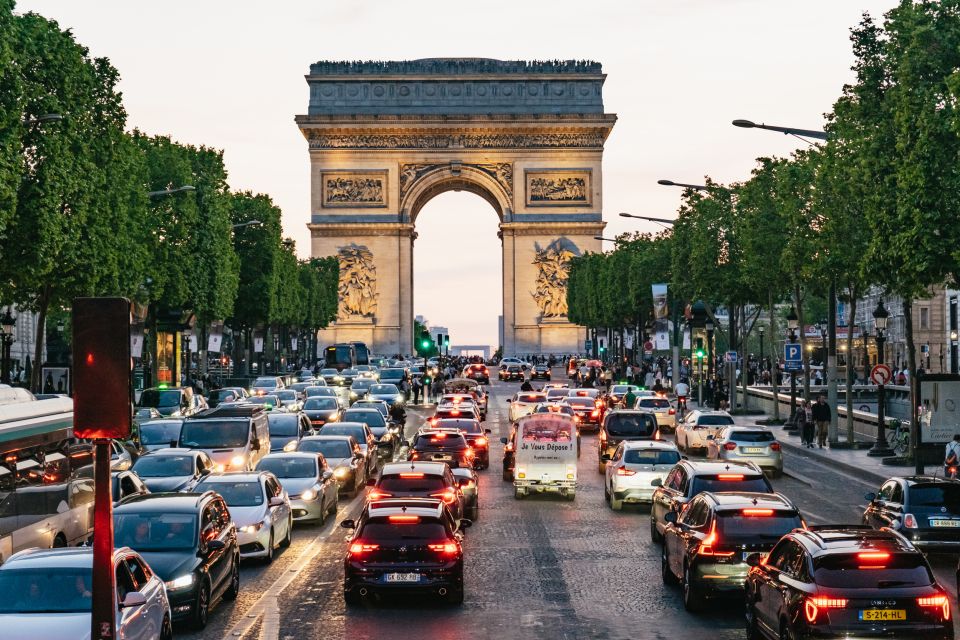
Next up is Place de la Concorde, followed by the Champs-Élysées. These areas work well from a bus because the streets are wide and the perspectives are dramatic from above. You get that “Paris is all straight lines and big façades” feeling, especially when streetlights catch the architecture.
If you’re using this as a first-night orientation tool, this is where it really clicks. You begin to understand how these landmarks connect, and you start mentally marking where you might want to walk later. The audio keeps you company while you pass, which helps you avoid staring out the window with zero context.
One caution: the route moves fast. You’re seeing a lot, so if you want to linger, you’ll need to plan return visits separately.




Arc de Triomphe and the approach to the Eiffel Tower
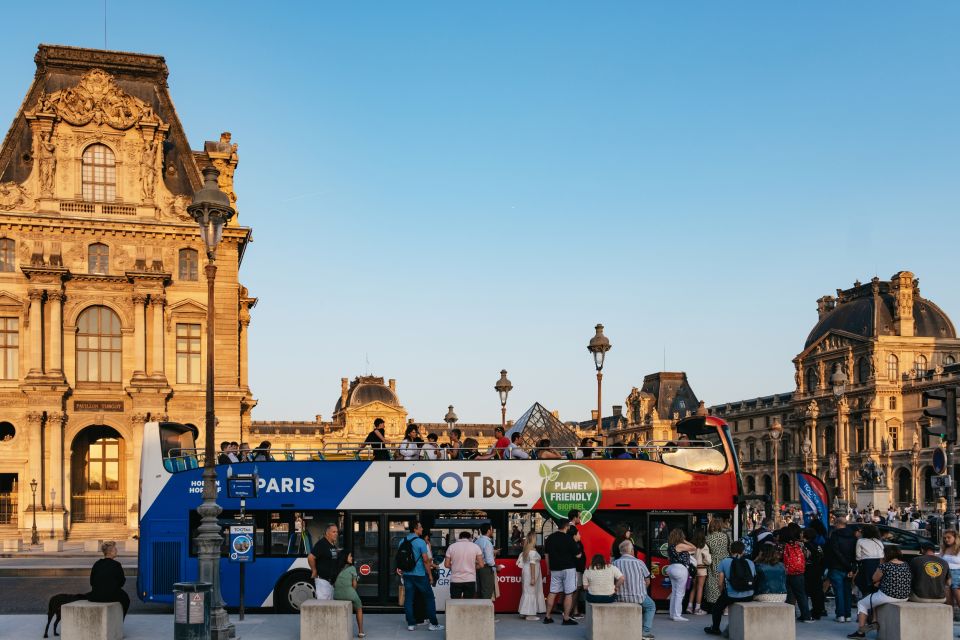
You’ll pass Arc de Triomphe and then head toward the moment everyone books for: the Eiffel Tower at night. From the top deck, the tower reads like a lit centerpiece rather than a distant monument. The timing is a standout feature: multiple comments praise how the bus was paced so people arrived right as the lights and sparkles started.
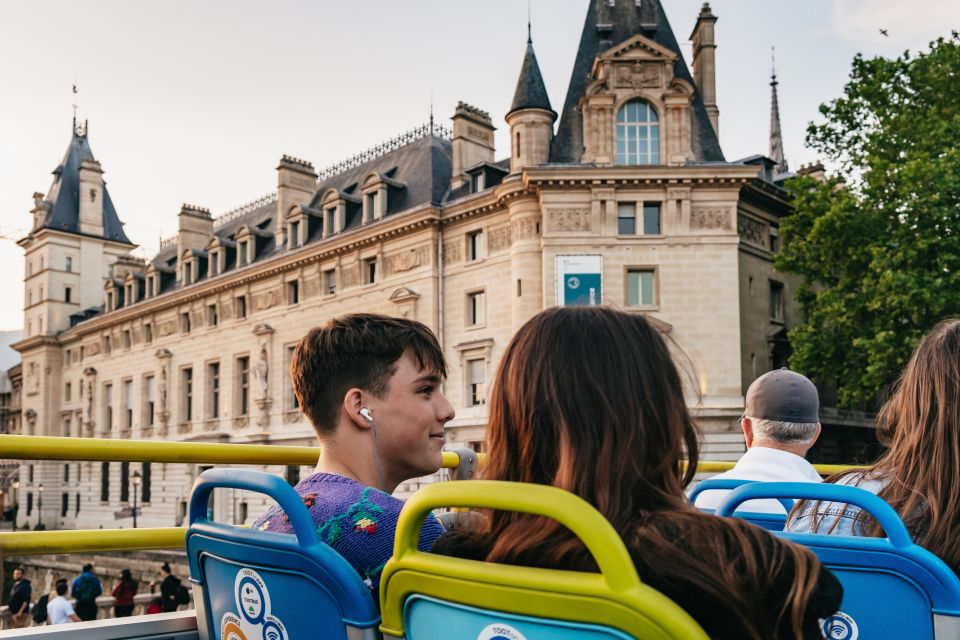
This is also where comfort matters. If you’re on the upper deck, you’ll feel the night air more, so dress for it. And if it’s cold, you’ll appreciate that you’re not standing outside for a long time. You’re stationary for the right portion, with views and photos that feel easy.
A practical detail from a review: if rain happens right before your departure, water can collect and trickle on seats. In at least one case, paper towels were provided so passengers could dry up. Bring a plan for weather, but don’t assume the tour will turn into a disaster.
Eiffel Tower to Moulin Rouge: the route gets moodier
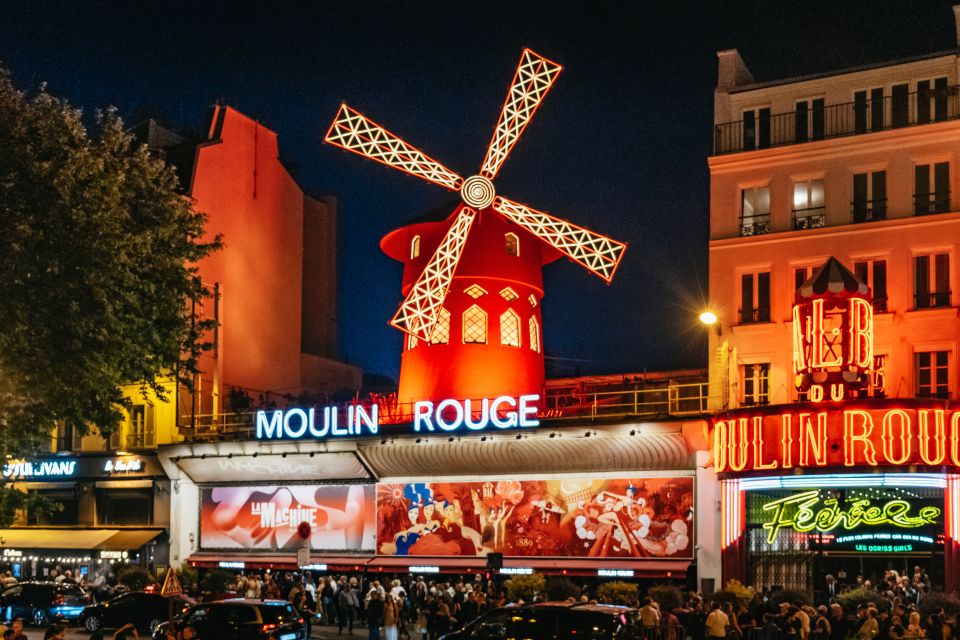
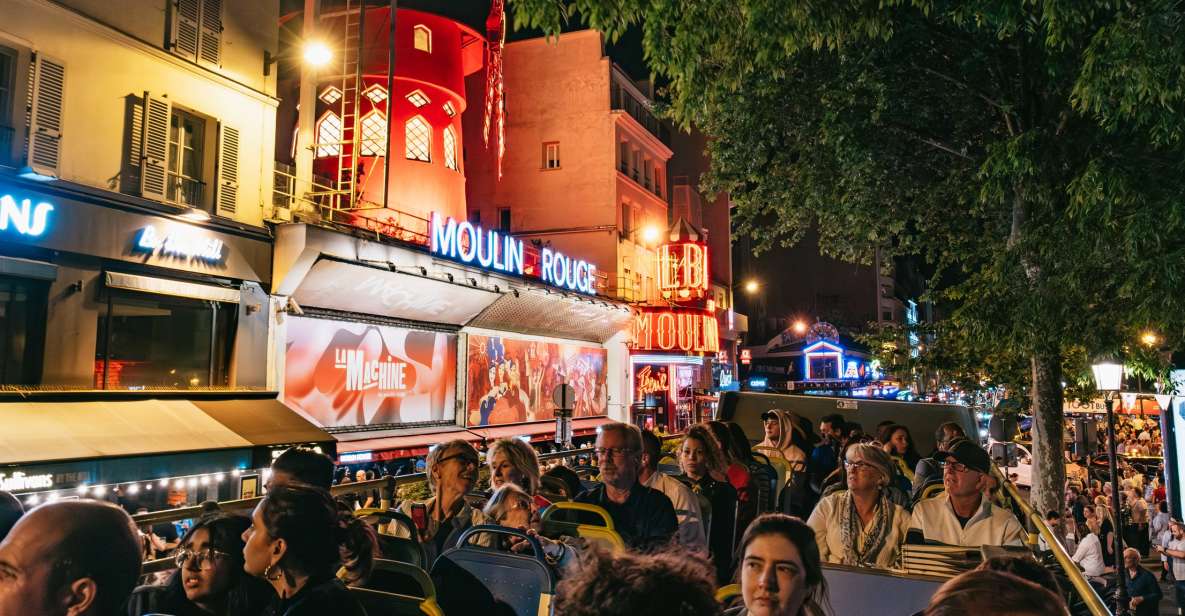
After the tower, the bus moves toward Moulin Rouge. This section changes the vibe. Instead of grand governmental squares and monumental avenues, you get a more playful neighborhood feel. At night, that contrast reads strongly from the bus window, and it’s a good reminder that Paris isn’t only about history plaques and galleries.
This part of the ride also helps if you’re a photo person. You get plenty of angles from the bus, and you don’t have to worry about hauling gear between far-apart neighborhoods. You can focus on framing the tower glow first, then switch to nightlife energy.
One drawback that shows up in feedback: after the Eiffel moment, some people felt the experience could feel a bit less exciting compared with the lead-up. That’s normal for any single-highlight night route. If Eiffel Tower lighting is your main goal, you’re still likely to be happy with what you get.
Opera, Paris: finishing with culture signage and city glow
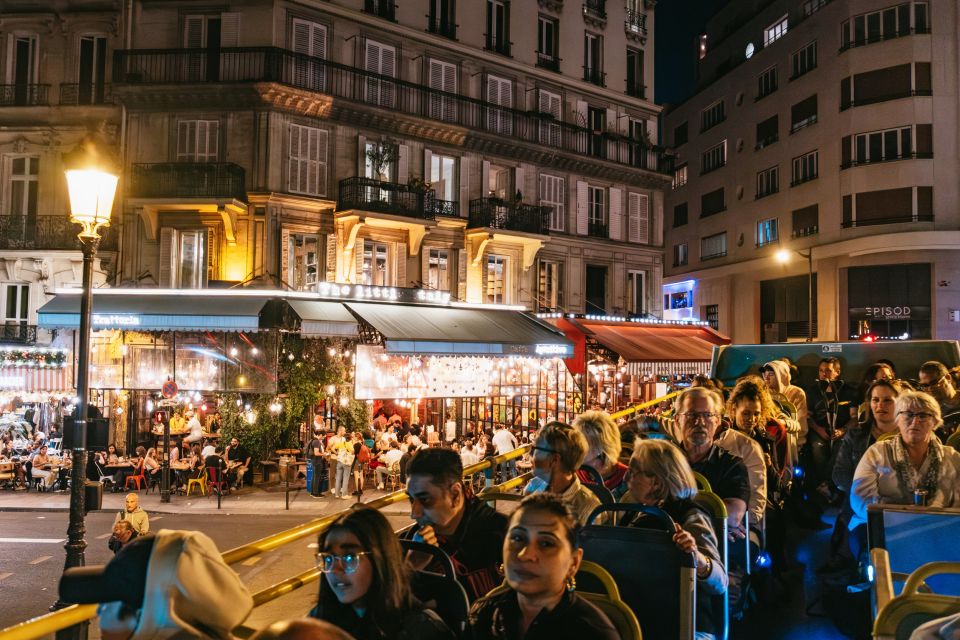
The ride continues to the Opera, Paris area before returning. This stop is less about a single “wow” view and more about closing the loop with something grand and theatrical-feeling. It also helps you understand where the city’s cultural core sits relative to everything you’ve already seen.
Because the tour returns to its start point, you get an easy finish without navigating transit immediately after. If you’re the type who wants to see a lot, then regroup quickly back at your hotel, this ending style fits well.
The Tootbus app and audio: helpful context or distracting noise
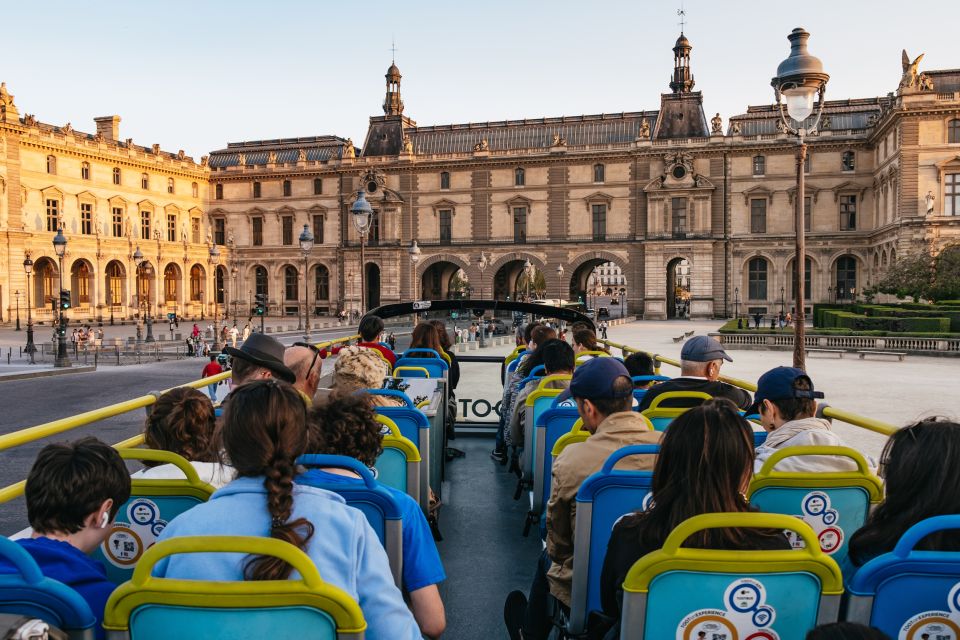
You’ll have audio commentary in 10 languages, plus the option for a kids’ audio guide. You also get onboard Wi‑Fi. On paper, that’s a strong combo: you can listen on the bus and use the app to keep track.
In practice, the audio experience is the most mixed part of the tour. Several reviews praised the route narration and timing around the Eiffel Tower. Others pointed out issues like low volume, music between sights that feels distracting, or narration that sounds less natural than expected in translation.
My practical take: bring your own headphones (it’s encouraged to reduce waste anyway), and don’t be shy about turning your phone/app volume up before you settle in. If the audio is too “trendy,” you may want to use it like a facts layer rather than your entire soundtrack.
Also, the app includes real-time bus tracking and geolocalization, plus self-guided walking tours like Montmartre and Emily in Paris. That part is genuinely useful because it turns your night view into a plan for the next day. You’re not done just because the bus ride ends.
Comfort, weather, and what to bring for an open-top night
Open-top bus rides are a great deal for sightlines, but they come with a basic tradeoff: you’re more exposed than you would be inside a coach. In the fall and early winter, that means you’ll want layers. One review specifically recommended wrapping up warm because it can get chilly.
For rainy weather, don’t expect miracle-proof comfort. One experience noted that after a downpour before departure, water was rushing on the upper deck and paper towels were provided to dry seats. A light rain jacket or a small packable umbrella can help your mood stay high.
Other helpful realities:
- Your ticket is single-use for the booked date/time.
- There’s no food or drinks included, so plan to grab a snack before boarding.
- Smoking isn’t allowed, and alcohol and drugs aren’t permitted.
- Oversize luggage isn’t allowed, so travel light if you can.
Who this night bus tour is best for (and who should skip it)
I’d recommend this tour if you want a fast, low-effort way to see the highlights with minimal planning. It’s a good fit for first-timers, couples, families with kids (since a kids’ audio guide is included), and anyone short on time who still wants Eiffel Tower lighting in their Paris story.
You might rethink it if you’re the type who hates audio-only commentary or needs a live guide to feel satisfied. If you’re after deep cultural context, you’ll still get some narration, but the experience isn’t designed like a conversation tour.
Also, solo travelers often appreciate the structure. One review specifically said it felt safe for a single female traveler, which aligns with the general benefit of traveling on a well-organized, timed sightseeing bus.
Price and value: is $36 a smart buy?
At $36 per person for a 2-hour nighttime tour, the value comes from efficiency. You’re paying for:
- prime night views from a double-decker,
- a route that covers major landmarks in one go,
- multi-language audio guidance,
- app extras like tracking and walking-tour suggestions,
- and onboard Wi‑Fi.
If you only have one evening and you’re already planning to hit several of these sights over multiple trips, this ticket can simplify the whole schedule. The best-case scenario is that you get that Eiffel Tower lighting moment plus a clean overview of the city layout without spending energy on transit.
The only “value risk” is if the audio style doesn’t work for you. If you end up finding the narration low-information or overly music-based, you might feel like you paid for views more than guidance. Still, even in that case, the core product is the night skyline from the top deck, and that part is hard to beat.
Should you book the Paris Night Bus Tour?
Yes, if your main goal is seeing Paris at night efficiently, especially with Eiffel Tower sparkle timing. I’d book it when you want a relaxed overview, you’re open to recorded commentary, and you’d rather sit and look than sprint between monuments.
Skip it if you’re hunting for a live guide experience or you dislike audio narration in general. If that’s you, consider spending the evening walking a smaller area instead, where you can ask questions and control the pace.
If you do book, do one simple thing: arrive early and dress warm. That’s how you maximize your chances of top-deck views at the right time and make the night feel like a win, not a wait.
FAQ
How long is the Paris night bus tour?
The duration is 2 hours and the tour runs as a nonstop ride.
What time does the tour start?
Start times vary by season: 6:00 PM from November and January through March, and 9:00 PM from April through October. You should check availability for your exact date.
Where do I board the bus?
You board at the Louvre area, at 131 Pl. du Carrousel. Look for the Tootbus red and white double-decker bus.
What sights will the bus pass?
The route includes Notre-Dame Cathedral, Place de la Concorde, Champs-Élysées, Arc de Triomphe, the Eiffel Tower, Moulin Rouge, and the Opera area, then returns to 131 Pl. du Carrousel.
Is an audio guide included?
Yes. You get headphones and an audio commentary program available through the bus and the provider’s app. Kids also have an audio guide.
What languages are available for the audio?
The audio guide is available in Chinese, English, French, German, Italian, Russian, Spanish, Arabic, Japanese, and Portuguese.
Is Wi‑Fi available on the bus?
Yes, Wi‑Fi is provided onboard.
Is food included?
No. Food and drinks are not included.